


1 Michelin Star · Macarfi 8.3 Food Rating · Guía Repsol 1 Sol
Our verdict
Set on a working farm outside Gimenells in Lleida's agricultural heartland, Malena is a family-run restaurant where chefs Xixo Castaño and Llum Oliva translate the region's produce into traditionally rooted modern cuisine. The kitchen works directly with the Institute for Food Research and Technology, and a custom ember-and-steam technique distinguishes the grill work. Two tasting menus and an à la carte run Tuesday through Sunday lunchtimes, with Friday and Saturday dinner service added.

Pearl is the En Primeur Club membership app, where members save venues, book tables and use the concierge.
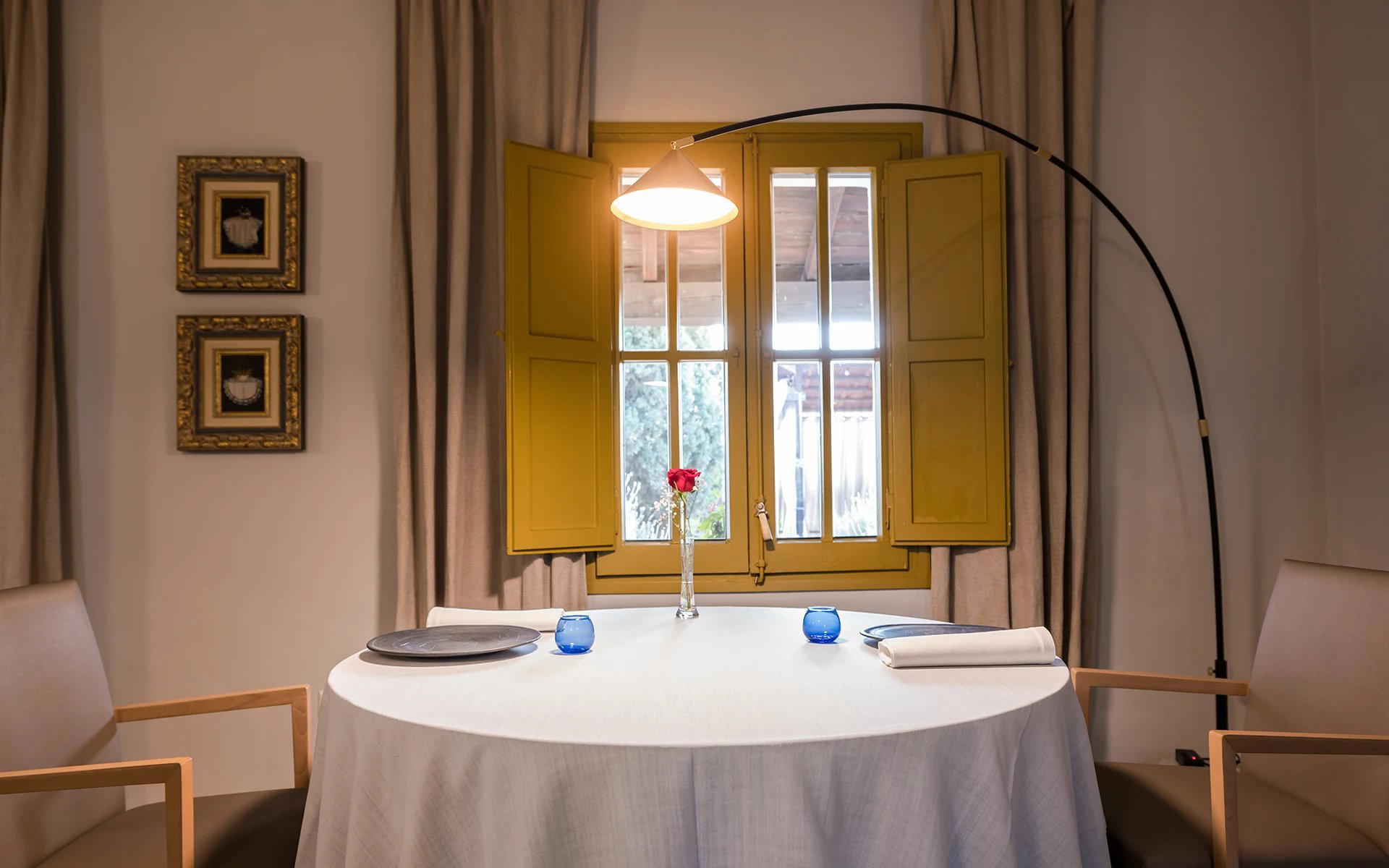
A Farm Turned Dining Room in the Lleida Plain
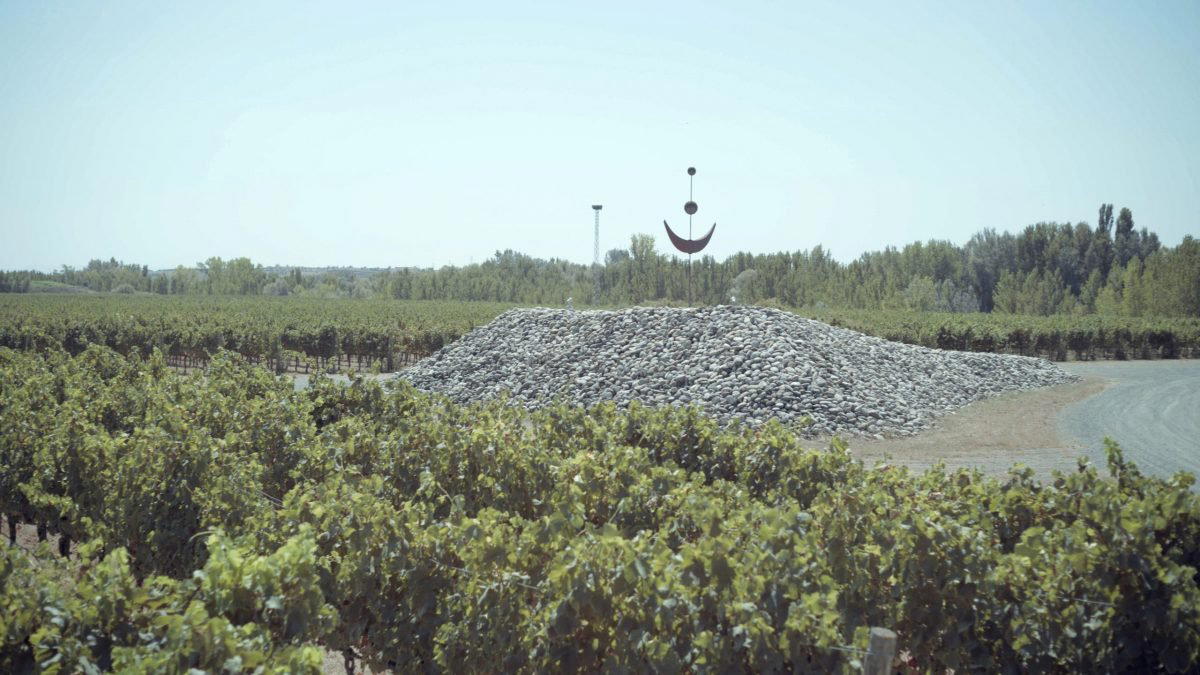
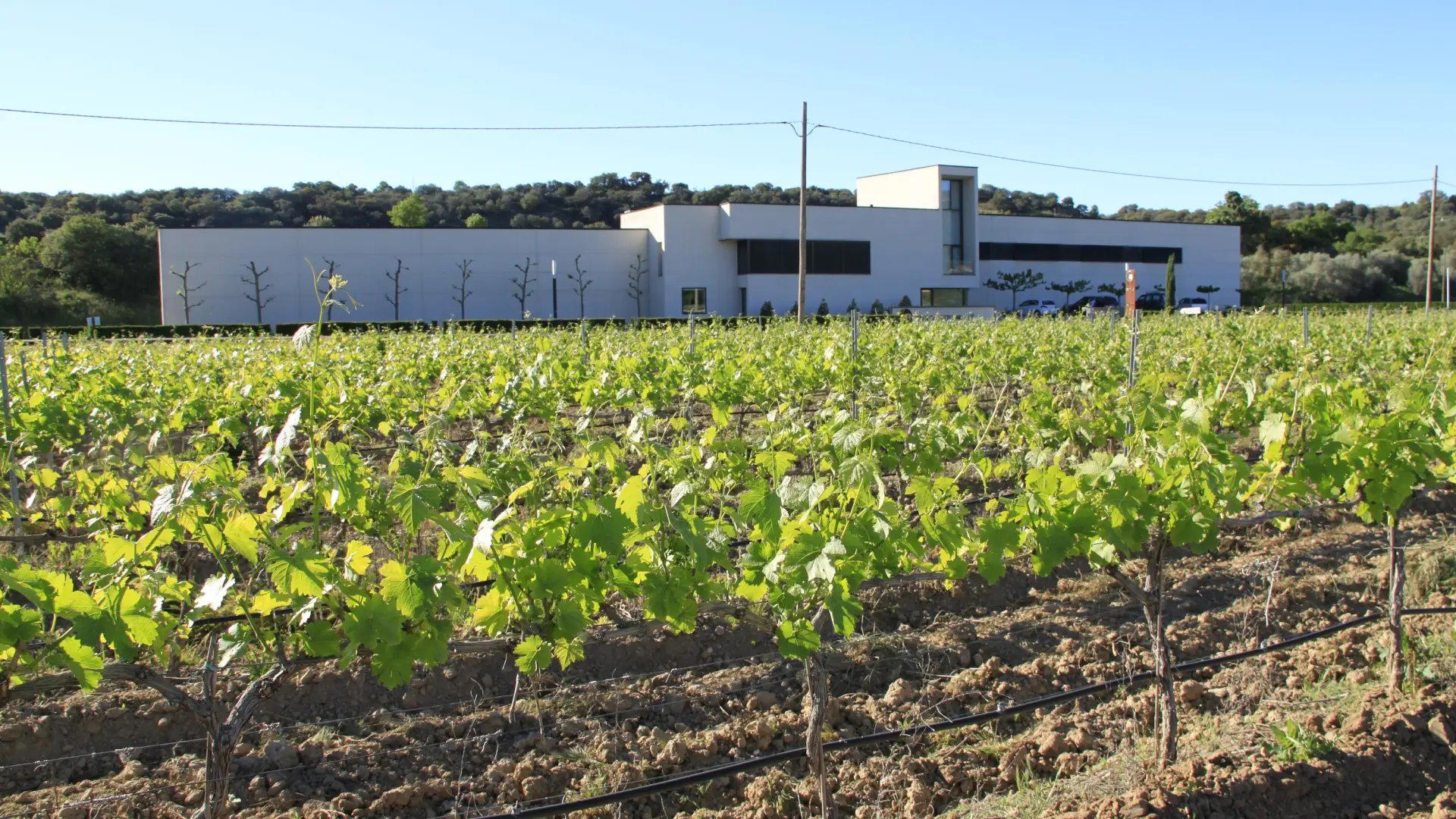
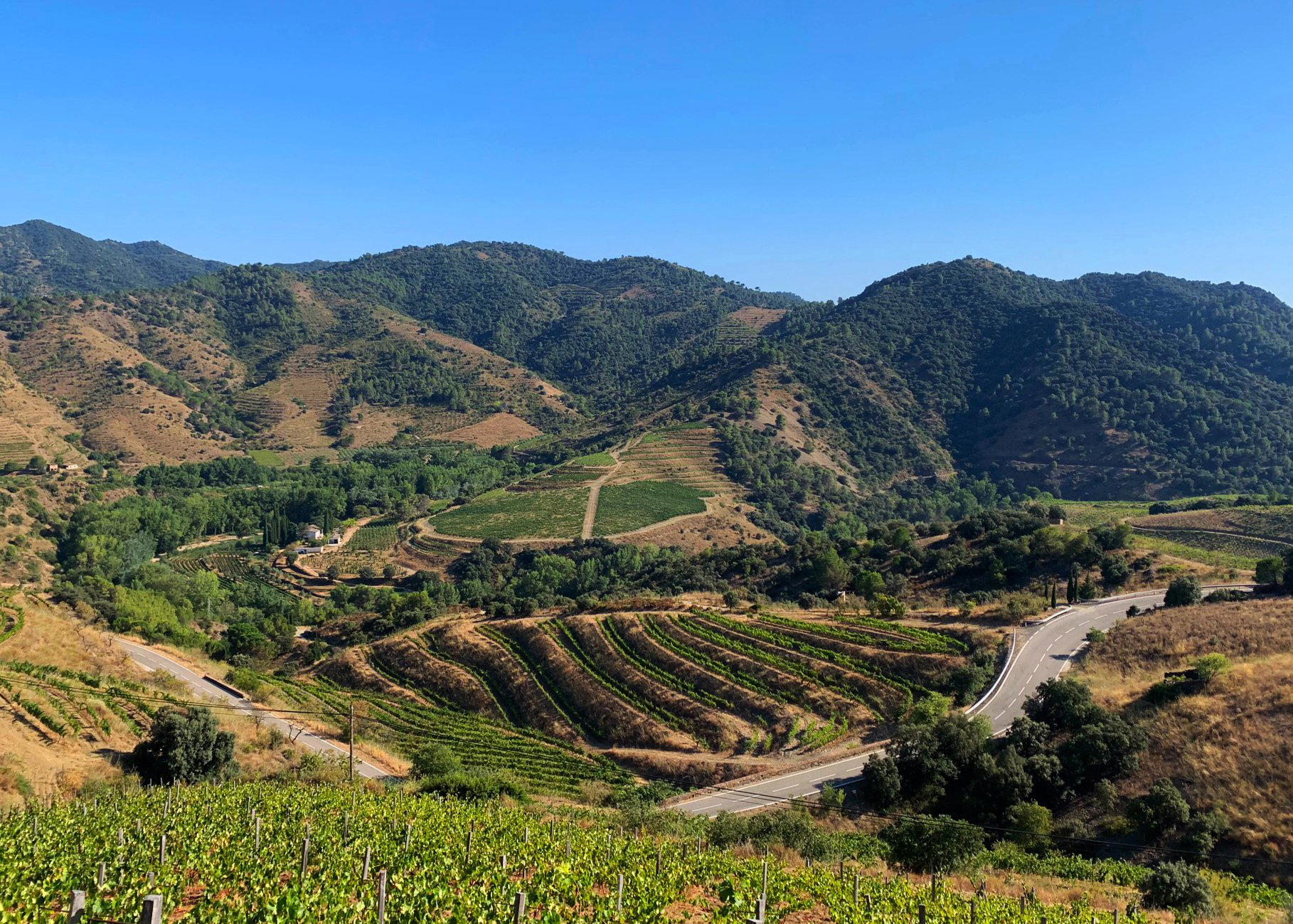
Approaching Malena means passing through some of the most productive agricultural land in Catalonia. The Segrià comarca around Gimenells supplies a significant share of Spain's stone fruit, olive oil, and field vegetables, and the flat, sun-bleached terrain outside the village reads immediately as working land rather than tourist scenery. The restaurant occupies an old farm building on the outskirts of Gimenells, and that agricultural context is not incidental to what happens inside: it is the whole premise.
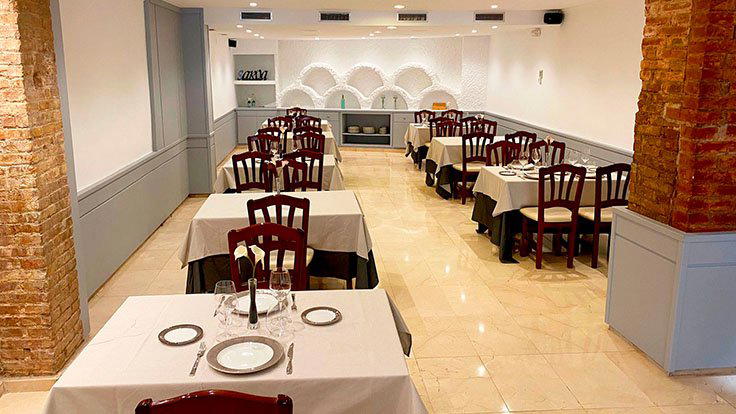
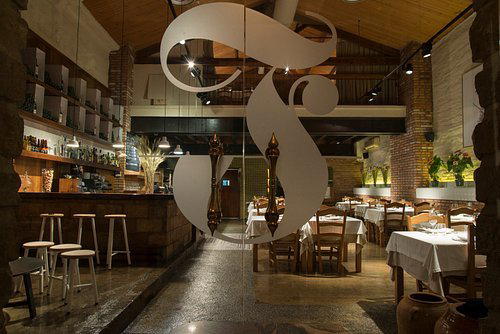
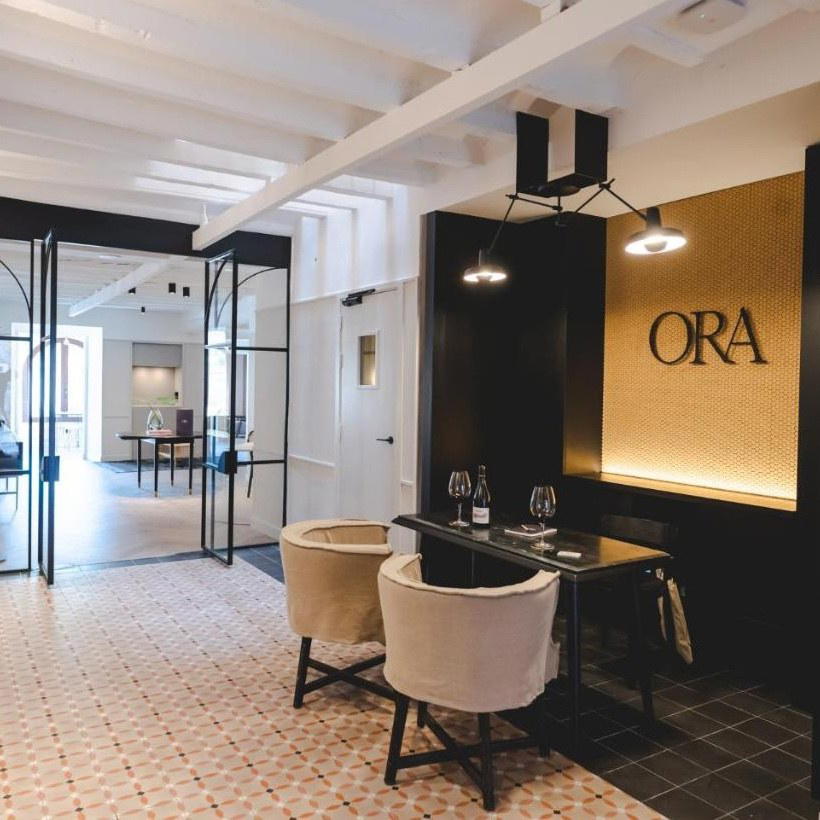
The physical space reflects that lineage without being rustic in the nostalgic sense. A glass-fronted wine cellar anchors one side of the room, an open kitchen runs along another, and a private dining area with an open fire sits separately from the contemporary main dining room. The design keeps materiality honest, stone, glass, clean lines, so the setting reads as a working place that has been thought about rather than decorated. See our full Gimenells restaurants guide for additional context on what the area offers.
Sourcing as Structure, Not Garnish
Spain's most-discussed modern restaurants tend to cluster around the Basque Country and Barcelona. Arzak in San Sebastián, Disfrutar in Barcelona, and El Celler de Can Roca in Girona operate at the €€€€ tier and draw international diners specifically. Malena sits at €€€ and occupies a different position in the Spanish restaurant map: a regionally embedded kitchen where the sourcing relationship is structural rather than decorative.
The restaurant works alongside the Institute for Food Research and Technology, a formal partnership that positions the kitchen inside the region's agricultural and scientific ecosystem. That kind of institutional alignment is more common among destination restaurants in Catalonia's research corridors than in rural village dining, and it signals that the ingredient sourcing here is an active programme rather than a marketing claim. Restaurants across Spain that operate at this intersection, producers, research institutions, and modern technique, tend to operate with genuine seasonal constraint. The menu shifts when the land dictates, not when a rebrand requires it.
Lleida's olive oil is among the most distinctively flavoured in Catalonia, with protected designation of origin status covering several local varieties. The kitchen's habit of opening service with a tasting of olive oils on different house-made breads is, in that context, less a theatrical gesture and more a direct orientation. It tells you where you are and what the surrounding land produces before any other course arrives.
The Grill and Its Logic
Grilling over embers has become a reference point across Spanish modern cooking, from the wood-fired approach at Azurmendi in Larrabetzu to the charcoal work that underpins coastal menus at places like Quique Dacosta in Dénia. What distinguishes the grill programme at Malena is a custom technique developed in-house: a method that uses steam to carry ember aromas into ingredients rather than relying solely on surface contact. Chefs Xixo Castaño and Llum Oliva developed this approach themselves, and it represents a technical investment in a cooking method that might otherwise read as straightforwardly traditional.
The distinction matters because it explains the restaurant's position in the broader category of modern Spanish cuisine. Places like Mugaritz in Errenteria, DiverXO in Madrid, and Aponiente in El Puerto de Santa María invest heavily in conceptual novelty and technical complexity as ends in themselves. Malena's technical development is pointed inward, toward amplifying a specific regional ingredient and a specific traditional technique rather than expanding into abstraction. That is a meaningful editorial choice about what modern cooking is for.
Menu Format and What It Tells You
The kitchen runs two tasting menus, De la Pizarra and Q, alongside an à la carte that draws from dishes featured on both. That format suits the clientele pattern of a restaurant operating in a regional setting: not everyone coming for a Tuesday lunch is committing to a long tasting format, and the à la carte gives access to the kitchen's core cooking without the commitment. For comparison, restaurants like Martin Berasategui in Lasarte-Oria and Ricard Camarena in València operate in more destination-oriented formats where tasting-only menus are the expectation.
Dual-menu structure at Malena reflects a self-awareness about its audience: locals who return regularly alongside occasional destination visitors from Lleida, Barcelona, or further afield. Having both tasting depth and à la carte flexibility also reinforces the farm-to-table logic. Dishes rotate with what the surrounding land is producing, so the printed menu is always provisional.
Planning Your Visit
Malena opens Tuesday through Sunday for lunch between 1 PM and 3:30 PM, with Friday and Saturday dinner service running 9 PM to 10:30 PM. Monday is closed. The lunch-dominant schedule reflects the rhythms of Spanish agricultural communities and means the experience skews daytime: arrive for the full light across the Segrià plain rather than treating it as an evening-only destination.
Gimenells sits within Lleida province. The town is small and primarily agricultural, so the restaurant is effectively the reason to make the journey from the provincial capital or from the Catalan coast. For visitors combining it with other travel in the region, our Gimenells hotels guide, bars guide, wineries guide, and experiences guide cover the surrounding area. For those building a wider Spanish itinerary around serious restaurants, Atrio in Cáceres and internationally referenced benchmarks like Le Bernardin in New York and Atomix in New York offer points of comparison for understanding where ingredient-led modern cooking sits globally.
The €€€ price positioning places Malena below the top tier of Spanish destination restaurants but above the casual end of the Catalan dining market. Given the Michelin recognition implicit in the awards data and the research-institution partnership, the restaurant delivers at a price point that reflects its regional position rather than its ambitions.
Frequently asked questions
Is Malena okay with children?
Malena occupies a converted farmhouse in Gimenells with a contemporary dining room and a private space with an open fire, which gives the setting a relaxed, unpretentious quality despite the modern cuisine. Lunch service runs Tuesday through Sunday from 1 PM to 3:30 PM, a format that suits families more easily than late dinner. That said, the kitchen focuses on refined tasting menus and grilled produce, so children comfortable at a structured, sit-down lunch will be at home here.
Is Malena formal or casual?
The setting is a converted farm on the outskirts of Gimenells, and the dining room is contemporary rather than ceremonial. Chefs Xixo Castaño and Llum Oliva run an open kitchen, which signals accessibility over formality. The cooking is technically considered, Michelin-recognised, with two tasting menus, but the environment reads more like a serious country restaurant than a white-tablecloth destination.
What kind of recognition has Malena received?
Malena has received recognition including: This family-run restaurant occupies an old farm on the outskirts of Gimenells, where it works alongside the Institute for Food Research and Technology to promote the region’s locally grown produce. Features here include an attractive glass-….
What should I order at Malena?
The kitchen opens with a tasting of olive oils on home-made breads, which frames what follows: produce sourced through the region's agricultural networks, handled with precision. Castaño's grilled dishes are the kitchen's acknowledged strong suit, he designed his own technology to transfer ember aromas into ingredients via steam, which separates Malena's fire cooking from the standard wood-grill approach found elsewhere. The à la carte draws from both tasting menus, De la Pizarra and Q, so ordering that way lets you combine dishes across formats.
Side-by-Side Snapshot
| Venue | Cuisine | Price | Awards | Notes |
|---|---|---|---|---|
| MalenaThis venue (the venue you are viewing) | Modern Lleida Cuisine | $100–150 | 1 Michelin Star · Macarfi 8.3 Food Rating | Not listed |
| Aponiente | Avant-Garde Marine Seafood | $200–300 | 3 Michelin Stars · World's 50 Best #84 | Progressive - Seafood, Creative |
| Arzak | Contemporary Basque Fine Dining | $300–500 | 3 Michelin Stars · World's 50 Best #31 | Modern Basque, Creative |
| DiverXO | Avant-Garde Spanish Tasting Menu | $300–500 | 3 Michelin Stars · World's 50 Best #4 | Progressive - Asian, Creative |
| El Celler de Can Roca | Creative Catalan Fine Dining | $300–500 | 3 Michelin Stars · World's 50 Best #2 | Progressive Spanish, Creative |
| Quique Dacosta | Avant-Garde Spanish Fine Dining | $300–500 | 3 Michelin Stars · World's 50 Best #65 | Creative |
Recognition history
Dated appearances from independent guides and award organizations, with the underlying list record or original source where available.
Michelin 1 Star
Michelin
Guía Repsol 1 Sol
Guía Repsol
Macarfi 8.3 Food Rating
Macarfi
Full recognition history (4 entries)
Michelin 1 Star
Michelin
Continue exploring
More in Gimenells
Restaurants in Gimenells
All restaurants in Gimenells →
Hotels in Gimenells
Browse all →

Details
- Elegant
- Cozy
- Modern
- Intimate
- Special Occasion
- Date Night
- Open Kitchen
- Private Dining
- Extensive Wine List
- Farm To Table
- Local Sourcing
- A La Carte
- Tasting Menu
Current opening hours
- Monday
- Closed
- Tuesday
- 1–3:30 PM
- Wednesday
- 1–3:30 PM
- Thursday
- 1–3:30 PM
- Friday
- 1–3:30 PM, 9–10:30 PM
- Saturday
- 1–3:30 PM, 9–10:30 PM
- Sunday
- 1–3:30 PM
Hours can change for holidays and private events. Hours as of .
Contemporary dining room with open kitchen, glass-fronted wine cellar, and pleasant private space featuring an open fire.