
Michelin Plate
Our verdict
In Zaragoza's Casco Antiguo, steps from the Caesaraugusta Theatre Museum, Maite holds a 2025 Michelin Plate for its precise, respectful treatment of Aragonese tradition. A couple with training from leading Spanish restaurants runs a tight operation built around a concise à la carte and tasting menu. At the €€ price point, it represents one of the more considered contemporary options in the city's mid-tier dining bracket.

Pearl is the En Primeur Club membership app — saves, bookings, and concierge access live there. Same editors, same standards.
- Address
- Pl. de San Pedro Nolasco, 5, Casco Antiguo, 50001 Zaragoza, Spain
- Phone
- +34 976 39 74 74
- Hours
- Mon–Wed ClosedThu–Sat 1:30–3 PM, 8:30–11 PMSun 1:30–3 PM
- Website
- xn--novomaiteanduria-lub.es
- Directions
- Get directions
The menu
What to order
- Colmenillas with Brandy, Cacao and Cured Egg Yolk
- Crab Crystal
- Spring Flavors
- Scallop Ajoblanco
A Quiet Corner of the Old Town, Seriously Meant
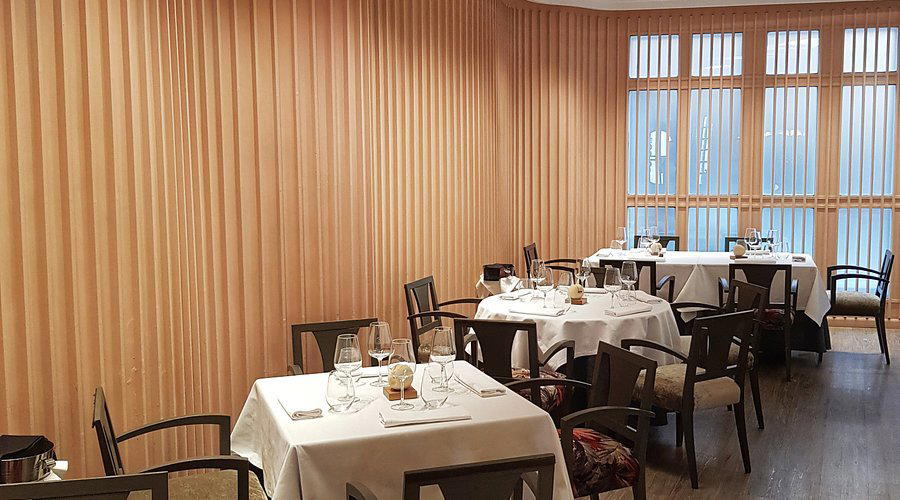
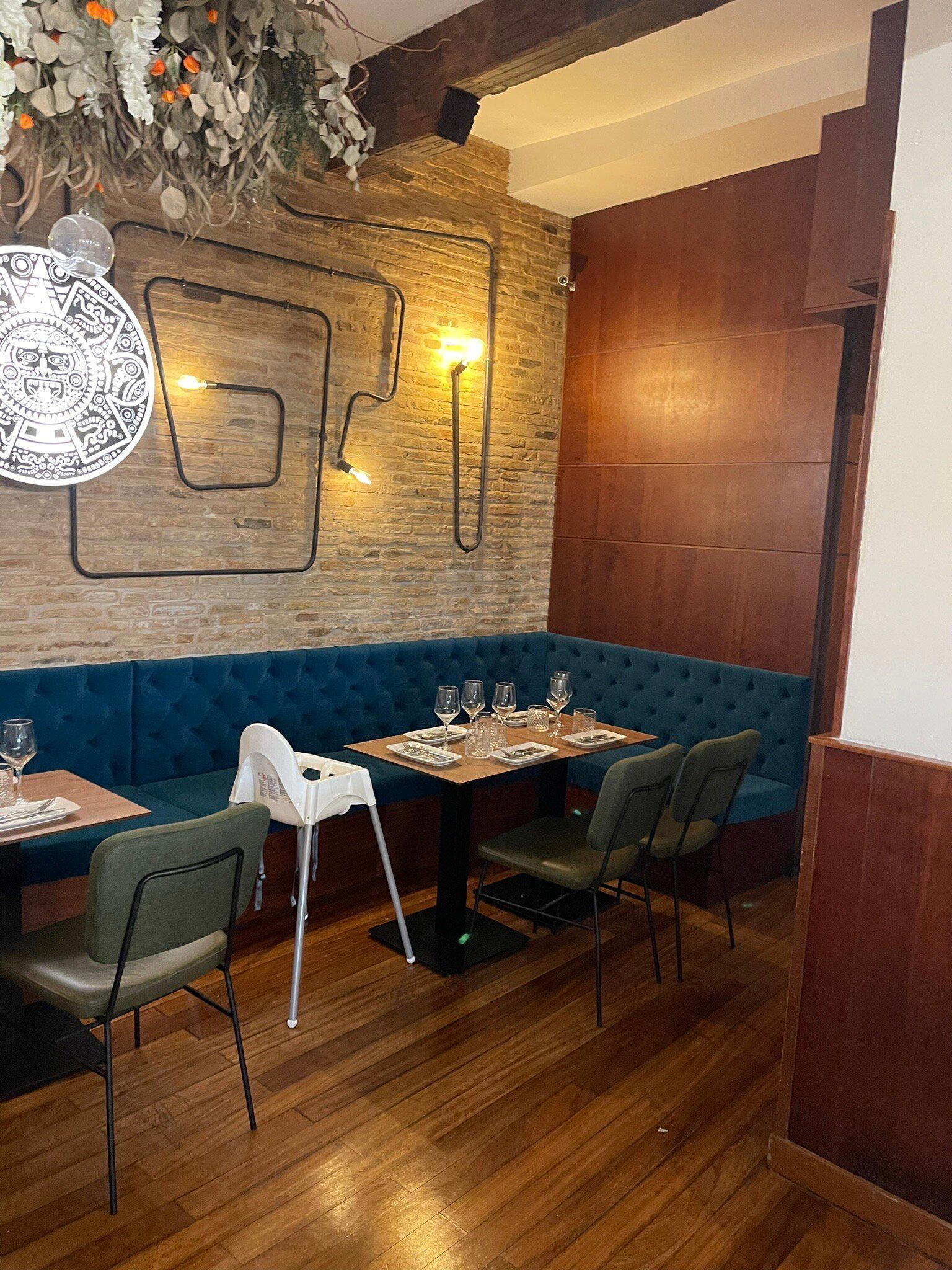
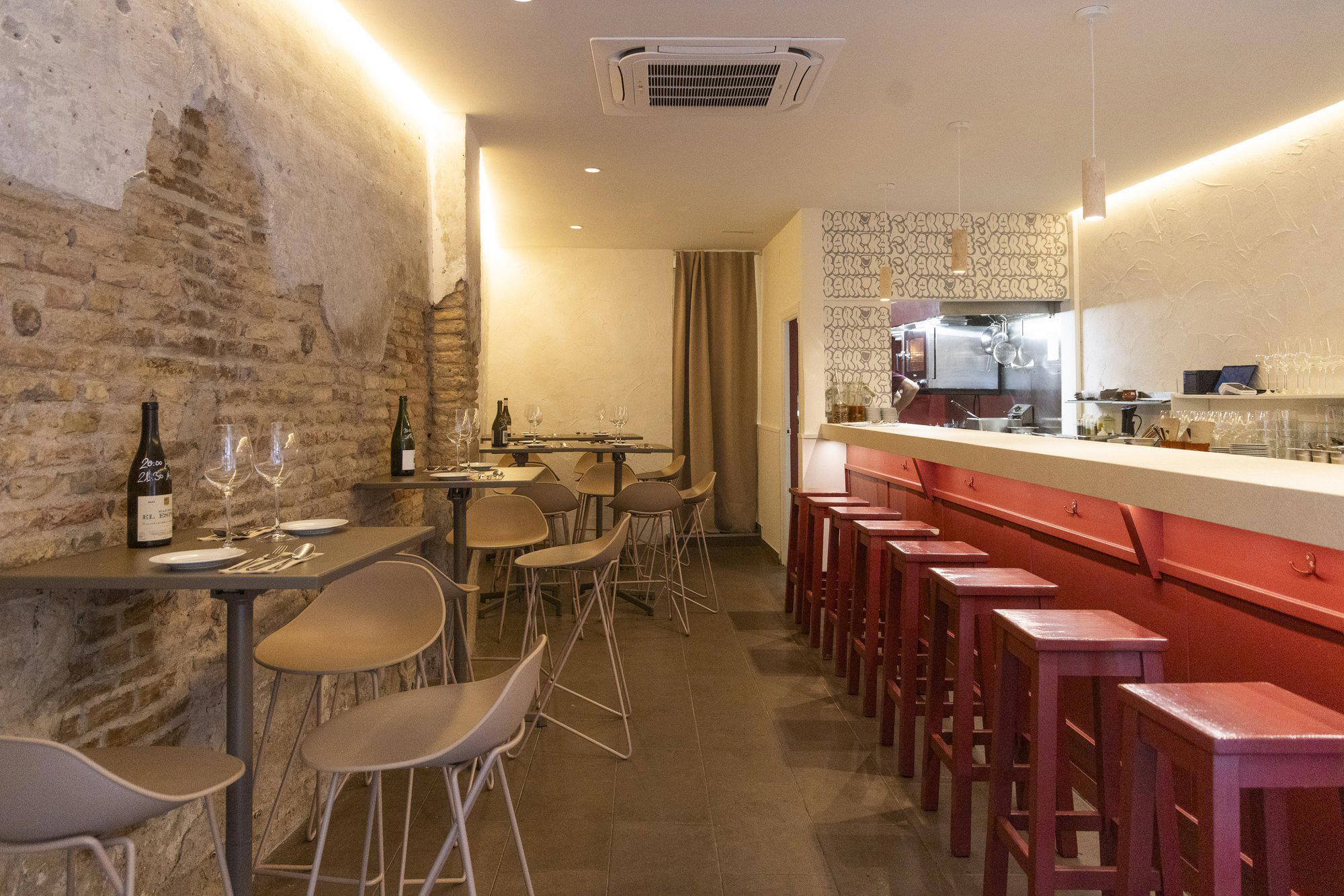
Plaza de San Pedro Nolasco sits inside Zaragoza's Casco Antiguo at a remove from the louder tourist circuits around the Basílica del Pilar. The square has the unhurried quality of a neighbourhood that locals use rather than one that performs for visitors. Maite occupies number five on that square, and the setting shapes the experience before you sit down: this is a restaurant that reads as deliberate rather than conspicuous, the kind of room where the work happening in the kitchen is the entire point.
That framing matters in a city where contemporary dining can tip toward spectacle. Zaragoza's more ambitious end of the market includes venues at the €€€€ tier — Cancook (Creative) being the clearest example — and a cluster of mid-range contemporaries. Maite sits in the €€ bracket alongside es.TABLE, a peer in both price and format orientation, while La Prensa and Bistrónomo and Quema define the edges of that contemporary tier. Within this bracket, Maite's 2025 Michelin Plate award marks it as one of the city's more technically grounded options at accessible pricing.
What the Michelin Plate Signals Here
A Michelin Plate is awarded for cooking that is simply good, meeting the guide's threshold for quality without yet reaching the star tier. In a mid-sized Spanish city operating outside the country's main gastronomic spotlight, that spotlight falling, persistently, on San Sebastián, Madrid, and Catalonia, the designation carries real weight. It places Maite in a different conversation from restaurants in the same price band that operate without that external calibration.
Spain's leading end is densely credentialed: operations like Arzak in San Sebastián, El Celler de Can Roca in Girona, DiverXO in Madrid, Aponiente in El Puerto de Santa María, Quique Dacosta in Dénia, and Azurmendi in Larrabetzu occupy the highest tier and set the national reference point. Maite operates nowhere near that scale or price, but the Plate confirms that its kitchen has a standard, and that standard has been independently verified. For Zaragoza visitors whose primary interest is food rather than tourism, that matters more than category alone.
The Menu: Aragonese Produce, Trained Hands
The kitchen is run by a couple trained at leading Spanish restaurants, a background that explains the discipline in the format. The menu divides between a concise à la carte and at least one tasting menu, with strong attention paid to presentation. The organizing idea is direct: Aragonese ingredients handled with care and technique, traditional recipes treated with respect rather than deconstructed past recognition.
That approach positions Maite within a broader movement in Spanish regional cooking where chefs trained at the country's most technically demanding kitchens return to work with the produce and recipes of their home regions rather than replicating the creative template. The results tend to read as classical but precise: dishes with a recognizable identity and a professional finish. Sole meunière appearing on the menu is a useful signal here. It is a preparation that demands clean execution over invention, and its presence suggests a kitchen confident enough in fundamentals to let them carry a plate.
This is not the register of the creative tasting menus that dominate Spain's most-discussed restaurants. The contemporary in Maite's classification means technique and presentation rather than conceptual provocation. Internationally, that approach finds parallels in operations like César in New York City and Jungsik in Seoul, where the contemporary label describes craft applied to familiar frameworks rather than a break from them.
Booking Maite: What to Know Before You Go
Maite's address, Pl. de San Pedro Nolasco, 5, in the Casco Antiguo, places it within walking distance of Zaragoza's main historic sites, including the Caesaraugusta Theatre Museum immediately nearby and the Basílica del Pilar a short walk further. The old town is dense and walkable, which makes Maite a practical anchor for an evening that begins or ends with the neighbourhood.
That kind of rating pattern typically indicates an operation that performs reliably rather than one that peaks on exceptional nights and disappoints on routine ones.
Given the intimacy of the format, described explicitly as personal and well-run, reservations in advance are advisable. Restaurants of this size and type in Spanish cities often fill their better sittings midweek as well as on weekends, particularly after recognition from the Michelin guide. Arriving without a booking is a risk that the format doesn't accommodate well.
At this price point and in this setting, the norm in Spanish contemporary rooms tends toward smart casual: neither the formality of a starred restaurant nor the informality of a neighbourhood bar. The tone of the room, described as intimate and relaxed, is the better guide than any stated rule.
For a fuller sense of where Maite sits within the city's dining options, our full Saragossa restaurants guide maps the range from neighbourhood bistros to the city's most ambitious tasting menus. If you're planning a longer stay, our full Saragossa hotels guide, our full Saragossa bars guide, our full Saragossa wineries guide, and our full Saragossa experiences guide cover the rest of the city at the same level of editorial depth.
The Case for Coming Here
Zaragoza sits between Madrid and Barcelona on the high-speed rail corridor and receives far less dining attention than either city despite having a serious food culture, strong regional produce from Aragón, and a handful of restaurants operating at a level that would attract more commentary in a more tourist-facing city. Maite is a clear example of that gap: Michelin-recognised, well-reviewed, affordable relative to comparable cooking in larger Spanish cities, and occupying a location that keeps it inside the old town's character without depending on it for atmosphere. The cooking is the reason to go.
Frequently asked questions
What's Maite's location?
Maite is located at Pl. de San Pedro Nolasco, 5, Casco Antiguo, 50001 Zaragoza, Spain, Saragossa.
Style and Standing
| Venue | Cuisine | Price | Awards | Notes |
|---|---|---|---|---|
| MaiteThis venue — the venue you are viewing | Modern Spanish Tasting Menu | $30–50 | Michelin Plate | Not listed |
| Cancook | Modern Aragonese Geographic Cuisine | $100–150 | Michelin Plate | Creative |
| Gente Rara | Modern Spanish Fine Dining | $150–200 | 1 Michelin Star · Guía Repsol 1 Sol | Creative |
| La Prensa | Contemporary Spanish Fine Dining | $100–150 | 1 Michelin Star · Guía Repsol 1 Sol | Contemporary |
| es.TABLE | French-Peruvian Bistro | $30–50 | Michelin Bib Gourmand | Contemporary |
| Bistrónomo | Modern Spanish Bistro | $20–30 | Michelin Plate | Contemporary |
Recognition history
Dated appearances from independent guides and award organizations, with the underlying list record or original source where available.
Michelin Plate
Michelin
Full recognition history (3 entries)
Michelin Plate
Michelin
Michelin Plate
Michelin
Continue exploring
More in Saragossa
Restaurants in Saragossa
Browse all →
Bars in Saragossa
Browse all →

Details
- Romantic
- Intimate
- Elegant
- Sophisticated
- Date Night
- Special Occasion
- Celebration
- Private Dining
- Terrace
- Historic Building
- Local Sourcing
- Farm To Table
- Tasting Menu
- A La Carte
- Wine Pairings
Current opening hours
- Monday
- Closed
- Tuesday
- Closed
- Wednesday
- Closed
- Thursday
- 1:30–3 PM, 8:30–11 PM
- Friday
- 1:30–3 PM, 8:30–11 PM
- Saturday
- 1:30–3 PM, 8:30–11 PM
- Sunday
- 1:30–3 PM
Hours can change for holidays and private events. Last verified .
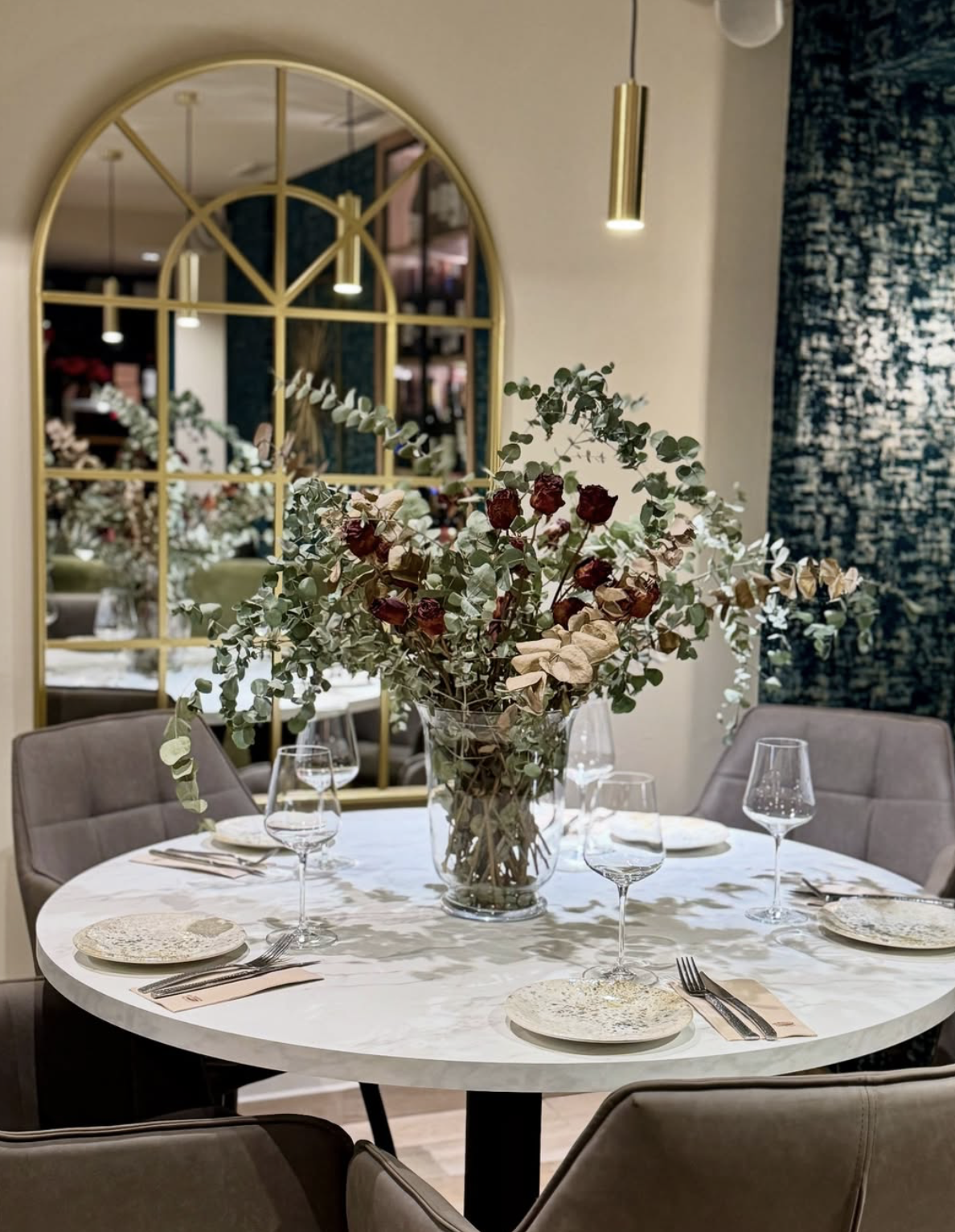
Sophisticated and intimate atmosphere with careful attention to lighting, sound, and texture; cozy outdoor terrace overlooking historic surroundings.