.png)
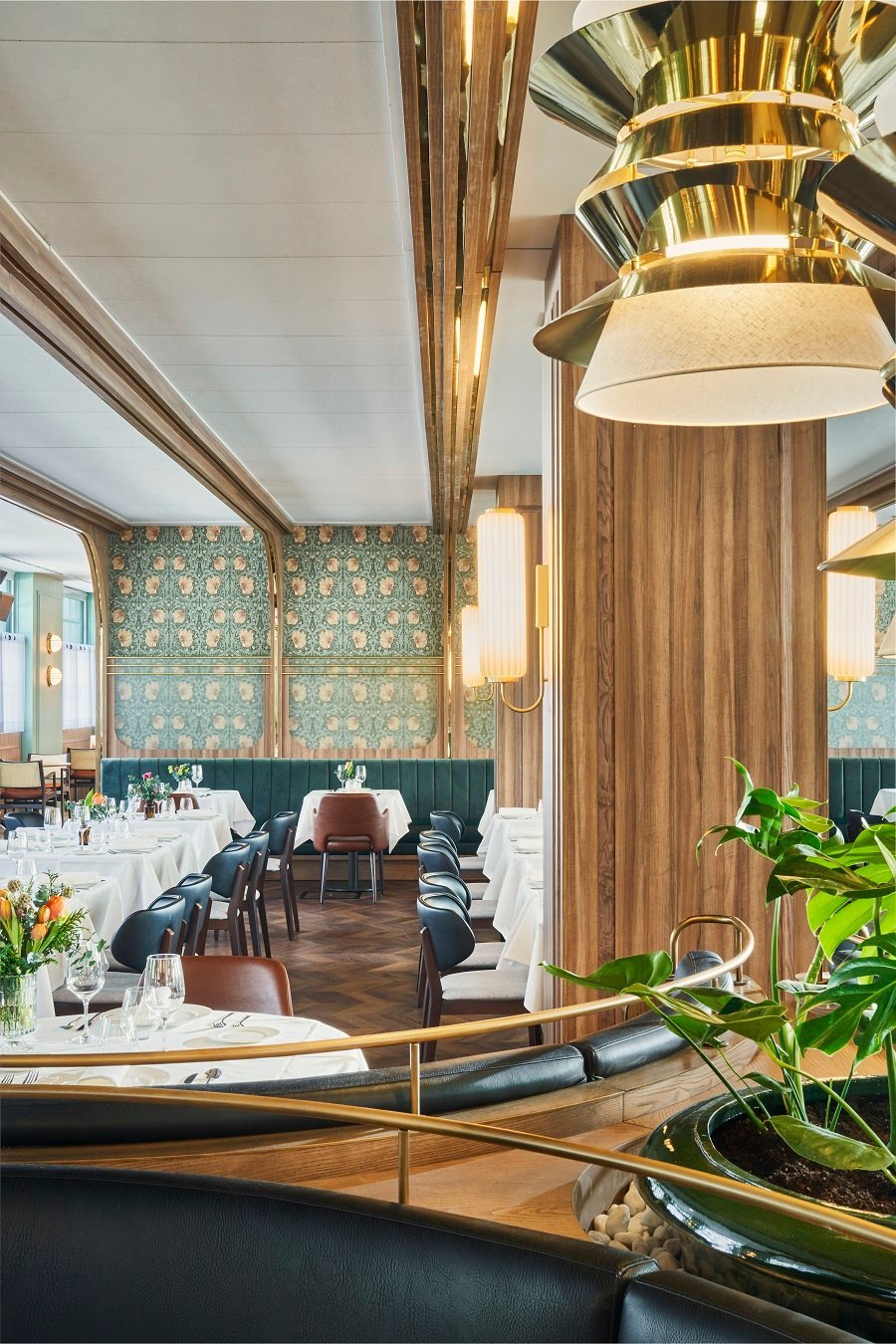
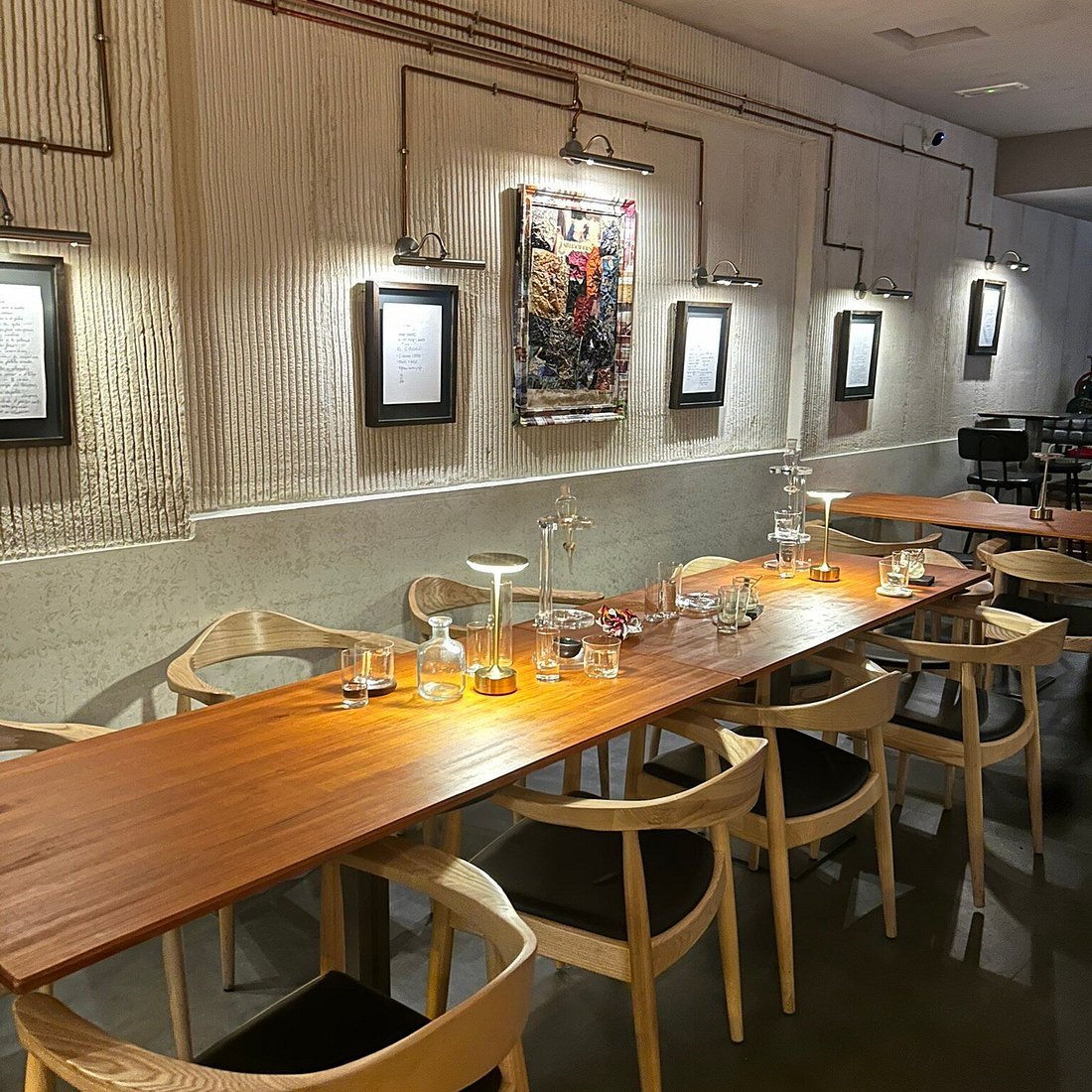
Bistrónomo brings Michelin Plate recognition to Saragossa's working streets at a price point that remains genuinely accessible. The kitchen frames contemporary tapas and raciones through neighbourhood produce and seasonal rhythm, weaving Asian-inflected technique into a menu built around vegetables, offal, and market availability. It sits at the affordable end of a city dining scene that reaches up to starred creative kitchens.
 Discover on Pearl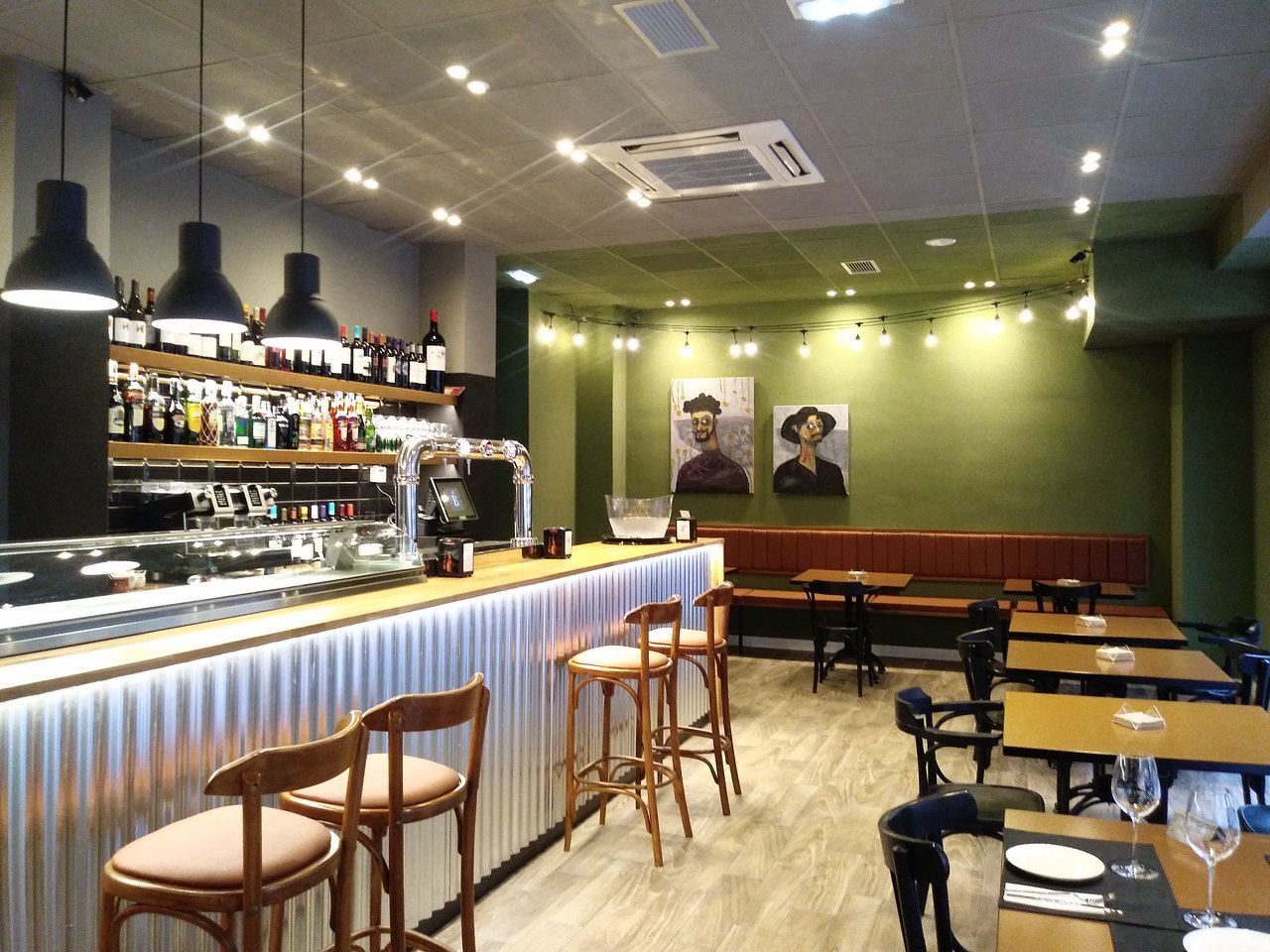
Cooking from the Barrio Outward
Saragossa's dining identity has long been defined by the tension between its deeply rooted tapas culture and an increasingly ambitious restaurant tier that looks outward to Basque and Catalan fine dining for reference points. Bistrónomo sits closer to the former but operates with the awareness of the latter. The address on Calle de la Previsión Social places it firmly in a residential neighbourhood rather than the tourist corridor, which shapes both what ends up on the plate and what the room expects of a meal. This is a kitchen that has chosen the barrio as its editorial frame, and the cooking follows that commitment through to sourcing, format, and price.
At the single-euro price bracket, Bistrónomo occupies a category that Spain does better than almost anywhere else in Europe: the neighbourhood bistro that treats technique seriously without pricing out the regulars. The closest peer in Saragossa on value terms is Crudo, which similarly keeps costs low while working fusion territory. What separates Bistrónomo is the Michelin Plate recognition it has held across both 2024 and 2025, a signal that the guide's inspectors consider the cooking worth the detour even if the format remains deliberately modest. Higher up the city's price tiers, es.TABLE at two price brackets and La Prensa at three carry Michelin star recognition, while Cancook (Creative) anchors the city's leading creative tier. Bistrónomo does not compete with any of them on formality or spend, but it earns its place in the conversation through consistency and sourcing discipline.
The Sourcing Logic Behind the Menu
The menu at Bistrónomo is described, in the kitchen's own framing, as haute-cuisine from the barrio, and that phrase is most useful when read as a sourcing declaration rather than an aesthetic one. Aragon's pantry is specific and underused by restaurants that look past the region for prestige ingredients. The Ebro valley's vegetable production, the area's offal traditions, and the seasonal rhythm of a landlocked province with genuine climatic range all feed into a format that rotates with the market rather than with a fixed tasting structure.
Vegetables take a prominent position, which is less common in a northern Spanish tapas context than it might appear. The kitchen applies contemporary technique, including Asian-inflected preparations that have become part of the broader Spanish contemporary vocabulary rather than a novelty statement, to products that most comparable rooms would treat as garnish. Tripe appears as a recurring structural ingredient, consistent with Aragonese cooking tradition rather than as a provocation. This is the kind of menu that reflects what is actually grown and raised nearby, then applies enough technique to make the case that local and seasonal do not mean unsophisticated.
Across Spain's contemporary dining scene, the most interesting sourcing conversations are happening at opposite ends of the price spectrum: at places like Aponiente in El Puerto de Santa María, where the sourcing itself is the concept, and at neighbourhood-level bistros that are less legible to international media but equally committed. Bistrónomo belongs to the latter group. The comparison to starred rooms like Arzak in San Sebastián, Azurmendi in Larrabetzu, or El Celler de Can Roca in Girona is not one of scale or ambition level, but of the underlying commitment to using what the region actually produces. At this price point, that commitment is harder to maintain because margin pressure tends to push kitchens toward cheaper, less seasonal supply chains.
Format, Scope, and the Saragossa Positioning
The tapas and raciones format means a meal at Bistrónomo is composed incrementally rather than handed down as a sequence. That gives the table some agency in how far it travels across the menu, from the more accessible contemporary tapas to the seasonal dishes that change on shorter cycles. The fusion elements, particularly the Asian inflections woven through certain preparations, reflect a broader movement in Spanish contemporary cooking where technique absorbed from Japanese and Southeast Asian kitchens has been applied to local product rather than imported ingredient. It is a language now common enough in Spain that it no longer reads as incongruent, even in a barrio bistro that is otherwise making an explicit regional argument.
The Google review score of 4.3 across 515 ratings carries more weight than a smaller sample would. At a price point that draws both regular neighbourhood diners and more deliberate destination visitors, the consistency implied by that volume suggests the kitchen is not varying dramatically on execution. For comparison, the higher-spend creative rooms in Saragossa, such as Quema and Maite, operate with smaller review footprints by nature of capacity and price. Bistrónomo's score at this scale is a reasonable proxy for reliability.
Broader Spanish contemporary scene that Bistrónomo references from a distance, whether rooms like Cocina Hermanos Torres in Barcelona or DiverXO in Madrid, operates at a price and formality level several tiers above this. Internationally, the contemporary category includes destination rooms such as Jungsik in Seoul and César in New York City. Bistrónomo is not positioned against any of them. Its peer set is the growing number of European neighbourhood restaurants that take contemporary technique into genuinely affordable territory and use it to make a regional sourcing argument rather than an international one.
Planning a Visit
Bistrónomo is located at Calle de la Previsión Social, 19 in Saragossa's 50008 postal district, which puts it in a working neighbourhood away from the old town tourist cluster. Getting there on foot from the city centre takes around fifteen to twenty minutes; the local bus network connects to the area more quickly. Given the Michelin Plate recognition and a review base that suggests consistent draw, reservations ahead of peak evening services are advisable, particularly on weekends. Phone and booking platform details are not listed in the current EP Club database, so confirming directly via the venue's social channels or a platform search before arrival is the practical approach. At the single-euro price bracket, the spend per head remains among the lowest in Saragossa's recognised dining tier, making this a viable option for multiple visits within a longer stay in the city.
For a fuller picture of where Bistrónomo sits within Saragossa's eating and drinking scene, see our full Saragossa restaurants guide. The city's accommodation options are covered in our full Saragossa hotels guide, and for drinking and cultural programming, our full Saragossa bars guide, our full Saragossa wineries guide, and our full Saragossa experiences guide provide further context.
Comparison Snapshot
Comparable venues for orientation, based on our database fields.
| Venue | Cuisine | Price | Awards | Notes |
|---|---|---|---|---|
| Bistrónomo | Contemporary | € | A simple bistro that defines its cooking as haute-cuisine from the “barrio”! Con… | This venue |
| Cancook | Creative | €€€€ | Michelin 1 Star | Creative, €€€€ |
| Gente Rara | Creative | €€€ | Michelin 1 Star | Creative, €€€ |
| La Prensa | Contemporary | €€€ | Michelin 1 Star | Contemporary, €€€ |
| es.TABLE | Contemporary | €€ | Contemporary, €€ | |
| Crudo | Fusion | € | Fusion, € |
Continue exploring