Maison Kanatha
Maison Kanatha sits at the intersection of Japanese precision, French structure, and Thai aromatic instinct, operating as a tasting menu format in downtown Los Angeles. The address at 250 First Street places it within reach of the civic core, where LA's most considered multi-cultural fine dining is quietly redefining what fusion means at the high end. For diners tracking the city's serious tasting menu tier, this is a name worth watching.
Pearl is the En Primeur Club membership app — saves, bookings, and concierge access live there. Same editors, same standards.
- Address
- 250 1st St, Los Angeles, CA 90012
- Website
- restaurants.kaneyoshi.us
- Directions
- Get directions
 Saves & bookings on Pearl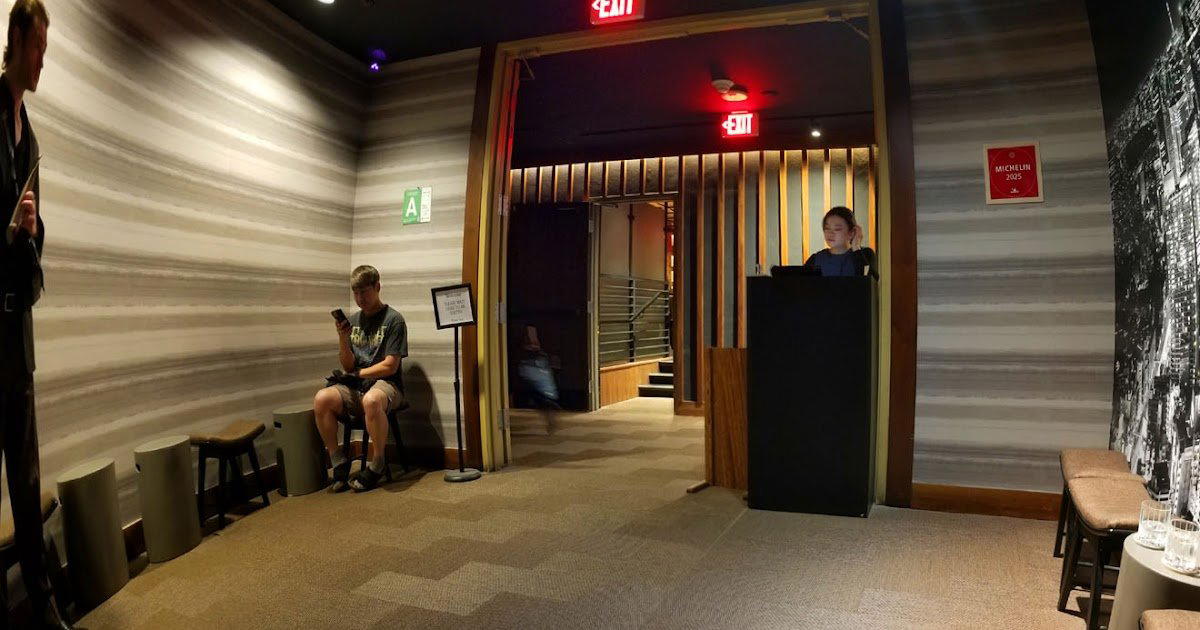
The name alone signals intent: maison carries the formal register of French kitchen tradition, while Kanatha suggests something rooted in a different geography entirely. Before you have eaten a single course, the framing tells you this is a kitchen working across culinary systems, not decorating one with the vocabulary of another.
The tasting menu format at this price tier in Los Angeles is no longer a novelty. The city now has a recognisable cohort of serious multi-course restaurants, each staking out a distinct culinary position. Kato has made a case for Taiwanese-rooted fine dining with significant critical attention. Hayato operates a kaiseki counter of notable discipline in the Arts District. Somni has reestablished itself at the technical edge of contemporary cooking. Maison Kanatha enters this company not by competing on a single cuisine identity but by proposing that three distinct culinary traditions, Japanese, French, and Thai, can be read in sequence or in combination without any one of them being subordinated.
To understand what Japanese technique brings to a menu like this, the regional divide within Japan itself matters. Kanto cooking, centred on Tokyo, tends toward stronger soy seasoning, darker broths, and a directness of flavour that suits urban eating. Kansai cooking, rooted in Osaka and Kyoto, favours lighter dashi, kelp-forward stocks, more restrained salt, and a presentation philosophy that asks ingredients to speak quietly rather than loudly. Kaiseki, the formal multi-course tradition originating in Kyoto, sits firmly in the Kansai register: seasonal precision, visual economy, and a pacing that treats the meal as duration rather than event.
A kitchen combining Japanese and French traditions has a choice to make about which Japanese register it draws from. French haute cuisine, with its reduction-heavy sauces and fat-enriched textures, sits in more natural conversation with Kansai understatement than with the bolder Tokyo palette. The Kansai approach allows French structure to carry the meal's architecture while Japanese restraint governs the details: the temperature of service, the geometry of cuts, the number of elements on a plate. Atomix in New York has demonstrated how Korean fine dining can hold its own culinary logic inside a format borrowed from European tasting menus; the challenge for any Japanese-French kitchen is whether the synthesis produces something with its own internal logic or simply produces a stylistically familiar tasting menu with Asian ingredients as accent.
Thai cooking adds a third variable that neither Japanese nor French tradition handles easily. Aromatic complexity from lemongrass, kaffir lime, galangal, and fish sauce operates on a different register to either the umami depth of Japanese cuisine or the richness of French sauces. When Thai aromatics appear in a high-end tasting menu context, the risk is that they are deployed as garnish, a leaf here, a fragrance there, rather than as structural contributors. The question Maison Kanatha poses by combining all three is whether Thai technique earns its place in the sequence or serves as flavour punctuation between French and Japanese courses.
Los Angeles has sustained a high-end tasting menu market that draws comparison with other American cities without quite resembling any of them. Providence has held two Michelin stars for years, operating a seafood-anchored tasting format that remains the city's most formally recognised room. The newer cohort, of which Maison Kanatha is a part, operates with less institutional recognition but with a creative latitude that established rooms sometimes sacrifice for consistency. Nationally, kitchens like Alinea in Chicago, Lazy Bear in San Francisco, and Single Thread Farm in Healdsburg define different poles of what a serious American tasting menu can mean. The French Laundry in Napa remains the reference point for classical French rigour on the West Coast. The restaurant's position in this ecosystem is as a kitchen working a genuinely different cultural synthesis rather than executing an established format with high technique.
The comparison that may be most instructive is not domestic but international. In Europe, the conversation about French-Asian cooking at the fine dining level has moved past fusion novelty. Alain Ducasse at Louis XV in Monte Carlo represents French technique at its most codified and regionally anchored. The challenge for any kitchen proposing Japanese-French-Thai synthesis is demonstrating that each element has earned its structural role, not merely its presence on the menu. The address at 250 First Street, downtown rather than in West Hollywood or the Westside, also places the restaurant in a part of the city where the dining audience tends toward the curious rather than the habitually high-spending, which shapes the kind of room it can be.
Downtown LA's dining position has shifted significantly over the past decade. It is no longer simply an after-work or pre-theatre market; the residential population has grown, and kitchens that once would have opened in Silver Lake or Larchmont are now considering addresses in the civic core. This has created an audience that rewards ambition and accepts the occasional rough edge in exchange for originality. Osteria Mozza established that serious Italian cooking could hold a committed LA audience; the current generation of tasting menu kitchens is testing whether a similar commitment exists for more formally structured multi-course experiences.
The restaurant is located at 250 First Street, Los Angeles, CA 90012, in the downtown civic core. Reservations are essential. The restaurant is at 250 1st St, Los Angeles, CA 90012, and the current opening schedule is Mon, Fri to Sun, 6:45 to 10 PM; Tue to Thu closed.
What It’s Closest To
Comparable venues nearby, for context on price, style, and recognition.
| Venue | Cuisine | Price | Notes |
|---|---|---|---|
| Maison KanathaThis venue — the venue you are viewing | New French/Japanese/Thai Omakase | $$$$ | Not listed |
| Lapaba | Korean-Italian Fusion Pasta Bar | $$$ | Wilshire Center |
| Mixtape | American-Caribbean-Jewish-French Fusion | $$$ | Fairfax |
| X'tiosu Kitchen | Oaxacan-Lebanese Fusion | $$ | Boyle Heights |
| Noma LA | Modern Nordic Fine Dining | $$$$ | Silver Lake |
| Sushi Zo Downtown Los Angeles | Modern Japanese Omakase | $$$$ | Old Bank District |
Continue exploring
More in Los Angeles
Restaurants in Los Angeles
Browse all →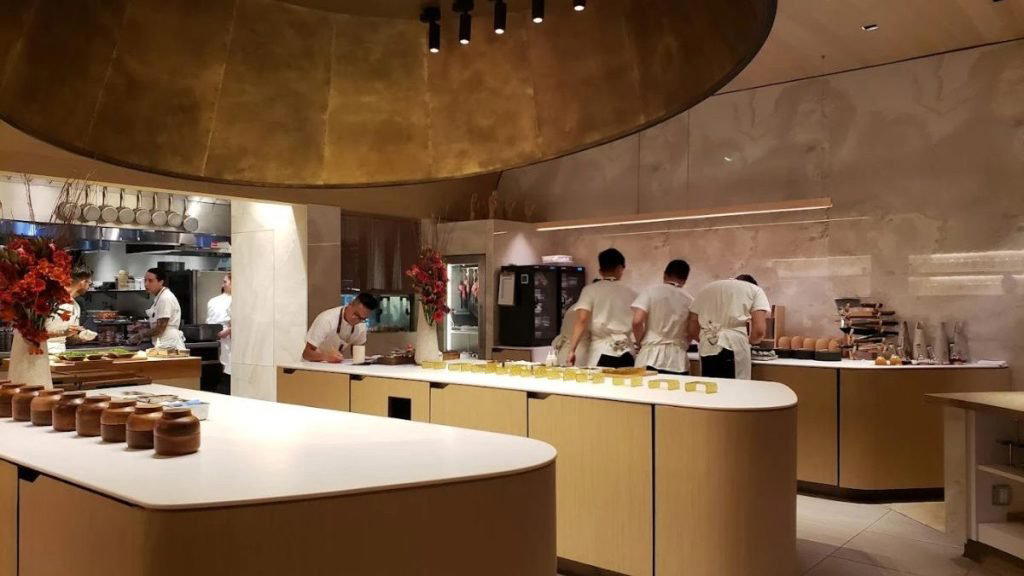
Bars in Los Angeles
Browse all →
Hotels in Los Angeles
Browse all →
Wineries in Los Angeles
Browse all →
At a Glance
- Intimate
- Sophisticated
- Modern
- Special Occasion
- Chefs Counter
Current opening hours
- Monday
- 6:45–10 PM
- Tuesday
- Closed
- Wednesday
- Closed
- Thursday
- Closed
- Friday
- 6:45–10 PM
- Saturday
- 6:45–10 PM
- Sunday
- 6:45–10 PM
Hours can change for holidays and private events. Last verified .
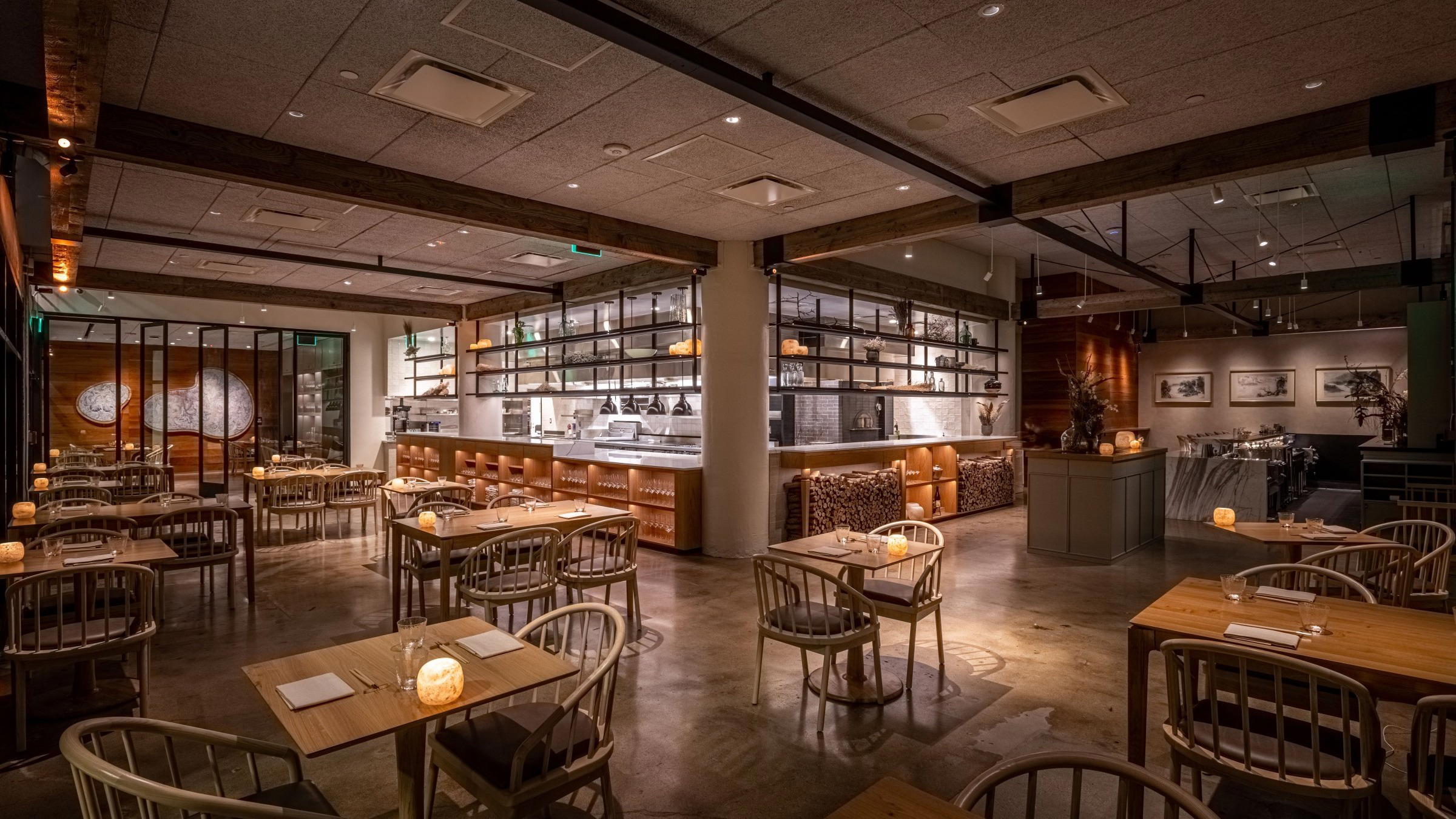
Intimate counter dining with chefs beaming with joy while preparing outstanding dishes in a sophisticated setting.