
Michelin Plate
Our verdict
On Place Frédéric-Mistral in the village of Maillane, Maison Bernard channels the Provençal sourcing tradition through a modern, largely seafood-driven menu. Chef Jérémy Scalia, formerly of the Michelin-starred La Table de Tourrel, works with sustainably caught fish from Le Grau-du-Roi and organic produce from small local farms. Three guestrooms above the dining room make it a rare overnight proposition in this quietly serious corner of the Alpilles.

Pearl is the En Primeur Club membership app, where members save venues, book tables and use the concierge.
A Village Square, a Church Wall, and the Weight of Provençal Sourcing
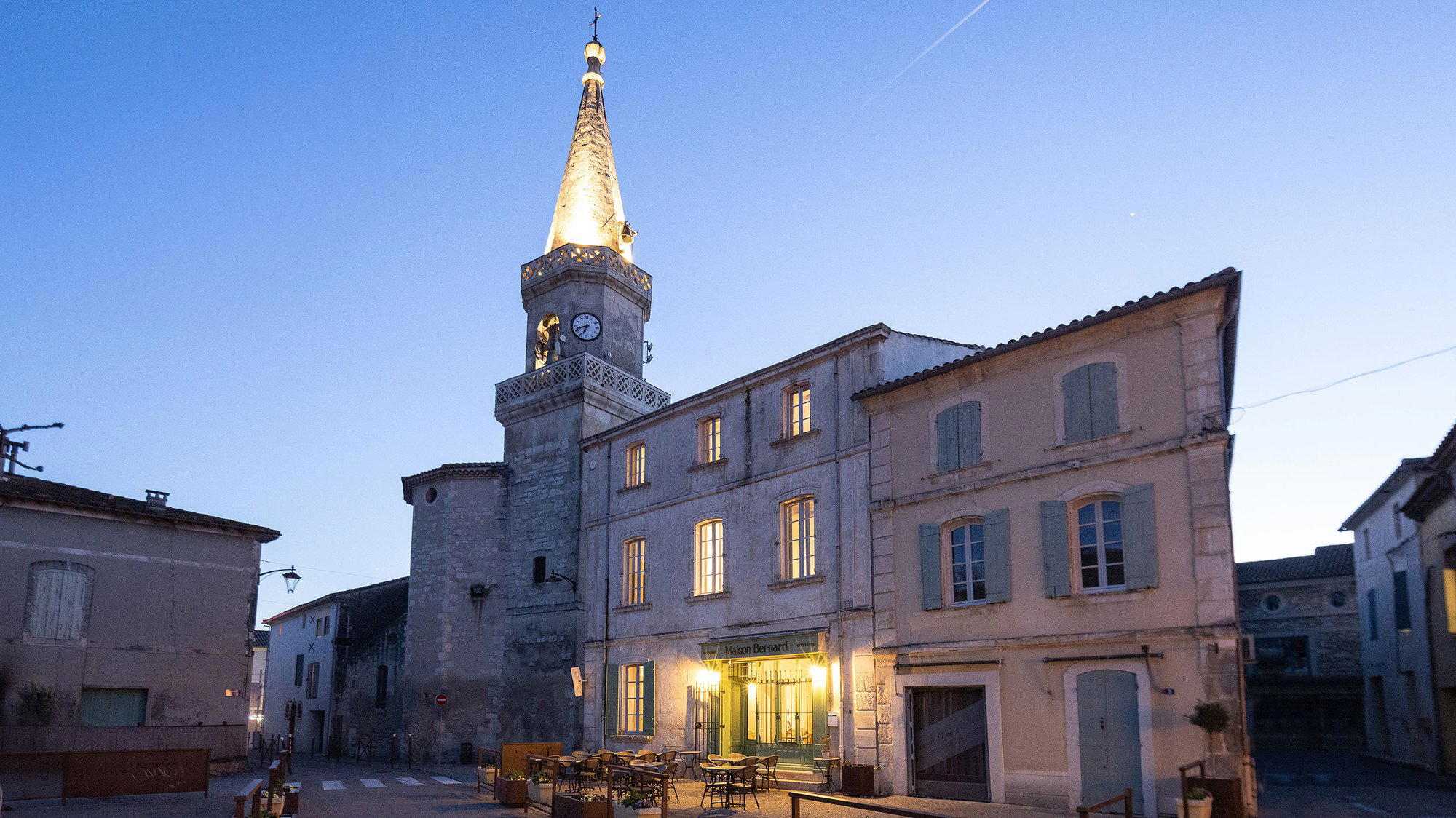
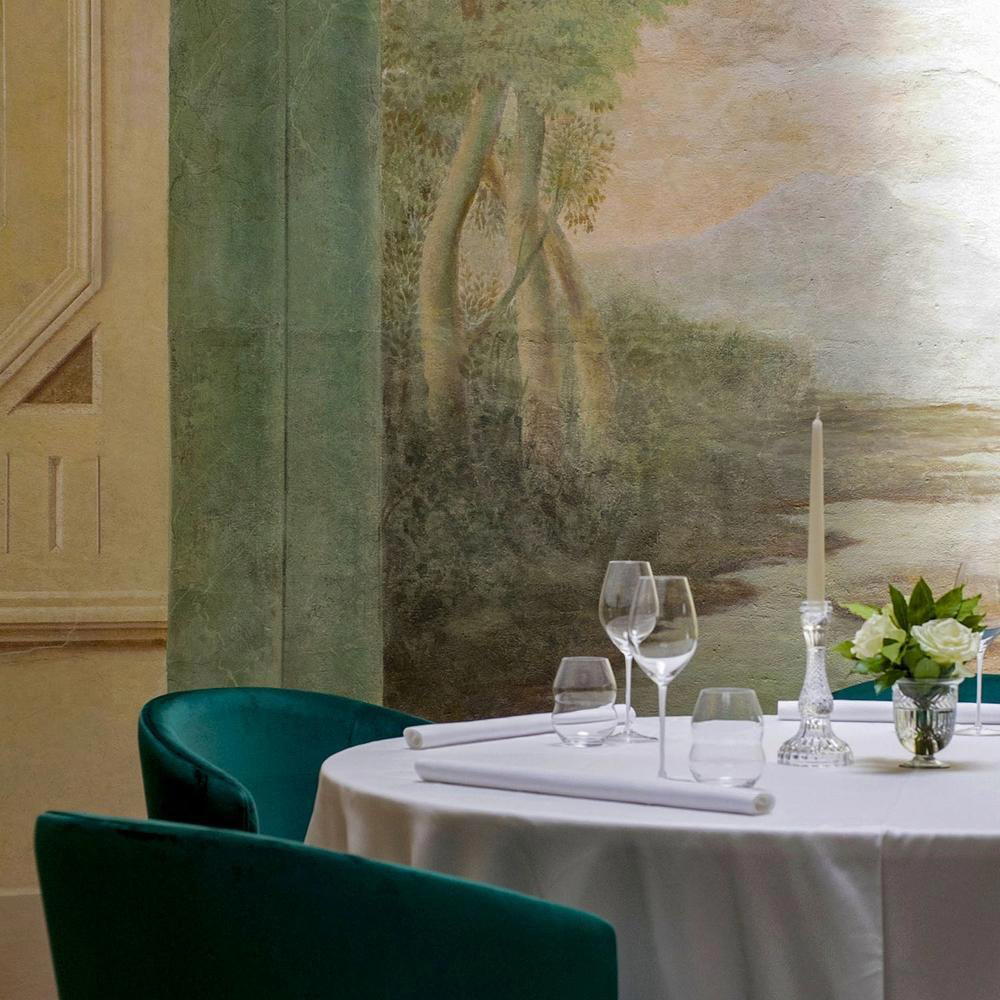
Place Frédéric-Mistral in Maillane is the kind of square that makes you slow down before you've even decided to. The church anchors one side; Maison Bernard sits directly beside it, its facade understated enough that you might walk past if you didn't know to look. Inside, the decor reads as elegant without being formal, the sort of room that signals someone has thought carefully about comfort without wanting you to notice the effort. This is bistronomy in its considered form: a dining register that France has refined over the past two decades into something distinct from both the grand restaurant and the neighbourhood canteen.
Maillane itself is a small commune in the Bouches-du-Rhône, most associated with the poet Frédéric Mistral, whose name the square bears. It sits within reach of Saint-Rémy-de-Provence and the broader Alpilles corridor, a stretch of Provence that draws visitors for its landscapes and markets rather than for a developed restaurant scene. The arrival of a chef with Scalia's credentials changes the calculus for that area slightly. For readers who track where serious cooking is moving in the south of France, this is the kind of outpost worth building a detour around. Our full Maillane restaurants guide maps the broader picture.
Where the Ingredients Come From, and Why That Shapes the Menu
The sourcing architecture at Maison Bernard is not incidental to the cooking; it is the cooking's primary constraint and its clearest editorial statement. Sustainably caught fish arrives from Mathieu Chapel in Le Grau-du-Roi, a fishing port on the Petite Camargue coast where small-boat fishing operations still supply directly to chefs willing to work with what the sea offers rather than what convenience allows. Organic fruit and vegetables come from small-scale local producers, which in this region means the fertile plain between the Alpilles and the Rhône, one of the more productive agricultural zones in southern France, with growers whose output rarely reaches the wider market.
This approach places Maison Bernard within a well-established but still meaningful tradition in French bistronomy: the chef as curator of a supply network rather than author of a fixed repertoire. The menu stays concise partly by design and partly by necessity, tight sourcing relationships produce seasonal constraints that a longer menu couldn't absorb honestly. The result is a list of dishes that reads as a specific argument about Provence at a given moment rather than a broad survey of what the region can theoretically offer.
The dishes documented from the kitchen reflect that logic. Mullet ceviche with turmeric positions a local catch inside a preparation that acknowledges the Mediterranean's wider food geography without pretending Provence exists in isolation. Sea bream with basil sauce vierge and confit fennel stays closer to regional register, with the fennel, a Provençal staple, treated with the patience that confit requires. Squid cooked in red wine with Camargue rice connects two local products: the squid from the same coastal supply chain as the other fish, the rice from the Camargue wetlands directly east of Le Grau-du-Roi. The panisses, chickpea fritters with deep roots in both Provençal and Niçois cooking, arrive as an amuse-bouche, which positions them correctly as a foundational element of the region's food culture rather than a novelty.
The Chef's Trajectory and What It Signals
France's bistronomy tier has produced its most interesting figures not from culinary school pipelines but from fine dining kitchens where chefs learned precision before choosing a lighter register. Jérémy Scalia comes from Marseille's Mazargues neighbourhood and held the position of head chef at La Table de Tourrel, a Michelin-starred address in Saint-Rémy-de-Provence. That credential matters not as biography but as a signal about technical floor: the cooking at Maison Bernard operates with a level of discipline that a Michelin-starred background implies, applied to a format that doesn't require you to dress for it.
This pattern, fine dining training deployed in a bistro format with serious sourcing, has become one of the more coherent dining propositions in provincial France. It's the model that distinguishes a genuinely skilled bistro from a capable one, and it's what separates Maison Bernard from the broader village restaurant category. For comparison, the upper register of French restaurant ambition is well documented elsewhere: Alléno Paris au Pavillon Ledoyen and Mirazur in Menton represent the creative and technical summit of modern French cooking, while Flocons de Sel in Megève, Troisgros in Ouches, and Bras in Laguiole show how deeply rooted terroir cooking can operate at a starred level in provincial settings. Maison Bernard operates in a different register from all of these, but the sourcing rigour and kitchen background place it in serious company for what bistronomy can achieve.
For the south specifically, AM par Alexandre Mazzia in Marseille demonstrates what a Marseille-formed chef can do at the highest technical level. Scalia's trajectory from that same city into a village bistro format is a different kind of ambition, smaller scale, more direct, arguably more legible in its relationship to place.
The Room Above, and How to Use It
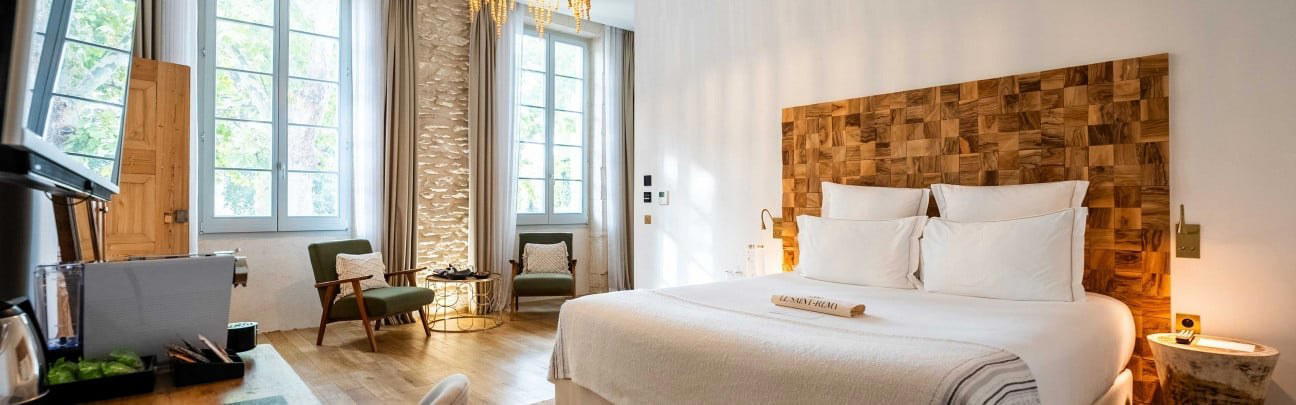
Three guestrooms occupy the floor above the restaurant, which changes the proposition from a destination dinner into something closer to an overnight stay built around a meal. In a village of Maillane's size, this is a meaningful addition to the local accommodation picture: you eat well, you sleep directly above the kitchen, and in the morning the Alpilles are still there. Our full Maillane hotels guide covers the wider accommodation options in the area for those who want to compare.
The address is 1 place Frédéric-Mistral, straightforwardly findable in a village this small. For those building a wider Maillane itinerary, the bars guide, wineries guide, and experiences guide round out the local picture. The other principal dining reference in the village is L'Oustalet Maïanen, which holds the traditional cuisine ground to Maison Bernard's more contemporary position.
Frequently asked questions
Can I bring kids to Maison Bernard?
Nothing in the available record restricts younger diners. A village bistro on a church square in Maillane, with a relaxed bistronomy format, is a different proposition from a formal tasting-menu room, the pace and setting generally allow for families. The concise, largely seafood-driven menu offers accessible reference points alongside the more composed plates.
What kind of setting is Maison Bernard?
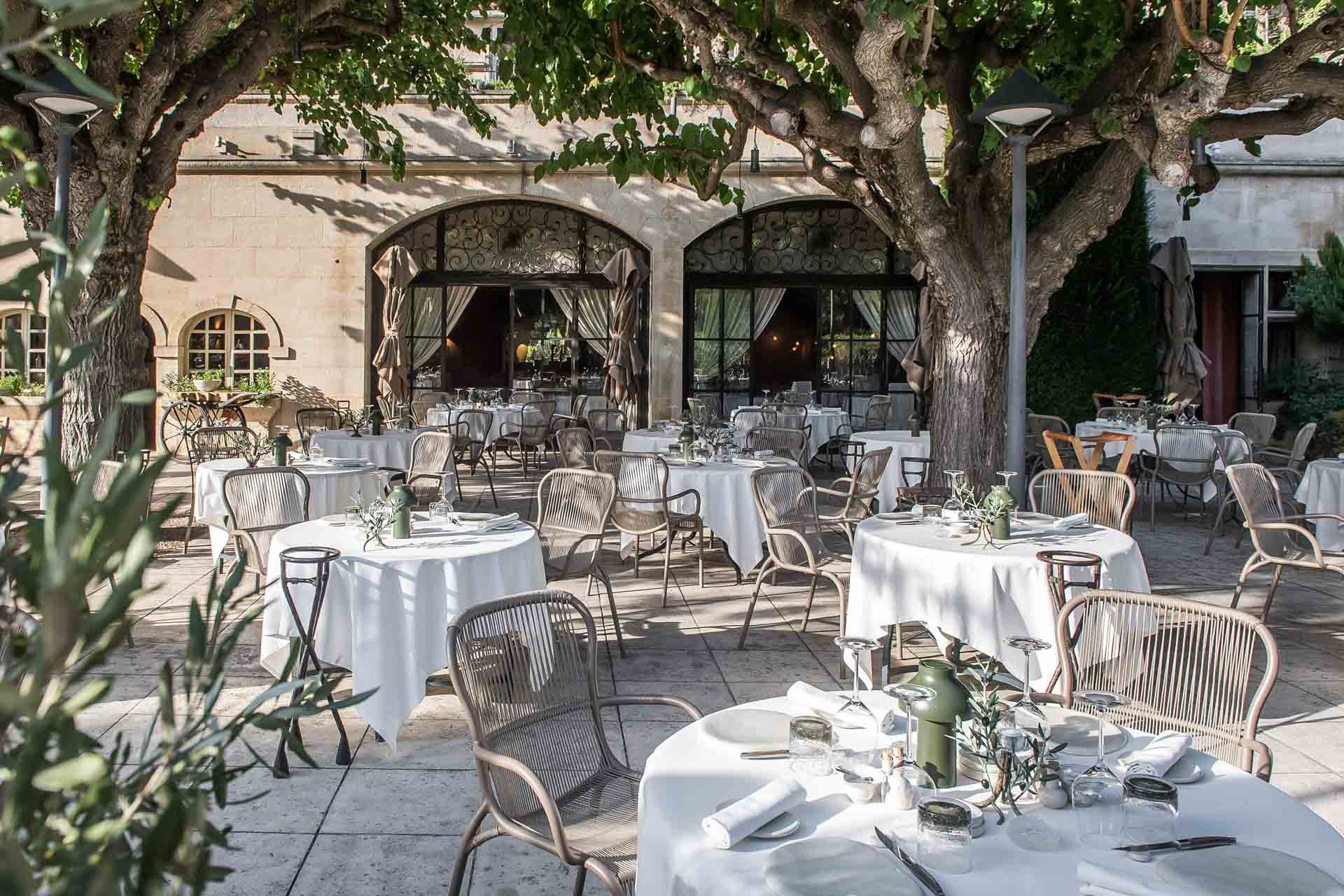
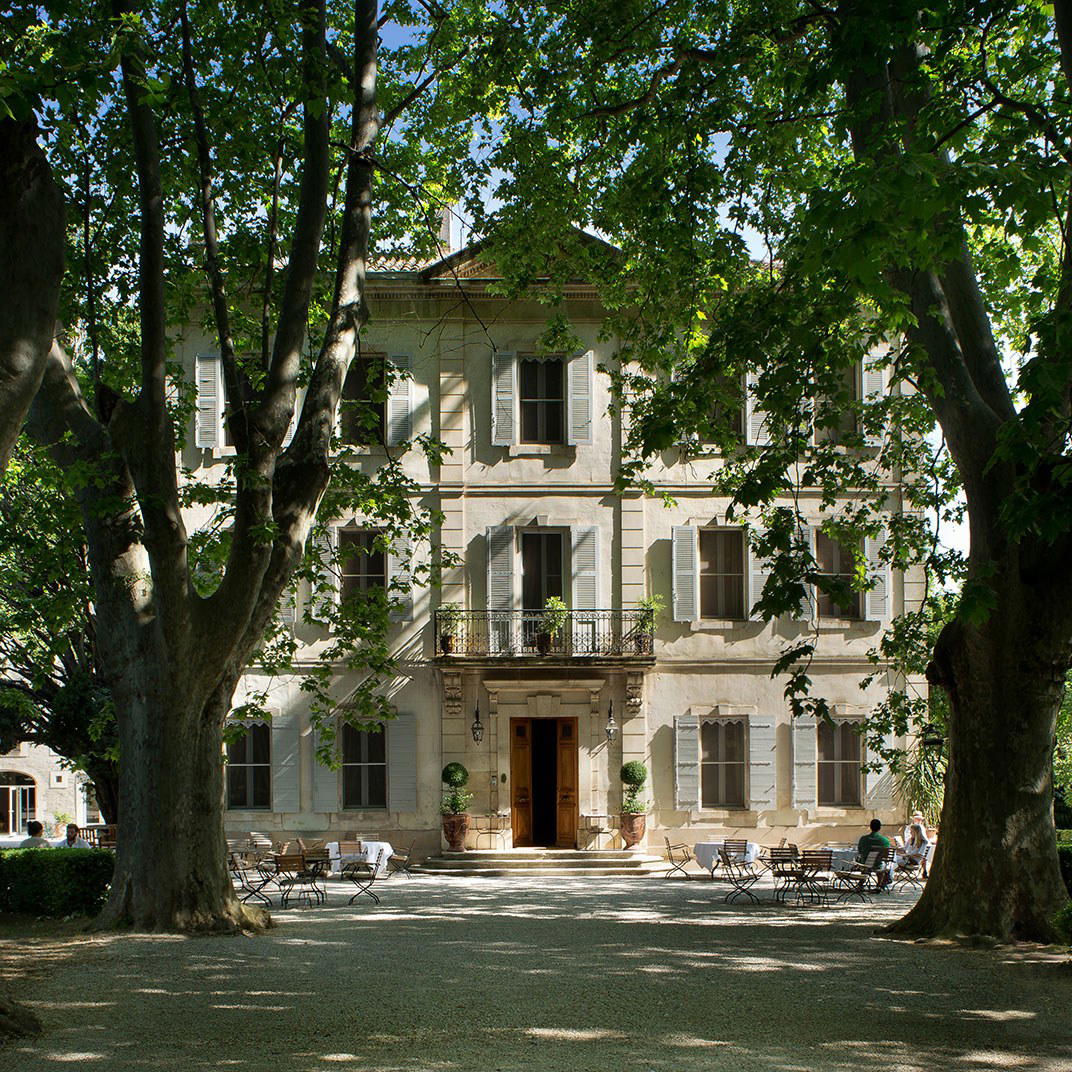
The restaurant occupies a bistro space on Place Frédéric-Mistral in Maillane, directly beside the village church. Decor is described as elegant within a relaxed bistro format, a village square address that keeps the atmosphere unhurried. Three guestrooms on the floor above give it the feel of a small auberge as much as a standalone restaurant.
Has Maison Bernard won any awards?
Maison Bernard has received recognition including: Jérémy Scalia, a thirtysomething chef from the Mazargues neighbourhood in Marseille and former head chef at the MICHELIN-starred La Table de Tourrel, has set up shop on Place Frédéric-Mistral, right next to the church. In this charming bist….
What's the must-try dish at Maison Bernard?
The panisses arrive as an amuse-bouche, a deliberate choice by chef Jérémy Scalia that signals how seriously he takes Provençal fundamentals before the main courses begin. Chickpea fritters are a working-class Marseille staple, and serving them as an opener rather than a side speaks to the kitchen's priorities. The documented menu also includes mullet ceviche with turmeric and squid in red wine with Camargue rice.
Where do I go for Maison Bernard?
Maison Bernard is located at 1 place Frédéric-Mistral, Maillane.
In Context: Similar Options
Comparable venues nearby, for context on price, style, and recognition.
| Venue | Cuisine | Price | Awards | Notes |
|---|---|---|---|---|
| Maison BernardThis venue (the venue you are viewing) | Modern Provençal Bistro | $30–50 | Michelin Plate | Not listed |
| L'Oustalet Maïanen | Provençal French Bistro | $50–100 | Michelin Plate | Maillane |
| Chapeau de Paille - Bistrot Provençal | Bistrot Provençal | Not listed | Michelin Plate | Saint-Rémy-de-Provence |
| La Table du 2 | French Brasserie | $30–50 | Michelin Plate | centre ville |
| L.A Restaurant | Modern French Fine Dining | $50–100 | Michelin Plate | behind the port |
| Anga - Beaulieu | Modern French Mediterranean Fine Dining | Not listed | Michelin Plate | Préfecture |
Recognition history
Dated appearances from independent guides and award organizations, with the underlying list record or original source where available.
Michelin Plate
Michelin
Continue exploring
More in Maillane
Restaurants in Maillane
All restaurants in Maillane →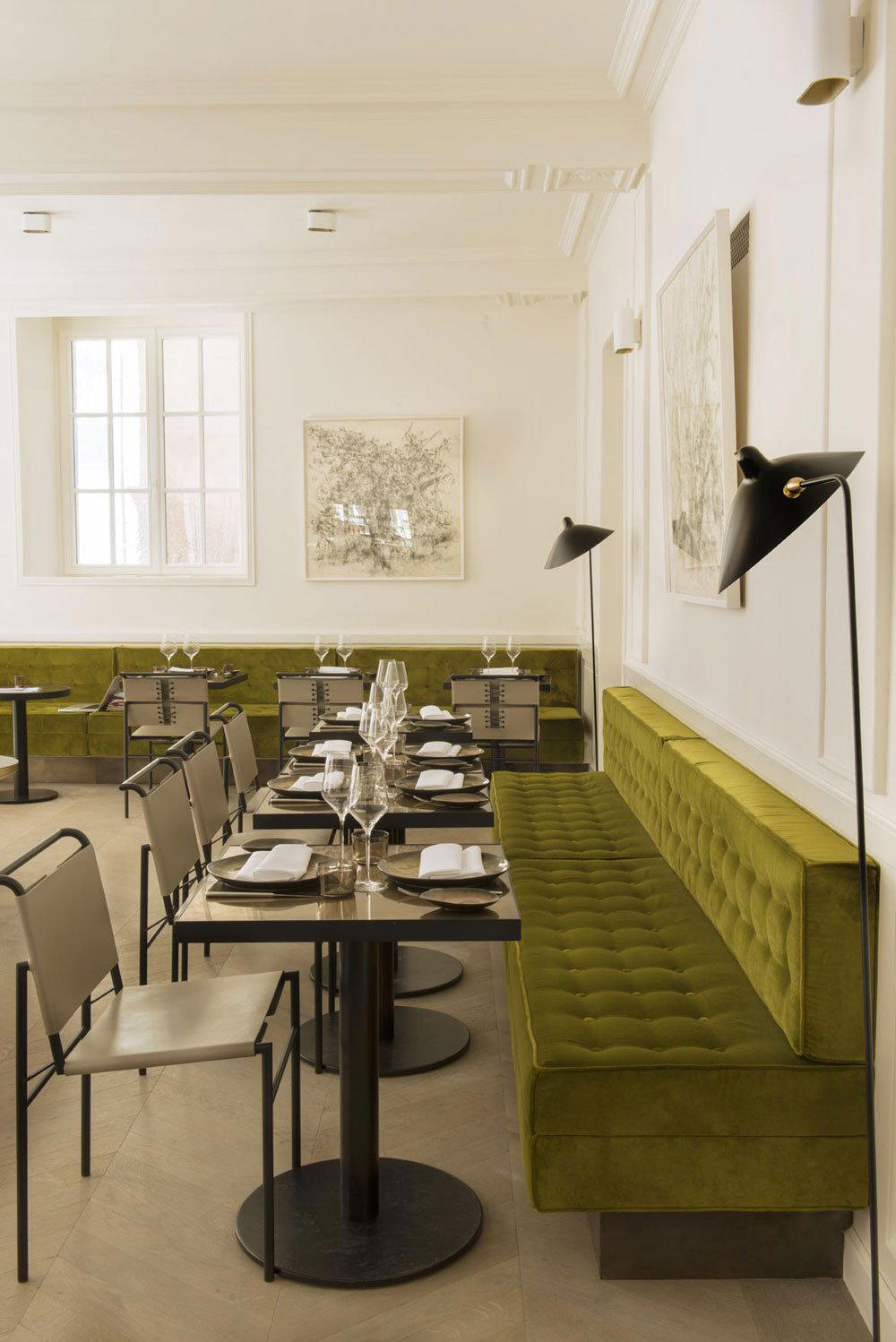
Bars in Maillane
Browse all →

Details
- Cozy
- Elegant
- Rustic
- Intimate
- Date Night
- Family
- Special Occasion
- Terrace
- Historic Building
- Extensive Wine List
- Local Sourcing
- Street Scene
- A La Carte
- Wine
- Vegetarian Friendly
Chaleureux et convivial cadre with elegant decor in a historic setting, warm lighting fostering an intimate home-like atmosphere.