Maharani Indisches Restaurant
Maharani Indisches Restaurant brings Indian cooking to Friedrichshofener Str. 16 in Ingolstadt, a mid-sized Bavarian city where non-European cuisines occupy a distinct and underserved niche. For a city better known for its automotive industry than its restaurant scene, an Indian kitchen here fills a specific gap in the local dining spread. It sits alongside a small cluster of independent restaurants that together form Ingolstadt's alternative to mainstream German fare.
Pearl is the En Primeur Club membership app — saves, bookings, and concierge access live there. Same editors, same standards.
- Address
- Friedrichshofener Str. 16, 85049 Ingolstadt, Germany
- Phone
- +4984195161582
- Website
- maharaniingolstadt.de
- Directions
- Get directions
 Saves & bookings on Pearl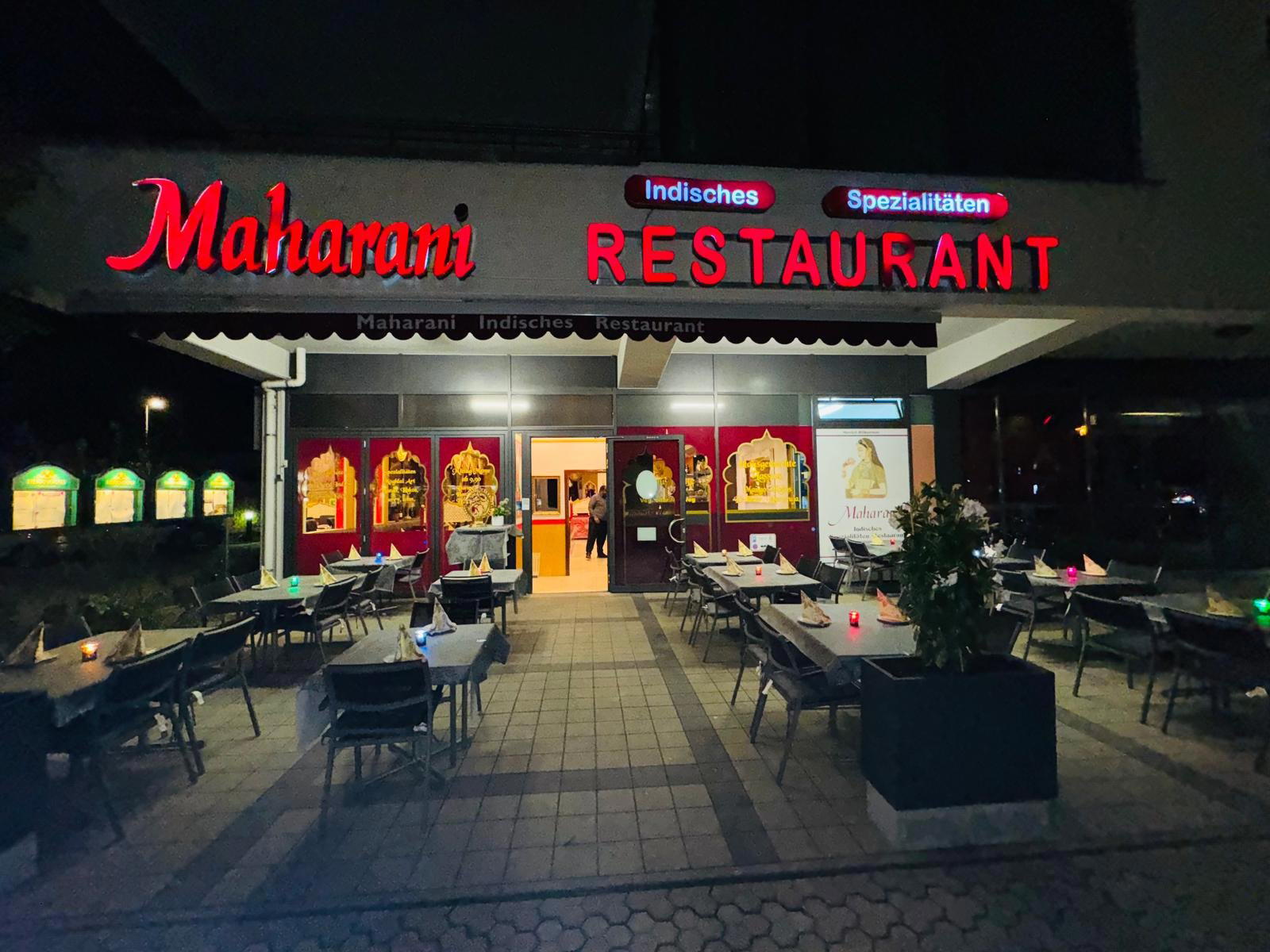
Indian Cooking in a Bavarian Industrial City
Ingolstadt is not a city that attracts restaurant critics on assignment. Its reputation runs toward Audi headquarters and a compact Altstadt rather than any particular dining tradition. That context matters when assessing Maharani Indisches Restaurant, because the presence of a dedicated Indian kitchen on Friedrichshofener Str. 16 says something about how the city's food scene has quietly diversified over the past two decades. Across Germany, Indian restaurants have moved from novelty to fixture in cities of all sizes, tracking broader patterns of migration and a growing appetite for subcontinental cooking that extends well beyond the curry-house format familiar from the UK.
In Ingolstadt specifically, the independent restaurant field is thin but varied. A handful of places like Avus, Cafe 59, Da Gino, and Weinraum Ingolstadt cover European and Mediterranean ground, but subcontinental cooking occupies a distinct position in a city of this size. For residents and visitors seeking flavors from the Indian subcontinent, the options narrow quickly, which makes Maharani's address on the southern edge of the city more geographically significant than it might first appear.
The Ingredient Logic Behind Indian Cooking in Germany
Indian restaurants in Germany occupy an interesting supply-chain position. The aromatics and dry spices that define subcontinental cooking, from black cardamom and dried fenugreek to various regional chili varieties, are sourced through specialist importers concentrated in Frankfurt, Munich, and Berlin. A kitchen in Ingolstadt draws on that same Munich-anchored supply network, which means the pantry question is largely resolved at a regional distribution level. What distinguishes one Indian restaurant from another in a secondary German city is less about access to core ingredients and more about whether the kitchen treats those ingredients as building blocks for genuine regional cooking or defaults to a pan-Indian menu assembled for broad palatability.
This distinction matters more than it might seem. The difference between a dal makhani cooked low and slow with whole black lentils and one assembled from shortcuts is not subtle on the plate. Similarly, the sourcing of fresh aromatics, particularly ginger, garlic, and green chilies, affects the brightness and depth of a masala base in ways that become apparent across multiple dishes. German supermarket supply has improved considerably since the early 2000s, but kitchens with access to South Asian grocery wholesalers, which serve the diaspora communities in Munich and Augsburg, work from a materially different ingredient base than those relying on standard cash-and-carry channels.
What the Setting Tells You
The address on Friedrichshofener Str. a street that runs through a predominantly residential and light-commercial zone rather than Ingolstadt's tourist-facing center, positions Maharani as a neighborhood restaurant first. This is not unusual for Indian establishments in German cities of this scale. The pattern across comparable cities, Regensburg, Augsburg, Würzburg, shows Indian kitchens clustering in areas with established South Asian communities or in more affordable commercial strips slightly removed from prime retail zones. The practical effect for the diner is a room that draws regulars rather than passing trade, which tends to produce a more consistent kitchen rhythm over time.
That consistency, where it exists, is built over years of serving the same lunch and dinner crowd rather than calibrating for tourist peaks. The dining room atmosphere in these contexts tends toward the functional: warm lighting, table arrangements that prioritize covers, and decor that references the subcontinent without laboring the point. Whether Maharani's interior leans into that template or takes a different direction is something the address and category suggest without confirming. For context on what high-ambition restaurant environments look like elsewhere in Germany, JAN in Munich and Aqua in Wolfsburg represent the fine-dining end of the spectrum, while Maharani operates in an entirely different register, closer to the everyday neighborhood category that sustains most diners week to week.
For a broader sense of how Germany's more decorated kitchens operate, places like Schwarzwaldstube in Baiersbronn, Vendôme in Bergisch Gladbach, ES:SENZ in Grassau, Victor's Fine Dining in Perl, Waldhotel Sonnora in Dreis, Restaurant Haerlin in Hamburg, Schanz in Piesport, Bagatelle in Trier, and CODA Dessert Dining in Berlin give a sense of the country's upper tier. Internationally, Le Bernardin in New York City and Atomix in New York City illustrate how ingredient sourcing becomes a defining editorial statement at the highest level of the market.
Planning Your Visit
Maharani sits at Friedrichshofener Str. 16, 85049 Ingolstadt. The address places it in the southern part of the city, accessible by car or local public transport from the Hauptbahnhof, which is roughly a ten-to-fifteen minute journey depending on the route. For an Indian restaurant in a city without a dense subcontinental dining scene, weekday evenings tend to be calmer, while Friday and Saturday evenings draw a more consistent crowd of regulars. Arriving without a reservation on quieter weeknights is generally workable at establishments in this category in German secondary cities, but calling ahead removes the uncertainty, particularly if you are traveling with a group. Checking current contact details and hours directly is advisable before visiting.
Quick Comparison
Comparable venues nearby, for context on price, style, and recognition.
| Venue | Cuisine | Price | Notes |
|---|---|---|---|
| Maharani Indisches RestaurantThis venue — the venue you are viewing | Authentic Indian | $$ | Not listed |
| Da Gino Restaurant - Ingolstadt | Traditional Italian | $$ | :null |
| Avus | Modern German Fine Dining | $$$$ | Audi Forum |
| Cafe 59 / Ingolstadt | German Café with Creative Cakes | $$ | Zentrum |
| Weinraum Inglostadt | French Wine Bar | $$ | Altstadt |
| Weinraum Ingolstadt | wine_bar | $$ | Altstadt |
Continue exploring
More in Ingolstadt
Restaurants in Ingolstadt
Browse all →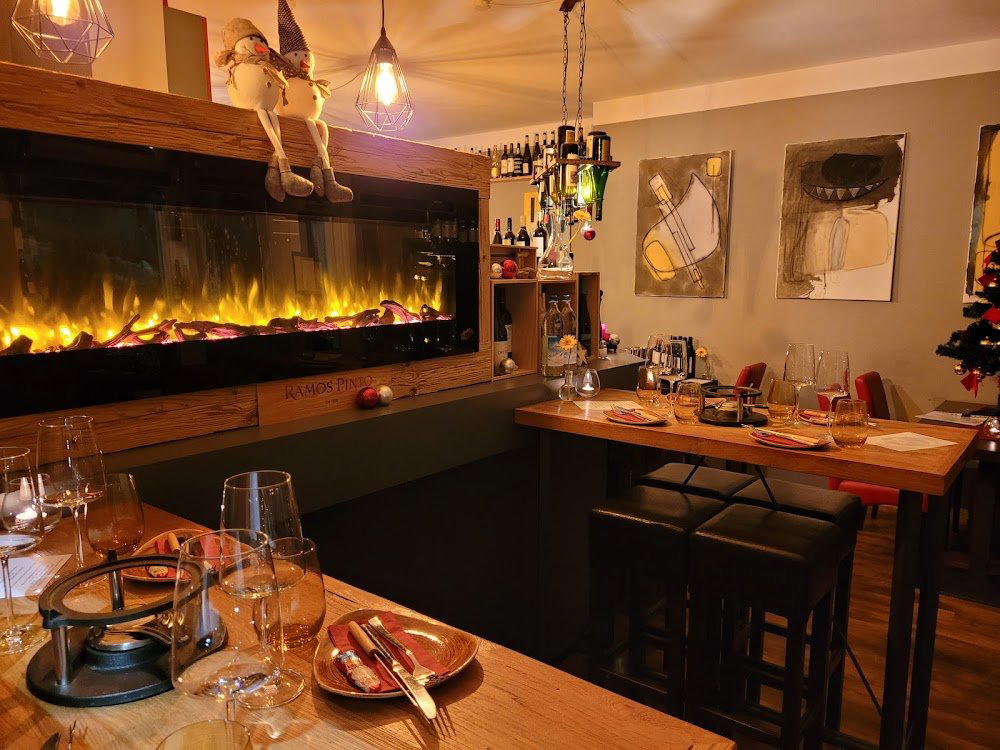
Bars in Ingolstadt
Browse all →Hotels in Ingolstadt
Browse all →
At a Glance
- Classic
- Casual Hangout
- Family
- Terrace
Current opening hours
- Monday
- 5:15–11 PM
- Tuesday
- 11:15 AM–2:30 PM, 5:15–11 PM
- Wednesday
- 11:15 AM–2:30 PM, 5:15–11 PM
- Thursday
- 11:15 AM–2:30 PM, 5:15–11 PM
- Friday
- 11:15 AM–2:30 PM, 5:15–11 PM
- Saturday
- 11:15 AM–2:30 PM, 5:15–11 PM
- Sunday
- 11:15 AM–2:30 PM, 5:15–11 PM
Hours can change for holidays and private events. Last verified .
Classic Indian restaurant atmosphere with terrace for summer dining.