Magnolia
Our verdict
Magnolia occupies a quiet address in Rives-en-Seine, a stretch of Normandy where the Seine bends through agricultural land before reaching Rouen. The restaurant draws from a regional larder that defines this part of northern France: dairy, orchard fruit, river fish, and coastally influenced produce from the nearby Channel. For visitors willing to leave the motorway corridors, it represents the kind of place where sourcing and setting are inseparable.

Pearl is the En Primeur Club membership app — saves, bookings, and concierge access live there. Same editors, same standards.
- Address
- 12 Rue Louis le Gaffric, 76490 Rives-en-Seine, France
- Phone
- +33279490930
- Hours
- Mon–Tue ClosedWed–Thu 12–2 PMFri–Sat 12–2 PM, 7–10 PMSun 12–3 PM
- Website
- magnolia-villequier.fr
- Directions
- Get directions
- Booking
- Book on the venue's website
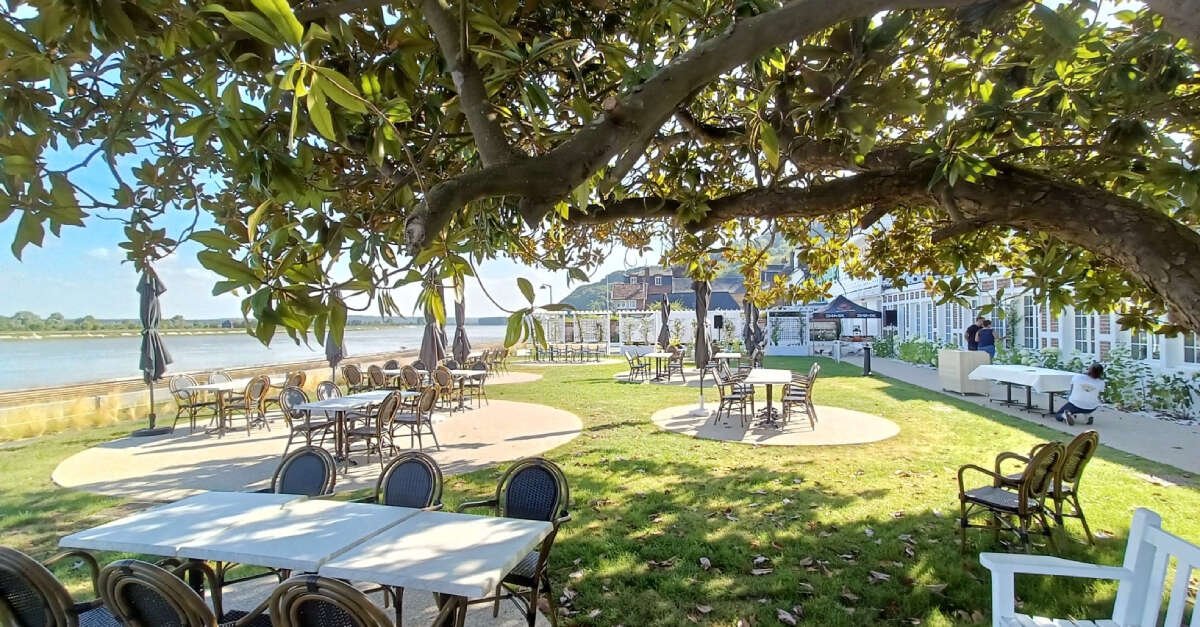
Where the Seine Valley Sets the Table
Rives-en-Seine sits in the Seine-Maritime department of Normandy, a merged commune formed from several river-bend villages where apple orchards back onto livestock pasture and the water itself remains a working presence rather than a backdrop. This is not the Normandy of D-Day tourism or the Honfleur postcard circuit. It is agricultural, deliberate, and largely untroubled by the crowds that move along the coast. Restaurants in this territory operate inside that logic: the region's larder is deep, the expectations around it are particular, and the kind of dining that earns local loyalty here tends to track what is growing or grazing rather than what is trending in Paris.
Magnolia, at 12 Rue Louis le Gaffric, sits within that framework. The address places it inside a village-scale environment where the distance between kitchen and source is short by design, not marketing. Across Normandy, the strongest table arguments have always rested on that proximity: Camembert and Livarot country begins nearby, the Seine delivers freshwater species that rarely appear in urban fish markets, and the apple traditions that produce cidre and calvados feed into kitchens as readily as they do into cellars. For a restaurant operating in this geography, ingredient sourcing is not a positioning statement — it is the structural condition of the cooking.
The Normandy Sourcing Argument
French regional cooking at its most coherent is not about recipes; it is about supply chains so short they amount to daily decisions. The Seine-Maritime corridor has a particular version of this: dairy fat from Norman cattle breeds, saltwater fish moving in from the Channel at Fécamp and Dieppe less than an hour away, and orchard produce that ranges from eating apples through to the fermented and distilled forms that define the regional drinks culture. A kitchen working seriously within this geography will cycle through sea bass and sole from the Channel ports, duck from the Pays de Caux plateau, cream from herds that have been grazing the same bocage land for generations, and mushrooms from the forested valley slopes in autumn.
This is the sourcing logic that gives provincial Norman cooking its coherence and its limitation simultaneously. The limitation is geographic conservatism; the coherence is that the flavours reinforce each other in ways that kitchens chasing global supply chains cannot replicate. Compare the Norman model to what drives destination restaurants in other French regions: Mirazur in Menton works a Mediterranean garden-to-plate argument on the Italian border; Bras in Laguiole built its identity around the specific flora of the Aubrac plateau; Auberge du Vieux Puits in Fontjoncouse draws from the garrigue scrubland of the Languedoc. In each case, place is not atmosphere — it is ingredient origin. Magnolia operates inside the same premise, applied to the Seine valley.
The Physical Setting
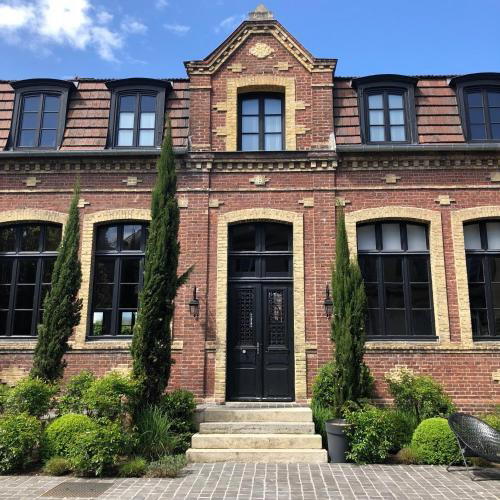
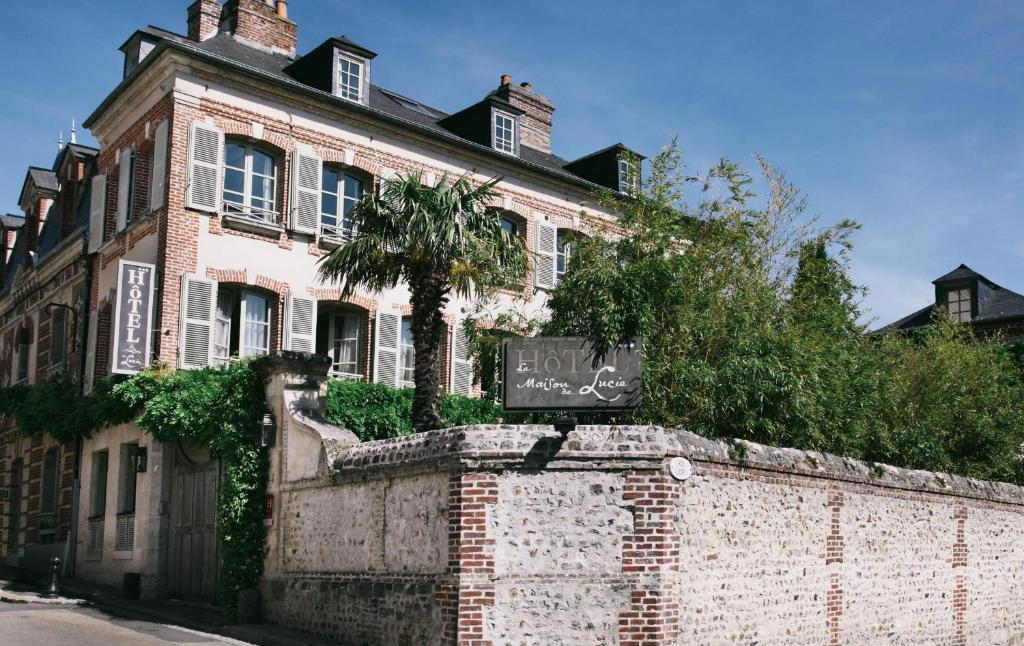
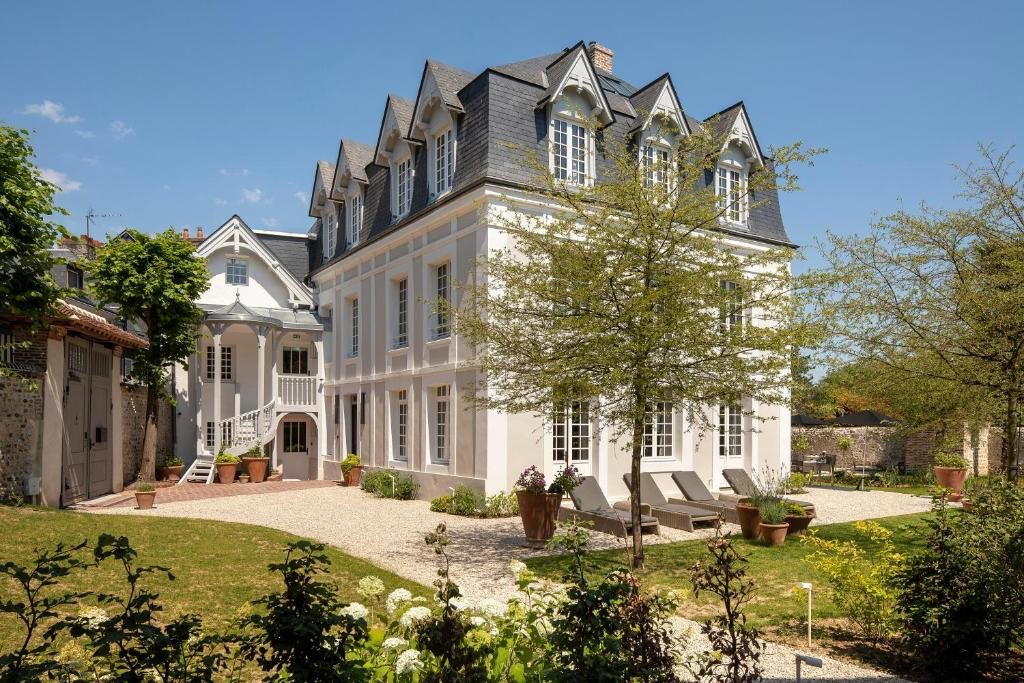
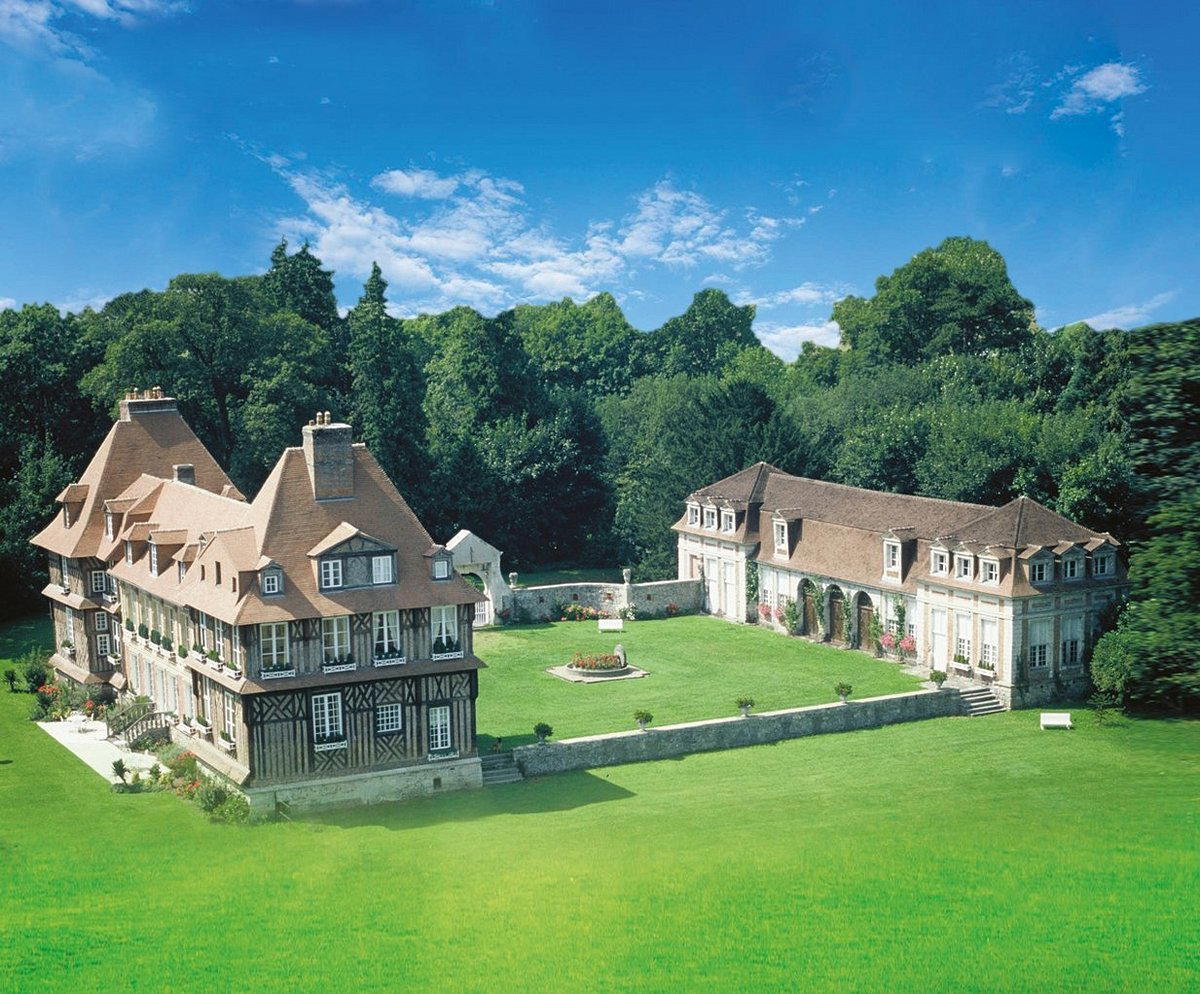
Approaching a restaurant in a commune like Rives-en-Seine, the built environment does the contextual work that a city neighbourhood cannot. There are no competing restaurant signs, no bar terraces bleeding into adjacent businesses. The scale is domestic, the street quiet, and the sense of occasion comes not from architectural drama but from the contrast between the surrounding stillness and the deliberate act of sitting down to eat carefully sourced food in it. This is a format that rewards visitors who have read the room, so to speak, before arriving: the experience aligns with the setting, and the setting is Norman village France at a remove from the regional tourist circuit.
For visitors travelling from Rouen, the drive follows the Seine valley west, passing through the Parc Naturel Régional des Boucles de la Seine Normande. That journey is itself a version of the sourcing argument made visible: the land between Rouen and Rives-en-Seine is the land that feeds kitchens like this one. Arriving with that context sharpens the meal considerably. Those coming from further afield, Paris is roughly 150 kilometres to the southeast via the A13 and A29, will find the detour calibrated to reward the effort, particularly for anyone who has worked through the capital's high-end dining circuit and wants a different register. The contrast with something like Alléno Paris au Pavillon Ledoyen in Paris could not be more complete in terms of scale, spectacle, and setting, even if the underlying commitment to French produce runs as a common thread.
The strongest provincial French restaurants have always operated on a different axis from their Parisian equivalents. Where Paris rewards technique, presentation, and the kind of culinary vocabulary that reads across international audiences, the leading regional tables reward specificity: a dish that could not have been made fifty kilometres away, sourced from a producer whose name is known to the kitchen, prepared in a way that the regional tradition would recognise. Auberge de l'Ill in Illhaeusern, Georges Blanc in Vonnas, and Flocons de Sel in Megève each built their reputations on exactly this kind of territorial insistence. Troisgros - Le Bois sans Feuilles in Ouches relocated partly to reinforce proximity to specific Loire Valley suppliers. L'Oustau de Baumanière in Les Baux ties its menu directly to Provence's olive and herb traditions. These are not coincidences; they reflect how lasting reputations get built outside of capital cities.
Magnolia operates in territory where that kind of reputation-building is possible. Normandy's produce credentials are not in question: the region consistently supplies raw materials to three-star kitchens across France, including tables like Paul Bocuse - L'Auberge du Pont de Collonges in Collonges-au-Mont-d'Or and coastal-focused restaurants of the calibre of Christopher Coutanceau in La Rochelle and La Marine in Noirmoutier-en-l'île. A restaurant rooted in this specific Seine valley corner has access to a supply base that most urban kitchens would arrange logistics around. The question, as with any provincial table, is how completely that access is exploited. For broader context on what France's serious regional dining circuit looks like, see our full Rives En Seine restaurants guide.
Planning Your Visit
Rives-en-Seine is not a destination that rewards the unplanned visit. The village scale means options are limited if your first choice is closed or full, and the drive from major transport hubs requires a car, there is no practical rail connection to the commune itself. Rouen, with its mainline TGV links to Paris Saint-Lazare (roughly 70 minutes), is the logical base, and from there the Seine valley road is direct. Visitors pairing a Norman table with regional exploration will find the Boucles de la Seine Normande national park, the abbey ruins at Jumièges, and the market town of Caudebec-en-Caux all within short driving range. The seasonal rhythms that drive Norman cooking, Channel fish in late spring and autumn, orchard harvests from August through October, game in winter, are worth factoring into timing decisions for anyone whose interest is primarily in what is on the plate.
Frequently asked questions
What should I expect atmosphere-wise at Magnolia?
Rives-en-Seine is a merged commune of river-bend villages in the Seine-Maritime department of Normandy, and restaurants here operate in a built environment where the surroundings — orchards, riverside topography, stone architecture — do more contextual work than any interior design brief. Provincial French dining rooms in settings like this tend toward the unhurried and personal rather than the theatrical. Magnolia sits at 12 Rue Louis le Gaffric, within that village grain.
Is Magnolia worth the drive from Rouen or other Seine Valley towns?
Rives-en-Seine sits in the Seine-Maritime department roughly within the orbit of Rouen, the department's principal city, making it a feasible excursion for travellers already in Upper Normandy. The village scale of the commune means Magnolia at 12 Rue Louis le Gaffric is likely one of few dining options in the immediate area, so it functions less as a stop among many and more as a destination in itself. Confirming opening days before travel is advisable given the limited alternatives if the restaurant is closed.
What should I order at Magnolia?
In restaurants of this setting, the dishes that reflect the shortest supply chains are generally the ones worth prioritising. Asking staff what has arrived that day is the most reliable ordering strategy.
Comparable Spots, Quickly
Comparable venues nearby, for context on price, style, and recognition.
| Venue | Cuisine | Price | Awards | Notes |
|---|---|---|---|---|
| MagnoliaThis venue — the venue you are viewing | Traditional French Normandy Bistro | $30–50 | Not listed | Not listed |
| Skáli | Modern Norman Farm-to-Table | $30–50 | Michelin Plate · Opinionated About Dining Casual in Europe | Saint-Wandrille-Rançon |
| G.a. au Manoir de Rétival | Modern French Fine Dining | $150–200 | 1 Michelin Star | Rives-en-Seine |
| L'Os à Moelle | Traditional French Bistro | $30–50 | Not listed | Elbeuf |
| L'Orbecquoise | Traditional French Normandy Bistro | $20–30 | Not listed | town centre |
| La Petite Brocante | Traditional French Brasserie | $20–30 | Not listed | near Halles Centrale |
Continue exploring
More in Rives-en-Seine
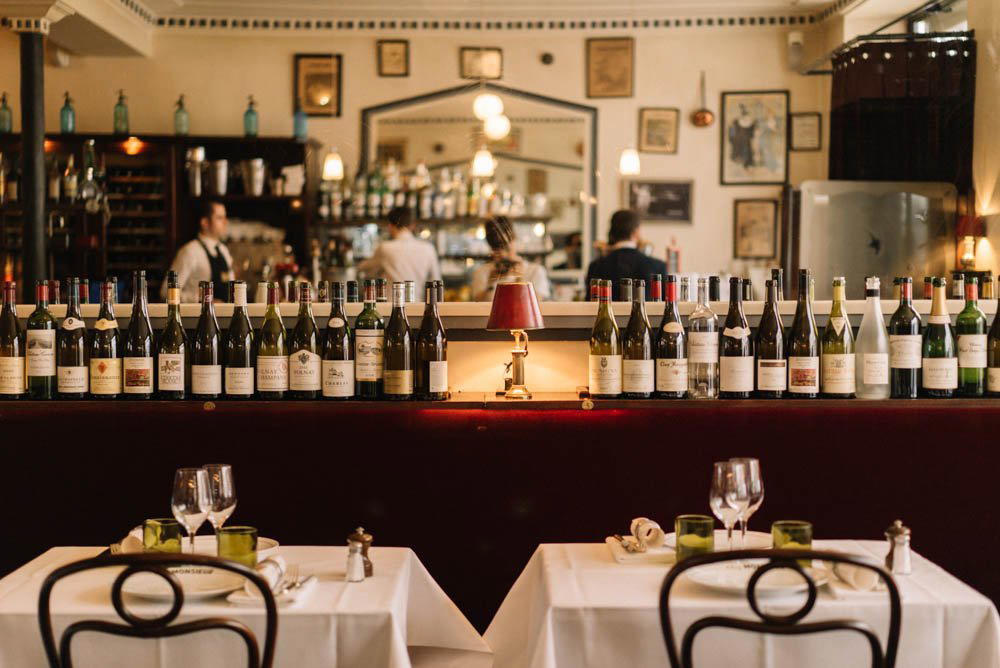
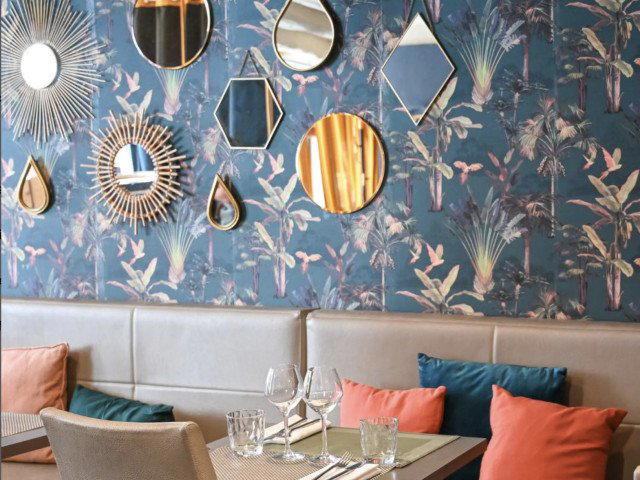
Restaurants in Rives-en-Seine
Browse all →
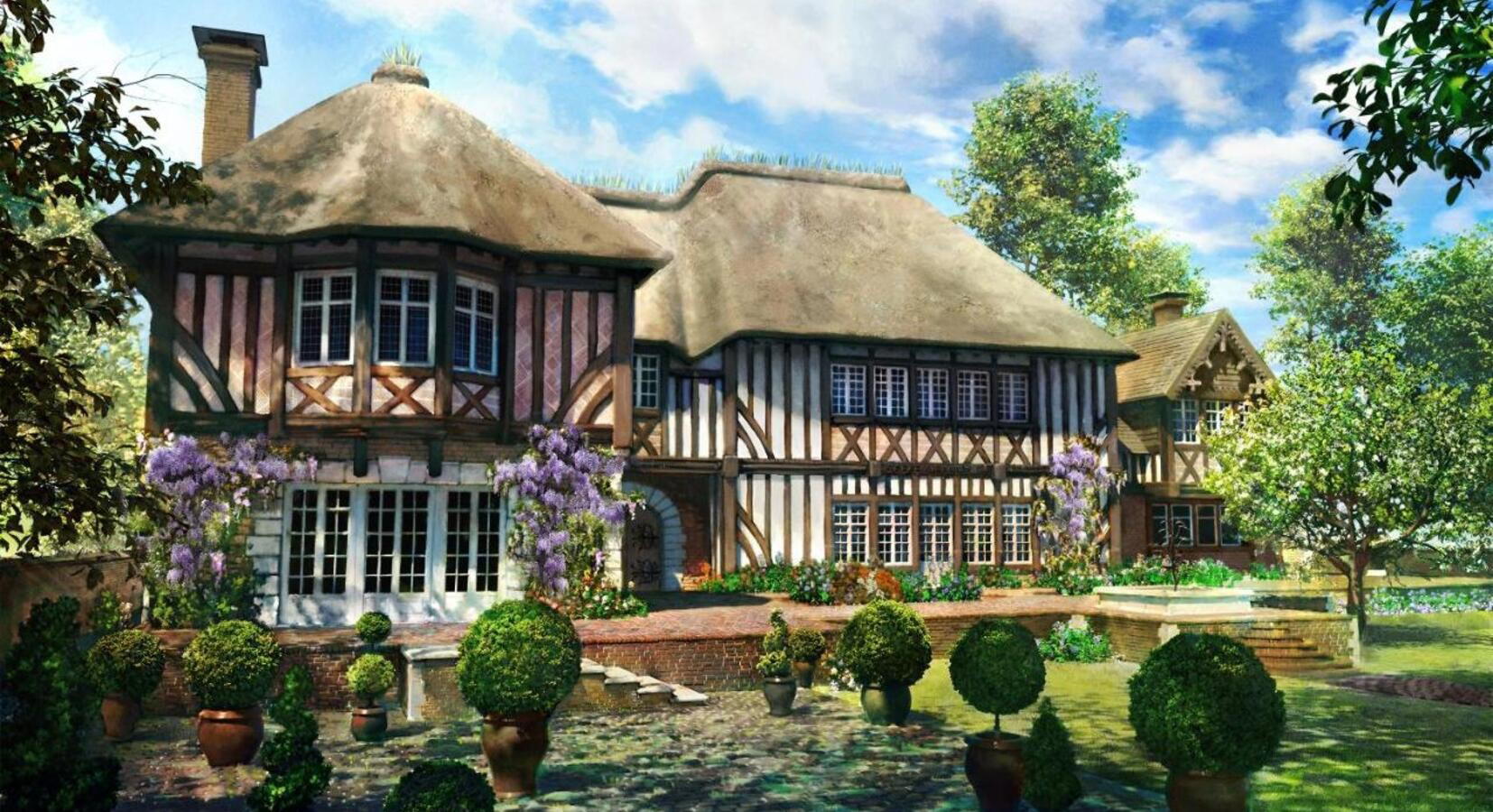
Hotels in Rives-en-Seine
Browse all →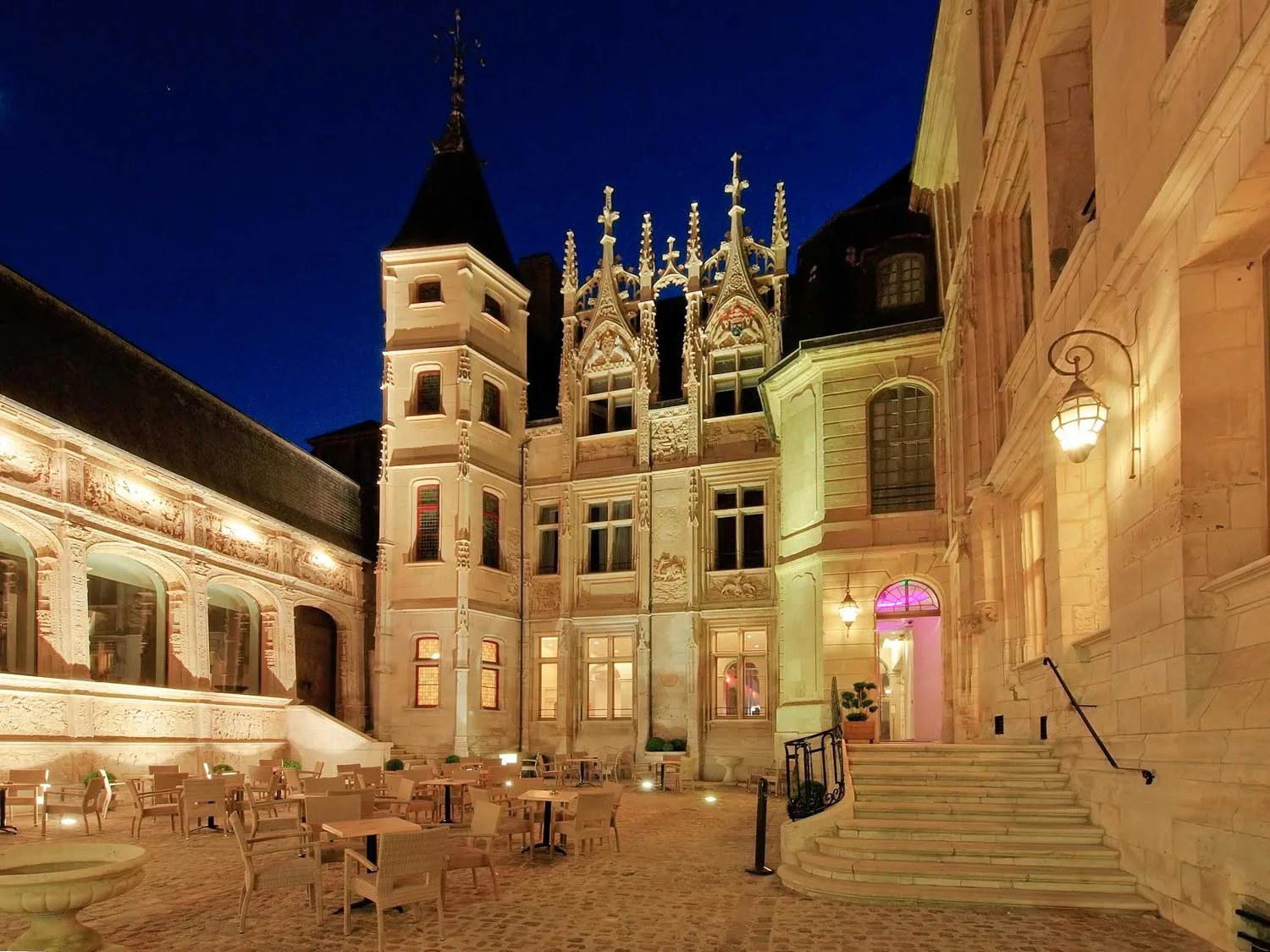

Details
- Scenic
- Cozy
- Elegant
- Family
- Celebration
- Brunch
- Waterfront
- Terrace
- Local Sourcing
- Waterfront
- A La Carte
- Vegetarian Friendly
Current opening hours
- Monday
- Closed
- Tuesday
- Closed
- Wednesday
- 12–2 PM
- Thursday
- 12–2 PM
- Friday
- 12–2 PM, 7–10 PM
- Saturday
- 12–2 PM, 7–10 PM
- Sunday
- 12–3 PM
Hours can change for holidays and private events. Last verified .
Pleasant and modern atmosphere with terrace overlooking the Seine, warm and convivial setting praised for its scenic charm.