L'Os à Moelle occupies a quiet address on Rue du Neubourg in Elbeuf, a Seine-valley town that sits outside the usual Normandy dining circuit. The name references the marrow bone, a cut long associated with French provincial bistro cooking, and signals a kitchen oriented toward classical technique and primary-produce honesty. For the Seine-Maritime department, that positioning places it in a meaningful niche.
Pearl is the En Primeur Club membership app — saves, bookings, and concierge access live there. Same editors, same standards.
- Address
- 73 Rue du Neubourg, 76500 Elbeuf, France
- Phone
- +33235779988
- Website
- osamoelle.net
 Saves & bookings on Pearl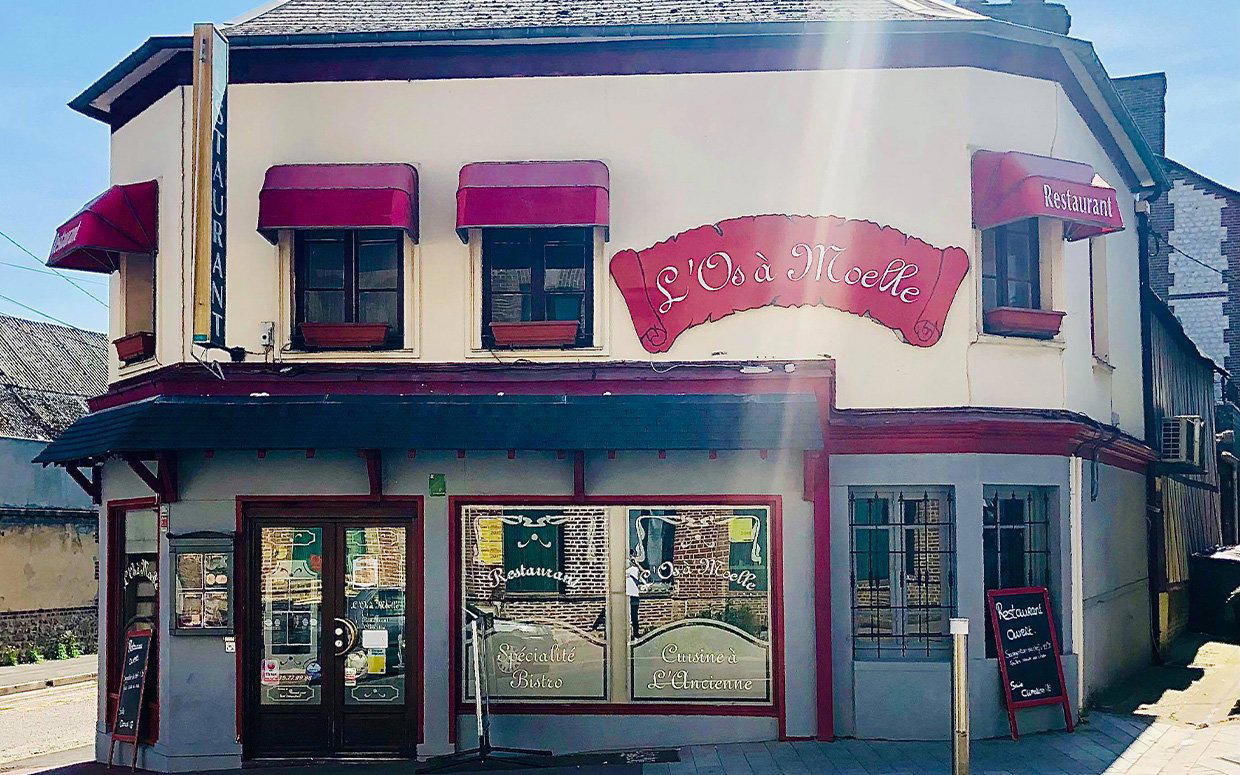
Elbeuf and the Provincial Bistro Tradition It Belongs To
The Seine-Maritime department is not where most France-bound travellers plot their restaurant itinerary. Rouen draws attention as the regional capital; the coastal towns of the Alabaster Coast attract summer visitors. Elbeuf, sitting on a bend of the Seine roughly twenty kilometres south of Rouen, operates at a quieter register, a former textile town whose architectural fabric retains the seriousness of its industrial past without the polish of a tourist-facing makeover. That context matters when reading a restaurant like L'Os à Moelle, which sits at 73 Rue du Neubourg in the centre of that town, because the audience is predominantly local and the economic logic is therefore entirely different from a neighbourhood dining room trying to attract visitors from Paris or abroad.
The name itself carries freight. L'os à moelle, the marrow bone, is one of the more honest signifiers a French restaurant can adopt. It does not gesture toward refinement or modernity; it points directly at the peasant-aristocrat tradition of French cookery, where a cheap, collagen-rich cut, slowly extracted and spread on toasted bread, was considered a serious pleasure rather than a consolation prize. That tradition runs through the whole canon of French bistro cooking, from the pot-au-feu of Burgundian farmhouses to the bone-marrow preparations that have appeared at celebrated addresses like Paul Bocuse, L'Auberge du Pont de Collonges in Collonges-au-Mont-d'Or. A name choice like this is a declaration of intent.
Where the Ingredients Come From and Why That Matters Here
Normandy occupies a specific position in French ingredient geography. The region produces some of France's most consequential dairy, AOC-protected butters and creams from the Pays d'Auge, cheeses whose names function as shorthand for a particular fat-rich style of cooking. The Seine valley in particular sits at a crossroads: within reach of the apple orchards that supply Calvados and cidre de Normandie, the coastal fish markets of Dieppe and Fécamp to the north, and the market gardens of the Seine estuary to the west. A bistro drawing on that supply chain, even informally, has access to primary produce that would cost significantly more to source in Paris, which partly explains why the provincial bistro tradition in towns like Elbeuf has survived while its urban equivalents have struggled under real-estate and labour pressures.
The marrow bone framing also speaks to a kitchen philosophy oriented around full-animal use and secondary cuts, a tradition that predates the contemporary nose-to-tail rhetoric and that, in provincial France, never really went away. Restaurants like Bras in Laguiole and Auberge du Vieux Puits in Fontjoncouse have built celebrated formats around deep regional specificity and ingredient provenance; in a more modest register, the same instinct governs the kind of neighbourhood address that L'Os à Moelle represents. The difference is one of scale and ambition, not principle.
The Physical Setting on Rue du Neubourg
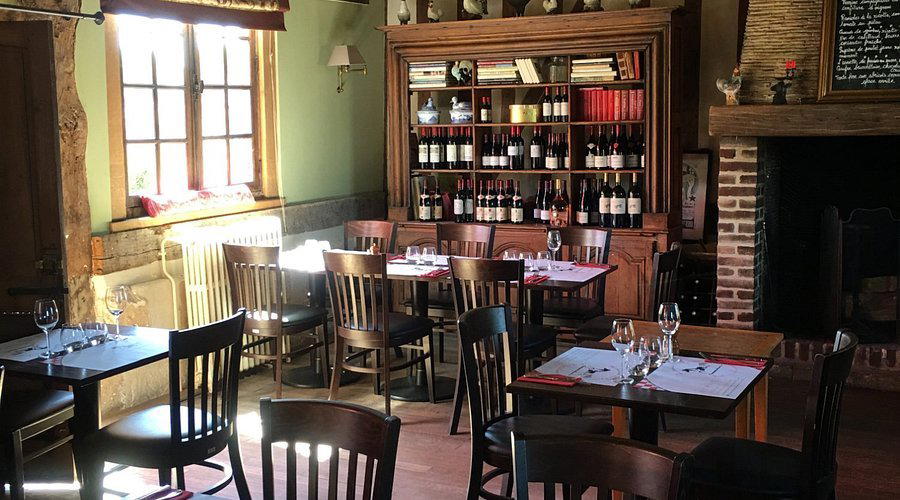
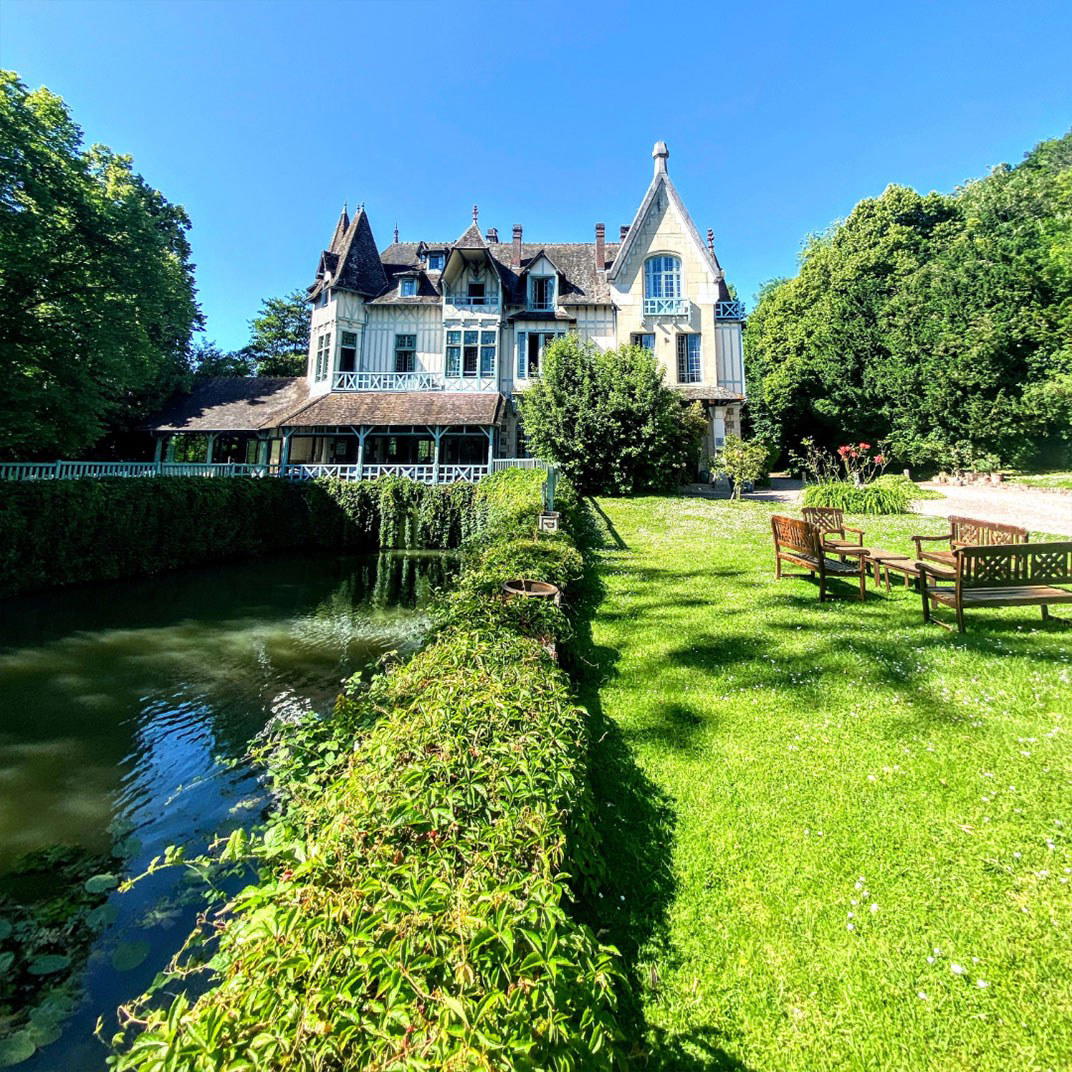
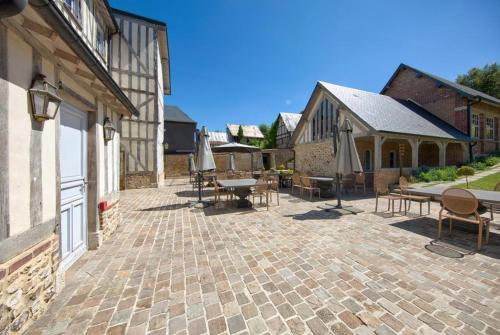
Rue du Neubourg is a working street in central Elbeuf, not a scenic lane designed to frame a restaurant experience. Approaching L'Os à Moelle from this address, the environment is resolutely ordinary in the way that the leading provincial French bistros tend to be, the dining room earns its authority from what happens inside rather than from architectural theatre. That plainness is consistent with the bistro tradition at its most functional: tiled floors, paper or cloth table covers, a chalkboard or printed menu that changes with the week's market supply. The French provinces have sustained this format for a century and a half precisely because it delivers reliable value without demanding a special occasion as justification. The contrast with, say, the formal grandeur of Assiette Champenoise in Reims or the lakeside drama of Flocons de Sel in Megève is instructive, those addresses frame the meal with setting; L'Os à Moelle, like most honest bistros, asks the cooking to carry the weight.
How It Sits in the French Provincial Dining Frame
France's dining ecosystem has always operated across multiple tiers simultaneously, and the provincial bistro occupies a specific, durable position within that system. The country's most decorated addresses, Mirazur in Menton, Troisgros in Ouches, Auberge de l'Ill in Illhaeusern, L'Oustau de Baumanière in Les Baux, Georges Blanc in Vonnas, have become destination objects in their own right, drawing international visitors and pricing accordingly. The bistro tier functions differently: it serves the town it is in, prices for local incomes, and succeeds or fails on whether the neighbourhood considers it reliable. That reliability is its own kind of standard, separate from the award-recognition system that governs addresses like AM par Alexandre Mazzia in Marseille or Christopher Coutanceau in La Rochelle.
It is worth noting how different this model is from the high-end bistronomy that has shaped Paris dining over the past two decades, an approach visible in the orbit of addresses near Alléno Paris au Pavillon Ledoyen. The provincial bistro is not a simplified version of that model; it predates it and operates by different economics entirely. Ingredient sourcing is local because geography makes it logical, not because a brand story requires it. The menu changes because the supplier's availability changes, not because a communications team has scheduled a seasonal refresh.
For visitors travelling through Normandy, a lunch or dinner at a functioning local bistro like L'Os à Moelle offers a different register of experience from the destination tables listed above or the fish formats found at La Marine in Noirmoutier and Le Bernardin in New York. The comparison to Atomix in New York or Au Crocodile in Strasbourg underlines how wide the spectrum of serious French dining actually runs, from tasting-menu formalism to the deliberately unspectacular plate of well-sourced Norman produce on a Tuesday in Elbeuf.
Planning a Visit
Elbeuf is accessible from Rouen by road in under thirty minutes; the A13 autoroute places it within two hours of Paris. Visiting with flexibility in timing is advisable, and calling ahead or arriving at standard French service hours is the sensible approach. Elbeuf is not a late-night dining town, and like most bistros of this type, L'Os à Moelle is likely to be at its finest earlier in service when the day's market produce is freshest.
Fast Comparison
Comparable venues nearby, for context on price, style, and recognition.
| Venue | Cuisine | Price | Awards | Notes |
|---|---|---|---|---|
| L'Os à MoelleThis venue — the venue you are viewing | Traditional French Bistro | $$ | , | |
| Brasserie Paul | Traditional French Brasserie | $$ | , | historic center |
| Le Go-Rhino | French Bistrot | $$ | , | Bourdonné |
| Le Bistrot des Halles | Traditional French Bistro | $$ | , | Place des Halles Centrales |
| La Gare Aux Gourmets | Traditional French Bistro | $$ | , | Woincourt, Vimeu region |
| Magnolia | Traditional French Normandy Bistro | $$ | , | Rives-en-Seine |
Continue exploring
More in Elbeuf
Restaurants in Elbeuf
Browse all →
At a Glance
- Classic
- Cozy
- Elegant
- Intimate
- Group Dining
- Casual Hangout
- Business Dinner
- Family
- Standalone
- Beer Program
- Local Sourcing
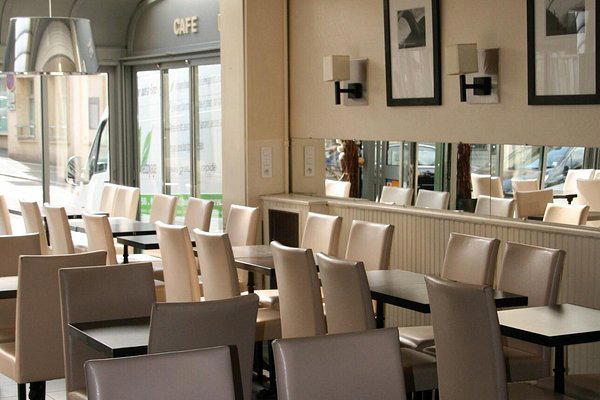
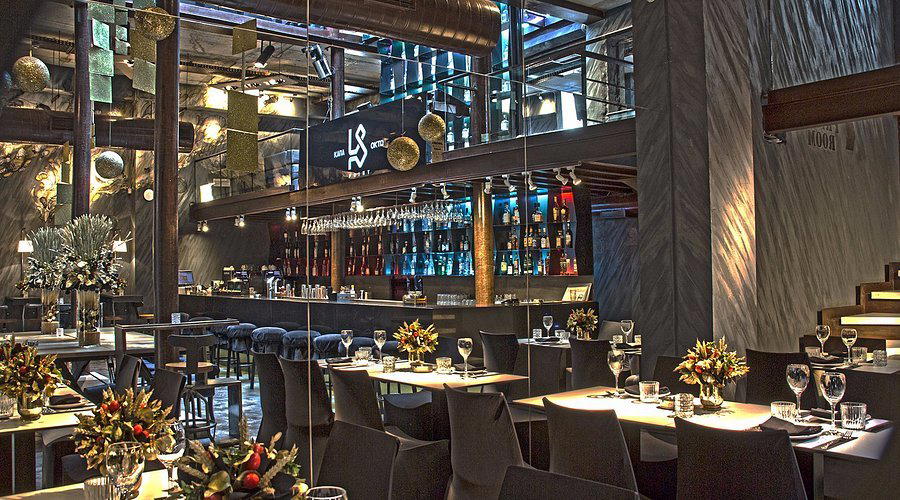
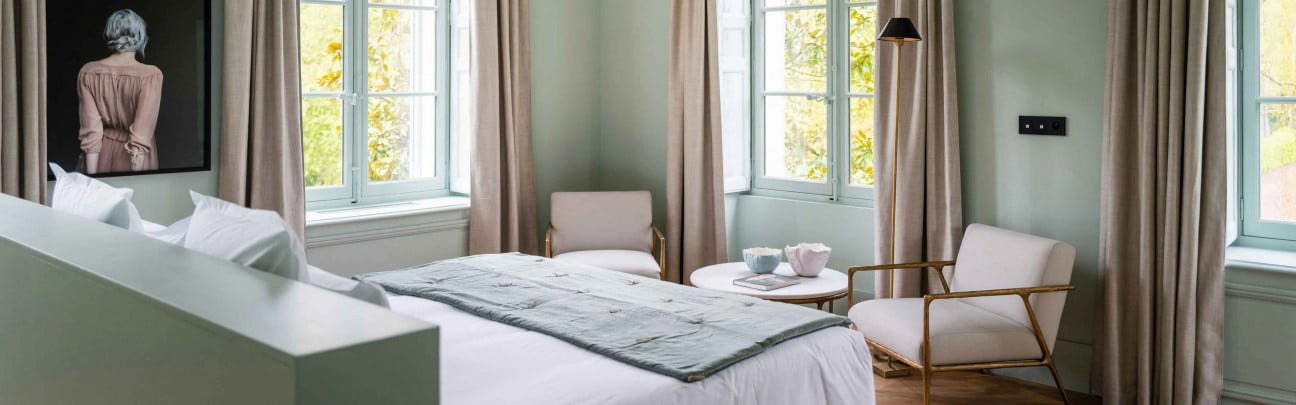
Refined and warm setting with elegant decor; described as a popular meeting place with active, friendly service and a welcoming atmosphere that feels like a local institution.