Maggie's Coffee
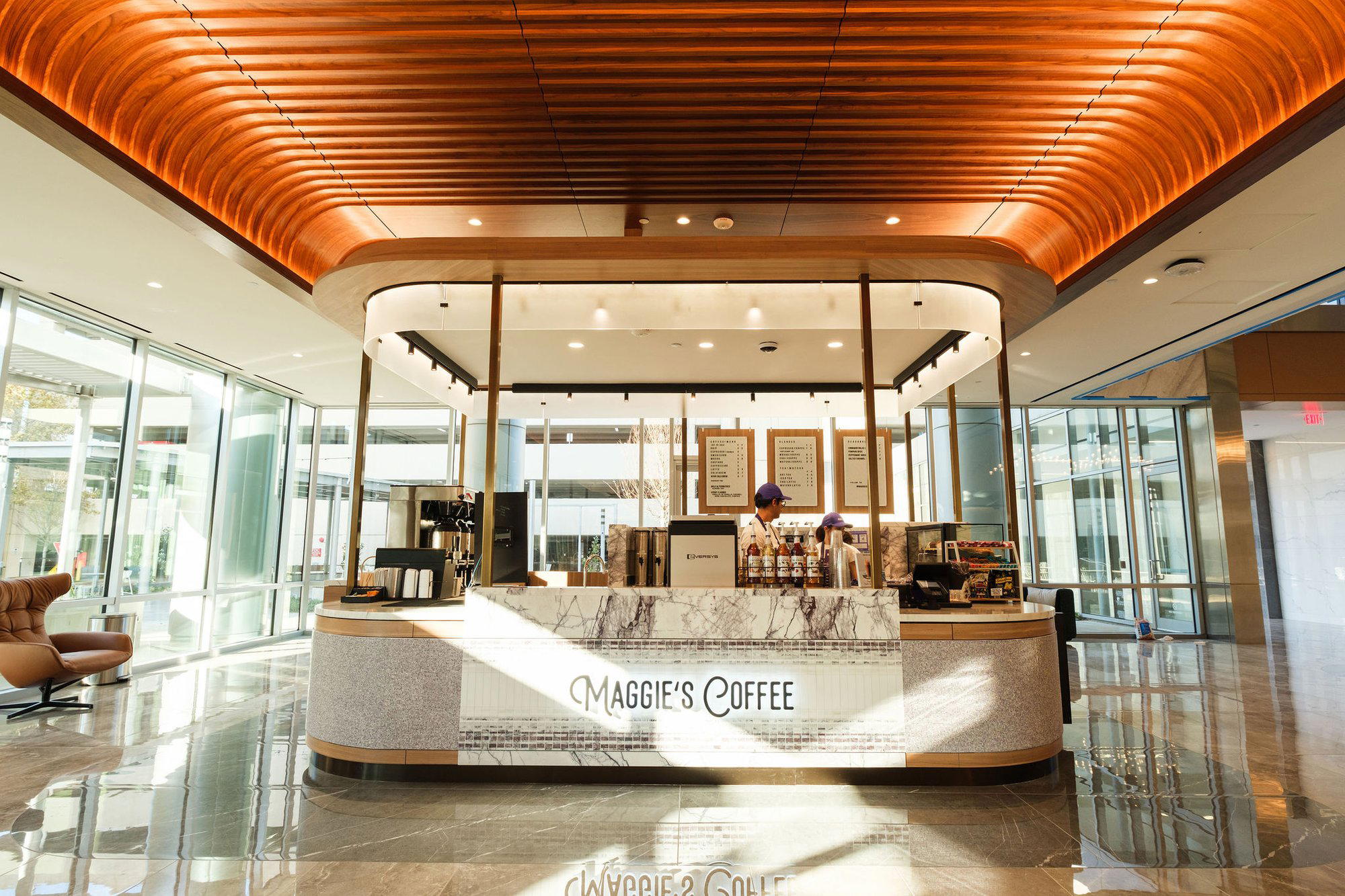
On the western edge of Houston's Energy Corridor, Maggie's Coffee occupies a quieter tier of the city's café scene than the splashy restaurant openings downtown. The focus here is coffee and pastries, served in a neighborhood format that suits the residential-commercial mix of the Katy Freeway corridor. For a city whose dining conversation often jumps straight to prix-fixe tasting menus, a well-run local café earns its place.
 Discover on Pearl
Pearl is the En Primeur Club membership app — saves, bookings, and concierge access live there. Same editors, same standards.
- Address
- 11720 Katy Fwy suite 105, Houston, TX 77079
- Phone
- (346) 396-5581
- Website
- maggieshtx.com
A Corridor That Runs on Coffee
The stretch of Katy Freeway west of Beltway 8 is Houston at its most functional: office parks, strip-center retail, and subdivisions feeding workers into the Energy Corridor every morning. It is not a neighborhood that attracts much food-media attention, which is precisely why a café that earns a local following out here says something worth noting. Maggie's Coffee, at 11720 Katy Freeway in Suite 105, operates in that context, a specialty coffee bar serving a corridor that runs almost entirely on drive-throughs and chain options. When a neighborhood-scale café sustains itself against that backdrop, it is generally because it is doing something the chains are not.
Houston's café culture has matured considerably over the past decade. The city now has a growing cohort of independent operators who care about sourcing, brew method, and the provenance of what ends up in the cup. Maggie's Coffee sits within that broader shift, a format that prioritizes the daily ritual of a well-made beverage and a pastry worth slowing down for, rather than the fast-caffeine transaction that defines most of its immediate neighbors along the freeway.
The Environmental Question in the Cup
Specialty coffee's sustainability credentials are, at this point, well-documented and also well-complicated. The supply chain from farm to cup spans multiple countries, climate-sensitive growing regions, and a global logistics network, none of which is inherently low-impact. What separates cafés with genuine environmental commitments from those with superficial claims is specificity: which farms, which certifications, what happens to the spent grounds and single-use packaging. The independent café format, as a category, tends to handle this better than chain operators, partly because scale creates accountability and partly because the customer base at a neighborhood café is often local enough to notice inconsistency.
The Houston café scene is beginning to reflect this more clearly. Operators increasingly talk about direct-trade relationships, compostable serviceware, and the reduction of single-use plastics as operational norms rather than marketing points. A café in a high-traffic suburban corridor like the Energy Corridor faces particular pressure here: the surrounding context is drive-through-heavy, disposable-cup-default, and built around convenience over consciousness. A café that makes considered choices about sourcing and packaging in that environment is working against the grain of its surroundings in a meaningful way.
Pastries, Provenance, and the Neighborhood Format
The coffee-and-pastry café is one of the more durable formats in urban dining precisely because it does not depend on a headline chef or a tasting-menu format to anchor its identity. What it depends on is consistency and sourcing integrity, two things that are harder to fake at the neighborhood scale than they are at a high-profile restaurant where critics are watching. The pastry component, in particular, is often where a café's supply-chain ethics become most visible: flour, butter, eggs, and fruit all carry sourcing stories, and a café that is serious about the environmental dimension of its operation tends to be selective about where those ingredients originate.
Houston's most compelling dining conversation often clusters around a different price tier: the tasting-menu rooms like March (Venetian-influenced, $$$$), the ingredient-driven ambition of Musaafer (Indian, $$$$), and the Spanish precision of BCN Taste & Tradition. Those venues benchmark against national peers at the level of Le Bernardin in New York City, Alinea in Chicago, or The French Laundry in Napa. The café format operates in an entirely different register, and that is not a limitation, it is a different kind of discipline. Getting a neighborhood coffee operation right, day after day, without the resources or profile of a destination restaurant, is its own form of craft.
The Energy Corridor as Dining Context
The zip code 77079 is not where Houston's most-discussed restaurants cluster. Le Jardinier Houston operates in the Museum District's gravity; Tatemó draws from an entirely different part of the city's food culture. The Energy Corridor's dining scene is primarily functional, it serves a large working population on weekday rhythms, which means the cafés and lunch spots that establish themselves here tend to do so on reliability rather than novelty. For a café in this corridor, the competitive set is not the city's restaurant scene writ large; it is the daily choice between a chain and an independent, made by the same people every morning.
That dynamic makes the sustainability angle more consequential, not less. In a neighborhood where the path of least resistance is a national chain with standardized supply chains, an independent café that makes different sourcing decisions is making those decisions without the benefit of a food-media spotlight. The work is quieter, and the audience is local. For travelers who find themselves on the western stretch of I-10, whether connecting through Houston or based in the Energy Corridor for work, understanding where that corridor's independent options sit is part of reading the city's food culture accurately.
Planning Your Visit
Maggie's Coffee is located at 11720 Katy Freeway, Suite 105, Houston, TX 77079, a strip-center address that is accessible by car from the I-10 feeder road. For café visits in the Energy Corridor specifically, weekday mornings align with the neighborhood's natural rhythm; the area operates on a work-week clock, so weekend traffic patterns differ.
Houston Beyond the Headlines
A city with the restaurant ambition of Houston still depends on its neighborhood-scale independent operators to give daily life its texture. The headline venues, including the contemporary ambition of Emeril's in New Orleans-adjacent Southern cooking traditions that inform parts of Houston's palate, get the coverage. The café two miles from a corporate campus, serving the same customers every weekday, tends not to. Both layers are part of what makes a food city function.
Compact Comparison
Comparable venues nearby, for context on price, style, and recognition.
| Venue | Cuisine | Price | Notes |
|---|---|---|---|
| Maggie's CoffeeThis venue — the venue you are viewing | Spring Branch West, Specialty Coffee Bar | $ | |
| El Rey Taqueria | Memorial, Cuban & Mexican Taqueria | $ | |
| iWok | $ | Belle Court, Fast-Casual Robotic Chinese Wok | |
| Cake & Bacon | $ | Wholesale artisanal bakery & charcuterie commissary | |
| Brothers Taco House | $ | Downtown, Authentic Mexican Breakfast Tacos & Tex-Mex | |
| Cafe Pita + | Westchase, Bosnian | $$ |
Continue exploring
More in Houston
Restaurants in Houston
Browse all →
Bars in Houston
Browse all →
Hotels in Houston
Browse all →
At a Glance
- Cozy
- Modern
- Casual Hangout
- After Work
- Standalone
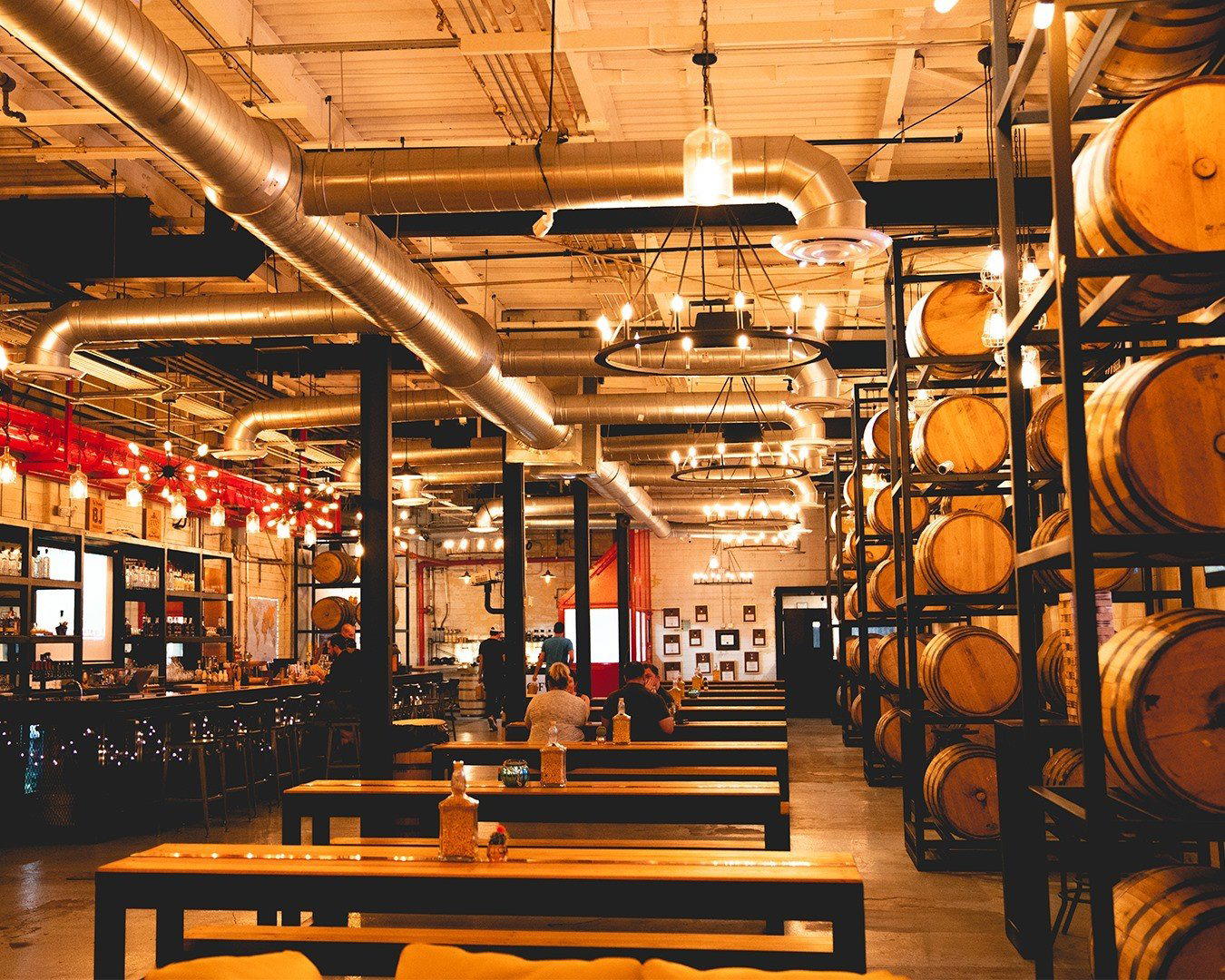
Warm and modern ambiance tailored for office workers to relax and recharge.