Eight Row Flint
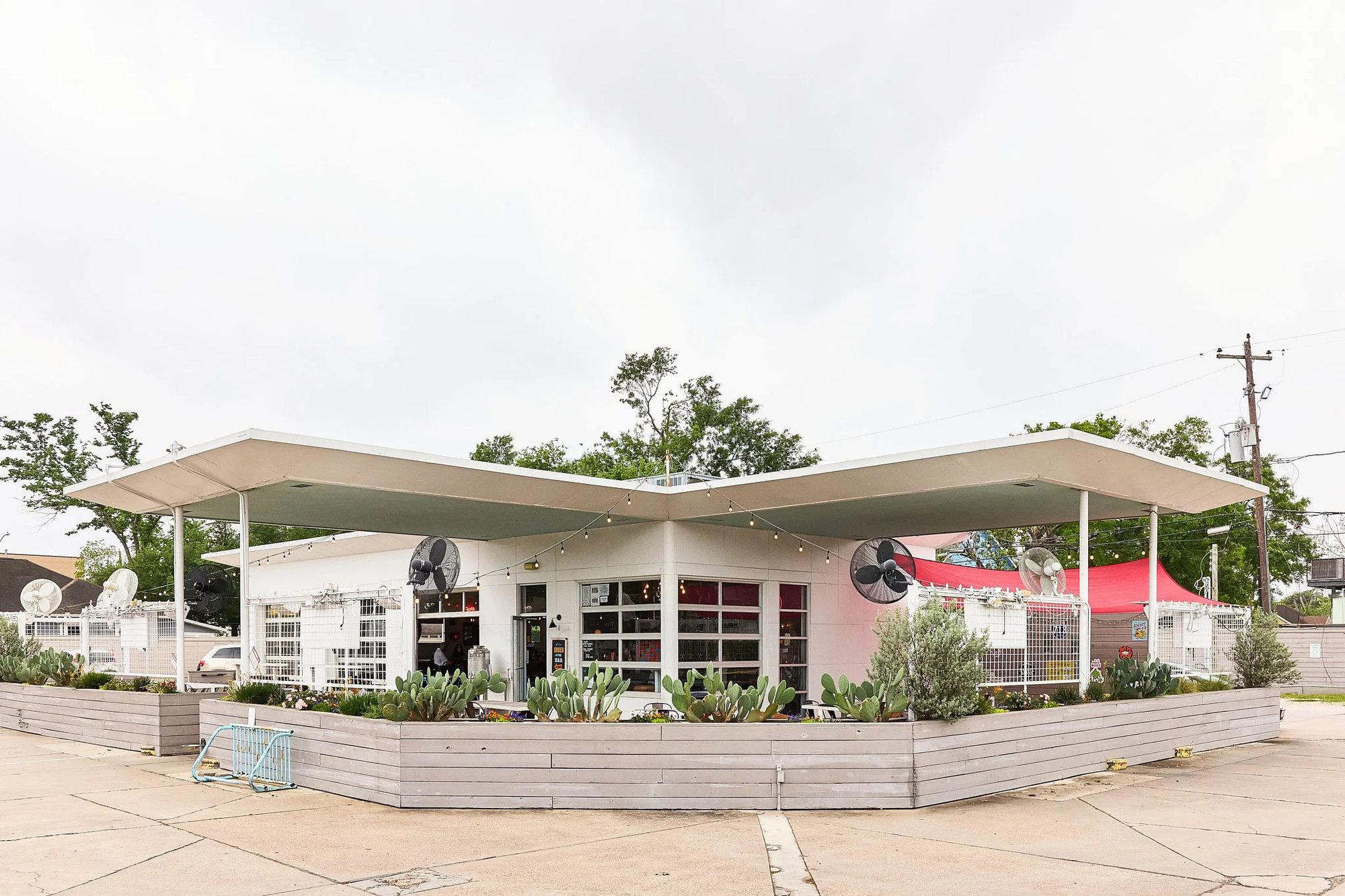
Eight Row Flint occupies a corner on Yale Street in Houston's Heights neighborhood, operating as a whiskey-forward bar with an icehouse sensibility. The space favors covered outdoor seating and a no-frills interior that fits squarely within the Texas drinking tradition of cold beer, strong pours, and unhurried time. For visitors moving through the Heights bar circuit, it anchors the more casual end of the neighborhood's drinking scene.

Pearl is the En Primeur Club membership app — saves, bookings, and concierge access live there. Same editors, same standards.
- Address
- 1039 Yale St, Houston, TX 77008
- Phone
- (832) 767-4002
- Hours
- Mon–Thu 11 AM–12 AMFri–Sat 11 AM–2 AMSun 11 AM–12 AM
- Website
- agricolehospitality.com
- Directions
- Get directions
- Booking
- Book on Resy
Yale Street and the Icehouse Tradition
Houston's bar culture has always maintained a parallel track to its more polished cocktail programs. Alongside the technically ambitious rooms that have drawn national attention in recent years, the city holds a deep attachment to the icehouse format: open-air or semi-outdoor spaces where the emphasis falls on cold drinks, unpretentious surroundings, and extended conversations rather than curated menus. Eight Row Flint, at 1039 Yale Street in the Heights, works squarely within that tradition. The address places it in a neighborhood that has become one of Houston's more active drinking corridors, where bars ranging from whiskey rooms to wine-focused spots occupy a stretch walkable enough to make bar-hopping plausible on a weekend evening.
The Heights itself represents a particular Houston dynamic. As the city's inner loop neighborhoods densified over the past decade, Yale Street and its surrounding blocks absorbed a wave of independent bars and restaurants that now give the area a character distinct from Midtown or Montrose. Eight Row Flint arrived as part of that wave, and its positioning within the neighborhood says something about what the Heights drinking scene values: accessibility over exclusivity, space over compression, and a format that works as well on a Tuesday as a Saturday.
The Physical Container: Space as the Program
The design logic at Eight Row Flint is inseparable from its identity. The bar operates with the kind of covered outdoor seating that functions as the room itself rather than an overflow annex. In Houston's climate, this is a deliberate choice with real consequences for the experience: the covered patio model keeps the space usable across a longer portion of the year than a fully enclosed room might suggest, while maintaining the open-air adjacency that defines icehouse culture in Texas. The interior, where it exists, reads as secondary to the outdoor structure rather than the other way around.
This approach places Eight Row Flint in a specific design category among Houston bars. The city's cocktail bars that have attracted editorial attention nationally, including Julep and Bandista, tend to operate in enclosed rooms where the lighting, seating arrangement, and acoustic management are part of the program. Eight Row Flint inverts that priority. The space is designed to feel unconstructed, which is itself a construction. The wood surfaces, the lack of theatrical lighting, and the arrangement of seating around conversation rather than a bar counter as focal point all read as deliberate choices within the icehouse aesthetic rather than defaults.
For visitors accustomed to bars where the room signals what kind of drinking is expected, Eight Row Flint's physical environment signals something specific: you are here to drink whiskey, take your time, and not perform the experience. That signal has real value in a city that also offers more theatrically staged options.
Whiskey in the Context of Houston's Broader Bar Scene
Houston's whiskey bar category has grown alongside the city's broader cocktail culture, but it occupies a distinct niche. Where bars like 13 Celsius or 1100 Westheimer Rd have built identities around wine lists or specific cocktail formats, Eight Row Flint's emphasis on American whiskey connects it to a different tradition: the Texas honky-tonk inflected through a contemporary bar sensibility. The name itself references a bourbon production term, which positions the venue within whiskey culture explicitly rather than incidentally.
American whiskey bars in the South operate in a competitive context that differs from their counterparts in cities like Chicago, where Kumiko has built a program around Japanese whisky and technique-driven cocktails, or San Francisco, where ABV emphasizes a rotation of spirit-forward serves across categories. In Houston, the whiskey bar format tends to lean into regional identity: bourbon and rye as primary languages, with a format that values the spirit over the vehicle. Eight Row Flint operates in that register.
Birdies Icehouse, for instance, operates a similar covered outdoor format with food and cold drinks as the draw. What Eight Row Flint adds to that format is a more specific whiskey focus, which sharpens its identity without abandoning the accessibility that makes the icehouse model work.
Who Drinks Here and When
The Heights bar circuit tends to draw a mix of neighborhood regulars and visitors moving through the area, particularly on evenings when the weather allows outdoor drinking. Eight Row Flint's format suits the unhurried end of that pattern: it works for people who want to settle in for two hours rather than move quickly through a tasting menu or cocktail flight. Compared to more destination-oriented bars nationally, such as Jewel of the South in New Orleans or Allegory in Washington, D.C., Eight Row Flint is not positioning itself as a pilgrimage stop. It is positioning itself as a place to return to.
That distinction matters for how visitors should approach it. Bars that reward repeat visits over single-occasion experiences tend to build their reputations through consistency rather than novelty. Eight Row Flint's long-term presence on Yale Street reflects that model. For travelers building a Houston itinerary that includes the Heights, it fits leading as an early evening anchor before moving to the more program-driven rooms nearby, or as a standalone stop for those who find the icehouse format itself the draw.
Visitors interested in comparing the American whiskey bar format against other regional approaches might also consider Bar Leather Apron in Honolulu, Superbueno in New York City, or The Parlour in Frankfurt on the Main for a cross-regional read on how whiskey-forward bars adapt to different drinking cultures.
Planning Your Visit
Eight Row Flint is located at 1039 Yale Street in Houston's Heights neighborhood. The bar operates within a walkable cluster of independent venues on Yale, making it practical to combine with other stops on the same evening. Given its outdoor-primary format, timing around Houston's heat is worth considering: the bar is more comfortable in the cooler months from October through April, though the covered structure extends usability into warmer periods. The bar is walk-in friendly, consistent with a neighborhood bar format.
Cuisine and Credentials
| Venue | Cuisine | Price | Awards |
|---|---|---|---|
| Eight Row FlintThis venue — the venue you are viewing | This venue | $20–30 | Not listed |
| Julep | World's 50 Best | $30–50 | World's 50 Best #84 · James Beard Award Outstanding Bar Program |
| Bandista | World's 50 Best | $50–100 | World's 50 Best #47 |
| Birdies Icehouse | Bar / icehouse fare (burgers, tacos, snacks) | $20–30 | Not listed |
| Anvil Bar | Not listed | $30–50 | Food & Wine Top 10 US Bars #2 · Top 500 Bars Best Bars #316 |
Continue exploring
More in Houston
Bars in Houston
Browse all →
Restaurants in Houston
Browse all →
Hotels in Houston
Browse all →
Details
- Lively
- Industrial
- Trendy
- Energetic
- After Work
- Late Night
- Group Outing
- Casual Hangout
- Standalone
- Outdoor Terrace
- Lounge Seating
- Craft Cocktails
- Whiskey
Current opening hours
- Monday
- 11 AM–12 AM
- Tuesday
- 11 AM–12 AM
- Wednesday
- 11 AM–12 AM
- Thursday
- 11 AM–12 AM
- Friday
- 11 AM–2 AM
- Saturday
- 11 AM–2 AM
- Sunday
- 11 AM–12 AM
Hours can change for holidays and private events. Last verified .
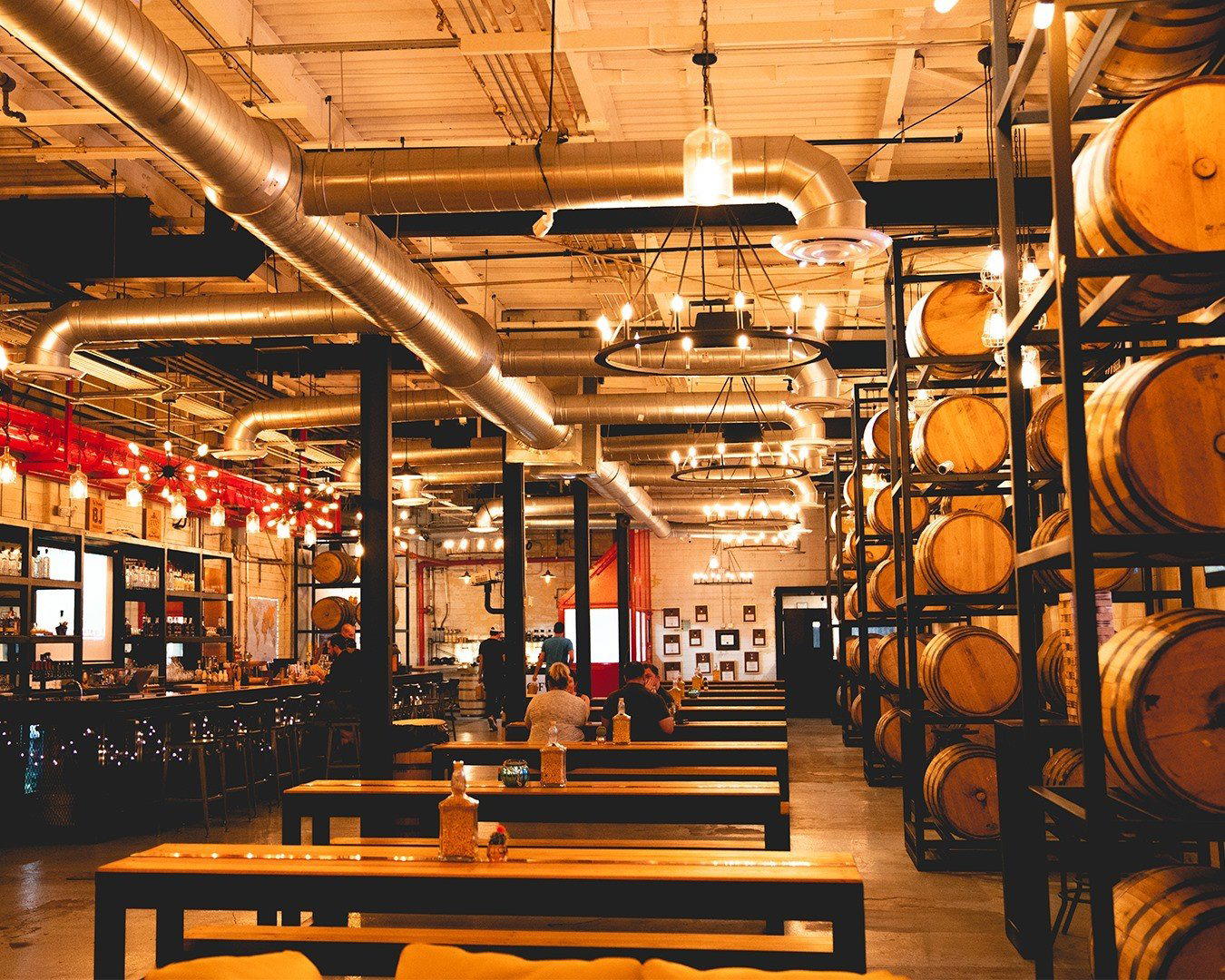
Fun, lively atmosphere with industrial design, enhanced by music on the huge outdoor patio.