Cafe Pita +
Our verdict
On the Westheimer corridor where Houston's dining options sprawl across every price point and cuisine category, Cafe Pita + occupies a distinct position in the city's Middle Eastern casual dining scene. The address at 10890 Westheimer Rd places it squarely in the Energy Corridor's multi-ethnic restaurant belt, where ingredient sourcing and menu authenticity often separate the serious operations from the interchangeable ones.
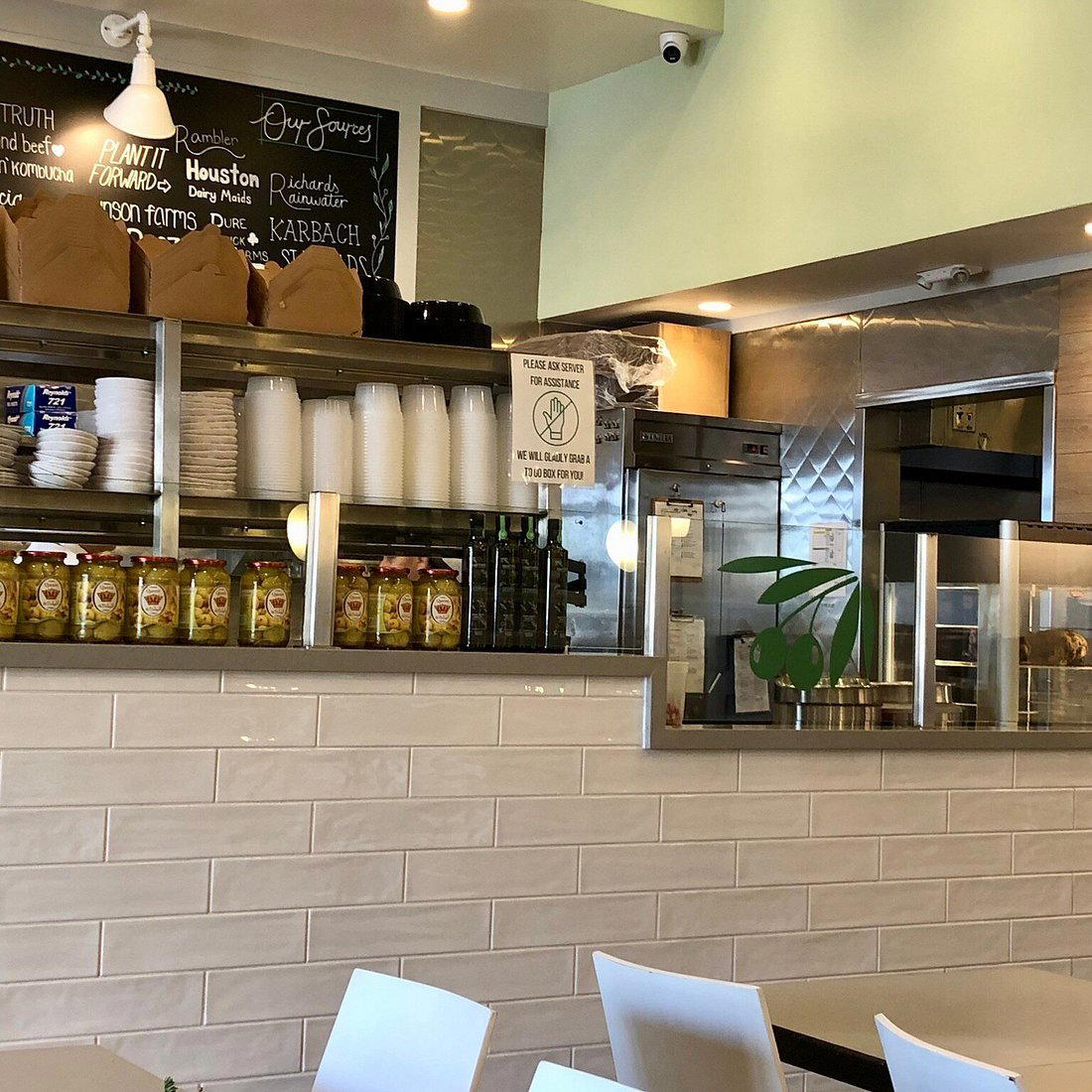
The menu
What to order
- Cevapi
- Burek
Where Westheimer's Casual Dining Gets Serious About Sourcing
Houston's Westheimer Road corridor functions as one of the most culinarily diverse stretches in the American South. Between Uptown and the Energy Corridor, the address range around the 10000-11000 blocks has accumulated a dense cross-section of casual and mid-range restaurants serving the city's substantial immigrant communities and the professional population drawn by the energy sector. It is a corridor where authenticity is tested daily by a customer base that knows the reference points. Cafe Pita +, at 10890 Westheimer Rd, operates in this context, a Middle Eastern-leaning spot in a neighborhood where such cuisines are held to a higher standard than in most American cities.
The broader case for Middle Eastern food in Houston is not incidental. The city's large Arab-American, Persian, and South Asian communities have built a restaurant culture that rewards specificity. Bread programs, spice sourcing, and meat preparation are the fault lines along which Houston diners sort casual Middle Eastern spots into tiers. The pita, given prominent positioning in the name itself, signals where the kitchen has chosen to plant its flag. Across the Middle Eastern casual dining category, housemade or locally sourced flatbread programs have become the clearest dividing line between operations that treat the bread as a wrapper and those that treat it as a primary product.
The Sustainability Thread in Casual Dining
Discussions of environmental sourcing and waste reduction in American restaurants tend to cluster at the fine-dining tier. Properties like Blue Hill at Stone Barns in Tarrytown, Single Thread Farm in Healdsburg, and Smyth in Chicago have built their editorial identities largely around farm integration and zero-waste kitchen philosophy. The more consequential shift, however, may be happening at the casual tier, where volume is higher and the aggregate environmental impact of sourcing decisions is proportionally greater.
In Houston specifically, a city whose food culture has historically skewed toward volume and value, casual restaurants that take sourcing seriously operate against a backdrop of cheap protein, long supply chains, and produce that travels considerable distances to reach the table. Middle Eastern kitchens that rely on legumes, grains, and fresh herbs, the structural ingredients of falafel, hummus, and tabbouleh, have a material advantage in building a lower-footprint menu. These dishes are inherently less resource-intensive than protein-centered American casual formats, and a kitchen that handles legumes and grains with care sidesteps the highest-carbon elements of conventional restaurant sourcing almost by default.
The pita itself is worth attention from this angle. Flatbread programs that use short supply chains, regional mills, local bakeries, or in-house production, compress the carbon distance of a product that, at the commodity level, often travels across several state lines before it reaches a table.
Reading the Address: Energy Corridor Dining Context
The 77042 zip code is worth understanding as a dining environment. It is not a tourist-facing neighborhood, and it is not a destination dining corridor in the way that Montrose or the Heights function for Houston's food press. Restaurants here are judged primarily by regulars: workers from the nearby corporate campuses, residents of the surrounding neighborhoods, and community members who cross the city for specific cuisines done well. That accountability shapes how serious operations at this address have to be. Casual concepts that survive and repeat on Westheimer in this range do so because the product holds up to a consistent, knowledgeable audience.
For comparison, Houston's higher-spending restaurant tier, venues like March with its Venetian tasting format, Musaafer at the fine-dining Indian register, or BCN Taste & Tradition in the Spanish category, operate on entirely different axes of scrutiny. The casual Middle Eastern tier runs on different metrics: consistency of spice, freshness of bread, quality of the dairy components (yogurt, labneh), and price-to-portion ratios that reflect the operating reality of a high-frequency lunch and dinner format. Cafe Pita + competes within that frame, not against the fine-dining circuit, and the evaluation criteria shift accordingly.
What the Casual Middle Eastern Category Asks of a Kitchen
Across American cities with established Middle Eastern communities, Houston, Detroit, Chicago, Los Angeles, the casual pita and mezze format has bifurcated. One branch has drifted toward fast-casual efficiency: pre-made proteins, ambient hummus, bread from central commissaries. The other has maintained kitchen practices that distinguish fresh from held, housemade from purchased. The gap between those two branches is visible at the table almost immediately: in the texture of the falafel, in whether the pita tears with steam still in it, in whether the labneh has the right acidity.
Houston's Middle Eastern casual restaurants operate within this national bifurcation but with the added pressure of a customer base that includes first-generation immigrants who grew up with the reference cuisine. That pressure is a quality signal in itself. Restaurants that hold their audience in those conditions are doing something technically correct. It is the same dynamic that makes Houston's Vietnamese, Indian, and West African restaurants among the most technically serious in the country despite their casual pricing and formats.
For readers building an itinerary across Houston's full restaurant range, the EP Club Houston restaurants guide covers the spectrum from casual to fine dining, including the Le Jardinier Houston French format and the masa-focused Tatemó. At the national level, the sourcing-forward casual dining conversation connects to what restaurants like Providence in Los Angeles, Addison in San Diego, Atomix in New York City, Le Bernardin in New York City, Lazy Bear in San Francisco, Emeril's in New Orleans, The French Laundry in Napa, The Inn at Little Washington, and Atelier Moessmer Norbert Niederkofler in Brunico have demonstrated at a higher price point: that the origin and handling of primary ingredients is the most legible signal of kitchen seriousness, regardless of what tier the menu occupies.
Planning Your Visit
Cafe Pita + is located at 10890 Westheimer Rd, Houston, TX 77042. The address sits in the western stretch of the Westheimer corridor, accessible by car from the Galleria district and the Energy Corridor employment zone. Given the casual format and the neighborhood's working-lunch culture, midday visits during weekdays are likely to reflect the full regular-customer dynamic of the spot.
Frequently asked questions
Where exactly is Cafe Pita +?
Cafe Pita + is located at 10890 Westheimer Rd, Houston, TX 77042, USA, Houston.
Is Cafe Pita + a good option for vegetarian diners in Houston's Energy Corridor?
The Middle Eastern casual format is structurally one of the more plant-forward categories in Houston's restaurant scene, with mezze staples like hummus, falafel, and tabbouleh forming the backbone of most menus at this tier. Cafe Pita +, located at 10890 Westheimer Rd in the 77042 zip code, sits in a part of Houston with limited dedicated vegetarian options, making it a practical choice for plant-based diners working or living in the Energy Corridor.
What dish is Cafe Pita + famous for?
The name makes the kitchen's priority clear: pita flatbread is the structural anchor of the menu. In the casual Middle Eastern format, that signals a kitchen treating the bread as a made-to-order product rather than a packaged afterthought, the quality of the pita determines how the entire menu reads. Expect wraps, sandwiches, and plate combinations built around it.
Should I book Cafe Pita + in advance?
Casual Middle Eastern restaurants along Houston's Westheimer corridor, including Cafe Pita + at 10890 Westheimer Rd, typically operate on a walk-in basis without formal reservations. Arriving during peak lunch or dinner hours on weekdays may mean a short wait, given the corridor's dense office and residential population.
The Essentials
Comparable options at a glance, pulled from our tracked venues.
| Venue | Cuisine | Price | Awards | Notes |
|---|---|---|---|---|
| Cafe Pita +This venue (the venue you are viewing) | Bosnian | Not listed | Not listed | Not listed |
| Musaafer | Modern Indian Fine Dining | $100–150 | 1 Michelin Star | Indian |
| March | Modern Mediterranean Tasting | $200–300 | 1 Michelin Star · Star Wine List | Venetian |
| Nancy's Hustle | Modern American Bistro | $50–100 | Michelin Bib Gourmand | New American, Contemporary |
| Theodore Rex | Modern American Small Plates | $50–100 | Michelin Bib Gourmand · Resy Best of the Hit List | New American, Contemporary |
| Hidden Omakase | Modern Japanese Omakase | $150–200 | Michelin Plate | Sushi |
Continue exploring
More in Houston
Restaurants in Houston
All restaurants in Houston →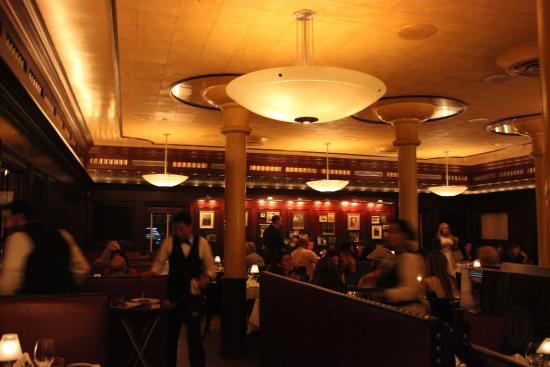
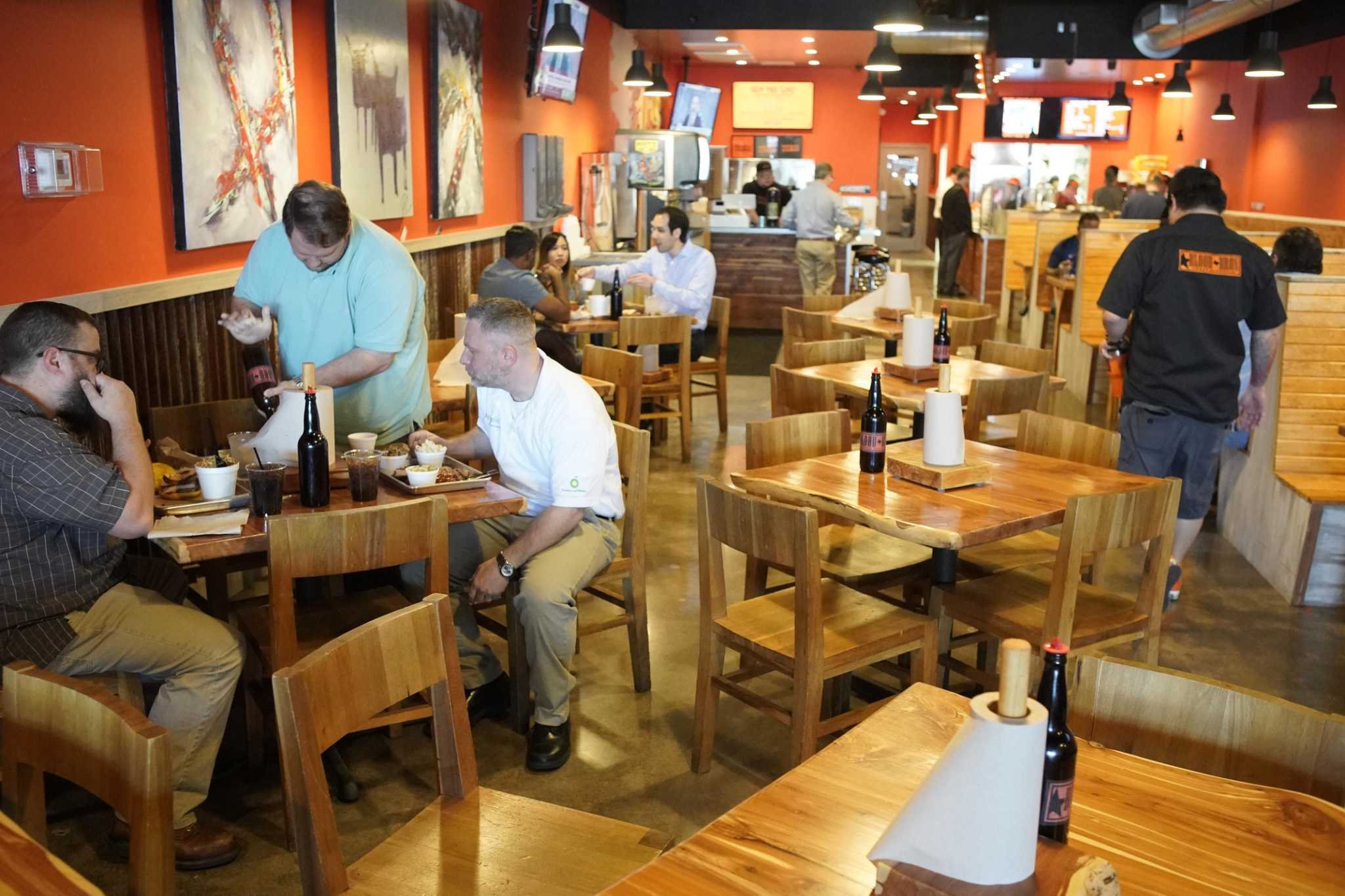
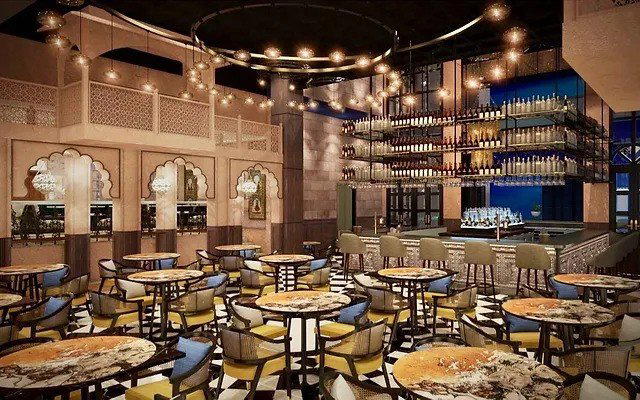
Bars in Houston
All bars in Houston →
Details
- Cozy
- Casual
- Casual Hangout
- Group Dining
- Standalone
- Byob
- A La Carte
Casual and welcoming with a cozy neighborhood feel.