iWok
iWok brings fast-casual Asian cooking to the Texas Medical Center corridor at 2328 W Holcombe Blvd, where a largely professional and student crowd cycles through for quick, affordable meals. The format sits in a category that Houston has quietly expanded over the past decade, as the city's demographic breadth has pushed demand for accessible pan-Asian options well beyond its traditional Chinatown belt.
Pearl is the En Primeur Club membership app — saves, bookings, and concierge access live there. Same editors, same standards.
- Address
- 2328 W Holcombe Blvd, Houston, TX 77030, USA
- Directions
- Get directions
 Saves & bookings on Pearl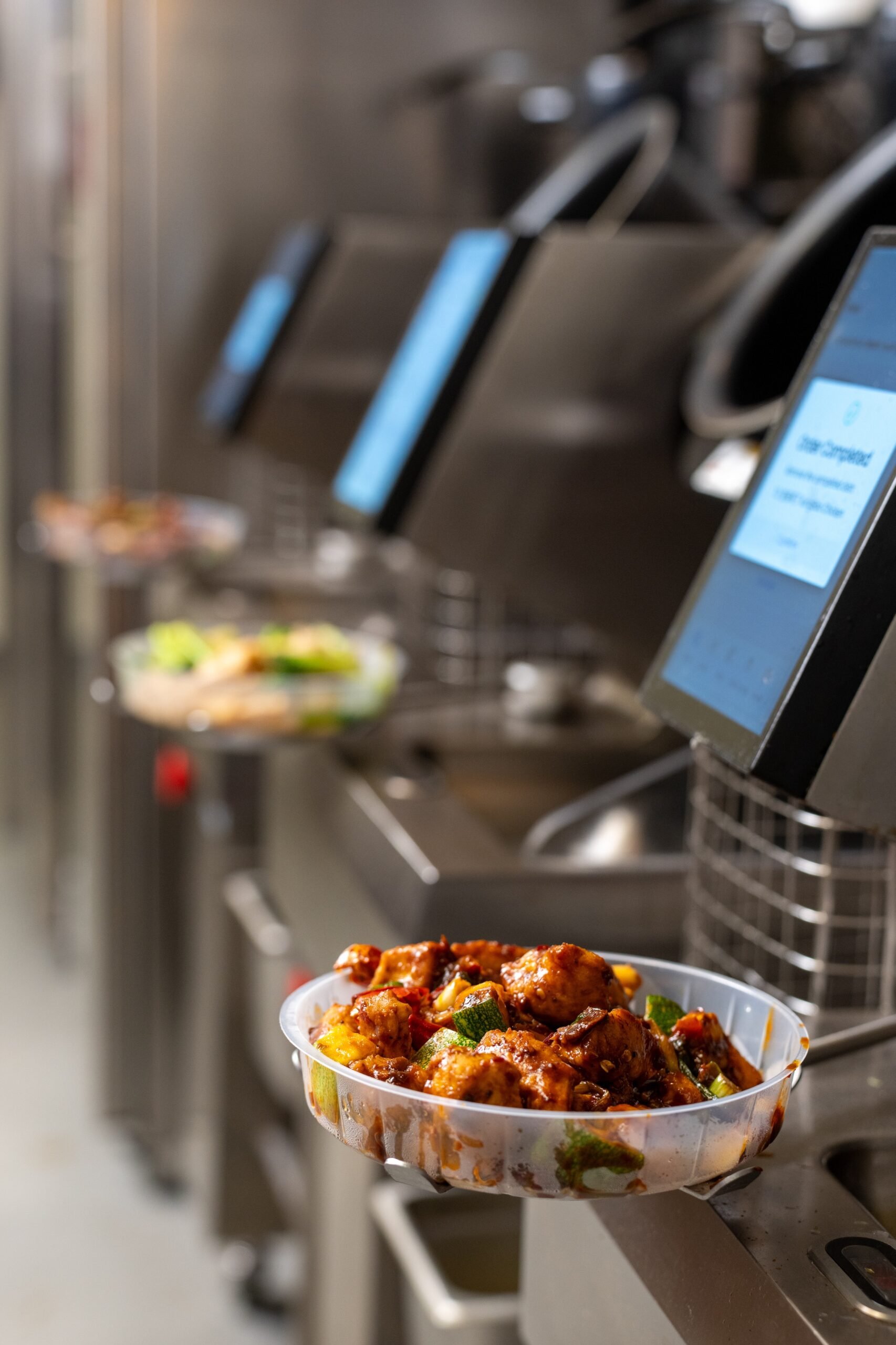
Fast Casual, Serious Appetite: Where iWok Fits in Houston's Asian Dining Spectrum
Houston's Asian dining range now runs from the strip-mall pho counters of Bellaire Boulevard to the high-ceremony omakase rooms that have opened downtown and in Midtown over the past several years. In between those poles sits a growing tier of fast-casual Asian concepts, many of them positioned near the Texas Medical Center, where a dense population of residents, nurses, researchers, and graduate students has created reliable foot traffic for quick, filling, affordable food. iWok, at 2328 W Holcombe Blvd, occupies that middle ground.
This part of Houston, anchored by one of the largest medical complexes in the world, has a dining character distinct from the city's more celebrated restaurant corridors. Montrose runs on neighborhood ambition and chef-driven independent projects. The Heights has attracted the kind of chef-owner investment that produces restaurants like Tatemó and comparable small-plate operations. The Medical Center corridor, by contrast, rewards reliability and speed. The venues that hold here tend to do so because they solve a practical problem for people eating between shifts or after long clinic hours, not because they are destination dining.
That context matters when assessing fast-casual Asian options in the area. The category is not trying to compete with the prix-fixe ambition of March or the formal Indian tasting experience at Musaafer. It operates on different terms entirely: shorter waits, lower price points, and the kind of menu that makes sense when someone has forty minutes and a specific craving.
The Arc of a Meal Here
Fast-casual Asian formats, at their better iterations, still reward a degree of sequencing in how you approach them. The format does not offer courses in the fine-dining sense, but there is a logic to how the meal builds. Most wok-forward concepts start with something lighter — a broth, a salad component, a spring roll variant — before moving into heavier stir-fried or noodle-based mains. The structure mirrors, at compressed speed, the way Southeast Asian and Chinese meal traditions actually work: lighter before heavier, vegetables before proteins, plain rice as a palate anchor.
At a counter like iWok, the ordering sequence effectively creates that arc. What you choose first, and what you add to it, shapes the whole experience in ways that a less attentive diner might miss. Pairing a lighter soup-based starter with a heavier wok protein and a side of plain steamed rice, rather than a fried rice that doubles the fat load, produces a more coherent meal than simply defaulting to whatever combination looks largest on the menu board.
This kind of sequencing discipline is where fast-casual pan-Asian formats distinguish themselves from each other. The operations that do it well are the ones where the menu has internal logic rather than simply being a list of options. Whether iWok achieves that level of menu coherence is something each diner calibrates on visit, given the limited publicly documented menu data available, but the broader category principle applies: the meal rewards attention even when the format discourages it.
Houston's Fast-Casual Asian Category in Context
Nationally, fast-casual Asian has matured considerably. A decade ago, the category in most American cities meant a limited set of Americanized stir-fry bowl formats. Since then, the category has diversified: Vietnamese bánh mì concepts, Taiwanese beef noodle counters, Korean rice bowl operations, and pan-Asian wok formats have all claimed space at this price tier. Houston, given its population composition and the sheer density of working Asian restaurateurs in the city, has followed that diversification more aggressively than most American cities its size.
That matters for understanding where a venue like iWok sits. It is not operating in a thin market where any Asian fast-casual concept fills a gap. Houston's Chinatown belt along Bellaire, the Vietnamese corridors in southwest Houston, and the expanding Korean presence in several suburban corridors mean this category has real competitive texture. The Medical Center's specific positioning is what gives a venue on W Holcombe Blvd its viable niche: proximity, convenience, and the demographics of the surrounding hospital complex create a captive audience that the broader Bellaire corridor is too far from to serve at lunch speed.
Compared to the more formal dining experiences Houston offers, the Spanish-accented cooking at BCN Taste & Tradition, the produce-led French approach at Le Jardinier Houston, iWok operates in a categorically different register. That comparison is not a hierarchy so much as a map: Houston's dining now spans enough tiers that each level has its own internal logic and its own standards for success.
Getting There and Planning Your Visit
iWok's address at 2328 W Holcombe Blvd places it within easy reach of the Texas Medical Center on foot or by a short drive. The Medical Center Light Rail stations connect to this stretch of Holcombe, making it accessible without a car for anyone coming from the Museum District or downtown. Parking in this corridor can compress significantly during peak Medical Center hours, so midday arrival during peak shift changes is worth factoring into timing. For anyone already in the medical campus, the walk is manageable and the surrounding stretch of Holcombe has enough density to support a quick errand before or after eating.
Given the fast-casual format, there is no reservation system to contend with. Walk-in ordering is the model. For a broader picture of where this fits within Houston's full dining range, from fine dining through to casual, the EP Club Houston restaurants guide covers the city's key tiers. If you are spending more time in the city and want to explore its hotel and bar options as well, the Houston hotels guide and Houston bars guide cover those categories in the same editorial depth. The Houston experiences guide and Houston wineries guide round out the picture for longer stays.
For visitors calibrating Houston's dining scene against other American cities, the city's trajectory over the past decade has been significant. The tier that includes destinations like Le Bernardin in New York, Alinea in Chicago, or The French Laundry in Napa represents the formal end of American fine dining. Houston's fast-casual Asian tier sits at the other end of that spectrum in format, but the city's demographic depth means it is a category with real substance here, not a thin afterthought. Venues like Lazy Bear in San Francisco, Emeril's in New Orleans, and Single Thread Farm in Healdsburg represent the chef-driven, experience-first end of American dining; what iWok and its peer-set offer is the inverse: immediacy and access over ceremony, in a city that now handles both well.
How iWok Houston compares with similar nearby venues.
| Venue | Cuisine |
|---|---|
| iWok | Fast-casual Asian |
Continue exploring
More in Houston
Restaurants in Houston
Browse all →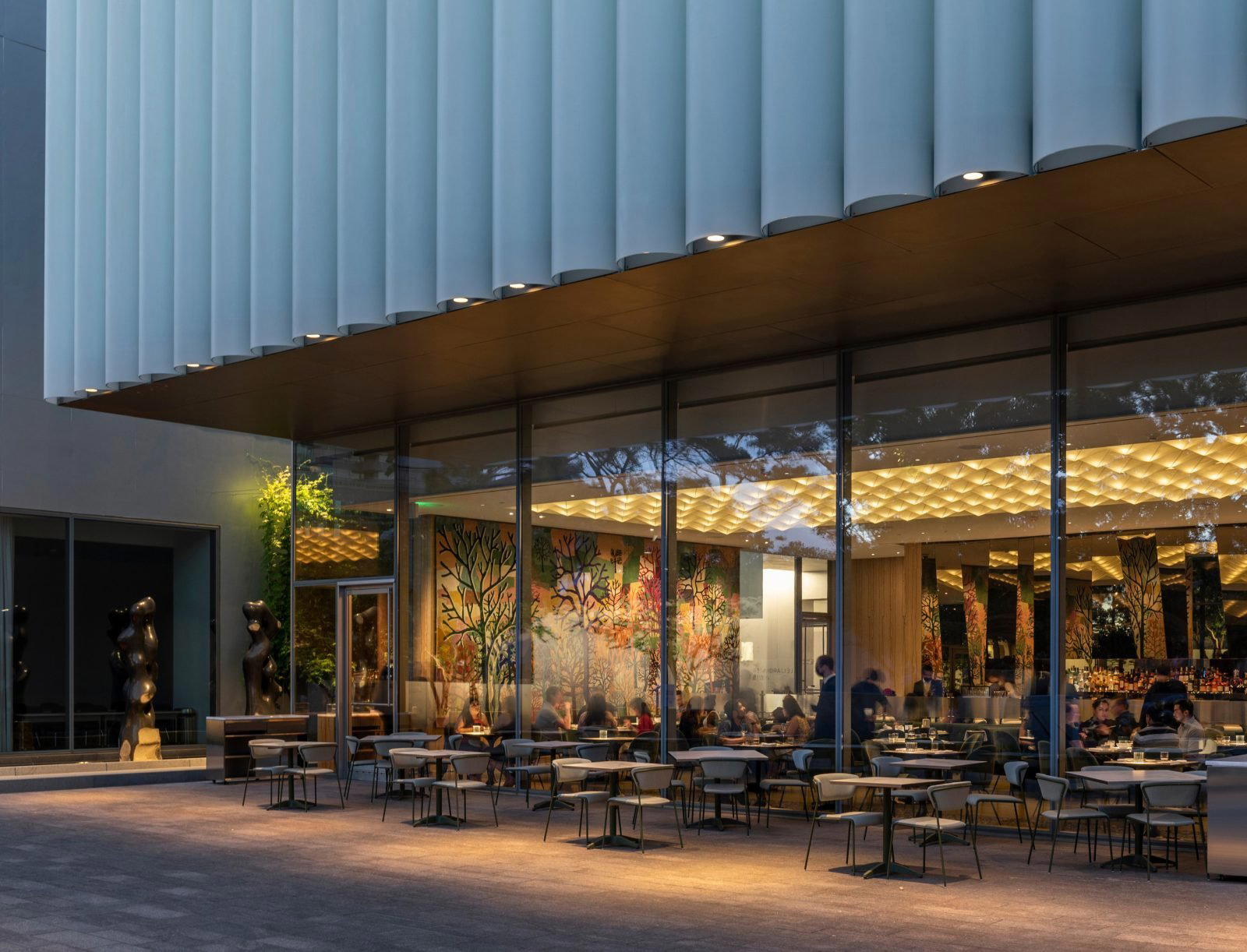
Bars in Houston
Browse all →
Hotels in Houston
Browse all →
At a Glance
- Casual Hangout
- Open Kitchen
Current opening hours
- Monday
- 11 AM–10 PM
- Tuesday
- 11 AM–10 PM
- Wednesday
- 11 AM–10 PM
- Thursday
- 11 AM–10 PM
- Friday
- 11 AM–10 PM
- Saturday
- 11 AM–10 PM
- Sunday
- 11 AM–10 PM
Hours can change for holidays and private events. Last verified .
Fast-casual atmosphere with robotic cooking technology.
Know Before You Go
- Getting there
- 2328 W Holcombe Blvd, Houston, TX 77030, USA