Cake & Bacon
Our verdict
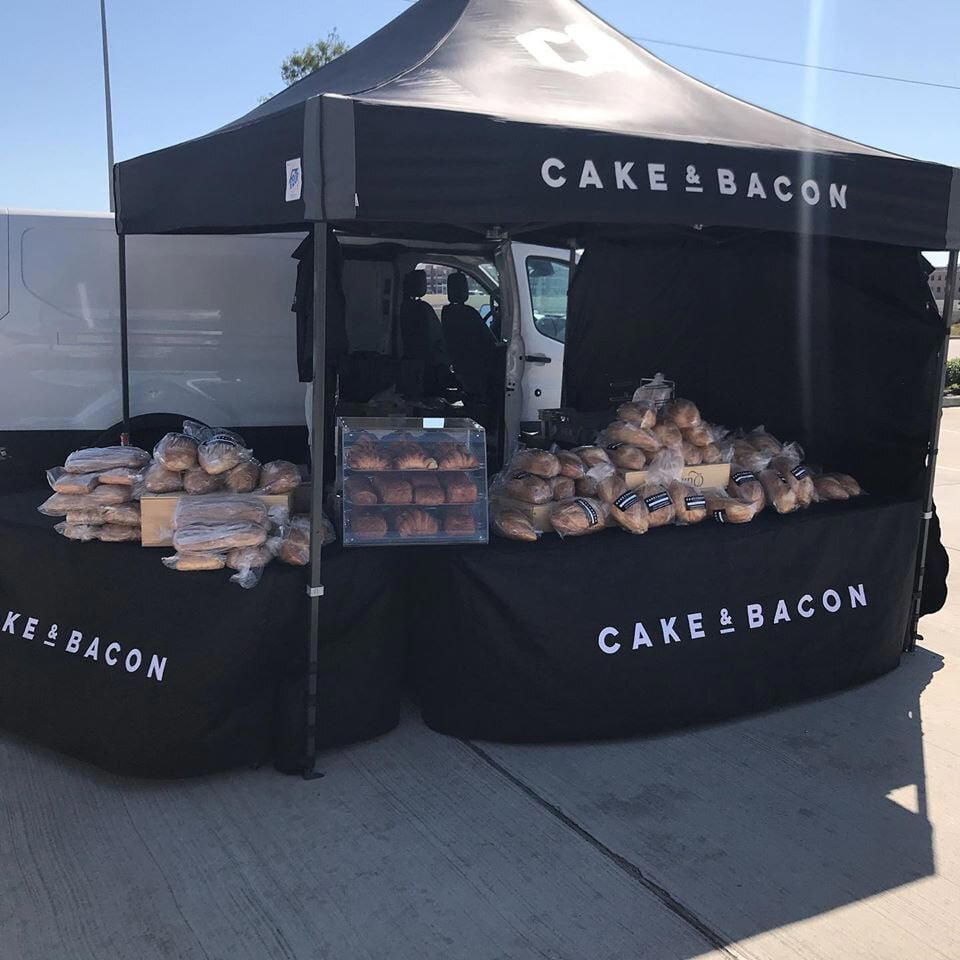
Cake & Bacon sits in Houston’s bakery orbit through a specific role: challah supply rather than full-service restaurant theatre. Its relevance is cultural as much as practical, linking the city’s broad dining network to a bread with Jewish ceremonial roots, weekend-table utility, and a long afterlife in French toast, sandwiches, and holiday meals.

Pearl is the En Primeur Club membership app — saves, bookings, and concierge access live there. Same editors, same standards.
The menu
What to order
- Artisanal breads
- Viennoiserie pastries
- Mouthwatering pies
- Charcuterie and sausage
Bakery culture announces itself before a menu does: flour in the air, trays moving in rhythm, the quiet transaction of bread made for another table. In Houston, where dining often reads through barbecue smoke, Gulf seafood, Tex-Mex comfort, and international grocery corridors, a bakery supplying challah occupies a narrower but telling lane. Cake & Bacon belongs to that lane, where the work is less about dining-room performance and more about the bread that anchors rituals elsewhere.
Challah supply connects Houston's dining scene to a living table tradition
Challah carries more cultural weight than its braided shape suggests. In Jewish homes, it is tied to Shabbat and holidays; in American bakery culture, it has also become a favored enriched loaf for breakfast service, sandwiches, bread pudding, and French toast. That dual identity matters in Houston because the city’s food culture is built on overlap: religious communities, restaurant kitchens, caterers, and home cooks often use the same specialist producers for different purposes.
The distinction here is format. A bakery that supplies challah is not competing with tasting-menu rooms or cocktail-led restaurants on the same terms. Its value sits in reliability, texture, and suitability for service across contexts. For readers mapping Houston by category, that places Cake & Bacon closer to the city’s production backbone than to its reservation economy. The point is not spectacle; it is a specific bread entering many meals without becoming the headline.
A visitor might build a dining weekend through full-service rooms, hotel dining, neighborhood restaurants, or cocktail-and-dinner addresses elsewhere in the city. Challah supply belongs to a different layer of the same place: the layer that feeds households, private events, and kitchen mise en place.
Houston rewards specialist producers as much as dining rooms
Houston’s scale allows small food categories to exist without needing to explain themselves to every diner. Many foodways do not simply sit side by side; they share shopping patterns, catering circuits, and family-table habits. A bakery with a challah function fits that environment because the city has room for producers whose importance is measured by use as well as by public attention.
Cake & Bacon has appeared in Eater Houston’s coverage of the city’s best new restaurants, which gives this bakery role a clearer public signal. Even so, bread supply remains a quieter test of relevance than a conventional dining-room headline. Enriched dough is unforgiving at scale: it has to slice cleanly, hold moisture, toast evenly, and survive transport without becoming anonymous. Those are not decorative qualities. They determine whether a loaf works for a holiday table or for a kitchen that needs consistency.
Houston’s broader EP Club map shows how varied that demand can be. For full-service dining context, start with Our full Houston restaurants guide; for a stay built around location and service style, use Our full Houston hotels guide. The city’s drinking culture sits separately in Our full Houston bars guide, while regional cellar and tasting references live in Our full Houston wineries guide and itinerary-led planning in Our full Houston experiences guide.
How to read a bakery like this in a city built on breadth
The better way to assess a challah supplier is not by looking for restaurant glamour. Ask what role the bread plays. Is it meant for ceremony, catering, brunch service, or home use? Does the format support advance planning around holidays and weekends? In Houston, where driving patterns and local loyalties shape food decisions, those questions matter as much as décor or chef pedigree.
Cake & Bacon is therefore useful to readers who care about Houston beyond the table they personally sit at. It points to the infrastructure behind meals: bakers, suppliers, and specialty producers whose work travels into other rooms. That is also why it belongs beside, rather than beneath, more visible dining entries. A city’s food culture is not only measured by tasting menus; it is measured by whether specific traditions can find competent, repeatable production.
For readers comparing food culture across cities, the pattern is familiar. Specialist formats often reveal more than broad menus, whether the subject is a focused bar, a compact comfort-food counter, a casual neighborhood room, a plant-forward kitchen, a resort restaurant, or another highly specific producer. Houston’s version is broader and more spread out, but the lesson holds: narrow categories often explain a city better than grand statements do.
Within that frame, Cake & Bacon reads as a practical cultural marker. It is not a dining-room destination in the conventional sense; it is a bakery reference point for challah in a city where food traditions move between homes, restaurants, and events. That modesty is the point. Houston has always been strongest when its food culture is allowed to be specific.
Frequently asked questions
What's the cuisine at Cake & Bacon?
Cake & Bacon is a bakery that supplies challah.
How far ahead should I plan for Cake & Bacon?
For challah orders, plan ahead around Shabbat and holiday periods, when bakeries supplying challah tend to draw the most demand. Cake & Bacon’s Houston focus makes it a practical stop for bread meant for a specific table, not a casual last-minute add-on.
What's the standout thing about Cake & Bacon?
Cake & Bacon is a Houston bakery with a clear brief: it supplies challah. That narrow focus matters because challah is central to Shabbat and holiday tables, so the bakery serves a defined need rather than a broad pastry case.
Is Cake & Bacon good for families?
Yes, especially for family meals tied to Shabbat or holidays, since challah is typically shared at the table. As a Houston bakery supplying challah, Cake & Bacon fits the sort of household order that serves several people at once.
What kind of setting is Cake & Bacon?
It is a bakery, not a full-service dining room, and its role is centered on challah. In Houston, that means a straightforward food setting built around bread rather than service theater or a long menu.
Comparable Venues Nearby
Comparable venues nearby, for context on price, style, and recognition.
| Venue | Cuisine | Price | Notes |
|---|---|---|---|
| Cake & BaconThis venue — the venue you are viewing | Wholesale artisanal bakery & charcuterie commissary | Not listed | Not listed |
| Empire Café | American Café with European Flair | $10–20 | Montrose |
| KP's Kitchen | American Bistro | $20–30 | Spring Branch East |
| JOEY Uptown | Modern American Steakhouse | $30–50 | Galleria |
| Onion Station | American Gastropub | $20–30 | Greater Heights |
| Hobbit Cafe | American Comfort Food & Burgers | $10–20 | Upper Kirby |
Continue exploring
More in Houston
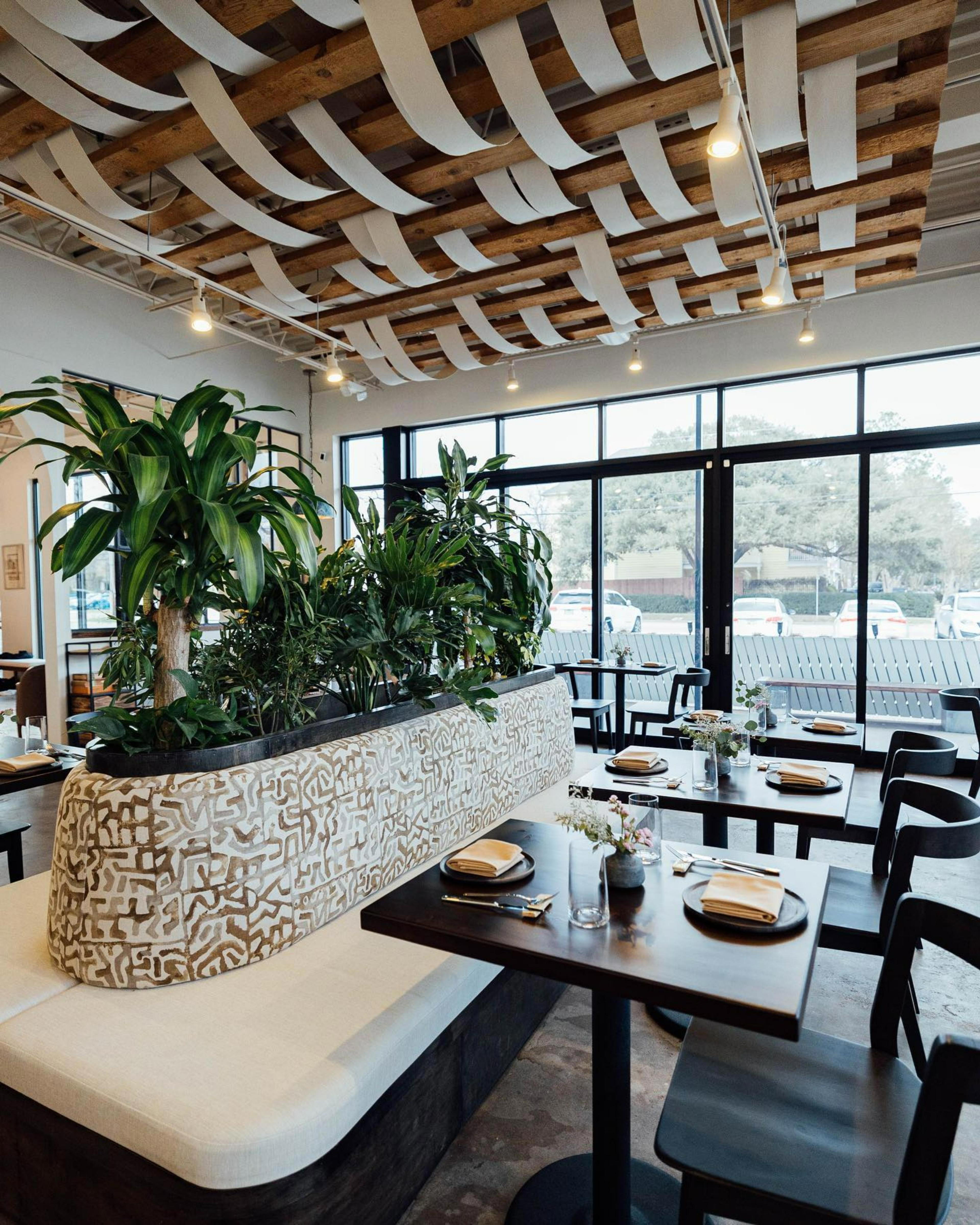
Restaurants in Houston
All restaurants in Houston →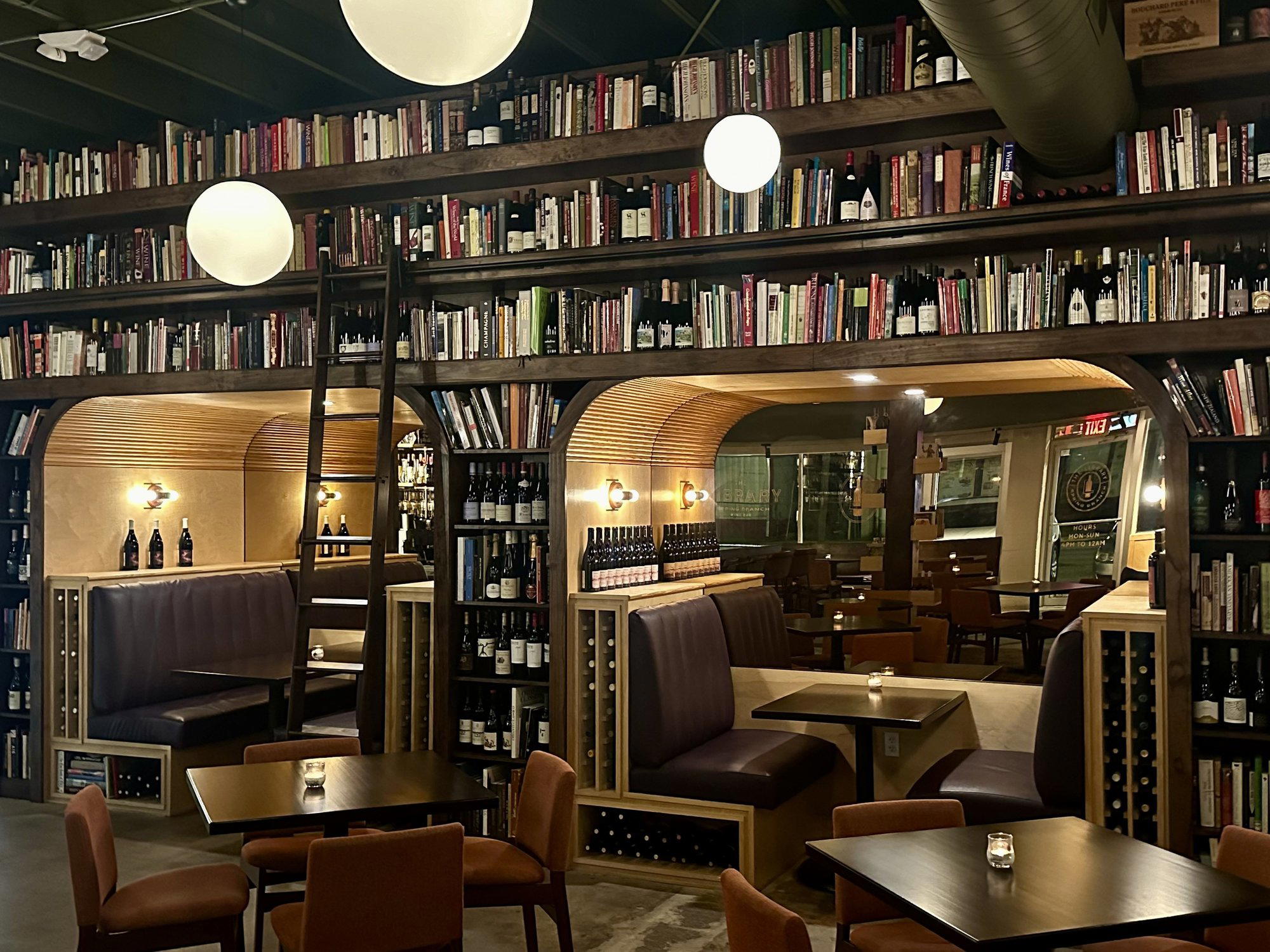
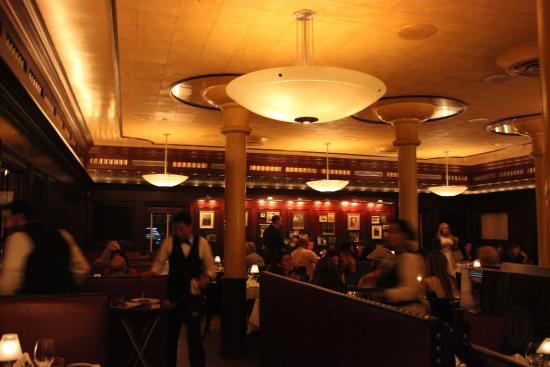
Bars in Houston
All bars in Houston →



Details
- Industrial
- After Work
- Private Event
- Standalone
- Local Sourcing
- A La Carte
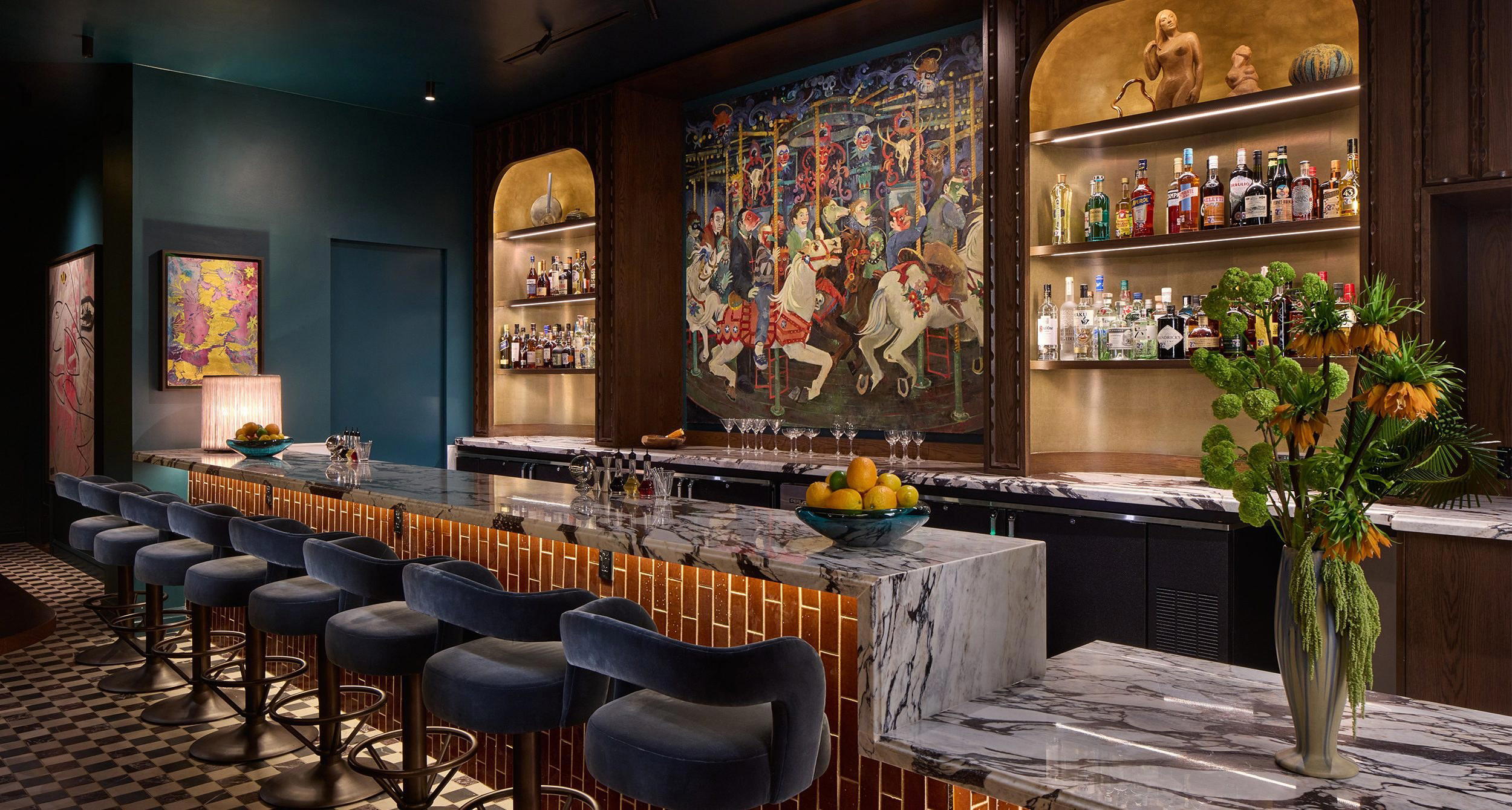
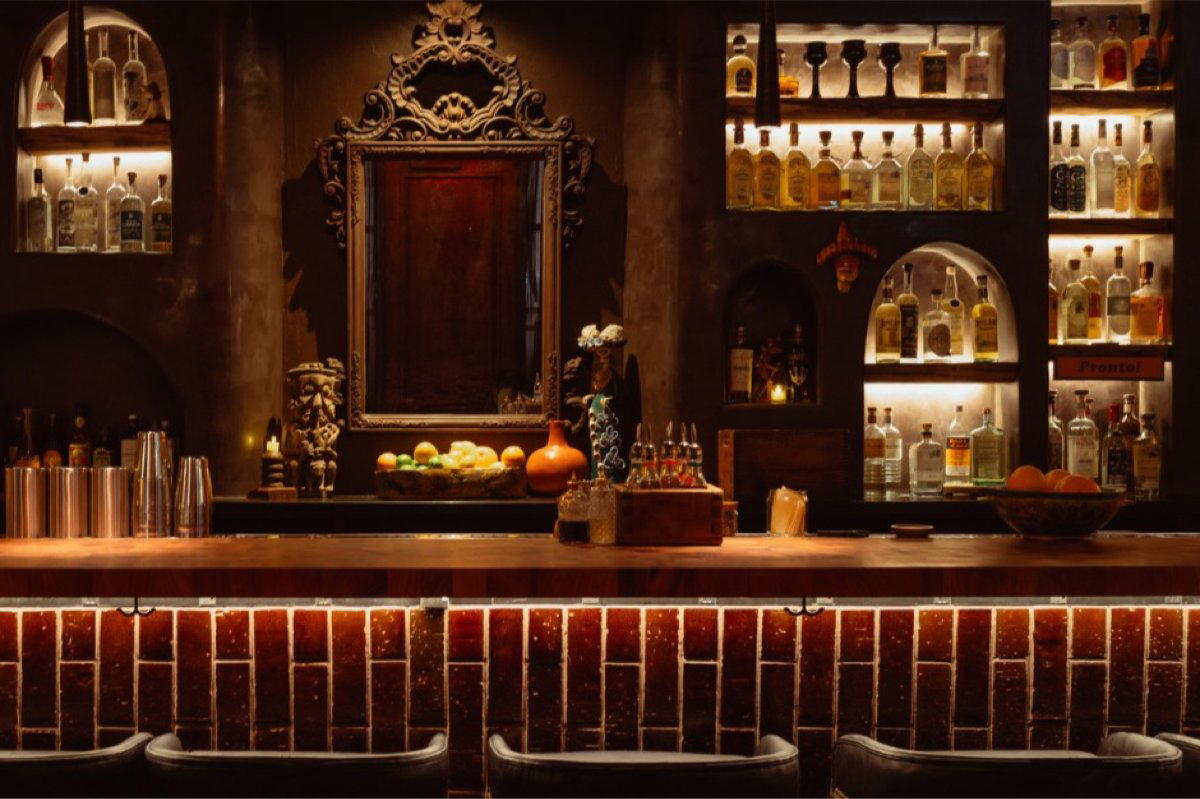
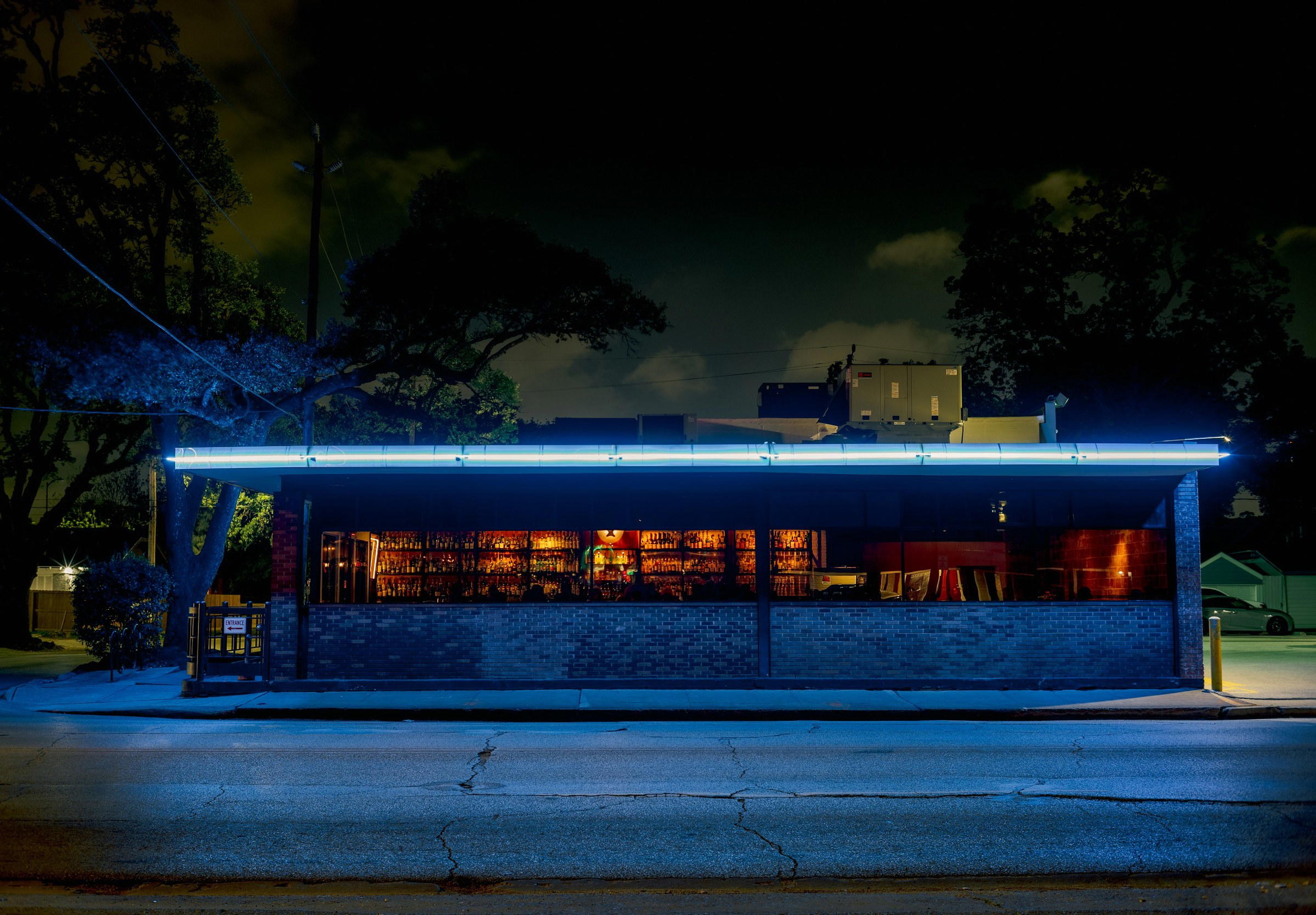
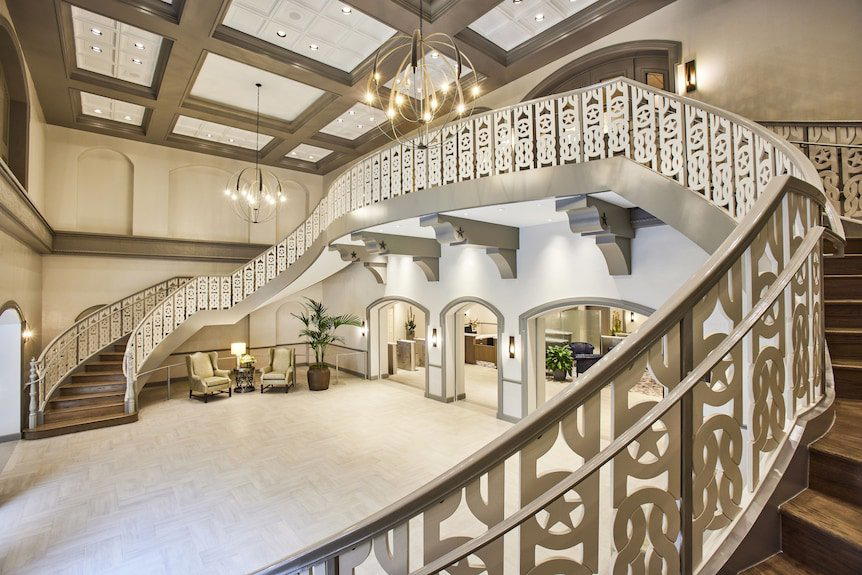
Production-focused wholesale bakery and butchery facility with an industrial, behind-the-scenes feel rather than a traditional dine‑in café; designed around early-morning baking, efficiency, and delivery rather than guest seating.