Our verdict
Macelleria sits at Solnavägen 1b in Stockholm's Vasastan district, operating in a city where ingredient provenance has become the central argument of serious dining.

Pearl is the En Primeur Club membership app — saves, bookings, and concierge access live there. Same editors, same standards.
- Address
- Solnavägen 1b, 113 65 Stockholm, Sweden
- Phone
- +46850139000
- Hours
- Mon–Fri 4 PM–12 AMSat–Sun 12 PM–12 AM
- Website
- macelleria.se
- Directions
- Get directions
- Booking
- Book on TheFork
The menu
What to order
- Fettuccine Macelleria
- Osso Buco
- Diavola Pizza
- Carpaccio Pelle Jansson
- Pappardelle with Rabbit and Beer
Where the Meat Does the Talking
Stockholm's serious dining scene has spent the better part of a decade sorting itself into two camps: the tasting-menu houses working in the New Nordic register, where foraged herbs and fermentation carry the narrative, and a smaller, more materially grounded tier that starts the conversation at the farm gate or the abattoir. Macelleria, at Solnavägen 1b in Vasastan, belongs to the second category. The name is Italian for butcher's shop, and that etymology is not incidental — it frames a kitchen philosophy in which the sourcing decision is the primary creative act, and everything downstream is craft applied to already-excellent raw material.
Vasastan itself rewards that positioning. The neighbourhood sits north of the inner city's tourist current, with a residential density that generates a regular, return-visit clientele rather than a passing trade of hotel guests and first-timers. That kind of audience sustains ingredient-led programs well: regulars develop literacy quickly, and a kitchen that changes what it offers based on what the supplier brings in can do so without constantly re-explaining itself. The address at Solnavägen 1b places it at the edge of the district, accessible from central Stockholm by metro in under ten minutes.
The Sourcing Argument, Made in Beef
Across Europe, the butcher-restaurant model has matured considerably since it emerged as a format in Italy and Spain in the early 2010s. At its least interesting, it produces steakhouses with Italian vocabulary. At its most rigorous, it produces kitchens where breed selection, feed regime, and dry-aging duration are treated with the same editorial seriousness that wine-focused restaurants apply to their cellars. The operative question at any venue of this type is which version you're dealing with.
Stockholm's geography makes the sourcing case easier to make and harder to fake. Swedish livestock farming, particularly in the central and southern regions, has a well-documented tradition of slow-grown cattle on mixed pasture — the kind of production that generates fat infiltration and flavour complexity that fast-finished grain-fed animals cannot replicate. Producers in Dalarna, Värmland, and the broader Mälardalen region supply the Stockholm market with beef that competes seriously with what comparable European cities import at considerable cost. A kitchen that builds its identity around Swedish meat is making an argument about terroir that the local supply chain can actually support.
The Italian reference in Macelleria's name also imports a specific disciplinary tradition: the Florentine and Chianina models, in which breed integrity and aging are non-negotiable and the cook's primary job is to not ruin what the farmer has already accomplished. That's a harder discipline than it sounds. It requires restraint, calibrated heat, and enough confidence in the raw material to resist over-seasoning or over-saucing. Stockholm's broader restaurant scene, which includes highly decorated kitchens such as Frantzén and the modernist ambitions of AIRA, tends toward technical complexity. A butcher-format kitchen operating in that context is making a deliberate counter-argument.
Stockholm's Carnivore Tier in Context
Within the Swedish dining scene, ingredient-sourcing rigor has become a credible competitive differentiator, particularly as the New Nordic wave has matured and some of its conventions have calcified into formula. Venues such as Adam / Albin and Aloë work in the creative-tasting format, while Operakällaren holds its position at the heritage end of Swedish fine dining. Macelleria occupies a different lane, more casual in register, more focused in its thematic scope, and more directly engaged with the question of what happens between farm and plate.
Beyond Stockholm, the Swedish regions have produced several kitchens that take provenance seriously enough to anchor their entire identity around it. Vollmers in Malmö and ÄNG in Tvååker both demonstrate that ingredient-first thinking is a durable platform across different price tiers and formats. In Simrishamn, VYN has taken the local-sourcing argument to a coastal context. What these venues share, and what Macelleria appears to share, is an unwillingness to treat raw material as a backdrop to technique.
Internationally, the reference points are instructive. Le Bernardin in New York City built its reputation on the premise that sourcing precision in seafood is the foundation of everything else the kitchen does. The same logic, applied to land animals rather than fish, is what butcher-restaurant formats attempt. Atomix in New York City demonstrates, in a different register, that product research and supply-chain thinking can become the intellectual backbone of a serious dining program. The format differs; the underlying discipline is recognisable.
What to Know Before You Go
Macelleria's Vasastan address is reachable from Stockholm Central Station via the metro's green line to Odenplan, a journey of around four minutes, followed by a short walk north along Odengatan toward Solnavägen. For visitors staying in the inner city, that makes it a plausible weeknight option rather than a destination-only trip. Reservations are advisable for weekend evenings, as neighbourhood restaurants in Vasastan with a focused concept tend to fill through regulars and local word of mouth rather than tourist discovery.
The butcher-restaurant format typically supports a more casual dress code than Stockholm's formal fine-dining tier, which is relevant for travellers who have also booked evenings at the tasting-menu houses. Diners with a particular interest in Swedish meat production or the broader Scandinavian sourcing tradition will find the Vasastan neighbourhood worth exploring on foot before or after the meal; several specialist food shops and wine bars occupy the same corridor.
For broader planning across the Swedish dining scene, the EP Club Stockholm guide covers the full range from neighbourhood institutions to the city's most decorated kitchens. Regional itineraries can also incorporate Signum in Mölnlycke, 28+ in Gothenburg, PM & Vänner in Växjö, Adrian Restaurang in Borås, Brasserie Park in Jonköping, Enoteket in Norrköping, and Knystaforsen in Rydöbruk, several of which share Macelleria's emphasis on Swedish agricultural produce as a starting point.
Frequently asked questions
Can I bring kids to Macelleria?
Macelleria's format, a butcher-restaurant centred on meat-forward cooking in Vasastan, tends to draw an adult crowd with a specific interest in sourcing and craft. Nothing in the venue's positioning excludes children, but the dining context is closer to a serious dinner than a casual family meal. Contacting the restaurant directly before booking with young children is advisable.
What is the atmosphere like at Macelleria?
The Solnavägen address in Vasastan places Macelleria in a residential Stockholm neighbourhood rather than a high-traffic tourist corridor, which shapes the room considerably. Expect a focused, produce-led environment that prioritises the craft of the butcher counter over theatrical dining-room spectacle. The tone is informed and deliberate, consistent with Stockholm's ingredient-first dining culture.
How does Macelleria fit into Stockholm's broader butcher-restaurant movement?
The butcher-restaurant format emerged as a serious dining category in Italy and Spain in the early 2010s and has since taken hold in northern European cities with strong ingredient-sourcing cultures. Stockholm, where sourcing rigour has become a genuine competitive differentiator since the New Nordic wave, is a logical home for this model. Macelleria's Vasastan location positions it within a neighbourhood dining scene rather than the city's more visible tasting-menu circuit.
What do regulars order at Macelleria?
Given Macelleria's butcher-restaurant model, regulars tend to anchor their orders around the primary cuts the format is built on, choosing based on provenance and preparation rather than menu variety. The butcher-restaurant structure, as practised across its European reference points in Italy and Spain, typically means the sourcing itself is the selection logic. Specific current cut availability is best confirmed directly with the restaurant.
A Quick Peer Check
Comparable venues nearby, for context on price, style, and recognition.
| Venue | Cuisine | Price | Awards | Notes |
|---|---|---|---|---|
| MacelleriaThis venue — the venue you are viewing | Traditional Italian Trattoria with Sardinian Influences | $50–100 | Not listed | Not listed |
| Capannone | Elegant Modern Italian | $100–150 | Falstaff Wine Bar - Listed | Östermalm |
| Ricordi | Modern Italian | Not listed | Star Wine List | Norrmalm |
| Ponti | Italian-Californian Fusion | $30–50 | Star Wine List | Södermalm |
| Bistro Zissou | French Bistro | Not listed | Not listed | Gamla Stan |
| Bistro Mirabelle | French Bistro | Not listed | Star Wine List · White Guide Sweden Restaurants - Very Fine Level | Vasastan |
Continue exploring
More in Stockholm
Restaurants in Stockholm
Browse all →
Bars in Stockholm
Browse all →
Details
- Elegant
- Cozy
- Sophisticated
- Lively
- Date Night
- Business Dinner
- Group Dining
- Family
- Celebration
- Open Kitchen
- Standalone
- Extensive Wine List
- Sommelier Led
- Local Sourcing
- A La Carte
- Set Menu
- Wine
- Craft Cocktails
- Vegetarian Friendly
- Vegan Options
- Gluten Free Options
Current opening hours
- Monday
- 4 PM–12 AM
- Tuesday
- 4 PM–12 AM
- Wednesday
- 4 PM–12 AM
- Thursday
- 4 PM–12 AM
- Friday
- 4 PM–12 AM
- Saturday
- 12 PM–12 AM
- Sunday
- 12 PM–12 AM
Hours can change for holidays and private events. Last verified .
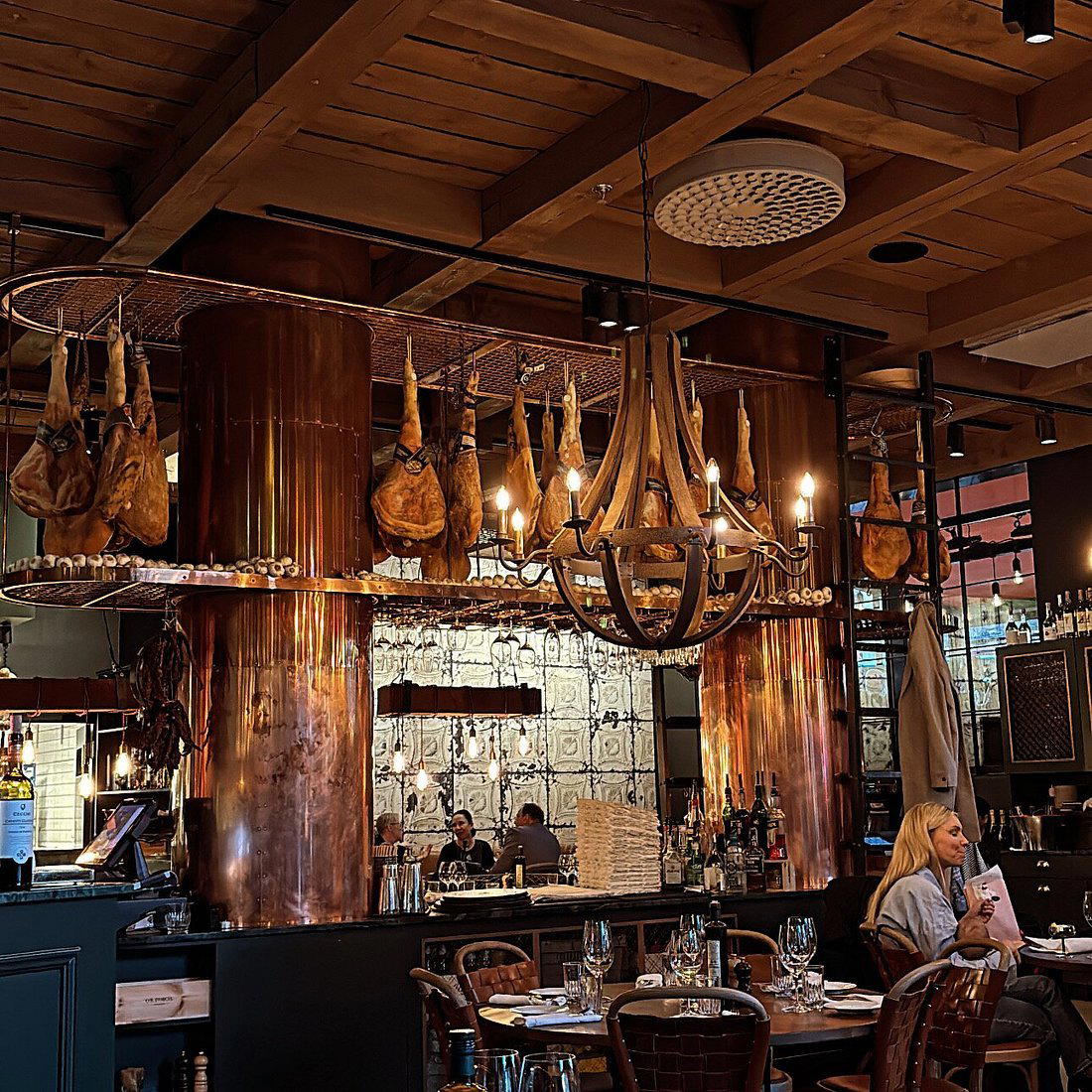
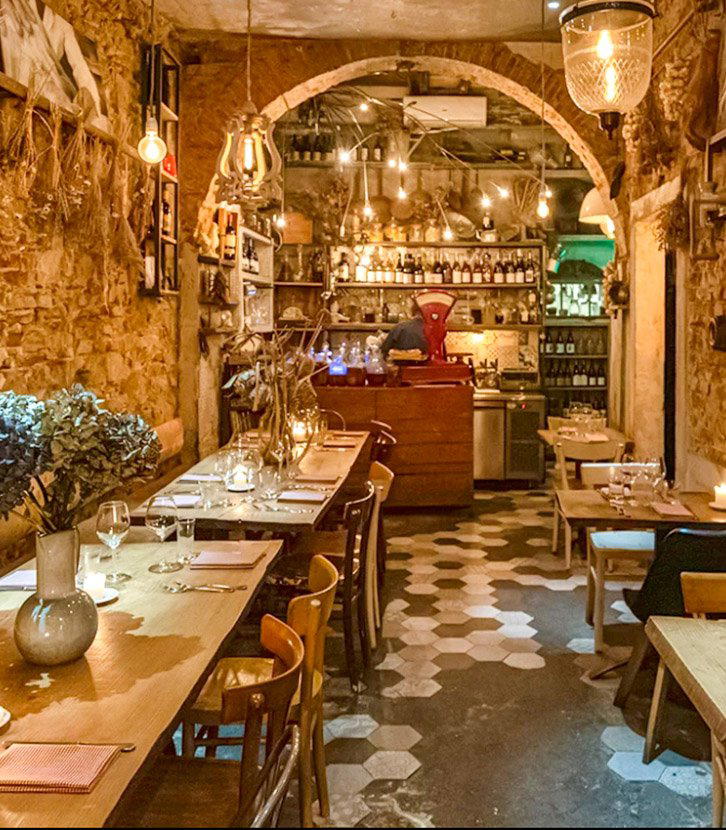
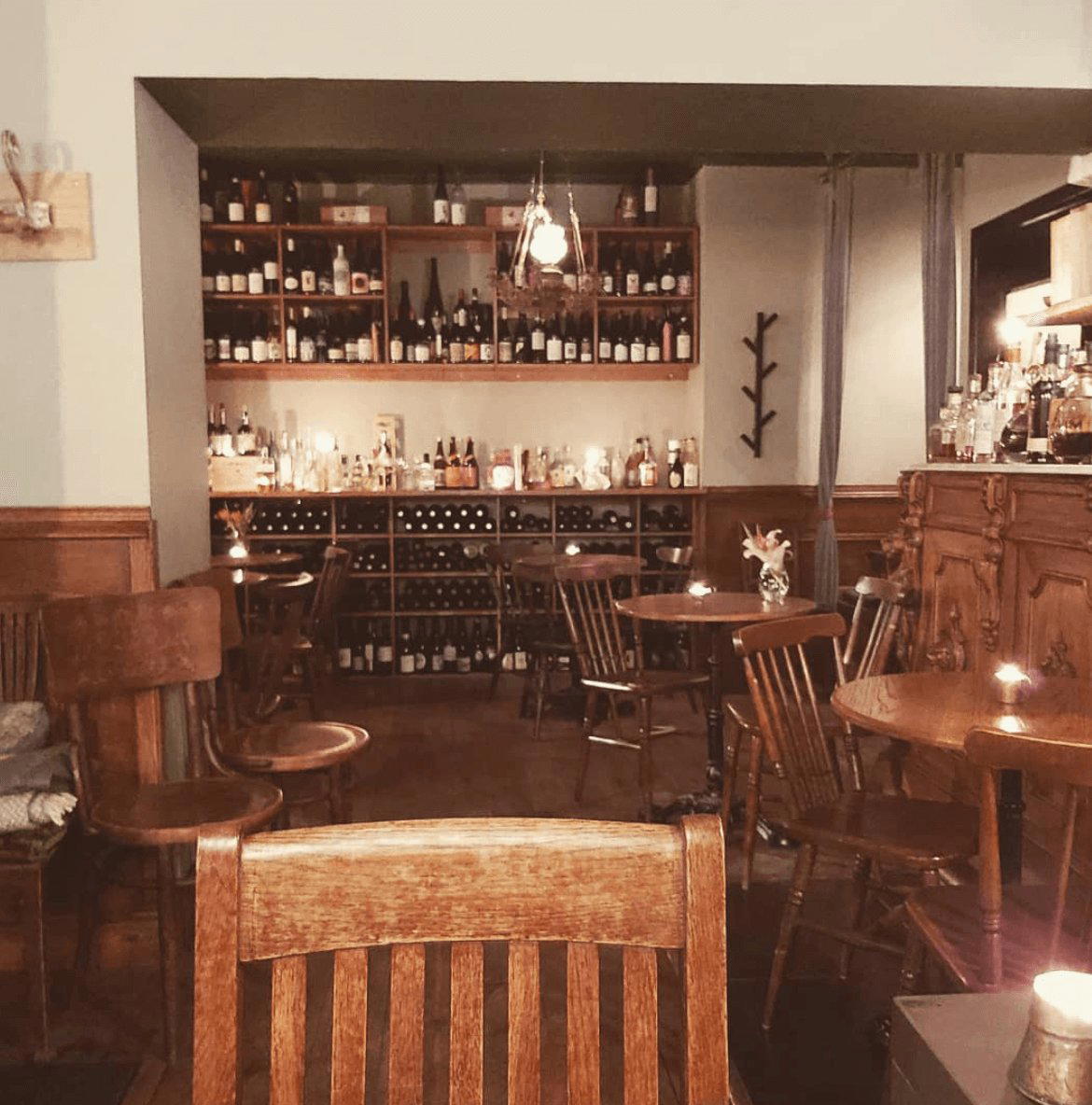
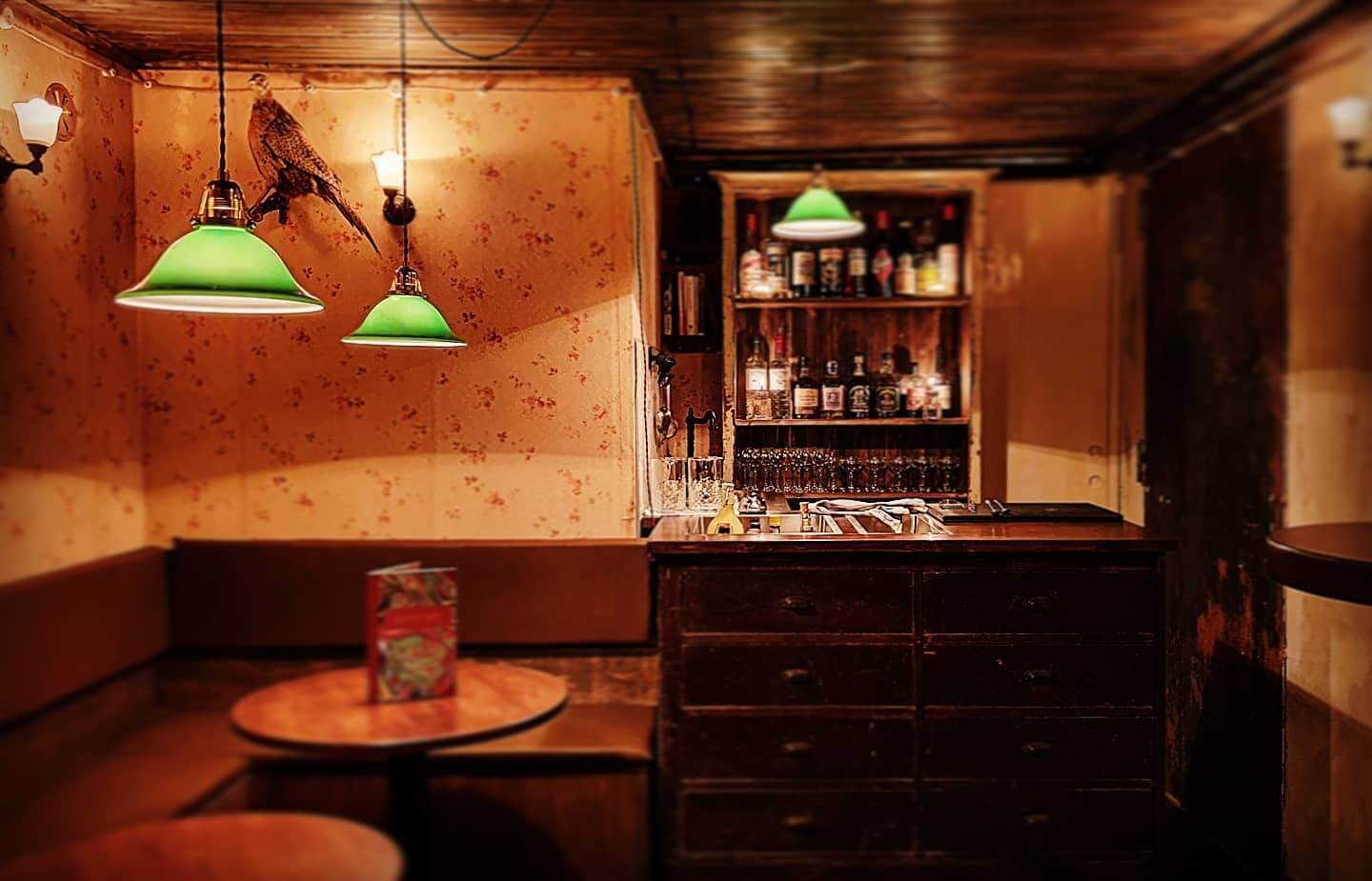
Warm and inviting with an open kitchen, stylish interior design with serious investment in decor, comfortable seating, and a lively yet occasionally loud atmosphere that reflects the restaurant's lively energy.