Our verdict
On Gamla Stan's Lilla Nygatan, Bistro Zissou occupies a position that Stockholm's bistro regulars have quietly claimed as their own. The address places it in one of the city's most historically dense streets, where the format rewards return visits over first-night tourism. What keeps the loyal clientele returning is a combination of address, atmosphere, and a kitchen that reads as confidently European without over-explaining itself.

Pearl is the En Primeur Club membership app — saves, bookings, and concierge access live there. Same editors, same standards.
- Address
- Lilla Nygatan 21, 111 28 Stockholm, Sweden
- Hours
- Mon–Tue ClosedWed–Sat 5–11 PMSun Closed
- Website
- bistrozissou.se
- Directions
- Get directions
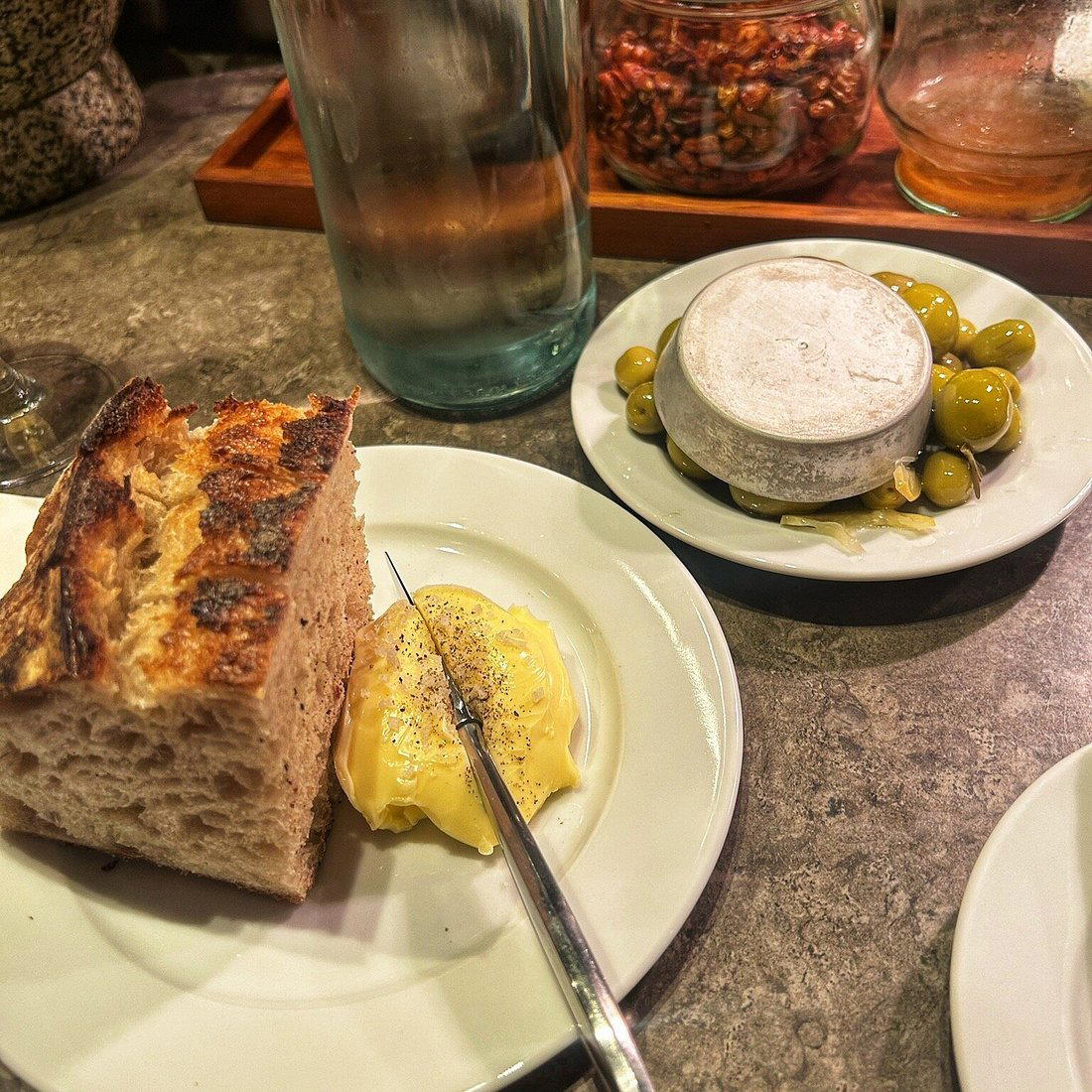
A Street That Rewards Those Who Already Know
Lilla Nygatan is one of those Gamla Stan streets that filters its visitors almost automatically. Tourists tend to drift toward Stortorget or the waterfront; the narrow, cobbled run of Lilla Nygatan draws people with a reason to be there. Bistro Zissou sits at number 21, in a building that carries the particular compressed history of Stockholm's old town, where medieval foundations meet centuries of accumulated renovation. The physical approach sets expectations: this is not a room that announces itself loudly from the street.
That restraint is characteristic of a specific tier of Stockholm dining. The city's upper bracket, occupied by places like Frantzén and the reimagined Operakällaren, runs on omakase logic and extended tasting formats. Below that sits a more functional, and arguably more lived-in, category of bistro and brasserie dining where the regulars genuinely outnumber the first-timers by mid-week. Bistro Zissou operates in that second category, which in Stockholm carries more cultural weight than the label might suggest elsewhere.
What the Regulars Know That First-Timers Don't
The regulars' relationship with a bistro tells you more about the place than any single visit can. In Stockholm's dining culture, where Nordic restraint and European bistro traditions have been coexisting and cross-pollinating for at least two decades, the venues that build genuine repeat clientele tend to do so on consistency rather than novelty. The kitchen does not need to reinvent itself seasonally to retain the table that comes in twice a month; it needs to be reliably itself.
This is what separates bistro culture from the high-format tasting-menu circuit. At AIRA or Aloë, the visit is an event, a structured experience designed for a specific occasion. Bistro Zissou occupies a different register entirely. The address in Gamla Stan means it serves a neighbourhood that is simultaneously one of Stockholm's most touristic and, for those who live or work there, genuinely local. The regulars have learned to time their visits accordingly, arriving when the rhythm of the room belongs to them rather than to sightseers.
The unwritten menu at places like this, the knowledge of what to ask for, what the kitchen does particularly well on a given night, what to skip in favour of something not listed, is the currency of that regular relationship. It is a dynamic that the bistro format, more than any other, depends on and rewards.
Gamla Stan's Dining Position in the Broader Stockholm Scene
Stockholm's restaurant geography has consolidated around a few distinct zones. Östermalm carries the weight of formal dining and expense-account lunches. Södermalm hosts the more experimental and design-led operations. Gamla Stan, by contrast, tends to attract venues that play on history and setting, sometimes at the expense of kitchen ambition. The better addresses in the old town have learned to use the setting without being defined by it.
The Swedish dining scene beyond Stockholm rewards comparison here. Awarded destinations like Vollmers in Malmö and ÄNG in Tvååker demonstrate that serious cooking is no longer concentrated in the capital. Regionally, places such as VYN in Simrishamn, Signum in Mölnlycke, and Knystaforsen in Rydöbruk have built credibility that draws visitors from Stockholm rather than the reverse. Within the capital, the question for any Gamla Stan bistro is whether it can hold its own against that broader competitive pressure.
Bistro Zissou's positioning on Lilla Nygatan places it in a part of the city where foot traffic is constant but discerning walk-ins are rarer. The regulars who have claimed it as their own did so through deliberate choice, not convenience. That matters as a signal of the room's actual character.
The European Bistro Frame in a Nordic City
Stockholm has a complex relationship with the European bistro tradition. The New Nordic movement, which peaked internationally around the early 2010s and is now represented in evolved forms at places like Adam / Albin, pushed Swedish restaurants to define themselves against French and broader European references rather than in dialogue with them. The backlash, if it can be called that, has been a quiet reembracing of bistro and brasserie formats that feel unapologetically European in their bones.
This is the context in which a name like Bistro Zissou makes sense. The bistro label is not nostalgic here; it is a statement of format and intention. European bistro cooking, at its functional leading, is about satisfying a regular clientele with well-executed familiar dishes rather than educating a one-time visitor about a chef's philosophy. That distinction shapes everything from the pace of service to the weight of the wine list to how the room sounds at 8pm on a Thursday.
For international reference points, the bistro model that Stockholm's better addresses approximate is closer to the neighbourhood anchors of Paris's 11th arrondissement than to the high-concept versions that places like Le Bernardin in New York or Lazy Bear in San Francisco represent. The ambition is calibrated differently, and rightly so. A bistro that tries to be a destination restaurant usually ends up being neither.
Planning a Visit
Lilla Nygatan 21 is walkable from both Gamla Stan metro station and the waterfront quays, making the address direct to reach from any central Stockholm hotel. For those arriving from further afield, Gamla Stan sits between Norrmalm and Södermalm, and the surrounding streets offer enough additional interest to build an evening around the neighbourhood rather than rushing directly to the table. Sweden's southern dining scene, should the trip extend beyond the capital, includes strong options at Hoze in Gothenburg, Claesgatan 8 in Malmö, Sydkustens at Pillehill in Skivarp, PM & Vänner in Växjö, and Bistro Jarlen in Halmstad. For a full mapping of Stockholm's dining scene, EP Club's Stockholm restaurants guide covers the range from tasting-menu destinations to neighbourhood anchors.
Frequently asked questions
What should I order at Bistro Zissou?
What is the ideal way to book Bistro Zissou?
What is the standout thing about Bistro Zissou?
Is Bistro Zissou a good choice for visitors who want to understand Stockholm's everyday dining culture rather than its tasting-menu circuit?
At-a-Glance Comparison
Comparable venues nearby, for context on price, style, and recognition.
| Venue | Cuisine | Price | Awards | Notes |
|---|---|---|---|---|
| Bistro ZissouThis venue — the venue you are viewing | French Bistro | Not listed | Not listed | Not listed |
| Brasserie Greta | Modern French Brasserie | $50–100 | Star Wine List | Djursholm |
| Riche | Classic Swedish Brasserie | $50–100 | Star Wine List · White Guide Sweden Restaurants - Fine Level | Östermalm |
| Grodan | French-Swedish Fine Dining | $50–100 | Not listed | Östermalm |
| Café Cuvée | French-Swedish Bistro | Not listed | Star Wine List · White Guide Sweden Restaurants - Fine Level | Södermalm |
| Luzette | French Brasserie with Swedish Rotisserie | $30–50 | Star Wine List · White Guide Sweden Restaurants - Fine Level | Norrmalm |
Continue exploring
More in Stockholm
Restaurants in Stockholm
Browse all →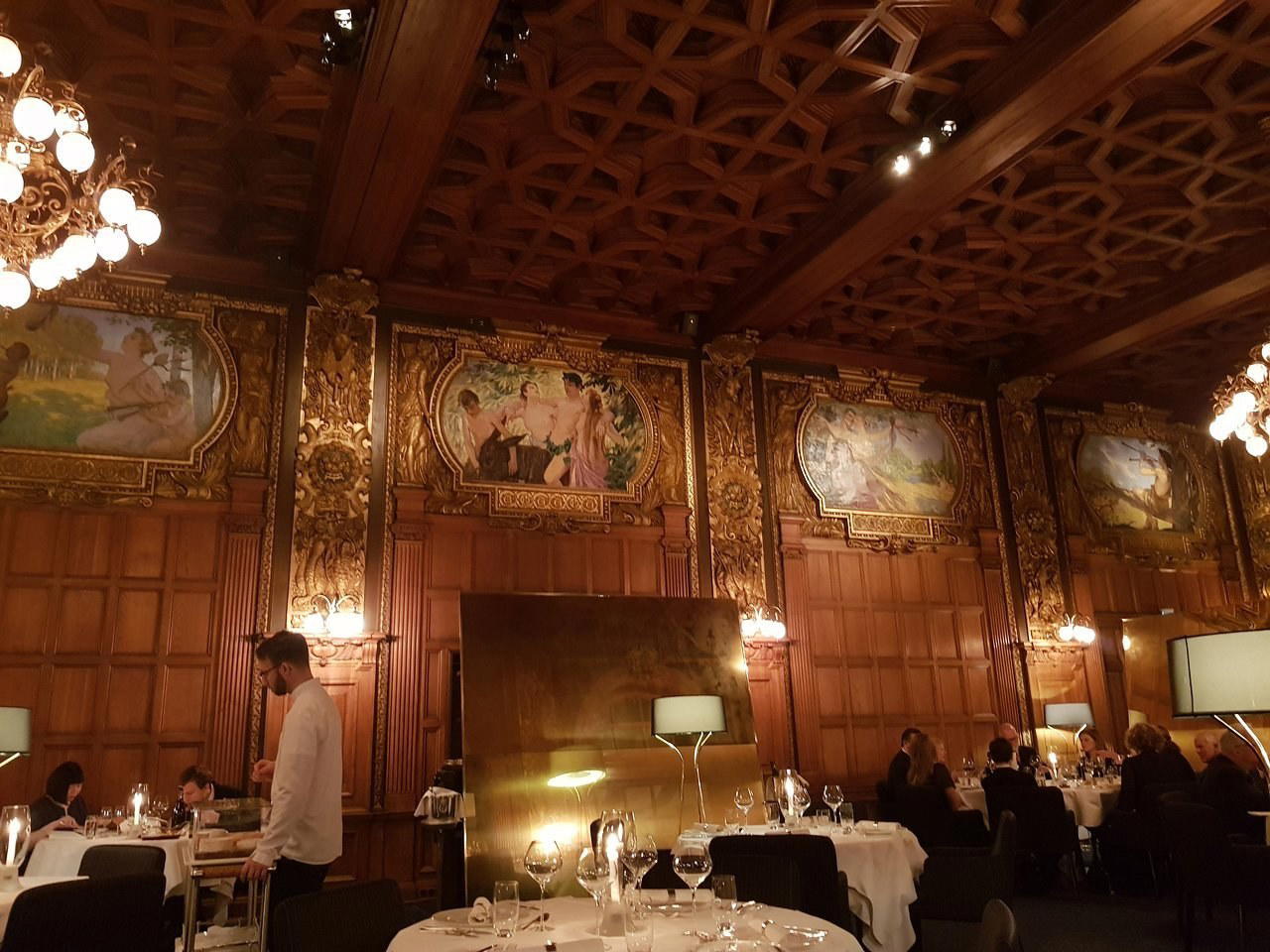
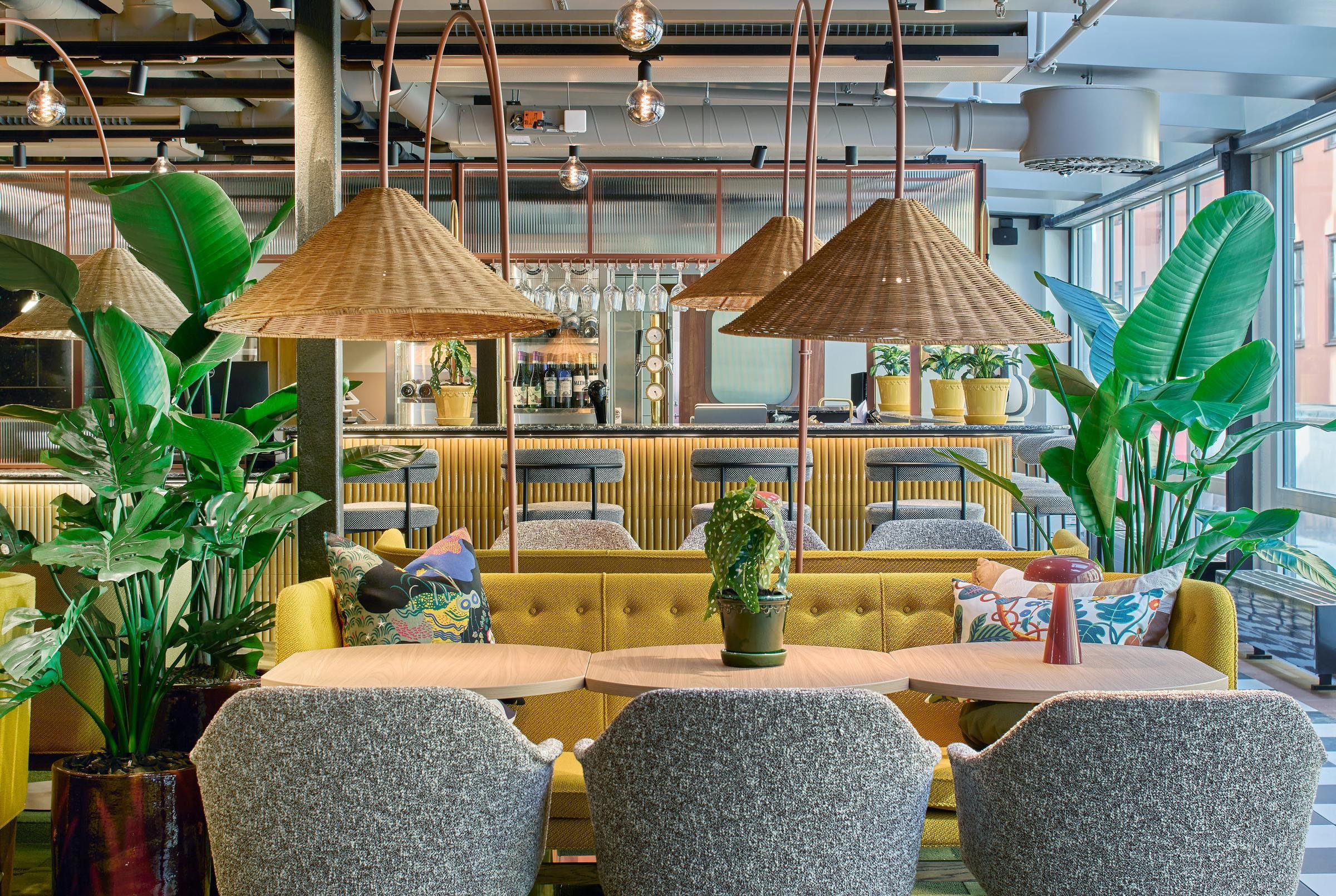
Bars in Stockholm
Browse all →
Details
- Romantic
- Cozy
- Intimate
- Elegant
- Date Night
- Special Occasion
- Open Kitchen
- Extensive Wine List
- Local Sourcing
- A La Carte
Current opening hours
- Monday
- Closed
- Tuesday
- Closed
- Wednesday
- 5–11 PM
- Thursday
- 5–11 PM
- Friday
- 5–11 PM
- Saturday
- 5–11 PM
- Sunday
- Closed
Hours can change for holidays and private events. Last verified .
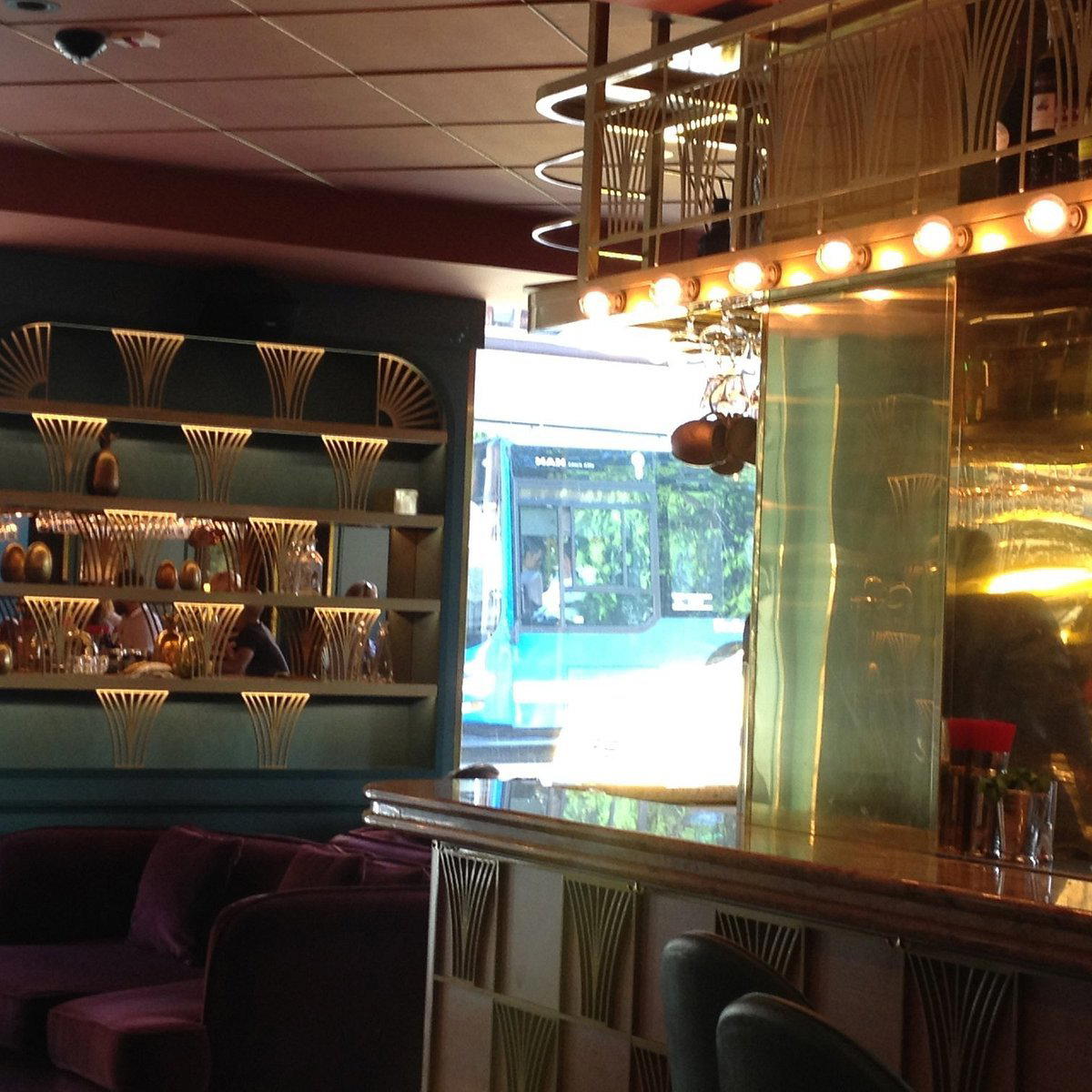
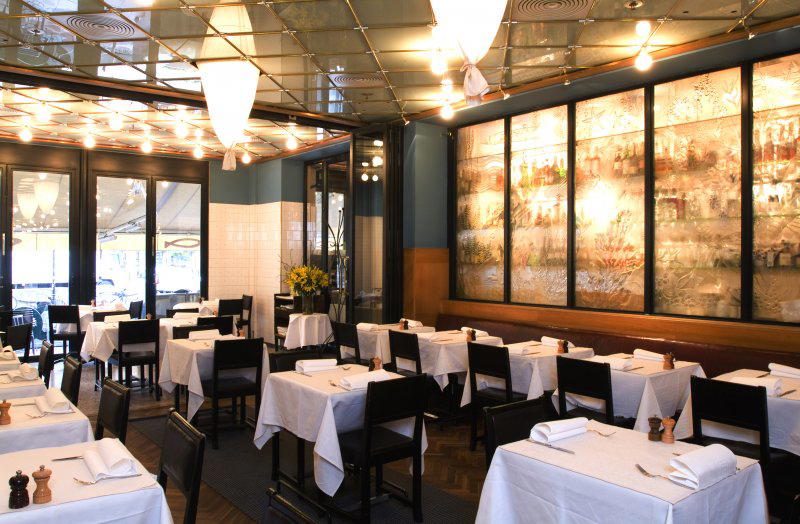
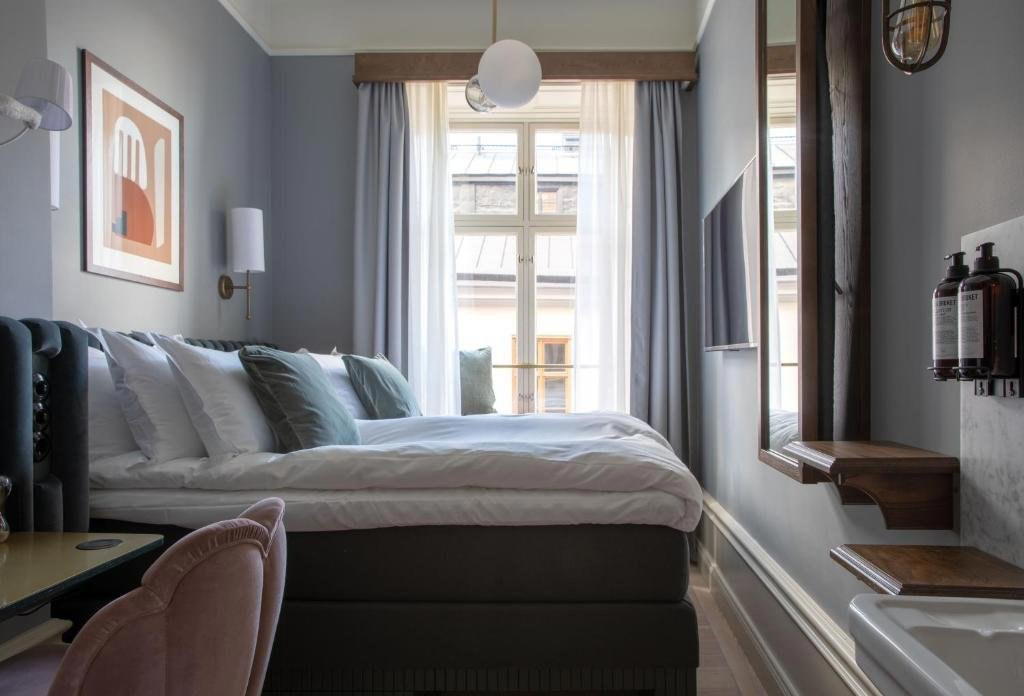
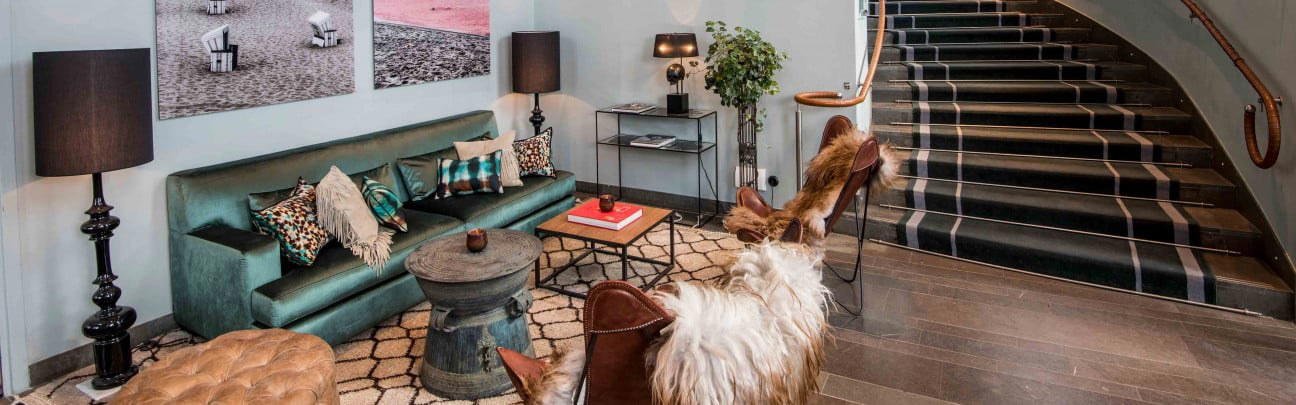
Cozy Parisian neighborhood bistro atmosphere with relaxing vibe, hand-painted walls, home-grown flowers, and quiet confidence.