On Rue du Faubourg Saint-Denis, one of the 10th arrondissement's most culturally layered streets, Afendi occupies a position in a neighbourhood that has become a reference point for Paris's most genuinely mixed dining scene. Where the city's formal restaurant tier clusters around the 8th and 1st, this corridor operates on different logic: lower theatrics, higher specificity, and a clientele that knows exactly why it made the trip.
Pearl is the En Primeur Club membership app — saves, bookings, and concierge access live there. Same editors, same standards.
- Address
- 84 Rue du Faubourg Saint-Denis, 75010 Paris, France
- Phone
- +33156922801
- Website
- afendi-paris.com
- Directions
- Get directions
 Saves & bookings on Pearl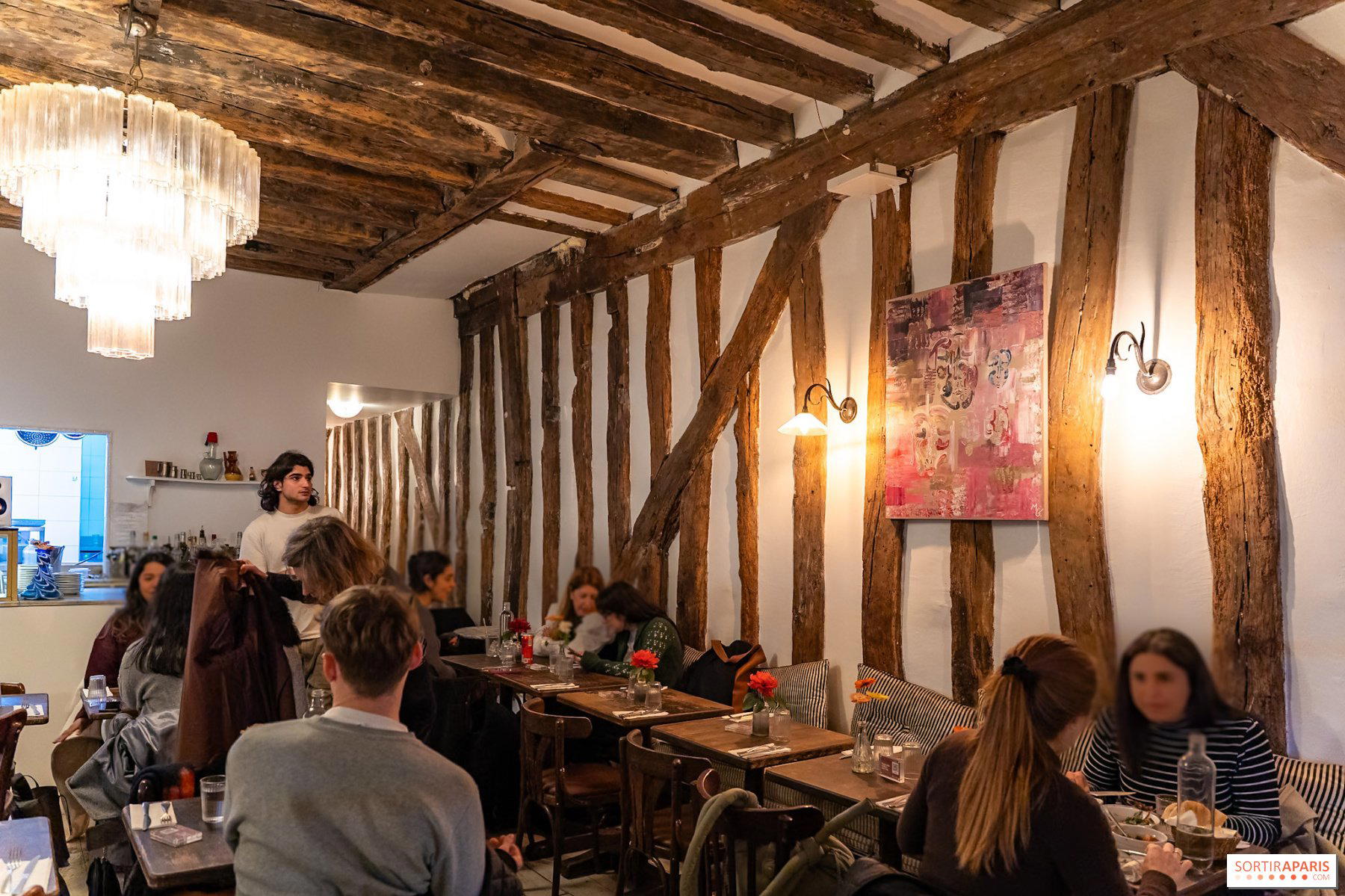
A Street That Sets Its Own Terms
Rue du Faubourg Saint-Denis runs from the Grands Boulevards north toward the 10th arrondissement's commercial heart, and it does not try to be anything other than what it is: loud, specific, and indifferent to Parisian formality. Passage Brady cuts through it, carrying the smell of South Asian spices. Brasseries from another era hold their ground next to newer addresses that arrived with the neighbourhood's gradual shift in the 2010s. Afendi, at number 84, sits inside this context rather than apart from it — the kind of address that makes sense only once you understand the block it occupies.
The 10th has become one of the more closely watched arrondissements in Paris for independent dining precisely because it resists the logic of the city's premium restaurant tier. Tables at Le Cinq at the Four Seasons Hôtel George V or Alléno Paris au Pavillon Ledoyen are priced against international competition and calibrated for a global visitor. Faubourg Saint-Denis runs on neighbourhood appetite. That distinction shapes everything from room design to what lands on the table.
The Physical Container
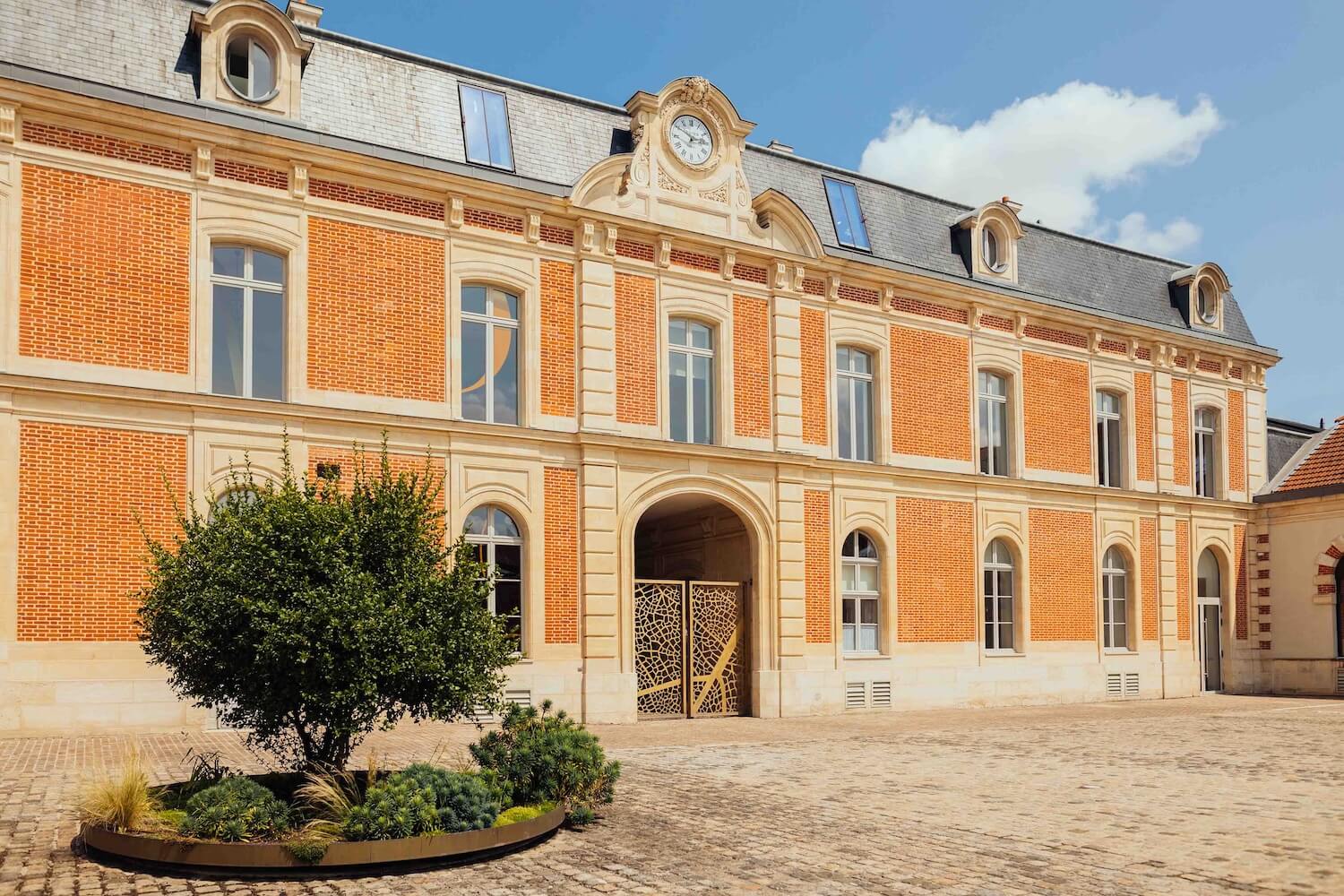
In Paris's 10th, characterful dining spaces tend not to be designed from scratch — they are inherited. Exposed stone, zinc details, tiled floors, and narrow façades with original ironwork are the architectural vocabulary of the arrondissement, and they carry more authority than anything a contemporary fit-out could introduce. The physical character of a room on this street is often its most durable editorial statement.
Afendi's address at 84 Rue du Faubourg Saint-Denis places it within this tradition. The Faubourg's buildings were mostly erected in the 18th and 19th centuries, and the ground-floor commercial spaces have been cycled through generations of use, grocers, tailors, small restaurants, cafés. What survives in these interiors is a kind of layered authenticity that newer dining districts in the city's western arrondissements cannot replicate. A room here communicates history through its materials before a menu is opened or a glass is poured.
This matters for how a venue on this street should be read. Unlike the grand dining rooms attached to Paris's palace hotels, where architecture is a deliberate performance of institutional weight, spaces along Faubourg Saint-Denis carry a different charge. They are lived-in, compressed, and often more interesting for it. The seating arrangements tend toward proximity; tables are rarely spaced for privacy. The room is part of the meal in a way that the formal dining tier of Paris, with its choreographed distance between covers, does not replicate.
Where Afendi Sits in the Paris Dining Map
Paris's restaurant scene divides, broadly, into three operating tiers. The top tier, multi-Michelin addresses like Arpège, L'Ambroisie, and Kei, operates on tasting menu logic, extended service, and price points that exclude most of the city's daily dining population. Below that sits a mid-tier of bistros, brasseries, and neighbourhood-rooted independents that carry the actual texture of Parisian eating life. Below that, a fast-casual and market-stall layer. Afendi operates in the second tier, in a neighbourhood that has concentrated an unusual density of independent addresses over the past decade.
The comparison is instructive. Where Le Cinq or Alléno are priced and formatted for an occasion, addresses on Faubourg Saint-Denis are built for repeat use. The economic logic is different, which means the design logic is different, and so is the food logic. Provincial French institutions like Flocons de Sel in Megève or Bras in Laguiole have built their identities around place and terroir over decades. The 10th's dining character is newer and faster-moving, but it has accumulated enough density to function as a genuine destination rather than an accident of geography.
The Neighbourhood as Context
Understanding why Faubourg Saint-Denis has attracted serious attention from Paris food writers requires some history. The arrondissement spent much of the 20th century as a working-class commercial district, with a strong North African and South Asian presence that shaped its food culture from the ground up. The restaurants that established themselves here were not building for a tourist audience; they were serving communities with specific culinary expectations. That foundation gave the street a credibility that self-consciously trendy districts often lack.
The shift that began in the 2010s layered a newer wave of independently run wine bars, modern bistros, and international kitchens on top of that existing infrastructure without erasing it. The result is one of the more genuinely heterogeneous dining corridors in Paris, a street where a multi-generational Indian restaurant and a contemporary natural wine address can operate within fifty metres of each other without either seeming out of place. France's broader dining institutions, from the legacy of Paul Bocuse to the regional authority of Auberge de l'Ill, were built in isolation, rooted in a specific landscape. Faubourg Saint-Denis is the inverse: density without isolation, variety without a single dominant identity.
For the full picture of where Afendi fits within Paris's broader dining geography, the EP Club Paris restaurants guide maps the city's key addresses by arrondissement and price tier.
Planning Your Visit
| Venue | Arrondissement | Price Tier | Format | Booking Lead Time |
|---|---|---|---|---|
| Afendi | 10th | Not confirmed | Neighbourhood independent | Recommended; walk-in possible |
| Alléno Paris au Pavillon Ledoyen | 8th | €€€€ | Tasting menu / grand dining | Weeks to months ahead |
| Kei | 1st | €€€€ | Contemporary French tasting | 2–4 weeks ahead |
| L'Ambroisie | 4th | €€€€ | Classic French à la carte | Several weeks ahead |
| Le Cinq | 8th | €€€€ | Hotel grand dining | 2–6 weeks ahead |
Afendi is reachable via the Gare du Nord or Château d'Eau Metro stations, both within short walking distance of Rue du Faubourg Saint-Denis. The street itself is pedestrian-friendly and most accessible on foot from the northern Grands Boulevards axis. For visitors arriving in Paris by Eurostar, Gare du Nord is the immediate neighbourhood anchor, making the 10th arrondissement one of the more convenient dining destinations for international arrivals without a hotel in the city centre.
How Afendi Paris compares with similar nearby venues.
| Venue | Cuisine | Price |
|---|---|---|
| Les Résistants - La Table | Modern Cuisine | €€ |
Continue exploring
More in Paris
Restaurants in Paris
Browse all →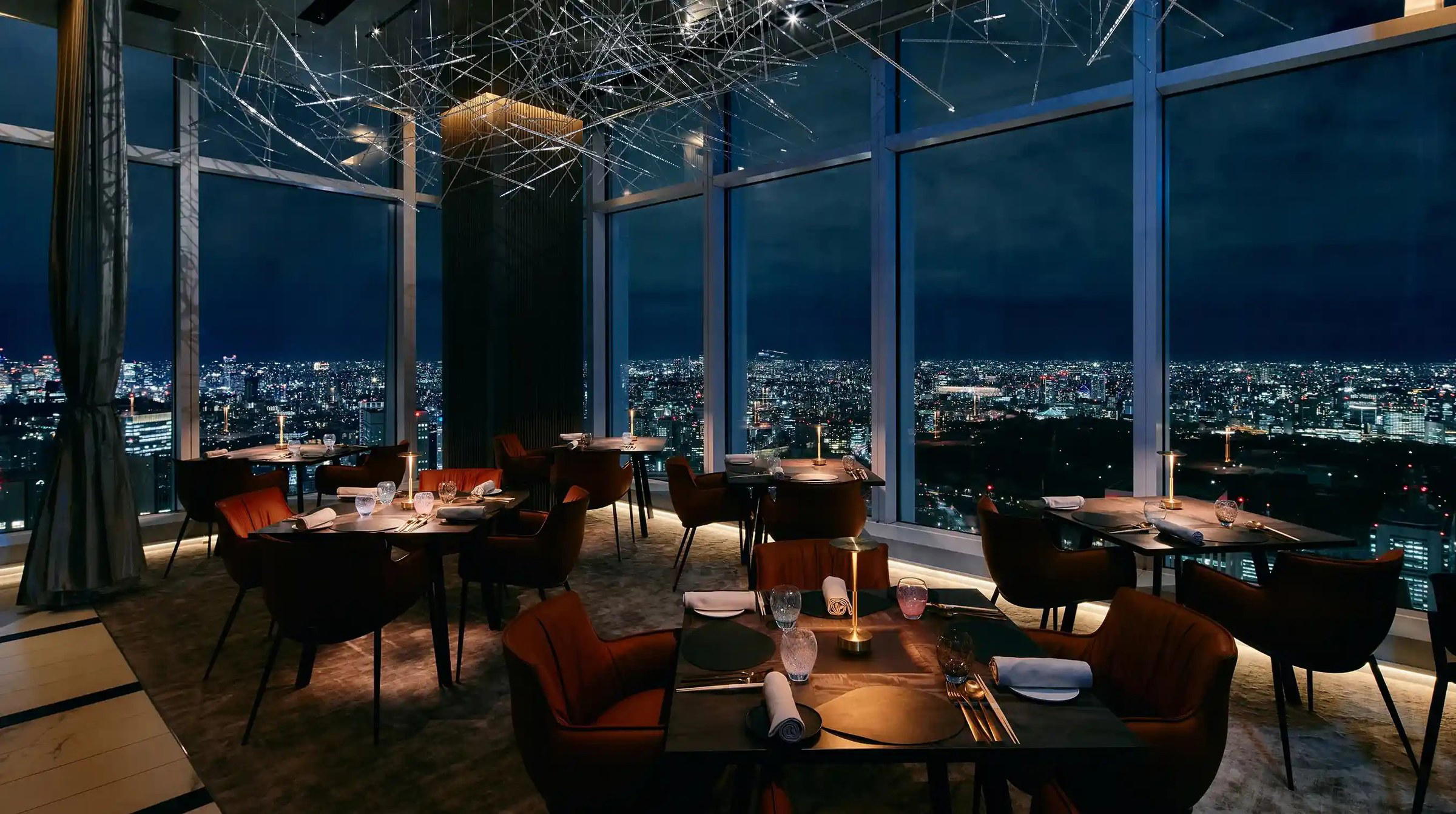
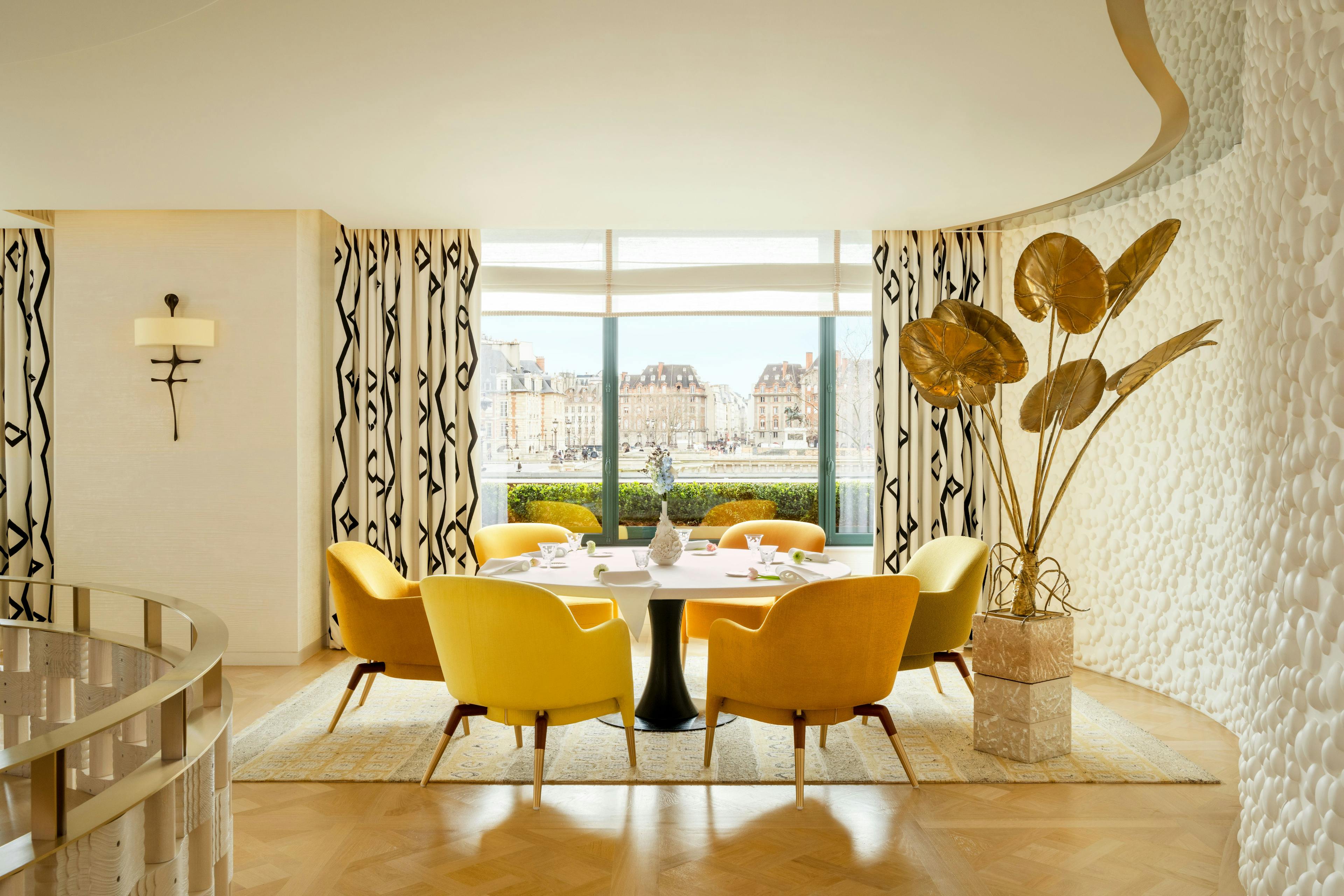
Bars in Paris
Browse all →
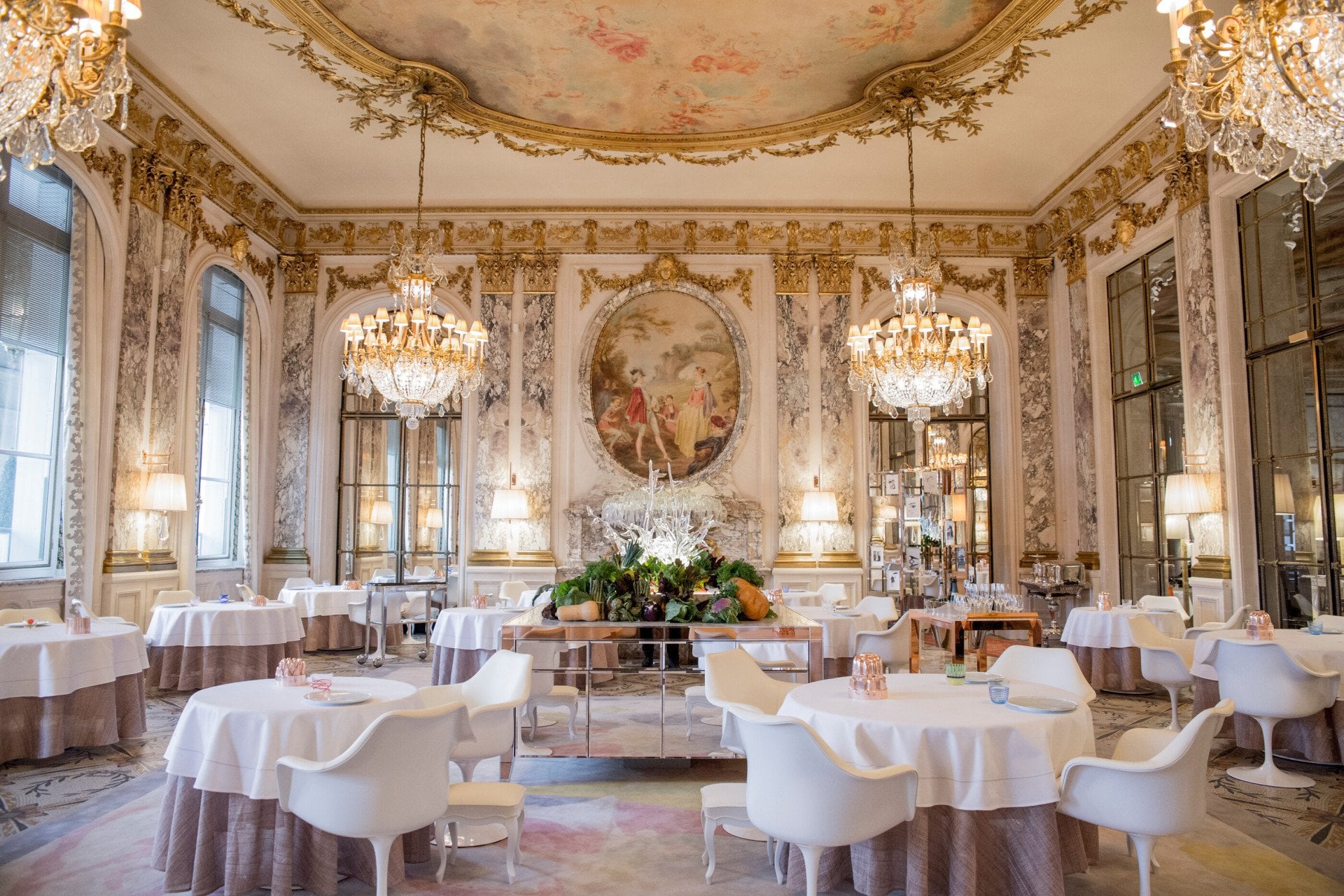
Hotels in Paris
Browse all →



At a Glance
- Cozy
- Lively
- Elegant
- Group Dining
- Family
- Brunch
- Casual Hangout
- Open Kitchen
Current opening hours
- Monday
- 7–11 PM
- Tuesday
- 12–3 PM, 7–11 PM
- Wednesday
- 12–3 PM, 7–11 PM
- Thursday
- 12–3 PM, 7–11 PM
- Friday
- 12–3 PM, 7–11 PM
- Saturday
- 12–3 PM, 7–11 PM
- Sunday
- 11:30 AM–4 PM
Hours can change for holidays and private events. Last verified .
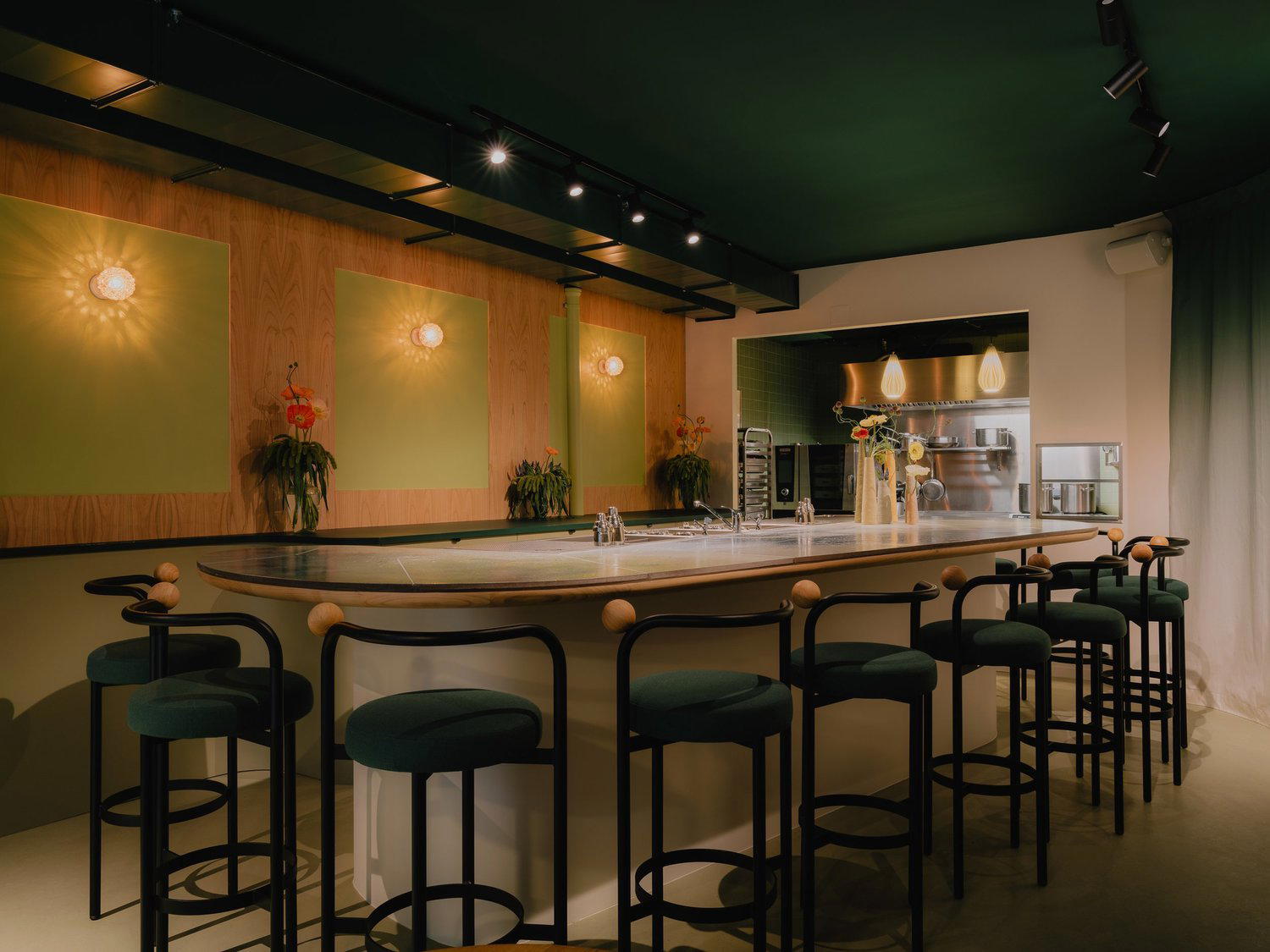
Warm and cozy atmosphere with exposed wood beams, large windows allowing natural light, and a lively yet inviting vibe.