Our verdict
M38 sits in Cupertino's increasingly competitive dining corridor, where Silicon Valley's density of international residents has pushed neighborhood restaurants toward sharper culinary standards. Details on format, chef, and pricing remain limited, but the address places it within a local scene that rewards direct research before booking. Verify current hours and availability through the venue directly before visiting.

Pearl is the En Primeur Club membership app, where members save venues, book tables and use the concierge.

The menu
What to order
- Chinese Fried Rice
Cupertino's Dining Corridor and Where M38 Fits
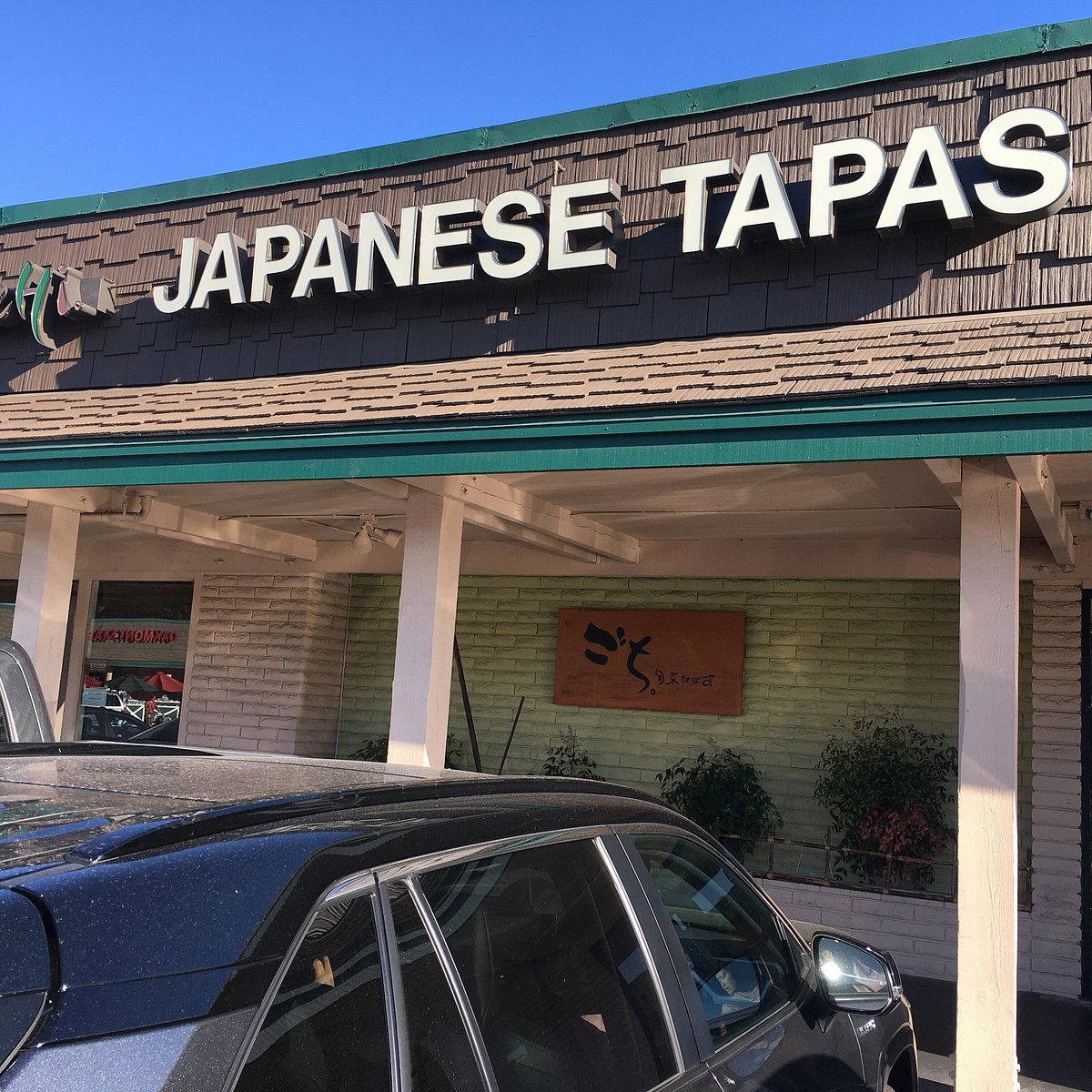
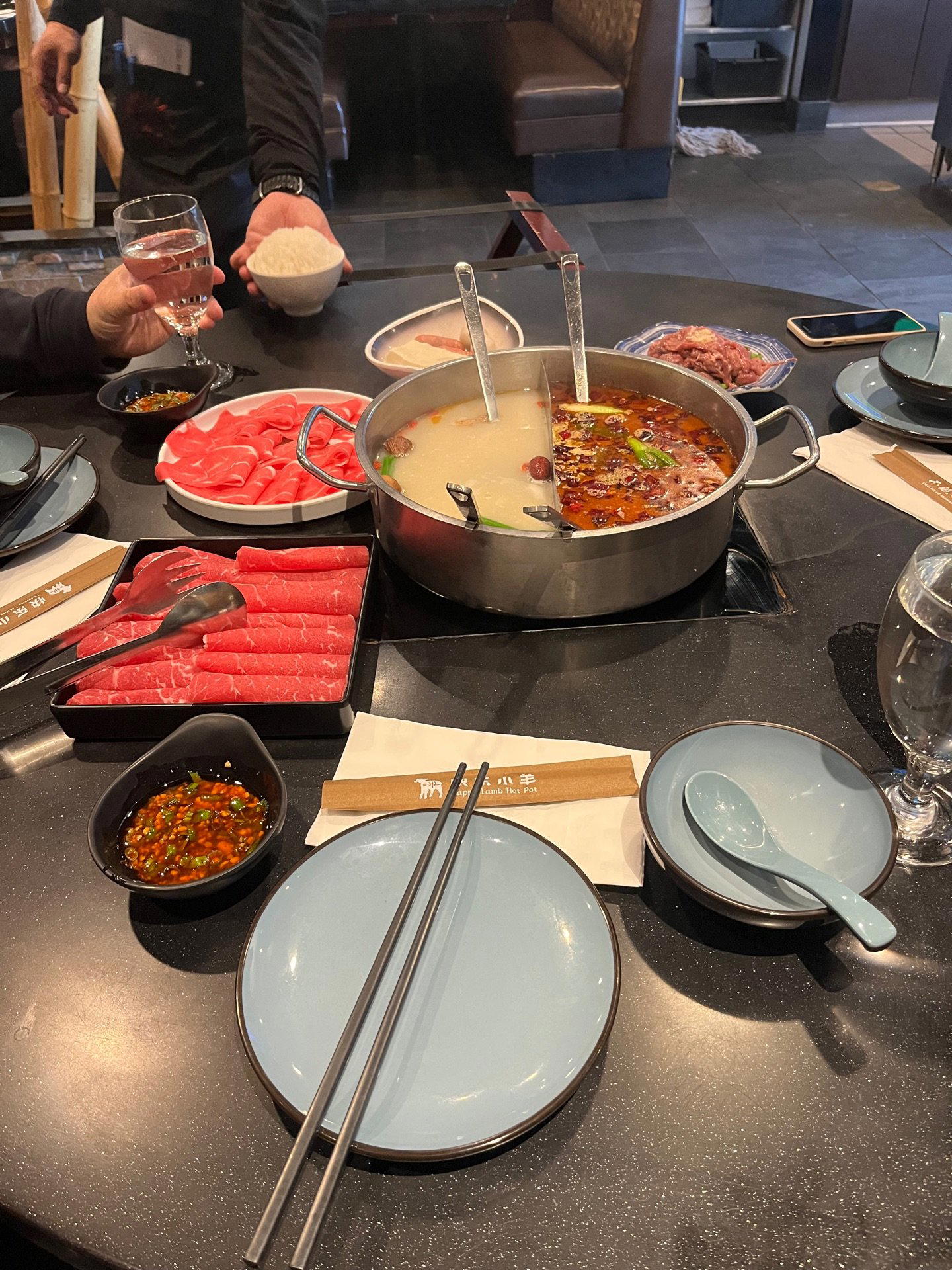
The stretch of Cupertino that runs between De Anza Boulevard and Stevens Creek has developed quietly over the past decade into one of the South Bay's more interesting places to eat. The area's demographic composition, shaped by a concentration of technology workers with roots across East and South Asia, has pushed a meaningful number of neighborhood restaurants toward product quality and specificity that most Silicon Valley suburbs don't sustain. That context matters when approaching any addition to the local roster. A restaurant entering this corridor does so against an existing set of options that already includes reliable Japanese fusion at Gochi Cupertino, the tapas-format inventiveness of Gochi Japanese Fusion Tapas, wood-fired pizza at La Pizzeria Cupertino, the communal heat of Happy Lamb Hot Pot, and the hybrid ambition of Curry Pizza House Cupertino. M38 enters that conversation, though the details available at this stage are limited enough that the picture requires additional verification before any firm recommendations can be made.
What the Name Signals and What It Doesn't
Restaurant names in this part of California often function as compressed signals: a street address repurposed as identity, a number sequence that locates without explaining, a shorthand that rewards regulars while remaining opaque to newcomers. M38 follows that pattern. Whether the designation refers to a suite number, a menu philosophy, or something more specific is not clear from the available record, and fabricating an interpretation would serve no one. What is clear is that the venue has drawn enough attention to warrant placement within Cupertino's dining conversation, and that the area's standards make that placement meaningful on its own terms.
Ingredient Sourcing and the Bay Area Standard
Northern California's relationship with ingredient sourcing has been shaping restaurant menus since the early 1970s, when a certain approach to market-driven, producer-identified cooking became a regional signature rather than an outlier. That legacy runs through the full range of the Bay Area dining spectrum today, from Michelin-starred dining rooms to neighborhood spots that post their fish supplier's name on a chalkboard. The question of where ingredients come from, and how directly a kitchen connects to those sources, has become a baseline expectation rather than a differentiator in this part of the state.
Restaurants operating near the technical and financial resources concentrated in Cupertino tend to face an audience that has eaten at places where sourcing is documented, seasonal, and specific. Venues like Single Thread Farm in Healdsburg have set a standard for farm-to-table integration that is genuinely difficult to approximate, while Blue Hill at Stone Barns in Tarrytown has made the sourcing relationship itself the primary editorial subject of a meal. Closer to home, Lazy Bear in San Francisco has demonstrated that ingredient storytelling can operate at a supper-club scale without losing rigor. These reference points exist in the dining memory of the audience M38 is drawing from, even at the neighborhood level.
What can be said is that Cupertino's competitive set creates pressure toward supply chain transparency, and that any restaurant earning sustained attention in this corridor is likely responding to that pressure in some form. The specifics deserve direct confirmation.
Where M38 Sits in a Broader California Conversation
California's fine dining tier has produced a number of reference points against which any ambitious kitchen in the state is implicitly measured. The French Laundry in Napa remains the benchmark for tasting-menu precision. Providence in Los Angeles has built a seafood-focused identity with a sourcing commitment that extends to documented relationships with specific fishermen. Addison in San Diego brought California's first perfect Michelin score outside the Bay Area, signaling that serious dining ambition is no longer geographically concentrated.
That is not a criticism. The majority of restaurants that matter at the neighborhood level, including many that local residents rely on repeatedly over years, operate without formal award recognition. That question, again, requires a visit and current information.
For readers interested in the wider context of ambitious American dining, Le Bernardin in New York City, Alinea in Chicago, Atomix in New York City, Emeril's in New Orleans, and The Inn at Little Washington represent the range of what American kitchens have produced at the highest level. Internationally, 8 1/2 Otto e Mezzo Bombana in Hong Kong offers a useful comparison for how European technique migrates across contexts. These are the rooms that set the ceiling. Most of what a well-traveled diner carries into a neighborhood meal has been shaped, directly or indirectly, by places like these.
Planning a Visit
Before visiting, direct outreach or a search against current local listings is the only reliable path to confirming these details. Cupertino's restaurant corridor is compact enough that the venue should be locatable without difficulty once operating details are confirmed. For a broader view of the local dining scene, our full Cupertino restaurants guide covers the options that warrant attention across format and price point.
Frequently asked questions
Is M38 okay with children?
M38's confirmed details are limited in the public record, so the venue's specific policy on children hasn't been documented. Cupertino's dining corridor along De Anza and Stevens Creek skews toward a professional lunch and dinner crowd. Contact M38 directly before arriving with young children to confirm suitability.
Is M38 formal or casual?
No dress code has been documented for M38 in Cupertino. The De Anza–Stevens Creek corridor tends toward business-casual norms given its proximity to the tech campuses, but that reflects the neighbourhood rather than confirmed venue policy. Reach out to M38 before your visit to clarify expectations.
Does M38 in Cupertino reflect the Bay Area's ingredient-sourcing tradition?
Northern California's approach to sourcing, built on relationships with local farms and producers, has shaped restaurant menus across the region since the early 1970s and remains the de facto standard for ambitious kitchens in Cupertino and the wider South Bay. Whether M38 aligns with that tradition through specific supplier partnerships or seasonal menu changes hasn't been documented in the available record. Confirming the kitchen's sourcing philosophy directly with the venue will give you the most accurate read.
What's the signature dish at M38?
No specific menu items have been documented in the available record for M38 in Cupertino. Given Northern California's long-standing emphasis on ingredient-driven cooking, kitchens in this corridor typically rotate dishes with sourcing seasons. Checking directly with M38 will give you a current picture.
What's M38 best at?
The venue sits in a Cupertino corridor that has developed meaningful dining density over the past decade, which sets a competitive baseline. Direct outreach will give you a clearer picture of what the kitchen prioritises.
Is M38 good for vegetarians?
No menu details for M38 in Cupertino have been documented, so vegetarian availability can change here. Bay Area kitchens broadly accommodate plant-based preferences, but that's a regional tendency rather than a venue-specific guarantee. Contacting M38 before your visit is the reliable way to check. Check the venue's official channels for the latest details.
Comparison Snapshot
| Venue | Cuisine | Price |
|---|---|---|
| M38This venue (the venue you are viewing) | Chinese | Not listed |
| Happy Lamb Hot Pot, Cupertino 快乐小羊 | Inner-Mongolian Hot Pot | $30–50 |
| Gochi Japanese Fusion Tapas | Japanese Fusion Tapas | $30–50 |
| La Pizzeria Cupertino | Authentic Roman-Style Italian Pizza | $20–30 |
| Pineapple Thai | Authentic Thai | $20–30 |
Continue exploring
More in Cupertino




Details
- Quiet
- Solo
- Casual Hangout
- Standalone
- Vegetarian Friendly