Lydia's Supper Club
Our verdict
Lydia's Supper Club sits on Harrison Avenue in Butte, Montana, a city whose dining culture has long been shaped by its working-class immigrant roots and mining-era hospitality traditions. The supper club format itself carries specific regional meaning in the Northern Rockies and Upper Midwest, where it signals a particular relationship between food, community, and place that differs sharply from urban fine dining conventions.

Pearl is the En Primeur Club membership app — saves, bookings, and concierge access live there. Same editors, same standards.
- Address
- 4915 Harrison Ave, Butte, MT 59701
- Phone
- (406) 494-2000
- Hours
- Mon–Fri 5–9 PMSat–Sun 5:30–9 PM
- Website
- lydiassupperclub.net
- Directions
- Get directions
The menu
What to order
- Homemade ravioli
- Sweet potato salad
- Antipasto platter
The Supper Club Tradition in the Northern Rockies
The supper club is one of American dining's least exported formats. While coastal cities moved through successive waves of bistro culture, omakase counters, and tasting menus, the supper clubs of Montana, Wisconsin, Minnesota, and the Dakotas held their position — unhurried, community-facing, and built around a logic of abundance and familiarity rather than scarcity and spectacle. To walk into a supper club in a city like Butte is to encounter a dining mode that coastal food media rarely covers but that represents a genuine and durable strand of American restaurant culture.
That context matters when placing Lydia's Supper Club on Harrison Avenue. Butte itself is a city whose hospitality character was forged by a specific history: waves of Irish, Italian, Cornish, Finnish, and Eastern European immigrants arrived to work the copper mines in the late nineteenth and early twentieth centuries, and they brought with them food traditions that grafted onto the raw Montana landscape in ways that still show up on menus across the city. The supper club format, with its emphasis on table-service dining, cocktails before dinner, and generous portions of meat-forward cooking, suited this community well. It was a format that honored the end of a hard working day without requiring formality or a knowledge of wine lists.
For context on how differently American fine dining can operate at the other end of the register, venues like Le Bernardin in New York City, The French Laundry in Napa, and Lazy Bear in San Francisco occupy a tier defined by tasting menus, chef's-table formats, and booking windows measured in months. The supper club tradition sits at a deliberate remove from all of that, and in cities like Butte that distance is a feature, not a limitation.
Butte's Dining Character and What It Produces
Butte Silver Bow is not a dining destination in the way that Napa, New Orleans, or Chicago functions for food travelers. It is a small Montana city with a population that has contracted significantly since the mining peak, and its restaurant culture reflects that — locally oriented, price-sensitive, and shaped more by community habit than by culinary trend cycles. That character produces something that larger cities sometimes lose: a restaurant scene where institutions survive because the community actually uses them, not because they attract destination diners or press coverage.
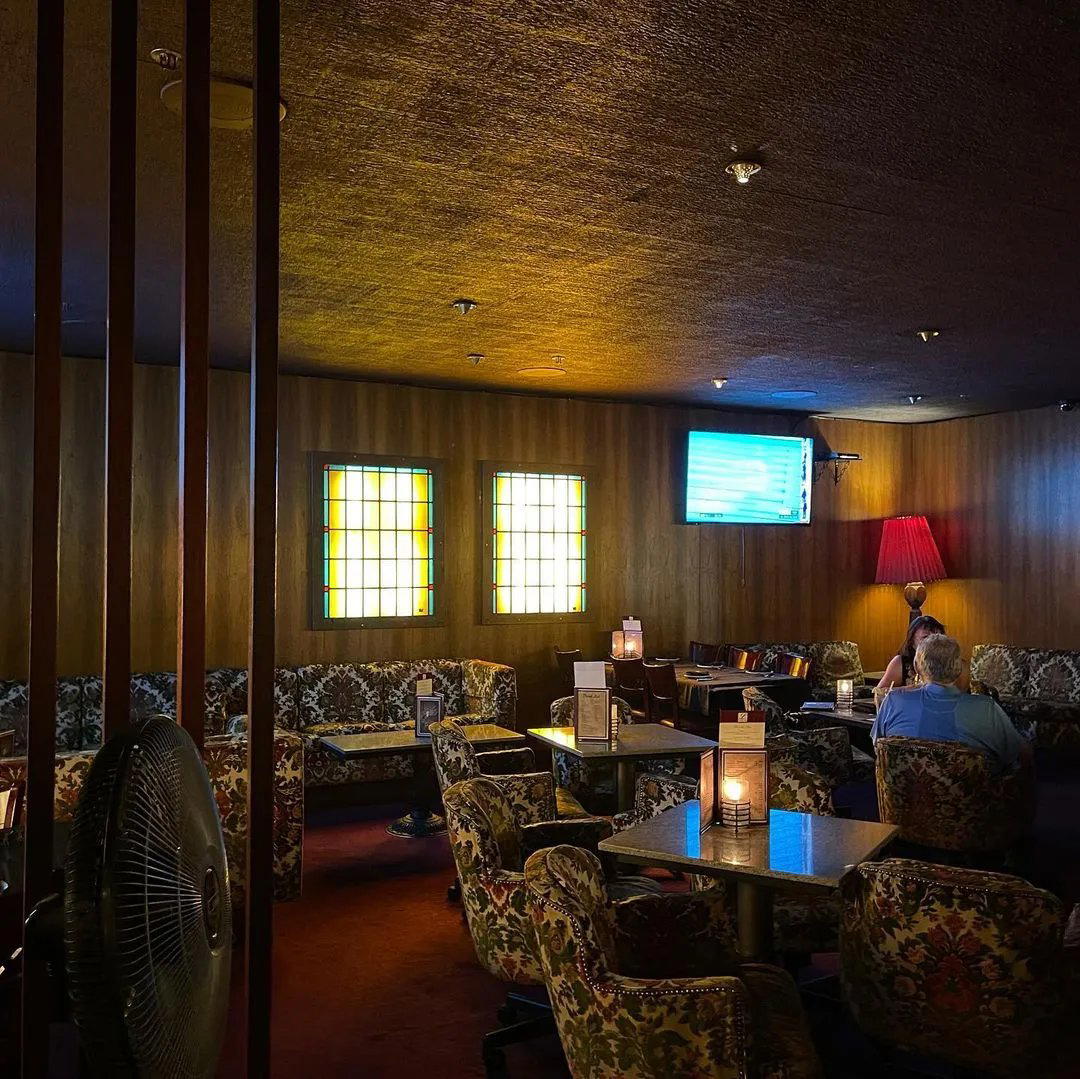
The supper club format has proven particularly durable in this context. Across the Northern Rockies and the Upper Midwest, supper clubs that have operated for multiple decades tend to share certain structural features: a bar that functions as a social space before the dining room opens, a menu anchored in steakhouse-adjacent cooking with fish options, and a clientele that skews toward regulars rather than first-timers. The physical environments tend toward a particular aesthetic, dark wood, booth seating, low lighting, that signals a specific kind of American evening out. This is not the spare minimalism of a venue like Smyth in Chicago or the agricultural precision of Blue Hill at Stone Barns in Tarrytown. It is a warmer, less self-conscious register of dining.
Venues operating in this tradition elsewhere in the Mountain West include places like Frasca Food and Wine in Boulder and The Wolf's Tailor in Denver, though those operate in larger markets with more competitive dining scenes. The comparison is useful mainly to illustrate the range of approaches across the region rather than to suggest equivalence in format or ambition.
What the Supper Club Format Asks of the Diner
The supper club contract is different from the tasting-menu contract. Venues like Single Thread Farm in Healdsburg, Addison in San Diego, or Providence in Los Angeles ask the diner to surrender control of the meal to the kitchen, to sit for two or three hours, and to engage with a structured progression of courses. The supper club inverts this. The diner chooses from a card, sets the pace, and often arrives expecting to spend time at the bar before the table is ready. The format is social infrastructure as much as it is food service.
This distinction has cultural weight in a place like Butte, where the restaurant is not primarily a vehicle for culinary expression but a place where the community gathers. The immigrant-era food culture that shaped the city was fundamentally communal, pasties from the Cornish miners, pastas from the Italian neighborhoods on the south side, fish fry traditions that arrived with Catholic working families. The supper club absorbed and reflected these habits. It is a format that prioritizes the act of gathering over the act of cooking as performance.
Travelers coming from cities where venues like Atomix in New York City, ITAMAE in Miami, or Oyster Oyster in Washington, D.C. represent the ambient standard for serious dining will need to recalibrate their expectations. That recalibration is the point. The supper club tradition offers something that high-concept dining cannot easily replicate: an evening organized around ease and familiarity rather than around novelty and instruction.
Planning a Visit to Lydia's Supper Club
Lydia's Supper Club is located at 4915 Harrison Avenue in Butte, MT 59701. Harrison Avenue is one of Butte's main commercial corridors, accessible by car without difficulty. Butte is served by Bert Mooney Airport with regional connections, and the drive from Missoula takes approximately ninety minutes on Interstate 90. Given the venue's position within Butte's local dining ecosystem rather than within any national profile, prospective visitors should verify current hours and booking options directly, as this information was not available at time of writing. For a broader survey of what the city's dining scene offers across formats and price points, see our full Butte Silver Bow restaurants guide.
Visitors with specific interest in how American regional dining traditions vary across the country may also find useful comparisons in venues further afield: Emeril's in New Orleans and The Inn at Little Washington in Washington both represent regionally rooted American dining at a different scale, while Atelier Moessmer Norbert Niederkofler in Brunico illustrates how deeply place-rooted cuisine operates in a European context. The supper club tradition is American in a way that does not translate easily to international equivalents, and Butte's version of it carries the specific weight of a mining city's social history.
Frequently asked questions
Is Lydia's Supper Club a family-friendly restaurant?
The supper club format, as practiced across the American Midwest and Mountain West, has historically served multi-generational tables — birthdays, anniversaries, and Sunday dinners are part of its DNA. Lydia's sits on Harrison Avenue, one of Butte's main commercial corridors, which positions it as a community-facing venue rather than an exclusively adult dining room. check the venue's official channels to confirm seating arrangements for groups with children.
What kind of setting is Lydia's Supper Club?
Supper clubs in the Northern Rockies tradition favor settled, room-centered dining over the open-kitchen counter formats that have dominated urban dining since the 2010s. At 4915 Harrison Avenue in Butte, MT, Lydia's occupies a commercial corridor that reflects the city's working-class architectural character rather than resort-town polish. Expect a room built around the table, not the spectacle.
How does Lydia's Supper Club fit into the broader supper club tradition of the American Mountain West?
The supper club as a format originated in the upper Midwest and spread along agricultural and mining communities through the mid-twentieth century, making Butte Silver Bow — a former copper-mining city — a geographically coherent home for it. Lydia's on Harrison Avenue represents one of the few venues in Montana maintaining this sit-down, full-service dinner format that pre-dates the fast-casual era. Where cities like Billings or Missoula have absorbed more chain-driven dining corridors, Butte's economic history has kept independent, room-service formats like this one in circulation.
How do I find Lydia's Supper Club?
Lydia's Supper Club is located at 4915 Harrison Ave, Butte, MT 59701, Butte Silver Bow.
Price and Positioning
Comparable venues nearby, for context on price, style, and recognition.
| Venue | Cuisine | Price | Awards | Notes |
|---|---|---|---|---|
| Lydia's Supper ClubThis venue — the venue you are viewing | Traditional Italian-American Supper Club | $30–50 | Not listed | Not listed |
| Butte | Butte Pasty | Not listed | Not listed | Uptown, Butte Pasty |
| Biga Pizza | Brick-Oven Pizza | $20–30 | Diners, Drive-Ins and Dives Featured Restaurant | Downtown, Brick-Oven Pizza |
| Yellowstone Pizza Company | Traditional Neapolitan Pizza | $20–30 | Not listed | Gardiner, Traditional Neapolitan Pizza |
| Campione | Italian-Inspired Roman Kitchen with Local Montana Ingredients | $50–100 | James Beard Award Semi Finalist | downtown Livingston, Italian-Inspired Roman Kitchen with Local Montana Ingredients |
Continue exploring
More in Butte Silver Bow
Restaurants in Butte Silver Bow
Browse all →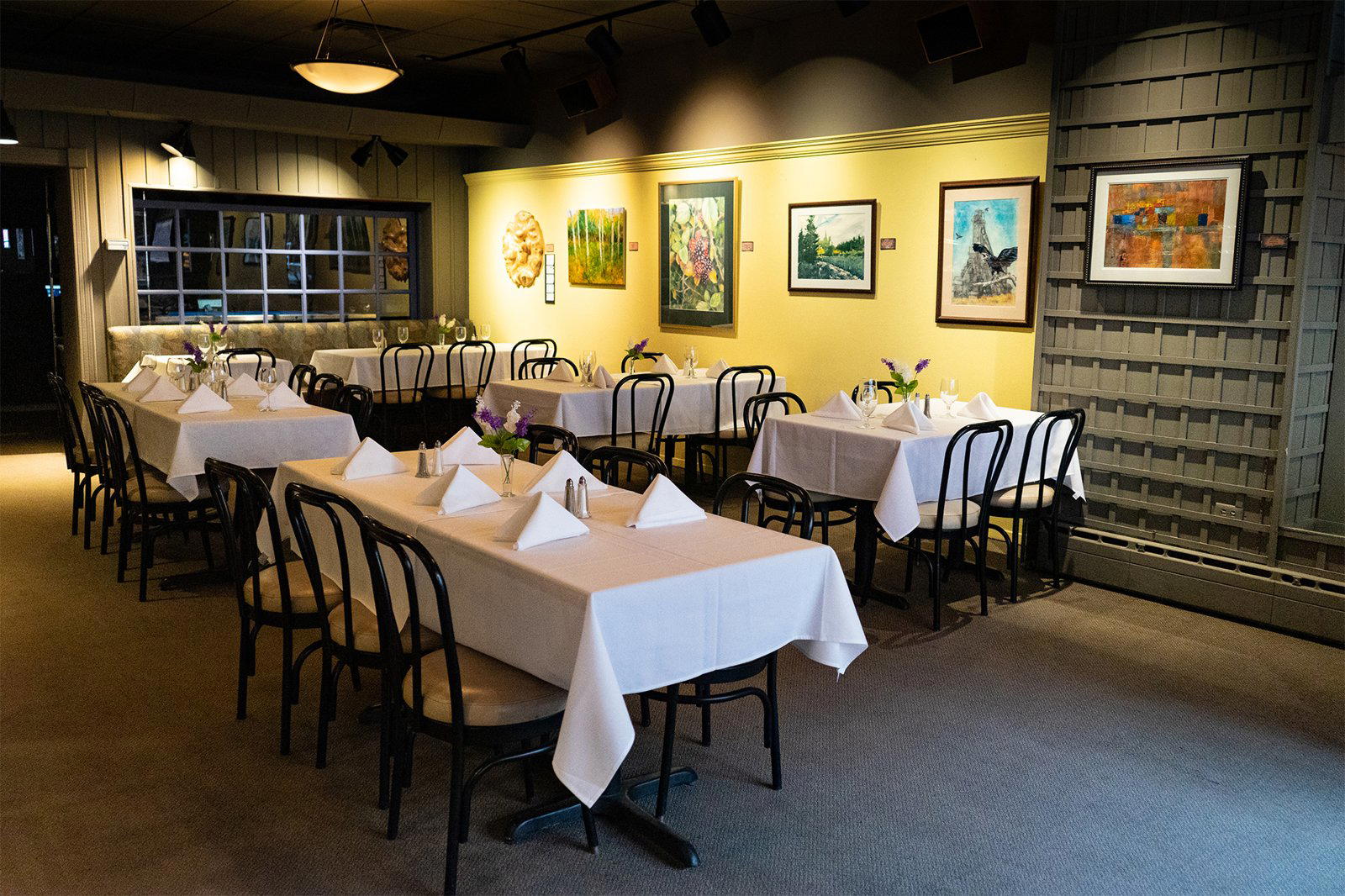
Bars in Butte Silver Bow
Browse all →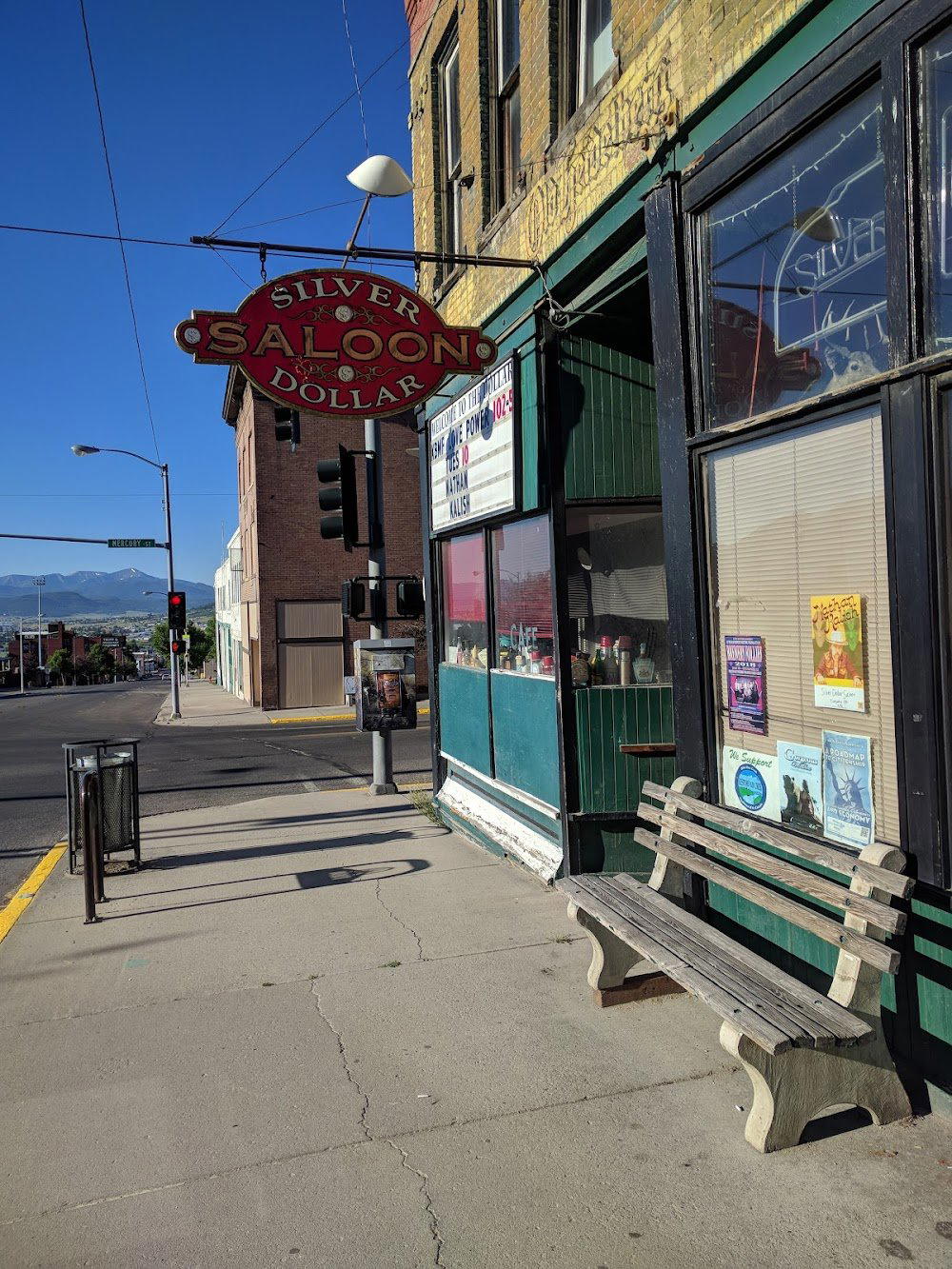
Details
- Classic
- Cozy
- Well Known
- Rustic
- Special Occasion
- Group Dining
- Celebration
- Historic Building
- Craft Cocktails
- A La Carte
Current opening hours
- Monday
- 5–9 PM
- Tuesday
- 5–9 PM
- Wednesday
- 5–9 PM
- Thursday
- 5–9 PM
- Friday
- 5–9 PM
- Saturday
- 5:30–9 PM
- Sunday
- 5:30–9 PM
Hours can change for holidays and private events. Last verified .
Warm 1960s lounge-style decor with a relaxed, inviting supper club atmosphere focused on community gathering and leisurely dining.