One&Only Moonlight Basin










2 Michelin Keys · TIME 2026 TIME World's Greatest Places · Town & Country Hotel Awards
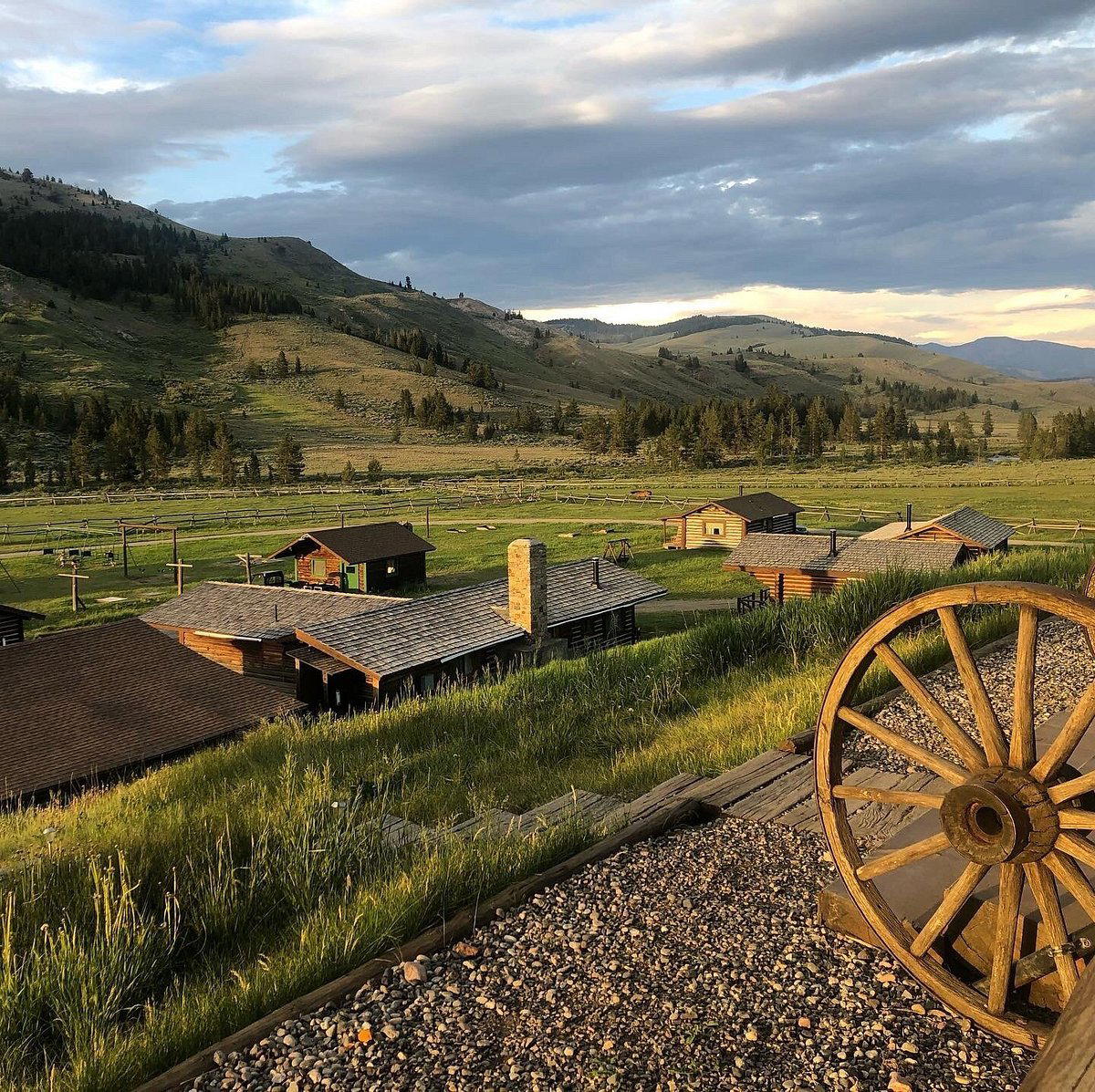
On the northwest face of Lone Mountain, One&Only Moonlight Basin occupies 8,100 acres of Montana wilderness bordered by Yellowstone's protected lands. The resort sits within a valley shaped during the Cretaceous period, carrying nine millennia of Native American history and a ski culture that took root in the 1970s. It positions itself at the upper tier of Big Sky's premium lodge market, where anticipatory service and landscape-scale access define the offer.

Pearl is the En Primeur Club membership app — saves, bookings, and concierge access live there. Same editors, same standards.
- Address
- 77 Roosevelt Rd, Big Sky, MT 59716
- Phone
- (406) 993-3401
- Website
- oneandonlyresorts.com
- Directions
- Get directions
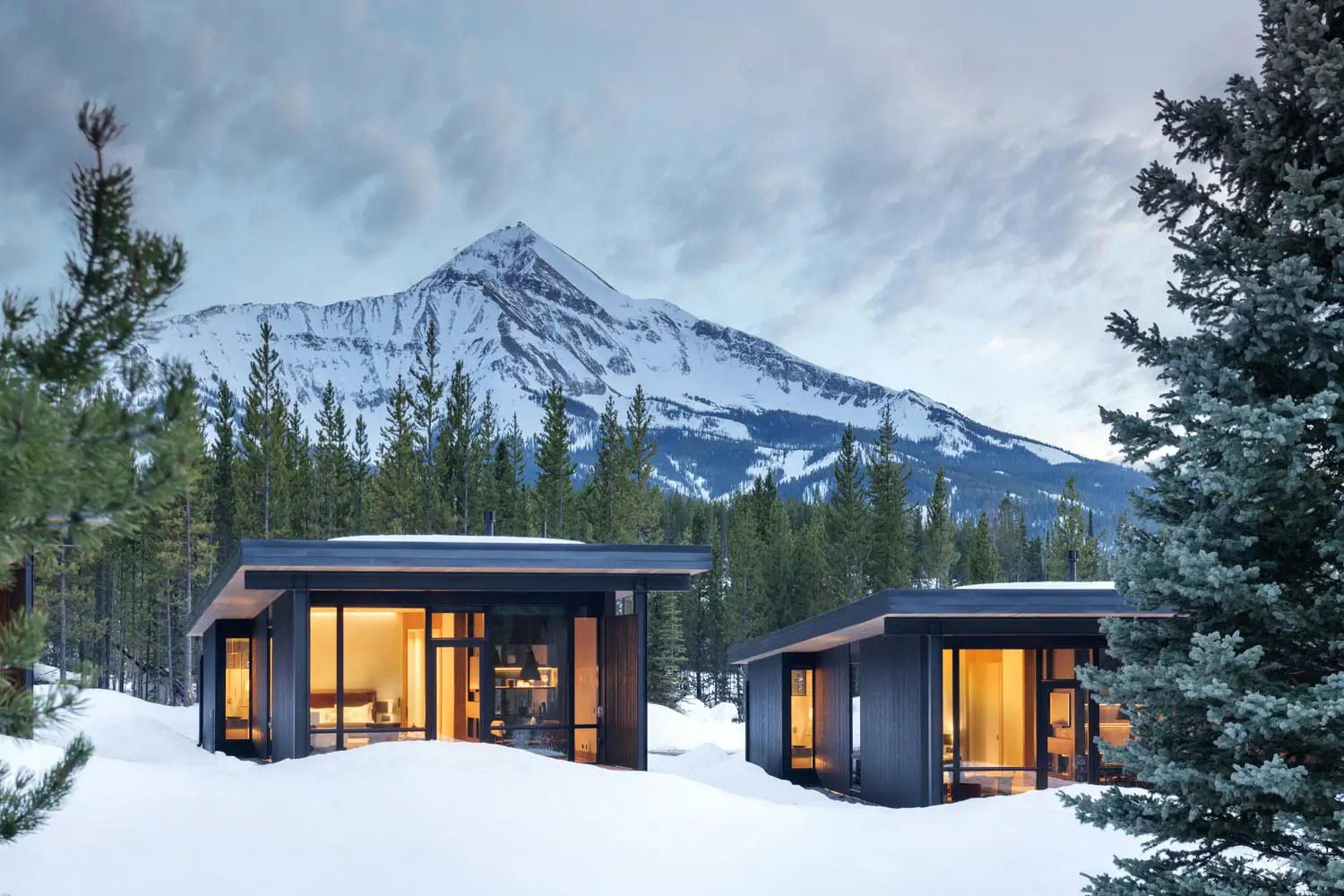
Where the Mountain Does the Work
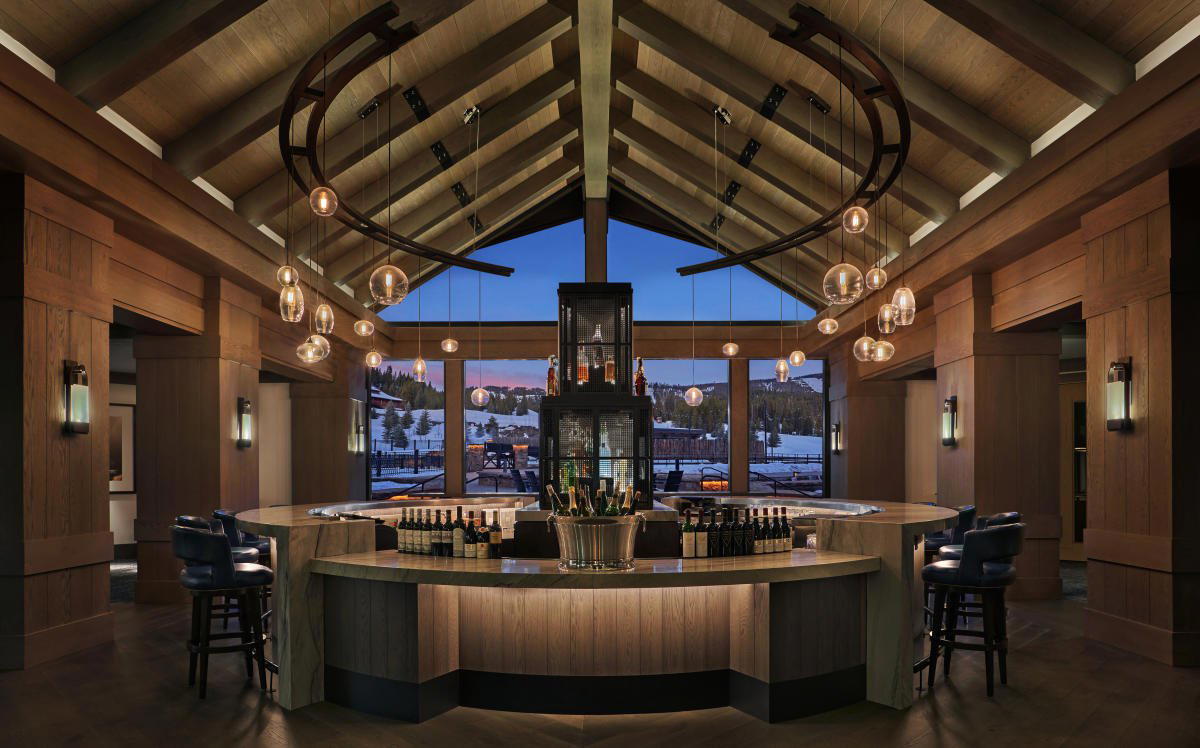
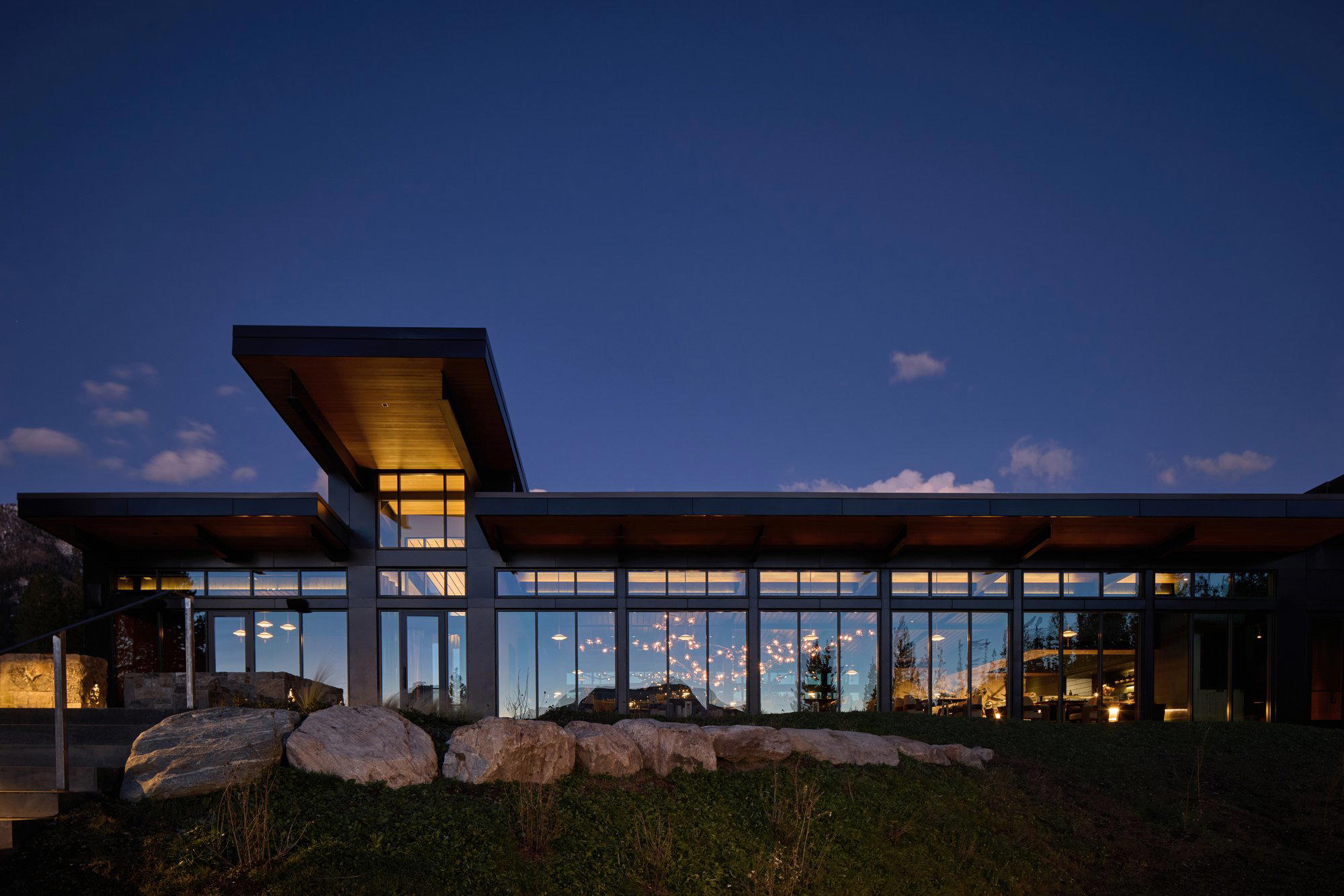
Approaching the main lodge at One&Only; Moonlight Basin, the first thing you register is the scale of Lone Mountain framed through the glass. The northwest face of the peak presents differently from the busier Big Sky Resort side: fewer lifts visible, more open snowfields, a quieter compression of the terrain. The main lobby was designed to hold that view rather than compete with it, and the effect on arrival is immediate. You're not being sold a mountain. You're being placed inside one.
This is a specific kind of resort ambition, and it's worth understanding where it sits in the broader pattern of American wilderness hospitality. The category has bifurcated sharply over the past decade: on one side, large-format ski hotels with high seat counts, branded dining, and broad amenity stacks; on the other, lower-capacity properties where the logic of service is organized around the individual guest rather than the crowd. One&Only; Moonlight Basin belongs to the second group. The 8,100-acre footprint is the inverse of density. Space, here, is the product.
The Terrain and Its History
Big Sky Meadow sits in an alpine valley with a geological formation dating to the Cretaceous period, and the human record in this part of Montana runs at least 9,000 years. The ranching era that followed in the 1890s left its own imprint on the culture of the area, and the ski resort era launched in the 1970s transformed Big Sky from a remote community into a sought-after winter destination. Moonlight Basin, established in 2000 on the northwest side of Lone Mountain, arrived into an already-formed market and deliberately positioned itself away from the main resort corridor.
The proximity to Yellowstone National Park gives the property something that most luxury ski resorts cannot replicate: a genuine wildlife adjacency. Grizzly bears, protected under the Endangered Species Act, have habitat ranges that border the resort's land. The property handles this not as a liability but as a defining feature of the guest experience. Before arrival, guests receive safety briefings tailored to the season. During hibernation periods, the location of active dens informs which areas of the terrain are accessed and how. All wildlife experiences operate under expert guidance. This is anticipatory service applied to ecology rather than food and beverage: the resort structures what guests do around what the landscape requires.
For comparison, properties like Amangiri in Canyon Point and Amangani in Jackson Hole have built similar propositions around protected landscape adjacency, where the wilderness credential is substantive rather than decorative. The difference at Moonlight Basin is the specific wildlife protocol, which moves it from passive proximity to active stewardship. Post Ranch Inn in Big Sur operates with a comparable environmental seriousness on its coastal ridge, though the fauna and seasonal rhythms differ entirely.
Service as a Framework, Not a Feature List
The One&Only; brand has built its global identity around a low-volume, high-attention service model. At Moonlight Basin, this plays out across a landscape where the distances between activities are real and the logistics of a mountain day are genuinely complex. The resort sits at the premium end of Big Sky's accommodation market, where the competition includes Montage Big Sky and Lone Mountain Ranch, each with a distinct pitch: Montage operating at larger scale with a broader amenity footprint, Lone Mountain Ranch leaning into a more historic ranch aesthetic. One&Only; Moonlight Basin's service model sits apart from both, structured around fewer guests and a higher degree of pre-arrival planning.
Pre-arrival coordination at this tier typically includes activity scheduling, dietary accommodation, and, at Moonlight Basin specifically, the wildlife briefings already noted. The logic is the same as at properties like Canyon Ranch Tucson or Kona Village in Kailua Kona: the guest's day is substantially shaped before they arrive, so the experience feels frictionless rather than improvised. At a mountain property where weather, wildlife activity, and terrain conditions can change the calculus of a day, that pre-structuring is particularly meaningful.
This also places One&Only; Moonlight Basin in a different conversation from urban One&Only; properties. The service language that works at a city property, organized around dining reservations and concierge referrals, is largely irrelevant at 8,100 acres in Montana. What the model exports is the underlying principle: reduce friction, anticipate needs, and staff the ratio of employees to guests accordingly. How that principle manifests in a wilderness context is what distinguishes the Montana property from peers like Aman New York or The Fifth Avenue Hotel in New York City, where the service challenge is navigating a city rather than a mountain.
Planning a Stay
Big Sky's ski season runs broadly from November through April, with peak demand concentrated in the school holiday windows and the months of January and February when snowpack is typically at its deepest. The Moonlight Basin terrain on the northwest face of Lone Mountain tends to hold powder longer than the more exposed runs on the resort's main corridor, which is a practical consideration for guests timing a trip around snow quality. Summer stays are a smaller but growing part of the property's occupancy, with hiking, wildlife observation, and the broader Yellowstone National Park access all relevant draws. Those interested in comparable Montana mountain experiences should also consider Alpine Falls Ranch in Superior and Sage Lodge in Pray for a different format and price position.
Guests looking for a broader view of what Big Sky's restaurants and bars offer alongside a stay can consult our full Big Sky restaurants guide. For those approaching this trip as part of a wider American wilderness circuit, properties such as Ambiente in Sedona and Little Palm Island Resort in Little Torch Key represent different ends of the landscape-led hospitality category. Bernardus Lodge in Carmel Valley and SingleThread Farm Inn in Healdsburg offer a wine-country counterpart for travellers covering the western United States across multiple trips.
Cuisine and Credentials
Comparable venues nearby, for context on price, style, and recognition.
| Venue | Cuisine | Price | Awards | Notes |
|---|---|---|---|---|
| One&Only Moonlight BasinThis venue — the venue you are viewing | Mountain contemporary luxury resort blending seamlessly with alpine landscape. | Not listed | 2 Michelin Keys · TIME 2026 TIME World's Greatest Places | Not listed |
| LONE MOUNTAIN RANCH | Historic dude ranch with private log cabins | $300–500 | Star Wine List · Top 50 Ranches | Big Sky |
| Montage Big Sky | alpine luxury resort blending mountain west spirit with sophisticated hospitality | Not listed | 1 Michelin Key · La Liste Top Hotels | Big Sky |
| RiverView Ranch Retreat & Western Adventures | provincial Western luxury ranch | Not listed | Star Wine List · Forbes 5-Star | Alberton |
| RiverView Ranch | rustic luxury ranch lodge | Not listed | Star Wine List · Forbes 5-Star | Alberton |
| 320 Guest Ranch | Historic Western guest ranch with luxurious modern cabin accommodations | $200–300 | Not listed | Gallatin Canyon |
Recognition history
Dated appearances from independent guides and award organizations, with the underlying list record or original source where available.
Michelin 2 Keys
Michelin
AFAR Best New Hotels
AFAR · AFAR 40 Best New Hotels 2026
AHEAD Awards AHEAD Americas Lodges, Cabins & Tented Camps Shortlist
AHEAD Awards · AHEAD Americas Awards 2026 Shortlist - Lodges, Cabins & Tented Camps
Conde Nast Hot List Hotels
Conde Nast
Esquire Best New Hotels
Esquire
Full recognition history (15 entries)
AHEAD Awards AHEAD Americas Spa & Wellness Shortlist
AHEAD Awards · AHEAD Americas Awards 2026 Shortlist - Spa & Wellness
AHEAD Awards AHEAD Americas Hotel Newbuild Shortlist
AHEAD Awards · AHEAD Americas Awards 2026 Shortlist - Hotel Newbuild
AHEAD Awards AHEAD Americas Event Spaces Shortlist
AHEAD Awards · AHEAD Americas Awards 2026 Shortlist - Event Spaces
AHEAD Awards AHEAD Americas Resort Shortlist
AHEAD Awards · AHEAD Americas Awards 2026 Shortlist - Resort
TIME 2026 TIME World's Greatest Places
TIME
Town & Country Hotel Awards
Town & Country
Travel + Leisure It List Hotels
Travel + Leisure
Virtuoso Luxury Hotel Partner
Virtuoso
Vogue 2026 Vogue Global Spa Guide: 100 Best Spas in the World
Vogue
Michelin Selected
Michelin
Details
- Scenic
- Elegant
- Rustic
- Sophisticated
- Romantic
- Romantic Getaway
- Family Vacation
- Wellness Retreat
- Weekend Escape
- Ski In Ski Out
- Panoramic View
- Private Dining
- Spa
- Pool
- Fitness Center
- Room Service
- Concierge
- Wi Fi
- Golf Course
- Valet Parking
- Mountain
- Wheelchair Accessible
- Step Free Entrance
- Accessible Restroom
- Accessible Parking
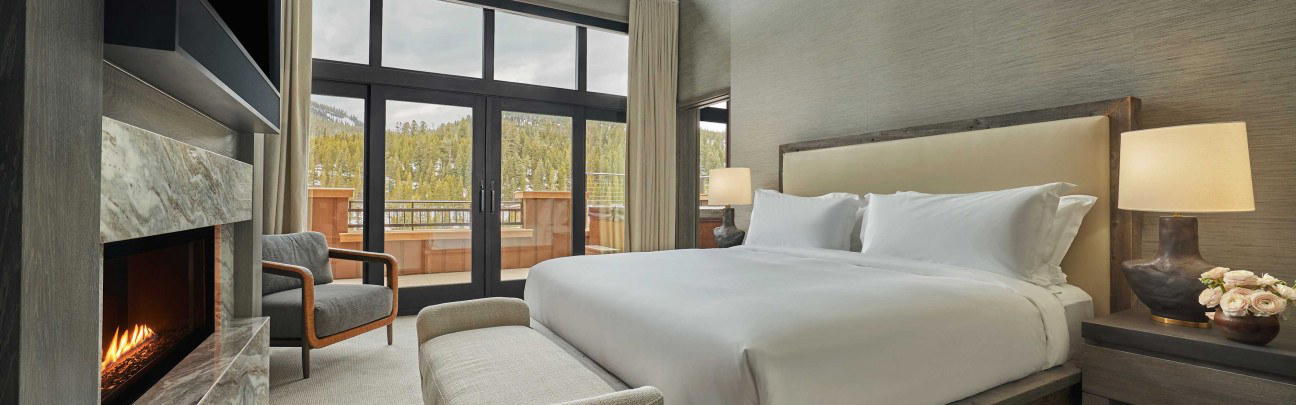
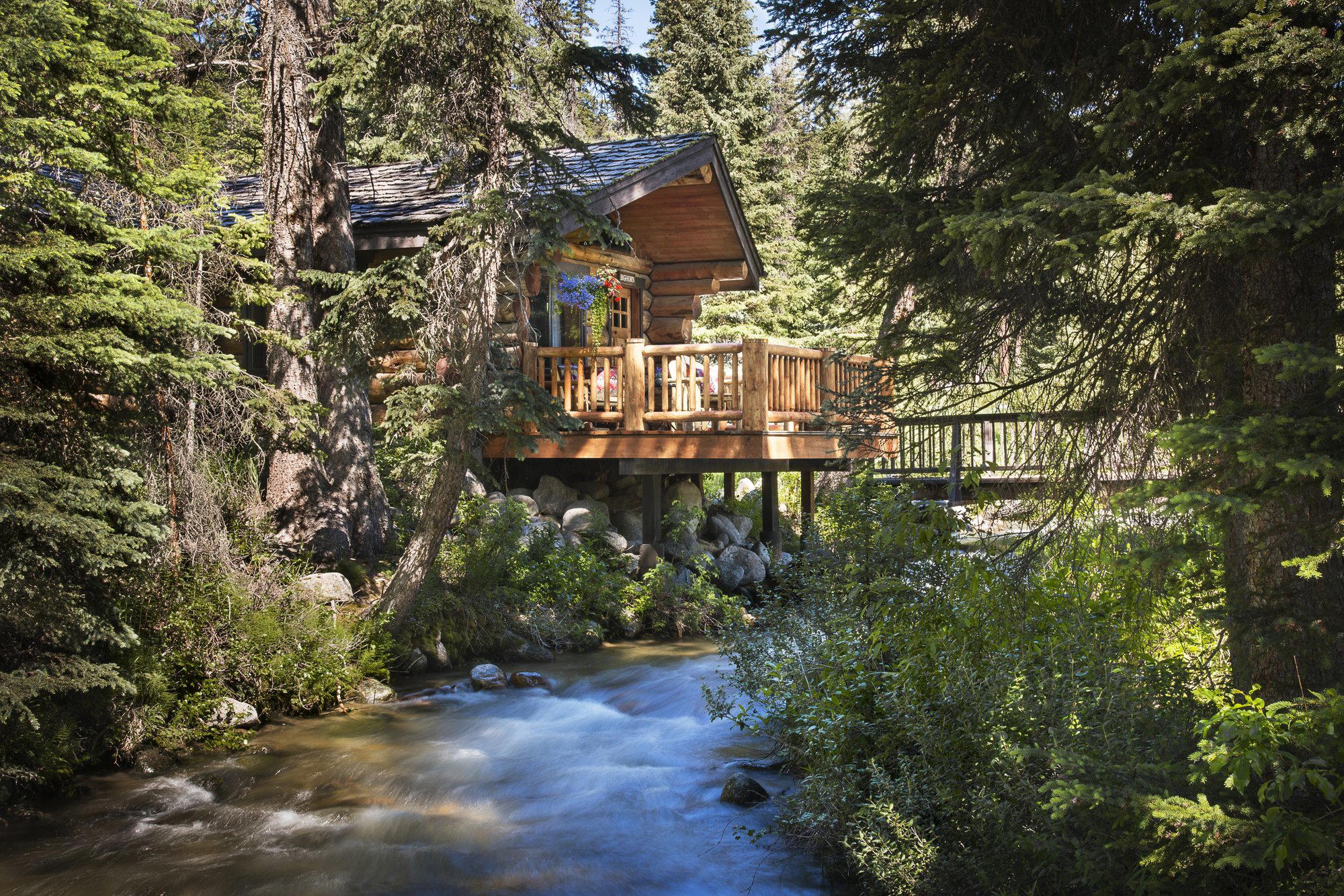
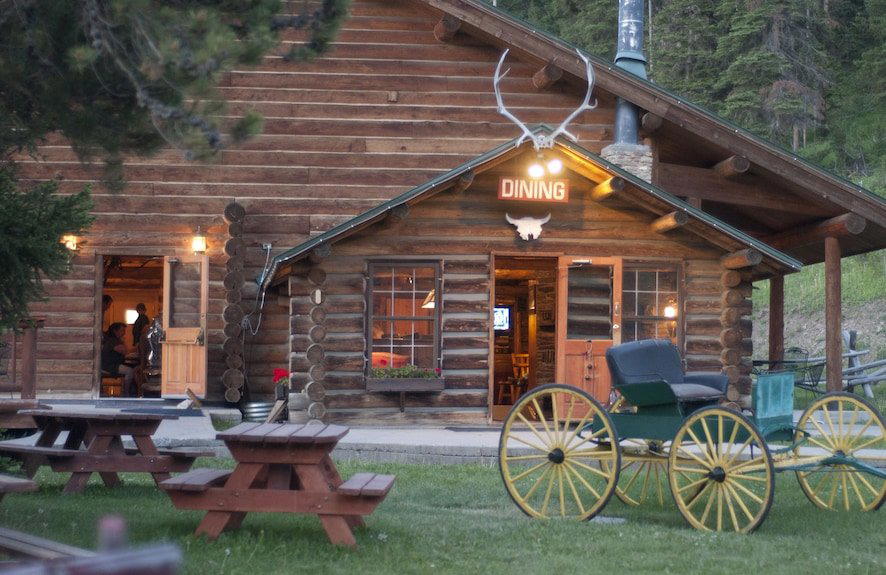
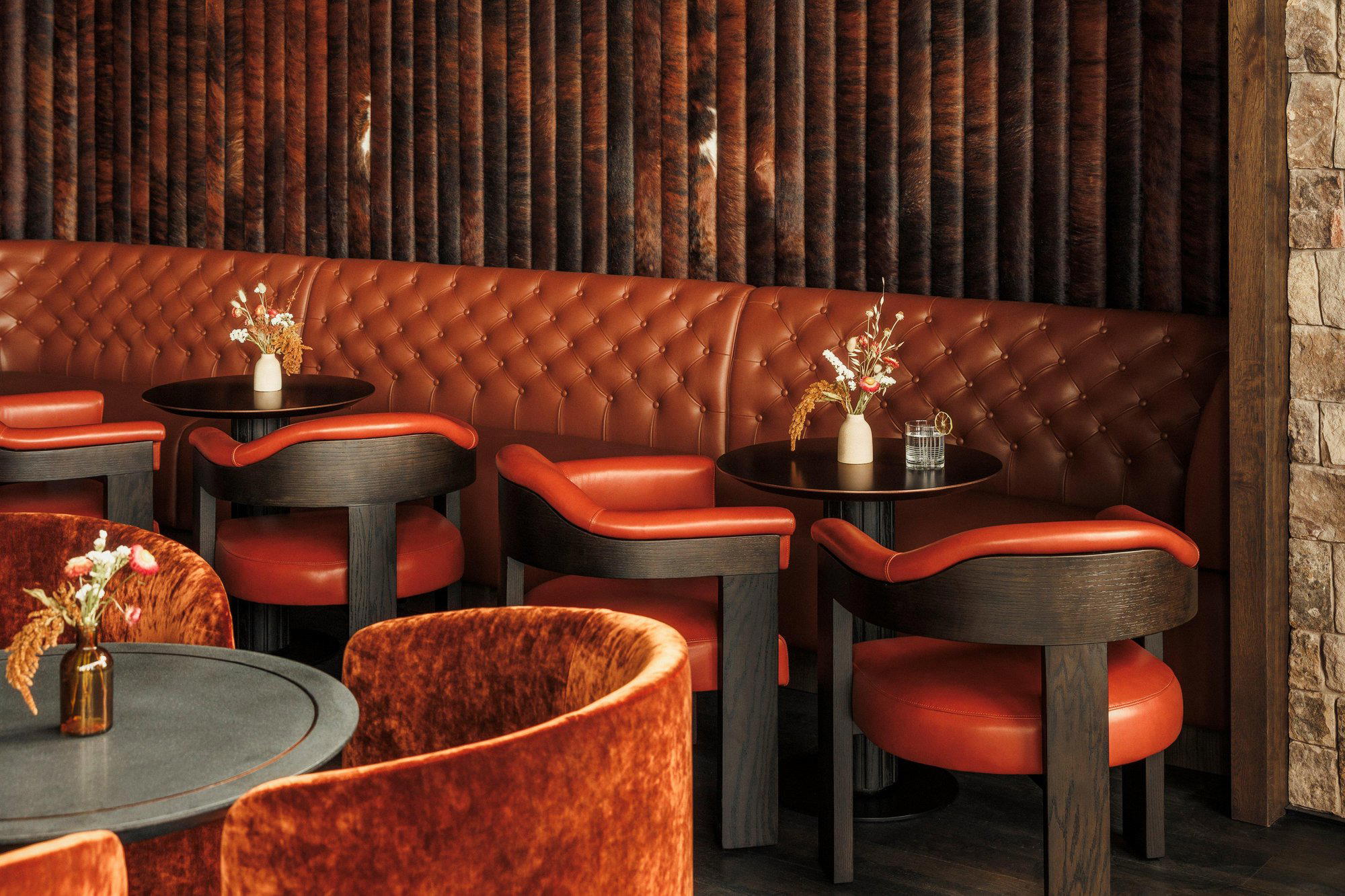
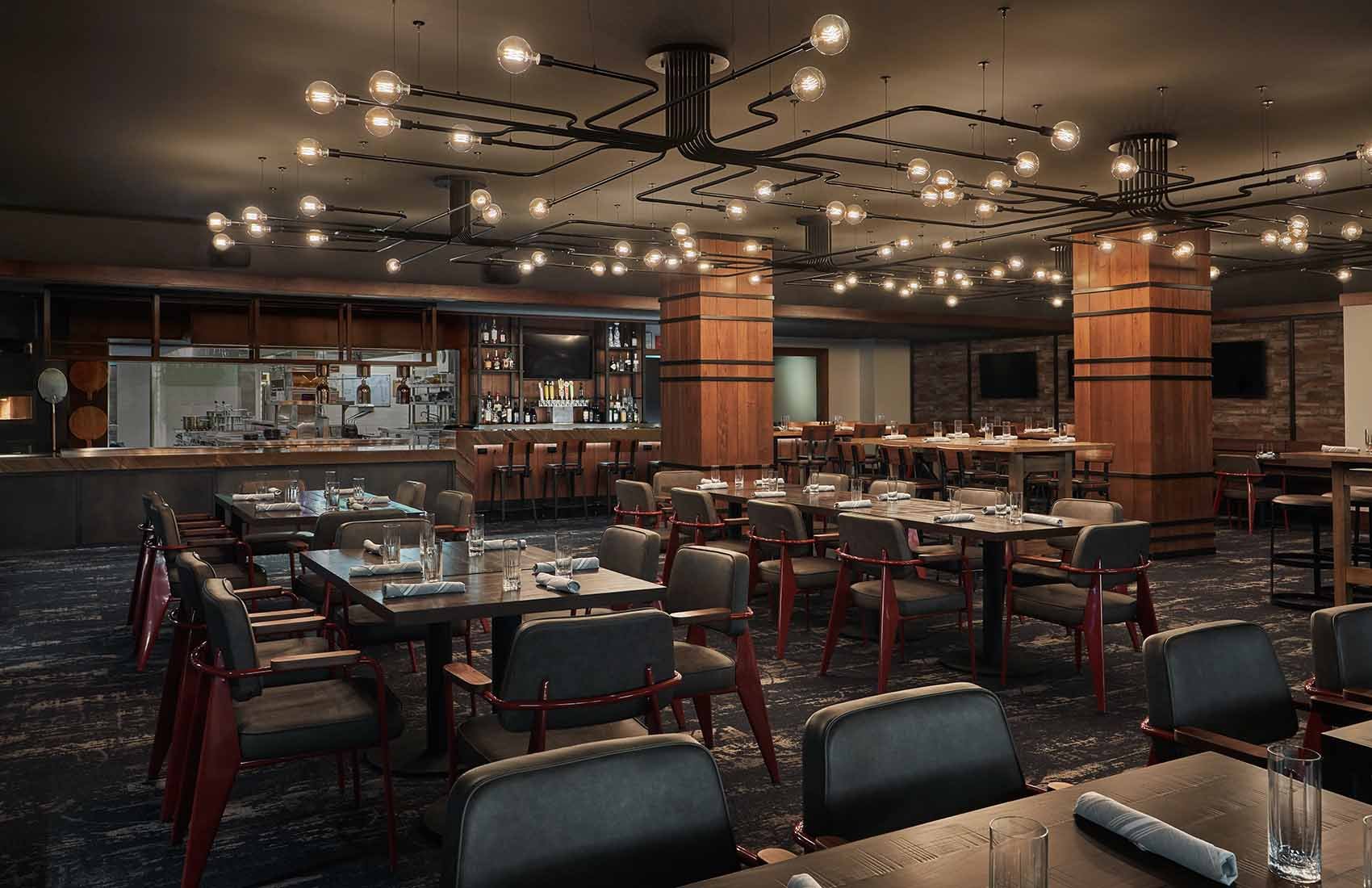
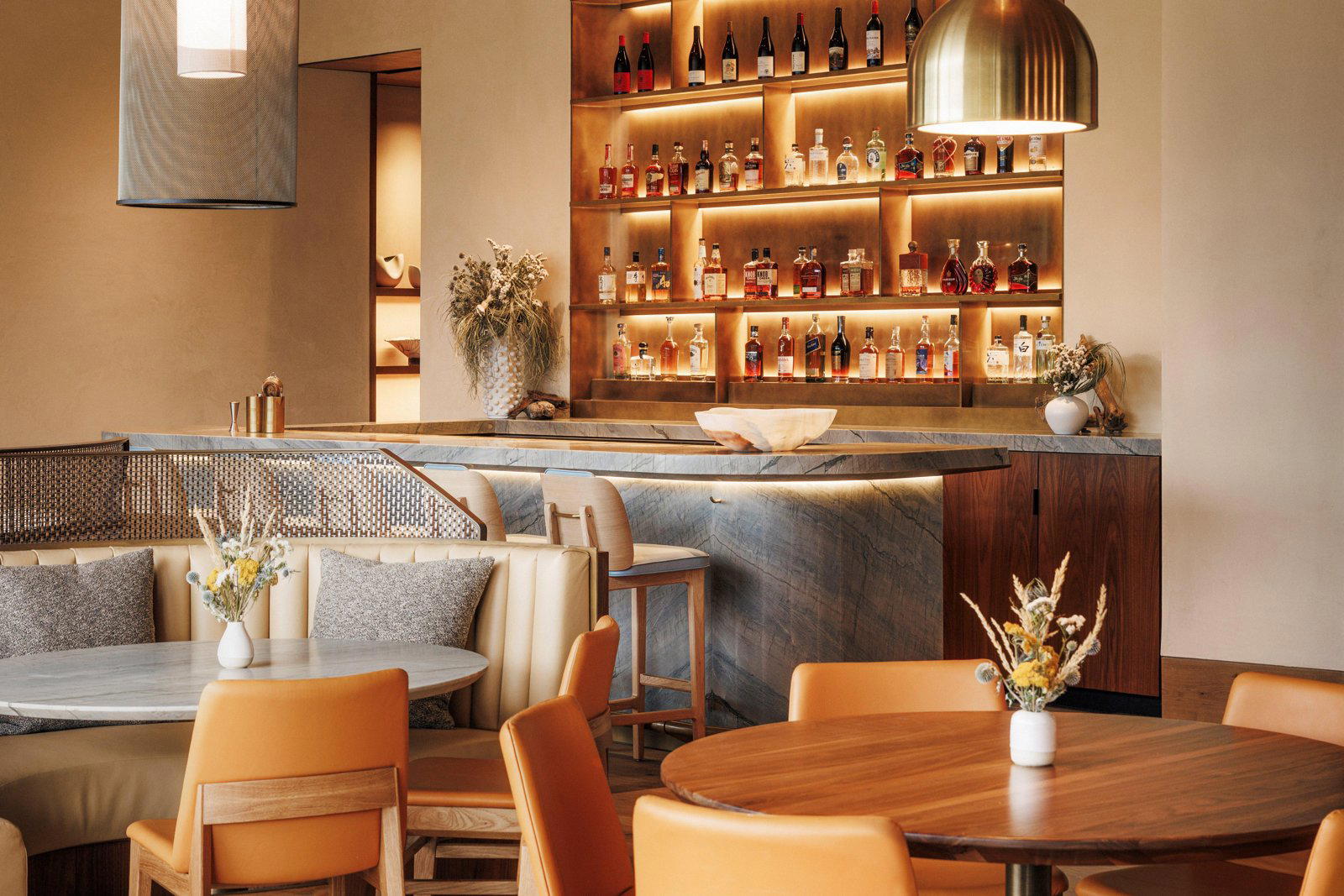
Serene mountain retreat featuring natural materials, fireplaces, and panoramic views, creating a revitalizing and romantic atmosphere.