Our verdict
The city sits at a crossroads between working-class tradition and a quietly emerging interest in sourced, regionally grounded food. For travelers looking beyond the predictable Rocky Mountain circuit, Butte Silver Bow rewards the kind of attention most visitors never give it.

Pearl is the En Primeur Club membership app — saves, bookings, and concierge access live there. Same editors, same standards.
- Address
- Montana
- Website
- co.silverbow.mt.us
- Directions
- Get directions
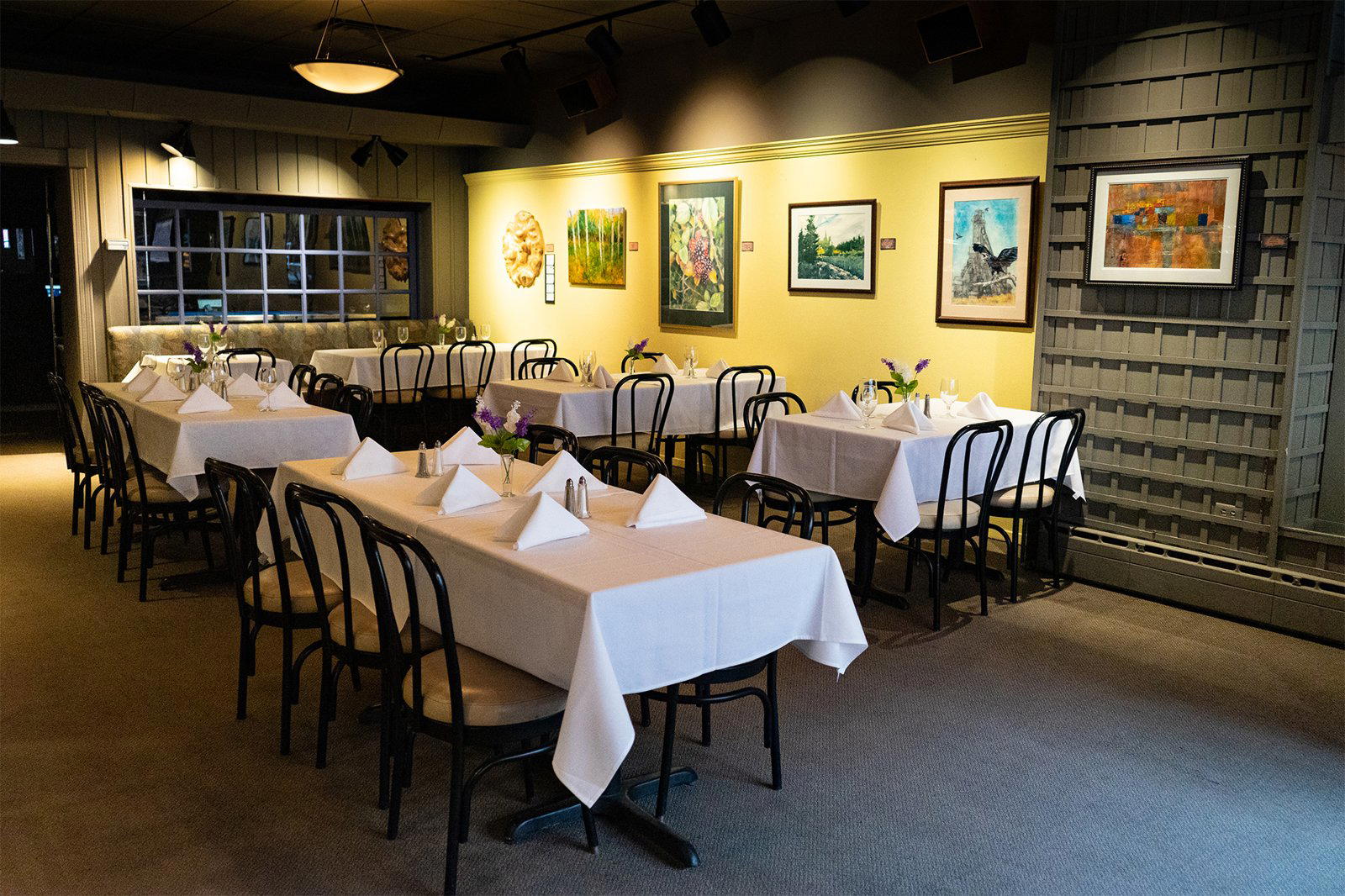
That plainness is not a limitation. Across the American West, the most credible farm-to-table programs tend to operate not in the cities with the longest tasting-menu waitlists but in the agricultural corridors where the supply chain is short enough to matter.enprimeurclub.com/restaurants/single-thread">Single Thread Farm in Healdsburg or Blue Hill at Stone Barns in Tarrytown spend considerable resources trying to replicate. In Butte, that proximity is simply geography.
The Sourcing Logic of a Mining Town
Understanding what Butte puts on a plate requires understanding what Butte is. The city built its identity on extraction, copper ore, primarily, and the labor culture that followed. That history left behind a working-class culinary tradition with strong Eastern European and Irish influences, the result of immigrant mining communities who settled here in the late nineteenth and early twentieth centuries. Pasties, a Cornish hand-pie adopted wholesale by Butte's mining workforce, remain a local reference point in the way that po'boys anchor New Orleans or deep-dish defines Chicago's popular self-image.
But layered over that foundation is a newer dynamic. The economics work differently here than in a market like San Francisco, where Lazy Bear or the broader Mission District dining scene competes aggressively for the same small pool of premium local product. In Butte, the competition is thinner, the ranches are closer, and the margins on sourcing locally can actually make financial sense for a small kitchen.
That structural reality shapes what independent operators in Butte can realistically put forward. A kitchen working with a rancher in the Deer Lodge Valley, sourcing trout from the Clark Fork watershed, or sourcing bison from one of the region's smaller heritage operations is not performing sustainability theater, it is responding to what is available and proximate. The editorial point matters: ingredient provenance in Butte carries different weight than it does in cities where local sourcing is a marketing designation rather than a logistical default.
Butte's Position on the Regional Dining Map
Butte Silver Bow does not position itself against the mountain West's better-known dining destinations. Bozeman has absorbed much of the state's food media attention over the past decade, fueled by resort-adjacent wealth and a younger demographic that expects polished restaurant formats. Missoula carries its university-town food culture with a broader range of independent operators. Butte sits apart from both, carrying a rougher civic identity that has kept it off the promotional circuit even as its dining scene has developed quietly.
For the traveler calibrated to the kind of sourcing-forward restaurant programs operating at the national level, the vegetable-centric rigor of Oyster Oyster in Washington, D.C., the hyper-regional ingredient discipline at Smyth in Chicago, or the farm-integrated model of Addison in San Diego, Butte offers something structurally different: informality with genuine supply-chain proximity. The ambition is not the same, and the execution is not polished to the same degree, but the underlying logic of eating close to the source is arguably more literal here than in any of those cities.
Among Butte's own local operators, Lydia's Supper Club represents a reference point in the city's longer-running dining history, the supper club format itself being a distinctly regional institution that has outlasted its mid-century moment in most American cities but persists here, functioning as a kind of social and culinary anchor for a community that values the ritual of a sit-down meal over the transactional speed of casual dining. For a broader survey of where Butte's table culture currently stands, our full Butte Silver Bow restaurants guide maps the range of operators across the city.
Broader Context: What American Regional Dining Learns from Places Like This
The national conversation about ingredient sourcing tends to concentrate on the programs with the most media visibility: The French Laundry in Napa, Le Bernardin in New York City, Providence in Los Angeles. These are kitchens where sourcing decisions are made at the level of named farms and documented provenance, and where that information becomes part of the dining room presentation. The credibility is real, but so is the infrastructure behind it, procurement teams, long-standing supplier contracts, and the volume to sustain those relationships.
In a smaller market like Butte, the mechanics look entirely different. A kitchen sourcing from a rancher forty miles away is not building a narrative, it is managing a supply situation. That distinction matters because it shifts the editorial frame: this is not a city where restaurants have adopted farm-to-table as a positioning strategy. It is a city where the alternative, trucking commodity product across significant distances, is often the less practical option.
The trajectory is worth watching. The same structural conditions that built sourcing-forward regional identities in places like Healdsburg, Boulder (see Frasca Food and Wine) or Denver (see The Wolf's Tailor) are present in Butte in less developed form. Whether local operators scale that into a more visible dining identity depends partly on investment, partly on the city's capacity to draw a traveler audience willing to seek out a place that does not market itself aggressively. Bert Mooney Airport serves the city with regional connections, though most visitors arriving by air route through Bozeman or Missoula. The city's compact historic uptown district, anchored by late-Victorian commercial architecture, concentrates most of its independent dining and bar options within walkable distance.
Frequently asked questions
What's Butte's location?
Butte is located at Montana, Butte Silver Bow.
How does Butte's elevation affect dining and food culture in Montana's Southwest?
Sitting at just over 5,700 feet — higher than Denver — Butte Silver Bow operates in a short growing season that shapes what local producers can reliably supply to area kitchens. This elevation and the city's distance from major distribution hubs has historically pushed Butte's food culture toward preserved, cured, and hearty preparations rather than the market-fresh approach common in lower-altitude Western cities. It is a practical constraint that becomes a culinary characteristic.
What's the must-try dish at Butte?
Butte's food identity is shaped by its working-class mining-town history more than any single signature plate. The pasty — a hand-held pastry filled with meat and root vegetables, brought to Montana by Cornish miners in the 19th century — is the dish most closely tied to Butte Silver Bow's cultural record. Specific current menu offerings at individual venues are best confirmed directly with the restaurant before visiting.
Is Butte reservation-only?
Reservation policies across Butte Silver Bow vary by venue and are not consolidated in a single public directory. Smaller dining rooms in cities of this size (Butte's population sits around 34,000) tend to accept walk-ins on weekday evenings, with weekends filling faster. Contacting individual restaurants directly before arrival is the most reliable approach.
What do critics highlight about Butte?
The conversation around Butte tends to focus less on individual chef profiles and more on the city's sourcing geography — proximity to Montana ranch country gives local tables access to beef, game, and produce that larger markets pay premiums to import. Butte Silver Bow has not accumulated the media coverage that Bozeman or Missoula attract, which means the dining scene operates largely outside the national food press cycle.
Do they accommodate allergies at Butte?
Standard practice at Montana regional restaurants is to flag dietary requirements when booking or on arrival, though dedicated allergy protocols vary considerably by kitchen. Direct confirmation with your chosen venue before visiting is advisable.
How It Stacks Up
| Venue | Cuisine | Price | Awards | Notes |
|---|---|---|---|---|
| ButteThis venue — the venue you are viewing | Butte Pasty | Not listed | Not listed | Not listed |
| Le Bernardin | French Seafood Fine Dining | $300–500 | 3 Michelin Stars · World's 50 Best #13 | French, Seafood |
| Lazy Bear | Modern American Tasting Menu | Not listed | 2 Michelin Stars · World's 50 Best #25 | Progressive American, Contemporary |
| Atomix | Modern Korean Tasting Menu | $300–500 | 2 Michelin Stars · World's 50 Best #7 | Modern Korean, Korean |
| Per Se | French Fine Dining Tasting Menu | $300–500 | 3 Michelin Stars · World's 50 Best #40 | French, Contemporary |
| Masa | Traditional Japanese Omakase | $500+ | 2 Michelin Stars · World's 50 Best #27 | Sushi, Japanese |
Continue exploring
More in Butte Silver Bow
Restaurants in Butte Silver Bow
Browse all →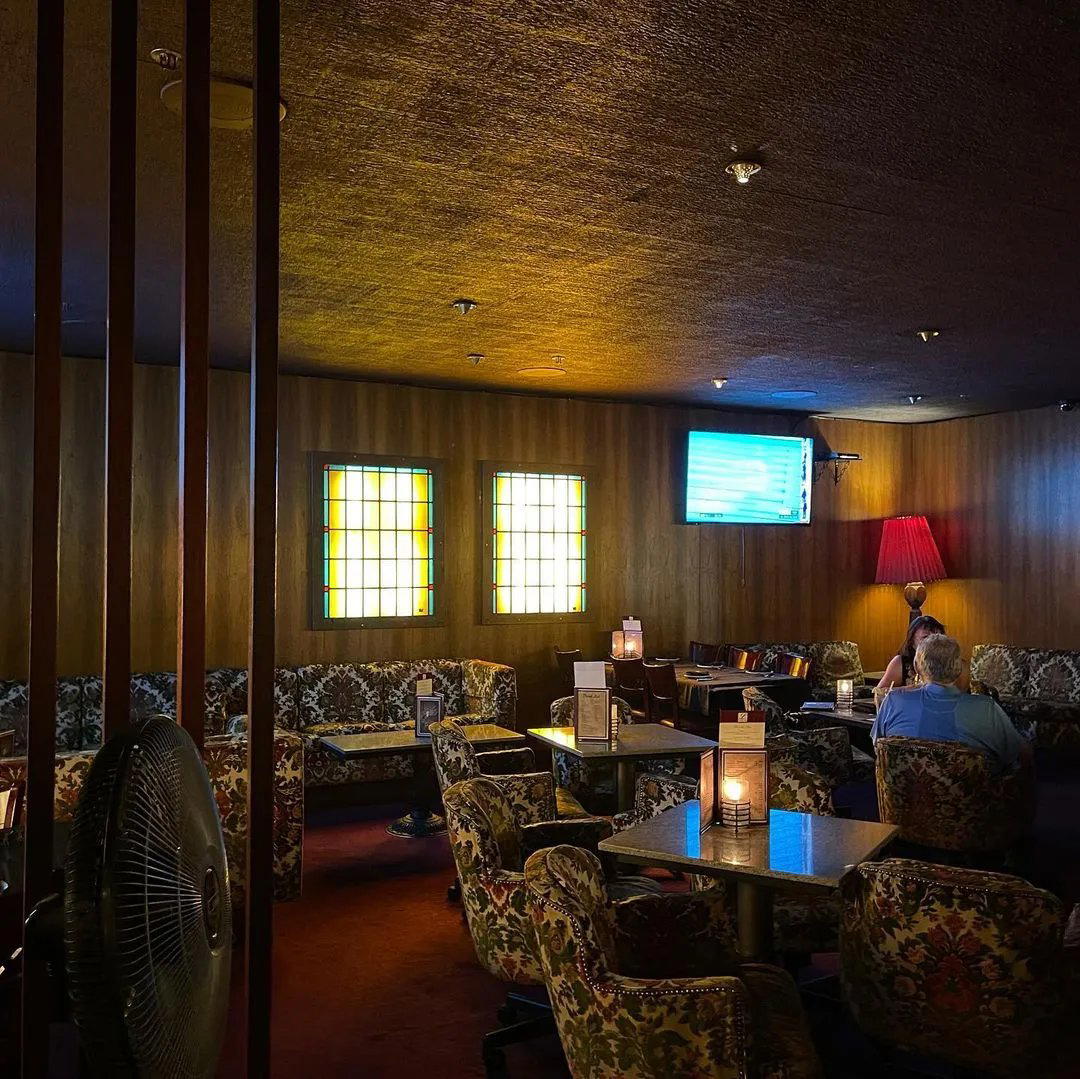
Bars in Butte Silver Bow
Browse all →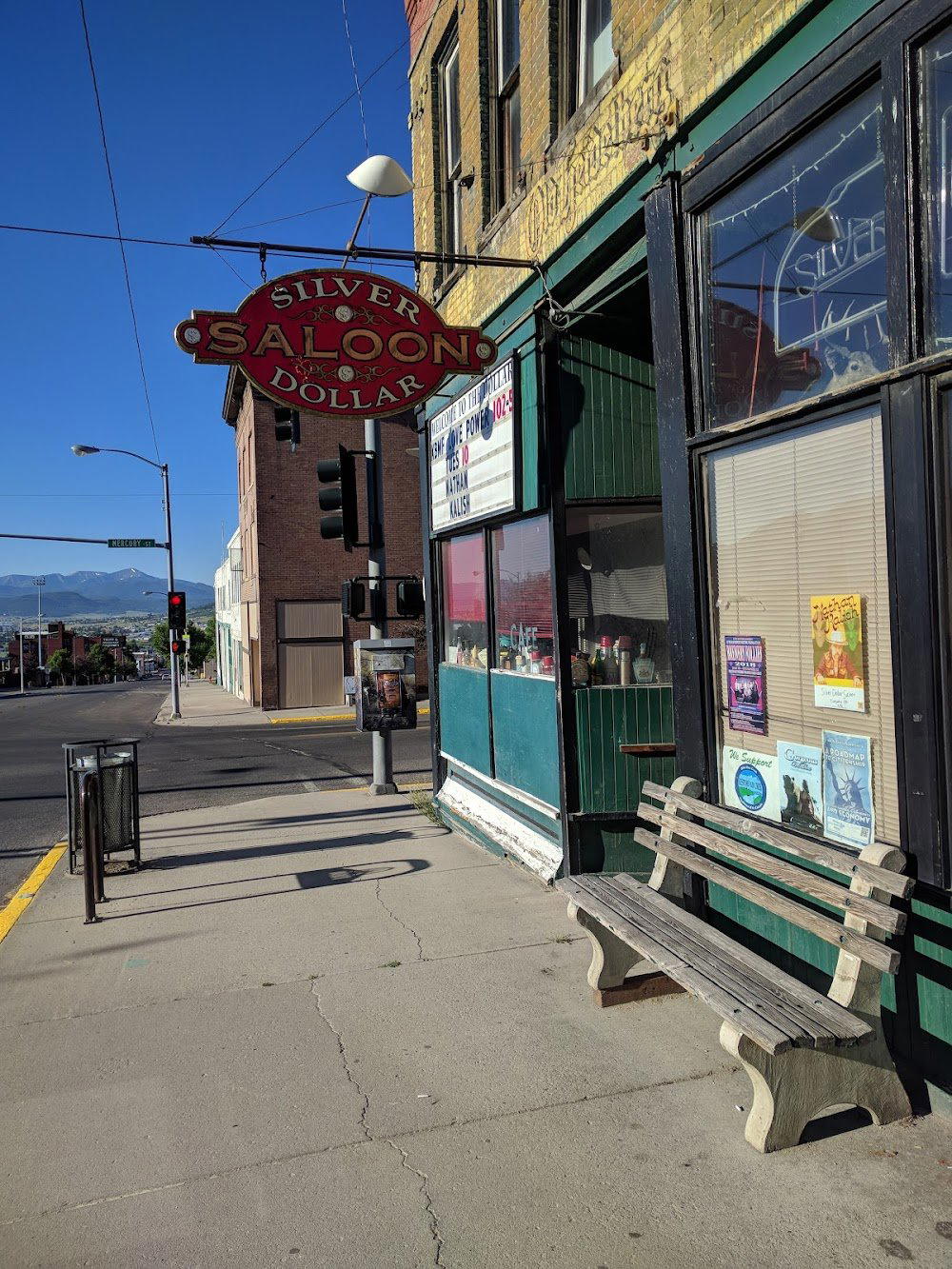
Details
- Rustic
- Cozy
- Casual Hangout
- Family
- Historic Building
- A La Carte
Cozy and casual with a nostalgic, historic mining town feel.