L'évêché
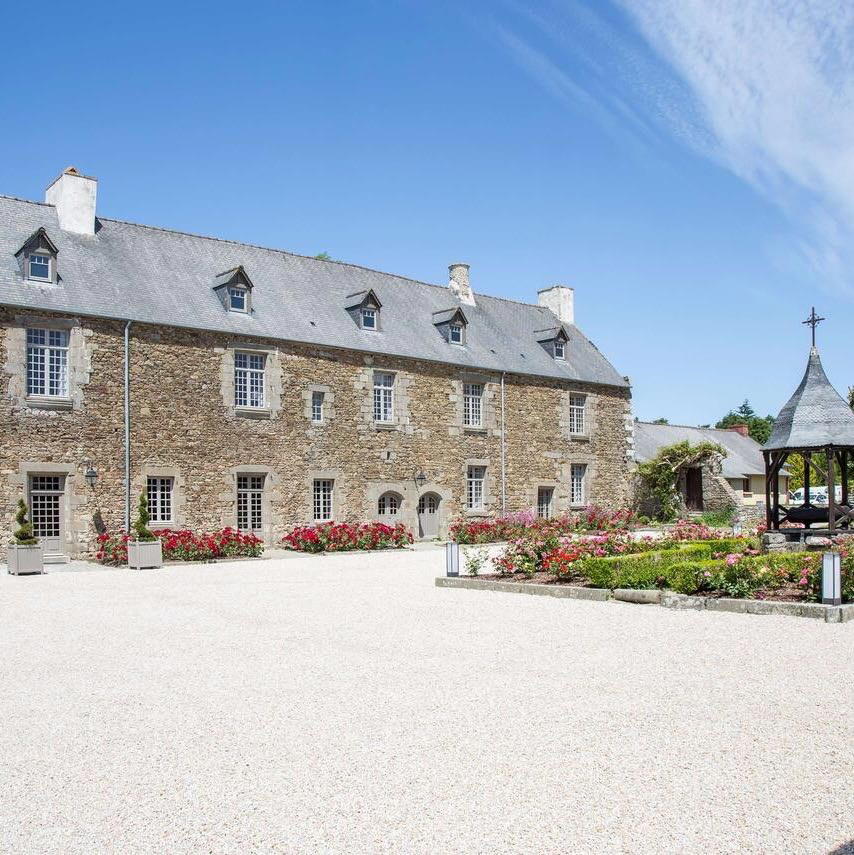
Set within the medieval walls of Dol-de-Bretagne, L'évêché occupies a building on Rue Ceinte that carries the weight of the town's episcopal past. The kitchen draws on Brittany's dense larder: coastal produce, inland farms, and the seasonal rhythms that define northern French regional cooking. For travellers passing through one of Brittany's most historically layered market towns, it is a serious local address.
Pearl is the En Primeur Club membership app — saves, bookings, and concierge access live there. Same editors, same standards.
- Address
- 21 Rue Ceinte, 35120 Dol-de-Bretagne, France
- Phone
- +33299484055
- Website
- levecherestaurant.com
- Directions
- Get directions
 Saves & bookings on Pearl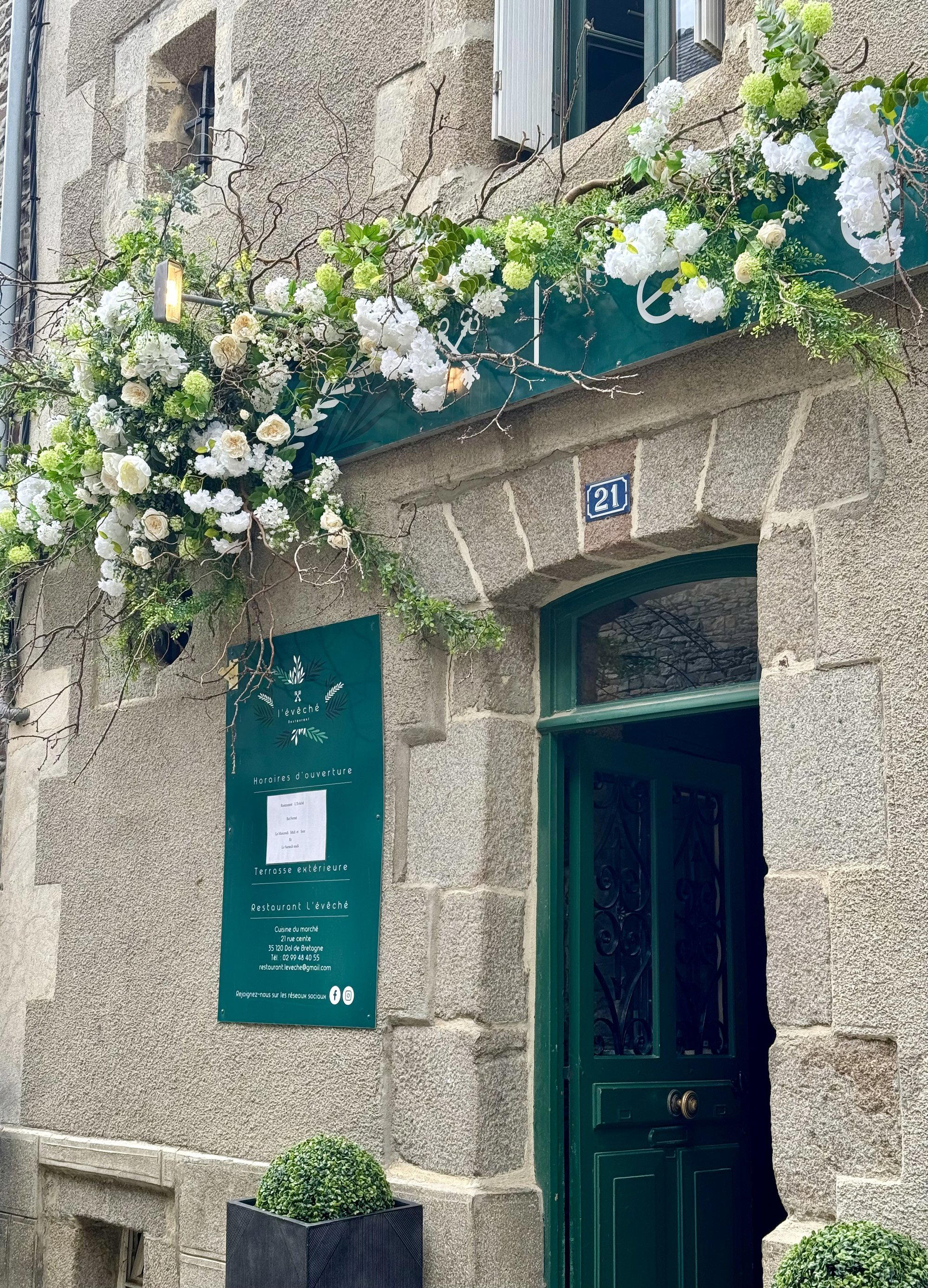
A Medieval Town Built Around Its Table
L'évêché is a Traditional French Bistro in Dol-de-Bretagne, France. Dol-de-Bretagne is not a place that announces itself loudly. The town sits inland from the Mont-Saint-Michel bay, its cathedral and rampart walls suggesting centuries of ecclesiastical weight rather than tourist infrastructure. Rue Ceinte, where L'évêché occupies number 21, runs along the line of the old city walls, and the physical address alone signals the kind of deep-rooted, slow-accumulation character that defines this corner of Ille-et-Vilaine. Restaurants in towns like this do not survive on passing trade; they survive because they are genuinely useful to the people who live there and compelling enough to draw those who make the detour.
That context matters for understanding what L'évêché is and is not. It is not a destination restaurant in the sense that Mirazur in Menton or Alléno Paris au Pavillon Ledoyen in Paris are destinations: places that reorganise a trip around themselves. Instead, it belongs to a category of French regional restaurant that France does better than anywhere else, the honest, place-rooted table that reflects a specific terrain through the food it serves. Dol-de-Bretagne sits within reach of both the coast and the bocage, and any kitchen here with genuine ambition works from both of those realities.
What Brittany's Larder Actually Means
Brittany's produce profile is not sentimental. The region produces some of France's most consistently referenced ingredients: oysters and clams from the Cancale beds a short distance north, salt-marsh lamb from the polders around Mont-Saint-Michel bay, cauliflower and artichokes from the Léon peninsula further west, and dairy output from the inland bocage that has long fed both local tables and Parisian supply chains. The coastline within reach of Dol-de-Bretagne, specifically the arc running from Cancale through Saint-Malo, is among the more productive shellfish zones in Europe. A kitchen on Rue Ceinte that sources intelligently is working with material that serious restaurants in Paris pay considerable logistics costs to access.
This is the framing that matters for L'évêché. Northern Brittany's produce profile means that a well-run local table has a sourcing advantage over its urban equivalents, not through novelty, but through proximity. The same principle applies at addresses like Bras in Laguiole or Auberge du Vieux Puits in Fontjoncouse, where geographic specificity becomes the menu's primary argument. The difference in Brittany is that the density of quality ingredients within a compact radius is unusually high, which sets the floor for what regional cooking here can achieve.
The Town as Context
Dol-de-Bretagne is one of the smaller stopping points on the Breton circuit, but its medieval cathedral, a listed monument that drew pilgrims on the route toward Mont-Saint-Michel, gives the town a gravitational pull disproportionate to its size. Arriving on a market day, the old granite streets fill with producers from the surrounding communes, a visible supply chain that makes the connection between land and table unusually legible. It is the kind of town where a restaurant on the historic street line carries a social function as well as a culinary one: civic anchor, weekly ritual, and keeper of the local table.
For travellers plotting a northern Brittany itinerary, Dol-de-Bretagne tends to appear between Saint-Malo and Mont-Saint-Michel rather than as a terminus in itself. That positioning actually works in the restaurant's favour: the town rewards a slower pass, and a meal here reorients the day away from the spectacle of the bay and toward something more durable and local. If you are building a broader French dining context for the trip, addresses like Christopher Coutanceau in La Rochelle or Auberge de l'Ill in Illhaeusern represent the benchmark tier for French regional cooking with formal recognition; the restaurant operates in the quieter register below that tier, where the room is smaller and the proposition is more local.
Where L'évêché Sits in the Dol-de-Bretagne Picture
Within Dol-de-Bretagne itself, DAMES is the other address worth tracking, and the two restaurants serve somewhat different functions in the town's limited dining map. The presence of two committed tables in a town of this size is notable and reflects a broader pattern across Brittany, where historic market towns have retained a dining culture that bypasses the resort-and-tourist trap dynamics visible elsewhere on the French Atlantic coast.
Comparison restaurants at the formal end of French regional cooking, Georges Blanc in Vonnas, Assiette Champenoise in Reims, L'Oustau de Baumanière in Les Baux, operate with full award infrastructure and prices that reflect it. The restaurant belongs to a different, less formalised layer of French restaurant culture: the kind of address that sustains a town's culinary identity between the landmark events, without the apparatus of starred recognition. That layer is, where most of France's actual eating happens, and where the country's regional food traditions are most faithfully preserved.
Planning a Visit
Dol-de-Bretagne is accessible by TGV from Paris Montparnasse to Dol station, with the journey running approximately two and a half hours; the restaurant on Rue Ceinte is a short walk from the station through the medieval centre. For those driving the Saint-Malo to Mont-Saint-Michel corridor, the town sits directly on the D155 and warrants the stop. Reservations are recommended, and the restaurant's opening pattern is Monday 12-2 PM and 7-9 PM, Tuesday 12-2 PM, Wednesday closed, Thursday 12-2 PM and 7-9 PM, Friday 12-2 PM and 7-9 PM, Saturday 7-9 PM, and Sunday 12-2 PM and 7-9 PM. As with most serious small-town French tables, advance reservation is the sensible move, particularly for weekend lunch in the summer months when the Mont-Saint-Michel corridor draws higher visitor numbers.
For a wider picture of French fine dining, addresses from Troisgros in Ouches to Paul Bocuse in Collonges-au-Mont-d'Or, and internationally from Le Bernardin in New York City to AM par Alexandre Mazzia in Marseille and Atomix in New York City. The restaurant sits in a quieter register from all of those, which is precisely its function in a Breton itinerary built on terrain and season. Flocons de Sel in Megève and Au Crocodile in Strasbourg each demonstrate how France's regional dining culture can carry award-level ambition; the restaurant is the quieter, less-documented end of the same tradition.
Comparable Spots, Quickly
Comparable venues nearby, for context on price, style, and recognition.
| Venue | Cuisine | Price | Awards | Notes |
|---|---|---|---|---|
| L'évêchéThis venue — the venue you are viewing | Traditional French Bistro | $$$ | Not listed | Not listed |
| DAMES | Modern French | $$$ | Michelin Plate | Dol-de-Bretagne |
| Le Gorille Bleu | French Bistronomie | $$$ | Not listed | Centre-ville |
| Les Embruns | Traditional French Seafood | $$$ | Not listed | Sillon |
| L'Épicurien | Contemporary French Bistro | $$$ | Not listed | Sulniac |
| Manoir Le Quatre Saisons | Traditional French Bistro | $$$ | Not listed | Saint-Brieuc |
Continue exploring
More in Dol-de-Bretagne
Restaurants in Dol-de-Bretagne
Browse all →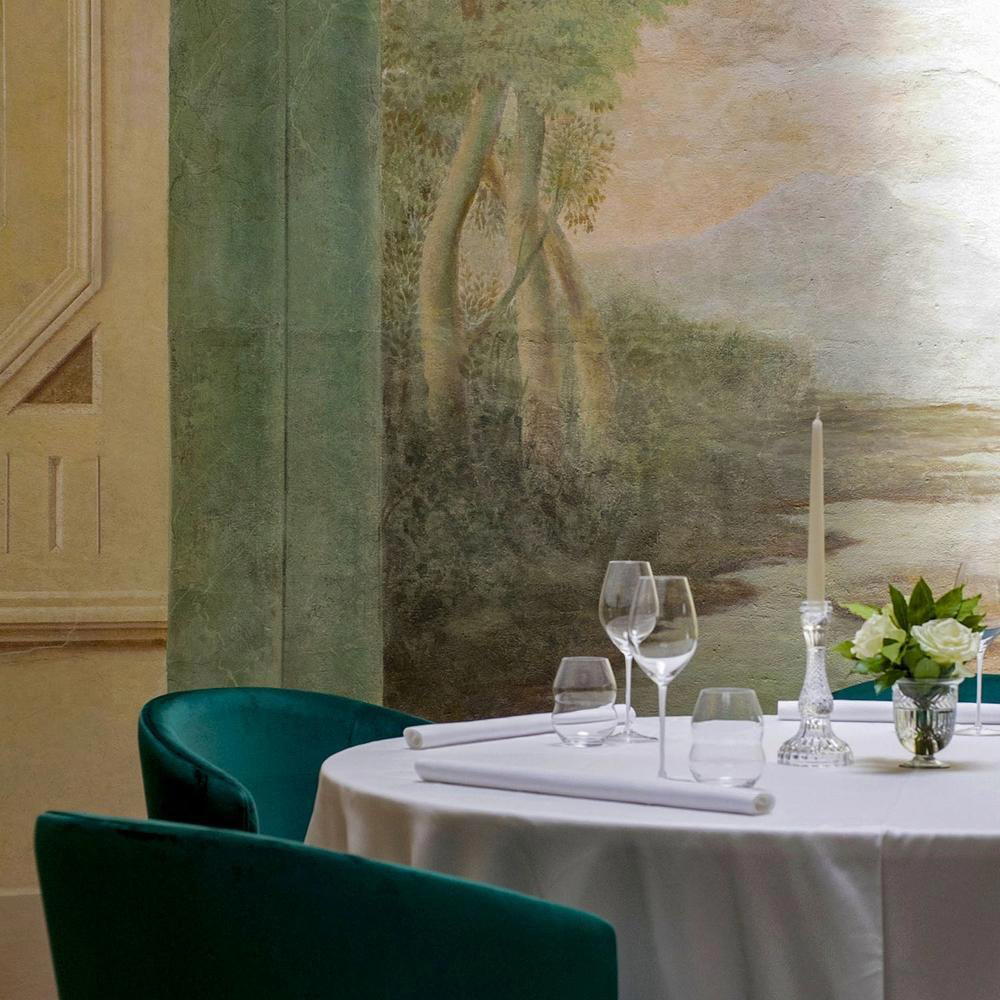
At a Glance
- Classic
- Elegant
- Cozy
- Intimate
- Date Night
- Business Dinner
- Group Dining
- Celebration
- Private Event
- Courtyard
- Private Dining
- Historic Building
- Garden
- Beer Program
- Local Sourcing
- Farm To Table
- Garden
Current opening hours
- Monday
- 12–2 PM, 7–9 PM
- Tuesday
- 12–2 PM
- Wednesday
- Closed
- Thursday
- 12–2 PM, 7–9 PM
- Friday
- 12–2 PM, 7–9 PM
- Saturday
- 7–9 PM
- Sunday
- 12–2 PM, 7–9 PM
Hours can change for holidays and private events. Last verified .
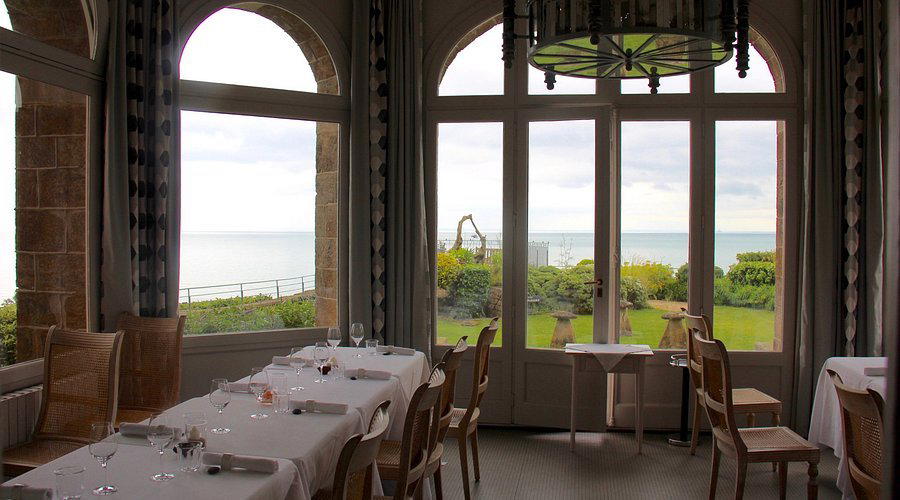
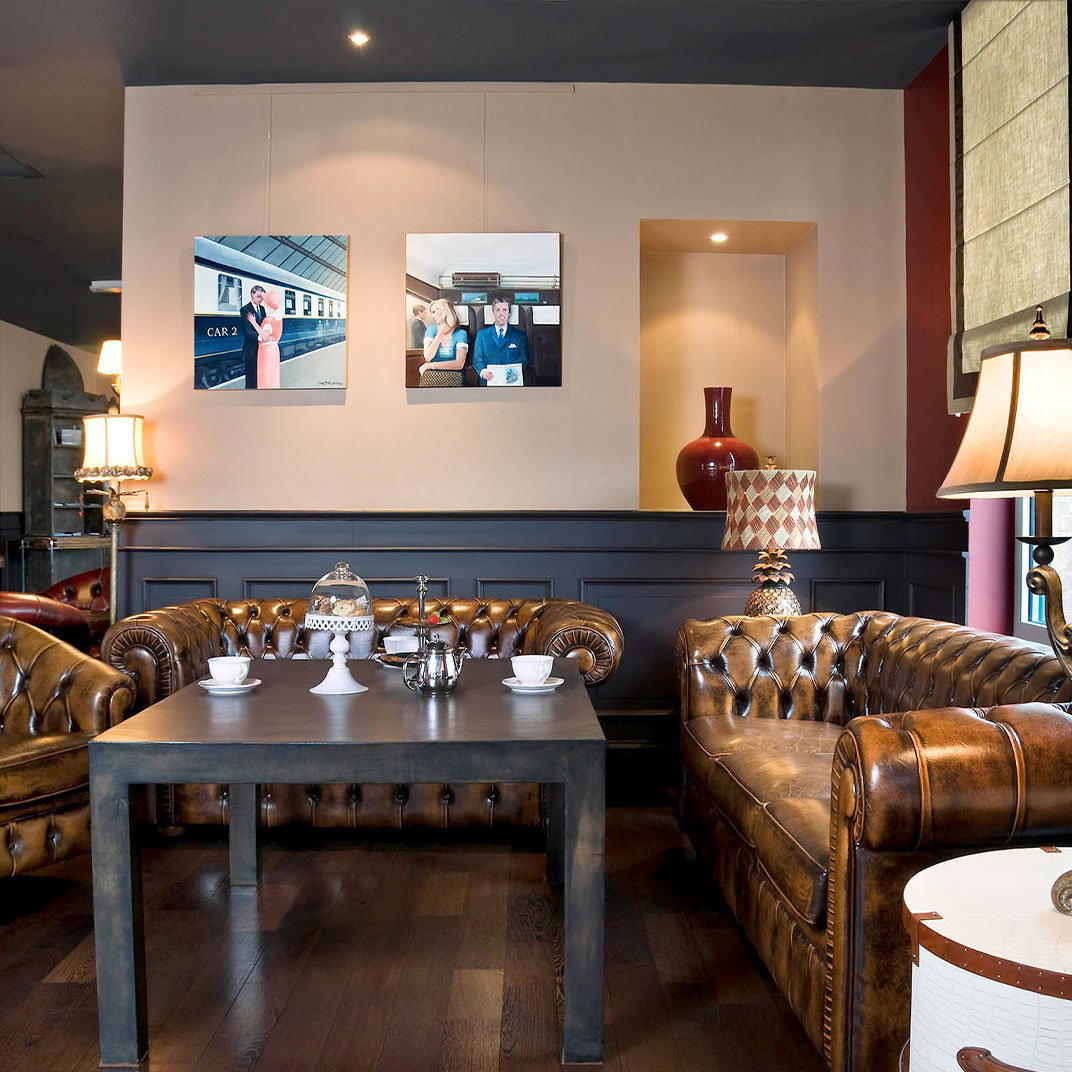
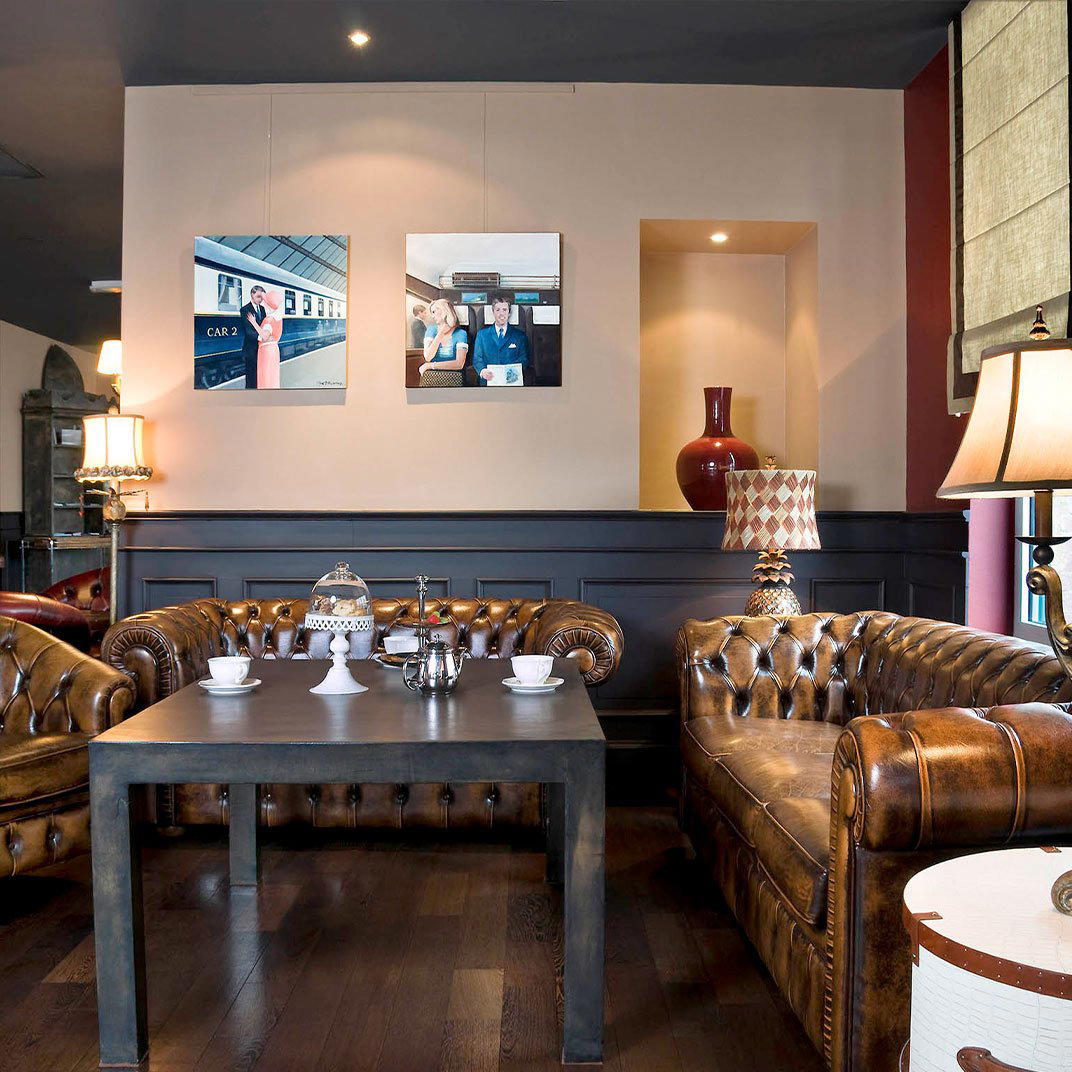
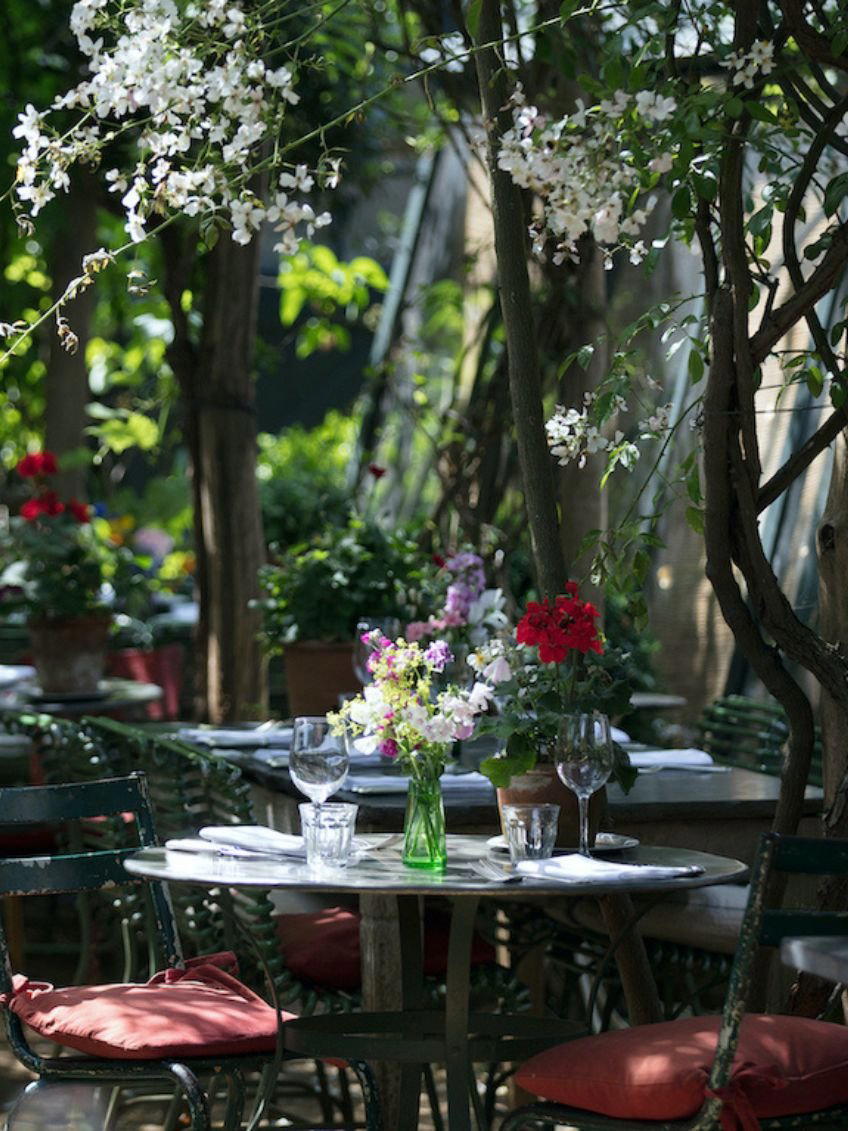
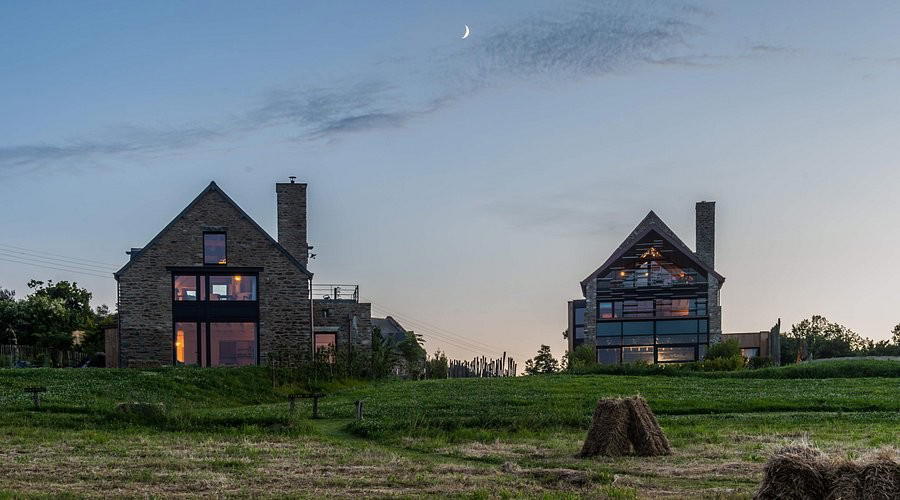
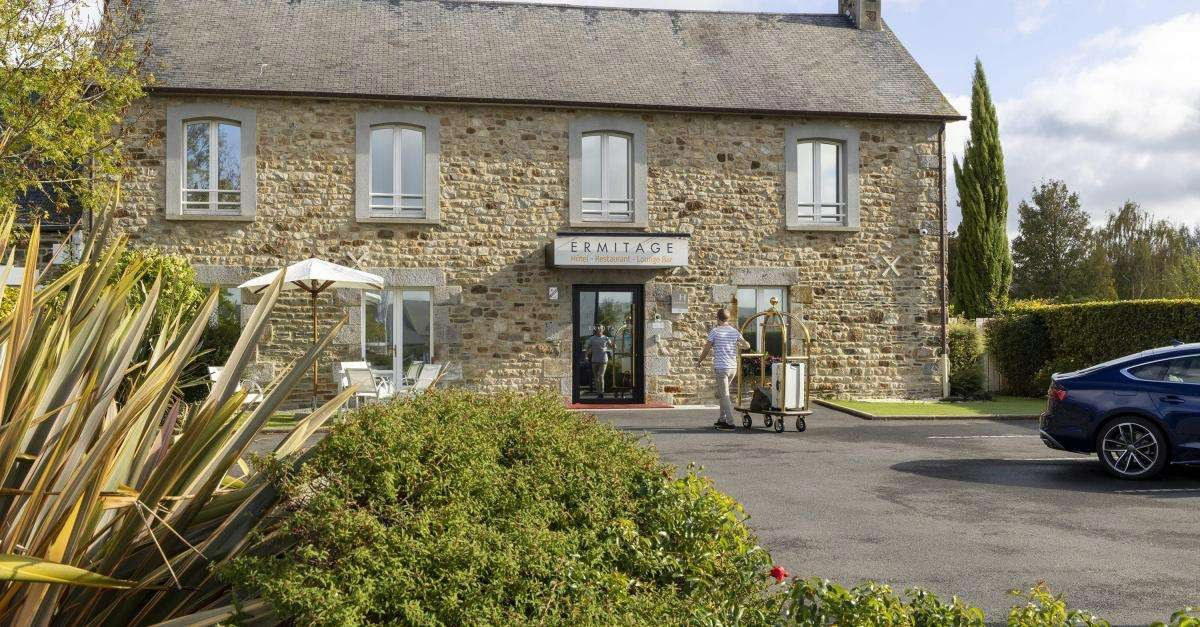
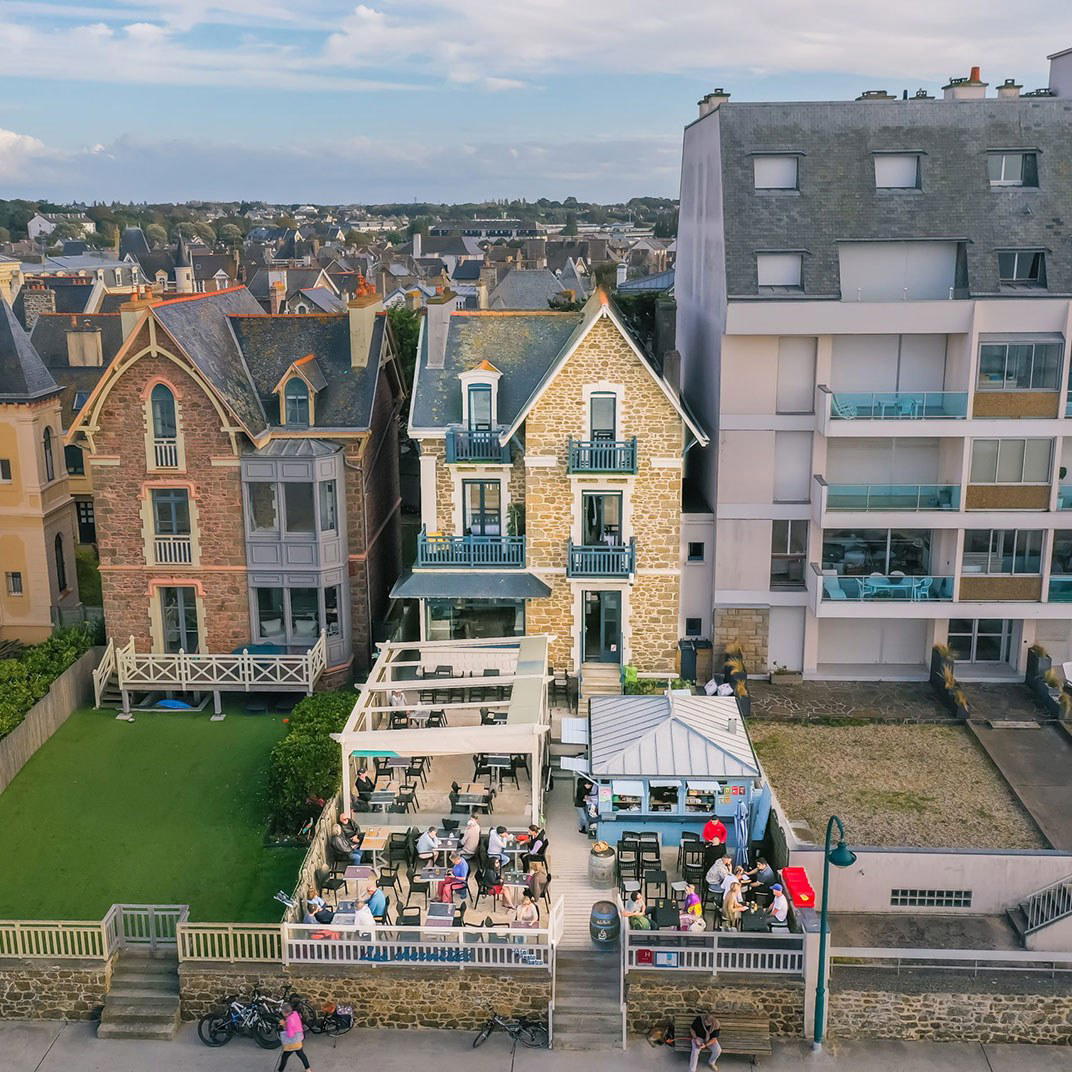
Warm and refined atmosphere in a historic setting with natural lighting from the courtyard; intimate and welcoming ambiance enhanced by the vegetalized private courtyard space.