L'Épicurien sits on the church square in Sulniac, a quiet commune in Morbihan where the rhythm of rural Brittany still shapes what ends up on the plate. The address places it firmly within the tradition of French village restaurants that draw on immediate surroundings rather than imported prestige. For travellers crossing inland Brittany, it functions as a useful waypoint for understanding how provincial French cooking operates at the neighbourhood level.
Pearl is the En Primeur Club membership app — saves, bookings, and concierge access live there. Same editors, same standards.
- Address
- 15 Pl. de l'Église, 56250 Sulniac, France
- Phone
- +33297531376
- Website
- m.facebook.com
- Directions
- Get directions
 Saves & bookings on Pearl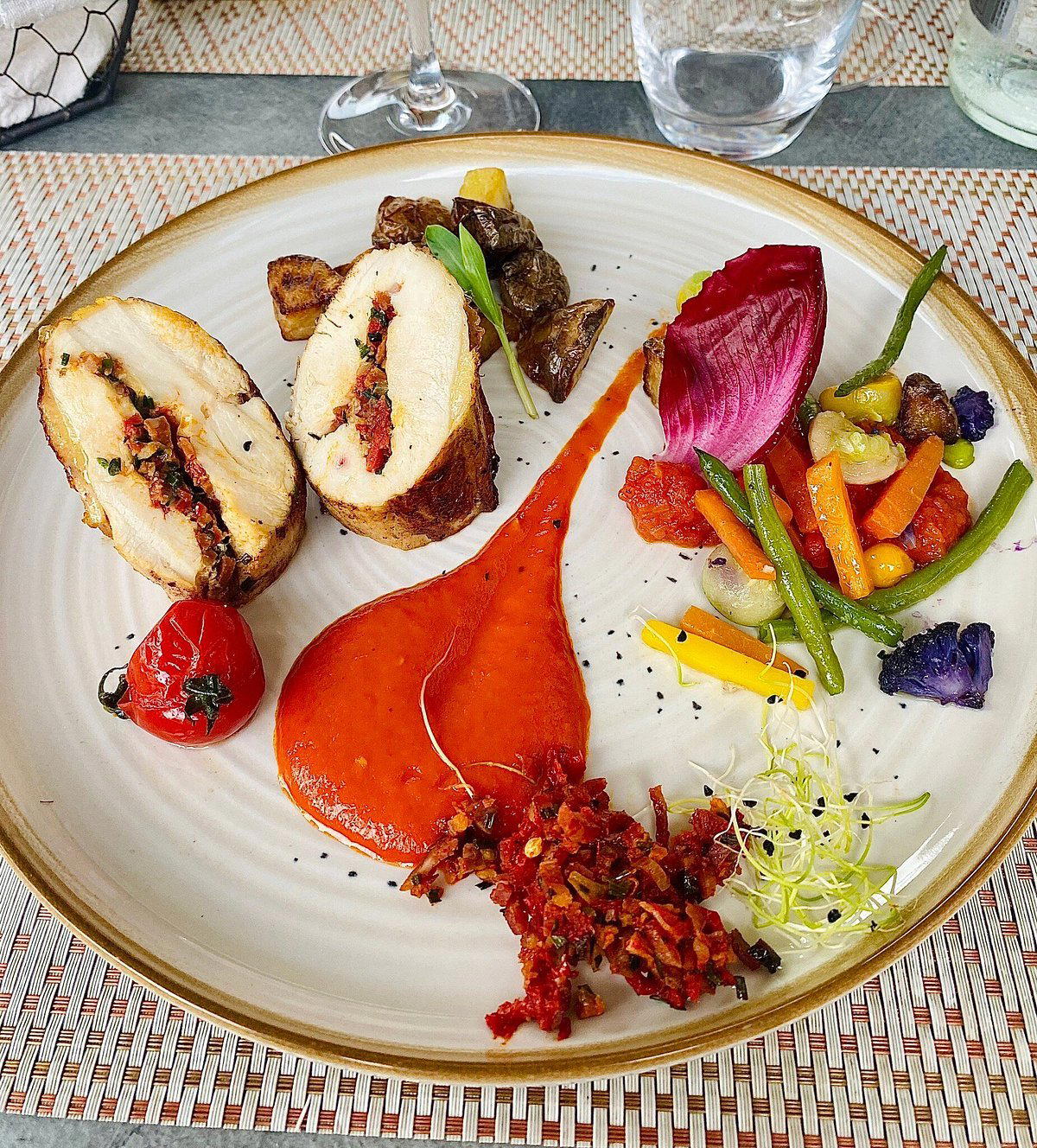
A Village Square, a Province, and the Food That Connects Them
The church squares of rural Brittany operate on a different logic from the dining rooms of Paris or Lyon. In Sulniac, a commune of around 4,000 people in the Morbihan département, the square in front of the église defines the social gravity of daily life. L'Épicurien sits at 15 Place de l'Église, directly on that square, and the address is not incidental. Restaurants that occupy these positions in French villages tend to function as anchors for the surrounding community rather than destinations engineered for passing trade, and that distinction shapes everything from sourcing to service pacing.
Inland Brittany, which extends south and east from the better-known coastal corridor between Saint-Malo and Quiberon, receives far less attention than the oyster beds of Cancale or the fishing ports that supply places like Christopher Coutanceau in La Rochelle and La Marine in Noirmoutier-en-l'île. But the interior has its own agricultural identity: Breton lamb, buckwheat, cider-country apple varieties, and a charcuterie tradition that predates the region's current seafood reputation. A restaurant rooted in this geography is working from a different, and more demanding, pantry than one with daily access to Atlantic landings.
Ingredient Geography: Why Morbihan's Interior Matters
Morbihan is a département that moves from the Gulf of Morbihan's tidal estuary system in the south to a broad agricultural plateau inland. That transition zone produces ingredients that coastal restaurants rarely prioritise: root vegetables with genuine terroir character, heritage poultry breeds, and dairy from herds grazing pastures that are a long way from tourist circuits.
The tradition of sourcing close to the kitchen is, across France, undergoing a kind of reassessment. In the era of starred restaurants positioning themselves against international peers, places like Mirazur in Menton built reputations partly on hyper-local growing programmes, while Bras in Laguiole has long made the Aubrac plateau's wild herbs and grasses central to its identity. At the village level, that same logic applies without the infrastructure of a destination property behind it. A restaurant on a Morbihan church square that takes its ingredients from the surrounding agricultural commune is operating on the same philosophical axis as those landmark addresses, just at a different scale and without the recognition machinery.
For readers calibrating where L'Épicurien sits relative to France's formal dining hierarchy, the useful comparison is not Alléno Paris au Pavillon Ledoyen or Assiette Champenoise in Reims. The relevant comparable set is the ecosystem of French provincial restaurants that function as genuine expressions of their communes rather than as vehicles for chef biography or tasting-menu theatre. That category includes addresses like Auberge du Vieux Puits in Fontjoncouse, which operates from an equally remote agricultural setting in the Aude, or Georges Blanc in Vonnas, which has made a Bresse village its operational base for generations.
The Context of French Village Dining
France's village restaurant tradition is among the more durable formats in European hospitality. The formula, essentially a fixed address serving a local catchment with food sourced from the surrounding region, predates modern restaurant culture by centuries and has survived repeated pressures: post-war centralisation, the rise of urban gastronomy, and more recently the pull of food media toward cities and coasts. What sustains these restaurants is not novelty but consistency and community embeddedness.
The restaurants that have lasted in this format across France tend to share a few structural characteristics. They maintain relationships with local producers across seasons rather than buying opportunistically. They serve a regular clientele that provides stable revenue independent of tourist cycles. And they hold a social function, particularly around Sunday lunch, that extends beyond the transaction of a meal. The addresses most often cited in France's national dining conversation, from Paul Bocuse - L'Auberge du Pont de Collonges in Collonges-au-Mont-d'Or to Auberge de l'Ill in Illhaeusern, began as village restaurants in precisely this mode before accumulating the recognition that transformed their scale.
L'Épicurien operates in a geography that has produced this kind of durability before. Brittany's interior communes have supported working restaurants through economic cycles that would have closed urban equivalents, partly because local loyalty in smaller French towns functions differently from the discretionary dining habits of city consumers.
Planning a Visit
Sulniac sits approximately 15 kilometres north of Vannes, the departmental capital of Morbihan, making it accessible by car from the N166 corridor that connects Vannes to Ploërmel. Vannes itself is served by direct TGV connections from Paris Montparnasse, with journey times typically under three hours, meaning Sulniac is reachable as a day excursion or as part of a wider Morbihan itinerary. Those building a longer Brittany circuit should consult our full Sulniac restaurants guide for additional context on eating in the commune and the surrounding area. Hours are Tue to Sun at lunch, with dinner on Fri and Sat; reservations are recommended.
For readers whose Brittany itinerary extends toward the Loire-Atlantique border or further south toward the Charente coast, the dining geography changes character relatively quickly: the seafood-forward registers of Christopher Coutanceau in La Rochelle represent a distinct tradition from the agricultural inland model that Sulniac exemplifies. Knowing which register you are eating in clarifies what to expect and what to measure against.
How It Stacks Up
Comparable venues nearby, for context on price, style, and recognition.
| Venue | Cuisine | Price | Notes |
|---|---|---|---|
| L'ÉpicurienThis venue — the venue you are viewing | Contemporary French Bistro | $$$ | Not listed |
| Camélia | French Bistro | $$$ | La Baule-Escoublac |
| L'Ecume Gourmande | French Gastronomic Seafood | $$$ | Bouin |
| Le Ciel de Rennes | French Bistronomique | $$$ | western Rennes |
| Maison Blanche | Modern French Fine Dining | $$$ | 8th arrondissement |
| Momento | Modern French-Mexican Fusion | $$$ | Bué |
At a Glance
- Cozy
- Intimate
- Classic
- Elegant
- Date Night
- Special Occasion
- Casual Hangout
- Standalone
- Local Sourcing
- Farm To Table
Current opening hours
- Monday
- Closed
- Tuesday
- 12–1:45 PM
- Wednesday
- 12–1:45 PM
- Thursday
- 12–1:45 PM
- Friday
- 12–1:45 PM, 7:15–8:45 PM
- Saturday
- 12–1:45 PM, 7:15–8:45 PM
- Sunday
- 12–1:45 PM
Hours can change for holidays and private events. Last verified .
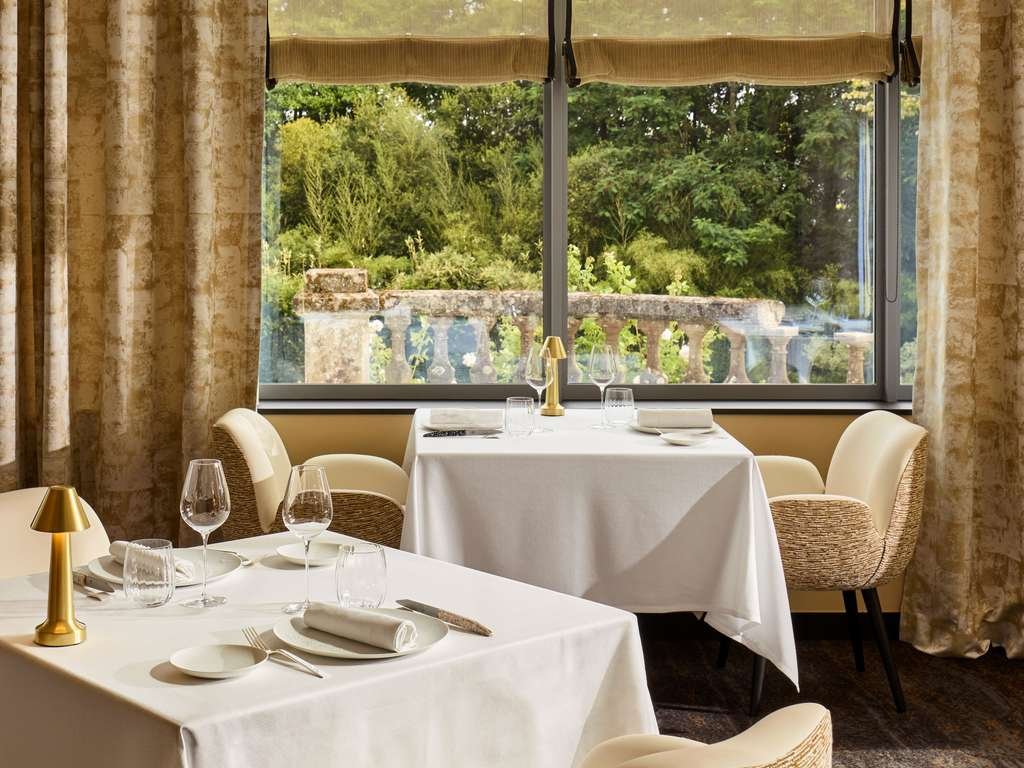
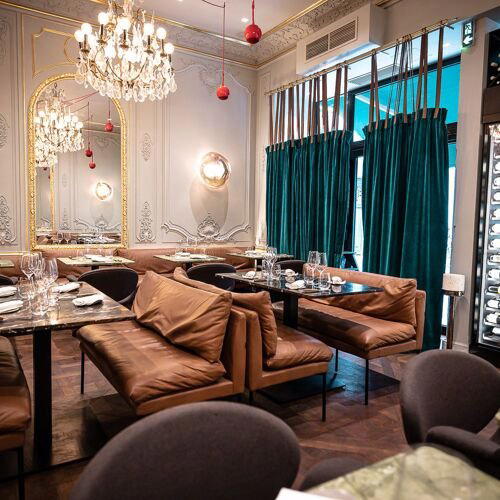
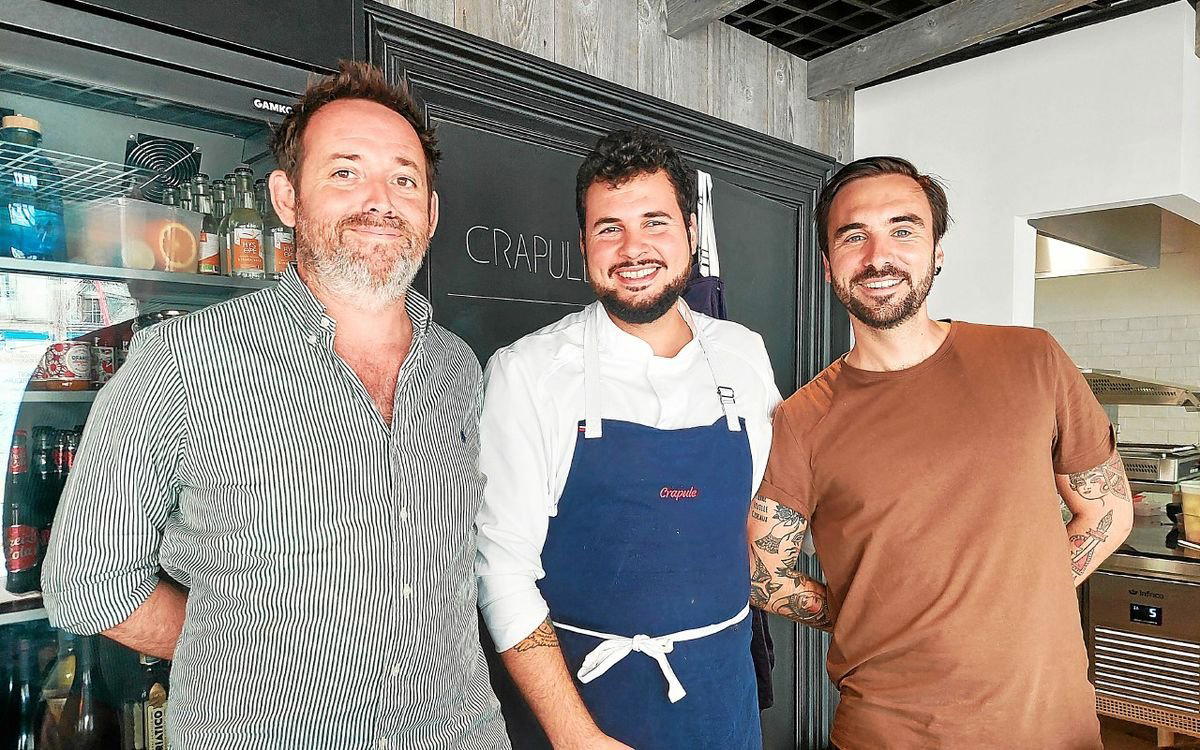
Warm, human-scale atmosphere with friendly service in a traditional restaurant setting that encourages personal connection between owners and guests.