Le Saint Placide


1 Michelin Star · Gault & Millau Remarkable Restaurant
Our verdict
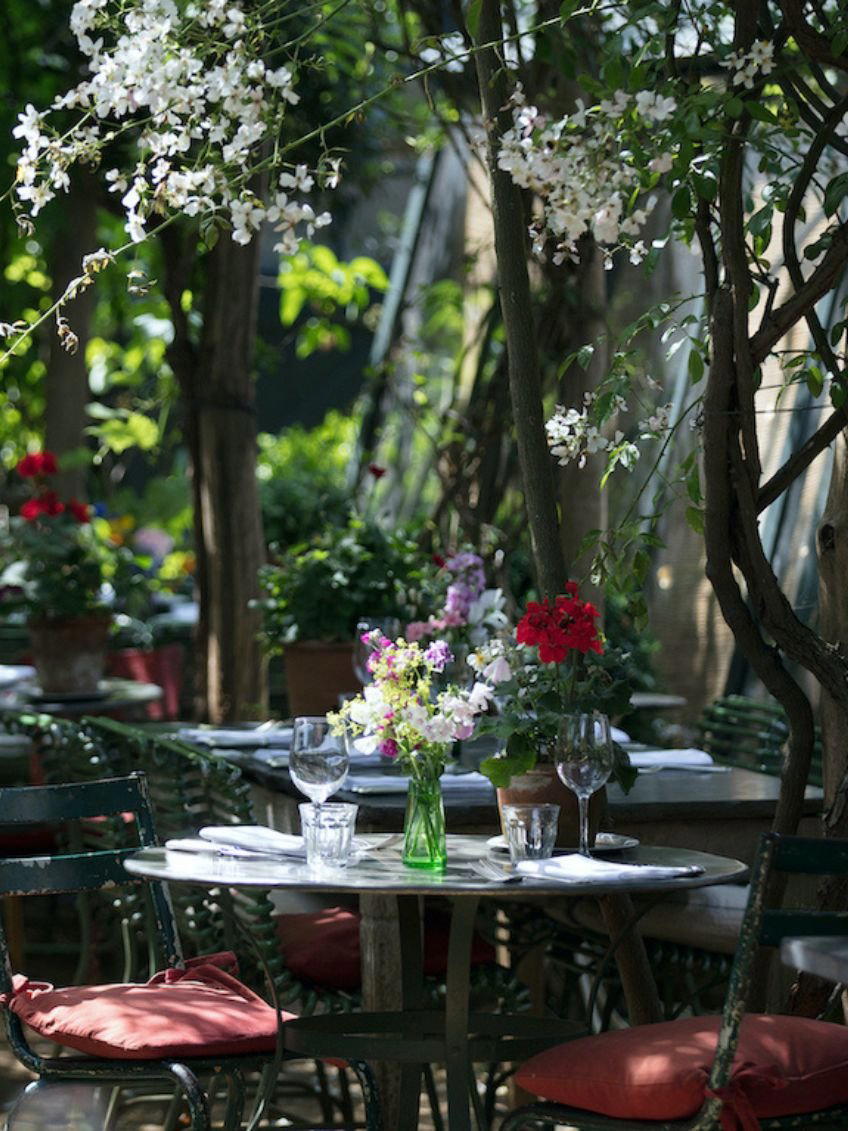
Tucked into a quiet residential square away from Saint-Malo's walled-city crowds, Le Saint Placide holds a Michelin star under chef Luc Mobihan, whose cooking centres on Breton fish, seafood, and regional vegetables. The dining room pairs organic curves with Fornasetti tableware and Tom Dixon lighting, while Isabelle Mobihan oversees a wine list that draws heavily from Champagne, the Loire, and Burgundy. It operates on tight service windows, so booking ahead is essential.

Pearl is the En Primeur Club membership app — saves, bookings, and concierge access live there. Same editors, same standards.
- Address
- 6 Pl. du Poncel, 35400 Saint-Malo, France
- Phone
- +33 2 99 81 70 73
- Hours
- Mon ClosedTue 7:15–8:45 PMWed–Thu 12–1:15 PM, 7:15–8:45 PMFri 12–1:15 PM, 7:15–9 PMSat 12–1:15 PM, 7:15–8:45 PMSun Closed
- Website
- st-placide.com
- Directions
- Get directions
- Booking
- Book on TheFork
A Local's Room in a Tourist City
Saint-Malo sells itself on its ramparts, its corsair history, and the grey Atlantic light that settles over the intra-muros every evening. What it sells less loudly is a serious dining scene operating just beyond the walls, in the quieter residential quarters where the tourists rarely wander. Place du Poncel sits in exactly that register: a small square with the unhurried feel of a neighbourhood that belongs to the people who actually live here rather than to the summer crowds. The room you enter at Le Saint Placide reads the same way. Organic curves in the architecture, Fornasetti tableware on the tables, Tom Dixon pendant lights overhead. It is a considered interior that signals intent without announcement — the kind of space a returning diner comes to think of as theirs.
That sense of ownership among regulars is not accidental. In cities where Michelin-starred restaurants compete for international attention, Saint-Malo's most decorated table has built its following primarily among people who return because the cooking earns it, not because the address is on a list.
What the Regulars Come Back For
The cooking at Le Saint Placide sits inside a clear and disciplined tradition: Breton seafood handled with the kind of technical fluency that comes from serious kitchens. Chef Luc Mobihan trained at the Château de la Chenevière in Port-en-Bessin and worked under Jean-Paul Abadie at the Amphitryon in Lorient, both addresses that carry weight in the French regional fine-dining circuit. That lineage shows in the precision applied to local ingredients, particularly fish and shellfish, which the Atlantic coast supplies at a quality level that few European coastlines match.
The dish that illustrates the kitchen's sensibility most clearly is the seared scallops with confit turnip chutney and Noilly Prat: a plate that uses a Breton primary ingredient, applies classical French technique, and introduces a dry vermouth note that pulls the dish away from the obvious. It is the kind of cooking that rewards attention on a second visit because you catch what you missed on the first. Regulars who have eaten it across different seasons understand that the scallop changes — its size, its fat content, its sweetness, and the kitchen adjusts accordingly. That attentiveness to the ingredient over time is what distinguishes a restaurant that serves a region from one that merely photographs it.
Regional vegetables receive similar treatment. Brittany's market gardens, particularly around Saint-Pol-de-Léon, produce some of France's most distinctive produce, and the kitchen's approach to these ingredients reflects the same respect applied to the seafood. The Michelin recognition, which the restaurant holds at one star as of 2024, places it within a small cohort of addresses in Brittany where creative ambition and regional rootedness are being pursued simultaneously. For comparison, the creative fine-dining category in France extends from addresses like Alléno Paris au Pavillon Ledoyen in Paris at one end of the scale to destination restaurants like Mirazur in Menton and Bras in Laguiole; Le Saint Placide operates in the regional single-star tier but with a consistency that makes it the clear reference point for serious eating in the Saint-Malo area. Internationally, the creative fine-dining register it occupies has parallels at tables like Enrico Bartolini in Milan and JAN in Munich.
The Wine Programme as a Second Reason to Return
In French fine dining, the front-of-house wine programme is often what separates a one-visit experience from a sustained relationship with a restaurant. Isabelle Mobihan manages the wine list and the table arts at Le Saint Placide with a specificity that reflects genuine knowledge rather than formula. The list draws from Champagne, the Loire, and Burgundy, three appellations that have obvious natural affinities with Breton seafood: the Loire's muscadets and savennières against shellfish, white Burgundy alongside richer fish preparations, Champagne as an aperitif anchor or a pairing option across the full menu.
For a regular diner, the wine programme becomes a secondary map of the meal. Returning guests tend to develop a relationship with the list over visits in a way that single-visit diners cannot, building a working knowledge of which producers appear and how they shift seasonally. The service, described in Michelin's own assessment as attentive, supports that relationship rather than directing it. A room that feels like a local's room relies on service that reads the table rather than executing a script.
Saint-Malo's Dining Tier, Contextualised
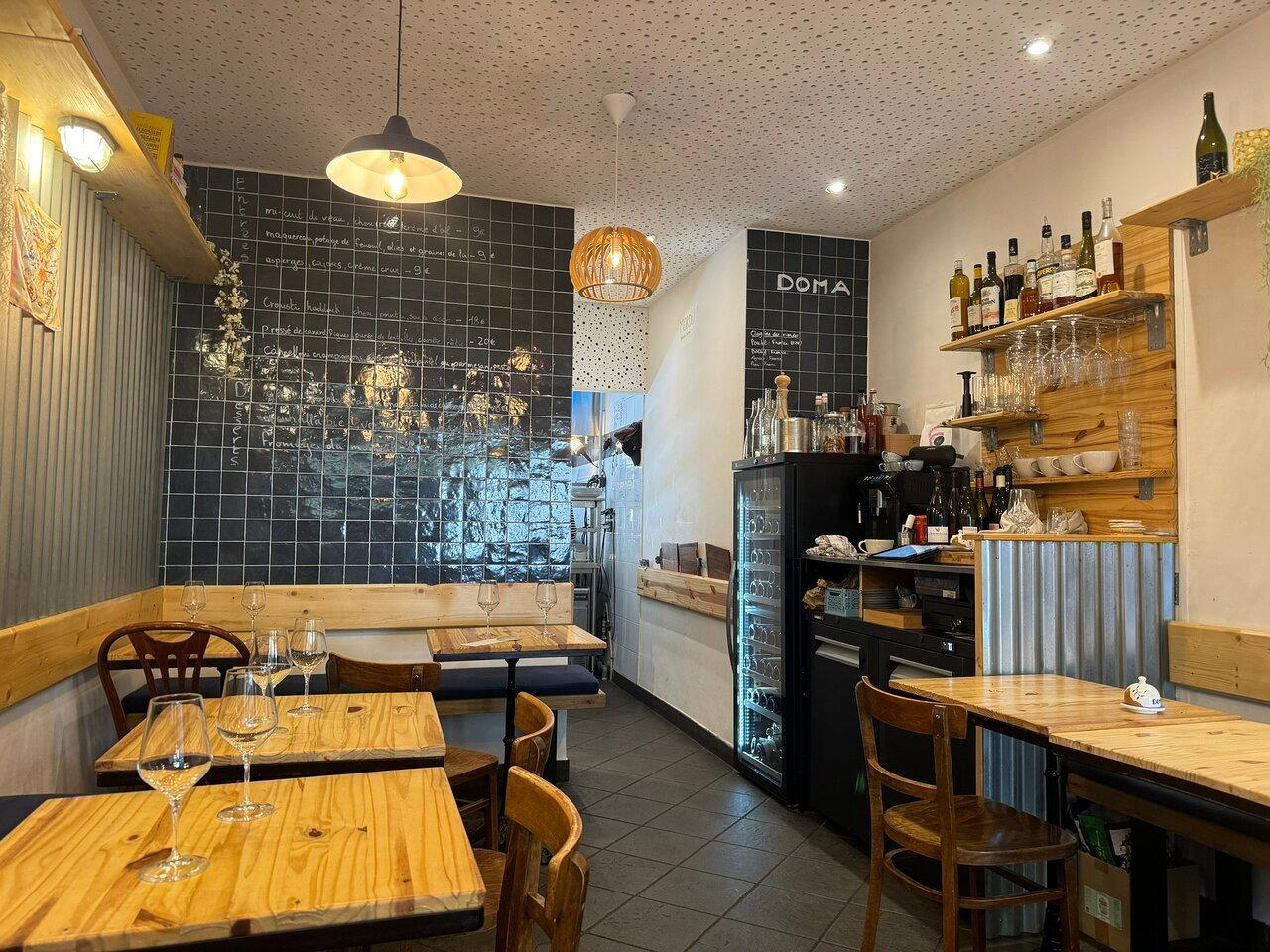
Saint-Malo's restaurant scene operates across a wide price range, from the crêperies and casual Breton tables that serve the intra-muros crowds to the handful of serious kitchens working at higher ambition. At the entry level, addresses like Doma and Crêperie Grain Noir offer accessible modern and traditional Breton cooking respectively. The middle tier includes contemporary and modern cuisine addresses like Ar Iniz, Betton Fils, and Fidelis. Le Saint Placide occupies the leading price tier in that local structure, at €€€€, and the Michelin star places it in a category that has no local peer at the same level.
That position matters for the reader deciding where to allocate a single serious meal in Saint-Malo. The alternatives in the €€€ range, including Betton Fils and addresses of comparable ambition, offer genuine quality, but they do not carry the same credential density. For a visitor who has one evening to spend at the city's most considered table, Le Saint Placide is the address that fits that specific brief.
For a wider view of Saint-Malo's dining options across all price points, our full Saint-Malo restaurants guide covers the range in detail. Those planning a longer stay will also find relevant context in our full Saint-Malo hotels guide, our full Saint-Malo bars guide, and our full Saint-Malo experiences guide. Wine-focused visitors may want to check our full Saint-Malo wineries guide for the regional context that informs the kind of list Isabelle Mobihan has assembled.
Planning the Visit
Le Saint Placide operates on tight service windows that reflect the kitchen's ambition rather than a casual café approach. Lunch runs from noon to 1:15 PM on Wednesday through Saturday; dinner service opens at 7:15 PM on Tuesday through Saturday, closing at 8:45 PM on most evenings with a slightly later last booking of 9 PM on Fridays. The restaurant is closed on Sundays and Mondays.
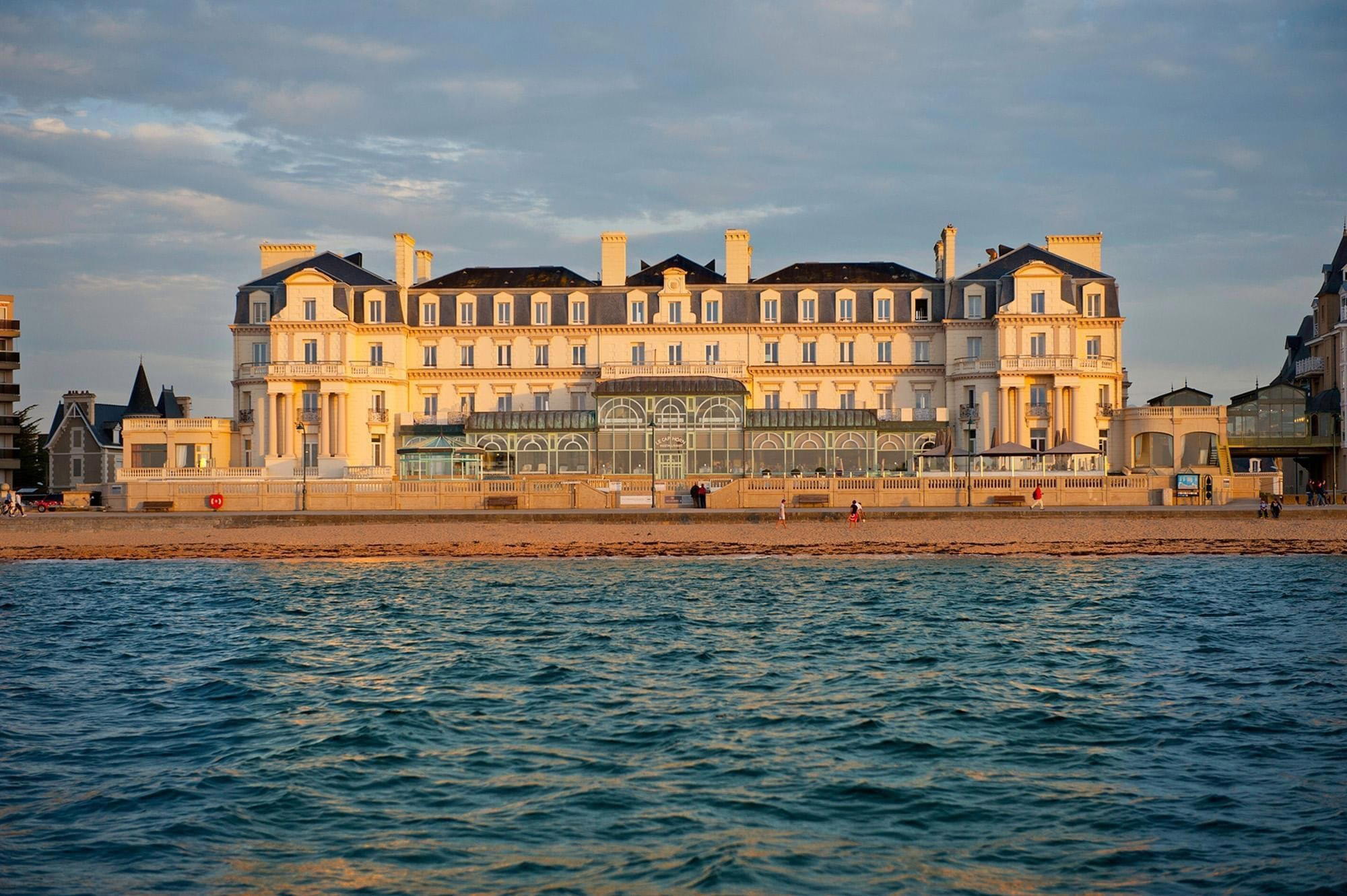
The address at 6 Place du Poncel is outside the walled city, in the Saint-Servan district, which places it away from the tourist density of the intra-muros without requiring significant travel. For diners arriving from within the walls or from hotels in the immediate area, the walk takes roughly fifteen to twenty minutes on foot. The price tier of €€€€ positions the meal at the upper end of what Saint-Malo offers, comparable in investment to a serious dinner at a regional single-star table anywhere in northern France.
Late autumn and winter visits carry their own logic at a kitchen built around Atlantic seafood: scallop season runs from October through April, meaning that the kitchen's most technically fluent ingredient is at its peak outside the summer crowds. A November or February booking offers both the scallops at their leading and a dining room populated almost entirely by the kind of regulars who have made this place theirs across multiple years.
Frequently asked questions
What's the price range at Le Saint Placide?
Pricing at Le Saint Placide is listed as €€€€.
What's Le Saint Placide known for in terms of accolades?
Le Saint Placide has received recognition including: Category: Remarkable; Sheltered from St-Malo’s tourist hordes in a district popular with the locals, this handsome contemporary restaurant sports a decor of organic curves, Fornasetti tableware and pendant lights by Tom Dixon. Chef Luc Mobi….
What's the signature dish at Le Saint Placide?
The dish most associated with the kitchen is seared scallops with a chutney of confit turnips and Noilly Prat. It demonstrates chef Luc Mobihan's declared strength in fish and seafood alongside regional vegetables, and Michelin's 2024 inspector notes single it out as representative of his zeitgeist-conscious cooking. It is the clearest expression of what the one-star kitchen does consistently well.
What days is Le Saint Placide closed?
Hours at Le Saint Placide: Monday closed Tuesday 7:15 PM-8:45 PM Wednesday 12 PM-1:15 PM 7:15 PM-8:45 PM Thursday 12 PM-1:15 PM 7:15 PM-8:45 PM Friday 12 PM-1:15 PM 7:15 PM-9 PM Saturday 12 PM-1:15 PM 7:15 PM-8:45 PM Sunday closed.
Similar Picks
| Venue | Cuisine | Price | Awards | Notes |
|---|---|---|---|---|
| Le Saint PlacideThis venue — the venue you are viewing | Modern French Creative Fine Dining | $100–150 | 1 Michelin Star · Gault & Millau Remarkable Restaurant | Not listed |
| Doma | Modern Seasonal French Bistro | $30–50 | Michelin Bib Gourmand | Modern Cuisine |
| La Fourchette à Droite | Modern French Bistro | $30–50 | Michelin Bib Gourmand | Contemporary |
| Le Bistrot du Rocher | Breton Bistro | $20–30 | Michelin Plate | Farm to table |
| Le Comptoir Breizh Café | Breton Galettes & Crêpes with Japanese Refinement | $30–50 | Michelin Bib Gourmand | Breton |
| Le Bénétin | Modern French Seafood | $50–100 | Michelin Plate | Modern Cuisine |
Recognition history
Dated appearances from independent guides and award organizations, with the underlying list record or original source where available.
Michelin 1 Star
Michelin
Gault & Millau Remarkable Restaurant
Gault & Millau
Full recognition history (4 entries)
Michelin 1 Star
Michelin
Michelin 1 Star
Michelin
Continue exploring
More in Saint Malo
Restaurants in Saint Malo
Browse all →
Bars in Saint Malo
Browse all →
Details
- Elegant
- Intimate
- Sophisticated
- Cozy
- Special Occasion
- Date Night
- Historic Building
- Extensive Wine List
- Local Sourcing
- Tasting Menu
- A La Carte
Current opening hours
- Monday
- Closed
- Tuesday
- 7:15–8:45 PM
- Wednesday
- 12–1:15 PM, 7:15–8:45 PM
- Thursday
- 12–1:15 PM, 7:15–8:45 PM
- Friday
- 12–1:15 PM, 7:15–9 PM
- Saturday
- 12–1:15 PM, 7:15–8:45 PM
- Sunday
- Closed
Hours can change for holidays and private events. Last verified .
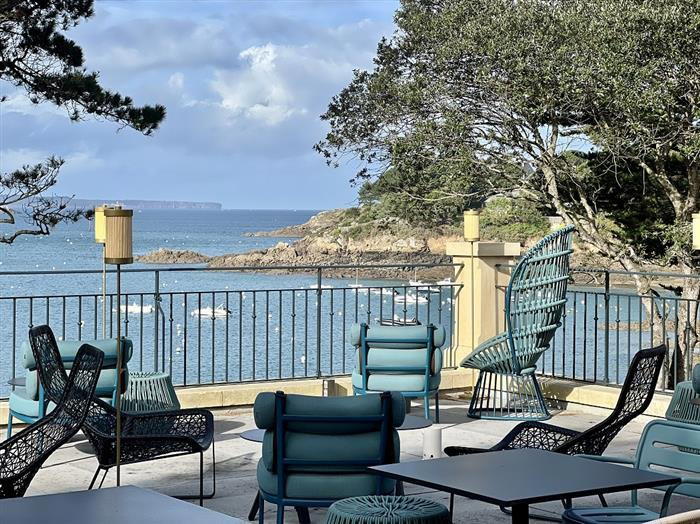
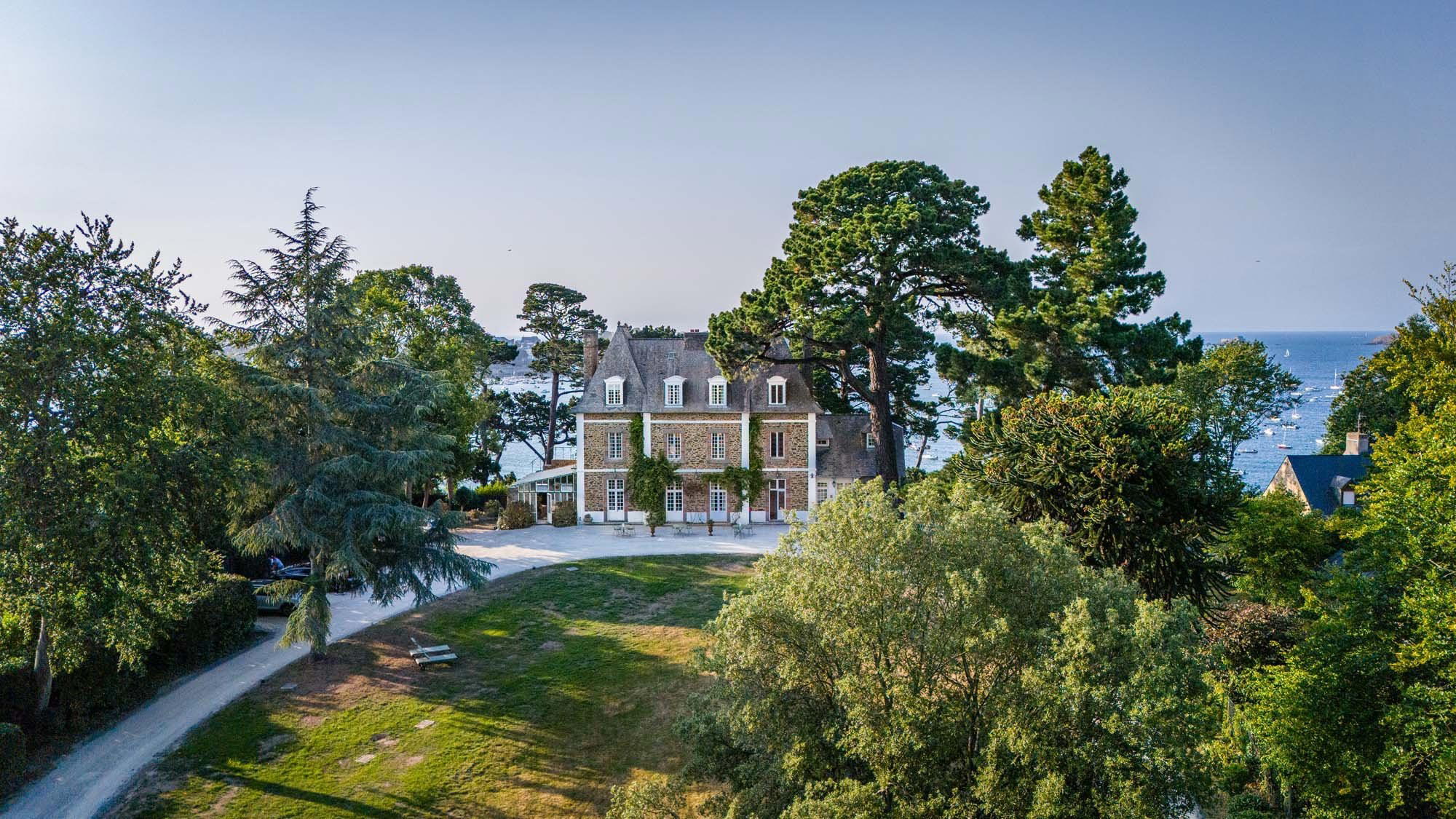
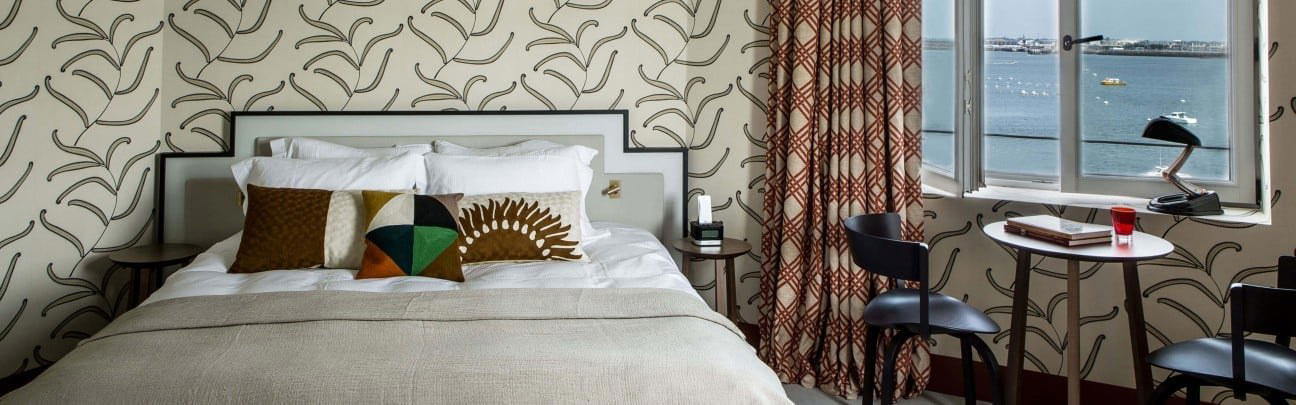
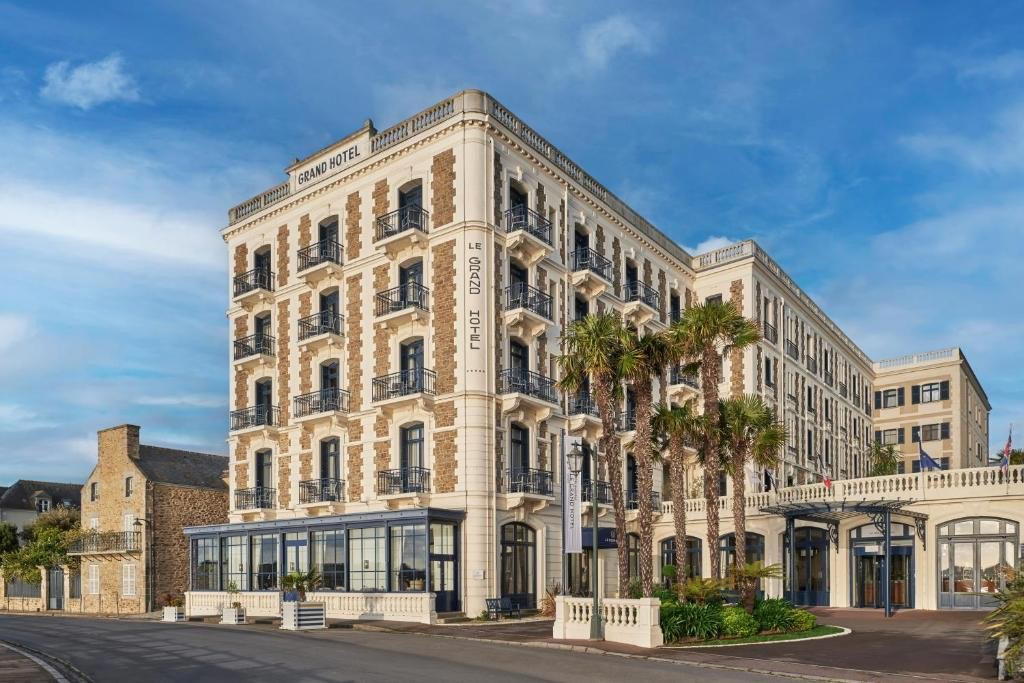
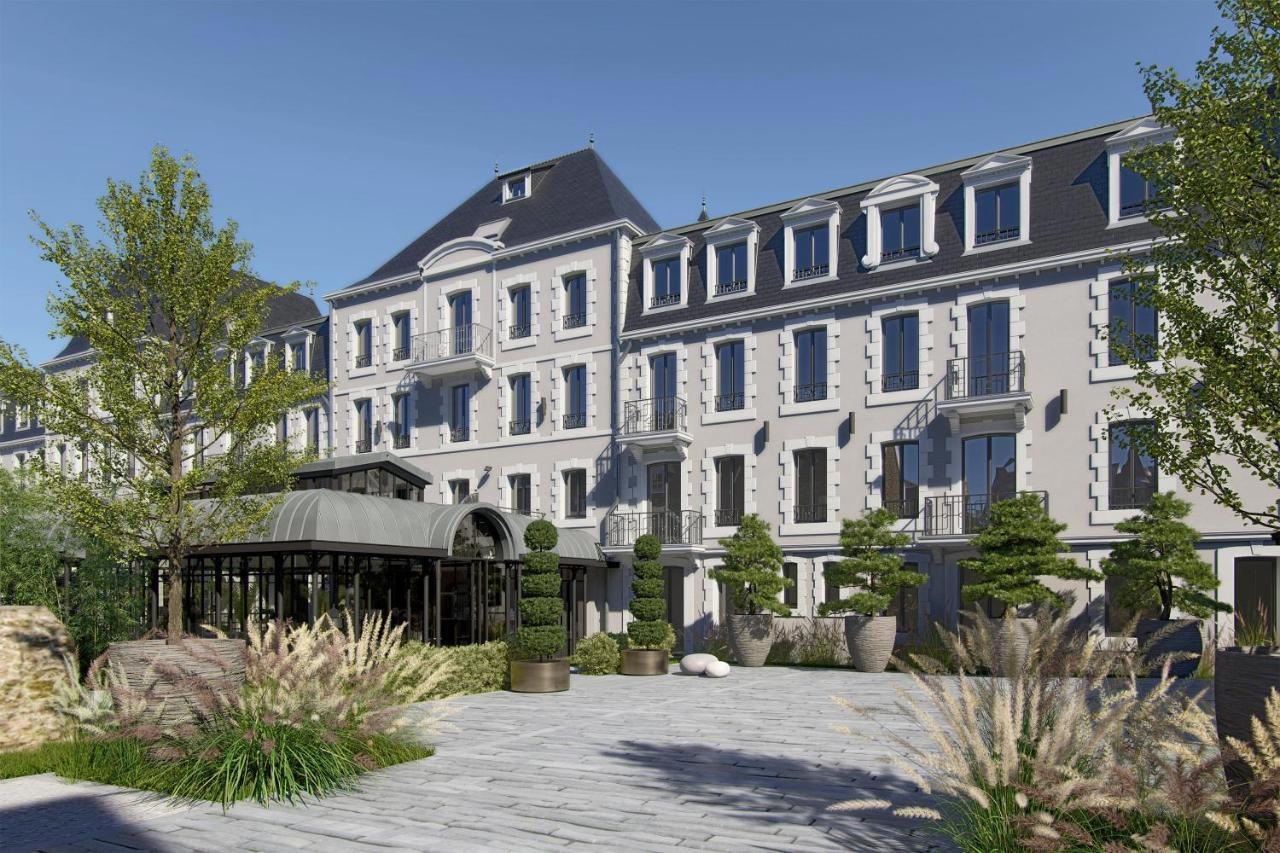
Modern and intimate contemporary setting with organic curves, elegant decor, soft lighting, and a calm, welcoming atmosphere.