Lusin

Michelin Plate
Our verdict
Lusin occupies the third floor of Centria Mall on Olaya Street, bringing Armenian cooking to Riyadh's commercial heart through a dining room of stone cladding, wood floors, and a partially open kitchen. The menu runs from fresh salads and cheese borak to classic kebabs and a signature honey cake, making it one of the few places in the city to explore Armenian culinary tradition with any seriousness.

Pearl is the En Primeur Club membership app, where members save venues, book tables and use the concierge.
The menu
What to order
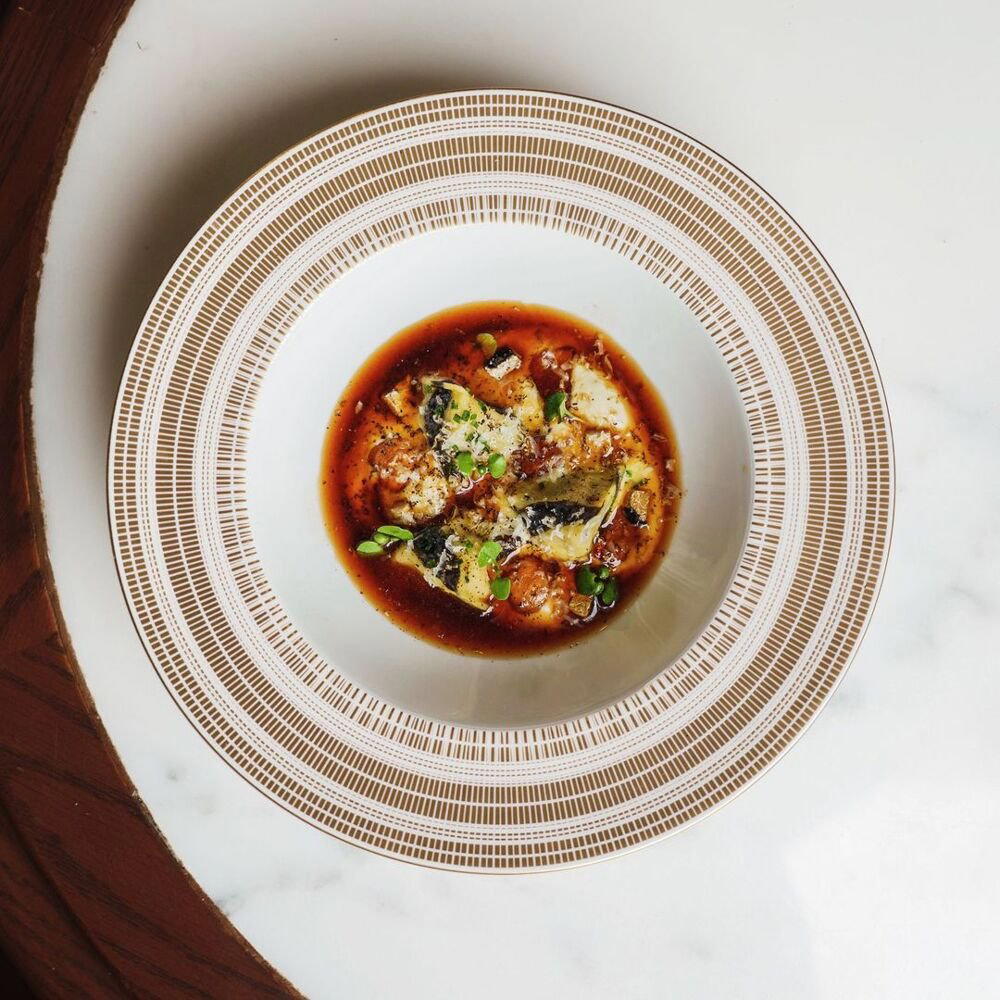
- Kebab with Cherries
- Honey Cake
- Manti
- Cheese Borak
- Lusin Kebbah
- Mixed Grill
Stone, Wood, and an Open Kitchen: How Lusin Defines Its Space
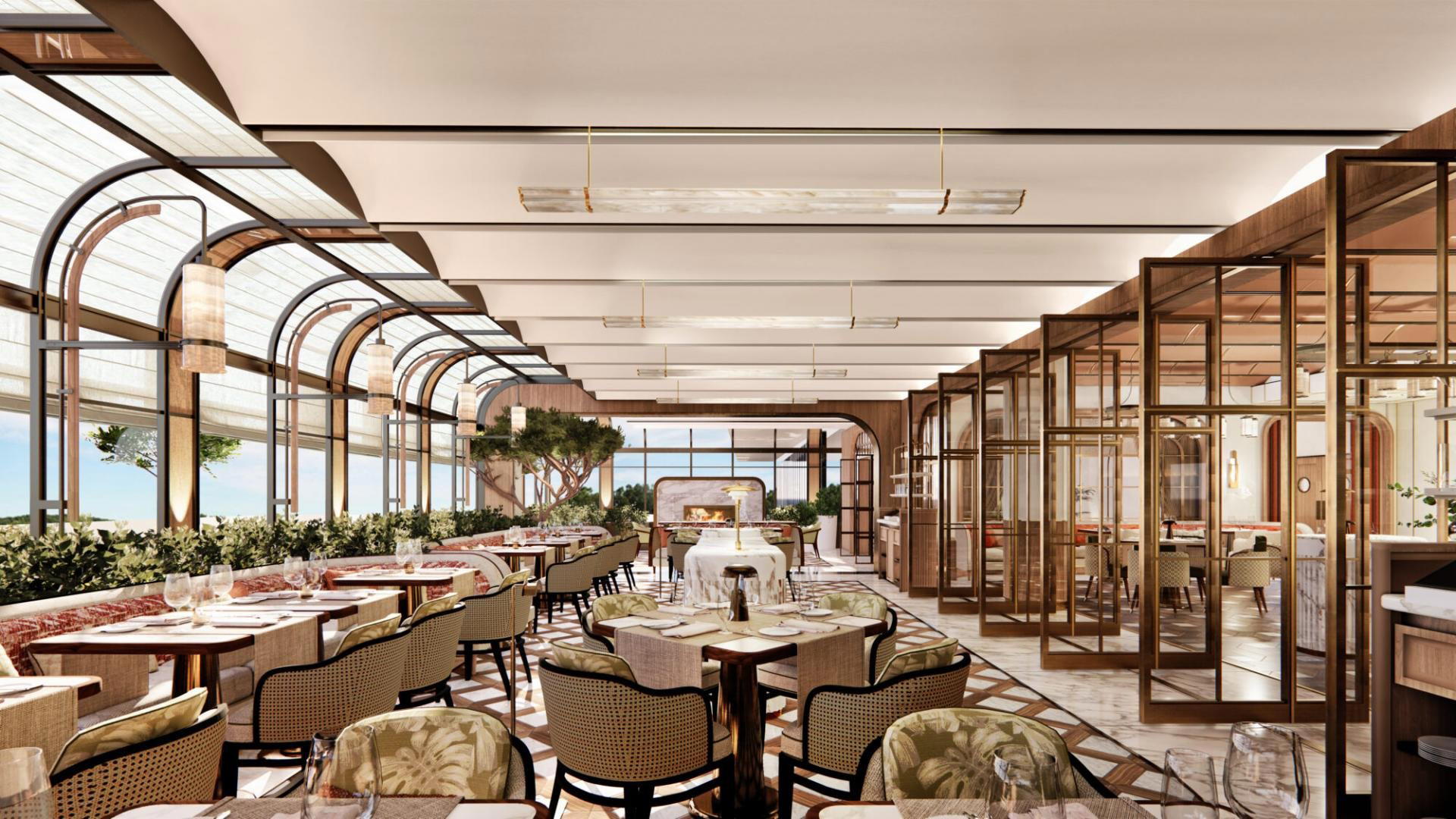
Mall dining in Riyadh occupies a wide spectrum. At one end sit the quick-service chains that dominate food courts; at the other, a smaller cluster of destination restaurants that treat the mall setting as real estate convenience rather than identity. Lusin, on the third floor of Centria Mall on Olaya Street, belongs firmly to the second category. The room announces its intentions through material choices before a single dish arrives: stone-faced walls, warm wood flooring, and a central kitchen that sits partially visible between two distinct dining areas. The design language is deliberately rustic in the old-world sense, not the Instagram-farmhouse sense. There is texture here rather than polish, and that contrast with the glass-and-steel mall exterior is part of what makes the transition into the space feel considered.
The two-room layout gives the restaurant a structural flexibility that single-room dining rooms in Riyadh's Olaya strip cannot offer. Larger groups can settle into one section while smaller tables occupy the other, with the open kitchen acting as a visual anchor point rather than a dividing wall. A small terrace extends the dining area and offers a view down to street level, which in the Olaya district means the mid-city density of one of Riyadh's primary commercial corridors. For those who want context for where they are in the city while they eat, the terrace provides it.
Armenian Cooking in a City That Skews Middle Eastern and International
Riyadh's restaurant scene has diversified considerably over the past decade, but the representation of Caucasian cuisines remains thin. Armenian cooking, which shares ancestral ingredients with Levantine and broader Middle Eastern traditions while maintaining its own distinct preparation methods and flavour emphasis, rarely appears on Riyadh menus as a named category. Lusin occupies an almost singular position in this regard. The menu is extensive by the standards of a cuisine that is not well represented locally, and it navigates familiar territory, such as Middle Eastern dips and fresh salads, while signalling its specific identity through dishes that require knowledge of the tradition to execute properly.
Cheese borak sits near the best of the appetiser list as a marker of that identity. The dish, a pastry filled with cheese and typically pan-fried or baked, appears across the Caucasus and Levant in various forms, but the Armenian version has specific textures and proportions that distinguish it from its regional cousins. At Lusin, it functions as an early indicator of whether the kitchen is working from genuine familiarity with the cuisine or simply cataloguing regional dishes. The surrounding menu of fresh salads and Middle Eastern dips provides accessible entry points for diners less familiar with Armenian food, which is a reasonable approach for a restaurant operating in a market where the cuisine needs no assumed knowledge from its audience. Riyadh diners eating Armenian food for the first time benefit from that breadth; those who know the tradition well enough to seek it out will find the specificity they came for in dishes like the classic kebabs.
Those kebabs carry the weight of a culinary tradition in which grilled meats are not a casual category. Armenian kebab preparation involves specific marinade approaches and grilling disciplines that produce a result distinguishable from the broader Middle Eastern kebab canon. For a restaurant to describe its kebabs as classic within an Armenian context is to make a claim about authenticity rather than innovation, which is the correct claim for this type of cooking in this type of setting. The honey cake that closes the menu operates on similar logic: it is a signature dish not because of novelty but because it represents the kind of dish that defines what the kitchen is trying to do.
Olaya Street as a Dining Address
The Olaya district functions as Riyadh's primary commercial and dining spine. Centria Mall on Olaya Street sits within a cluster of retail and dining destinations that draw both residents and visitors throughout the day and evening. This location gives Lusin a catchment area that extends well beyond the immediate neighbourhood, which matters for a restaurant whose cuisine requires some degree of audience-building in a market where Armenian food is not a default choice. Venues in comparable positions in Riyadh's dining scene, including Marble, Myazu, and Benoit, each occupy distinct culinary niches that have found audiences within the city's expanding restaurant culture. Lusin's Armenian identity places it in its own separate niche within that broader pattern.
For a broader view of what Riyadh's dining scene currently offers, our full Riyadh restaurants guide maps the city's key tables across cuisine types and price points. Those looking beyond food can consult our full Riyadh hotels guide, our full Riyadh bars guide, our full Riyadh wineries guide, and our full Riyadh experiences guide for a complete picture of the city. Elsewhere in Saudi Arabia, Aseeb represents the local Saudi culinary tradition within Riyadh, while Kuuru in Jeddah and Harrat in AlUla extend the picture of what Saudi dining looks like beyond the capital. Internationally, restaurants such as Le Bernardin in New York City, Alinea in Chicago, Alain Ducasse Louis XV in Monte Carlo, 8 1/2 Otto e Mezzo Bombana in Hong Kong, Lazy Bear in San Francisco, Emeril's in New Orleans, and Lunch Room in Dubai each occupy positions at the more formal end of the global dining spectrum, providing a useful comparative frame for understanding how different cities define their restaurant cultures.
Planning a Visit
Lusin sits on the third floor of Centria Mall at 210 Olaya Street in the Al Olaya district, one of Riyadh's most accessible central addresses by both private car and the city's expanding metro network. The mall setting means the approach is direct: parking is available within the complex, and foot traffic from the surrounding commercial strip keeps the location active across lunch and dinner services. Given the restaurant's position as one of Riyadh's few dedicated Armenian dining options, tables during peak evening hours are likely to be in demand, particularly on weekends. Checking ahead or arriving at off-peak hours is advisable if you want to secure terrace seating, which offers the more atmospheric version of the Lusin experience.
Frequently asked questions
What kind of setting is Lusin?
Lusin occupies the third floor of Centria Mall on Olaya Street in Riyadh's Al Olaya district. The interior spans two rooms finished with stone-faced walls and wood flooring, with a central kitchen partially visible between the two spaces. A small terrace adds a street-level view, giving the room a texture that reads closer to a standalone neighbourhood restaurant than a typical mall venue.
What awards or recognition does Lusin have?
Lusin has received recognition including: Set on the third floor of Centria Mall in the heart of the Olaya district, this Armenian restaurant has a rustic style with a warm, authentic feel. Its two rooms have a stone-faced décor, wood flooring and a central kitchen partially on vie….
What's the must-try dish at Lusin?
The cheese borak among the appetisers and the classic kebabs are the clearest indicators of the kitchen's Armenian credentials. The honey cake is listed as a signature and worth ordering to close the meal. The menu also covers fresh salads and Middle Eastern dips, but those three form the core of what the kitchen does distinctively.
What part of town is Lusin in?
Lusin is located at Centria Mall, 210 Olaya Street, Al Olaya, Riyadh.
Do I need a reservation for Lusin?
Lusin holds a rare position as one of the only Armenian restaurants operating in Riyadh, which tends to generate consistent demand from a city whose dining scene skews heavily Middle Eastern and international. Booking ahead is advisable, particularly for evenings. Contact details are best confirmed directly through Centria Mall's directory or an on-the-ground search.
Accolades, Compared
Comparable venues nearby, for context on price, style, and recognition.
| Venue | Cuisine | Price | Awards | Notes |
|---|---|---|---|---|
| LusinThis venue (the venue you are viewing) | Armenian Fine Dining | $50–100 | Michelin Plate | Not listed |
| Taleed by Michael Mina | Contemporary Hijazi-Mediterranean Fine Dining | $150–200 | Michelin Plate | Al Rooqiyah |
| Berenjak Riyadh | Modern Persian Restaurant | Not listed | Not listed | Al Hada |
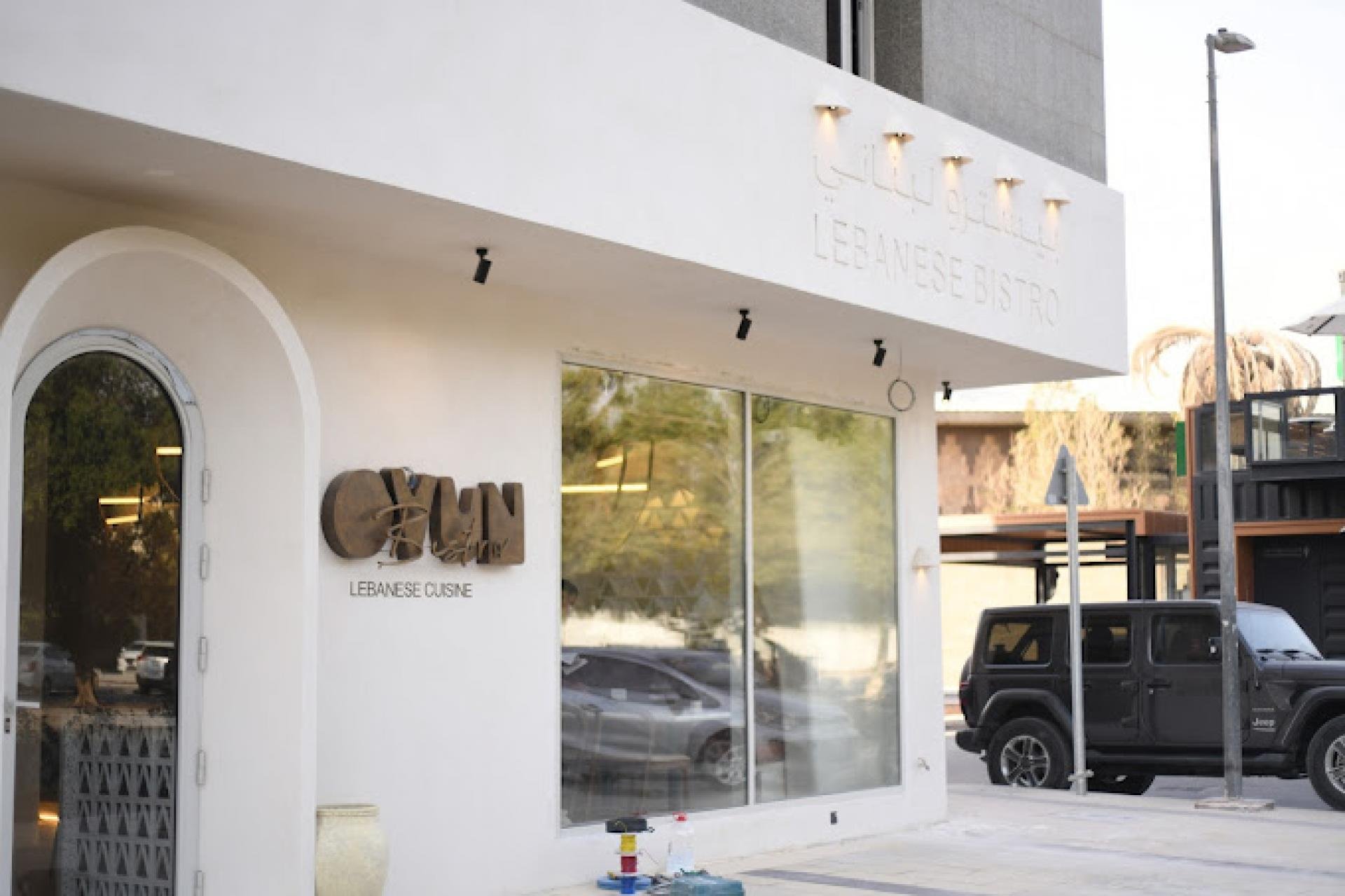
| OVUN Bistro | Lebanese Bistro | Not listed | Michelin Plate | Al Sulaimaniyah |
| Ruhi | Modern North Indian | $20–30 | Michelin Plate | Al Muhammadiyah |
| Maiz | Modern Saudi Fine Dining | Not listed | Michelin Plate | Al Diriyah |
Recognition history
Dated appearances from independent guides and award organizations, with the underlying list record or original source where available.
Michelin Plate
Michelin
Continue exploring
More in Riyadh
Restaurants in Riyadh
All restaurants in Riyadh →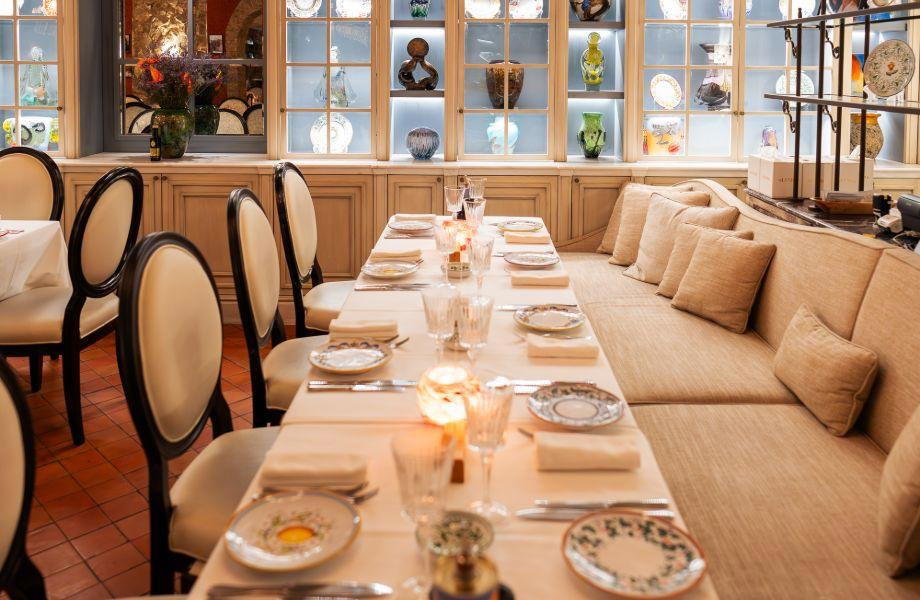
Bars in Riyadh
All bars in Riyadh →

Details
- Elegant
- Rustic
- Sophisticated
- Modern
- Date Night
- Business Dinner
- Group Dining
- Family
- Celebration
- Special Occasion
- Open Kitchen
- Terrace
- Standalone
- Street Scene
- A La Carte
- Buffet
- Vegetarian Friendly
- Vegan Options
- Gluten Free Options
- Halal
Current opening hours
- Monday
- 12 PM–12 AM
- Tuesday
- 12 PM–12 AM
- Wednesday
- 12 PM–12 AM
- Thursday
- 12 PM–12 AM
- Friday
- 12 PM–12 AM
- Saturday
- 12 PM–12 AM
- Sunday
- 12 PM–12 AM
Hours can change for holidays and private events. Hours as of .
Warm and inviting with earthy tones, stone-faced walls, wood flooring, and a distinctive honeycomb-style light installation creating a rustic-modern aesthetic; terrace offers street views across Riyadh.