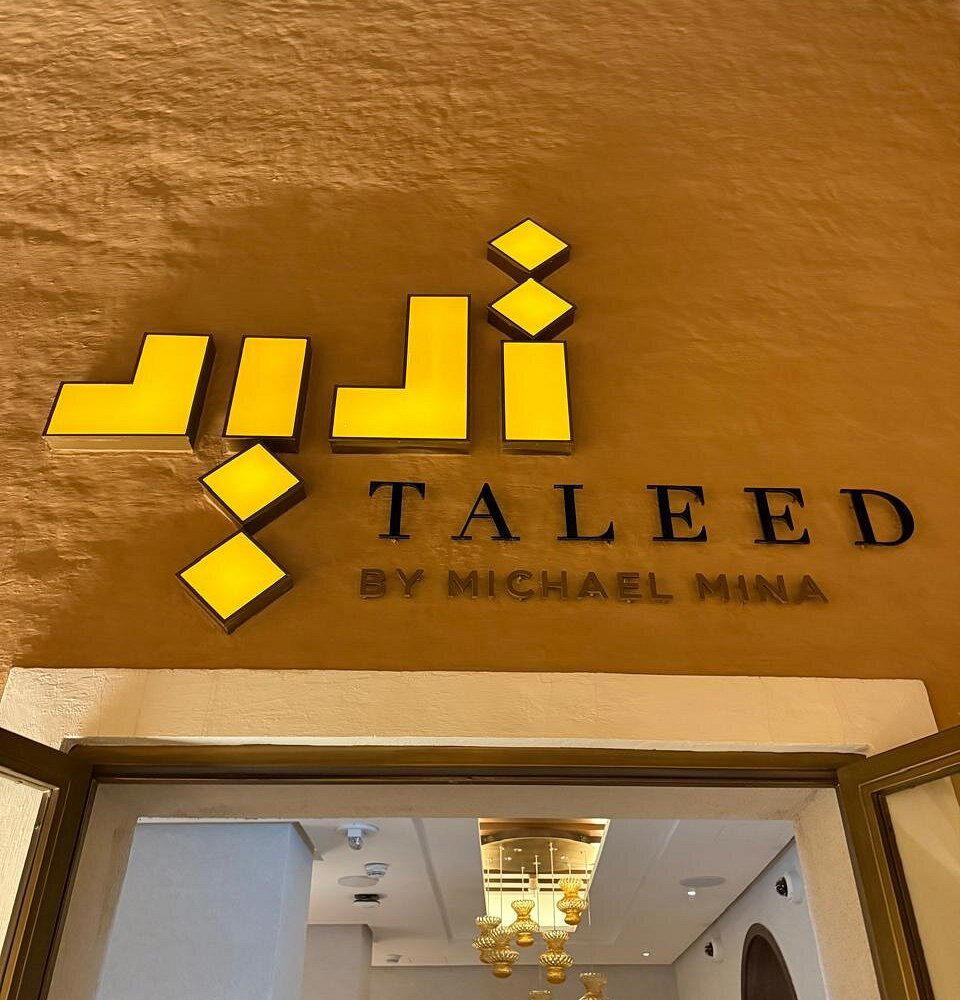
Taleed by Michael Mina

Michelin Plate
Our verdict
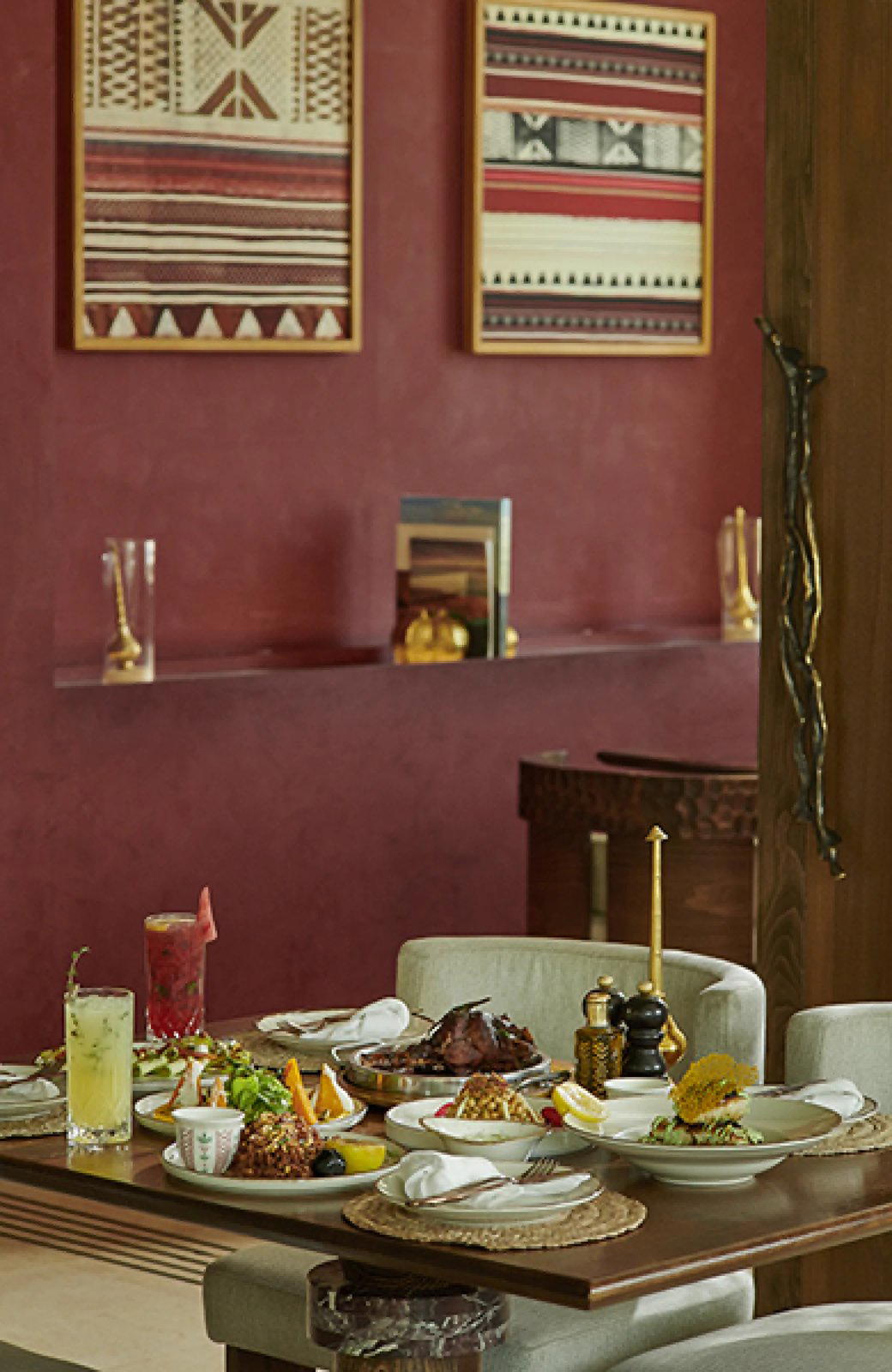
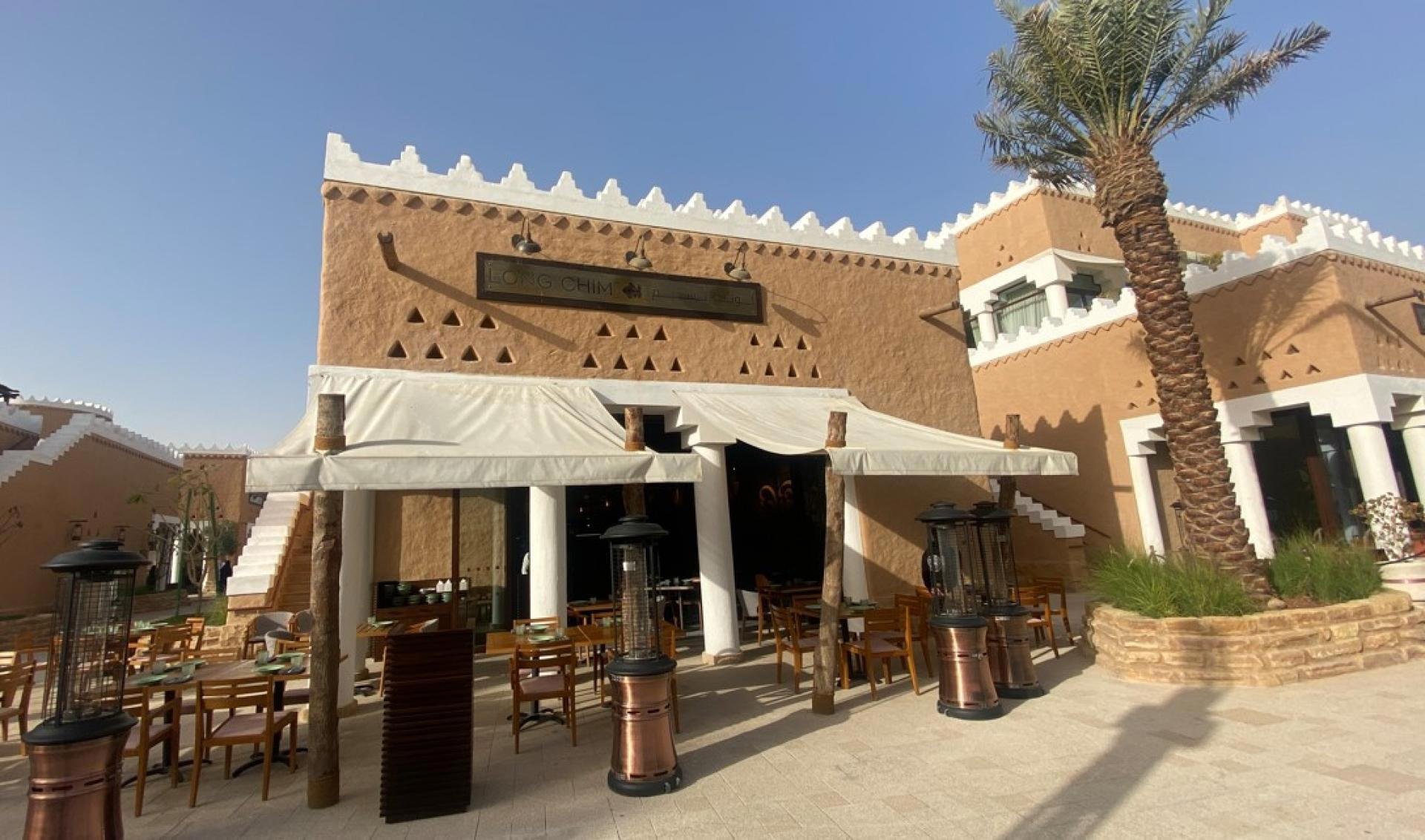
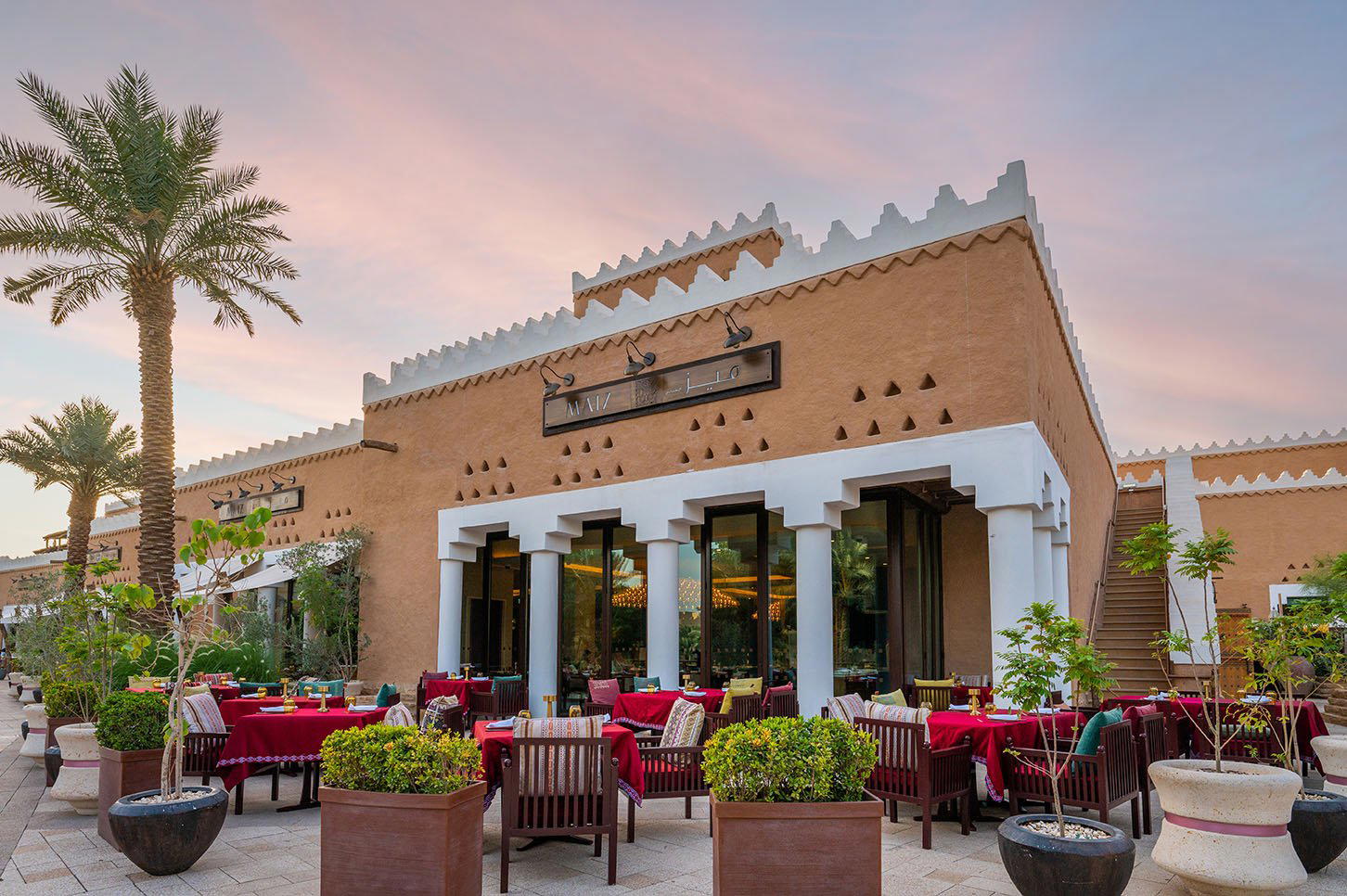
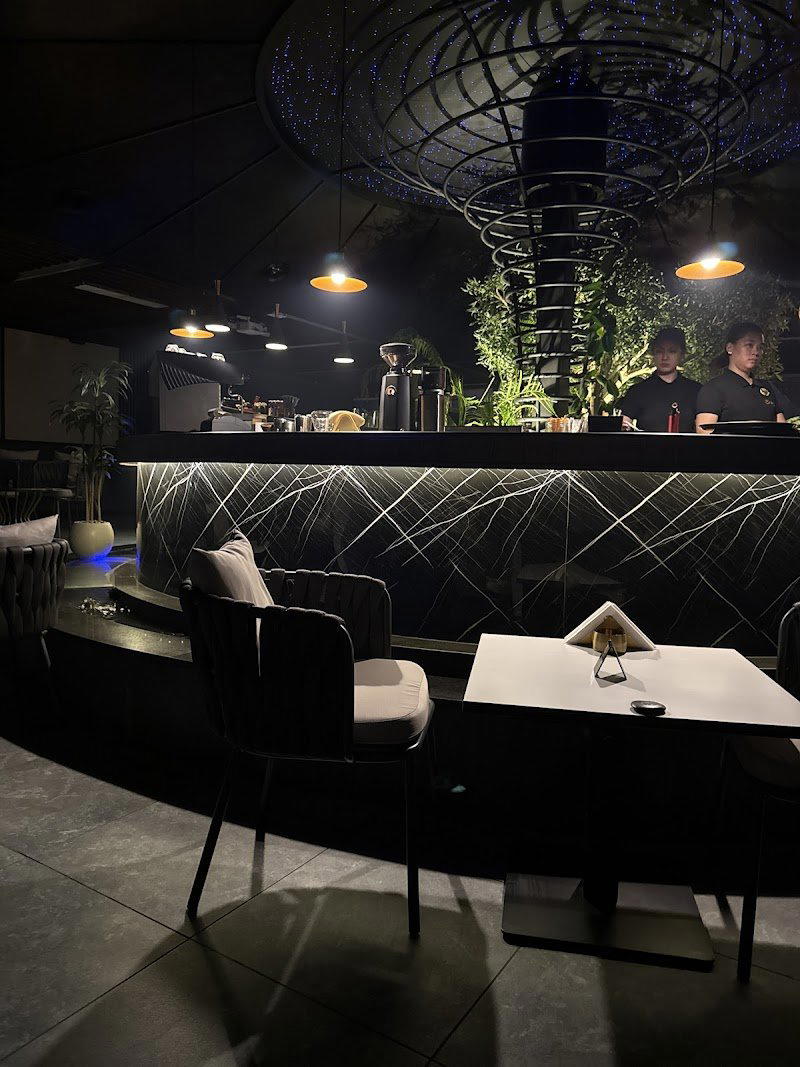
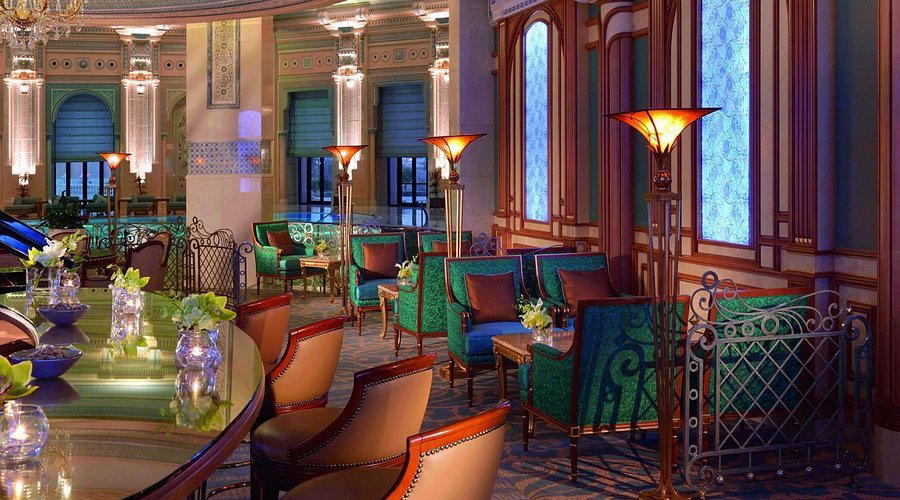
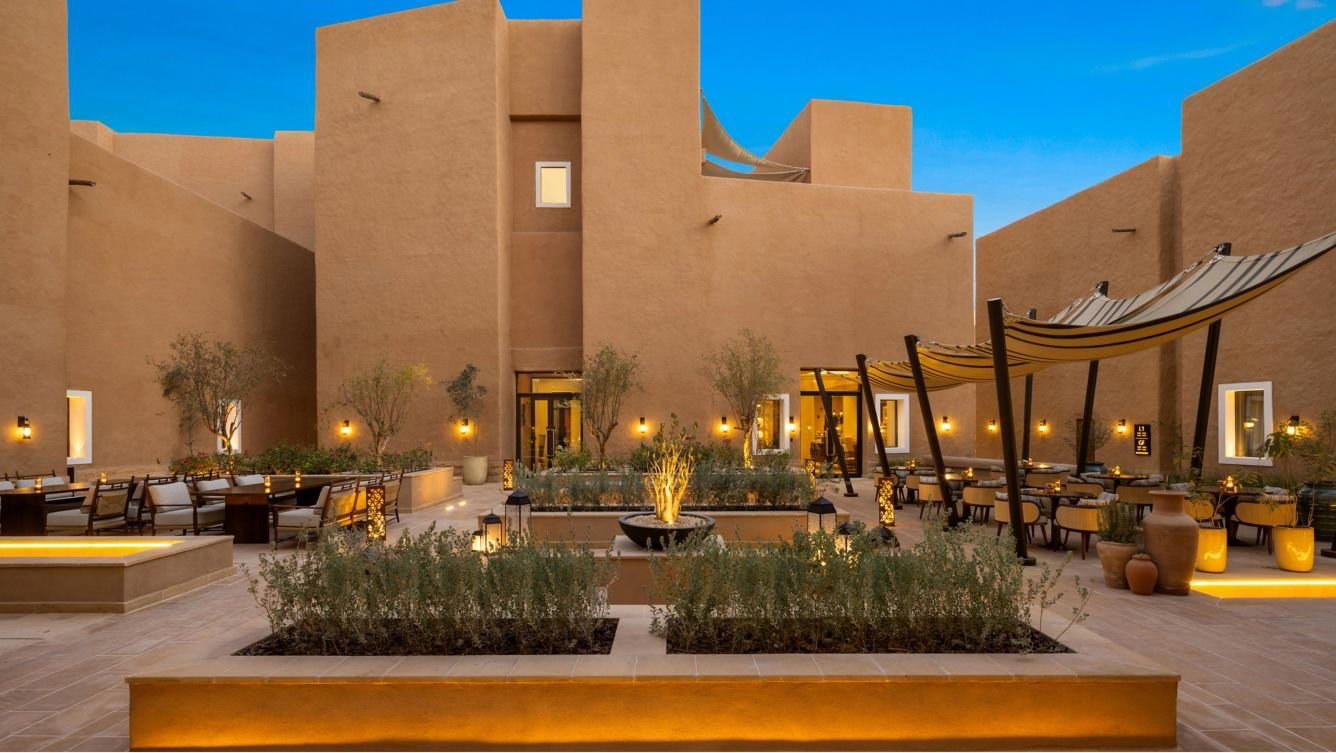
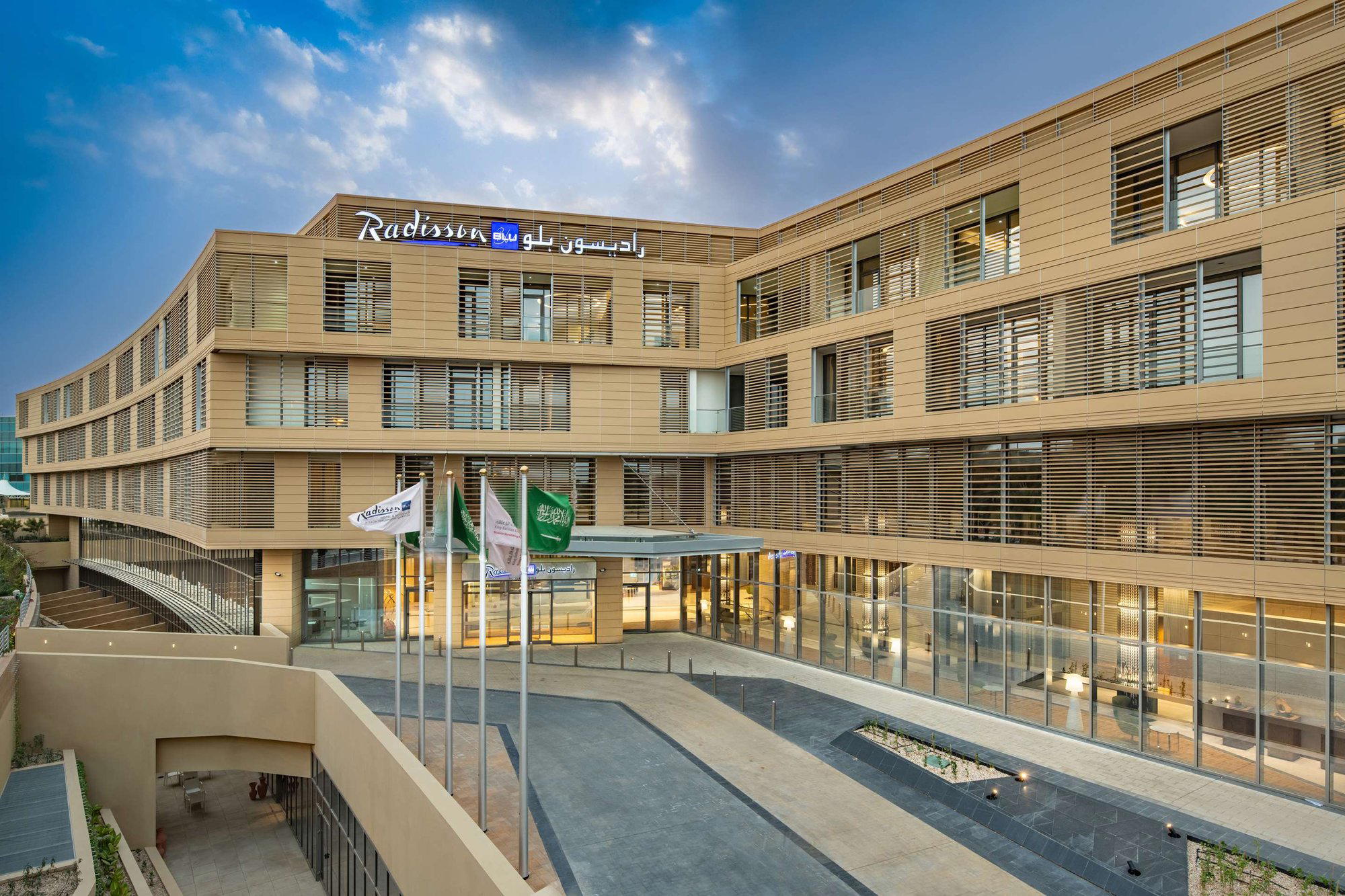
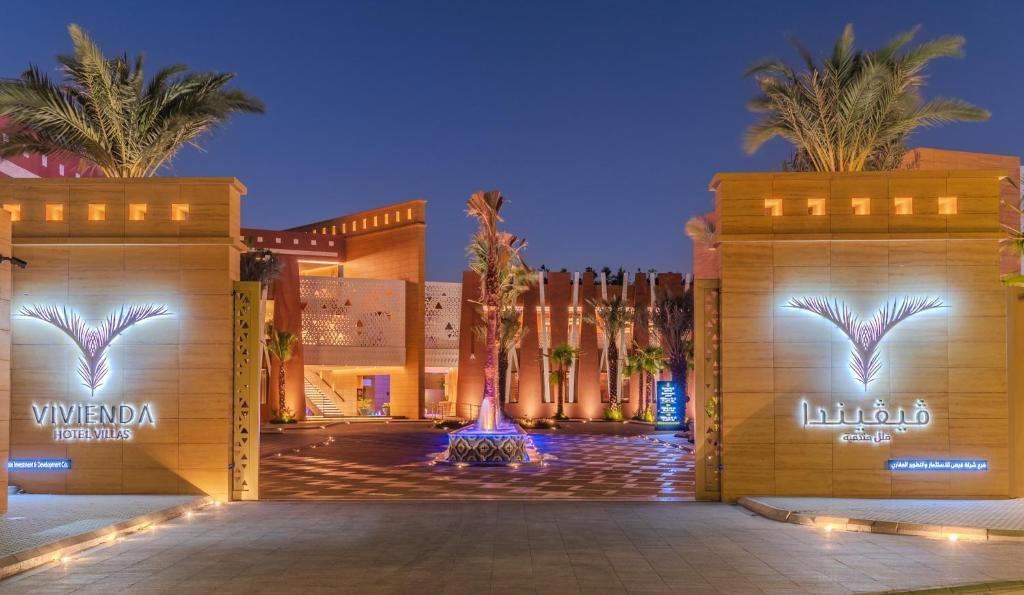
Set within the Bab Samhan Hotel's neo-Najdi architecture on King Faisal Ibn Abd Al Aziz Road, Taleed by Michael Mina positions itself against Riyadh's growing tier of internationally conceived dining rooms with regional intent. The menu works through mezze-style sharing plates that fold Egyptian and wider Arab references into a format built around prime ingredients and considered service. The split-level space, divided into smaller rooms and terraces, reads more like a private residence than a hotel restaurant.

Pearl is the En Primeur Club membership app, where members save venues, book tables and use the concierge.
The menu
What to order
- Jeddah Shrimp Kabsa
- Charcoal-Grilled Red Sea Octopus
- Kataifi-Wrapped Tiger Prawns
- Egyptian Rice Pudding
A Hotel Address That Reads Like a Home
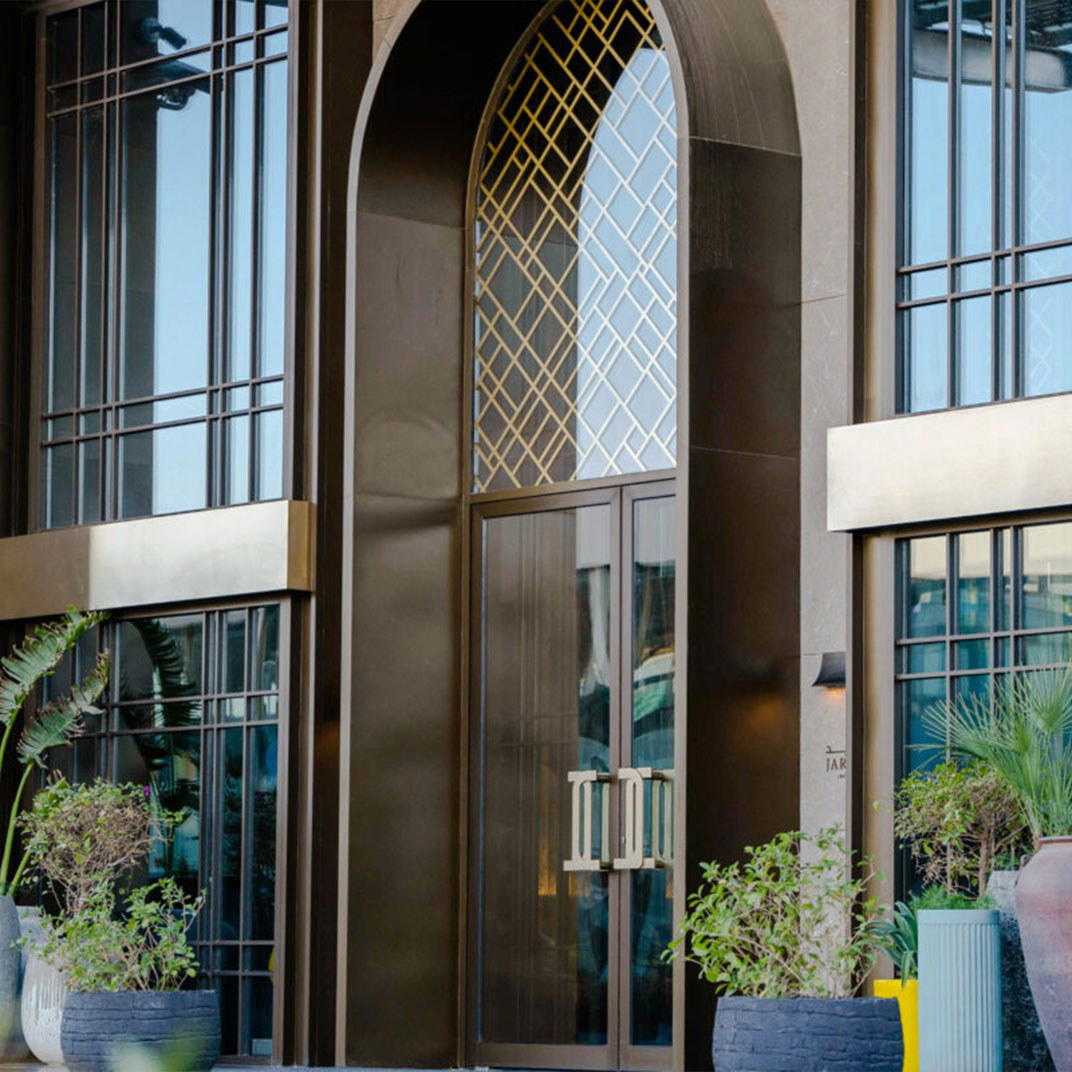
The Bab Samhan Hotel occupies one of Riyadh's more considered architectural statements: a building executed in neo-Najdi style, drawing from the thick-walled, geometric vernacular of the Najd plateau that defined the city's pre-oil built fabric. Arriving at the hotel before entering Taleed, that context matters. Riyadh's dining scene has expanded rapidly across international formats, Japanese counters, European brasseries, steakhouses, but restaurants that sit inside architecture with genuine regional reference remain a smaller subset. Taleed benefits from that positioning before a dish arrives.
Inside, the restaurant is laid out across two floors and divided into a series of smaller rooms and terraces. The effect is deliberate: rather than the open-plan dining hall common to hotel restaurants at this tier, the space fragments into something closer to a sequence of domestic rooms. For a city where private hospitality is culturally significant, that residential register carries weight. It also changes the acoustics and social temperature of a meal in ways that a single large room cannot replicate.
Regional Identity in a Globally Conceived Room
Riyadh's better restaurants of the last decade have largely split between two modes: venues importing an international format wholesale, and venues attempting to codify Saudi or broader Arab cuisine into a fine-dining framework. Taleed operates somewhere between those poles. The kitchen works through mezze-style sharing dishes brought to the table as they are ready, a format that has deep roots across the Arab world and that allows a table to build a meal at its own pace rather than following a fixed sequence.
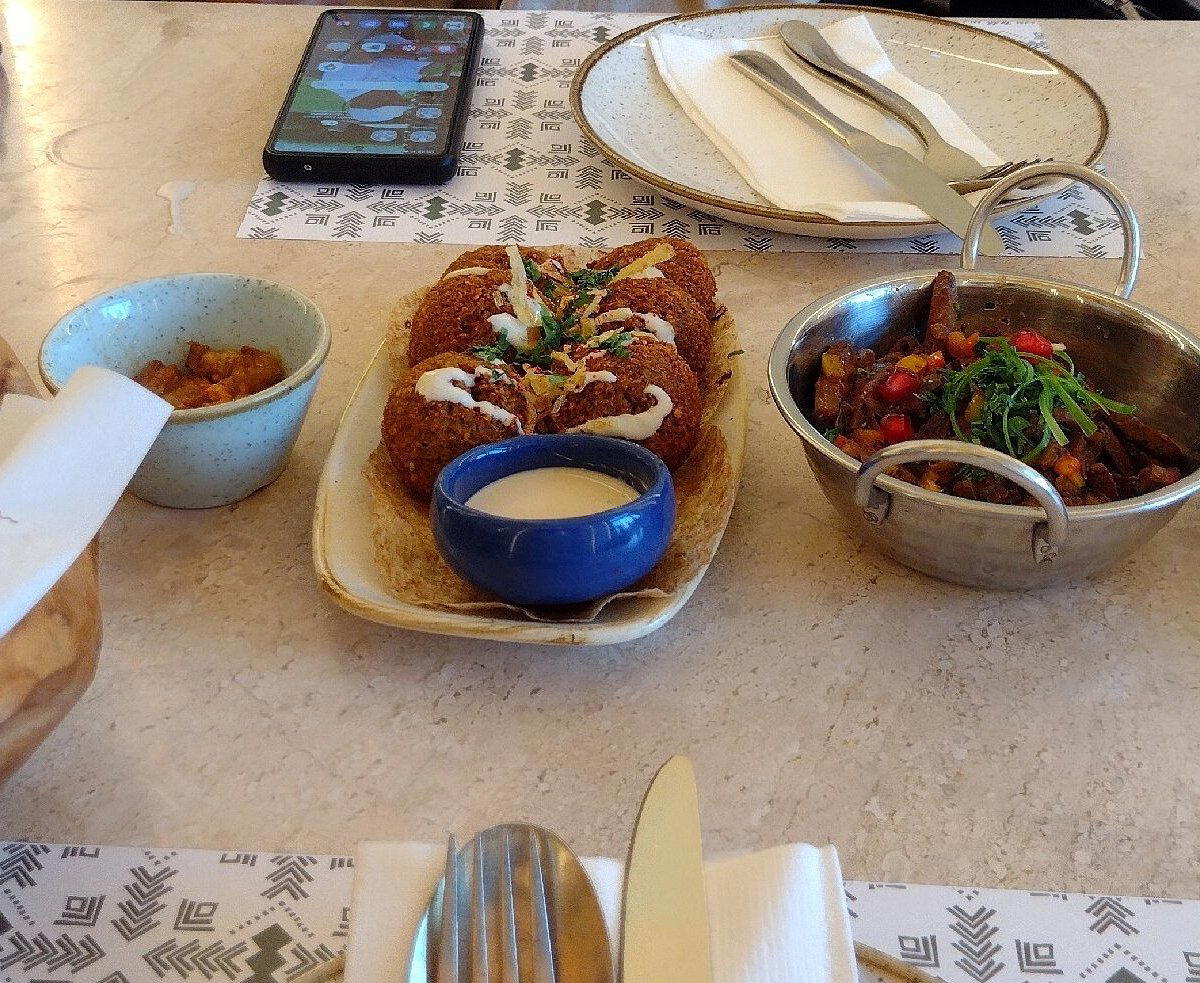
The menu carries regional signals that extend beyond Saudi borders. Falafel topped with tahini and tuna, a combination that places a Levantine staple in conversation with a Mediterranean pantry, and a creamy rice pudding that references Egyptian dessert tradition both appear in the recorded dishes. That Egyptian register is consistent with Michael Mina's background: born in Egypt before building a career predominantly in the United States, his presence here produces a menu that draws on a wider arc of Arab culinary geography rather than limiting itself to the Saudi frame alone. For diners already familiar with the tighter Saudi-focused cooking at a place like Aseeb, Taleed offers a broader regional conversation.
The emphasis on prime ingredients runs through the kitchen's approach. In a city where premium sourcing has become a marker of seriousness across the higher tiers of the dining scene, evident at addresses like Marble and Myazu, the kitchen's commitment to ingredient quality positions Taleed within that credible upper bracket rather than trading on the Mina name alone.
Michael Mina as a Credential, Not a Story
Chef Michael Mina's wider portfolio spans American cities and formats, from the kind of technically ambitious tasting-menu work that characterises serious American fine dining to more casual concepts. His name on an international project is a different signal from, say, a chef whose entire output is concentrated in one city. The relevant parallel is how internationally operating chefs like those behind Le Bernardin in New York City or Alain Ducasse at Louis XV in Monte Carlo have placed flagship-quality operations within hotel contexts without those venues reading as secondary projects. Whether Taleed reaches that benchmark is a question for the table, but the architectural setting and the regional intent of the menu suggest a project conceived with more specificity than a generic hotel-restaurant commission.
For context on how international chefs have approached regionally inflected menus within hotel dining rooms across the Gulf and wider Middle East, the pattern at Harrat in AlUla offers a useful comparison point: a different geography and cuisine frame, but the same underlying question of how imported culinary authority translates into a local register.
Where Taleed Sits in the Riyadh Dining Picture
Riyadh's restaurant tier has broadened considerably. Japanese-influenced rooms like Myazu address one part of the market; European-leaning addresses like Benoit cover another. The gap that Taleed occupies, Arab cuisine refracted through an internationally credentialled kitchen inside a hotel with genuine architectural intent, is less crowded. That is not a trivial distinction in a city where differentiation across the higher dining tiers increasingly depends on concept precision rather than price point alone.
Elsewhere in Saudi Arabia, the question of how regional cuisine scales into premium formats plays out differently by city. Kuuru in Jeddah approaches a related brief from the coast, where the seafood tradition and the Hijazi palate create a different set of reference points. Taleed's inland Riyadh context, and its neo-Najdi architectural frame, anchor it to a distinct identity.
Planning a Visit
Taleed sits within the Bab Samhan Hotel at 7628 King Faisal Ibn Abd Al Aziz Road, Riyadh. The hotel's address places it within reach of the city's central districts, and the neo-Najdi building is identifiable on approach. Given the hotel-restaurant format and the profile of the concept, booking in advance is advisable, particularly for evenings and for larger groups who want to make use of the smaller private-room configuration. The sharing-plate format makes the experience well suited to groups of three or more, where the table can build a broader spread across the menu's regional range. The service standard recorded across available assessments points to a floor team that operates at a level consistent with the hotel's positioning, adding to what is otherwise a considered dining environment.
For a fuller picture of where Taleed sits within Riyadh's dining options, our full Riyadh restaurants guide maps the city's key addresses across categories and price tiers. Those arriving in Riyadh for longer stays can also consult our full Riyadh hotels guide, our full Riyadh bars guide, and our full Riyadh experiences guide for a complete picture of the city.
Frequently asked questions
What's Taleed by Michael Mina known for in terms of accolades?
Taleed by Michael Mina has received recognition including: Within the Bab Samhan Hotel, with its neo Najdi architecture, sits this restaurant, set over two floors. The space is split into a series of smaller rooms and terraces, which makes it feel like a home. Chef Michael Mina, who is known for re….
How do I find Taleed by Michael Mina?
Taleed by Michael Mina is located at Bab Samhan Hotel, 7628 King Faisal Ibn Abd Al Aziz Road, Riyadh.
What's the must-try dish at Taleed by Michael Mina?
Two dishes draw consistent editorial attention: falafel topped with tahini and tuna, which frames Michael Mina's regional Egyptian references within a mezze format, and the creamy rice pudding dessert, a direct nod to Egyptian kitchen tradition. Both appear on the mezze-style sharing menu brought to the table as ready, rather than in a fixed sequence.
Is Taleed by Michael Mina reservation-only?
Taleed operates within the Bab Samhan Hotel at 7628 King Faisal Ibn Abd Al Aziz Road, Riyadh, and the hotel-restaurant format typically warrants advance booking, particularly for the terrace rooms. Contact the Bab Samhan Hotel directly for current table availability and reservation procedures.
A Lean Comparison
Comparable venues nearby, for context on price, style, and recognition.
| Venue | Cuisine | Price | Awards | Notes |
|---|---|---|---|---|
| Taleed by Michael MinaThis venue (the venue you are viewing) | Contemporary Hijazi-Mediterranean Fine Dining | $150–200 | Michelin Plate | Not listed |
| Tanjiah | Moroccan Fusion | $30–50 | Michelin Plate | King Fahd, Moroccan Fusion |
| تكية - TAKYA | Modern Saudi Fusion | $50–100 | La Liste Top Restaurants | Al Diriyah, Modern Saudi Fusion |
| Thara | Modern Saudi Cuisine | Not listed | Michelin Plate | Al Narjis, Modern Saudi Cuisine |
| Berenjak Riyadh | Modern Persian Restaurant | Not listed | Not listed | Al Hada, Modern Persian Restaurant |
| Robata | Modern Japanese Robatayaki | $50–100 | Michelin Plate | Hitteen, Modern Japanese Robatayaki |
Recognition history
Dated appearances from independent guides and award organizations, with the underlying list record or original source where available.
Michelin Plate
Michelin