Ruhi

Michelin Plate
Our verdict
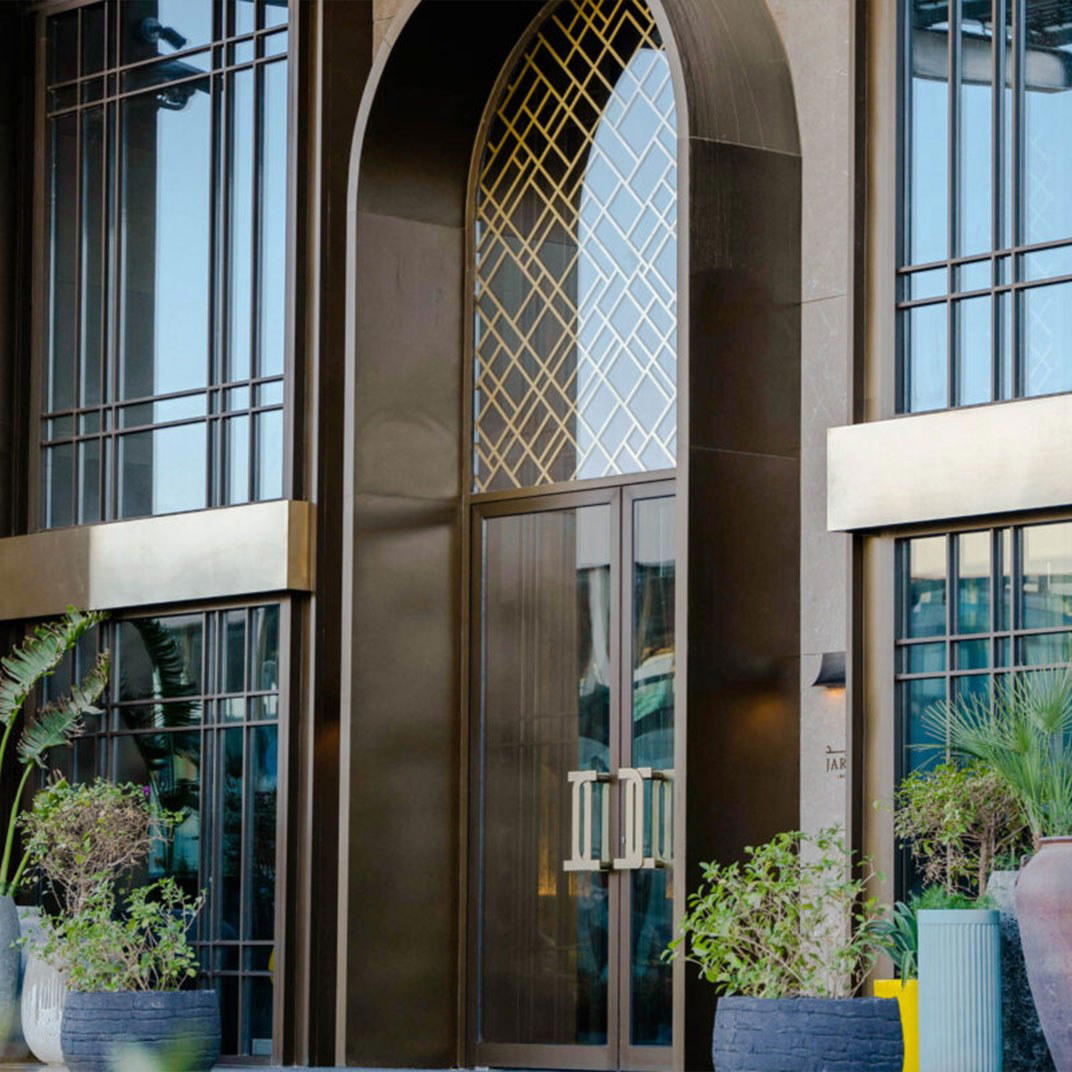
Inside The Zone's open-air complex, a glass-walled kitchen puts tandoor bakers and skewer cooks in full view. The spicing is calibrated to preserve the natural character of the produce, placing Ruhi in a small tier of Riyadh restaurants where kitchen transparency matches culinary discipline.

Pearl is the En Primeur Club membership app, where members save venues, book tables and use the concierge.
The menu
What to order
- Dal Makhani
- Lamb Chops
- Jasmine Ka Jhinga
- Butter Chicken
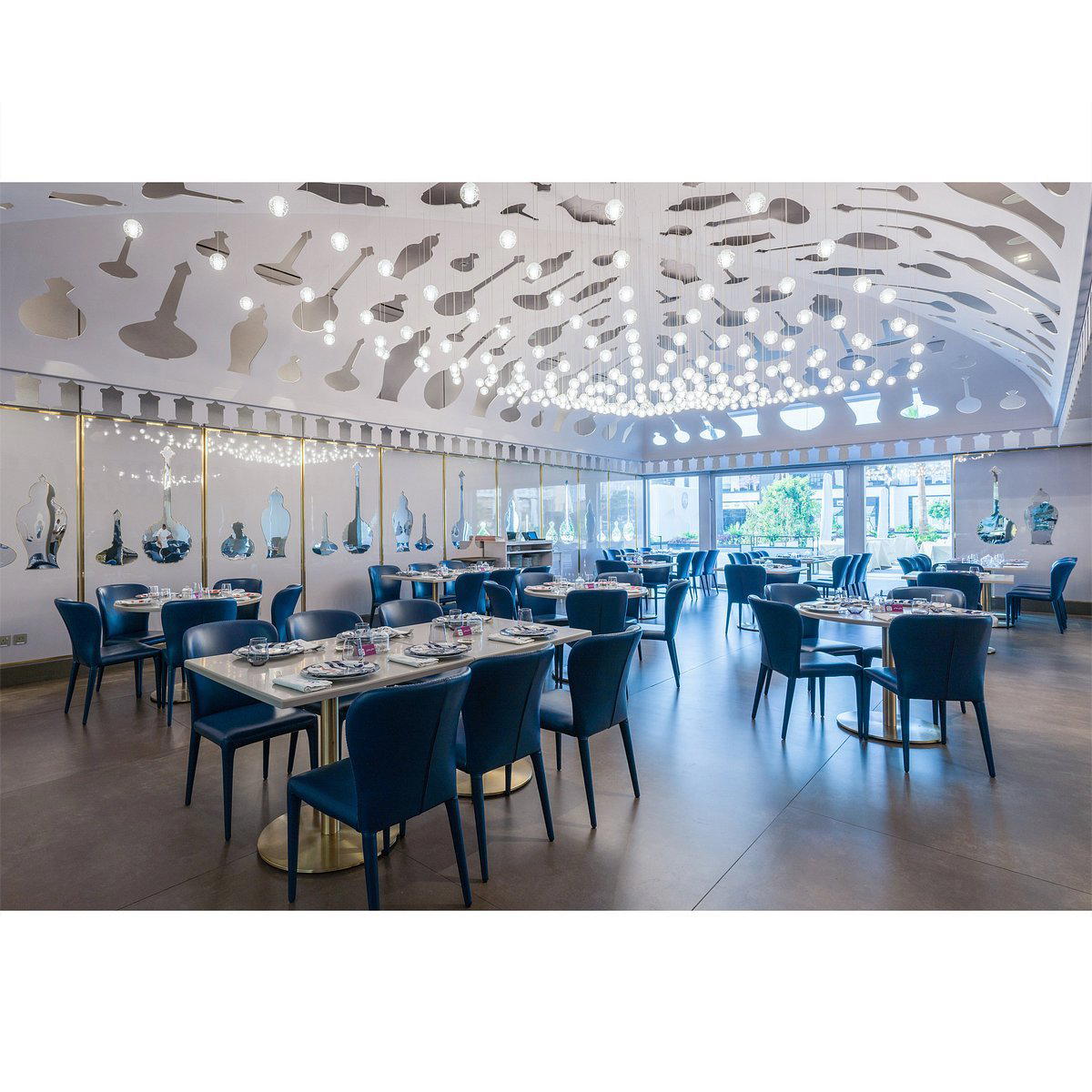
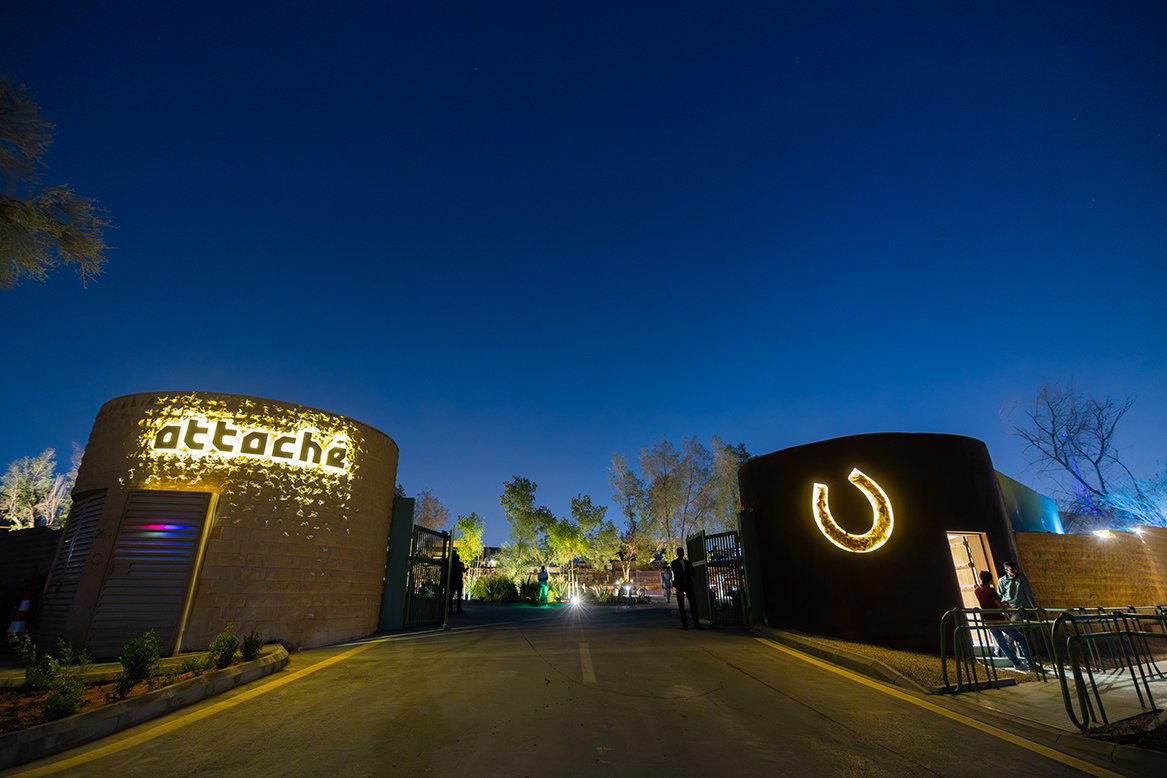
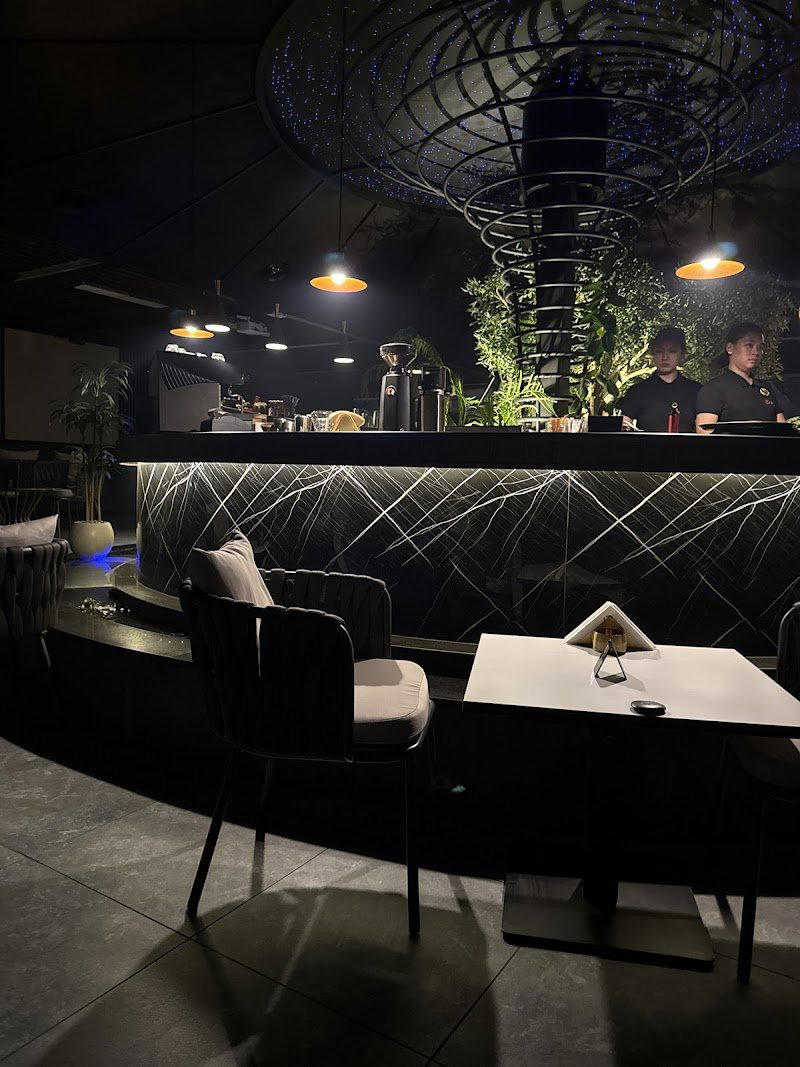
The industrial and the traditional operate in deliberate tension throughout the interior, where raw structural materials sit alongside hand-painted work that draws on South Asian visual conventions. It is a room that signals intent: this is a kitchen with a lineage, placed inside a city that is rapidly building its own vocabulary for what a North Indian restaurant should look and feel like in 2024.
North Indian Spicing in a Gulf Context
North Indian cooking is one of the world's more complex spice traditions, but complexity is not the same as aggression. The discipline behind a well-made dal or a properly rested tandoori requires restraint as much as it requires heat: the spice blend should open the flavour of the protein or legume it surrounds, not override it. Riyadh's wider dining scene has expanded quickly across international cuisines, with venues like Aseeb anchoring the Saudi end of the spectrum and Japanese-influenced formats like Myazu occupying the premium international tier. North Indian at this level of intentionality sits in a narrower band.
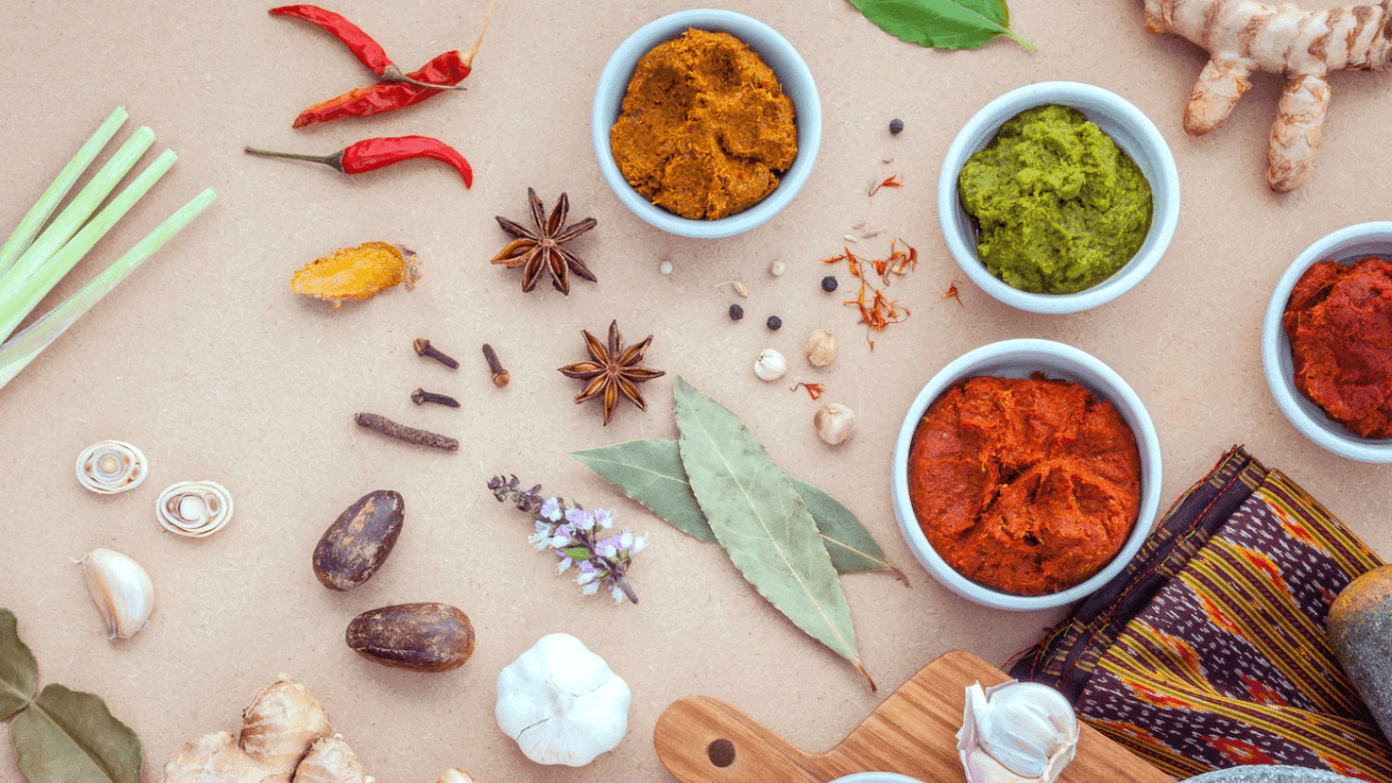
At Ruhi, the stated kitchen philosophy places spice in a supporting role. The goal, as articulated by the venue itself, is to respect the natural flavour of the produce, a principle that separates serious South Asian restaurants from the broader subcontinental category where spice is used as a masking agent rather than an enhancing one. That orientation connects directly to how the kitchen sources and handles its ingredients: produce that will be overwhelmed by a heavy masala blend requires less careful selection than produce whose character the chef intends to preserve. The live-fire formats visible through the glass wall, the tandoor and the vertical skewer oven, are techniques that amplify natural flavour through char and smoke rather than through sauce.
This approach has parallels across the world's serious fire-cooking traditions. Restaurants built around live-flame technique, from Lazy Bear in San Francisco to Emeril's in New Orleans, share a common argument: the leading ingredient preparation is often the most direct one. Ruhi's North Indian format applies that logic through the lens of the subcontinent's own fire tradition, which predates most Western live-fire revivalism by several centuries. Riyadh's approach to clustering restaurants into defined complexes is well-established: venues benefit from shared footfall, and diners benefit from optionality in a single trip. The format rewards restaurants that differentiate clearly, because the comparison with neighbours is immediate. Ruhi's glass-wall kitchen and its distinct cuisine category do that work efficiently.
For context on how Riyadh's dining geography is evolving, our full Riyadh restaurants guide maps the broader spread across neighbourhoods and cuisine types. Those planning a longer stay in the city will find additional orientation in our full Riyadh hotels guide, while our full Riyadh bars guide, our full Riyadh experiences guide, and our full Riyadh wineries guide cover the city's wider leisure infrastructure.
Comparison across Saudi Arabia's expanding restaurant scene is also useful: Kuuru in Jeddah represents a different end of the Kingdom's international dining ambition, and Harrat in AlUla shows how destination dining is developing in Saudi's heritage tourism corridor. The picture across the three cities is of a country moving through its restaurant maturity cycle at speed.
Atmosphere and Format
The room works on the logic of theatre without the self-consciousness that often undermines transparent kitchens. When the kitchen is the decoration and the cooks are the performers, the dining room can carry lighter visual weight: the eye is drawn through the glass rather than around the room. Industrial materials handle that balance well, giving the space enough texture to feel substantial without competing with the kitchen display.
The bread and tandoor programme deserves specific attention as an operational signal. Tandoor work is skilled and time-sensitive: bread that sits even a few minutes past its moment loses the structural contrast between the charred outer surface and the steam-pocketed interior. A kitchen where the tandoor cook's work is visible is also a kitchen where that timing is implicitly on display. Restaurants that commit to that transparency, like Marble in a different cuisine context or Benoit at the French end of Riyadh's international range, tend to run tighter kitchens because the audience is always watching.
Stew programme indicated by the large pots visible through the glass points to a patience-first kitchen culture. Long braises and slow-cooked gravies are the backbone of North Indian restaurant cooking; they require time and attentive spice addition at specific stages. Venues that rely on this tradition as a centrepiece rather than a side item are committing to a labour-intensive model that prioritises depth of flavour over speed of service. The open-air nature of The Zone means arrival on foot from a nearby park or a short drive from central Riyadh are both workable approaches. As with most Riyadh dining destinations, an evening visit aligns with the city's later dining culture, where tables fill from around 8pm and the kitchen operates at full capacity well into the night. The live-fire kitchen runs visibly throughout service, so timing around the early part of an evening sitting offers the leading view of the brigade at full swing.
Phone and reservation details are not listed publicly; checking directly with The Zone's management or arriving without a booking on a weeknight is the practical fallback. For those building a broader Riyadh dining itinerary, venues like Aseeb and the French bistro format at Benoit provide useful contrast to a North Indian meal at Ruhi, covering enough tonal and culinary range to give a complete picture of where Riyadh's mid-to-upper restaurant tier currently sits. For international reference points on what serious tasting-format restaurants look like at the global level, Alinea in Chicago, Le Bernardin in New York City, and Alain Ducasse at Louis XV in Monte Carlo represent the ceiling of what the category can reach, providing a benchmark frame for Riyadh's own ascending curve.
Frequently asked questions
Is Ruhi good for families?
The open-air setting of The Zone and the glass-walled kitchen make Ruhi a natural fit for families, the live kitchen spectacle of bread slapping into the tandoor and skewers going into the traditional oven gives younger diners something to watch throughout the meal. The North Indian format, built around shared dishes, suits group eating at most table sizes.
Is Ruhi better for a quiet night or a lively one?
Ruhi skews lively. The kitchen is the centrepiece of the room, with a visible brigade working tandoor, hanging skewers, and stirring stews simultaneously, so there is constant movement and noise from the cooking itself. If you want a subdued dinner, the format works against you; if you want energy without a DJ, it delivers.
Has Ruhi won any awards?
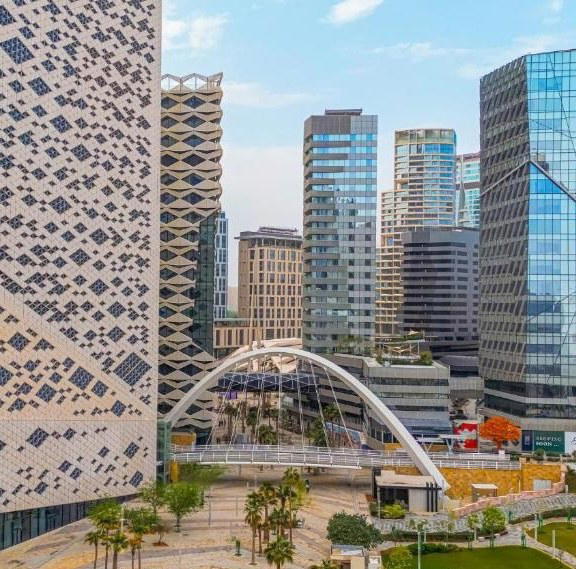
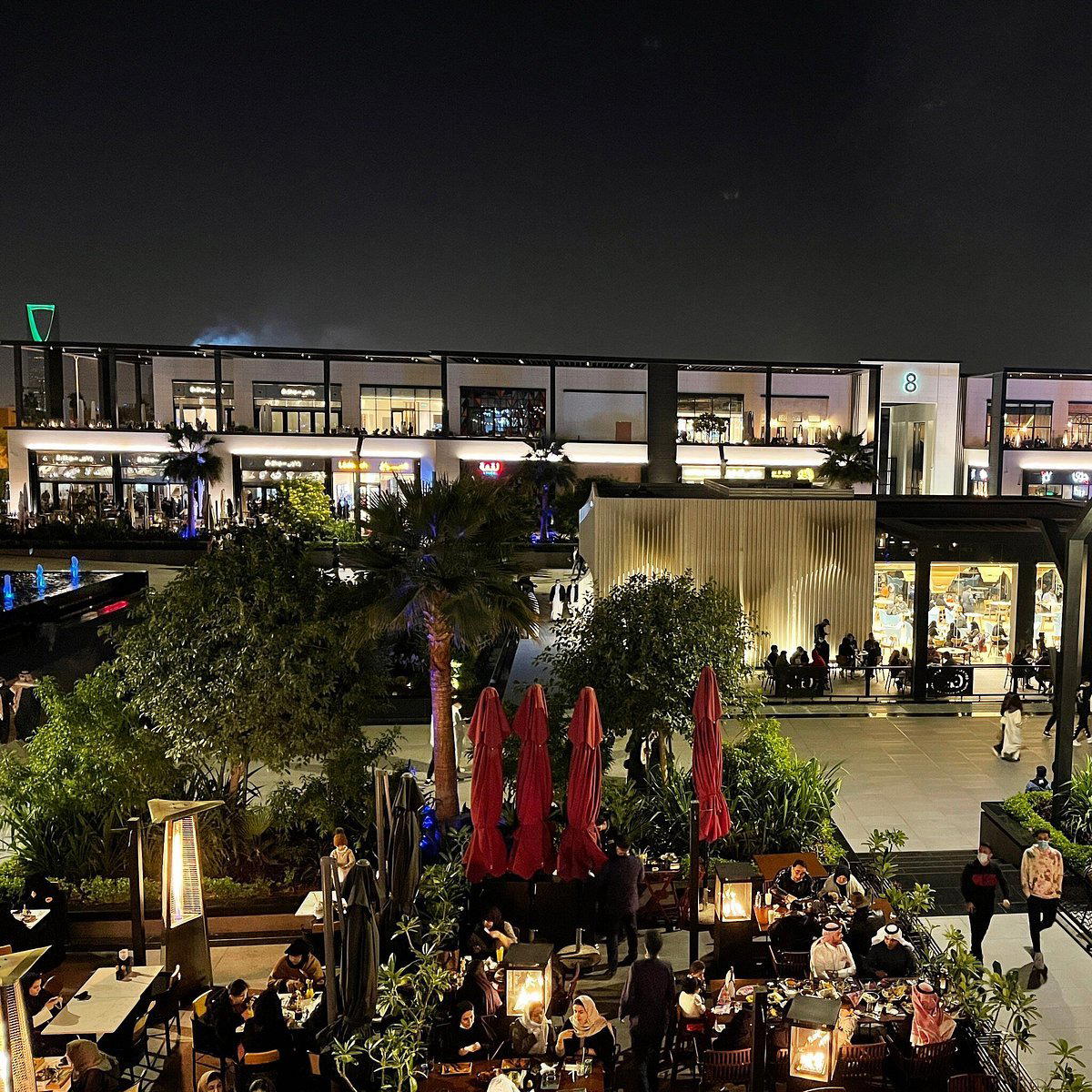
Ruhi has received recognition including: Located in The Zone, an open-air commercial complex with different pavilions, with most of them being restaurants. This attractive one stands out with its decoration, where industrial elements are juxtaposed with traditional paintings. The ….
What should I order at Ruhi?
The kitchen makes its priorities clear from the layout: tandoor-baked breads and skewer-roasted meats are the dishes being prepared in full view, which signals where the kitchen's attention sits. The cooking is described as North Indian with careful spicing that keeps the natural flavour of the produce forward, so the spice-heavy stews visible in the large pots are worth exploring alongside anything coming off the hanging skewer oven.
What part of town is Ruhi in?
Ruhi is located at The Zone, 7236 Al Takhassousi, Al Mohammadiyyah, Riyadh.
In Context: Similar Options
Comparable venues nearby, for context on price, style, and recognition.
| Venue | Cuisine | Price | Awards | Notes |
|---|---|---|---|---|
| RuhiThis venue (the venue you are viewing) | Modern North Indian | $20–30 | Michelin Plate | Not listed |
| Tanjiah | Moroccan Fusion | $30–50 | Michelin Plate | King Fahd |
| Robata | Modern Japanese Robatayaki | $50–100 | Michelin Plate | Hitteen |
| Long Chim | Modern Thai Street Food | Not listed | Michelin Plate | Al Diriyah |
| MLLE | Modern Lebanese | Not listed | Michelin Plate | Umm Al Hamam Al Gharbi |
| HABRA | Modern Beef Canteen Steakhouse | $50–100 | Not listed | Hitteen |
Recognition history
Dated appearances from independent guides and award organizations, with the underlying list record or original source where available.
Michelin Plate
Michelin