LUNE

James Beard Award Semi Finalist
Our verdict
On Route 28 in Dennis Port, LUNE operates within a Cape Cod dining scene shaped by proximity to some of the most productive cold-water fishing grounds on the East Coast. The address alone signals a different kind of sourcing story than you find at most Massachusetts restaurants, where local rhetoric often outpaces local reality. For visitors working through our full Dennis Port restaurants guide, LUNE merits attention as a study in what genuinely regional cooking looks like on the Outer Cape.

Pearl is the En Primeur Club membership app — saves, bookings, and concierge access live there. Same editors, same standards.
- Address
- 587 MA-28, Dennis Port, MA 02639, United States
- Phone
- (508) 260-7951
- Hours
- Mon–Thu ClosedFri–Sat 5:30–9 PMSun 5–9 PM
- Website
- lunecapecod.com
- Directions
- Get directions
- Booking
- Book on OpenTable
The menu
What to order
- Scallop crudo
- Tuna crudo
- Morel tartine
- Roasted monkfish
Route 28 and the Cold-Water Advantage
The stretch of Route 28 through Dennis Port is not the kind of address that signals destination dining at first glance. The road runs parallel to Nantucket Sound, lined with motels, ice cream stands, and the kind of low-key commerce that defines the working-class end of Cape Cod summer. But proximity to the Sound, to Chatham's commercial fleet, and to the shell fisheries scattered across Pleasant Bay and Stage Harbor has made this corridor quietly significant for anyone paying attention to where New England seafood actually originates. LUNE sits at 587 MA-28, which places it close enough to that supply chain to make sourcing claims credible rather than aspirational.
That geographic specificity matters more than it might seem. Across American fine dining, the gap between sourcing language and sourcing reality has narrowed considerably since the farm-to-table movement peaked in the 2010s, but it has not closed. Restaurants at the level of Single Thread Farm in Healdsburg or Blue Hill at Stone Barns in Tarrytown have built entire operating models around verifiable supply chains. On Cape Cod, the equivalent advantage is purely geographic: when your kitchen is within twenty miles of active commercial fishing operations and working shellfish grants, the argument for local sourcing does not require a press release to hold up.
What Cold-Water Fishing Grounds Mean on the Plate
The waters off the Outer Cape produce a specific and well-documented range of species. Striped bass, bluefish, scup, black sea bass, littleneck clams, quahogs, oysters from the tidal creeks of Wellfleet and Orleans, and soft-shell clams pulled from the mud flats around Chatham all fall within a short radius of Dennis Port. Lobster from the offshore traps of Chatham fishermen arrives at the dock with a quality profile that differs measurably from Canadian or Maine product processed through distribution networks: smaller, colder-water animals with denser meat and a shorter transit time.
This is the sourcing context in which a restaurant at this address operates. The kitchens that make the most of this geography tend to work with a restrained mise en place, letting the protein carry the plate rather than building complexity through technique alone. That approach places Cape Cod's better tables in a recognizable tradition: the kind of seafood-forward, ingredient-led cooking that Le Bernardin in New York City represents at the top of the American fine-dining tier, and that Providence in Los Angeles applies through a California lens focused on sustainable catch sourcing.
Dennis Port Within the Cape Cod Dining Pattern
Cape Cod's restaurant scene has historically divided along seasonal and geographic lines. The Upper Cape towns closest to the Sagamore Bridge attract traffic that leans toward volume and familiarity. Mid-Cape towns like Hyannis and Dennis have a broader mix, but density of visitors pulls the market toward accessible mid-market operations. The Outer Cape, from Chatham east through Wellfleet to Provincetown, carries a different character: smaller populations, shorter seasons, and a local-centric dining culture that tolerates higher prices and more specific menus because the audience skews toward repeat visitors who know what they want.
Dennis Port sits at the edge of that transition. It is not yet Outer Cape in the culinary sense, but it benefits from proximity to the same fisheries and farming operations that feed the more established dining corridor further east. For a restaurant operating at this address, the practical implication is access to ingredients without the extreme seasonality constraints that compress revenue windows in Wellfleet or Truro. The summer peak here runs from Memorial Day through Labor Day, with shoulder months in May and October drawing a smaller but more engaged dining audience. Visitors planning around peak season should factor in that Cape Cod reservations across all price tiers tighten significantly from late June onward.
The comparison set for a serious restaurant in Dennis Port extends beyond the Cape itself. American coastal fine dining has produced a range of reference points worth knowing: Addison in San Diego, The French Laundry in Napa, and Lazy Bear in San Francisco each represent different answers to the question of what a premium experience means in a specific regional context. On the East Coast, The Inn at Little Washington demonstrates what a destination-format restaurant can achieve when it commits entirely to a regional food identity over decades. These benchmarks matter because they clarify what Cape Cod's better tables are measured against by the traveling audience most likely to seek them out.
The Sourcing Argument in Practice
Ingredient sourcing at the level where it actually changes what lands on the plate requires more than proximity to supply. It requires kitchen discipline around seasonality, relationships with specific producers rather than broad distributor agreements, and menu structures flexible enough to reflect what is genuinely available on a given week rather than what was planned six months earlier. That operational model is harder to execute than it sounds, and it tends to sort restaurants into tiers based on how seriously they pursue it.
At the ambitious end of this approach, restaurants like Bacchanalia in Atlanta and Brutø in Denver have built sourcing programs that function as core editorial content for the dining experience, not merely as supporting copy. Frasca Food and Wine in Boulder takes a regional specificity approach from the producer side, anchoring a menu identity to a particular Italian region rather than to the immediate geography. The thread connecting all of them is a willingness to let sourcing decisions constrain the menu rather than letting menu ambitions constrain the sourcing.
On Cape Cod, that discipline is easiest to apply to seafood, where the supply chain is short, the quality differential between fresh-off-the-boat and distributed product is immediately legible, and the regional identity argument writes itself. The harder test is whether a kitchen extends that discipline to vegetables, dairy, and proteins sourced from the Cape and Islands farming operations that have grown steadily over the past two decades, supplying restaurants from Falmouth to Provincetown with a broader pantry than existed even ten years ago.
Nearby and Worth Knowing
Dennis Port's dining options extend beyond LUNE. Ocean House operates in the same town and represents a different point on the local dining spectrum, worth considering when planning an evening across multiple stops or comparing formats within the same geography. For the wider Cape Cod picture and a fuller account of where Dennis Port sits within it, our Dennis Port restaurants guide maps the full range.
Visitors orienting from the national fine-dining conversation will find useful context in the broader EP Club coverage, including Emeril's in New Orleans, Alinea in Chicago, Atomix in New York City, Causa in Washington, D.C., and 8 1/2 Otto e Mezzo Bombana in Hong Kong, each of which illustrates a different answer to what serious cooking looks like when it is anchored to a specific place.
Planning Your Visit
LUNE is located at 587 MA-28 in Dennis Port, MA 02639. Given the seasonal compression of Cape Cod dining, advance planning is advisable from June through August, when reservations across the region tighten and same-week availability at any serious table becomes unreliable. The shoulder months offer more flexibility. For current hours, booking options, and any dietary accommodation inquiries, the address provides a physical starting point for direct contact; online booking platforms covering the Cape Cod area are the most efficient route to current availability during peak season.
Frequently asked questions
How do I find LUNE?
LUNE is located at 587 MA-28, Dennis Port, MA 02639, Dennis Port.
How does LUNE's location in Dennis Port compare to dining options elsewhere on Cape Cod?
Dennis Port sits in the Mid-Cape, which has historically attracted less destination-dining attention than Provincetown at the tip or Falmouth near the Sagamore Bridge. That positioning means LUNE at 587 MA-28 operates in a part of the Cape where the dining options are fewer but the sourcing geography — proximity to Pleasant Bay shellfish beds and the Chatham fishing fleet — is arguably stronger than in the Upper Cape towns that draw more seasonal traffic.
What's the best thing to order at LUNE?
The seafood-led dishes carry the strongest argument here. LUNE sits within practical sourcing distance of Chatham's commercial fishing fleet and the shellfish operations of Pleasant Bay, which puts species like striped bass, black sea bass, and littleneck clams on a short supply chain. Those are the dishes most directly shaped by the kitchen's geographic position on the Cape.
How far ahead should I plan for LUNE?
Between late June and Labor Day, Cape Cod's reservation window at tables worth booking tends to close faster than visitors expect. Dennis Port sees the same seasonal compression as the rest of the Mid-Cape, so planning two to four weeks ahead during peak summer is a reasonable floor. Shoulder season visits in May, September, or October generally allow more flexibility, though confirming seasonal hours in advance is advisable.
What makes LUNE worth seeking out?
The case is primarily geographic. Very few American restaurant addresses put a kitchen within practical sourcing distance of both active commercial fishing grounds and a working shellfish operation simultaneously, and the stretch of Route 28 through Dennis Port does exactly that. The Outer Cape's cold-water fishing grounds are well-documented for producing striped bass, scup, bluefish, and black sea bass, and proximity to that supply chain is a structural advantage that most coastal restaurants don't actually hold.
Can LUNE adjust for dietary needs?
Confirming specifics ahead of time is standard practice at Cape Cod kitchens running tight seasonal operations.
Is LUNE worth it?
The sourcing argument for a kitchen at this address is structurally sound: proximity to Chatham's commercial fleet and the shellfish operations of Pleasant Bay puts LUNE closer to primary supply than most seafood-focused restaurants in the region. Whether that translates into plate-level execution is what a visit will confirm, but the geographic foundation is not a marketing claim — it is a function of where 587 MA-28 sits on the Cape.
Fast Comparison
Comparable venues nearby, for context on price, style, and recognition.
| Venue | Cuisine | Price | Awards | Notes |
|---|---|---|---|---|
| LUNEThis venue — the venue you are viewing | Hyper-local Seasonal Fine Dining | $100–150 | James Beard Award Semi Finalist | Not listed |
| Ocean House | New England Coastal with Pan-Asian Fusion | $50–100 | Not listed | Dennis Port |
| The Pheasant | Cape Cod Farm-to-Table Gastropub | $50–100 | Star Wine List | Dennis |
| Atria | Contemporary New England Seafood | $50–100 | Not listed | Edgartown |
| Alden & Harlow | Modern American small plates | Not listed | Not listed | Harvard Square |
| Field & Vine | New American Small Plates | $100–150 | Not listed | Union Square |
Recognition history
Dated appearances from independent guides and award organizations, with the underlying list record or original source where available.
James Beard Award Semi Finalist
James Beard Award
Continue exploring
More in Dennis Port
Restaurants in Dennis Port
Browse all →
Bars in Dennis Port
Browse all →
Details
- Intimate
- Cozy
- Modern
- Date Night
- Special Occasion
- Open Kitchen
- Chefs Counter
- Extensive Wine List
- Local Sourcing
- Tasting Menu
- A La Carte
- Wine Pairing
Current opening hours
- Monday
- Closed
- Tuesday
- Closed
- Wednesday
- Closed
- Thursday
- Closed
- Friday
- 5:30–9 PM
- Saturday
- 5:30–9 PM
- Sunday
- 5–9 PM
Hours can change for holidays and private events. Last verified .
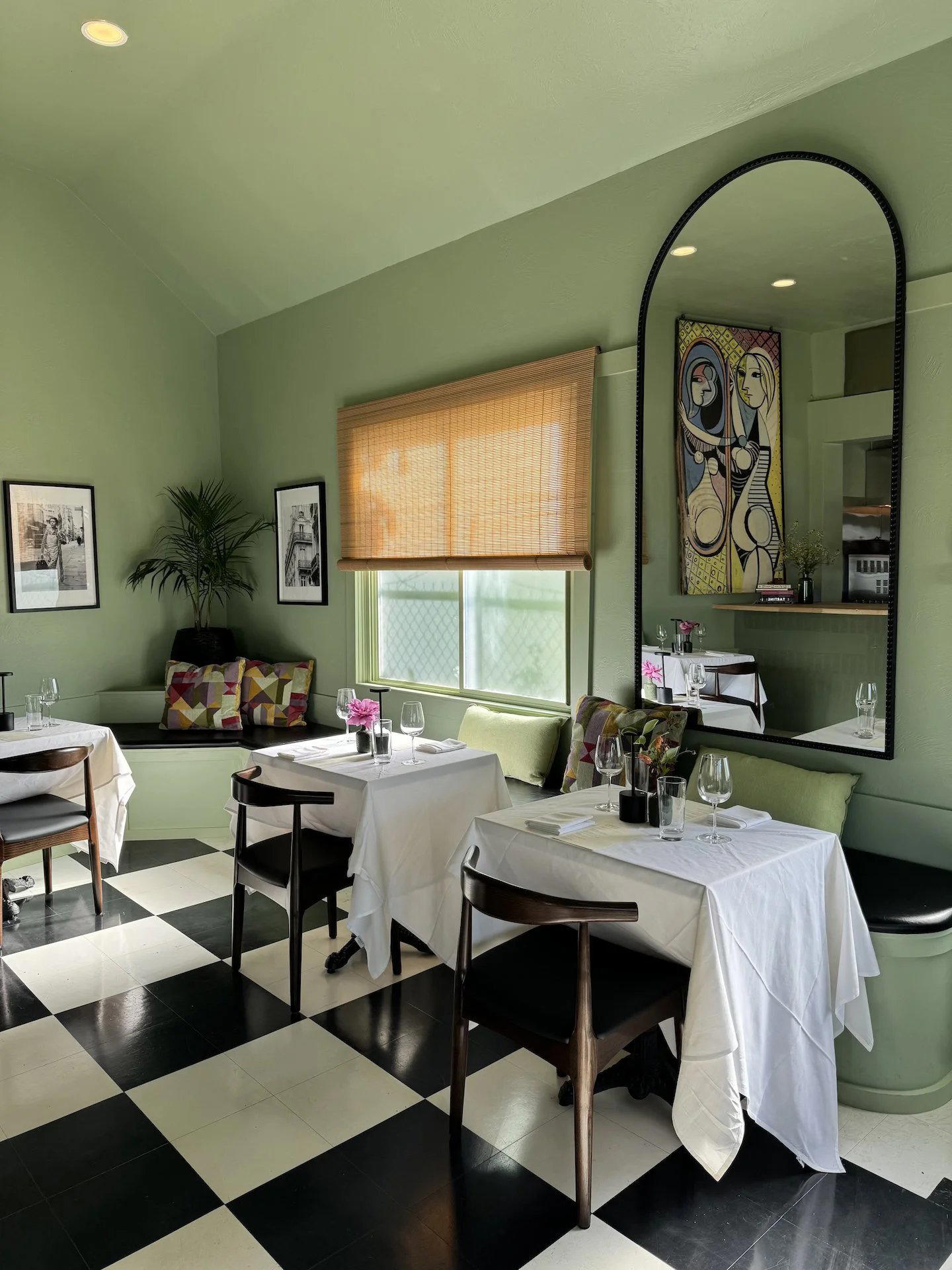
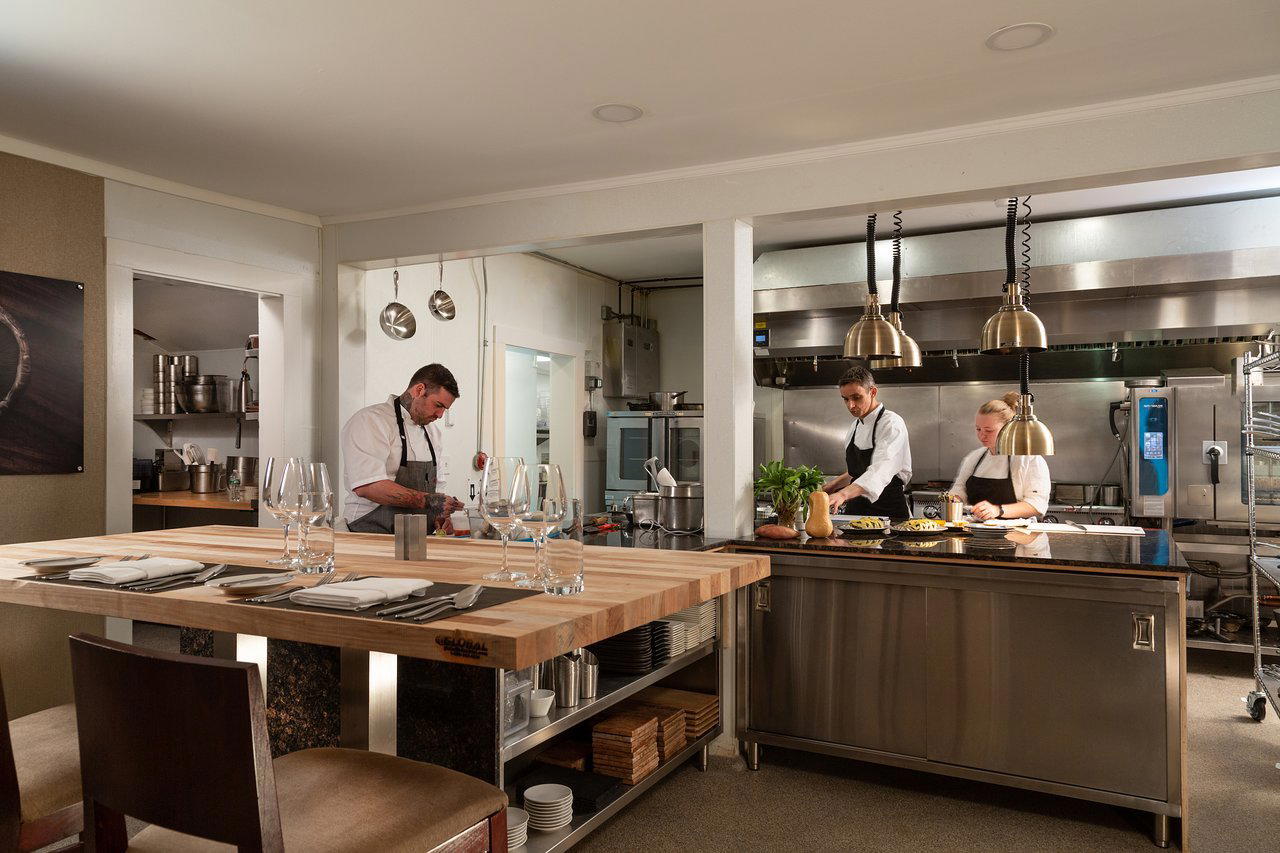
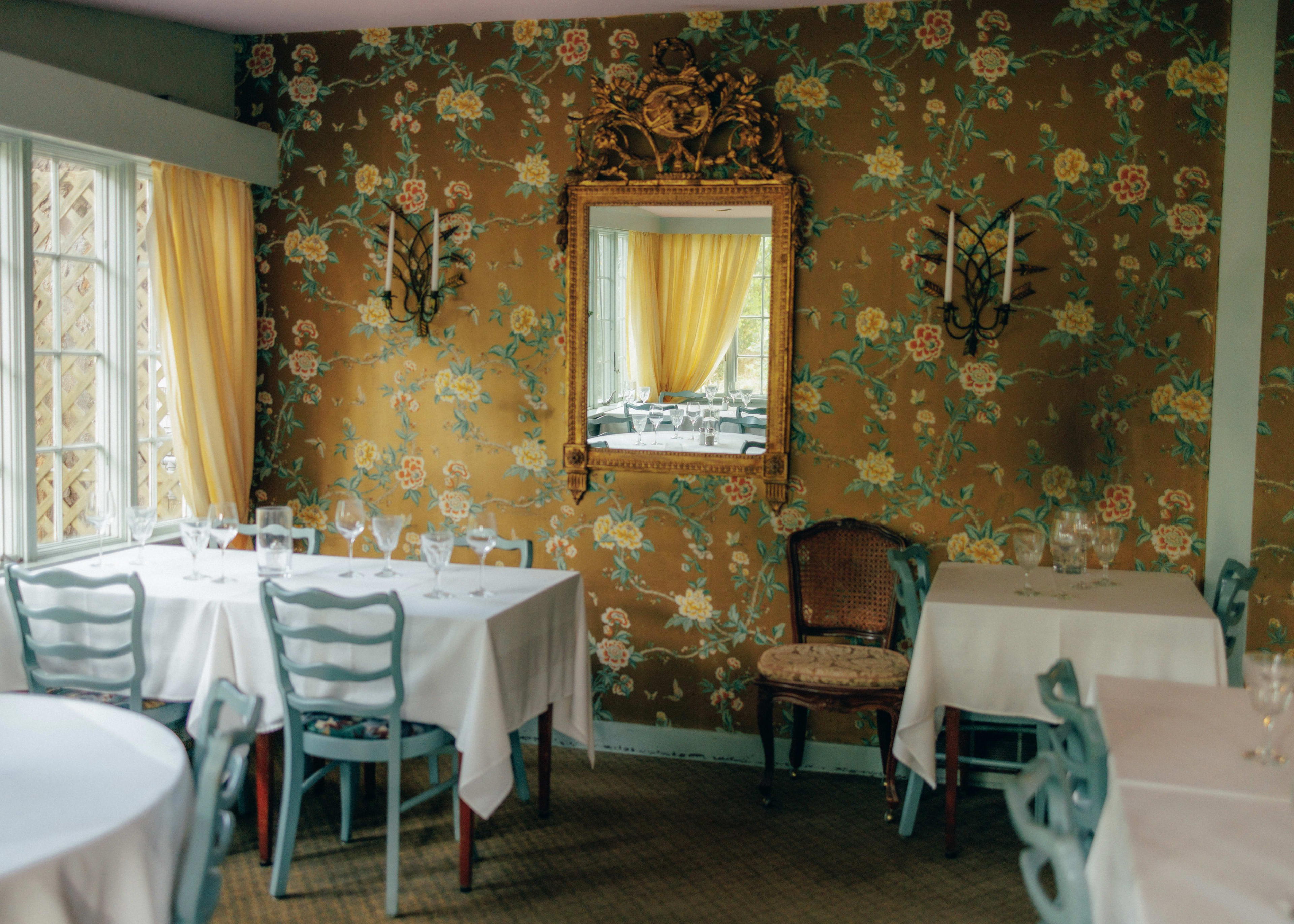
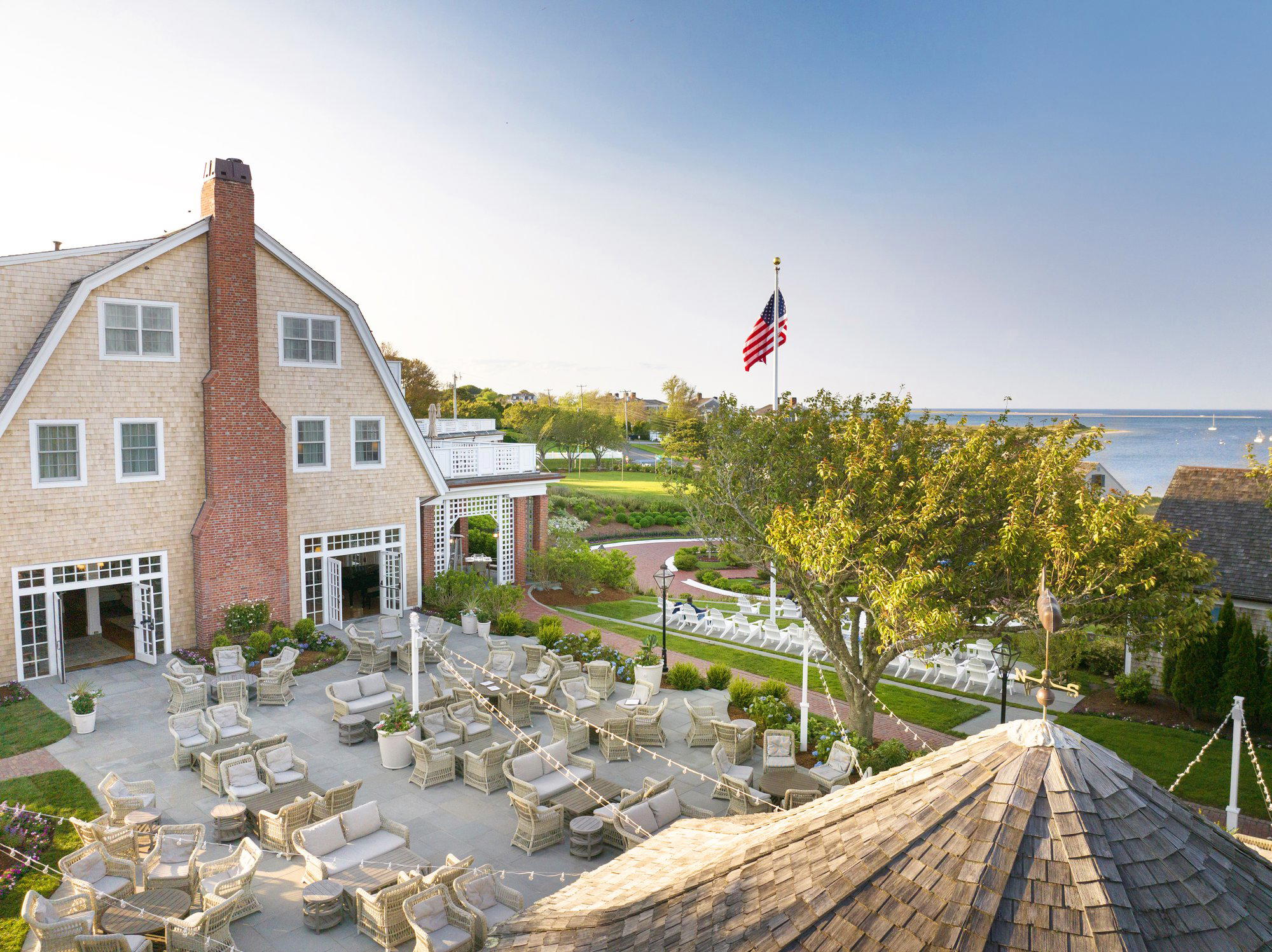
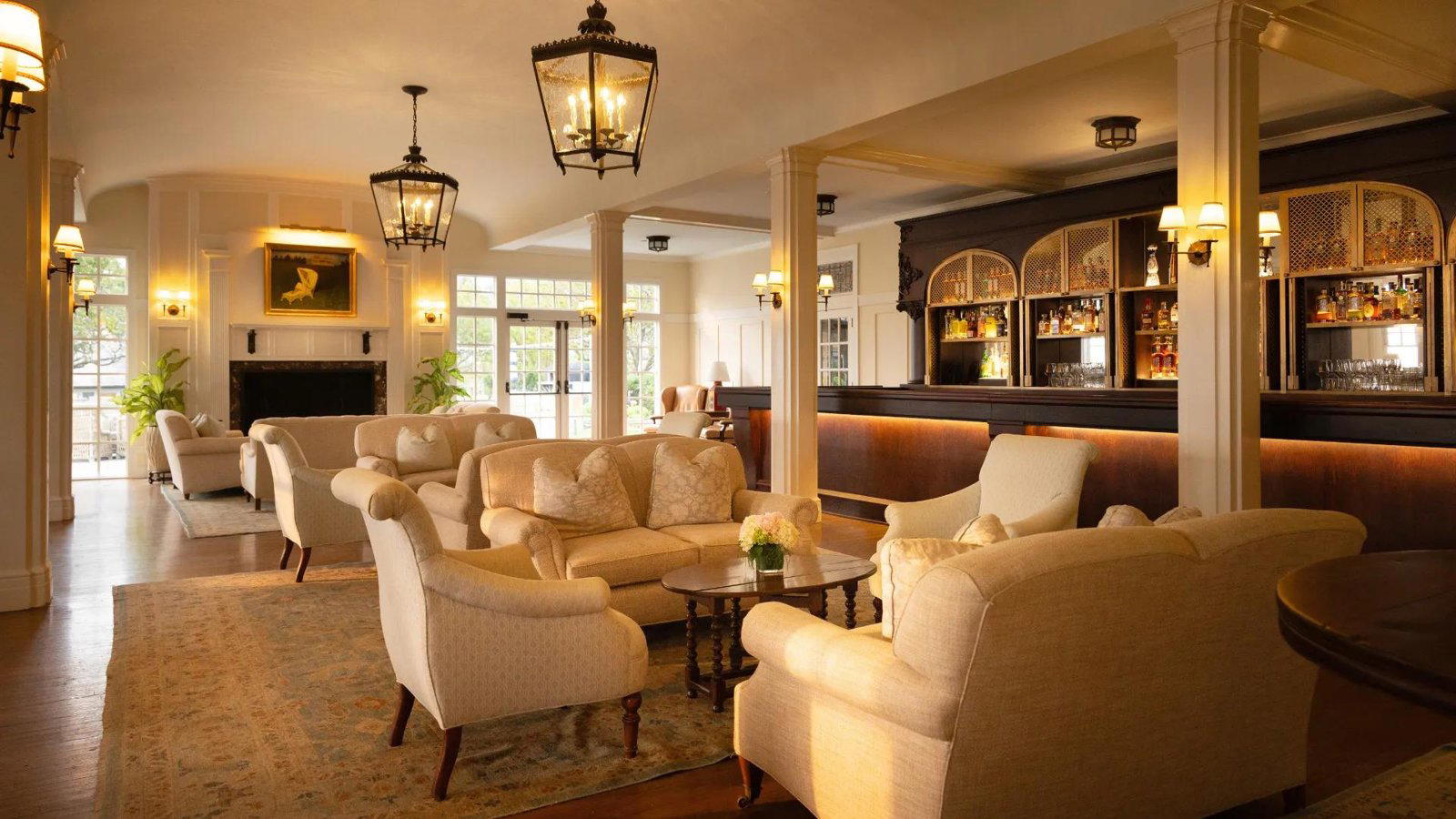
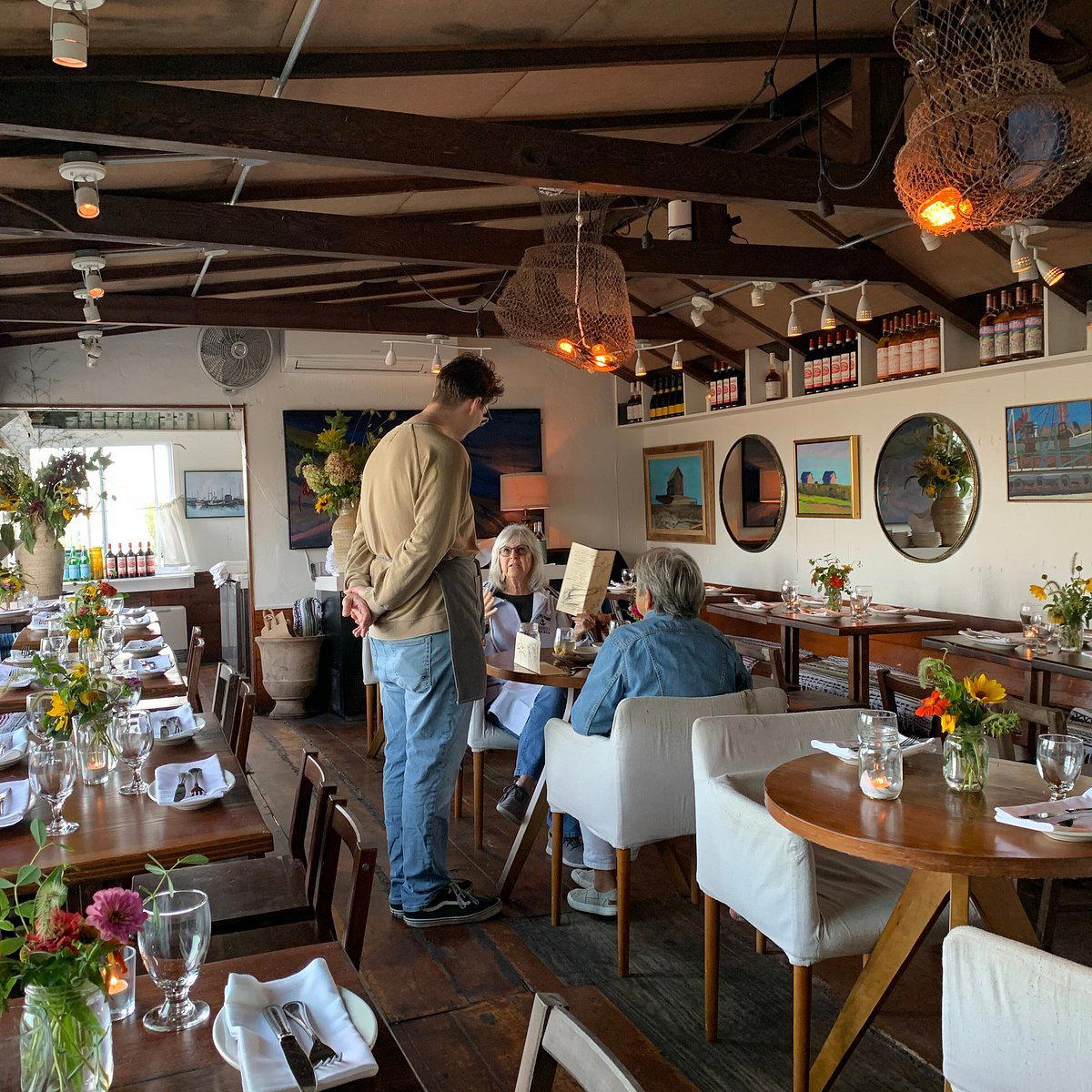
Cozy intimate atmosphere in a converted garage featuring open kitchen, art decorations, wine bottles, and black and white tile floors with moderate noise.