Sal's Place
Sal's Place occupies a storied address on Commercial Street, where Provincetown's waterfront dining tradition runs deepest. The room reads as a product of the town itself: weathered, unpretentious, and oriented toward the water. For visitors working through the Cape's dining options, it represents one of the older-guard addresses in a scene that has grown considerably more competitive in recent years.

Pearl is the En Primeur Club membership app — saves, bookings, and concierge access live there. Same editors, same standards.
- Address
- 99 Commercial St, Provincetown, MA 02657
- Phone
- (508) 487-1279
- Hours
- Mon–Sat 5–10 PMSun Closed
- Website
- salsplace.co
- Directions
- Get directions
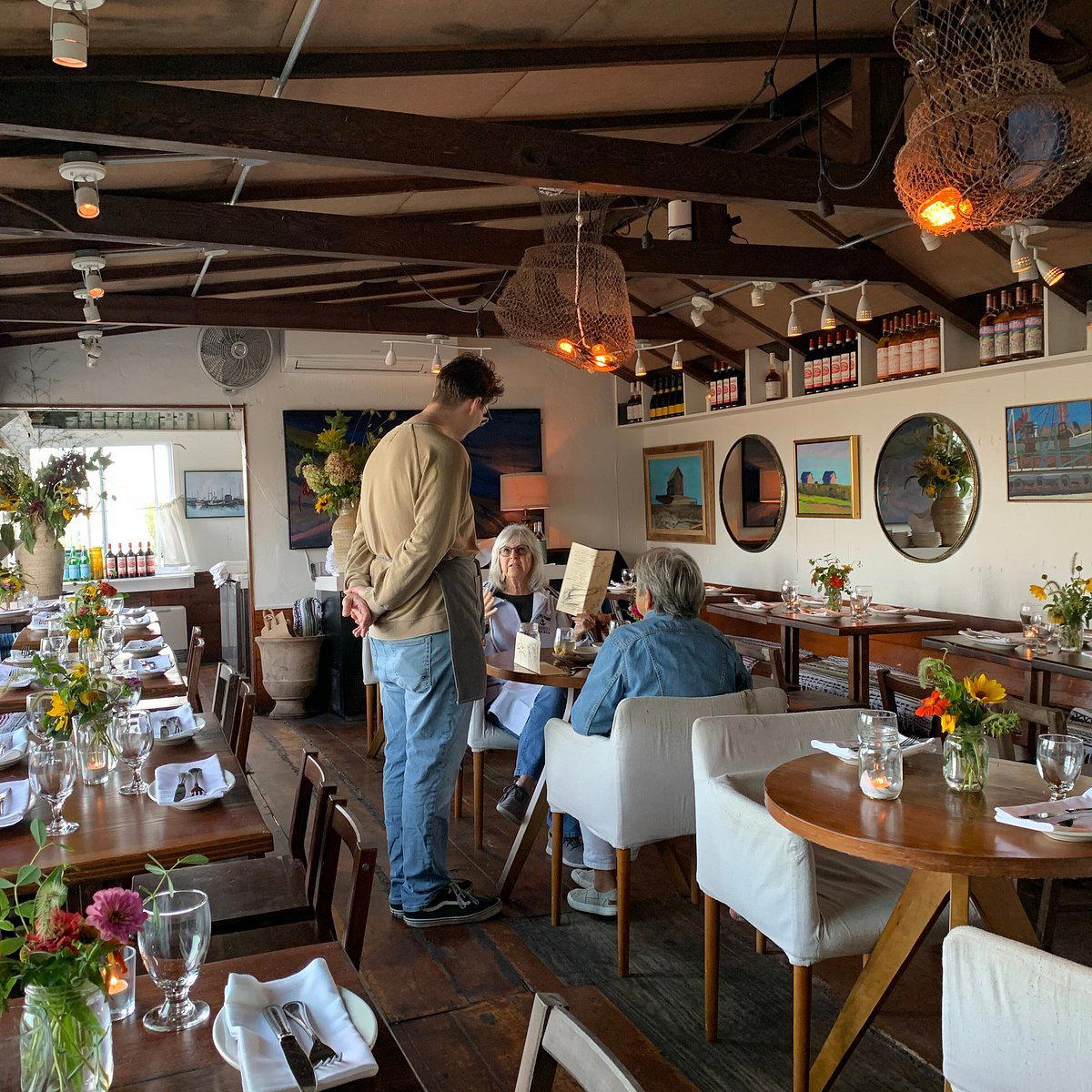
Commercial Street, Where the Water Sets the Tone
There is a particular quality to dining on the outermost edge of Cape Cod that no amount of interior design can manufacture. The light shifts fast off Provincetown Harbor, and by early evening the sky behind the waterfront buildings turns the kind of amber that makes even a plain glass of wine look considered. Sal's Place at 99 Commercial Street sits within that environment, and the address matters as much as anything on the menu. Commercial Street is Provincetown's main artery, and the stretch near Sal's runs close enough to the water that the boundary between town and harbor feels genuinely porous.
Provincetown's dining scene has changed shape considerably over the past decade. The town built its hospitality identity on summer trade, on visitors arriving by ferry from Boston or driving the length of the Cape, and the restaurants that survived long enough to become reference points did so by understanding that audience. Sal's Place belongs to the older cohort of Commercial Street addresses, the kind of room that regulars return to rather than discover for the first time. That positioning carries weight in a town where newer arrivals compete loudly for seasonal attention.
The Physical Register of the Room
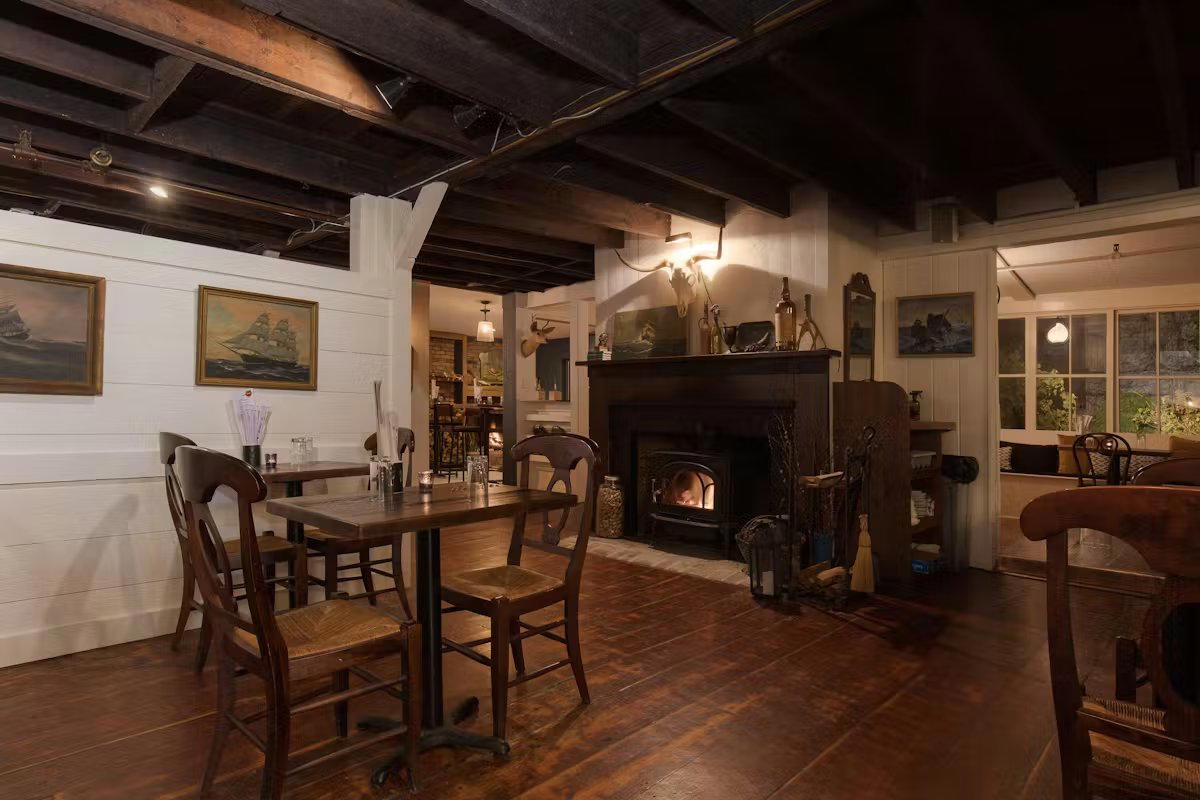
The atmosphere at addresses like Sal's Place tends to follow a formula that Provincetown has refined over generations: low ceilings, proximity to neighbors, windows that face either the street or the water, and a general resistance to the kind of sleek minimalism that defines newer coastal restaurants elsewhere in New England. The town's building stock is old, and most dining rooms work with, rather than against, that inherited character. Wood, salt air, and close quarters are the default conditions, and the better rooms make those conditions feel intentional rather than accidental.
Lighting is where these rooms either succeed or fail. The shift from midday brightness to evening atmosphere happens quickly on Commercial Street, and rooms that rely solely on natural light tend to feel flat after six. The rooms that hold through dinner service are the ones where the artificial light source is warm and positioned low, where the transition from afternoon to evening happens without the room losing its sense of enclosure. For a dining experience keyed to the harbor's rhythm, that management of light is the primary design decision, more consequential than furniture or decor.
Seating arrangements on this stretch of Commercial Street also tend toward the compact. Tables are close, the pace of service is dictated by the summer crowd's appetite, and the experience is social by default rather than design. That is not a criticism — it is the character of waterfront dining in a town built on a narrow spit of land where space has always been a constraint. Visitors arriving from larger-city dining environments often read that density as warmth rather than limitation, and the better rooms on Commercial Street use it accordingly.
Where Sal's Place Sits in Provincetown's Dining Conversation
Provincetown's restaurant options spread across a range of formats and price points, and the town's small scale means that most visitors end up cross-referencing several addresses before committing. The waterfront and near-waterfront addresses compete most directly with one another, and the distinction between them often comes down to consistency across the season rather than any single visit's performance. The Lobster Pot represents one pole of that conversation, a high-volume address with deep local name recognition. Sal's Place operates at a different register, smaller and less institutionalized, which suits visitors looking for something quieter than the town's busier stops.
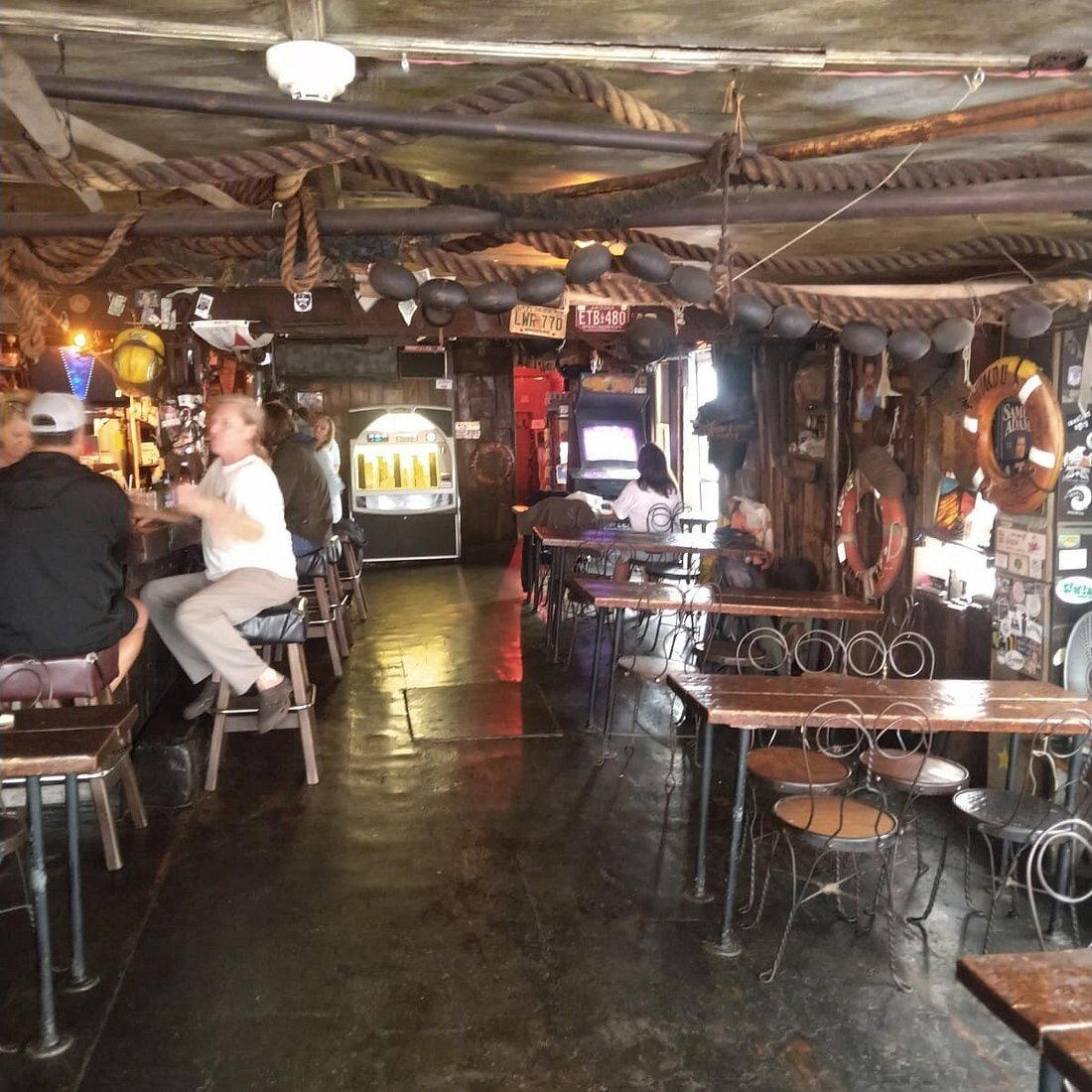
The broader Provincetown scene also includes a bar and late-night layer that runs parallel to the restaurant track. A-House and Old Colony Tap anchor different ends of that spectrum, and visitors working through a full evening in town will likely move between dining and drinking addresses more than once. Sal's Place, as a dinner-anchored address, sits at the beginning of that sequence rather than the end. For a complete picture of where it fits among the town's options, our full Provincetown restaurants guide maps the field in more detail.
For context on what technically accomplished bar programs look like in comparable markets, the reference set ranges widely: Kumiko in Chicago and Bar Leather Apron in Honolulu represent the kind of precision-driven format that defines the upper tier of American cocktail bars, while Jewel of the South in New Orleans and Julep in Houston show how regional identity can be built into a drinks program without becoming a caricature of it. Superbueno in New York City, ABV in San Francisco, Allegory in Washington, D.C., and The Parlour in Frankfurt on the Main round out a global picture of what deliberate program-building looks like at different scales. Provincetown's scene does not compete in that technical register, but the comparison is useful for calibrating what visitors should expect from a summer coastal town versus a year-round metropolitan bar market.
Planning a Visit
Provincetown's summer season concentrates hard between late June and Labor Day, and the town's better-known addresses fill without reservations during peak weeks. Commercial Street is walkable end to end, and 99 Commercial Street is accessible on foot from both the ferry dock and most of the town's accommodation. Visitors arriving by ferry from Boston have the harbor as their immediate context, which makes the waterfront dining strip a logical first stop. Those driving in should account for parking constraints, which tighten significantly as July progresses. The shoulder season months of May and September offer a version of Provincetown that longtime visitors consistently prefer: the same light and water, fewer competing demands on the room.
Cuisine-First Comparison
| Venue | Cuisine | Price |
|---|---|---|
| Sal's PlaceThis venue — the venue you are viewing | This venue | $30–50 |
| A-House | Not listed | $30–50 |
| Old Colony Tap | Not listed | $10–20 |
Continue exploring
More in Provincetown
Bars in Provincetown
Browse all →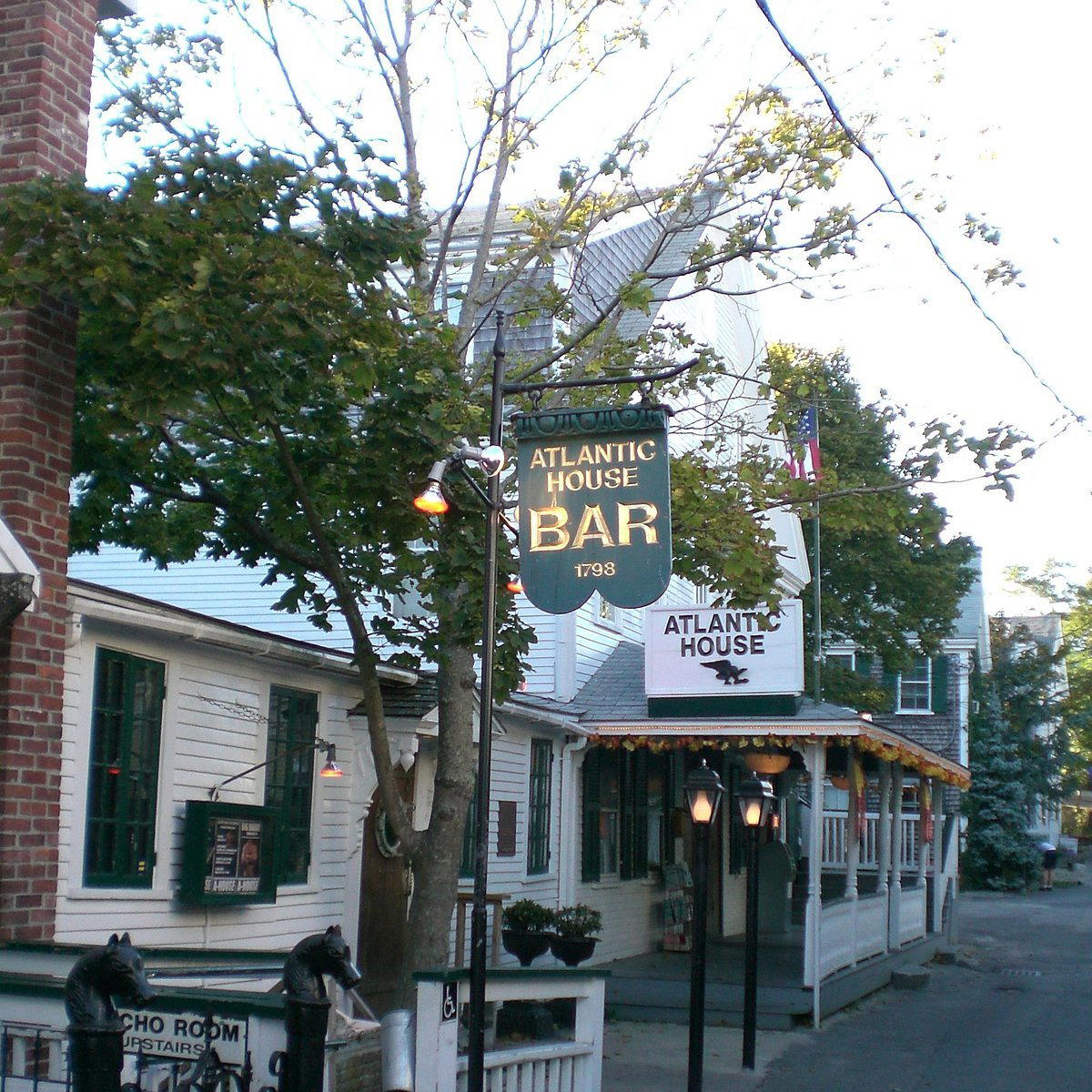
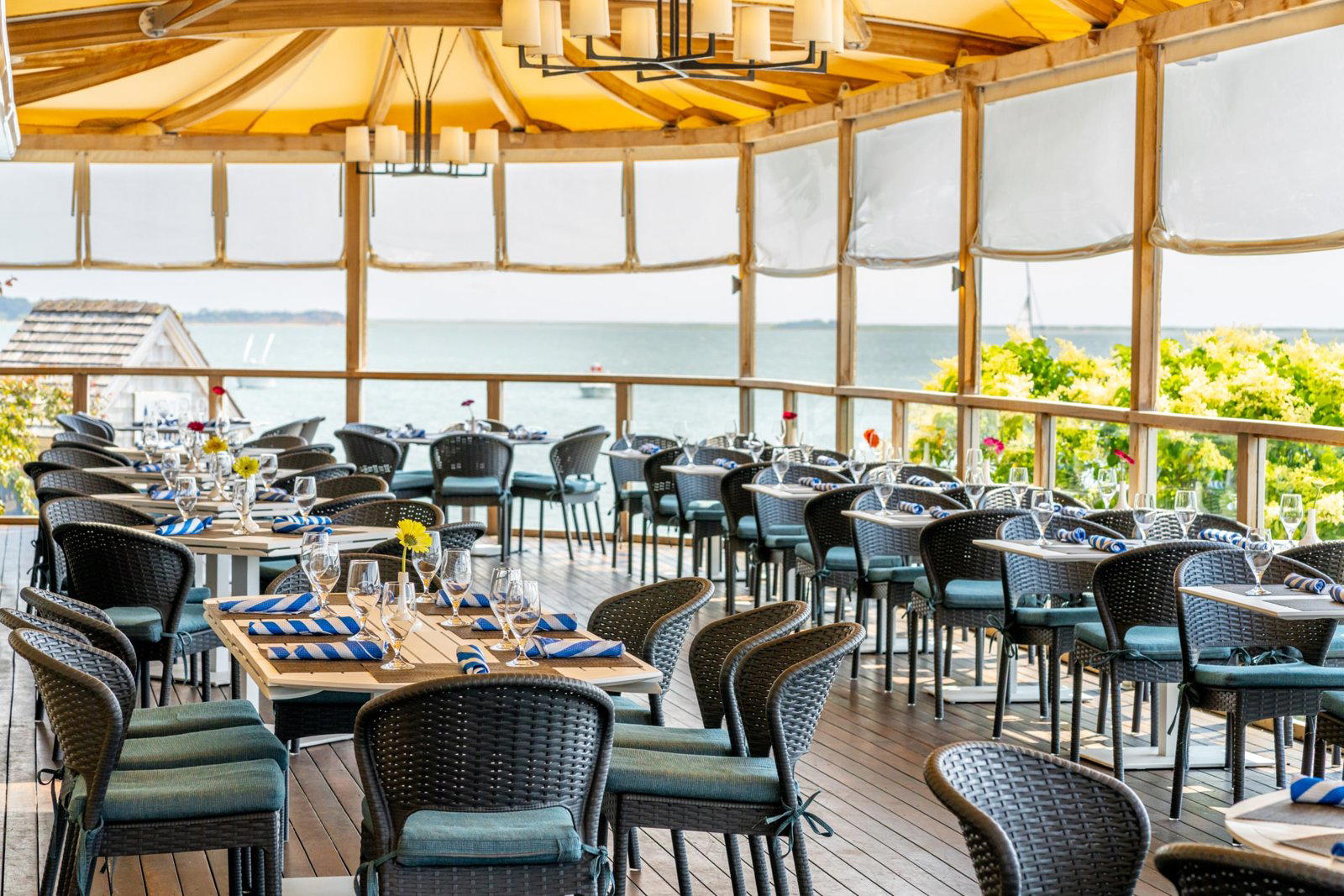
Restaurants in Provincetown
Browse all →

Details
- Romantic
- Classic
- Scenic
- Cozy
- Intimate
- Date Night
- Special Occasion
- Waterfront
- Historic Building
- Standalone
- Seated Bar
- Outdoor Terrace
- Conventional Wine
- Classic Cocktails
- Waterfront
Current opening hours
- Monday
- 5–10 PM
- Tuesday
- 5–10 PM
- Wednesday
- 5–10 PM
- Thursday
- 5–10 PM
- Friday
- 5–10 PM
- Saturday
- 5–10 PM
- Sunday
- Closed
Hours can change for holidays and private events. Last verified .
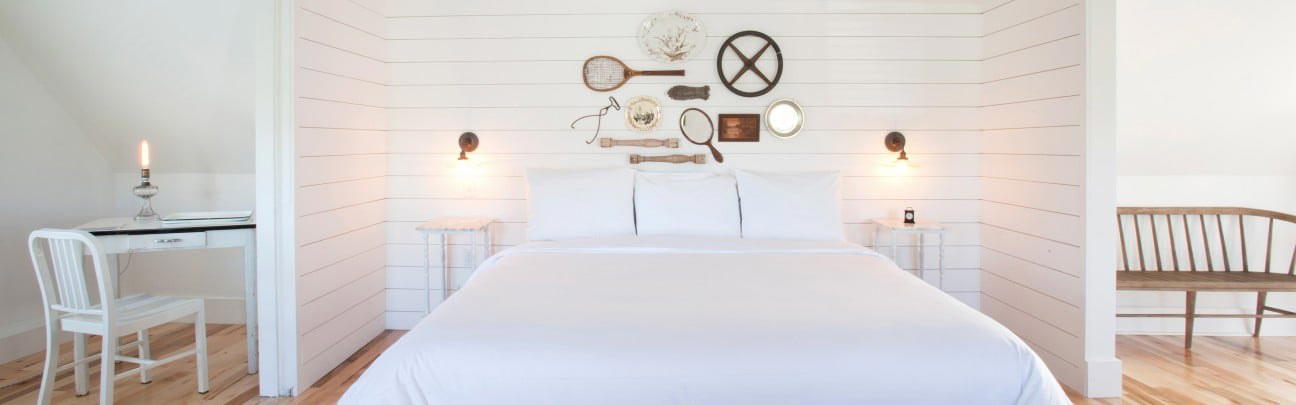
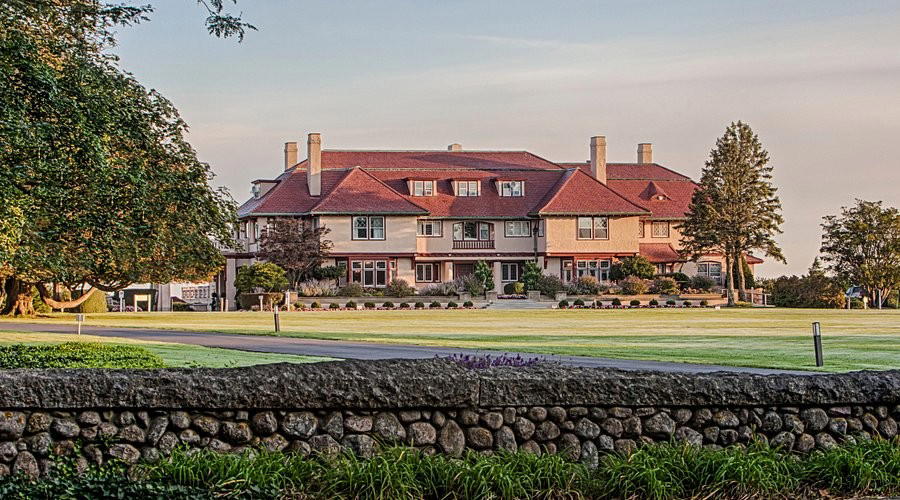
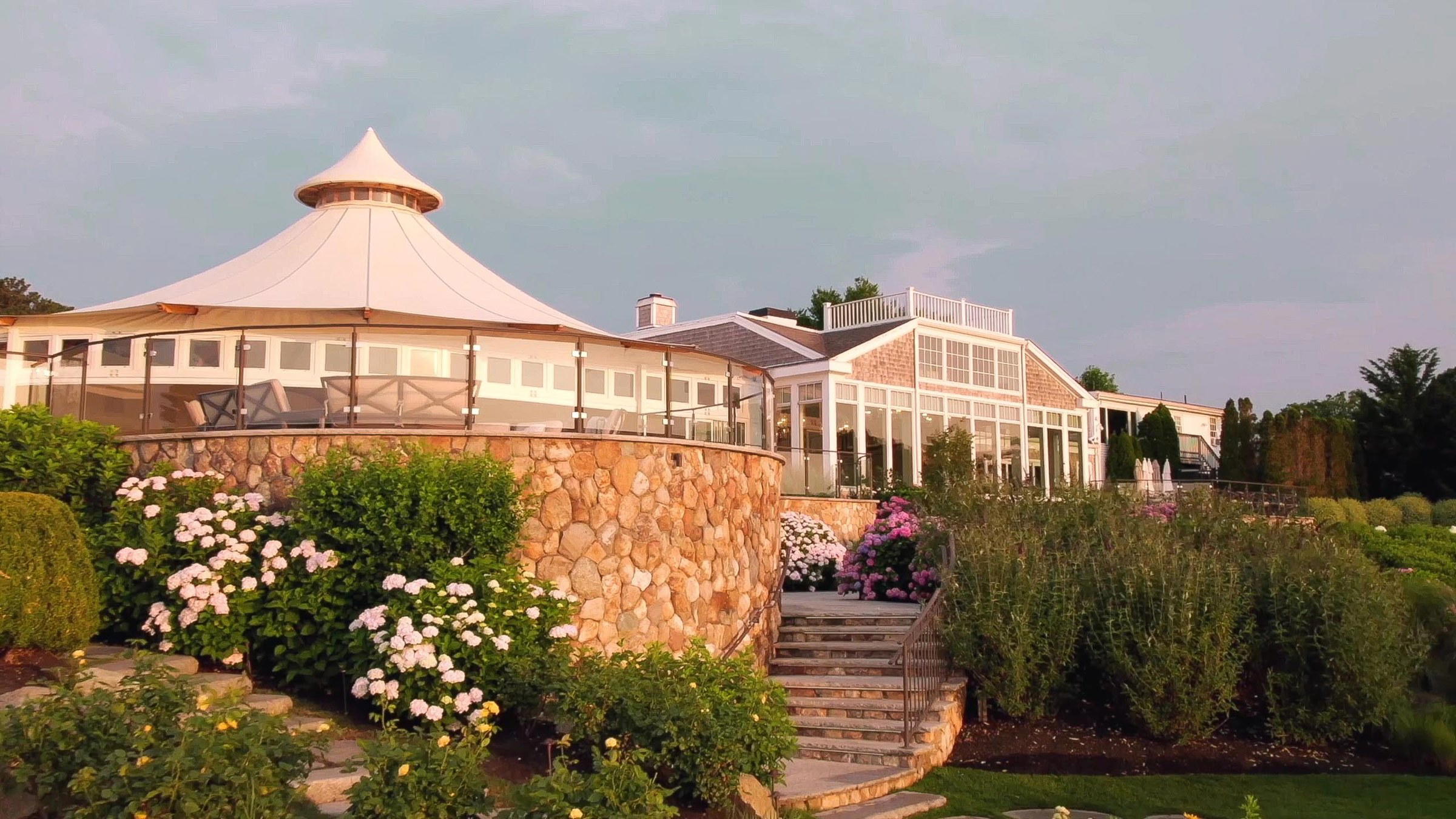
Bright and airy with a warm, intimate atmosphere enhanced by outdoor dock seating overlooking the water; hand-written menus and candlelit tables create an authentic, unpretentious charm.