Luna Rossa

Michelin Bib Gourmand
Our verdict
Luna Rossa has held the Michelin Bib Gourmand in both 2024 and 2025, making it one of the most consistently recognised tables in Basilicata's Pollino highlands. Chef Albin Vincent works through the cucina povera tradition with specificity and technique, and the panoramic terrace over the valley is among the more dramatic dining settings in southern Italy's interior. Price remains at the single-euro tier.

Pearl is the En Primeur Club membership app, where members save venues, book tables and use the concierge.
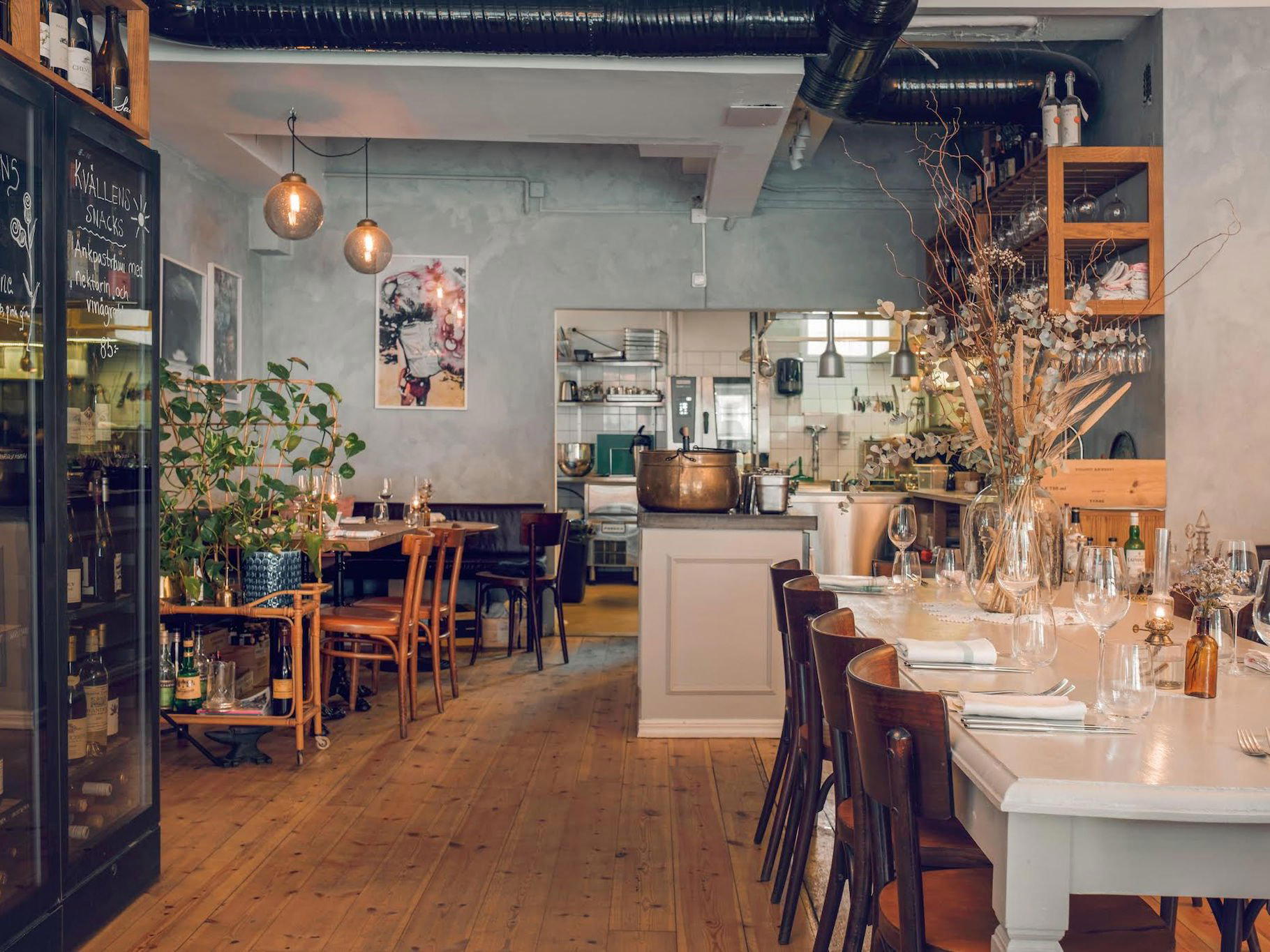
The menu
What to order
- Raviolo della memoria
- Lagane ai grani antichi
A Village Table in the Pollino Highlands
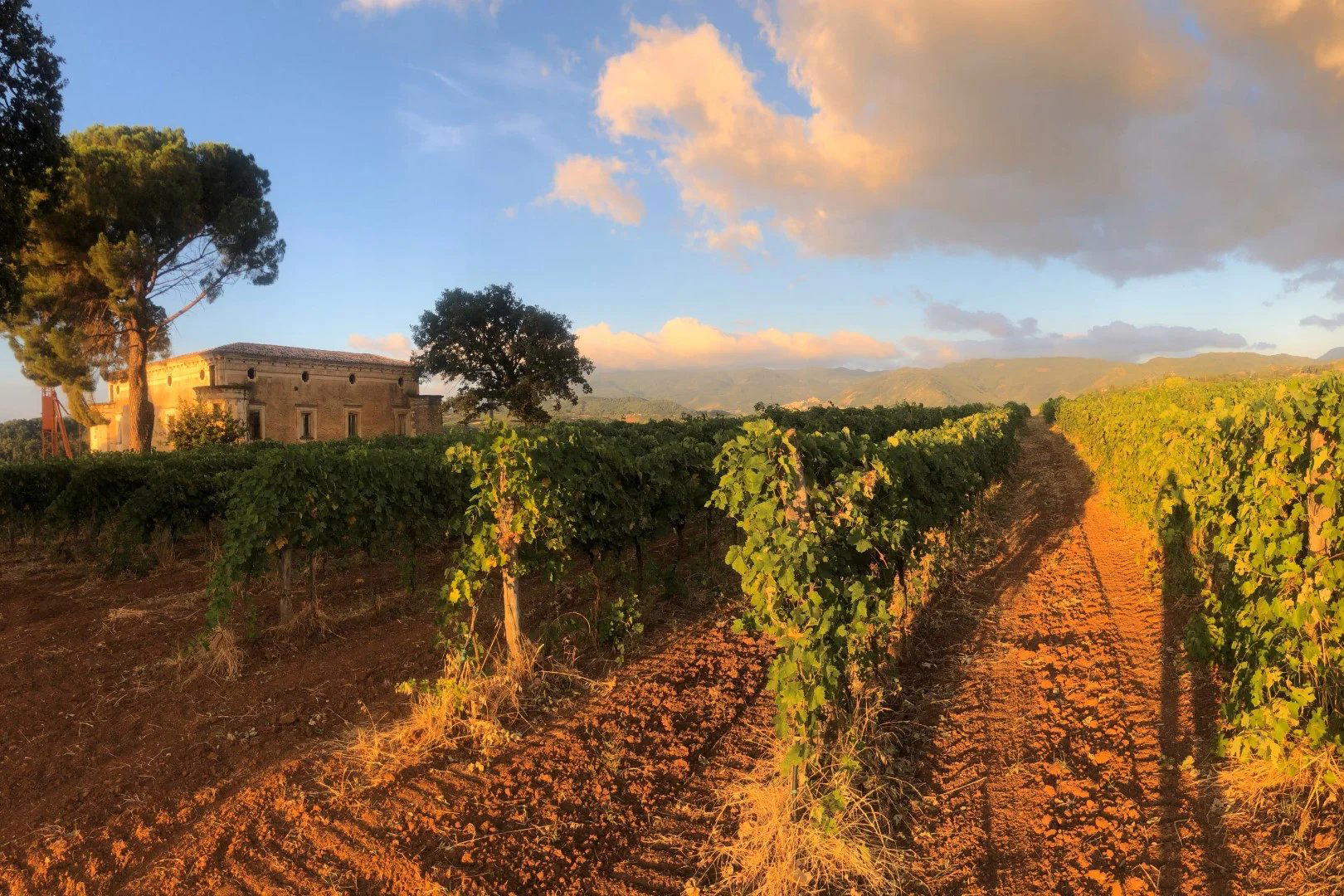
Approaching Terranova di Pollino from the valley road, the village appears as a cluster of pale stone against the wooded ridgeline of the Pollino massif. At this altitude, the southern Italian interior feels removed from the coastal circuits that define most tourists' experience of Basilicata. The town sits inside the Pollino National Park, one of the largest protected areas in Italy, and its restaurants operate within a tradition shaped by altitude, isolation, and the cucina povera that developed across the Lucanian Apennines over centuries. Luna Rossa occupies a position on Via Guglielmo Marconi, in the village centre, and its terrace looks out over the valley below, a view that puts the food in its geographic context before a single plate arrives.
Cucina Povera at Altitude: What the Tradition Demands
The cooking of Basilicata draws from one of Italy's least-documented regional repertoires. Unlike the more widely exported traditions of Emilia-Romagna or the Veneto, Lucanian cucina povera developed around ingredients that survived the region's historical poverty and geographic isolation: dried legumes, preserved meats, foraged greens, hand-rolled pastas, and lamb from the high pastures. What distinguishes a serious practitioner of this tradition from a merely competent one is the ability to work within its constraints while applying enough technique to transform familiar materials into something that rewards attention. This is the territory in which Chef Albin Vincent operates at Luna Rossa, and the Michelin Bib Gourmand awarded in both 2024 and 2025 suggests the kitchen is doing something worth making the drive for.
The Bib Gourmand category matters here for what it signals about the price-to-quality relationship. Michelin defines it as good cooking at a fair price, a designation that sits below the star tier but above the merely adequate. In a region where Al Becco della Civetta in Castelmezzano and Da Peppe in Rotonda also carry Basilicata's cucina povera tradition, holding the Bib across consecutive years places Luna Rossa in a consistent peer group rather than a single-season anomaly. For travellers making their way through the Pollino area, this kind of repeat recognition is a more reliable planning signal than a one-off mention.
Chef Albin Vincent and the Work of Excavating a Repertoire
Italy's most discussed restaurants currently operate at the intersection of technical ambition and regional identity. At Osteria Francescana in Modena, that tension produces highly intellectualised cuisine. At Reale in Castel di Sangro, it takes the Abruzzese tradition into contemporary form. Further north, houses like Piazza Duomo in Alba and Le Calandre in Rubano work within recognisable regional idioms but push the vocabulary in different directions. What distinguishes Luna Rossa's position in this broader Italian picture is its operating context: a village table priced at the single-euro tier, not a destination restaurant charging four-euro rates to an international clientele.
Chef Vincent's approach, described in the venue's Michelin recognition, involves a sustained search through Italy's peasant cooking tradition for recipes that have either disappeared or been simplified beyond recognition. The signature dish cited is the raviolo della memoria, a name that positions the preparation explicitly as an act of culinary archaeology rather than invention. In the Pollino highlands, where recipes passed through oral tradition and family practice rather than published cookbooks, that kind of recovery work requires research, local relationships, and a willingness to make old forms taste relevant rather than merely nostalgic. The kitchen achieves this within a pricing structure that keeps the experience accessible to locals, not only to visitors arriving from Rome or further.
The Terrace, the Setting, and How to Plan a Visit
The panoramic terrace is not incidental to the Luna Rossa experience. In southern Italy's interior, restaurants at this elevation rarely have the physical infrastructure to offer outdoor dining with genuine views. The valley below Terranova di Pollino drops steeply through forested slopes, and on clear days the sightlines extend across the park. For a kitchen working in a tradition rooted in the land, eating with that landscape in front of you is a form of context that indoor dining cannot replicate.
Terranova di Pollino is not a direct destination to reach. The Pollino National Park requires driving through mountain roads from Potenza to the east or Cosenza to the south, and public transport connections are limited. Travellers combining Luna Rossa with a longer Basilicata itinerary will find it logistically sensible to treat Terranova di Pollino as an overnight stop; our full Terranova di Pollino hotels guide covers the options available within the village and the surrounding park area. The single-euro price tier means that a dinner here, even with wine, is unlikely to strain a travel budget, which makes the journey feel proportionate for what is genuinely one of the more singular dining experiences available in the Italian south. For a broader picture of what Terranova di Pollino offers beyond the table, our guides to bars, wineries, and experiences in the area are worth consulting before you book travel.
Where Luna Rossa Sits in the Basilicata Picture
Basilicata receives fewer international visitors than Puglia to its east or Campania to its north, which means the regional dining scene operates largely on local patronage and Italian domestic tourism. That has preserved a degree of authenticity in places like Luna Rossa that restaurants in higher-traffic regions find harder to maintain.
For context on how Luna Rossa's commitment to regional cooking compares to what Italy's most formally ambitious restaurants do with their own traditions, it is instructive to look at places like Dal Pescatore in Runate, Uliassi in Senigallia, Enrico Bartolini in Milan, Enoteca Pinchiorri in Florence, Casa Perbellini 12 Apostoli in Verona, Quattro Passi in Marina del Cantone, and Atelier Moessmer Norbert Niederkofler in Brunico. These restaurants operate at a different price tier and with a different set of resources, but the underlying ambition, to make a specific Italian place legible through its food, is something Luna Rossa shares, at a fraction of the cost. Our full Terranova di Pollino restaurants guide covers the other tables in the area for those planning a multi-meal stay.
Frequently asked questions
Is Luna Rossa suitable for children?
The convivial, village-centre setting and cucina povera format, hearty, ingredient-driven dishes rooted in Basilicata's peasant tradition, translate well to family dining. Nothing in the restaurant's Bib Gourmand profile suggests a formal or exclusionary atmosphere. The panoramic terrace adds practical appeal for families who want space and open air.
Is Luna Rossa better for a quiet night or a lively one?
The Michelin notes describe it as rustic and convivial, which points toward a warm, social room rather than a hushed one. That said, a village restaurant in the Pollino highlands at this price point (single euro sign) draws a local crowd rather than a tourist rush, so the energy shifts with the season. Midweek in the off-season will be quieter; weekend evenings when the terrace is open run livelier.
Is Luna Rossa Michelin-listed?
Luna Rossa has received recognition including: This rustic, convivial restaurant in the village centre boasts a panoramic terrace overlooking the valley. A constant search for recipes from Italy’s peasant tradition combines with the passion and talent of the chef to create specialities ….
What do regulars order at Luna Rossa?
The raviolo della memoria is the dish the restaurant is specifically noted for in its Michelin Bib Gourmand citation, a pasta preparation rooted in the regional memory-cooking that chef Albin Vincent has made central to the menu. Beyond that, the kitchen works from Basilicata's cucina povera repertoire, one of Italy's least-exported regional traditions, so expect dishes built around local pulses, preserved meats, and foraged ingredients rather than menu crossovers from better-known southern Italian regions.
Side-by-Side Snapshot
| Venue | Cuisine | Price | Awards | Notes |
|---|---|---|---|---|
| Luna RossaThis venue (the venue you are viewing) | Traditional Lucanian Cuisine | $30–50 | Michelin Bib Gourmand | Not listed |
| Atelier Moessmer Norbert Niederkofler | Modern Alpine Fine Dining | $300–500 | 3 Michelin Stars · World's 50 Best #20 | Italian, Creative |
| Dal Pescatore | Classic Italian Fine Dining | $200–300 | 3 Michelin Stars · World's 50 Best #38 | Italian, Italian Contemporary |
| Enoteca Pinchiorri | Contemporary Italian Fine Dining | $200–300 | 3 Michelin Stars · World's 50 Best #32 | Italian - French, Italian Contemporary |
| Enrico Bartolini | Modern Italian Fine Dining | $300–500 | 3 Michelin Stars · World's 50 Best #85 | Creative |
| Osteria Francescana | Avant-Garde Italian Contemporary | $300–500 | 3 Michelin Stars · World's 50 Best #1 | Progressive Italian, Creative |
Recognition history
Dated appearances from independent guides and award organizations, with the underlying list record or original source where available.
Michelin Bib Gourmand
Michelin
Full recognition history (3 entries)
Michelin Bib Gourmand
Michelin
Michelin Bib Gourmand
Michelin
Continue exploring
More in Terranova di Pollino
Restaurants in Terranova di Pollino
All restaurants in Terranova di Pollino →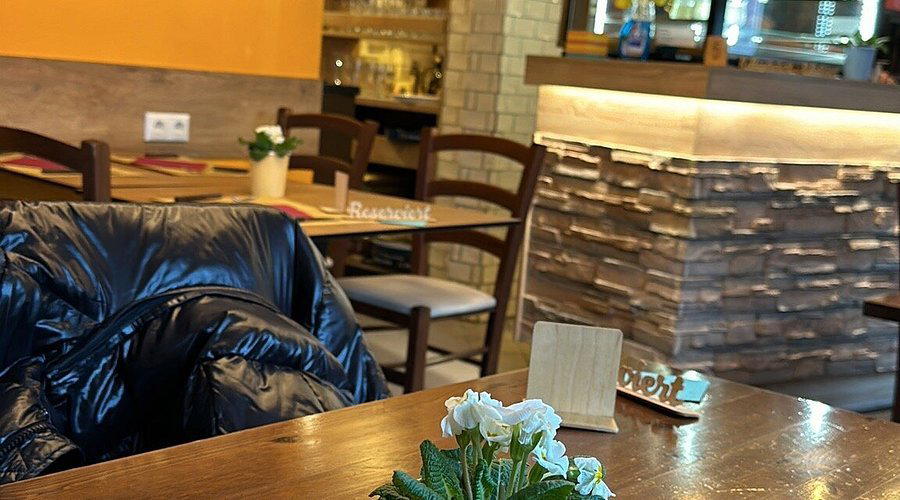
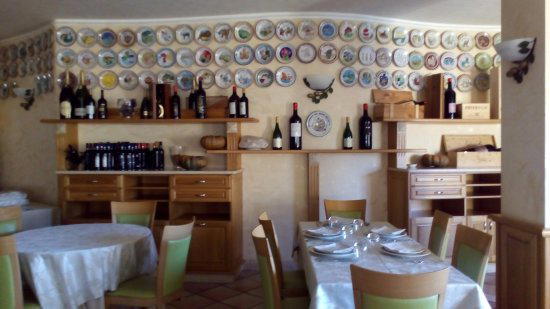
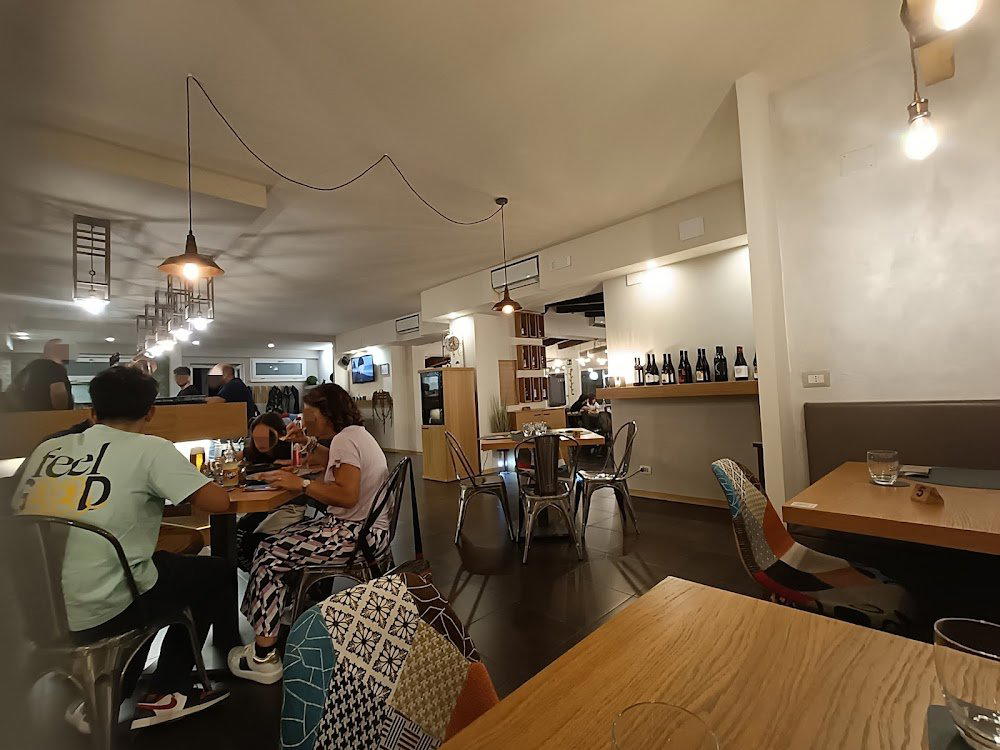
Bars in Terranova di Pollino
Browse all →
Hotels in Terranova di Pollino
Browse all →
Details
- Rustic
- Cozy
- Scenic
- Intimate
- Special Occasion
- Family
- Terrace
- Open Kitchen
- Local Sourcing
- Mountain
- A La Carte
- Vegetarian Friendly
- Gluten Free Options
Current opening hours
- Monday
- 11:30 AM–3 PM, 5–10 PM
- Tuesday
- 11:30 AM–3 PM, 5–10 PM
- Wednesday
- Closed
- Thursday
- 11:30 AM–3 PM, 5–10 PM
- Friday
- 11:30 AM–3 PM, 5–10 PM
- Saturday
- 11:30 AM–3 PM, 5–10 PM
- Sunday
- 11:30 AM–3 PM, 5–10 PM
Hours can change for holidays and private events. Hours as of .
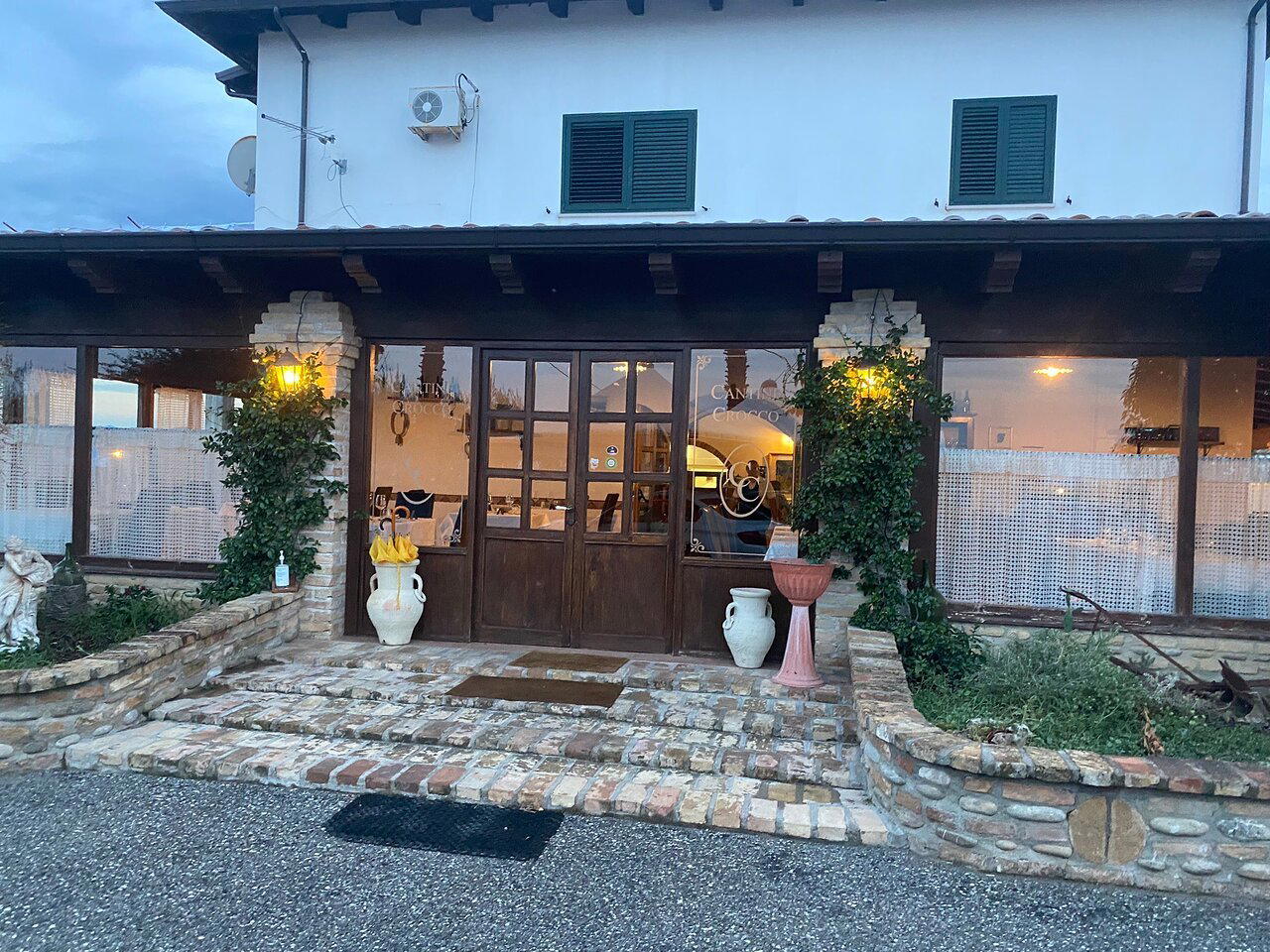
Rustic and convivial village-center setting with warm terrace overlooking the valley.