Our verdict
On Roatan's Tamarind Drive, Luna Muna occupies a position that reflects how dining on this Caribbean island works best: ingredient-led, unhurried, and shaped by proximity to the sea. The restaurant sits within a cooking tradition defined by what local fishers and the surrounding reef system make available, placing it squarely in the kind of informal-serious category that defines the island's stronger dining options.

Pearl is the En Primeur Club membership app — saves, bookings, and concierge access live there. Same editors, same standards.
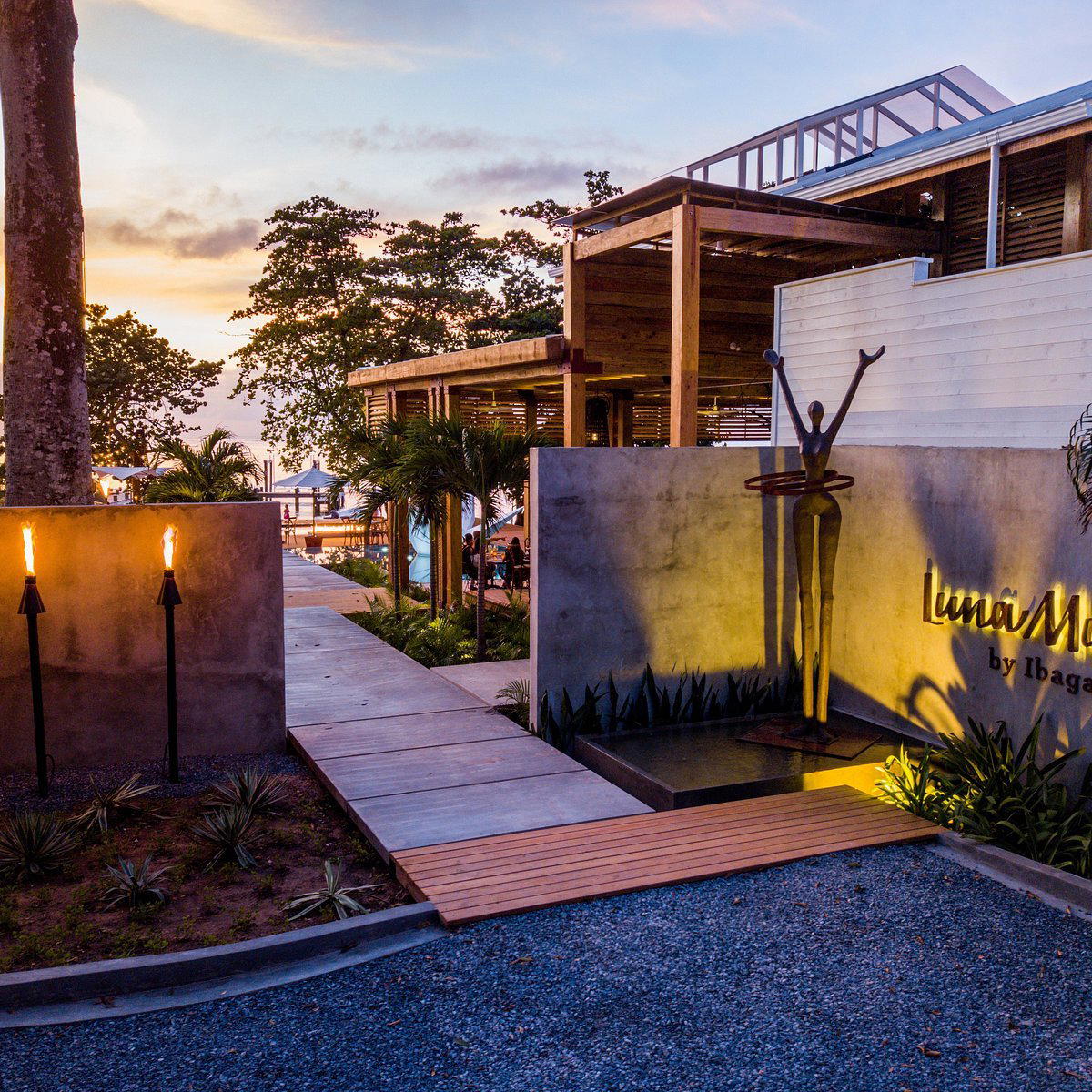
The menu
What to order
- Stuffed lobster
- Beef tenderloin
- Veg paella
Where the Reef Sets the Menu
Roatan's dining identity has always been shaped more by geography than by culinary trend cycles. The island sits inside the Mesoamerican Barrier Reef system, the second-largest coral reef in the world, which means that the leading tables here are not those chasing international formats but those organized around what the surrounding water provides. Luna Muna, on Tamarind Drive in the 34101 district, operates within this logic. The address puts it in a part of Roatan where the gap between the sea and the kitchen is short, and where that proximity tends to dictate what ends up on the plate.
Caribbean island dining at this latitude tends to split between two modes: the resort-facing operation that sources broadly and plays to international tastes, and the smaller, more place-specific room that builds its offer around local catch, regional produce, and the cooking traditions those ingredients naturally suit. Luna Muna belongs to that second category, at least in character if not always in execution. The physical approach to the space reflects this orientation: Tamarind Drive is not a high-footfall tourist corridor, which means the clientele arriving here are generally making a deliberate choice rather than defaulting to convenience.
The Ingredient Argument
Honduras's Caribbean coast, and Roatan in particular, has access to an ingredient set that most island kitchens elsewhere would envy. Snapper, grouper, conch, lobster, and a range of smaller reef species cycle through local fish markets with a regularity that rewards kitchens willing to build around availability rather than fixed menus. The agricultural interior of the Bay Islands and the Honduran mainland contribute tropical produce, including plantains, cassava, coconut, and a range of chiles, that forms the backbone of regional cooking in this part of Central America.
This matters because it defines the honest ceiling of what island dining here can achieve. Venues that source this way, working with the reef's seasonal rhythms and the mainland's produce calendar, tend to produce food that reads as coherent and grounded. Those that don't, defaulting to imported proteins and generic tropical flavors, tend toward the kind of generic hotel-adjacent offer that the region has too much of already. The sourcing question is, in other words, the editorial question when assessing any serious Roatan table. For a broader look at how the island's dining options distribute across price points and cuisine types, our full Roatan restaurants guide maps the scene in detail.
The Roatan Dining Context
Roatan has developed a dining culture that operates at some distance from Honduras's mainland restaurant scene. The mainland's archaeological corridor has its own dining identity, anchored by places like Buena Baleada in Copan Ruinas and Glifos Restaurant in Copan Ruins, which serve travelers moving through the Copan ruins area with a different ingredient logic entirely. Roatan sits apart from all of that, calibrated to the dive tourism economy and the expat residential community that has grown around the island's west end over the past two decades.
That context shapes what a restaurant like Luna Muna is doing and for whom. The island draws a clientele that has often eaten well elsewhere, including at places like Le Bernardin in New York City or Lazy Bear in San Francisco, and arrives with some frame of reference. That doesn't mean Roatan dining competes on those terms, and it shouldn't try to. The most coherent island restaurants here compete on locality and specificity, not on technique for its own sake. Globally recognized format restaurants, from Alinea in Chicago to Atomix in New York City, derive authority from investment in technique and a defined culinary language. A well-run Roatan table derives authority from a shorter supply chain and a cleaner relationship with what the reef and the mainland provide each week.
What the Format Signals
Caribbean island restaurants at this scale, operating away from resort infrastructure, typically run with lean teams and menus that shift with availability. That flexibility is a feature, not a limitation. It tends to produce cooking that reflects what is actually good on a given week rather than what a fixed menu demands be plated regardless of condition. The island's stronger dining rooms, across Roatan's various dining districts, operate this way. The resulting experience is less predictable in a printed-menu sense and more coherent in a seasonal-logic sense.
The Tamarind Drive location places Luna Muna outside the most concentrated restaurant cluster near West End, which affects both the atmosphere on approach and the type of evening it produces. Arriving here is a deliberate act rather than a stroll-in decision, and that tends to self-select for guests who are prepared to engage with the food rather than just occupy a table. That dynamic, common in smaller destination-specific rooms worldwide, tends to favor the kitchen. Reference points from European coastal cooking that take terroir seriously, from Aponiente in El Puerto de Santa María to Arzak in San Sebastián, demonstrate what a sustained commitment to local ingredient logic can produce at the high end. Luna Muna operates in a different register entirely, but the underlying argument, that sourcing geography should drive the menu, is the same one.
Planning Your Visit
Roatan operates on a tourism calendar shaped by dive season and cruise ship schedules. The drier months from February through May bring the highest visitor volume to the island's west end, which means tables at smaller, locally-oriented restaurants fill faster than the island's low-key reputation might suggest. Arriving outside peak cruise days, which tend to concentrate mid-week on a rotating schedule, generally produces a calmer dining environment. Tamarind Drive is accessible by taxi from the main West End and West Bay areas, and the journey is short enough that it does not require significant advance planning beyond confirming the restaurant is operating on your intended evening.
For travelers building a Honduras itinerary that extends beyond Roatan, the mainland restaurant scene, including venues in Tegucigalpa and the ruins corridor, rewards some forward planning. Restaurants at the technical and conceptual level of Alléno Paris au Pavillon Ledoyen in Paris, Amber in Hong Kong, or Arpège in Paris require booking months ahead; a Roatan dinner at this scale requires a more modest lead time, but confirming before you arrive remains sensible.
Frequently asked questions
Would Luna Muna be comfortable with kids?
Roatan as a destination skews family-friendly, particularly during the February-through-May dive season when the island sees its heaviest visitor traffic. Luna Muna sits on Tamarind Drive in the 34101 area, away from the larger resort corridors, which typically means a quieter, more relaxed setting suited to mixed-age groups.
Is Luna Muna formal or casual?
Caribbean island restaurants operating independently of resort infrastructure, as Luna Muna does on Tamarind Drive in Roatan, almost universally run casual formats. Expect relaxed dress codes in line with the island's dive-and-beach visitor base. Nothing in the venue's profile signals a fine-dining formality requirement.
Is Luna Muna a good option for divers eating after a day on the Mesoamerican Barrier Reef?
Luna Muna's address on Tamarind Drive in Roatan puts it within the island's main visitor zone, where dive operators and post-dive meals tend to cluster naturally. Roatan's reef access makes it one of the few Caribbean destinations where the fish on the plate can plausibly have been swimming in the same water you explored that morning. The independent, non-resort format typically means earlier closing times, so timing your return from the water with dinner reservations is worth coordinating in advance.
What should I order at Luna Muna?
Roatan's position inside the Mesoamerican Barrier Reef gives local kitchens access to snapper, grouper, and other reef fish that arrive fresher here than at most Caribbean island destinations. Independent restaurants on the island typically build menus around whatever the day's catch delivers, so the seafood options are the logical focus. Specific current dishes are best confirmed with the restaurant directly.
How do I find Luna Muna?
Luna Muna is located at Roatan Islas de la Bahía HN, Tamarind Drive, 34101, Honduras, Roatan.
How far ahead should I plan for Luna Muna?
Roatan's busiest window runs February through May, aligned with the dry season and peak dive tourism. Cruise ship schedules also create sharp demand spikes on specific days. Booking ahead by at least a few days during that window is advisable; outside peak season, walk-in availability tends to be more forgiving at independent island venues.
What do critics highlight about Luna Muna?
The restaurant's position in Roatan, Honduras, a destination that sits at some remove from major food-media circuits, places it outside the usual review pipeline. That gap does not reflect quality so much as the limited critical infrastructure covering Bay Islands dining.
How It Stacks Up
Comparable venues nearby, for context on price, style, and recognition.
| Venue | Cuisine | Price | Notes |
|---|---|---|---|
| Luna MunaThis venue — the venue you are viewing | Modern Seafood & International Fine Dining | Not listed | Not listed |
| Churrasqueria Momo's | Honduran Churrasqueria | Not listed | Copán Ruinas |
| Buena Baleada | Authentic Honduran Baleadas | Not listed | Barrio El Centro |
| Vinalia Bistro | Wine Bar Bistro | $20–30 | Paseo Los Proceres |
| Glifos Restaurant | Honduran and International | $20–30 | Copan Ruinas |
Continue exploring
More in Roatan
Restaurants in Roatan
All restaurants in Roatan →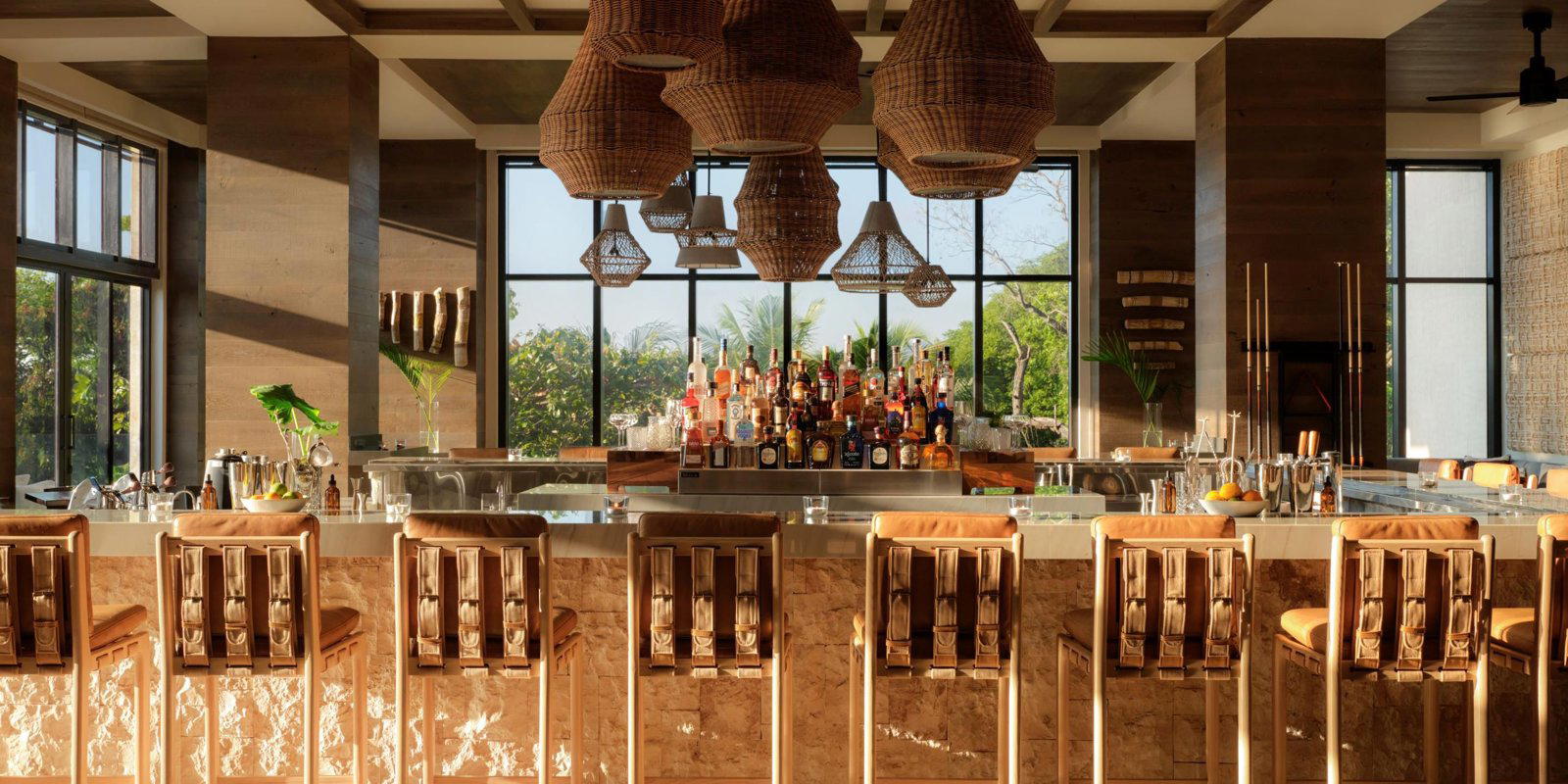
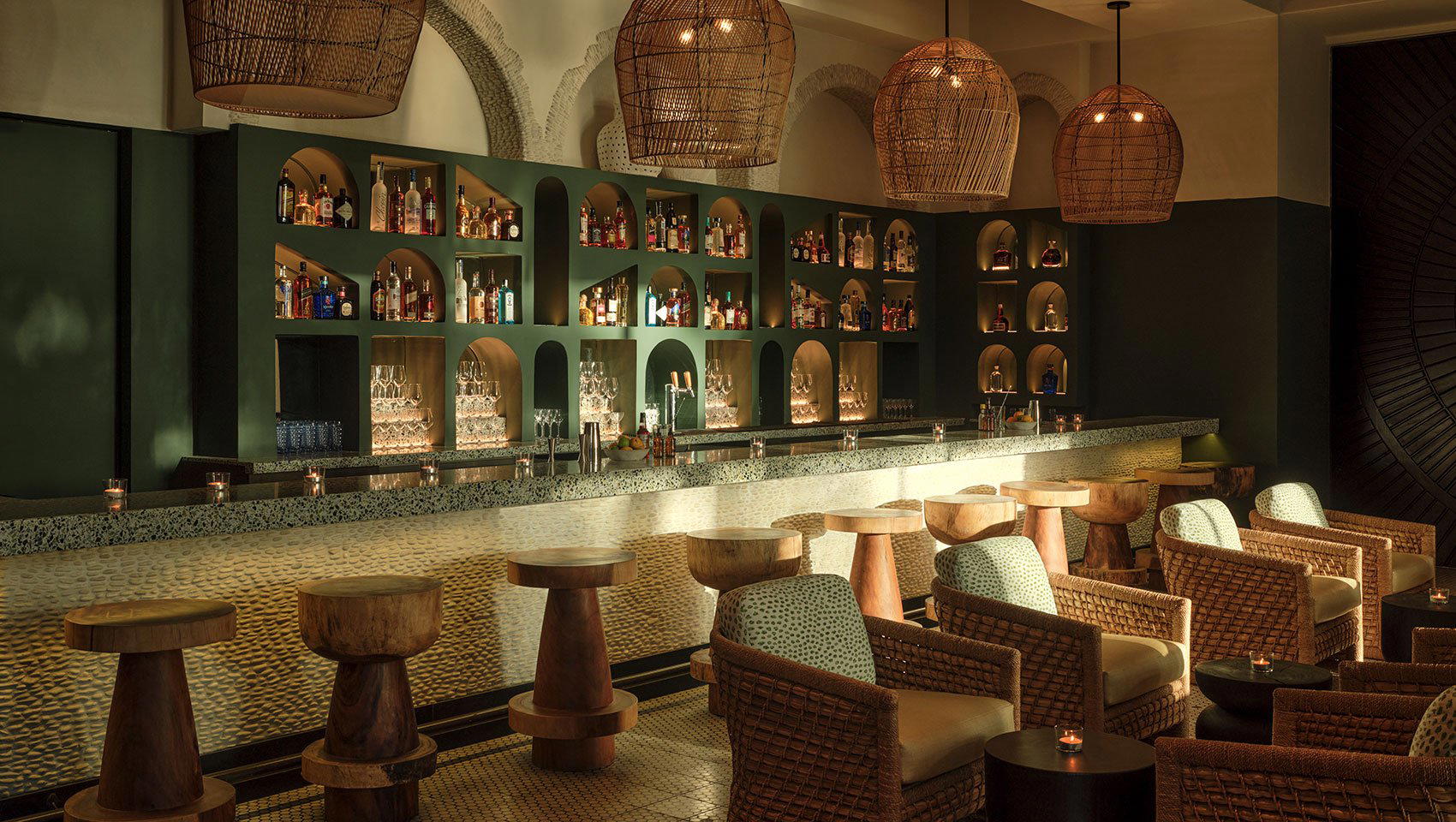
Bars in Roatan
Browse all →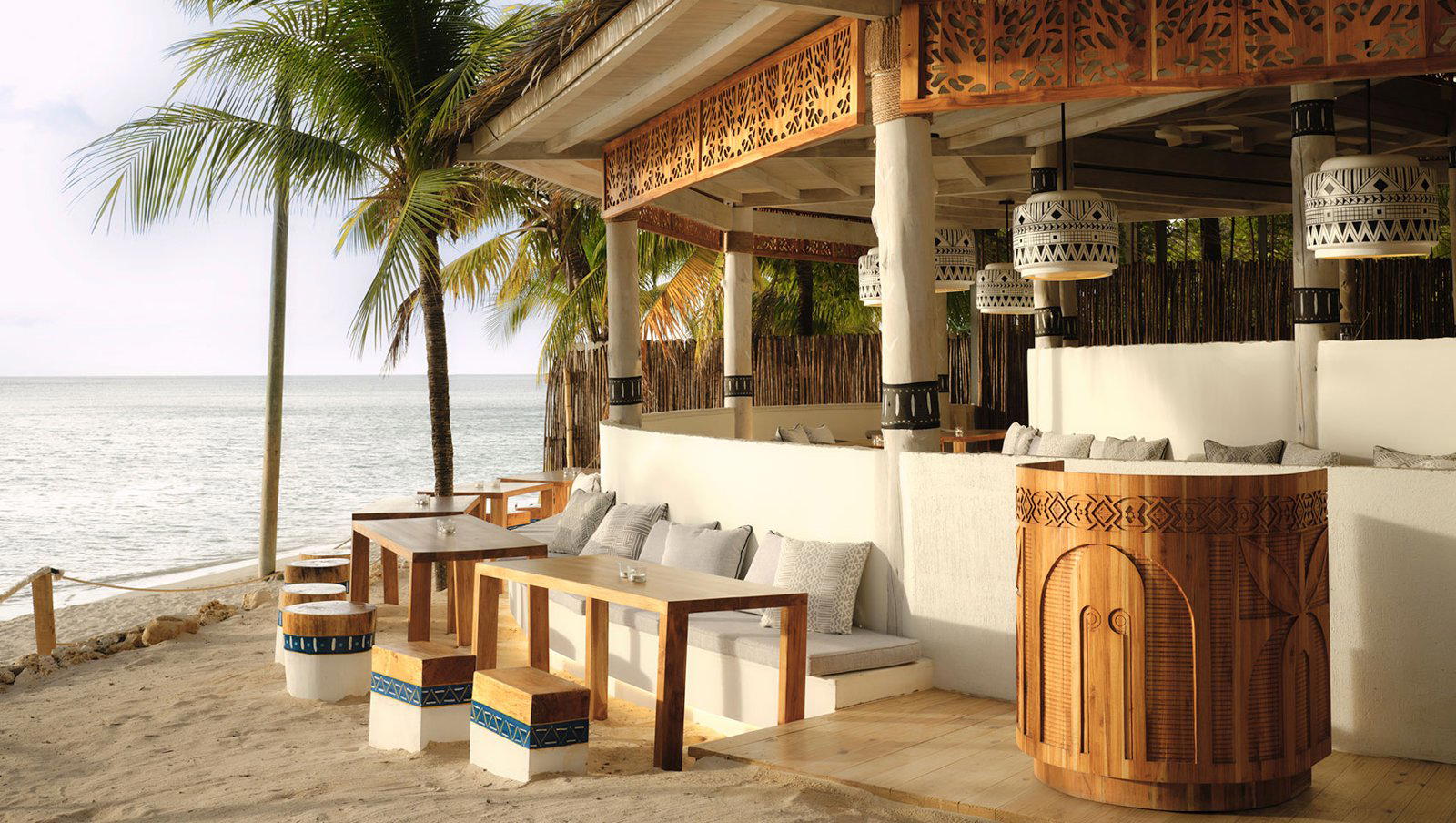
Luna Muna
The wine
- Wine program
- Curated wine list
- Extensive wine list
- Craft cocktails
Details
- Romantic
- Scenic
- Elegant
- Sophisticated
- Date Night
- Special Occasion
- Brunch
- Live Music
- Waterfront
- Extensive Wine List
- Craft Cocktails
- Local Sourcing
- Waterfront
- A La Carte
- Wine
- Cocktails
- Vegetarian Friendly
- Vegan Options
- Gluten Free Options
Current opening hours
- Monday
- 7 AM–10:30 PM
- Tuesday
- 7 AM–10 PM
- Wednesday
- 7 AM–10 PM
- Thursday
- 7 AM–10 PM
- Friday
- 7 AM–10 PM
- Saturday
- 7 AM–10 PM
- Sunday
- 7 AM–10 PM
Hours can change for holidays and private events. Last verified .
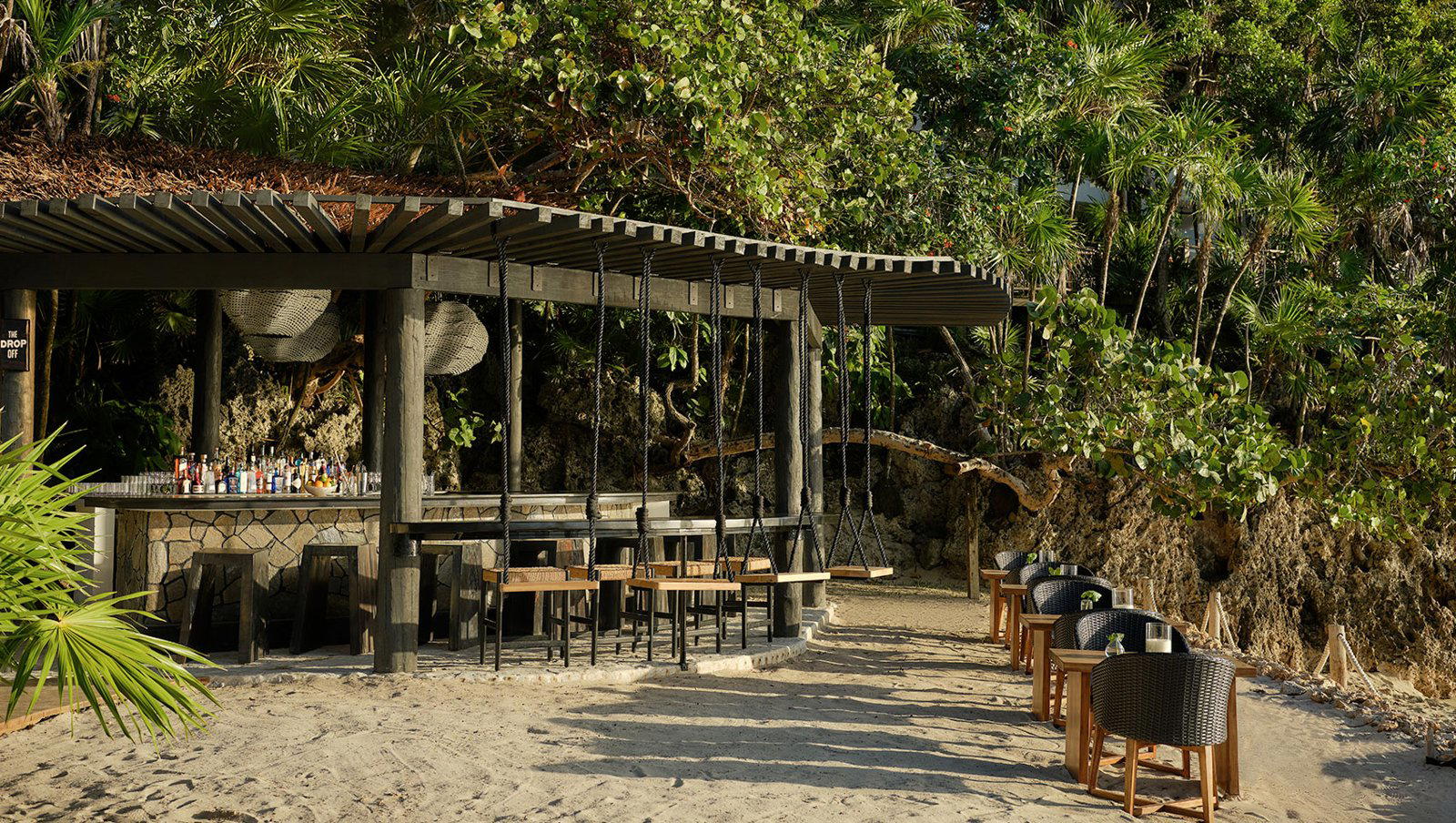
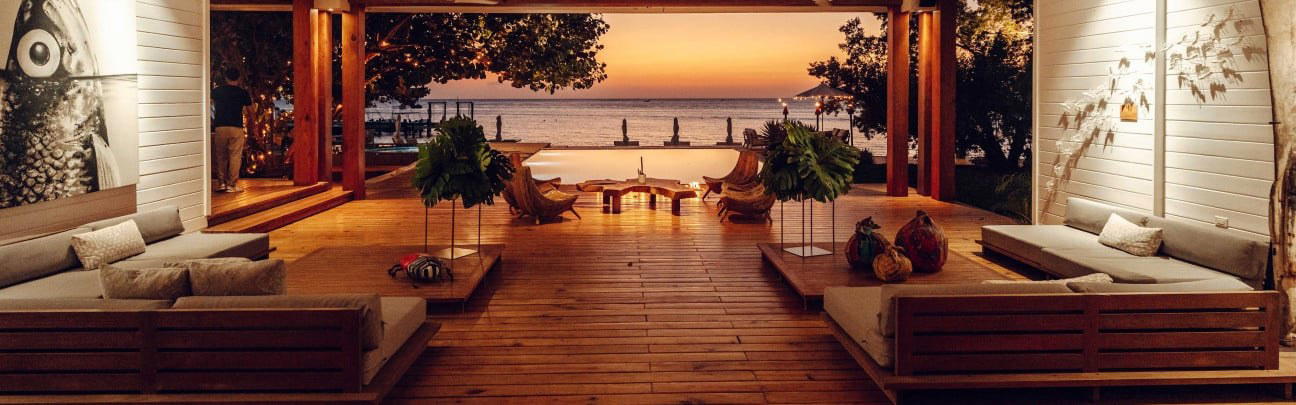
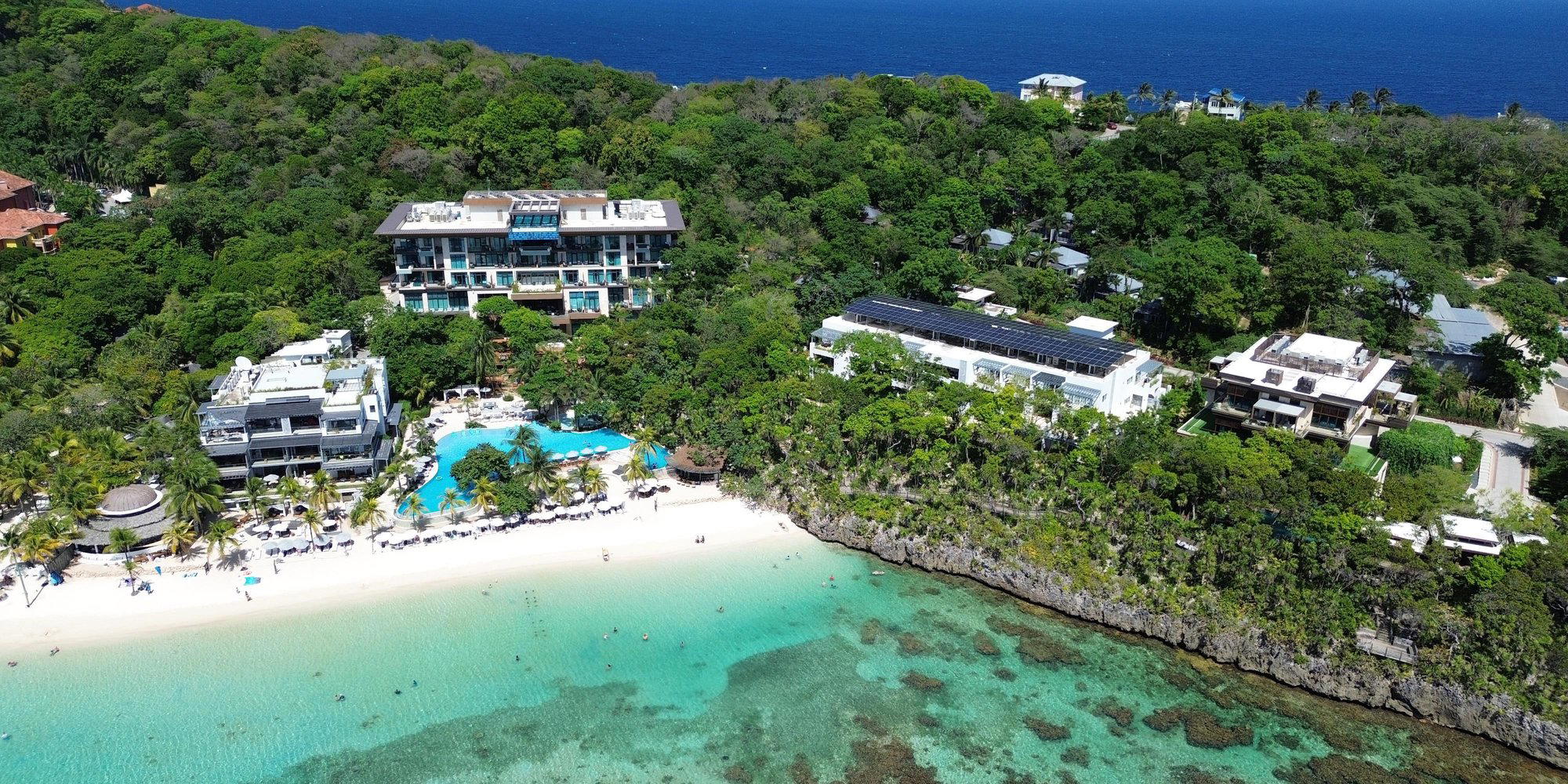
Warm and welcoming contemporary environment with ocean views, relaxed atmosphere enhanced by live music and natural beauty.