Glifos Restaurant
Dining at the Edge of the Archaeological Zone The town of Copan Ruins sits at the western edge of Honduras, a few hundred metres from among the more significant Maya archaeological sites in Central America. The restaurant scene here is shaped...
Pearl is the En Primeur Club membership app — saves, bookings, and concierge access live there. Same editors, same standards.
- Address
- Hotel Marina Copan, Copan Ruins, Copán
- Directions
- Get directions
 Saves & bookings on Pearl
Dining at the Edge of the Archaeological Zone
The town of Copan Ruins sits at the western edge of Honduras, a few hundred metres from among the more significant Maya archaeological sites in Central America. The restaurant scene here is shaped almost entirely by that proximity: visitors arrive to walk the ruins, read the hieroglyphic stairway, and eat before or after. Glifos Restaurant operates within Hotel Marina Copan, one of the town's established accommodation anchors, which places it in a specific tier of the local dining scene, the kind of hotel-integrated dining room that carries the weight of feeding international travellers who may not have time to range across town.
The name itself is a direct reference to glyphs, the carved stone inscriptions that cover the stelae and altars at the Copan archaeological park. That choice is not incidental. In a town where the ruins define the economy, a restaurant that takes its name from the epigraphic tradition of the site is positioning itself as part of the cultural context rather than apart from it. Whether the kitchen follows through on that alignment through its ingredient sourcing is the more meaningful question.
Sourcing in the Copan Valley: What the Region Produces
Western Honduras, and the Copan department specifically, sits in a highland agricultural zone with distinct characteristics. The altitude and climate support coffee cultivation, Copan Honduran coffee is traceable as a single-origin commercial product and has accumulated recognition in specialty markets, as well as maize, beans, and a range of subtropical produce. Any kitchen operating at this address has access to a regional supply chain that is meaningfully different from what a coastal Honduran restaurant can source. The question of whether that supply chain is being used, and how deliberately, is central to hotel dining in destinations like Copan Ruins.
Across Central America, the gap between hotel restaurants that rely on national distributor supply chains and those that build direct relationships with local producers has widened into a reputational distinction. At the higher end of that spectrum, places like Atelier Moessmer Norbert Niederkofler in Brunico and Reale in Castel di Sangro have made hyper-regional sourcing the central editorial argument of their menus. The same argument is being made, at a quieter register, in destination towns across Latin America where the agricultural environment is genuinely distinctive. For visitors arriving at Copan Ruins through our full Copan Ruins restaurants guide, the sourcing question is worth asking at the table.
The Hotel Dining Context
Hotel-integrated restaurants in archaeological destination towns occupy an unusual position. They serve as the default dining option for guests who arrive after a long overland journey, need an early breakfast before the park opens, or want a reliable meal when street options feel uncertain. That function is not trivial. At the same time, it creates a pressure toward breadth, menus that cover Honduran staples, international proteins, and something approximating local specialties, rather than depth in any single direction.
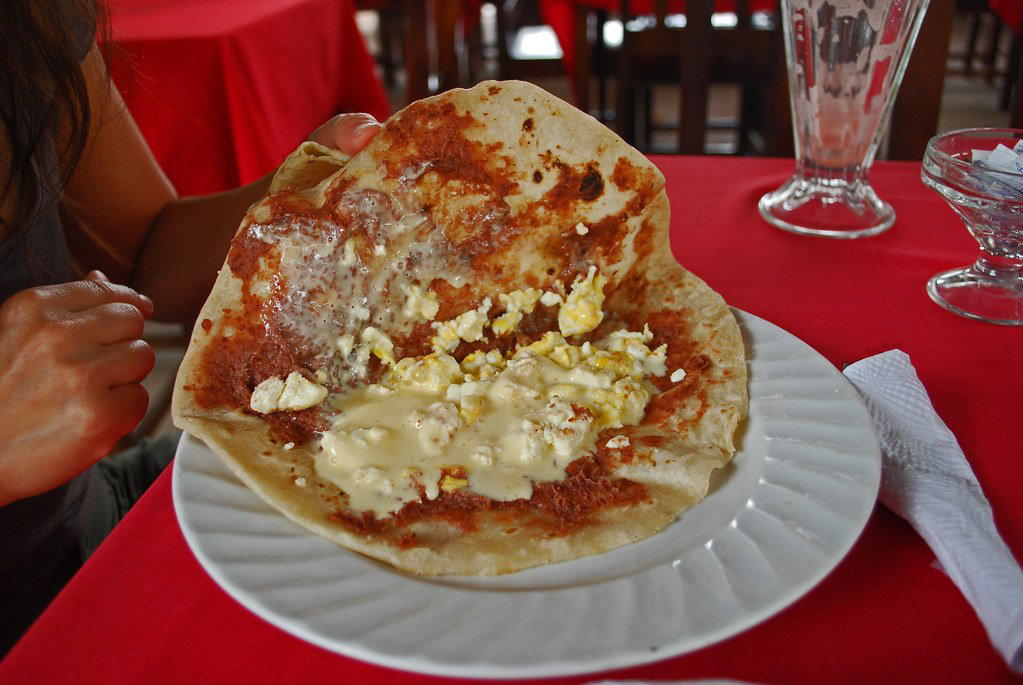
The Honduran dining tradition itself provides a workable framework: rice and beans, grilled meats, fresh tortillas, and dishes that reflect the country's agricultural base. Baleadas, the folded flour tortillas filled with beans and crema that function as Honduras's most recognizable everyday food, are a reference point found across the country, from street stalls in Tegucigalpa to more considered presentations. For a street-level comparison of that tradition in Copan Ruins itself, Buena Baleada in Copan Ruinas represents the casual, local end of that spectrum.
Hotel dining rooms at properties like Marina Copan tend to interpret those same ingredients through a slightly more composed presentation: the same beans and crema arriving in a more structured format, alongside grilled chicken or beef, fresh fruit, and locally grown coffee. The kitchen's access to Copan valley coffee alone is a sourcing advantage that is hard to replicate at sea level. If that coffee is being sourced directly from producers in the department rather than through a national brand, it represents exactly the kind of traceable ingredient story that has driven the credibility of regionally anchored restaurants at every price point, from Vinalia Bistro in Tegucigalpa to Uliassi in Senigallia.
What to Expect in the Dining Room
Within the Hotel Marina Copan, the restaurant occupies a position that benefits from the property's established presence in the town. The hotel has operated as a reference point for international visitors to Copan Ruins for years, which means the dining room has accumulated a base of repeat guests, archaeologists, tour operators, and independent travellers who return to the site regularly. That repeat-visitor layer tends to raise the bar for consistency in a way that purely transient hotel restaurants never face.
The atmosphere at the hotel end of the Copan Ruins dining scene contrasts with the open-air comedores and casual spots on the square. Where those options offer proximity to local daily life, the hotel dining room offers predictability of service, a more controlled physical environment, and, typically, a longer wine and spirits list. For travellers arriving directly from Guatemala via the Copan border crossing, or from the Honduran interior, that combination has practical value that is independent of any culinary argument.
Comparable hotel-anchored dining in other Central American destination towns, around Guatemalan archaeological sites or Costa Rican national parks, has moved in recent years toward shorter menus with stronger local sourcing claims, partly because that approach has proven commercially successful with the international traveller demographic that makes up the majority of visitor traffic. Whether Glifos follows that pattern or operates as a more traditional broad-menu hotel dining room, the physical location and the agricultural context of the Copan valley give it the raw material to make a sourcing argument if the kitchen chooses to.
Planning Your Visit
Copan Ruins town is a short walk from the main archaeological park entrance, and Hotel Marina Copan is among the more accessible dining options if you are staying on the property or in the immediate area. The town is compact enough that arriving without a reservation at a hotel dining room of this type is generally workable, though during peak archaeological tourism periods, roughly November through March, when the dry season makes the ruins more accessible, the dining room will see higher volume from tour groups and independent travellers moving through the site. Arriving early or late relative to standard meal times remains a reliable way to secure a table without planning ahead.
In Context: Similar Options
Comparable venues nearby, for context on price, style, and recognition.
| Venue | Cuisine | Price | Notes |
|---|---|---|---|
| Glifos RestaurantThis venue — the venue you are viewing | Honduran and International | $$ | Not listed |
| Churrasqueria Momo's | Honduran Churrasqueria | $$ | Copán Ruinas |
| Vinalia Bistro | Wine Bar Bistro | $$ | Paseo Los Proceres |
| Buena Baleada | Authentic Honduran Baleadas | $ | Barrio El Centro |
| Luna Muna | Modern Seafood & International Fine Dining | $$$$ | West Bay |
Continue exploring
More in Copan Ruinas
Restaurants in Copan Ruinas
Browse all →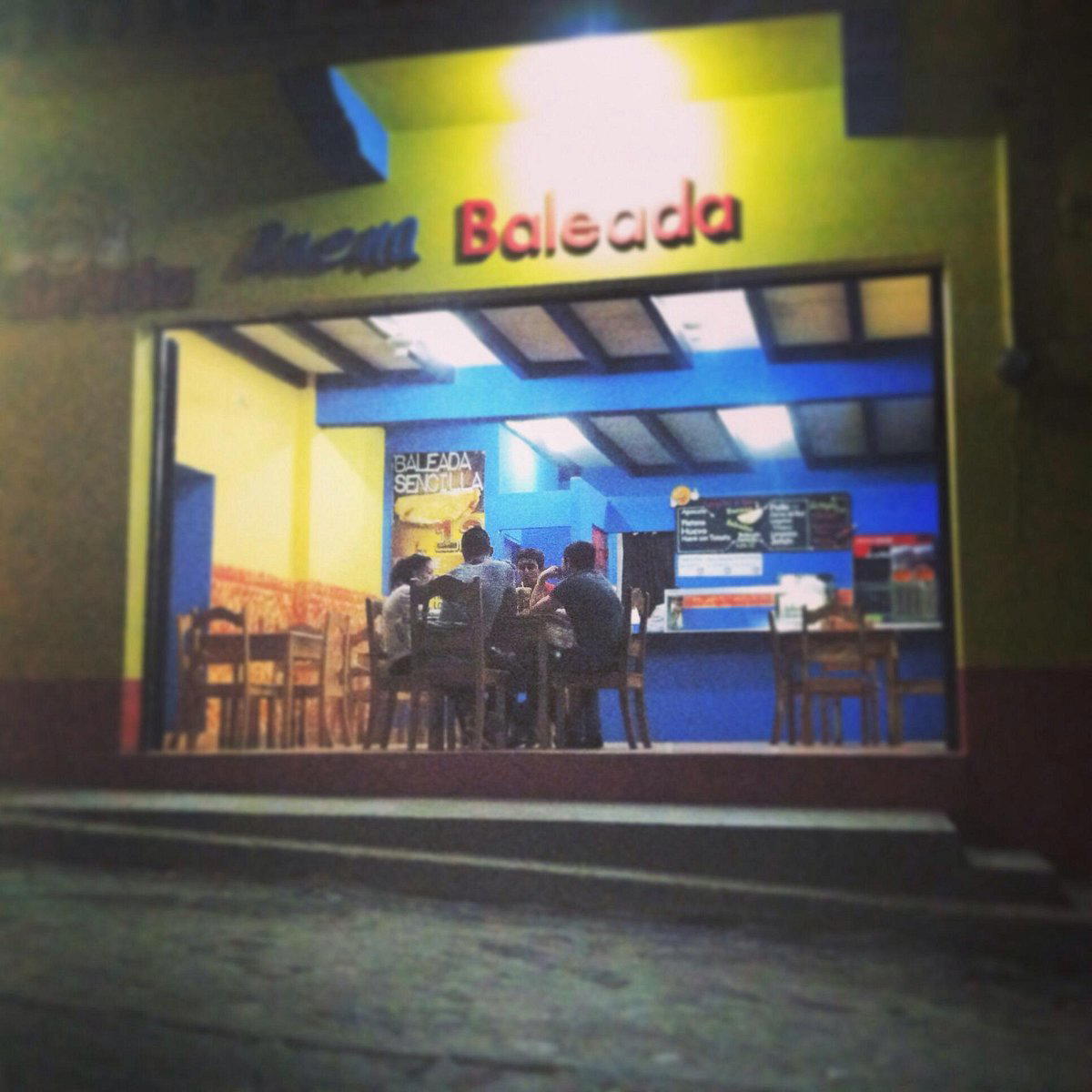
At a Glance
- Classic
- Family
- Casual Hangout
- Hotel Restaurant
Comfortable hotel restaurant atmosphere with traditional and innovative dishes in a colonial setting.