Churrasqueria Momo's
Our verdict
A churrasqueria in the heart of Copan Ruinas, Momo's represents the open-fire grilling tradition that has shaped Honduran communal dining for generations. Set within the compact colonial grid of one of Central America's most visited archaeological towns, it occupies the casual, meat-forward tier that locals and travellers alike gravitate toward after a day at the ruins. Practical, direct, and rooted in regional cooking culture.

Pearl is the En Primeur Club membership app — saves, bookings, and concierge access live there. Same editors, same standards.
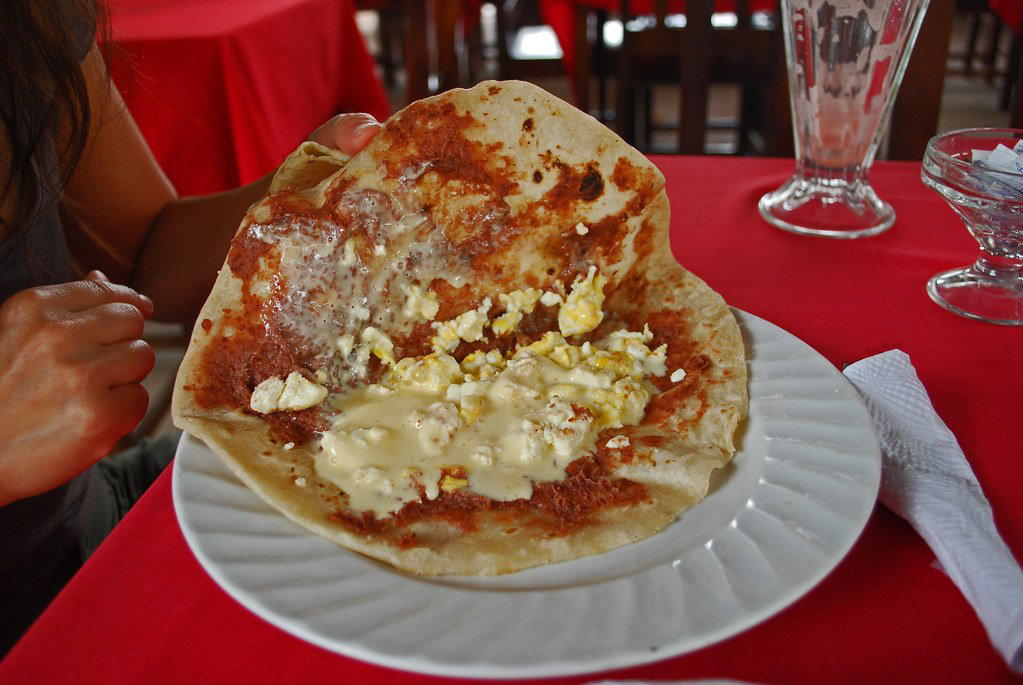
The menu
What to order
- Grilled steak with chimichurri
- Anafre
- Steak medallions
Fire, Smoke, and the Culture of the Churrasco
In Honduras, the churrasco is less a cooking technique than a social contract. Across the country's towns and cities, the churrasqueria format has long defined how families and communities gather around food: cuts cooked over live fire, served without ceremony, often accompanied by rice, beans, tajadas, and chimol. This tradition runs through Copan Ruinas much as it does through the larger urban centres, and Churrasqueria Momo's sits within that local continuum. It is not an outlier or a reinvention of the form. It is an expression of it, operating in a town where the dining scene is compact by design and where the visitor-to-resident ratio shapes what survives on a menu.
Copan Ruinas itself is a small colonial-era town in the western department of Copan, positioned close to the Guatemalan border and anchored economically by its proximity to the Mayan archaeological site that draws visitors year-round. The town's restaurant scene skews toward the informal and the local, with a handful of spots handling everything from street-level baleadas to sit-down meals designed for travellers who want something more than a snack. For a broader orientation to what the town offers, the full Copan Ruinas restaurants guide maps the options across price points and formats.
Where Momo's Sits in the Local Dining Picture
The churrasqueria format occupies a specific tier in Honduran town dining: accessible in price, direct in format, and consistent in what it promises. Within Copan Ruinas, the restaurant options divide roughly between spots oriented toward international visitors and those that function primarily as neighbourhood anchors. Churrasqueria Momo's reads as the latter. Grilled meat, smoke, and the rhythm of a kitchen built around live fire rather than elaborate technique. This is not the kind of place that positions itself against fine-dining references or imported culinary frameworks.
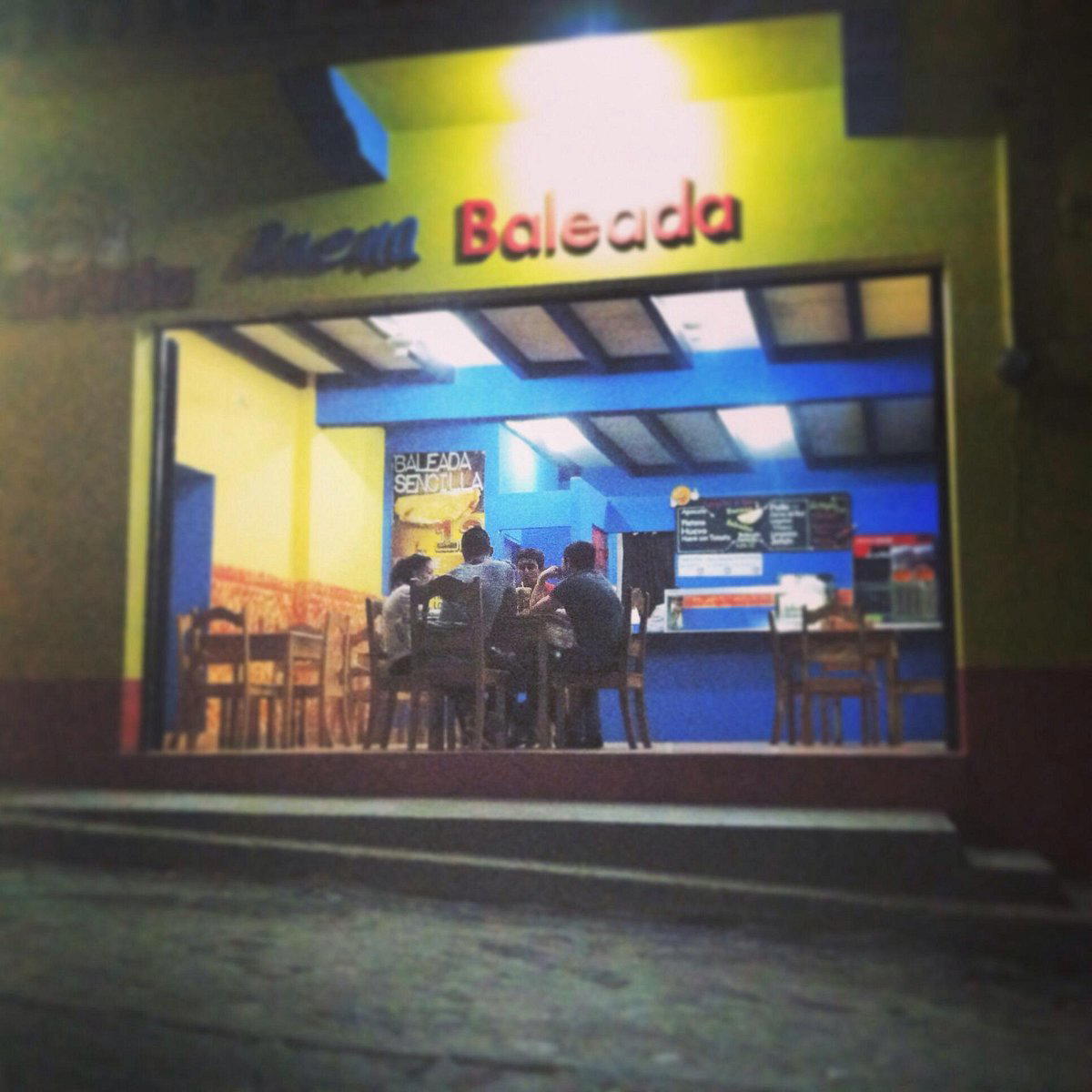
By comparison, Glifos Restaurant in Copan Ruins occupies a different register within the same small town, leaning more toward the visitor-facing end of the local market. Buena Baleada handles the quick, flour-based street food tradition that runs parallel to the grilling culture. Neither is a direct competitor to a churrasqueria in terms of format or occasion. These are different answers to different meal-time questions.
Across Honduras more broadly, the gap between casual fire-grilled local formats and more polished restaurant operations has widened in the capital. Vinalia Bistro in Tegucigalpa represents the urban, wine-adjacent end of Honduran dining, while coastal formats like Luna Muna in Roatan reflect a beach-tourism influence that does not reach into the landlocked interior. Churrasqueria Momo's belongs to neither of those spheres. Its reference points are regional and land-rooted.
The Honduran Grilling Tradition in Context
Central American grilling culture draws on a mix of indigenous cooking methods, Spanish colonial meat traditions, and the practical demands of a rural economy where beef, pork, and chicken have long been the central proteins. The churrasco cut in Honduras typically refers to a thin, butterflied beef steak cooked fast over high heat, served alongside accompaniments that vary by region but almost always include some combination of rice, fried plantain, and a fresh tomato-based salsa. The chimol, Honduras's version of a fresh relish or pico de gallo, functions as both a condiment and a palate reset between bites.
This format demands very little theatrical intervention from the kitchen. The value is in the sourcing of the cut, the heat management of the grill, and the consistency of execution across a busy service. Towns like Copan Ruinas, which see a steady but not enormous flow of visitors concentrated around the dry season and major school-holiday periods, support churrasquerias that must serve a local customer base reliably across quieter periods rather than peaking only on high-season weekends. That constraint tends to produce kitchens with a practical, no-excess discipline that suits the format well.
For travellers coming from dining environments shaped by tasting menus and multi-course structures, places like Le Bernardin in New York City, Atomix in New York City, or the European precision of Dal Pescatore in Runate, Uliassi in Senigallia, or Piazza Duomo in Alba, the churrasqueria format operates on entirely different terms. The metric is not ambition or innovation but fidelity to a well-understood local form. The same could be said of Waterside Inn in Bray in its fidelity to classical French technique, even if the cultural and economic registers are miles apart. Commitment to form, in any direction, is its own discipline.
Planning a Visit
Copan Ruinas is accessed most directly from San Pedro Sula, Honduras's second city, via a drive of roughly three to three and a half hours through the mountain interior. Visitors arriving from Guatemala can cross at the El Florido border post, which sits approximately twelve kilometres from the town centre. The town is walkable; the main concentration of restaurants, hotels, and services occupies a compact area around the central park and the streets immediately adjacent.
For a churrasqueria operating at this level within this town, the practical expectations are direct. Grilled-meat formats in Honduras tend to run lunch and dinner services, with lunch often drawing a stronger local crowd and dinner skewing slightly more toward visitors. Reservations are not standard practice for casual churrasquerias in Honduran town settings; walk-in capacity is the norm. Dress is casual across the entire Copan Ruinas dining scene without exception. Payment norms in smaller Honduran towns lean toward cash, particularly Honduran lempiras, so arriving with local currency is advisable regardless of what card acceptance may or may not be available on the day.
Frequently asked questions
What part of town is Churrasqueria Momo's in?
Churrasqueria Momo's is located at 41101, Copán Ruinas, Copán, Honduras, Copan Ruinas.
Is Churrasqueria Momo's a good option for travellers visiting the Copan Ruinas archaeological site?
Copan Ruinas town is the base for visitors to the Maya ruins, and its dining options reflect a local rather than tourist-facing economy — churrasquerias like Momo's operate at the accessible price tier that serves residents and travellers alike. The venue sits at the 41101 address in Copan Ruinas, within the town grid that most ruins visitors pass through. For travellers looking to eat where the town eats rather than where hotels direct them, the churrasqueria format is the more grounded choice.
What do regulars order at Churrasqueria Momo's?
In the churrasqueria format standard across Honduran towns, the draw is grilled beef cut to order, typically served with rice, beans, and tortillas. At a venue like Momo's in Copan Ruinas, that core plate is what the format promises and what repeat visitors return for. Specific cuts and accompaniments are not documented in available detail, but the churrasco itself is the anchor of the menu.
Do they take walk-ins at Churrasqueria Momo's?
Churrasquerias in Honduran towns operate on a walk-in basis as a rule — the format is built around accessibility and directness, not advance reservation. Momo's address places it within Copan Ruinas proper, making it reachable on foot from the town centre. No booking policy is formally listed, so arriving in person is the practical approach.
Price Lens
Comparable venues nearby, for context on price, style, and recognition.
| Venue | Cuisine | Price | Notes |
|---|---|---|---|
| Churrasqueria Momo'sThis venue — the venue you are viewing | Honduran Churrasqueria | Not listed | Not listed |
| Buena Baleada | Authentic Honduran Baleadas | Not listed | Barrio El Centro, Authentic Honduran Baleadas |
| Vinalia Bistro | Wine Bar Bistro | $20–30 | Paseo Los Proceres, Wine Bar Bistro |
| Glifos Restaurant | Honduran and International | $20–30 | Copan Ruinas, Honduran and International |
| Luna Muna | Modern Seafood & International Fine Dining | Not listed | West Bay, Modern Seafood & International Fine Dining |
Continue exploring
More in Copan Ruinas
Restaurants in Copan Ruinas
All restaurants in Copan Ruinas →
Details
- Rustic
- Cozy
- Family
- Casual Hangout
- A La Carte
Current opening hours
- Monday
- 8 AM–7 PM
- Tuesday
- 8 AM–7 PM
- Wednesday
- 8 AM–7 PM
- Thursday
- 8 AM–7 PM
- Friday
- 8 AM–7 PM
- Saturday
- 8 AM–7 PM
- Sunday
- 8 AM–7 PM
Hours can change for holidays and private events. Last verified .
Family-friendly atmosphere with good service.