.png)
LUISE holds a Michelin Plate recognition for 2024 and 2025, positioning it among the region's more considered contemporary kitchens. Set in Badenweiler, a spa town in the southern Black Forest, it offers a mid-to-upper price point (€€€) with a Google rating of 4.4 from over 230 reviews. For the Baden wine country and forest-framed dining circuit, it represents a grounded entry point into the area's serious food culture.
Pearl is the En Primeur Club membership app — saves, bookings, and concierge access live there. Same editors, same standards.
- Address
- Luisenstraße 17, 79410 Badenweiler, Germany
- Phone
- +49 7632 8285520
- Website
- luise-badenweiler.de
 Saves & bookings on Pearl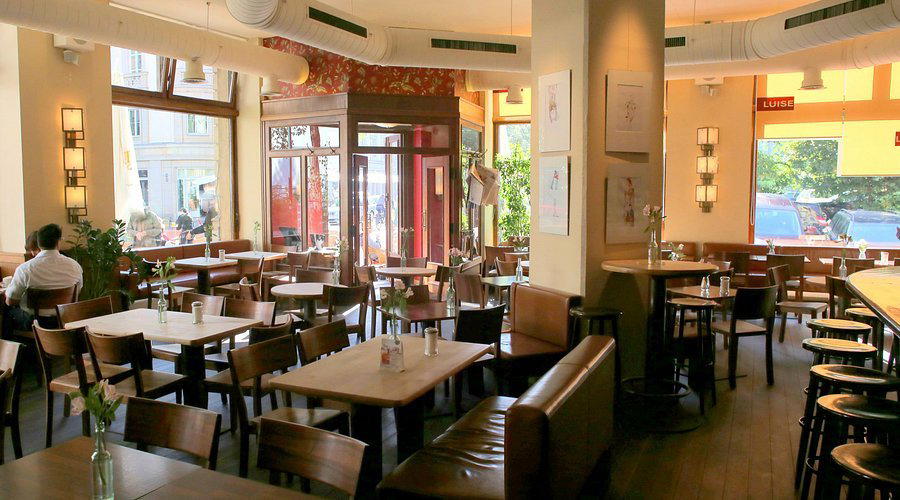
The Southern Black Forest as a Dining Region
The stretch of Baden between Freiburg and the Swiss border has long occupied a quiet but serious position in Germany's fine dining map. The spa towns along the Schwarzwald's western edge, Badenweiler chief among them, draw a crowd that expects quality rather than novelty: guests who arrive for the thermal waters, the vine-threaded hillsides, and the particular calm that this corner of Germany has traded on for over a century. The dining culture here follows suit. It is not the place for provocateur kitchens or high-concept experimentation; it is a region where contemporary cooking is expected to feel rooted, where the Baden tradition of rich sauces, lake fish, and forest-foraged ingredients still exerts a gravitational pull even on menus that have moved past the tablecloth-and-trolley era.
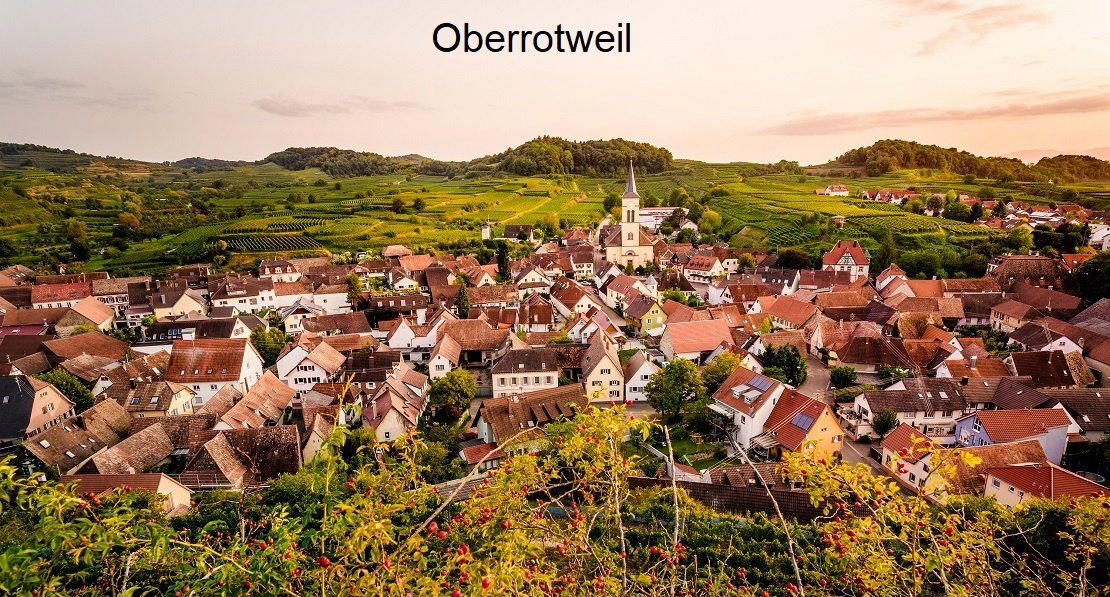
Within that context, LUISE sits on Luisenstraße in Badenweiler, a short address in a compact town that functions almost entirely around its nineteenth-century thermal history. Approaching from the park-flanked main streets, the town reads as a preserved version of German spa culture, the kind of place where the architecture and the rhythm of the day have not changed much since the Belle Époque. A contemporary restaurant inside that frame needs to work with or against that atmosphere. LUISE, appears to have found a working position in that tension.
What the Michelin Plate Signals Here
Germany's Michelin Plate, introduced to mark restaurants that produce cooking of consistent quality below the star threshold, has become a useful orientation tool in a country where the gap between regional institution and starred destination can be difficult to read from the outside. In the Black Forest region, the comparison points shift depending on how far north you travel: Schwarzwaldstube in Baiersbronn operates in a different price register altogether, at €€€€, with three Michelin stars and the kind of booking lead times that place it outside the spontaneous itinerary. LUISE, at €€€, occupies the tier below, recommended, consistent, but not requiring the months-ahead planning or the prix-fixe commitment of the region's most decorated addresses.
For the traveller building a Baden itinerary that includes serious food without anchoring every meal at the top of the starred hierarchy, that positioning is useful. The Plate signals that Michelin's inspectors returned and found the kitchen reliable across visits, not a single good night, but a dependable level. With a Google score of 4.4 from 245 reviews, the diner consensus runs in the same direction. Across Germany's broader contemporary scene, the Plate tier includes restaurants like ES:SENZ in Grassau, which offers a sense of what that recognition means in the context of Bavaria's more remote restaurant culture. In Baden, LUISE occupies an analogous role: the local answer to the question of where to eat well without the full ceremony of a starred occasion.
Contemporary Cooking in a Spa Town Frame
The contemporary cuisine designation covers a wide range in Germany's current restaurant moment. At the higher end of the price spectrum, it can mean the kind of boundary-testing tasting formats seen at CODA Dessert Dining in Berlin or the precision-driven multicourse architecture of Aqua in Wolfsburg. At the €€€ level in a town like Badenweiler, contemporary more often signals a kitchen that has absorbed modern technique, cleaner reductions, lighter plating, seasonal sourcing made visible, without abandoning the expectation that dinner in a German spa town should be satisfying in a fairly traditional sense of the word.
The cultural roots of this approach matter. Baden cooking has always been positioned between French Alsatian influence to the west and the heavier Swabian tradition to the east. The region's leading kitchens have historically drawn from both: the Gallic attention to sauce and sourcing, the German preference for substantive portions and wine-table hospitality. Contemporary reinterpretations of that tradition tend to retain the hospitality register while updating the technique. For comparison within the broader German fine dining conversation, JAN in Munich and Vendôme in Bergisch Gladbach both show how modern European cooking in Germany can carry French structural influence while remaining distinctly regional in character. LUISE operates below those price points, but the cultural grammar is recognisable.
For a broader view of how contemporary European formats play out outside Germany, César in New York City and Jungsik in Seoul illustrate how the contemporary label translates across very different urban contexts, which in turn sharpens what makes the Baden version, rooted, measured, spa-town-paced, a distinct register of its own.
Placing LUISE in the Horben and Badenweiler Circuit
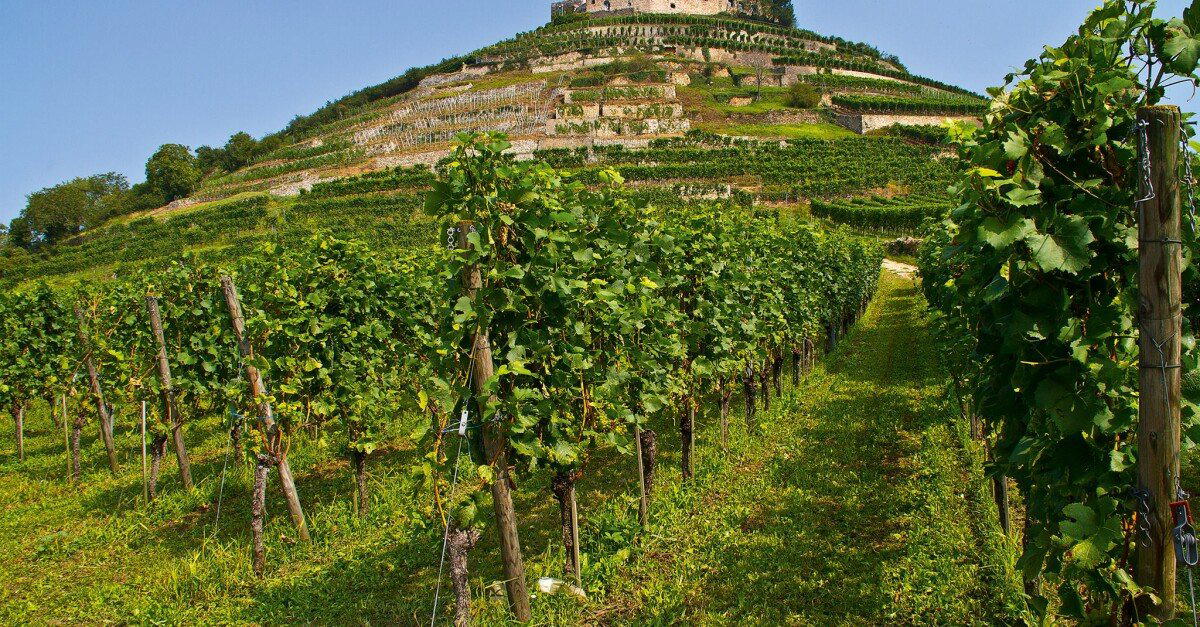
Badenweiler and the surrounding Markgräflerland territory form one of Germany's more coherent wine-and-dining micro-regions, where the Burgundy grape varieties that thrive on the Rhine plain's volcanic soils anchor a wine culture that pairs naturally with the kind of cooking LUISE represents. The area rewards guests who treat it as a two- or three-day circuit rather than a single-night stop. For those building that itinerary, Gasthaus zum Raben in Horben offers a Classic French point of comparison a short distance away, illustrating how the region holds both traditional and more modern registers within a small geographic footprint.
For longer Black Forest itineraries, the starred restaurants of Baiersbronn and the Moselle valley addresses such as Schanz in Piesport, Waldhotel Sonnora in Dreis, and Victor's Fine Dining by Christian Bau in Perl extend the map for those covering Germany's southwest wine corridor over several days. Restaurant Haerlin in Hamburg rounds out the picture of Germany's varied contemporary fine dining scene at the higher starred tier.
Planning a Visit
LUISE is located at Luisenstraße 17 in Badenweiler, a ten-minute drive from the A5 motorway and roughly 50 kilometres south of Freiburg. The price range at €€€ places it in accessible fine dining territory for the region, where comparable meals at starred addresses typically run a tier higher. With Michelin Plate recognition held across two consecutive years (2024 and 2025) and a Google score of 4.4 from 233 reviews, the kitchen has demonstrated the kind of consistency that makes it a sensible anchor for a Markgräflerland dinner. Reservations are advisable, particularly in summer when Badenweiler's thermal visitor season peaks and the town's limited number of quality dinner options become correspondingly pressured. Reservations are recommended.
Price and Positioning
Comparable venues nearby, for context on price, style, and recognition.
| Venue | Cuisine | Price | Awards | Notes |
|---|---|---|---|---|
| LUISEThis venue — the venue you are viewing | Horben, Contemporary Modern Cuisine | $$$$ | Michelin Plate | |
| Gasthaus zum Raben | $$$ | Michelin Plate | Horben, Classic French with Regional Influences | |
| EigenArt | $$$ | Michelin Plate | Innenstadt-West, Seasonal International Farm-to-Table | |
| Sticks & Stones A Terroir Bar by Justin Leone | Schwabing, Terroir Wine Bar Snacks | $$$ | ||
| Daniels | $$$ | Michelin Plate | old town center, Modern Regional Fine Dining | |
| [w]einklang | Johannis, Modern Fine Dining | $$$$ | Michelin Plate |
Continue exploring
More in Horben
Restaurants in Horben
Browse all →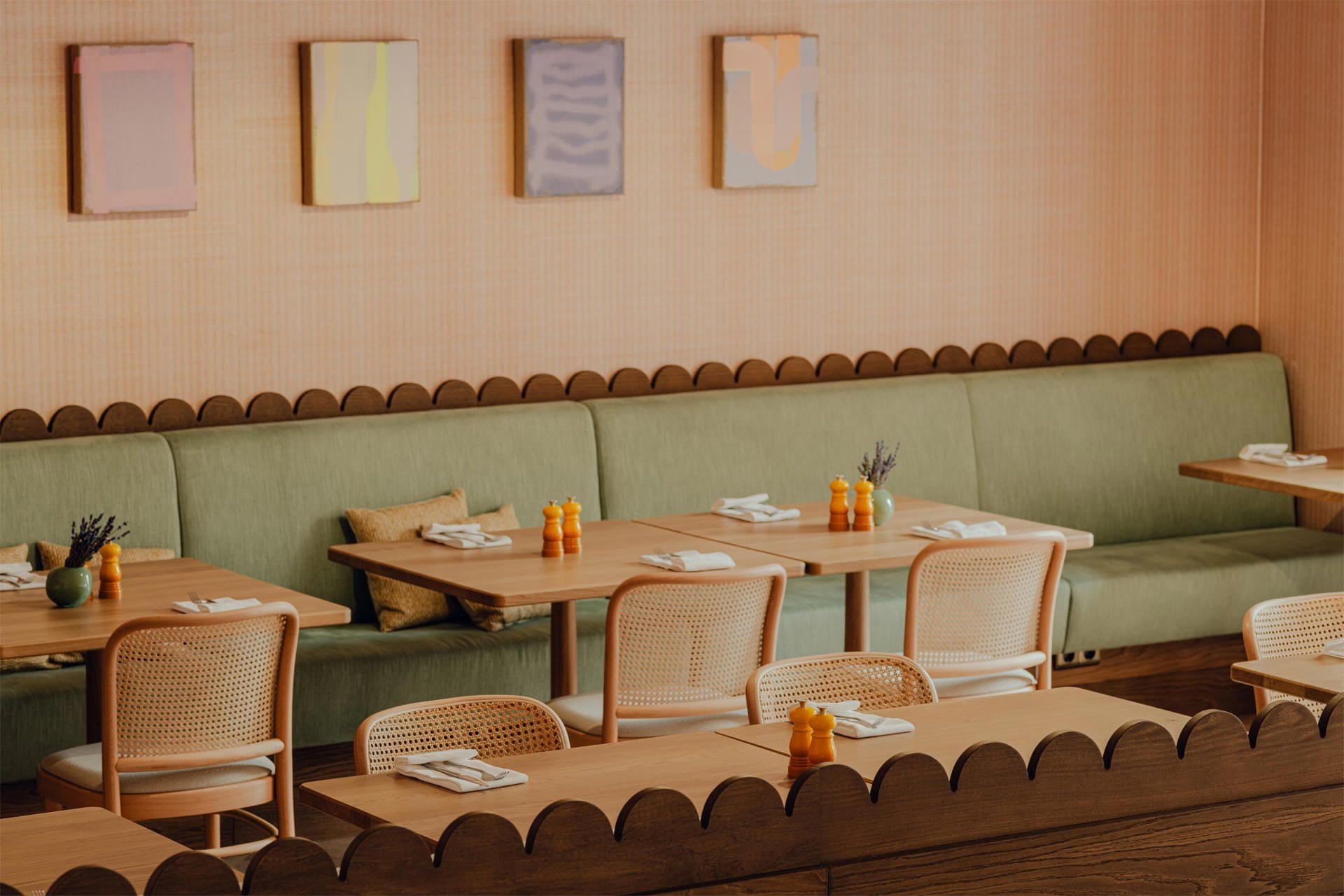
Bars in Horben
Browse all →
Hotels in Horben
Browse all →
At a Glance
- Modern
- Elegant
- Cozy
- Scenic
- Date Night
- Special Occasion
- Open Kitchen
- Panoramic View
- Terrace
- Extensive Wine List
- Local Sourcing
- Mountain
- Garden
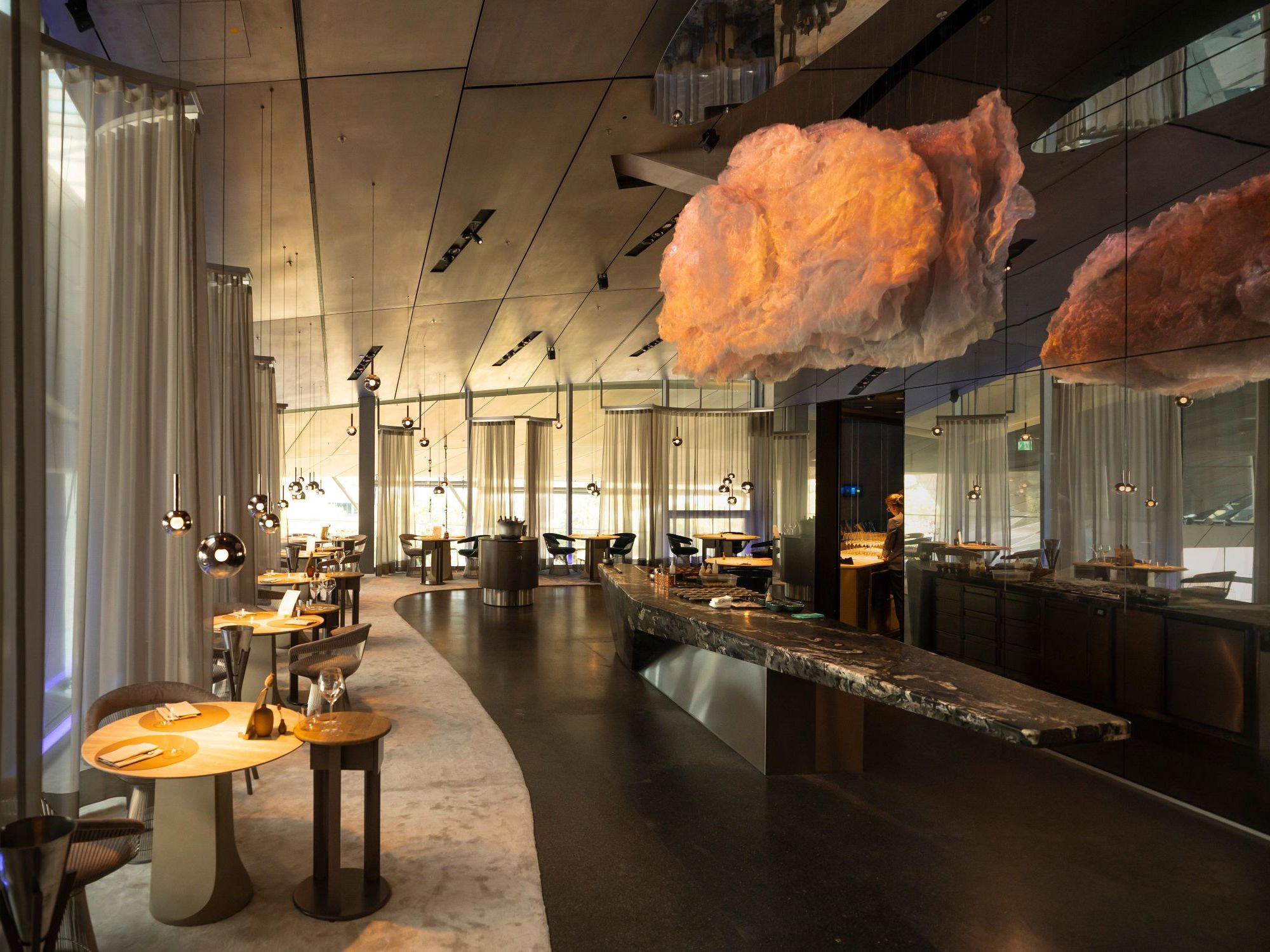
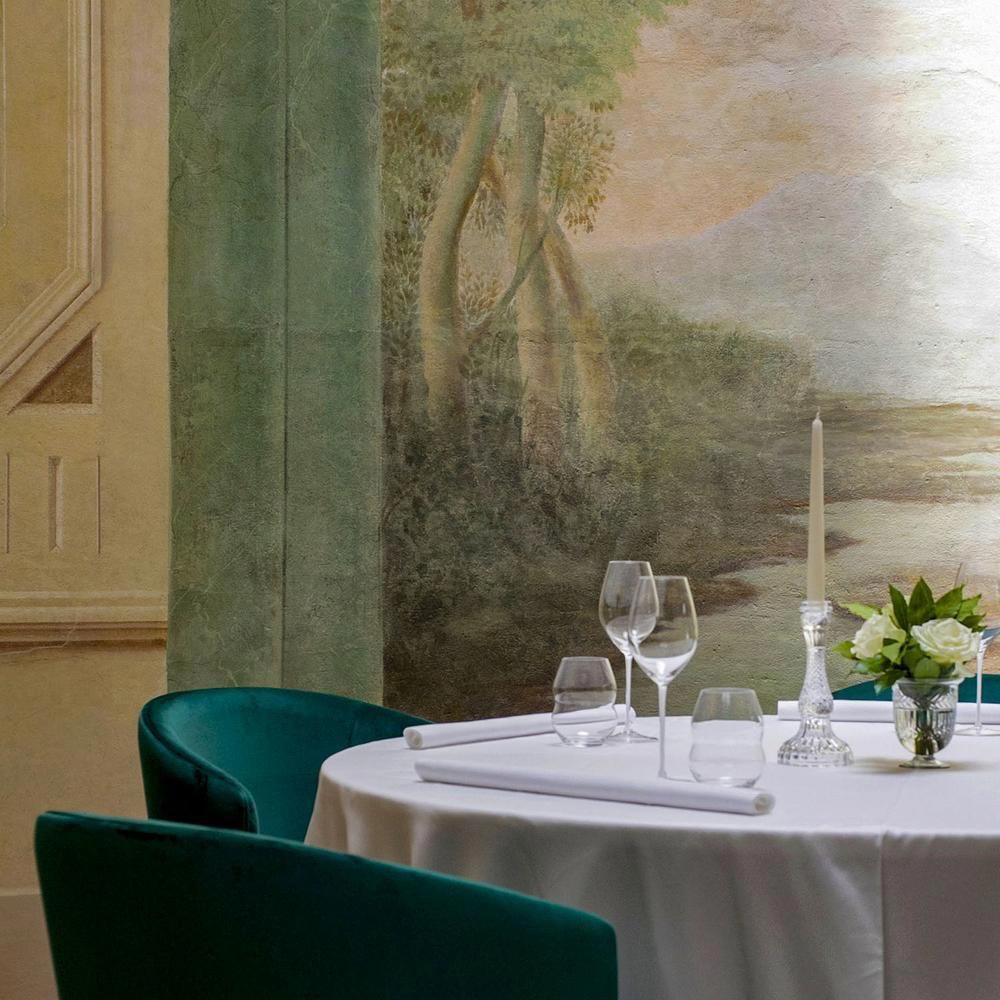
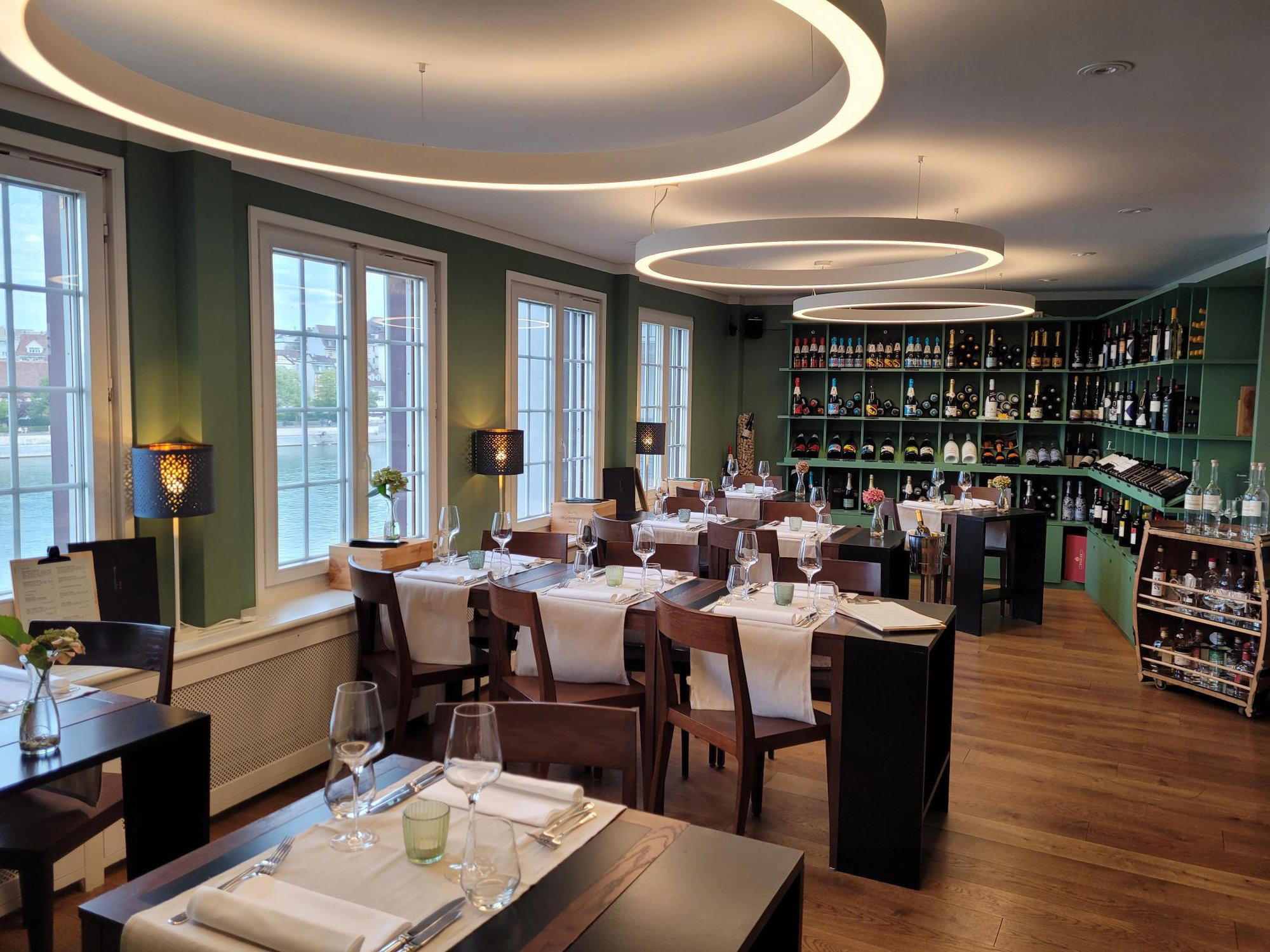
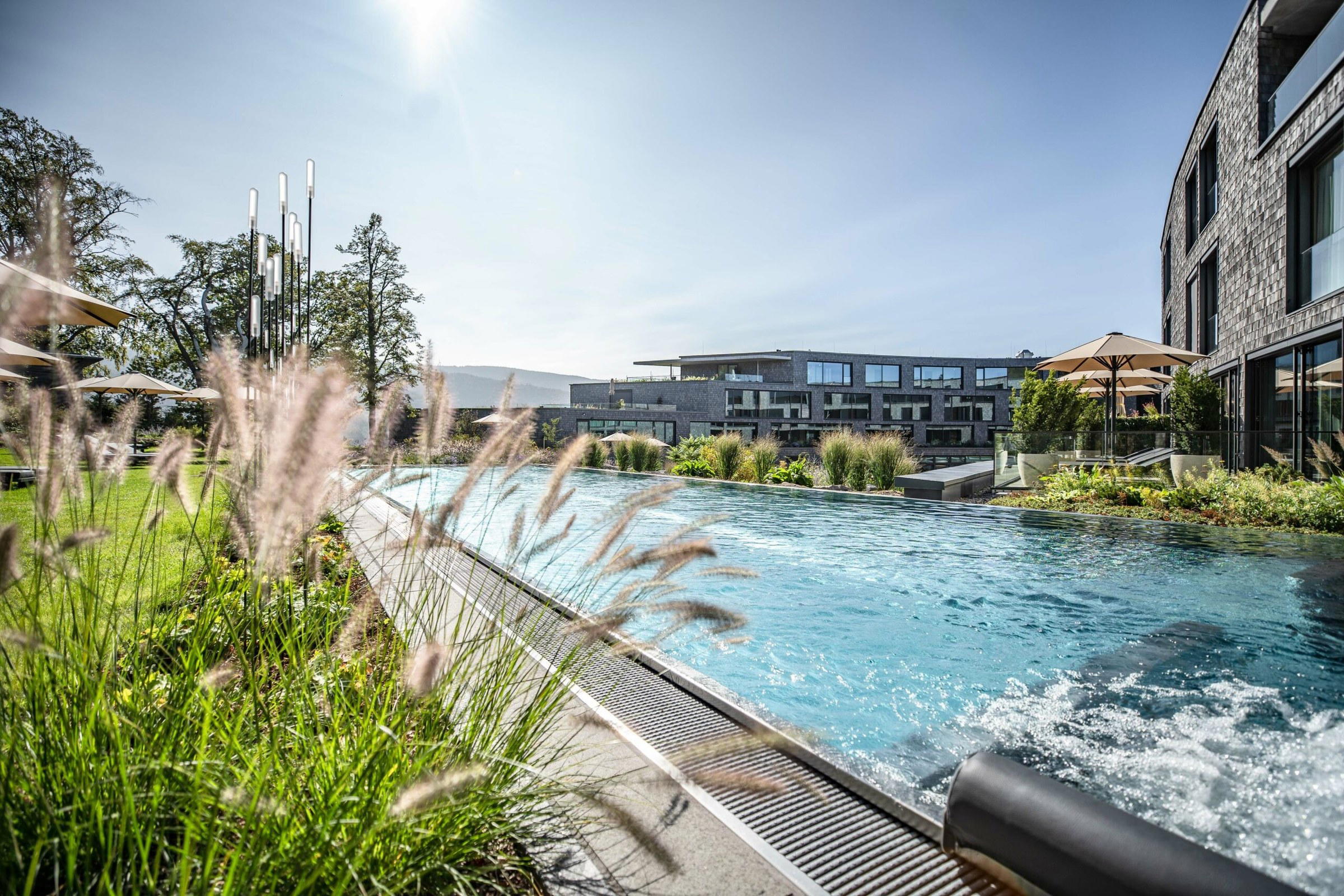
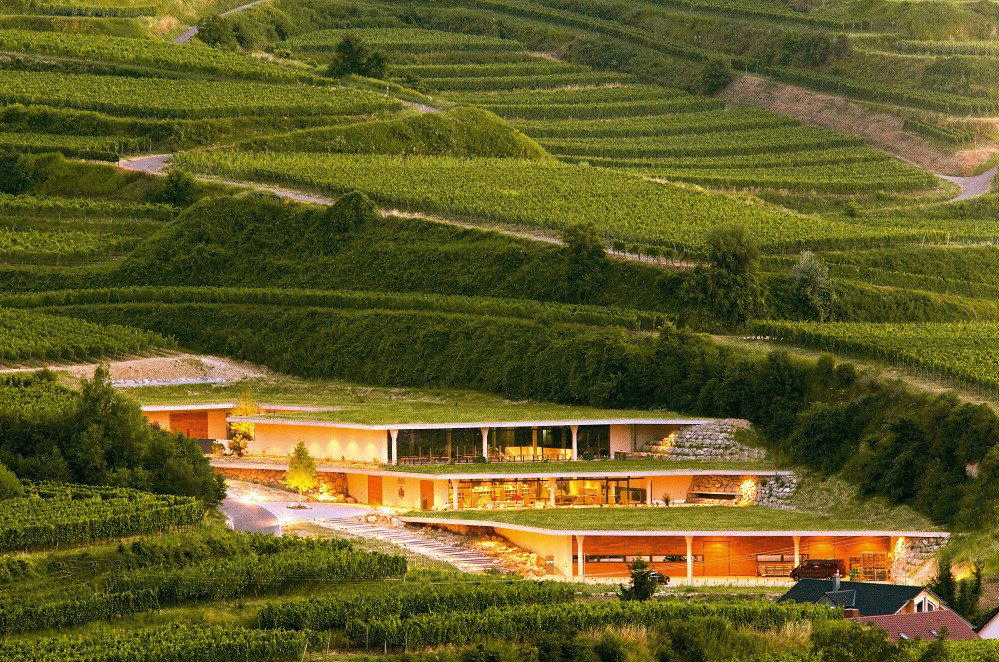
Modern design with high-quality natural materials, pleasantly laid-back feel, and floor-to-ceiling windows overlooking the Black Forest and Schauinsland mountain.