Lou Bi sits on Rue Rollin in Alès, a mid-sized city in the Gard department where Occitan culinary tradition and the wider Languedoc pantry meet local dining habits. The address places it within walking distance of the old town, and the restaurant draws from a regional food culture shaped by olive oil, garlic, wild herbs, and the red wines of the nearby Costières de Nîmes appellation.
Pearl is the En Primeur Club membership app — saves, bookings, and concierge access live there. Same editors, same standards.
- Address
- 4 Rue Rollin, 30100 Alès, France
- Phone
- +33466603851
- Website
- lou-bi.eatbu.com
- Directions
- Get directions
 Saves & bookings on Pearl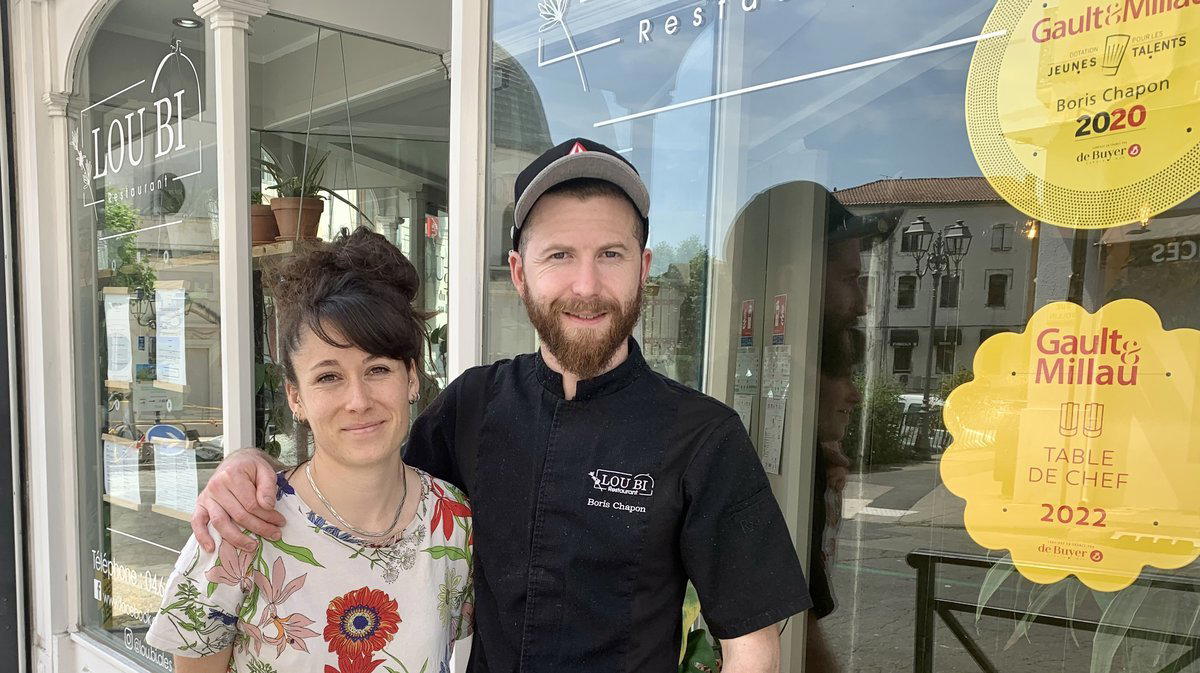
Dining in Alès: Where the Cévennes Table Meets the Gard
Alès occupies an underexamined position in the southern French food conversation. The city sits at the edge of the Cévennes mountains, a landscape that has fed a distinct local table for centuries: chestnuts from the high ground, trout from fast-running streams, lamb from open hillside pastures, and the olive oil and wild thyme that characterise the garrigue running toward Nîmes. This is not the polished Provençal register tourists associate with Avignon or Arles. It is rougher, more inland, and more honest about where the food actually comes from.
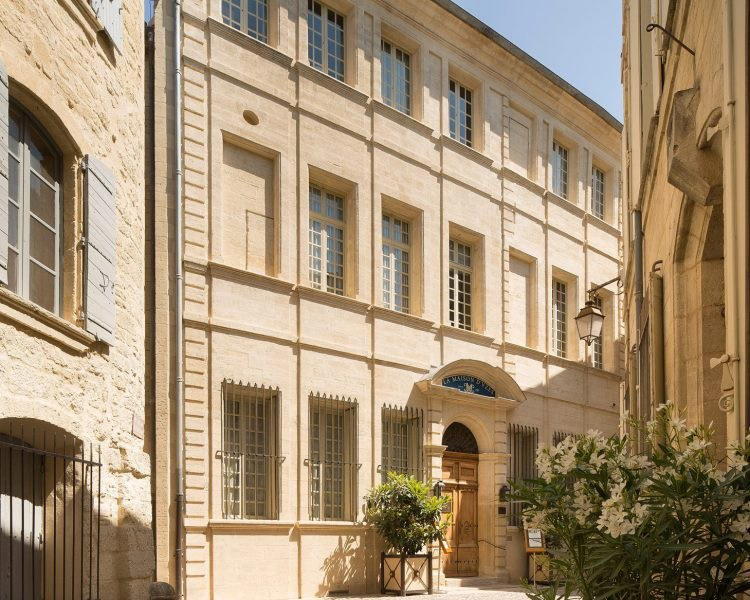
Lou Bi occupies 4 Rue Rollin, within the older fabric of the city and close enough to the medieval centre that the walk from the train station is reasonable on foot. The address situates the restaurant inside a neighbourhood that functions as a working part of the city rather than a tourist enclave. That context matters: the clientele at a restaurant like this tends to be predominantly local, which in France is generally a reliable signal of value and consistency over imported reputation.
The Cultural Logic of the Cévennes Table
To understand what a restaurant in Alès is working with, you need to understand the Cévennes food tradition before you read the menu. The region was historically poor by the standards of coastal Languedoc, and the kitchen evolved accordingly: chestnut flour extended grain, pork was preserved in all forms, and the rivers supplied what the sea could not. Protestant communities in the area developed a cooking culture that leaned practical and ingredient-driven rather than elaborate, a counterpoint to the court-influenced cuisines of more prosperous French regions.
That inheritance shows up today in the kinds of markets that still anchor Alès: the Saturday market on the Place de l'Hôtel de Ville draws producers from across the Gard, offering varieties of vegetable, cheese, and cured meat that rarely reach the shelves of Paris or Lyon. A restaurant sourcing locally in Alès has access to this circuit, goat's cheese from small farms above Saint-Jean-du-Gard, charcuterie from the Cévennes interior, seasonal mushrooms from the chestnut forests. The culinary tradition here is built on proximity, not prestige supply chains.
This is a different register from what you encounter at France's most decorated tables. Mirazur in Menton works at the intersection of Mediterranean produce and high creative ambition. Bras in Laguiole built an entire philosophy around the Aubrac plateau's wild plants and severe seasons, and it earned the recognition to match. Auberge du Vieux Puits in Fontjoncouse demonstrates how a small southern French village can sustain a three-Michelin-star address through sheer commitment to the regional larder. Alès does not operate at that tier, but the food culture feeding its restaurants belongs to the same broad Occitan tradition, the same insistence on local provenance, the same preference for direct flavour over architectural complexity.
Alès in the Southern French Restaurant Picture
Southern France's restaurant geography has never been evenly distributed. The grandes tables cluster in cities with strong tourist infrastructure, Paris, Lyon, Marseille, or in destinations that have built reputations over decades. AM par Alexandre Mazzia in Marseille and Alléno Paris au Pavillon Ledoyen operate in entirely different commercial and reputational contexts from a mid-city address in the Gard. Alès sits outside the circuits that generate international food press, which means restaurants here are assessed by local standards: does the cooking reflect where the ingredients come from, does the price feel appropriate, and does the room feel like a place that belongs to the city?
Within Alès itself, the dining options range from traditional Languedoc brasseries to more contemporary approaches. Le Mandajors and Épices et Tout represent two other angles on the local market, each with a different relationship to the regional pantry. Lou Bi at 4 Rue Rollin adds another address to that small working set of places where the Alès food scene is being shaped.
What the Occitan Tradition Means at the Table
The Occitan culinary tradition is sometimes reduced to a shortlist of dishes, brandade de morue, daube, tapenade, but the more interesting observation is structural. Southern French cooking in the Cévennes and Gard tends to treat the main protein as one element among several rather than the dominant feature the plate is organised around. Vegetables, legumes, and grains carry more weight here than in the northern French classical tradition, and the seasoning relies on herbs used fresh rather than reduced into sauces. Garlic is present in a way that northern French cooking rarely accommodates. These are characteristics that survive in serious form at restaurants that stay honest about what the region actually produces.
Comparison with how France's most recognised restaurants have used regional identity can be instructive. Troisgros in Ouches has spent decades refining what it means to cook from the Loire and Burgundy borderlands. Auberge de l'Ill in Illhaeusern remains the definitive expression of Alsatian fine dining, where the regional identity is so embedded that removing it would leave nothing coherent. Georges Blanc in Vonnas built its reputation on Bresse produce in a way that made provenance the point. The lesson across these examples is consistent: restaurants that stay anchored to a specific regional food culture tend to age better than those that reach for a universalised fine dining language.
Planning a Visit
Alès is reachable by train from Nîmes, which in turn connects to Paris via TGV in roughly three hours. Visitors combining Alès with the broader Gard or Hérault itinerary can route through Montpellier or Avignon depending on onward plans. Reservations are essential.
For readers whose France itinerary extends beyond Alès, the southern and central French restaurants with the deepest reputations include Flocons de Sel in Megève, Paul Bocuse in Collonges-au-Mont-d'Or, Assiette Champenoise in Reims, Christopher Coutanceau in La Rochelle, and Au Crocodile in Strasbourg. For those whose travels extend across the Atlantic, Le Bernardin in New York City and Atomix in New York City represent the kind of sustained critical recognition that provides a useful benchmark for what serious restaurant ambition looks like at a global level.
Pricing, Compared
Comparable venues nearby, for context on price, style, and recognition.
| Venue | Cuisine | Price | Awards | Notes |
|---|---|---|---|---|
| Lou BiThis venue — the venue you are viewing | city center, Modern French Fine Dining | $$$ | Not listed | Not listed |
| Le Mandajors | Not listed | $$ | Not listed | Alès, Traditional Cévennes Regional French Bistro |
| Épices et Tout | Alès, Modern French Bistro | $$ | Bib Gourmand | Not listed |
| Comptoir De Vie | Not listed | $$$ | Not listed | 2nd Arrondissement, Modern French Tasting Counter-Bar |
| Le moulin d'Isnard | centre historique, French Bistronomique | $$$ | Not listed | Not listed |
| Renaldo | Port Ariane, French Gourmet Soufflés | $$$ | Not listed | Not listed |
Continue exploring
More in Alès
Restaurants in Alès
Browse all →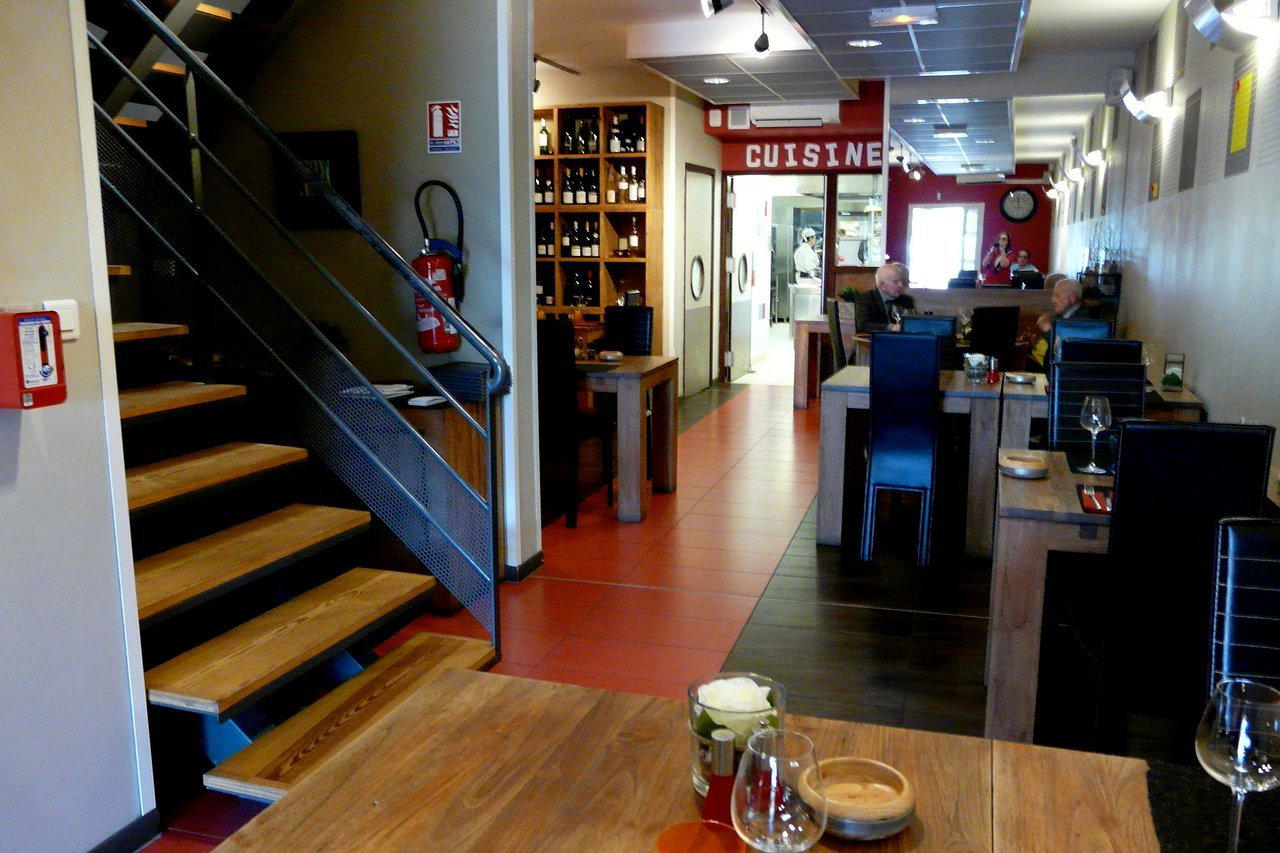
At a Glance
- Elegant
- Sophisticated
- Intimate
- Date Night
- Special Occasion
- Standalone
Current opening hours
- Monday
- Closed
- Tuesday
- Closed
- Wednesday
- 12–1:30 PM, 7:30–9 PM
- Thursday
- 12–1:30 PM, 7:30–9 PM
- Friday
- 12–1:30 PM, 7:30–9 PM
- Saturday
- 12–1:30 PM, 7:30–9 PM
- Sunday
- Closed
Hours can change for holidays and private events. Last verified .
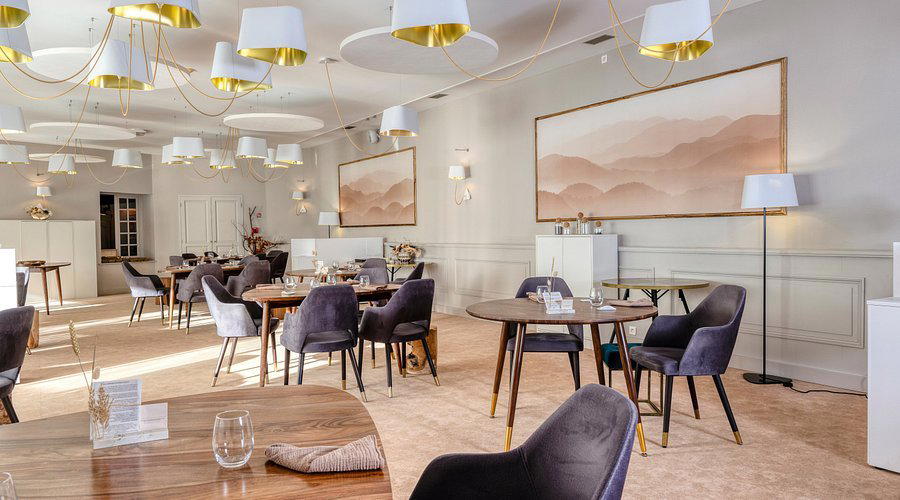
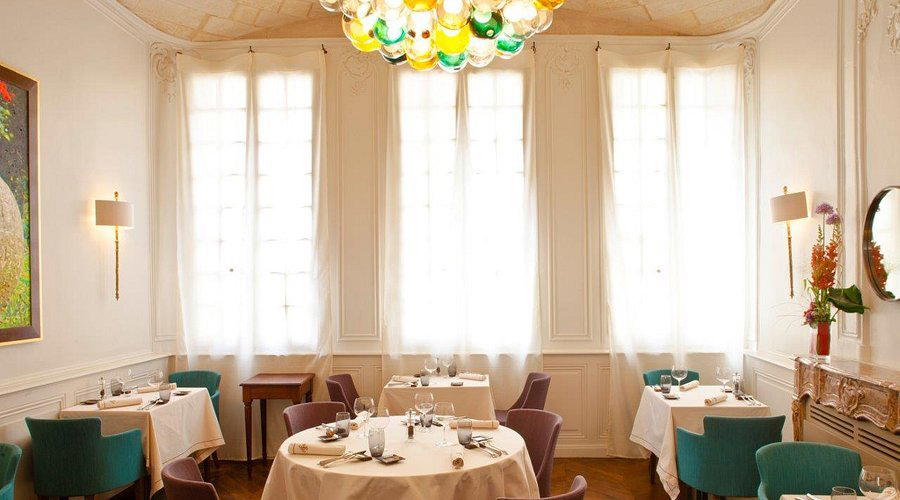
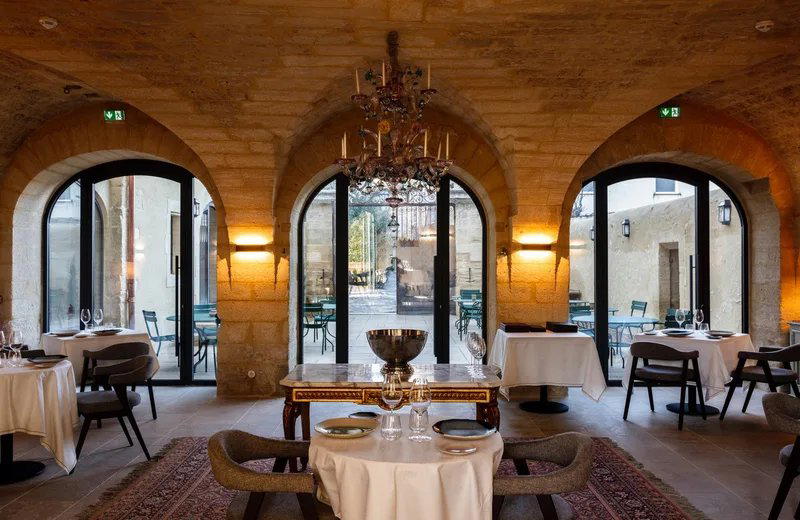
Refined and contemporary atmosphere with thoughtfully presented dishes in an intimate setting.