Lotus Ramen Restaurant on Rua da Oliveira ao Carmo brings Japanese ramen to one of Lisbon's most characterful streets in the Chiado district. In a city where the dining conversation is dominated by modern Portuguese tasting menus, Lotus represents a different register: a focused, single-cuisine format that earns its place through specificity rather than spectacle. For visitors already exploring Lisbon's broader restaurant scene, it offers a deliberate change of pace.
Pearl is the En Primeur Club membership app — saves, bookings, and concierge access live there. Same editors, same standards.
- Address
- R. da Oliveira ao Carmo 71A, 1200-308 Lisboa, Portugal
- Phone
- +351210507360
- Website
- opentable.com
- Directions
- Get directions
 Saves & bookings on Pearl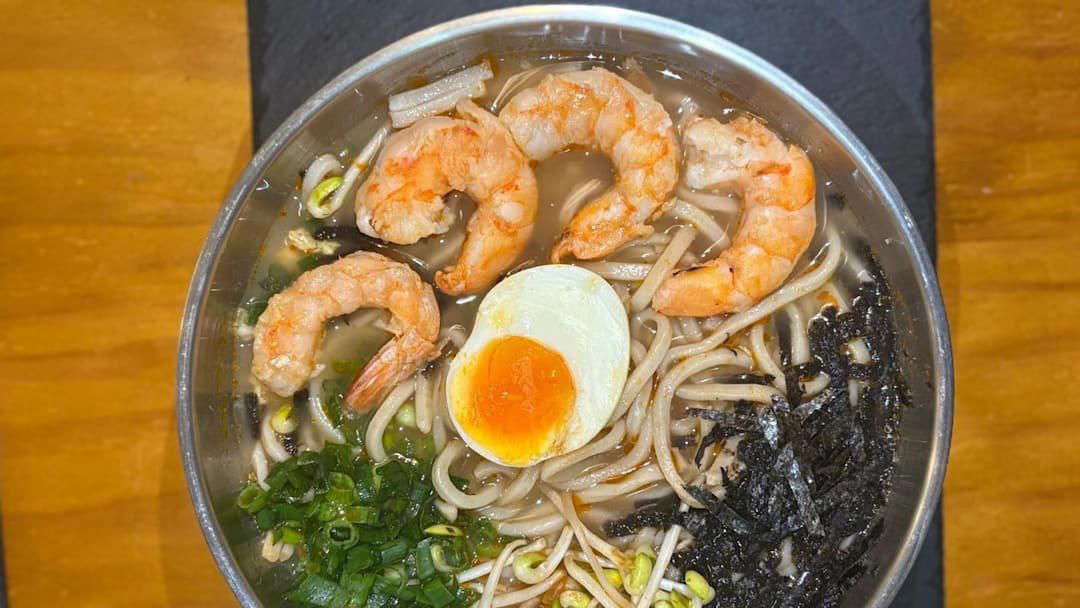
Ramen in the City of Bacalhau: How Lisbon Learned to Love the Bowl
Lisbon's restaurant conversation in the past decade has been shaped almost entirely by the rise of modern Portuguese cuisine. The city now holds Michelin stars at Belcanto, CURA, and Eleven, alongside ambitious cross-cultural projects like 50 Seconds from Martin Berasategui. That institutional weight has made the city's fine dining scene legible to an international audience, but it has also made the quiet arrival of focused, single-cuisine restaurants harder to clock. Ramen, in particular, occupies an interesting position in Lisbon's food geography: it is a format that rewards obsessive specificity, and cities that get it right tend to have a concentrated cluster of venues rather than one definitive address.
Lotus Ramen Restaurant is a restaurant in Lisbon, Portugal, at Rua da Oliveira ao Carmo 71A in Chiado, known for modern Japanese ramen with French techniques. The street sits in one of Lisbon's most historically layered neighbourhoods, a few minutes' walk from the Carmo Convent and the lateral lanes that connect Bairro Alto to the Baixa below. The physical approach matters here: Chiado's restaurant density is high, and the competition for attention on any given evening includes everything from bacalhau traditionalists to the creative formats clustered around 2Monkeys. In that context, a ramen restaurant signals something deliberate, a narrowing of focus that asks the diner to commit to the format rather than browse a sprawling menu.
What a Ramen Menu Reveals About a Kitchen
The architecture of a ramen menu is one of the more diagnostic tools in restaurant criticism. Unlike a tasting menu, where the kitchen controls sequence and pacing, a ramen menu hands a structural decision to the diner at the moment of arrival: broth type. That single choice, tonkotsu, shoyu, miso, shio, tells you immediately how the kitchen has allocated its labour. A restaurant running four well-executed broths is running four long-cook preparations simultaneously, each with its own fat content, seasoning logic, and pairing requirements for noodle texture and toppings. A restaurant running two broths with confidence is making a different argument: depth over range.
The broader ramen format also separates into sub-decisions that compound quickly. Noodle thickness and alkalinity level, the temperature of the fat layer on arrival, the precise saline calibration of the tare, the cut and preparation of chashu, each is a variable that a kitchen either controls or leaves to chance. In cities like Tokyo and Fukuoka, these decisions are obsessed over at the individual shop level, and the leading ramen counters are defined not by their menu length but by the tightness of their execution within a narrow brief. Atomix in New York and Le Bernardin operate on a similar logic in their respective categories: fewer decisions, executed with total commitment. The same discipline, when applied to ramen, produces a different kind of restaurant from the European multi-cuisine format, and a different kind of value proposition.
At Lotus Ramen, the menu structure is the primary editorial statement. What the format itself signals, however, is a kitchen organised around the logic of the bowl rather than around a broader Asian-fusion brief. That is a meaningful distinction in Lisbon, where the temptation for any non-Portuguese restaurant is to broaden the offer to capture a wider audience.
Lisbon's Position in Portugal's Wider Restaurant Map
Understanding where Lotus Ramen sits requires a sense of what Lisbon's dining scene is, and what it is not, relative to the rest of Portugal. The country's Michelin-starred restaurants are distributed more widely than casual observers tend to assume. Vila Joya in Albufeira, Ocean in Porches, and Bon Bon in Lagoa anchor a serious Algarve fine dining circuit. Antiqvvm in Porto, The Yeatman in Vila Nova de Gaia, and A Cozinha in Guimaraes establish the north as a credible destination in its own right. Casa de Chá da Boa Nova in Leça da Palmeira and Il Gallo d'Oro in Funchal extend the map to the Atlantic periphery.
Within that wider geography, Lisbon functions as the city most exposed to international dining formats, a product of its tourism density, its cosmopolitan resident base, and its role as a port of entry for most visitors to Portugal. That exposure has created genuine demand for non-Portuguese cuisine at a standard that matches the city's overall restaurant quality. Ramen, as a format, benefits from that demand: it is a cuisine that Lisbon's international visitors often know well, and that local diners have become increasingly familiar with over the past several years. Venues like A Ver Tavira and Al Sud in Lagos illustrate how regional Portuguese restaurants anchor their identity in local produce; Lotus Ramen's logic runs in the opposite direction, deriving its identity from a foreign culinary tradition executed with local consistency.
Planning a Visit: What to Know Before You Go
Rua da Oliveira ao Carmo is a short street with limited signage from the main Chiado thoroughfares, so arriving with a precise address rather than a general sense of direction saves time. The street connects into the Carmo area and is walkable from both Largo do Chiado and the Elevador de Santa Justa terminus. The Chiado dining window on weekends in particular can compress quickly, as the neighbourhood draws both tourists and Lisbon residents in volume. For a broader orientation to the city's restaurant options across cuisine types and price tiers,
Reputation Context
Comparable venues nearby, for context on price, style, and recognition.
| Venue | Cuisine | Price | Notes |
|---|---|---|---|
| Lotus Ramen RestaurantThis venue — the venue you are viewing | Modern Japanese Ramen with French Techniques | $$ | Not listed |
| Nómada | Japanese Fusion Sushi | $$$ | Rego |
| Amorino Chiado | Artisanal Italian Gelato | $$ | Chiado |
| Pharmacia | Portuguese Tapas & Mediterranean | $$ | Bairro Alto |
| Queijaria Nacional | Portuguese Cheese & Charcuterie | $$ | Rossio |
| Taberna Sal Grosso | Modern Portuguese Petiscos | $$ | Santa Apolonia |
Continue exploring
More in Lisbon
Restaurants in Lisbon
Browse all →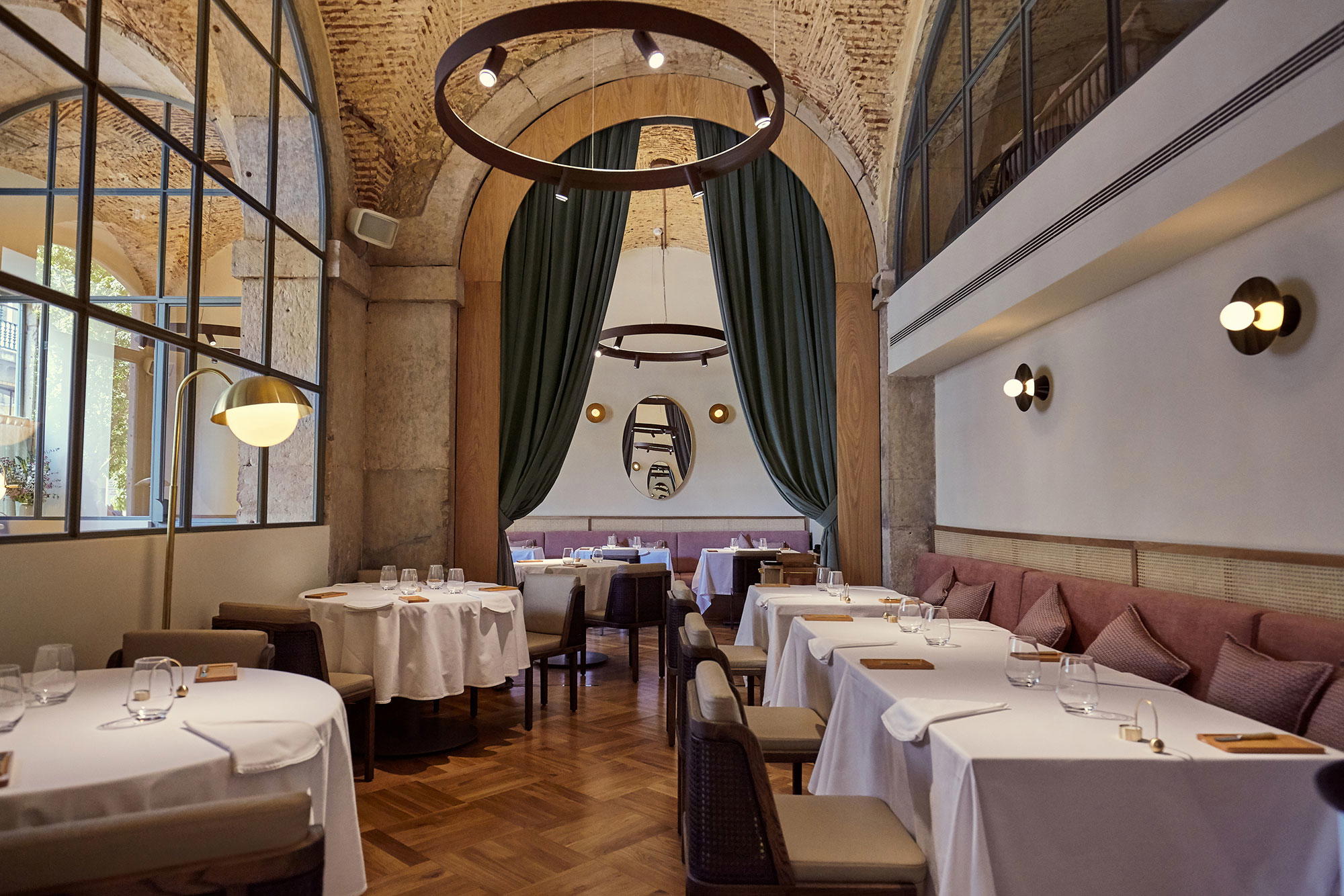
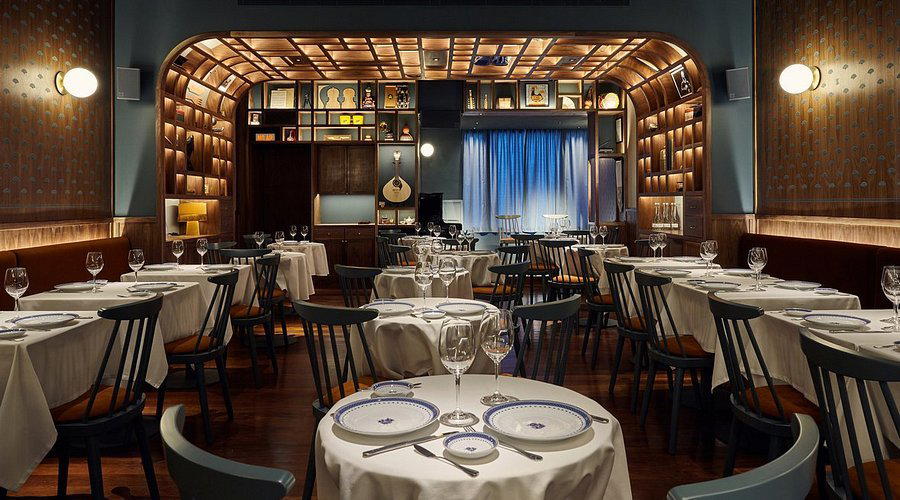
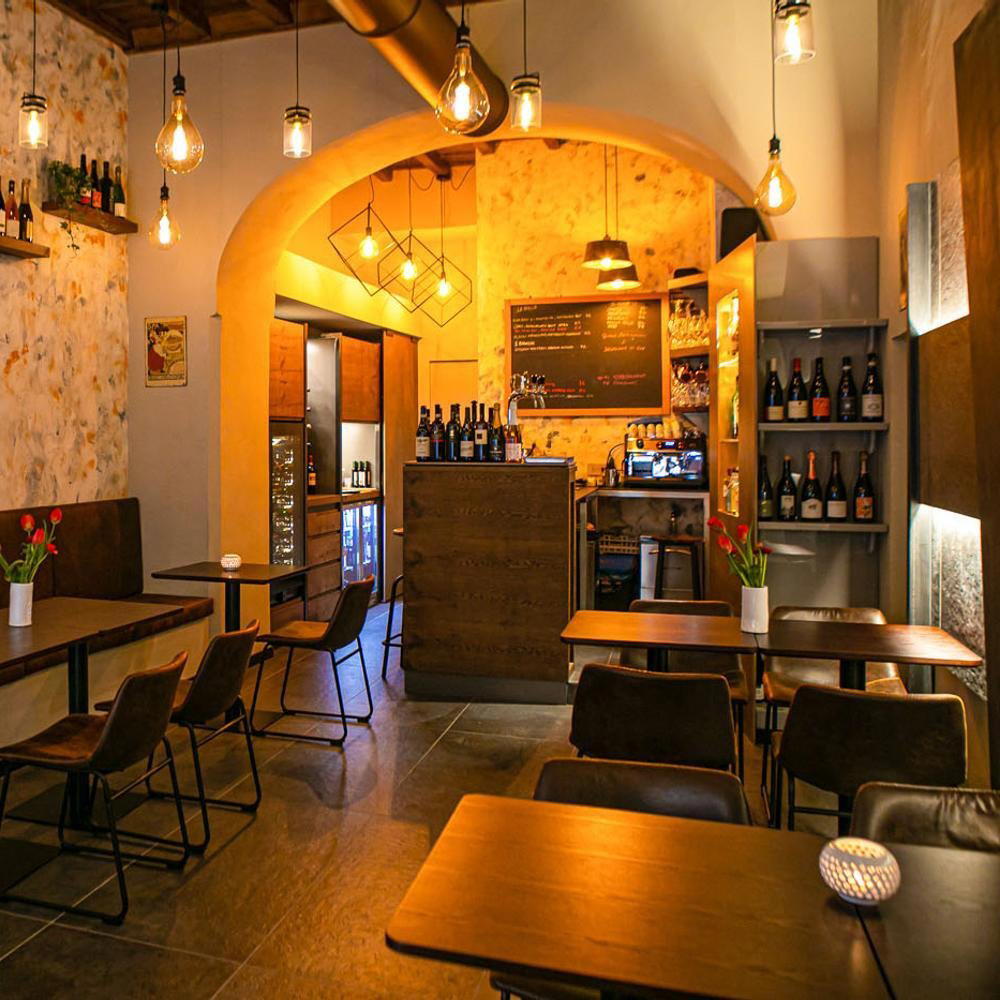
Bars in Lisbon
Browse all →

Hotels in Lisbon
Browse all →

At a Glance
- Cozy
- Casual
- Quiet
- Casual Hangout
- Solo
- Group Dining
- Standalone
- Open Kitchen
Current opening hours
- Monday
- 12–11 PM
- Tuesday
- 12–11 PM
- Wednesday
- 12–11 PM
- Thursday
- 12–11 PM
- Friday
- 12–11 PM
- Saturday
- 12–11 PM
- Sunday
- 12–11 PM
Hours can change for holidays and private events. Last verified .
Cozy and casual with a friendly atmosphere in a small intimate space on a quiet street, inviting and relaxed.