Facing the Cathedral of Notre-Dame de Rouen on Place de la Cathédrale, Brasserie Paul occupies among the more historically charged addresses in Normandy. The brasserie format here is rooted in a French tradition that predates the modern restaurant category, a place where the cooking serves the room, not the other way around. For visitors to Rouen, it sits at the intersection of location, heritage, and the kind of unpretentious French hospitality the city does well.
Pearl is the En Primeur Club membership app — saves, bookings, and concierge access live there. Same editors, same standards.
- Address
- 1 Pl. de la Cathédrale, 76000 Rouen, France
- Phone
- +33235718607
- Website
- brasserie-paul.com
- Directions
- Get directions
 Saves & bookings on Pearl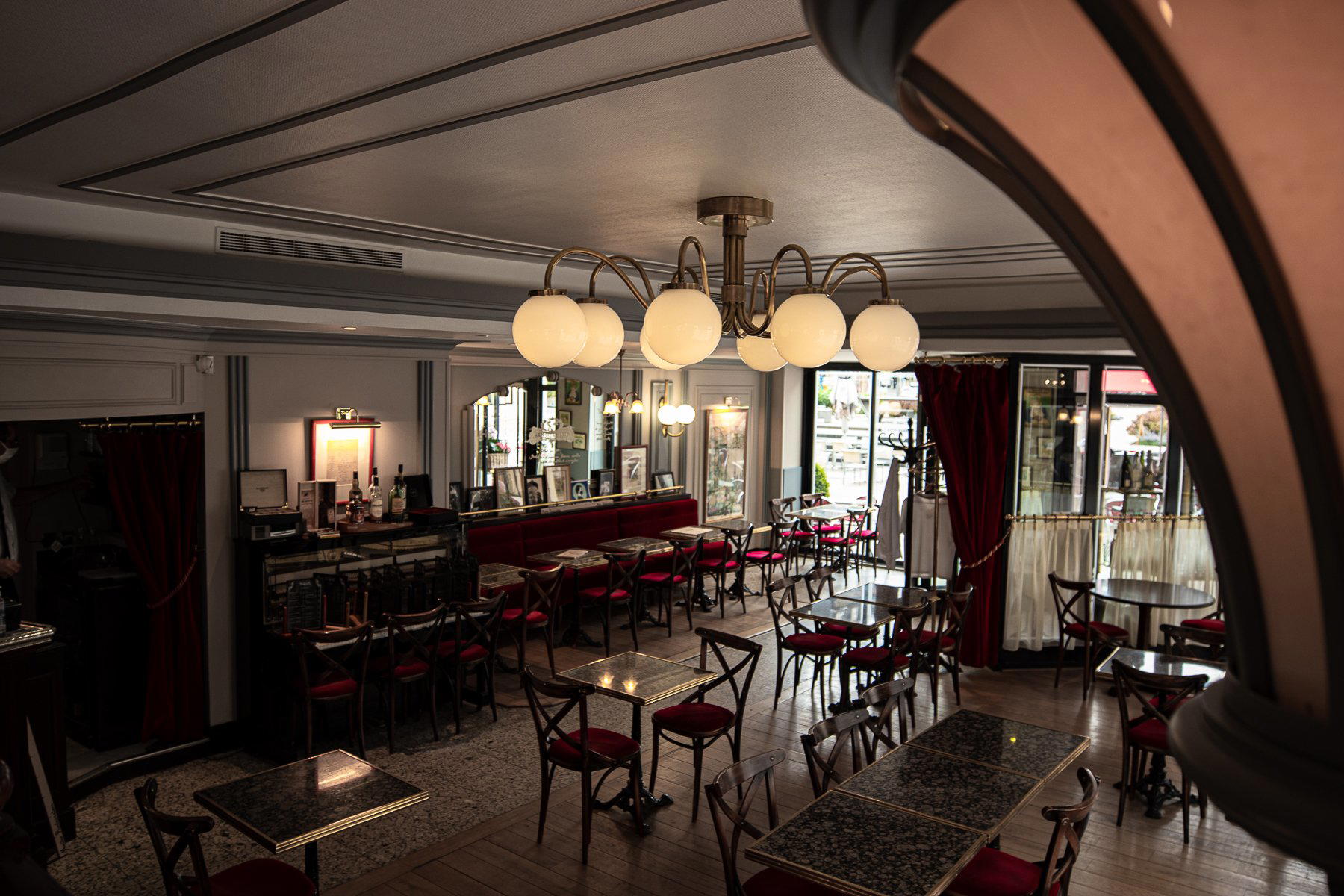
A Cathedral Square Address and What It Means
Place de la Cathédrale in Rouen is one of those French squares that refuses to be backdrop. The Gothic facade of Notre-Dame de Rouen dominates one side with the kind of vertical ambition that took three centuries to complete. Brasserie Paul occupies the square's edge at 1 Place de la Cathédrale, which means arriving here is an exercise in context: you are stepping into a room that has been watching the cathedral's changing light. It places this address inside a dining tradition tied to the cathedral towns of northern France, where restaurants near pilgrimage and market sites evolved to serve a transient but serious clientele, travellers, clergy, merchants, who wanted proper food without ceremony.
Rouen as a dining city is measured against Normandy's broader gastronomic identity: cream, cider, duck, aged cheeses, and apple brandy from the Calvados appellation. The regional canon is deeply embedded, and the brasserie format has historically been where that canon gets its most democratic expression. Unlike the tasting-menu tier, where dishes become arguments about technique, a brasserie kitchen in this region is expected to do convincing versions of established things. The question for any brasserie on a cathedral square is whether the location is doing the work or the kitchen is.
The Brasserie Tradition in a Norman Context
The word brasserie originally denoted a brewery, and the format that evolved from it across France in the nineteenth century was always more about the room than the plate. Long zinc bars, mirrored interiors, white-aproned service, and a menu that covered everything from oysters to cassoulet without apology: this was eating as a social contract rather than a curated experience. In Normandy specifically, the brasserie inherited a larder that needed little intervention. Duck à la rouennaise, sole from the Channel, Camembert and Livarot from farms within an hour's drive, Calvados-glazed preparations, the region's ingredients carry enough authority that a kitchen's primary obligation is not to undermine them.
That context matters when placing Brasserie Paul among nearby restaurants. Rouen's restaurant scene at the higher end runs toward creative and modern-cuisine formats: L'Odas operates in the creative tier at €€€, and the city has a handful of addresses doing serious contemporary work. The brasserie format occupies a different register entirely, one defined by accessibility, consistency, and the expectation that the menu will hold recognisable Norman touchstones. Peer comparisons within the city point toward addresses like Au Flaméron and Chez L'Gros, which occupy similar territory between neighbourhood reliability and tourist-accessible French cooking. Chez Philippe and ACQUA & FARINE represent adjacent choices for visitors weighing options in the same part of the city.
Where Brasserie Paul Sits in the Rouen Picture
Cathedral-square restaurants across France occupy a structurally awkward position. The footfall they receive from tourism creates commercial pressure to simplify, while the visibility of the address creates reputational pressure to perform. The brasseries that hold their standing in these locations over decades tend to do so through consistency rather than innovation: a menu that changes with the seasons but not its ambitions, and service that understands the difference between a quick pre-cathedral lunch and an evening table with intent. Rouen draws visitors across the year, the city's medieval half-timbering, its association with Joan of Arc, and its position as the historic capital of Normandy sustain tourism well beyond the summer peak.
For context on where French regional cooking operates at the highest altitude, the country's most recognised names work across different geographies: Mirazur in Menton, Flocons de Sel in Megève, and Alléno Paris au Pavillon Ledoyen each represent the tasting-menu tier where the brasserie format has no presence. The houses that defined French regional identity at an institutional level, Troisgros, Paul Bocuse, Bras, Auberge de l'Ill, Les Prés d'Eugénie, La Table du Castellet, and Georges Blanc, belong to a category built on decades of Michelin recognition and elaborate tasting formats. The brasserie sits below that in ambition and price, which is a structural description of where it operates. Internationally, the contrast with American formats like Le Bernardin in New York City or Lazy Bear in San Francisco underscores how different the brasserie's proposition is: no fixed tasting progression, no theatrical service, no prix-fixe architecture.
Planning a Visit
The restaurant's address at 1 Place de la Cathédrale places it within walking distance of Rouen's primary medieval sites, including the Gros-Horloge astronomical clock and the Old Market Square where Joan of Arc was executed in 1431. For visitors organising a day in the city, the square is a natural anchor point, and the brasserie's position makes it a practical choice for lunch between the cathedral and the half-timbered streets of Rue du Gros-Horloge. Rouen is accessible from Paris Saint-Lazare by train in approximately 70 to 80 minutes, placing it comfortably within day-trip range from the capital. Booking ahead is advisable for dinner, particularly on weekends and during peak tourist months between June and September, when the square draws significant footfall and tables at visible addresses fill early.
Price Lens
Comparable venues nearby, for context on price, style, and recognition.
| Venue | Cuisine | Price | Notes |
|---|---|---|---|
| Brasserie PaulThis venue — the venue you are viewing | Not listed | $$ | Not listed |
| Chez L'Gros | centre-ville, Traditional French Bistro | $$ | Not listed |
| Le Boma | Not listed | $$$ | Place du Vieux-Marché, Modern French Bistro |
| L'Espiguette | Not listed | $$ | Place Saint-Amand, Traditional French Bistro |
| Pagani | Palais de Justice, Italian Trattoria | $$ | Not listed |
| Le Bouillon d'Or | Not listed | $$ | Vieux Rouen, Traditional French Brasserie |
Continue exploring
More in Rouen
Restaurants in Rouen
Browse all →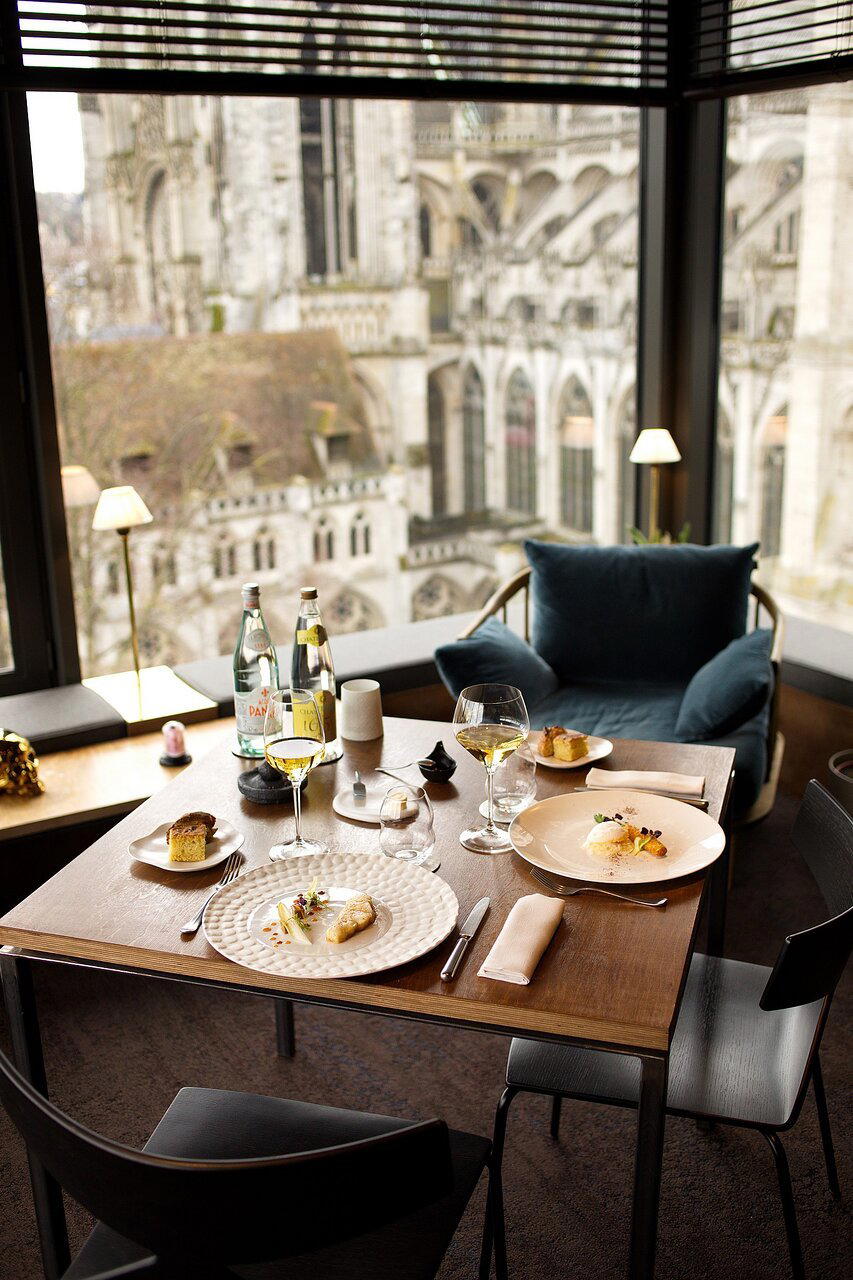
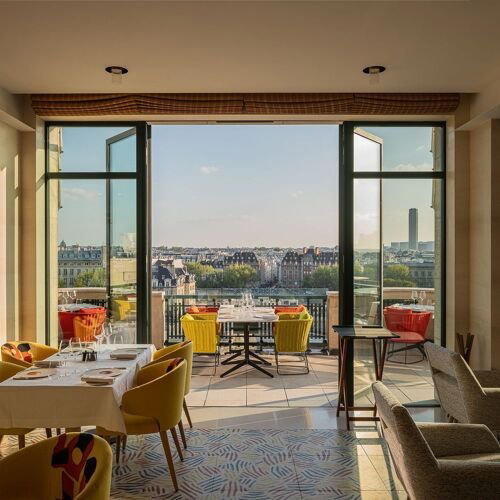
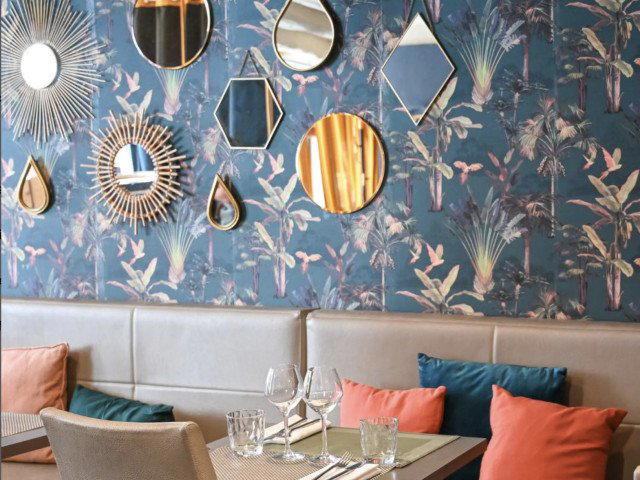
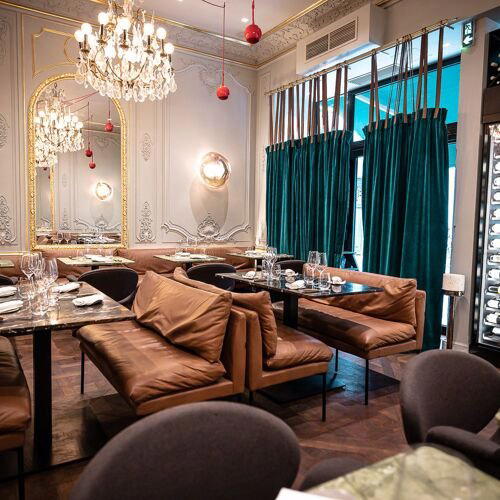
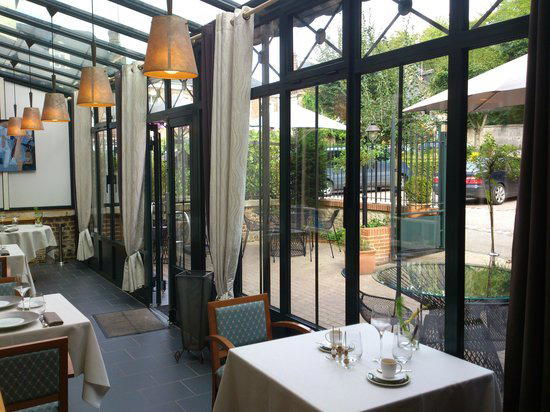
Hotels in Rouen
Browse all →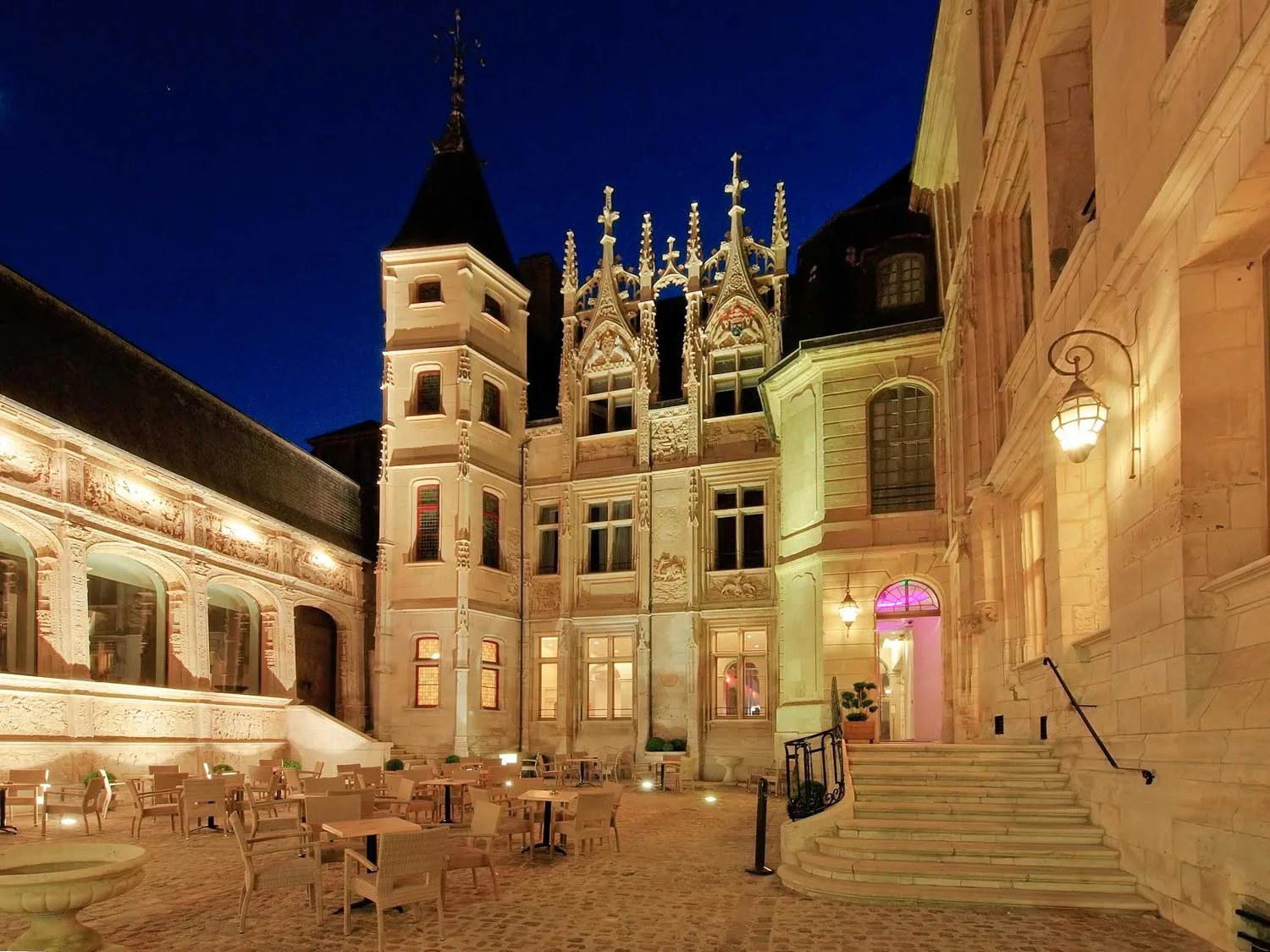
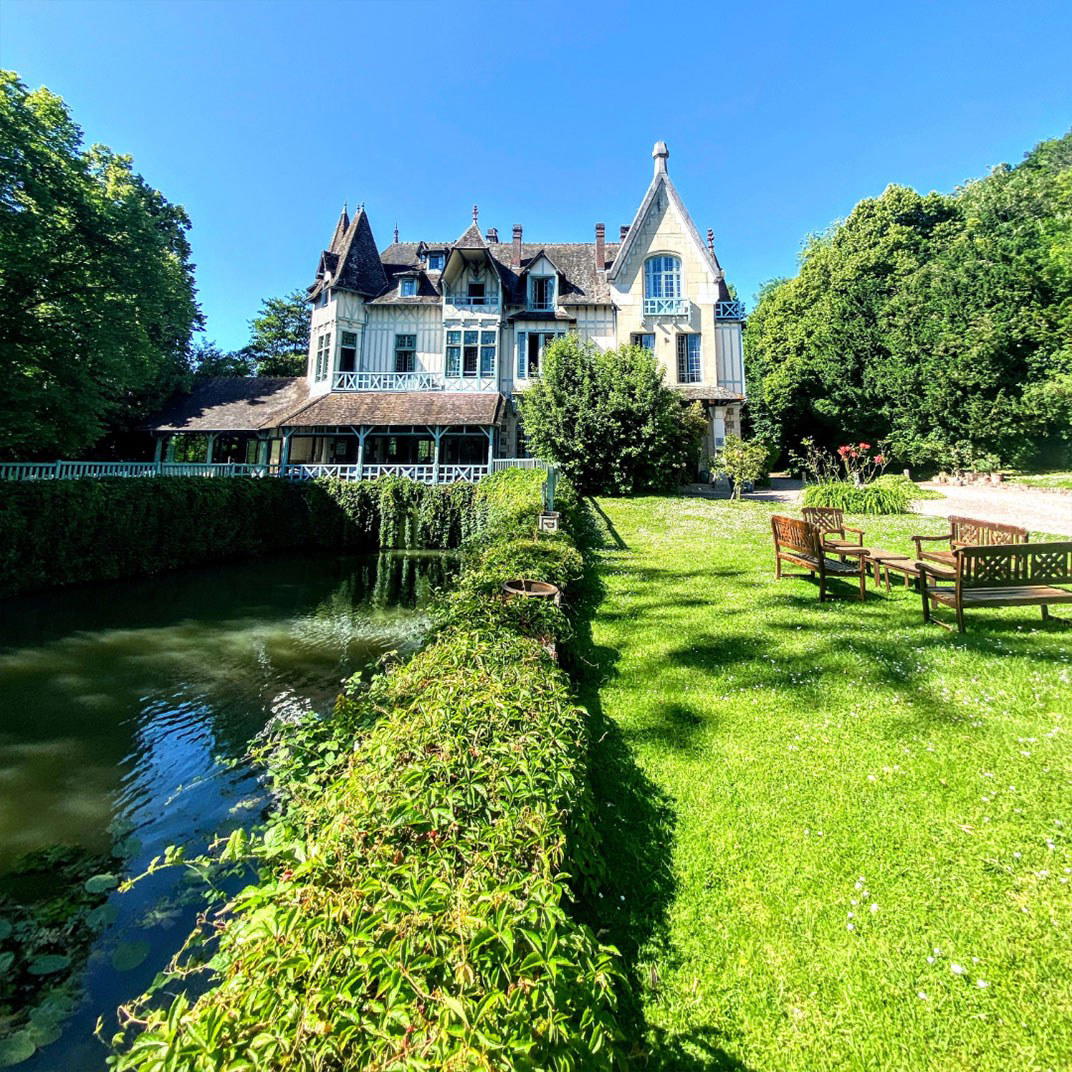
Wineries in Rouen
Browse all →
At a Glance
- Classic
- Historic
- Cozy
- Casual Hangout
- Historic Building
- Extensive Wine List
- Local Sourcing
- Street Scene
Current opening hours
- Monday
- 9 AM–11 PM
- Tuesday
- 9 AM–11 PM
- Wednesday
- 9 AM–11 PM
- Thursday
- 9 AM–11 PM
- Friday
- 9 AM–11 PM
- Saturday
- 9 AM–11 PM
- Sunday
- 9 AM–11 PM
Hours can change for holidays and private events. Last verified .
Old-fashioned charm with comfortable banquettes, classic French brasserie atmosphere, and friendly service.