Le Go-Rhino sits on the Place de l'Église in Bourdonné, a quiet commune in the Yvelines roughly 50 kilometres west of Paris. The address places it squarely in the tradition of the French village restaurant, where proximity to agricultural production has long shaped what arrives at the table. Verified operational details remain limited, so booking ahead and confirming hours directly is advised.
Pearl is the En Primeur Club membership app — saves, bookings, and concierge access live there. Same editors, same standards.
- Address
- 8 Pl. de l'Église, 78113 Bourdonné, France
- Phone
- +33134871498
 Saves & bookings on Pearl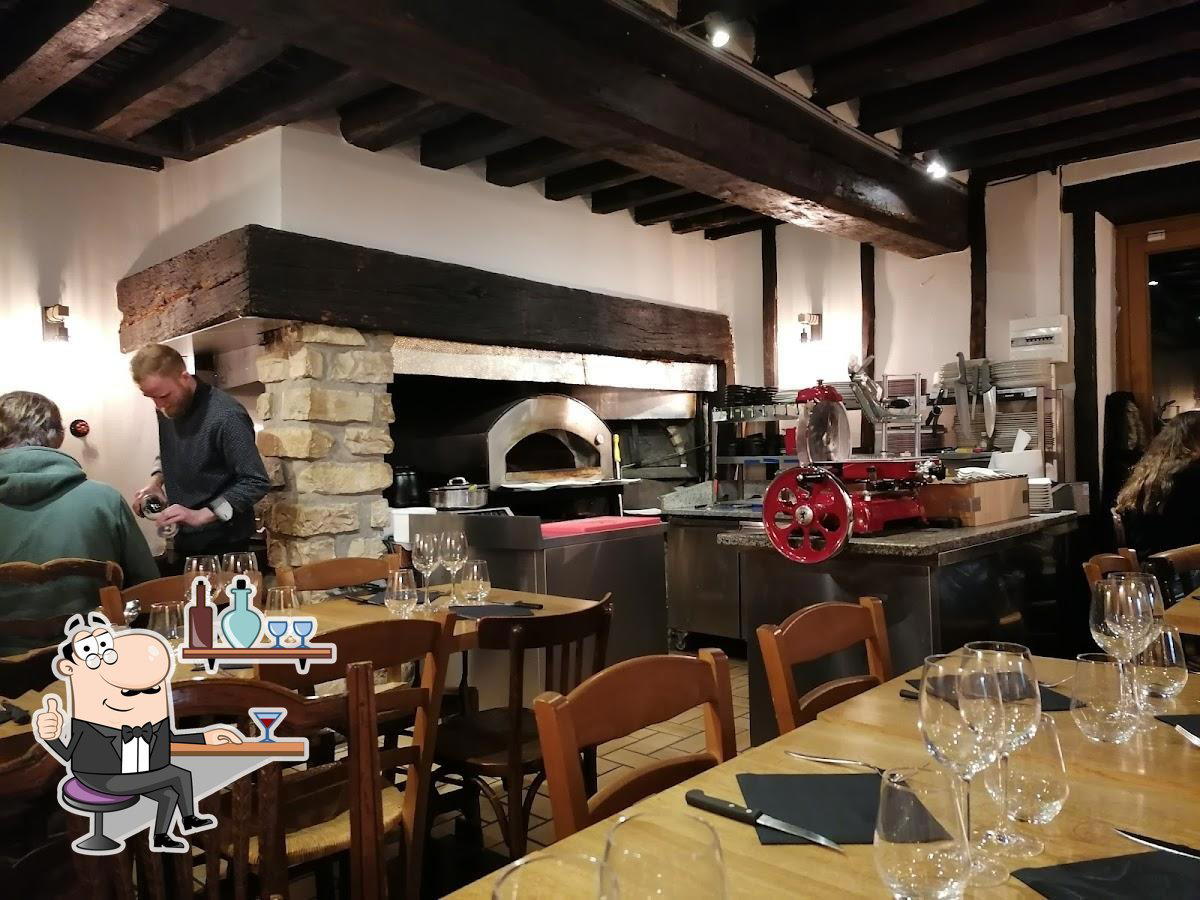
A Village Address in the Yvelines
Le Go-Rhino is a French Bistrot in Bourdonné, France, with a Google rating of 4.7 and an average price of about $25 per person. Close enough to Paris that chefs here have always had access to the capital's supply chains and professional networks, yet far enough that the dominant dining culture is agricultural rather than metropolitan. Bourdonné sits at roughly 50 kilometres west of the city, in a stretch of the Île-de-France where the countryside reasserts itself convincingly: cereal fields, small-scale livestock, market gardens. Approaching the Place de l'Église, where Le Go-Rhino occupies number 8, the surrounding architecture signals a place organised around the rhythms of a working commune rather than visitor traffic.
This is the context that shapes French village restaurants in the greater Paris basin. They do not compete against Parisian fine-dining tiers, places like Alléno Paris au Pavillon Ledoyen occupy a different register entirely, but they participate in a tradition that the capital's restaurants often reference aspirationally: the short supply chain, the producer relationship, the kitchen that knows exactly where its vegetables were harvested. France's most celebrated rural tables, from Bras in Laguiole to Flocons de Sel in Megève, built their identities on exactly this proximity to source. For restaurants at every price tier in similar settings, that proximity is both the practical reality and the implied editorial promise.
Sourcing and the Yvelines Agricultural Context
The Yvelines department is not a famous food-production region in the way that the Loire, Alsace, or Provence are. It does not anchor a named appellation or a celebrated cheese. What it has is productive farmland in the Paris basin and access to a supply network that feeds one of Europe's largest urban populations. For a village restaurant in Bourdonné, that translates to practical advantages: seasonal vegetables from nearby market gardens, poultry from Île-de-France producers, and the kind of sourcing relationships that are easier to maintain at a local scale than from a Paris arrondissement kitchen.
The broader French tradition that this setting invokes is the auberge model, where the kitchen's identity is inseparable from what the surrounding land produces at a given time of year. Restaurants like Auberge de l'Ill in Illhaeusern and Auberge du Vieux Puits in Fontjoncouse built multi-decade reputations on exactly that logic. At the other end of the ambition spectrum, the same principle, cook what is close, cook what is seasonal, applies to the village table. The seasonal calendar in the Yvelines follows the standard northern French arc: asparagus and peas in spring, tomatoes and courgettes in summer, root vegetables and game through autumn and winter.
It is worth placing this against the French coastal and alpine models for contrast. Christopher Coutanceau in La Rochelle and La Marine in Noirmoutier-en-l'île draw on Atlantic seafood in ways that define those kitchens entirely. Mirazur in Menton works with its own gardens on the Franco-Italian border. The Yvelines offers neither Mediterranean abundance nor Atlantic immediacy, but what it does provide is a representative slice of what the Île-de-France countryside produces for the tables around it.
The Village Restaurant Format
In France, the restaurant on or near the main square of a rural commune functions as a social institution as much as a commercial one. It serves the weekly market crowd, the extended family Sunday lunch, the passing traveller. This format carries expectations: readable menus, honest cooking, portions calibrated to appetite rather than aesthetic effect. The church-square setting of Le Go-Rhino places it firmly in that tradition.
That tradition has produced some of France's most enduring restaurants. Georges Blanc in Vonnas began as a village inn. Troisgros relocated to the Roannaise countryside after decades in a town-centre setting. The movement from urban to rural, or the deepening of a rural base, has consistently proved productive for French cooking at the serious end. At the more everyday end, the village restaurant remains one of the more reliable formats for eating well without the ceremony or the price of a destination table. For visitors coming from Paris, it offers a half-day structure: an hour's drive west, a lunch or dinner anchored to the church square, and the kind of context that a city meal cannot provide.
For those building a wider itinerary through France's most decorated tables, the range runs from Paul Bocuse in Collonges-au-Mont-d'Or to AM par Alexandre Mazzia in Marseille, Assiette Champenoise in Reims, and Au Crocodile in Strasbourg. International reference points such as Le Bernardin in New York City and Atomix in New York City illustrate the global conversation that French technique has long anchored. L'Oustau de Baumanière in Les Baux represents the Provençal variant of the ambitious rural table that the Yvelines format references at a different scale.
Planning a Visit
The address at 8 Place de l'Église, Bourdonné (78113) is confirmed. For a venue in this format and setting, the standard approach is to contact the restaurant directly before travelling from Paris, confirm service days, and ask about reservation availability. Village restaurants in the Yvelines typically observe French rural service patterns: lunch and dinner service on selected days, with Sunday lunch often the most in-demand slot. Weekend visits without a reservation carry more risk than weekday ones.
Comparison Snapshot
Comparable venues nearby, for context on price, style, and recognition.
| Venue | Cuisine | Price | Awards | Notes |
|---|---|---|---|---|
| Le Go-RhinoThis venue — the venue you are viewing | French Bistrot | $$ | , | |
| Sapristi | Modern French Bistro | $$ | , | Rueil-Malmaison |
| Lou Bistrot | Seasonal French Bistro | $$ | , | Ternes |
| La Grande Épicerie de Paris | French Bistro with Modern Mediterranean Touches | $$ | , | 7e Arr. |
| Strobi | Modern French Bistro | $$ | , | Batignolles |
| Les Éditeurs | Classic French Brasserie | $$ | , | 6th Arrondissement - Luxembourg - Saint Germain des Prés |
Continue exploring
More in Bourdonne
Restaurants in Bourdonne
Browse all →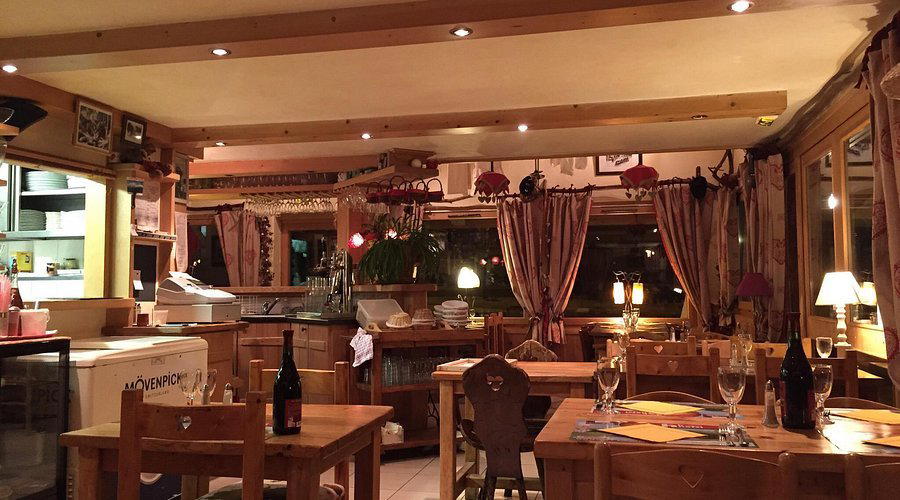
Bars in Bourdonne
Browse all →
At a Glance
- Cozy
- Rustic
- Lively
- Casual Hangout
- Open Kitchen
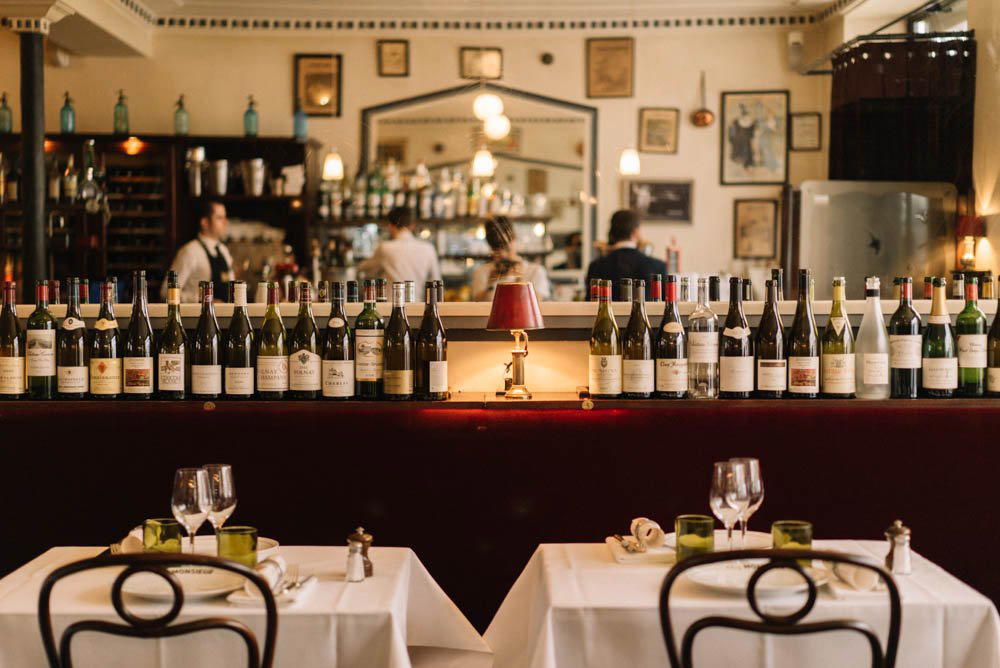
- Extensive Wine List
Convivial and warm atmosphere in a traditional village setting at the foot of the church.