
A Michelin Plate-recognised village inn in the Eure valley, L'Hostellerie d'Acquigny has been shaped by the same couple for many years. Chef Éric Georget builds his modern cuisine around carefully selected regional produce, with set menu and à la carte options that include signature combinations like John Dory with poached oyster and seaweed butter, alongside guestrooms for those who want to stay the night.
Pearl is the En Primeur Club membership app — saves, bookings, and concierge access live there. Same editors, same standards.
- Address
- 1 Rue d'Evreux, 27400 Acquigny, France
- Phone
- +33 2 32 50 20 05
- Website
- hostellerie-acquigny.fr
- Directions
- Get directions
 Saves & bookings on Pearl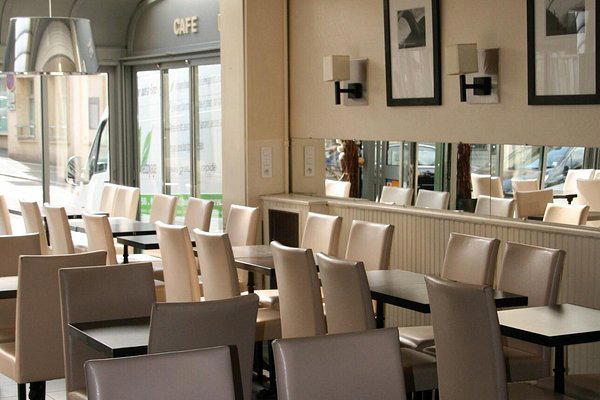
A Village Inn in the Norman Countryside
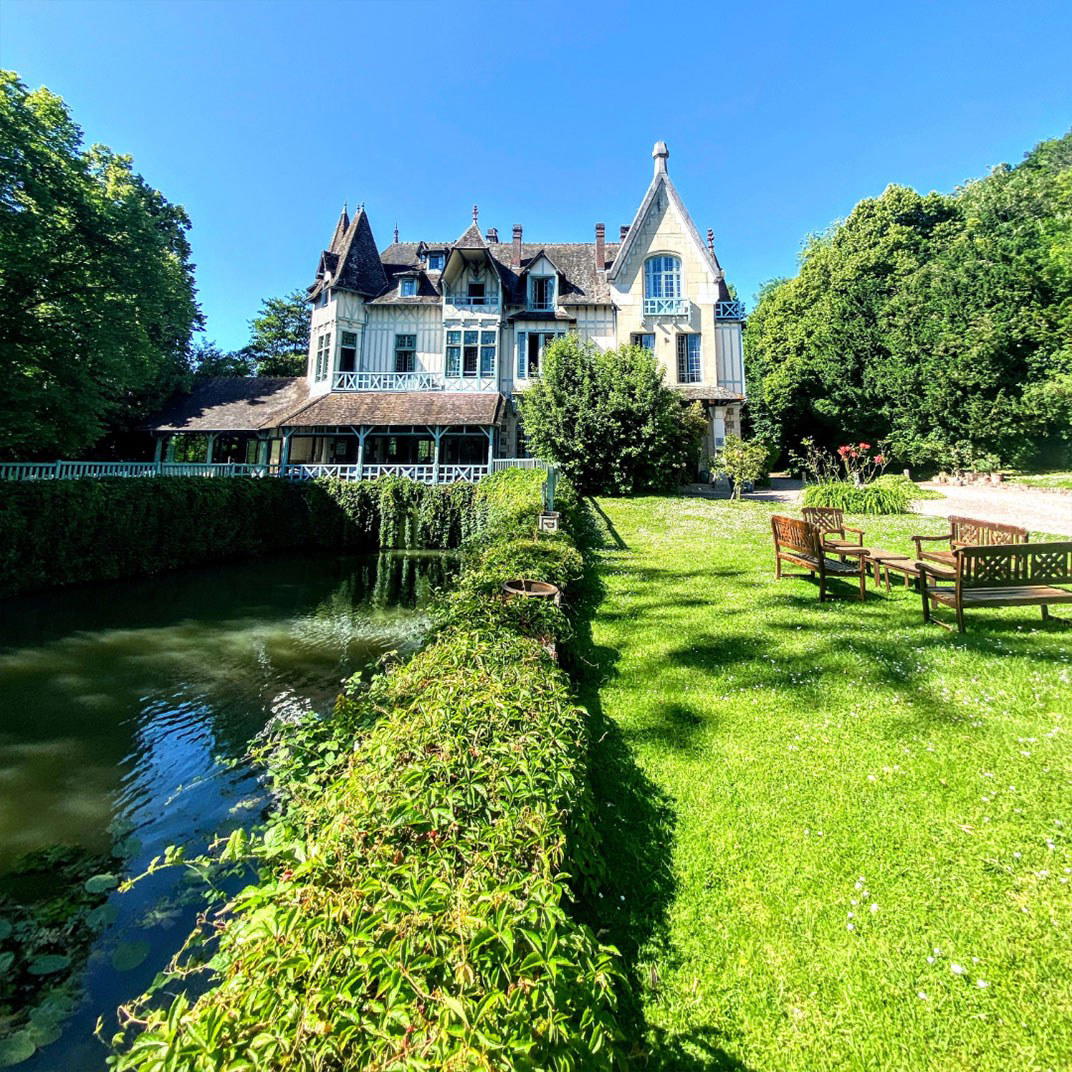
The road into Acquigny, a small commune in the Eure department of Normandy, offers little in the way of dramatic arrival. The village sits quietly between Louviers and Évreux, its modest scale giving no obvious signal that serious cooking is happening nearby. That gap between expectation and reality is precisely what defines the classic French provincial inn, a category of restaurant that remains one of the country's most reliable but least discussed dining formats. L'Hostellerie d'Acquigny, at 1 Rue d'Evreux, is a working example of that tradition: a small inn with guestrooms, a contemporary atmosphere described as lively, and a kitchen that holds a Michelin Plate as of 2024.
France's provincial inn format occupies a distinct position in the country's dining hierarchy. It is neither the destination temple restaurant, where you might find three-star ambition at places like Mirazur in Menton or Alléno Paris au Pavillon Ledoyen, nor the casual bistro. It sits between: a place with genuine culinary seriousness, a commitment to produce, and a format accessible enough to serve a local population that eats there regularly, not just on anniversaries. The Michelin Plate, awarded to restaurants that the guide's inspectors judge to serve food of good quality, positions L'Hostellerie d'Acquigny clearly within that middle tier, recognized, but not chasing the theatrical formality of multi-course tasting menus.
What the Kitchen Is Built On
The editorial angle worth following at a restaurant like this is not the menu itself, but where the food comes from and what that sourcing implies about the cooking philosophy. Normandy is one of France's most generously stocked larders. The region supplies dairy of consistent richness, apples that have been cultivated for both eating and cider production for centuries, and a coastline that feeds the kitchen with fish and shellfish without the supply chain complications that inland restaurants must negotiate.
Chef Éric Georget's approach, as described in the Michelin citation, is built on carefully selected produce. In a region like this, that phrase carries real weight. The Calvados and apple hot soufflé for dessert is similarly grounded. Calvados is produced in Normandy, regulated under its own appellation, and apples are so fundamental to the region's agricultural identity that their appearance in a dessert reads less as a creative flourish and more as an honest conclusion to a meal rooted in its surroundings.
This kind of produce-led coherence is what separates a kitchen that sources carefully from one that simply sources locally for marketing purposes. The dishes described are not assembled from fashionable ingredients; they reflect a region's actual output. For context on how the sourcing philosophy differs at France's most decorated addresses, compare the regional focus here with the highly technical, less geographically anchored approaches at Flocons de Sel in Megève or Bras in Laguiole, where terroir is interpreted more abstractly.
Format and What It Signals
The kitchen organises its offer into a set menu and an à la carte menu, a dual-format structure that serves a specific practical function in the provincial inn context. The set menu gives value to regulars and allows the kitchen to plan purchasing with less waste. The à la carte option keeps the space flexible for visitors who want to eat on their own terms. This is a format discipline that many of France's most durable regional restaurants share, from Auberge de l'Ill in Illhaeusern to smaller, less celebrated addresses across the country.
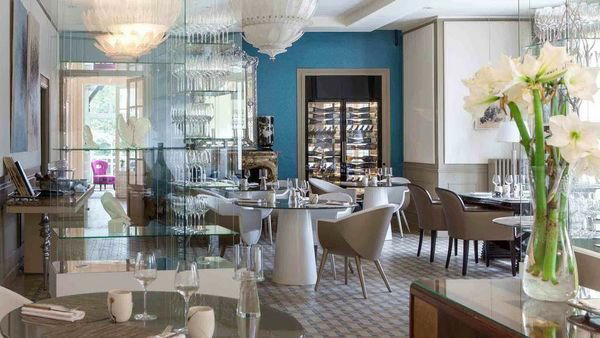
The contemporary atmosphere signals something important about how the inn positions itself in 2024. Village restaurants in France have historically split between those that lean into heritage décor as a selling point and those that modernize to hold onto a younger local clientele. A lively contemporary vibe, as described in the Michelin record, suggests the latter orientation: this is not a room frozen in 1985, and the menu's construction confirms that the kitchen is engaged with current technique rather than replaying a fixed nostalgic repertoire.
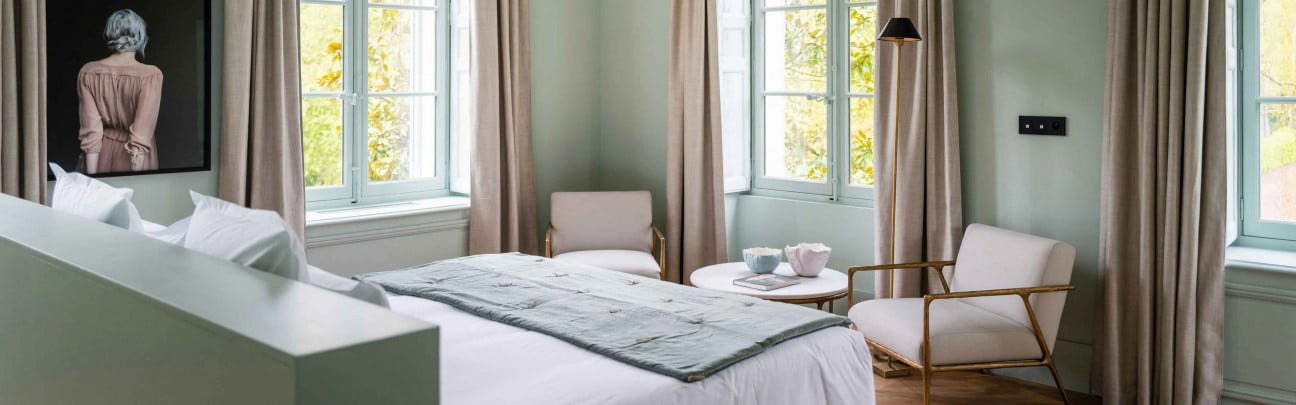
Guestrooms are available, which extends the proposition beyond a single meal. For visitors arriving from Rouen, Paris, or the Channel ports, the combination of a recognized kitchen and overnight accommodation at a €€€ price point positions L'Hostellerie d'Acquigny as a practical stopover rather than a dedicated pilgrimage. It sits in the same broad category as Auberge du Vieux Puits in Fontjoncouse, a small-village inn with rooms where the kitchen draws serious attention despite its remote location.
Where It Sits in the Regional Picture
Haute Normandie, the administrative zone that covers the Eure department, is not a region that dominates France's restaurant conversation in the way that Alsace, Lyon, or the Riviera do. Places like Au Crocodile in Strasbourg or Assiette Champenoise in Reims operate in cities with established food reputations and tourist traffic that naturally amplifies their visibility. Acquigny has none of those structural advantages. The restaurant's, the kind of score that accumulates through repeat visits rather than one-time traveller impressions.
For readers planning time in Normandy's interior, this is the context that matters: a kitchen with a credible regional sourcing base, Michelin recognition, and a format flexible enough to work for a long lunch or a multi-day stay. For comparison with France's most technically ambitious modern kitchens, the Troisgros house in Ouches, AM par Alexandre Mazzia in Marseille, and Paul Bocuse in Collonges-au-Mont-d'Or provide reference points at a different tier. For modern cuisine operating outside France entirely, Frantzén in Stockholm and FZN by Björn Frantzén in Dubai show how the format travels internationally.
Planning Your Visit
The restaurant sits at 1 Rue d'Evreux in Acquigny, with the €€€ price range placing it above casual dining but well below the cost of a starred restaurant in a major French city. The availability of guestrooms makes it a viable base for exploring the Eure valley. Booking ahead is advisable given the consistent review volume; the restaurant's sustained 4.8 rating from nearly 900 Google responses indicates strong demand relative to the village's scale.
A Quick Peer Check
Comparable venues nearby, for context on price, style, and recognition.
| Venue | Cuisine | Price | Awards | Notes |
|---|---|---|---|---|
| L'Hostellerie d'AcquignyThis venue — the venue you are viewing | Modern French Gastronomic | $$$ | Michelin Plate | Not listed |
| Brasserie Lutetia | Modern French Brasserie with Mediterranean Influences | $$$ | Michelin Plate | Saint-Germain-des-Prés |
| Kigawa | Traditional French Cuisine by Japanese Chef | $$$ | Michelin Plate | 14th arrondissement |
| Café Compagnon | Modern French Bistro | $$$ | Michelin Plate | Sentier |
| LAVA - Cuisine & Vin | Modern French Flame-Grilled Bistro | $$$ | Michelin Plate | Latin Quarter |
| Auberge de Monceaux | Modern French Country Bistro | $$$ | Michelin Plate | Saint-Omer-en-Chaussée |
Recognition history
Dated appearances from independent guides and award organizations, with the underlying list record or original source where available.
Michelin Plate
Michelin
Michelin Plate
Michelin
Michelin Plate
Michelin
Continue exploring
More in Acquigny
Restaurants in Acquigny
Browse all →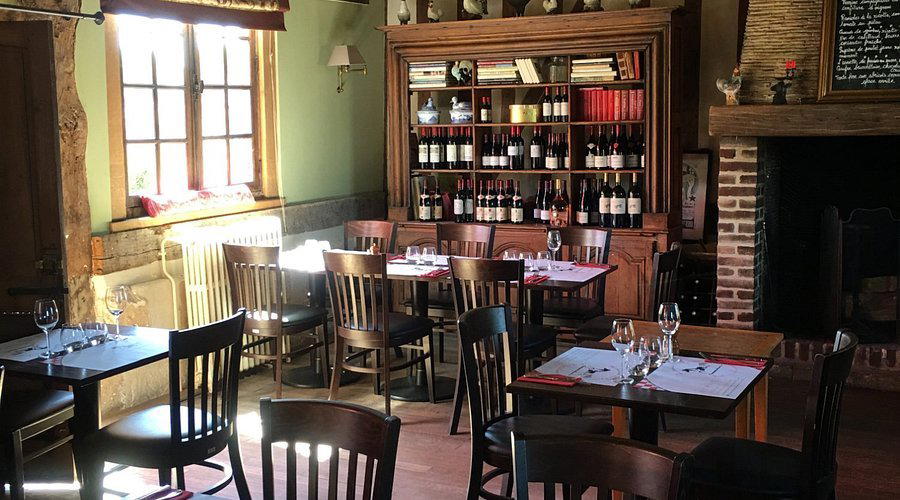
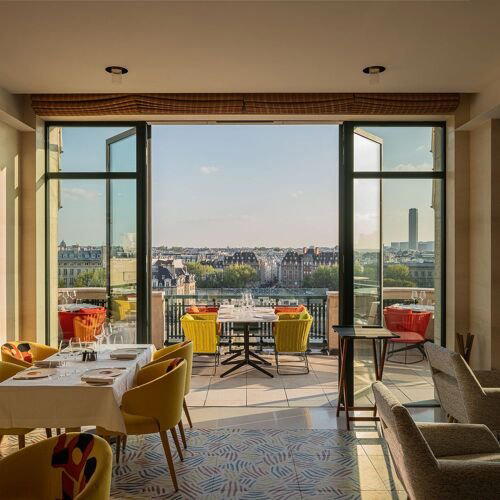
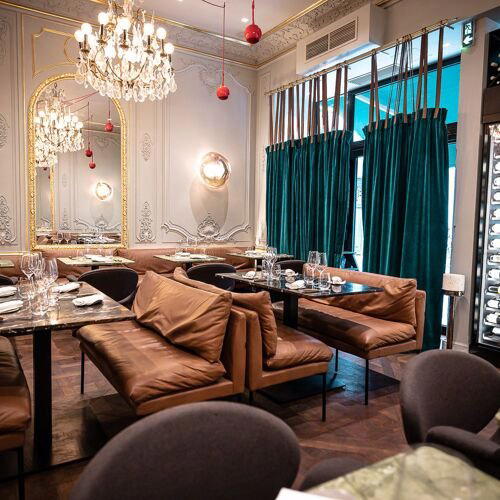

Hotels in Acquigny
Browse all →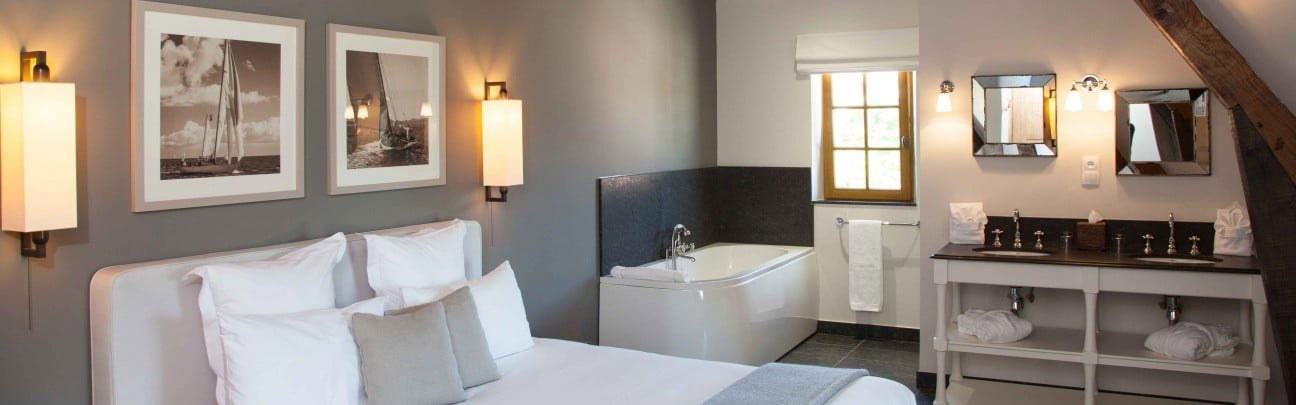
Wineries in Acquigny
Browse all →
At a Glance
- Elegant
- Quiet
- Cozy
- Modern
- Rustic
- Date Night
- Special Occasion
- Celebration
- Business Dinner
- Terrace
- Garden
- Hotel Restaurant
- Standalone
- Farm To Table
- Local Sourcing
- Garden
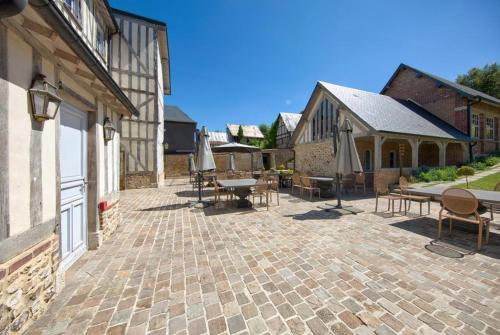
Bright, luminous dining room with Scandinavian-modern décor and a verdant, tree-lined terrace; described as warm, comfortable, and quiet with professional yet personable service.