L'Orangerie



1 Michelin Star · Relais Chateaux Award
Our verdict
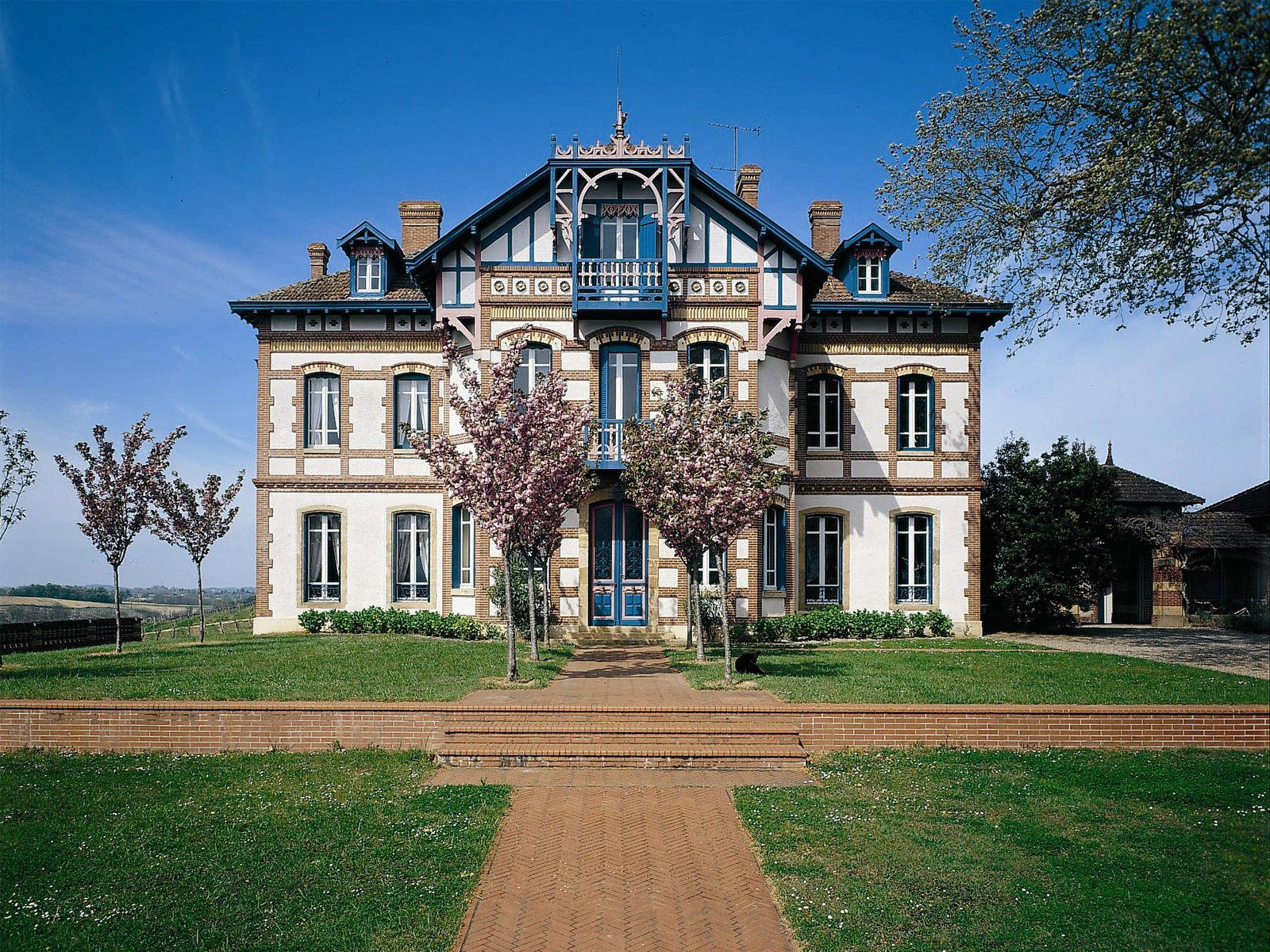
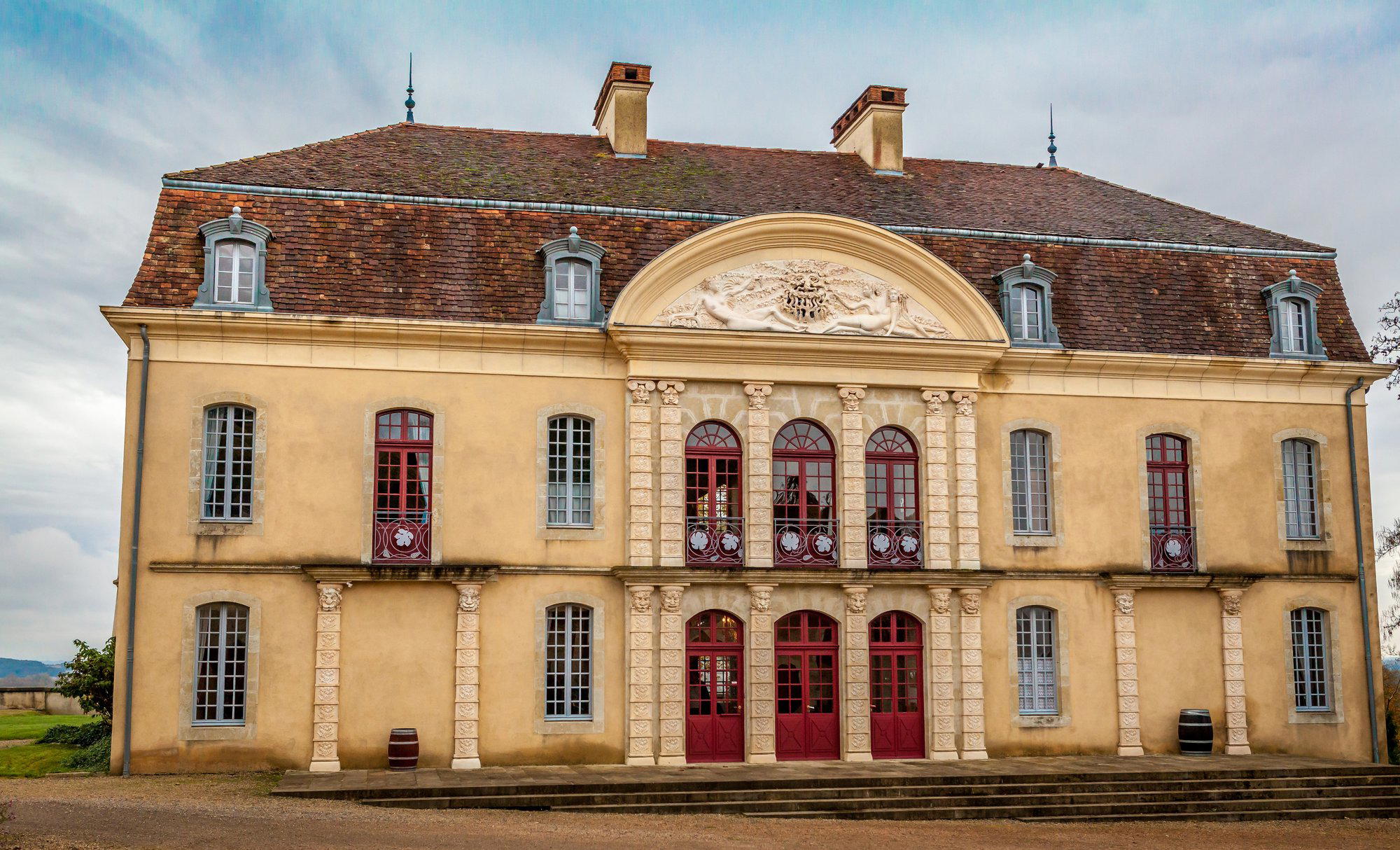
Set within a chestnut-shaded stately home in the thermal village of Eugénie-les-Bains, L'Orangerie operates in the format of a luxury brasserie, pairing classic French technique with Provençal inflection. Chef Alan Taudon's menu draws on regional produce and southern French produce codes, earning the restaurant consecutive recognition from Opinionated About Dining, including a #159 ranking among Classical restaurants in Europe for 2024.

Pearl is the En Primeur Club membership app, where members save venues, book tables and use the concierge.
The menu
What to order
- Pigeon pie with foie gras and sour cherries
- Smoked lobster with dune butter
- Verbena-infused soufflé
- Foie gras cooked in fig leaves with truffle
A Stately Setting in France's Most Celebrated Thermal Village
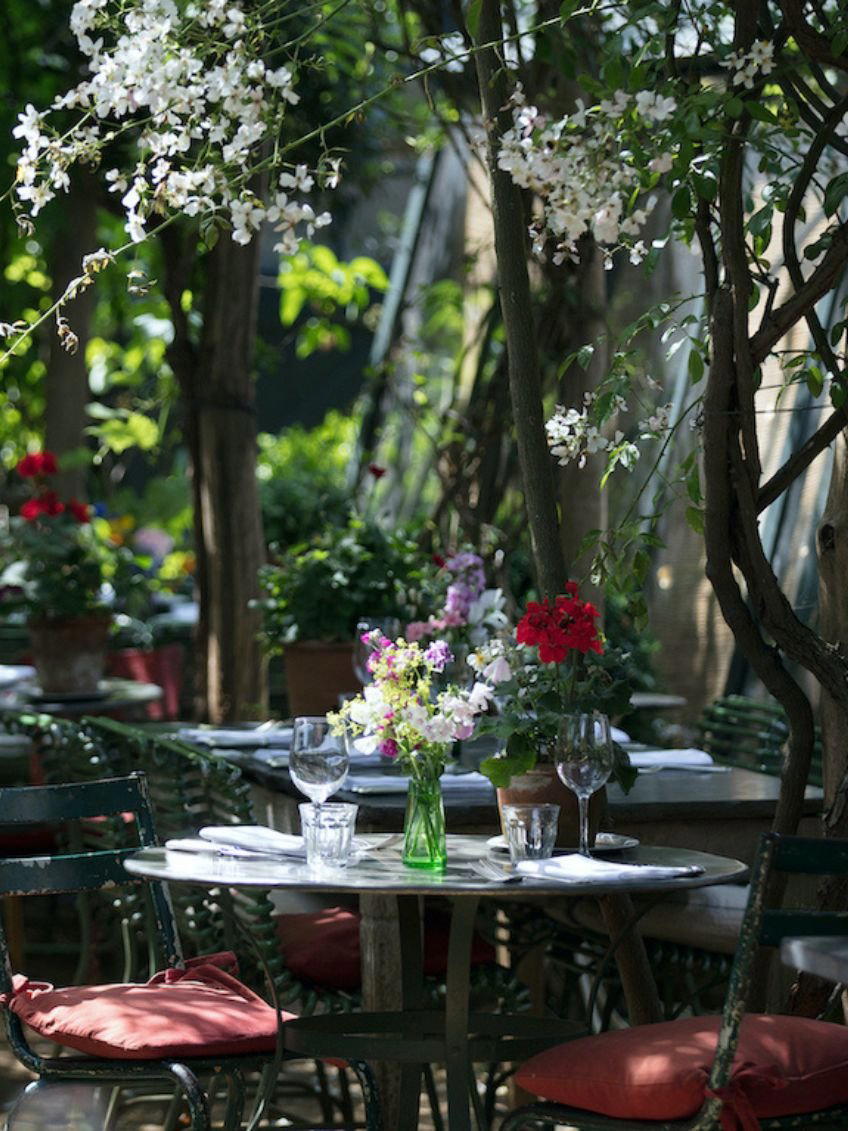
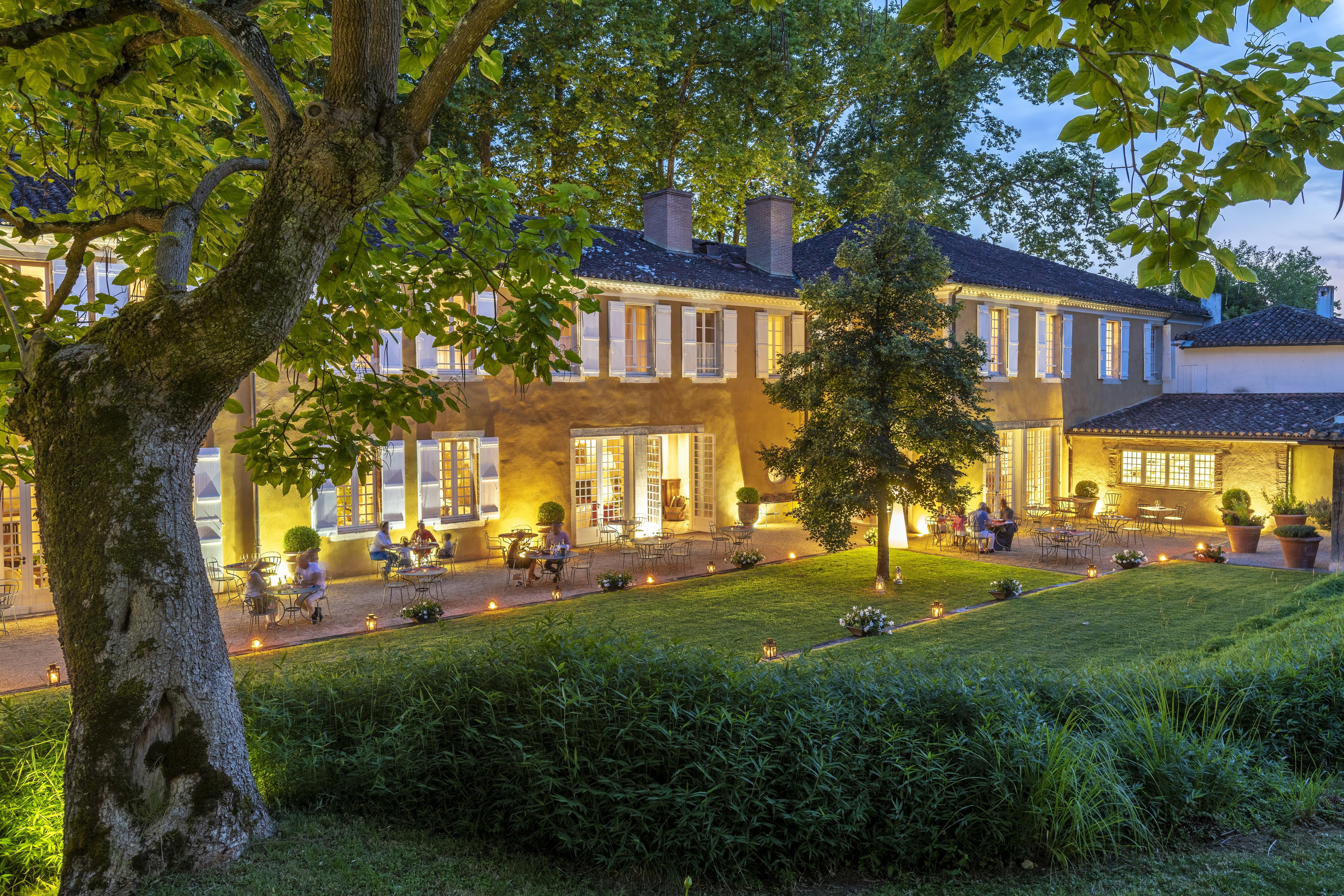
The approach to L'Orangerie sets the frame before you've read a word of the menu. The restaurant occupies a stately home that dominates the valley floor of Eugénie-les-Bains, a village so formally distinguished that it carries the name of Empress Eugénie herself and sits within the Landes département as one of the more storied corners of southwest France. The terrace, shaded by mature chestnut trees, is the kind of outdoor dining room that takes decades rather than design budgets to produce. On a warm evening, the light through the canopy and the quietness of the valley combine to make the meal feel removed from the rhythms of the wider world in a way that urban restaurant settings simply cannot replicate.
Eugénie-les-Bains is also the village most associated with Michel Guérard, the architect of cuisine minceur and one of the founding figures of nouvelle cuisine. Dining here carries that context whether you engage with it or not. Les Prés d'Eugénie - Michel Guérard remains the high-water mark of the address, but the village supports multiple dining registers, including the more rustic format of La Ferme aux Grives. L'Orangerie sits between these poles: more formal than a regional farmhouse table, less ceremonial than a multi-course palace dining room.
The Luxury Brasserie Format and What It Means in Practice
The luxury brasserie is a distinct category in French dining, and it operates differently from either the grand tasting-menu restaurant or the neighbourhood bistro. The format allows for à la carte ordering with classical technique applied at each course, without the commitment of a fixed progression. Portion sizes tend toward generosity. The kitchen deploys serious skills on dishes that a diner can read and anticipate, rather than asking them to surrender to a chef's sequence. In a country where the tasting menu has colonised fine dining at every tier, the luxury brasserie format carries a quiet contrarianism: it trusts that the classics, well-executed, require no conceptual scaffolding.
At L'Orangerie, that format takes on a Provençal register, which shifts the reference points southward without abandoning the classical French canon. Gambero rosso with grapefruit, sole meunière with dauphinoise potatoes and lemon, and fillet of lamb with white asparagus are the kinds of dishes that locate a kitchen in a specific tradition: southern French produce, clean technique, and a willingness to let ingredients speak at their own register rather than be transformed beyond recognition. The gambero rosso, in particular, is a marker of quality sourcing: the Sicilian-caught red prawn commands a premium across European fine dining and appears on menus from Mirazur in Menton to tables in Paris and Munich, always as a signal of where a kitchen is spending its procurement budget.
Alan Taudon and the Classical French Kitchen
France's classical cooking tradition is maintained not only by a handful of celebrated houses but by a much larger network of kitchens where technique is passed down through practice rather than publicity. The training pathways that produce a chef like Alan Taudon, working through the classical brigade structure, absorbing the precision of sauce-making, plating discipline, and produce selection, are the same ones that shaped the generation before him. That continuity is audible in the menu at L'Orangerie: these are dishes that reference a canon running from Paul Bocuse - L'Auberge du Pont de Collonges and Auberge de l'Ill through to the regional houses of southwest France, and the chef's role is to execute within that tradition with clarity and seasonal attentiveness rather than to rupture it.
The Provençal inflection is where Taudon's personal emphasis becomes legible. Southern French cooking brings a different pantry, citrus, aromatics, the specific sweetness of Mediterranean shellfish, into contact with the structural rigour of classical French technique. The result is a menu that reads familiarly but tastes specifically of its place and season. This approach contrasts with the more radical reinterpretation visible at houses like Flocons de Sel in Megève or AM par Alexandre Mazzia in Marseille, where classical grounding is the departure point for something more experimental.
How L'Orangerie Compares Within France's Classical Tier
France's classical dining tier is large and internally stratified. At the leading end sit multi-generational houses with decades of Michelin recognition and global reputations: Troisgros - Le Bois sans Feuilles, Bras in Laguiole, and the like. Below them, and overlapping with them in quality if not in fame, are a larger number of regionally embedded restaurants where classical technique meets specific local produce traditions. L'Orangerie occupies this second tier, and within it, the Provençal-classical combination it offers is not especially common in the Landes. The region is better known for duck and foie gras cooking; a kitchen that reaches toward gambero rosso and Mediterranean inflection is making a deliberate geographical and stylistic choice.
For comparison across the classical French spectrum, Assiette Champenoise in Reims and Maison Rostang in Paris represent the urban end of the same classical tradition, operating in cities where competitive pressure is higher and visibility greater. L'Orangerie's version of classical French cooking is instead anchored in a destination village context, where the dining experience is inseparable from the physical setting and the slower pace of a thermal resort town. That context shapes the meal as much as the kitchen does.
Planning Your Visit
L'Orangerie is located at Place de l'Impératrice, 334 Rue René Vielle, 40320 Eugénie-les-Bains, within the stately home complex that also houses the hotel on site. The restaurant carries a €€€€ price designation, consistent with the classical fine dining register. Eugénie-les-Bains is a small village in the Landes, southwest France, most practically reached by car from Dax or Mont-de-Marsan, both of which have rail connections to Bordeaux and the national network. The village is a destination in itself rather than a transit point, so most visitors combine a meal at L'Orangerie with at least one night's accommodation locally. For a complete picture of what the village offers, see our full Eugénie-les-Bains restaurants guide, our hotels guide, our bars guide, our wineries guide, and our experiences guide. Bookings are handled through the property directly; given the village's status as a destination address, reservations for terrace tables in summer should be secured well in advance.
Frequently asked questions
What should I eat at L'Orangerie?
The menu is built around classical French technique with Provençal inflections, so the most coherent choices are dishes where those two strands converge: sole meunière with dauphinoise potatoes and lemon, gambero rosso with grapefruit, or fillet of lamb with white asparagus. These are the kinds of plates that justify L'Orangerie's Opinionated About Dining Classical Europe ranking (#159 in 2024), familiar reference points executed with precision rather than reinvention. The luxury brasserie format means the menu is broader than a tasting-only kitchen, giving you latitude to order selectively rather than commit to a set progression.
What's the pricing like at L'Orangerie?
Pricing at L'Orangerie is listed as €€€€.
Where exactly is L'Orangerie?
L'Orangerie is located at Place de l'Impératrice, 334 Rue René Vielle Vieille, 40320 Eugénie-les-Bains, France, Eugénie-les-Bains.
At-a-Glance Comparison
| Venue | Cuisine | Price | Awards | Notes |
|---|---|---|---|---|
| L'OrangerieThis venue (the venue you are viewing) | French Nouvelle Cuisine | $150–200 | 1 Michelin Star · Relais Chateaux Award | Not listed |
| Alléno Paris au Pavillon Ledoyen | Modern French Fine Dining | $150–200 | 3 Michelin Stars · World's 50 Best #79 | Creative |
| Kei | Contemporary French, Modern Cuisine | Not listed | Michelin 3 Star | Not listed |
| L'Ambroisie | Classic French Haute Cuisine | $300–500 | 2 Michelin Stars · World's 50 Best #23 | French, Classic Cuisine |
| Le Cinq - Four Seasons Hôtel George V | Modern French Fine Dining | $300–500 | 3 Michelin Stars · World's 50 Best #24 | French, Modern Cuisine |
| Plénitude | Modern French Sauce-Led Fine Dining | $300–500 | 3 Michelin Stars · World's 50 Best #14 | Contemporary French |
Recognition history
Dated appearances from independent guides and award organizations, with the underlying list record or original source where available.
Michelin 1 Star
Michelin
Relais Chateaux Award
Relais Chateaux
Opinionated About Dining Classical in Europe Ranked #159
Opinionated About Dining
Full recognition history (5 entries)
Michelin 1 Star
Michelin
Opinionated About Dining Classical in Europe Highly Recommended
Opinionated About Dining
Continue exploring
More in Eugénie-les-Bains
Restaurants in Eugénie-les-Bains
All restaurants in Eugénie-les-Bains →
Hotels in Eugénie-les-Bains
All hotels in Eugénie-les-Bains →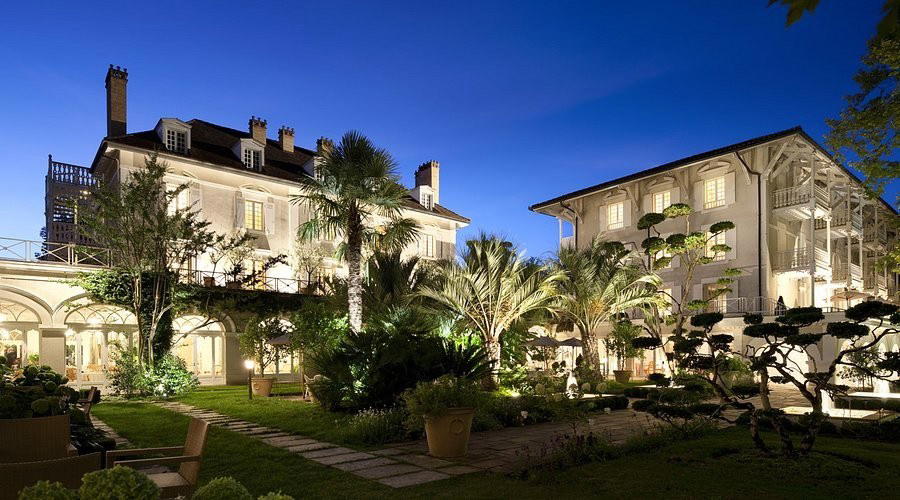

Details
- Elegant
- Romantic
- Classic
- Sophisticated
- Well Known
- Date Night
- Special Occasion
- Celebration
- Business Dinner
- Terrace
- Garden
- Private Dining
- Historic Building
- Standalone
- Sommelier Led
- Local Sourcing
- Farm To Table
- Garden
- Tasting Menu
- Prix Fixe
- A La Carte
- Wine
- Vegetarian Friendly
- Allergy Accommodating
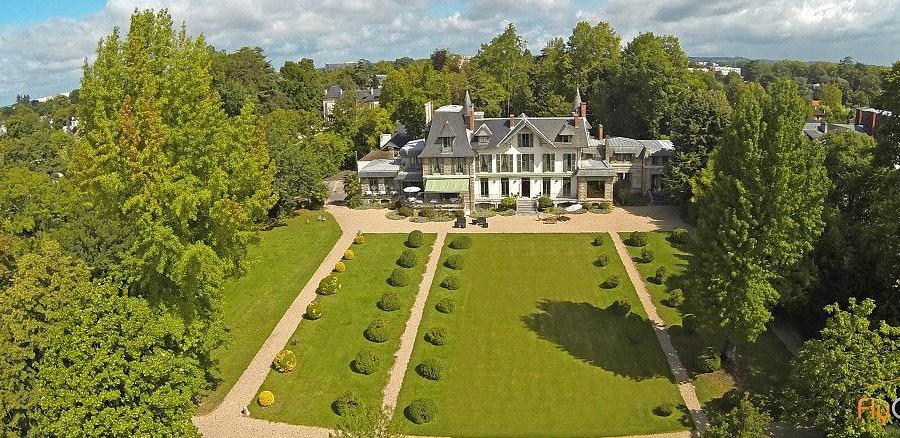
Luminous winter garden setting with subtly decorated dining room featuring naturalistic fabrics and paintings; elegant yet understated with a nostalgic New England aesthetic; opens to splendid terraces overlooking baroque fountains and manicured gardens.