Yilan's beef noodle tradition runs deep, and Longji Beef Noodle Restaurant sits inside that lineage as a neighbourhood reference point for the style. The menu centres on the architecture of the bowl itself: broth weight, noodle gauge, and cut selection form the grammar of the offering. For visitors moving through Yilan's food corridor, it belongs on the same circuit as the city's other specialist street-level kitchens.
Pearl is the En Primeur Club membership app — saves, bookings, and concierge access live there. Same editors, same standards.
- Address
- Yilan, Taiwan
- Website
- dragonbeef.net
 Saves & bookings on Pearl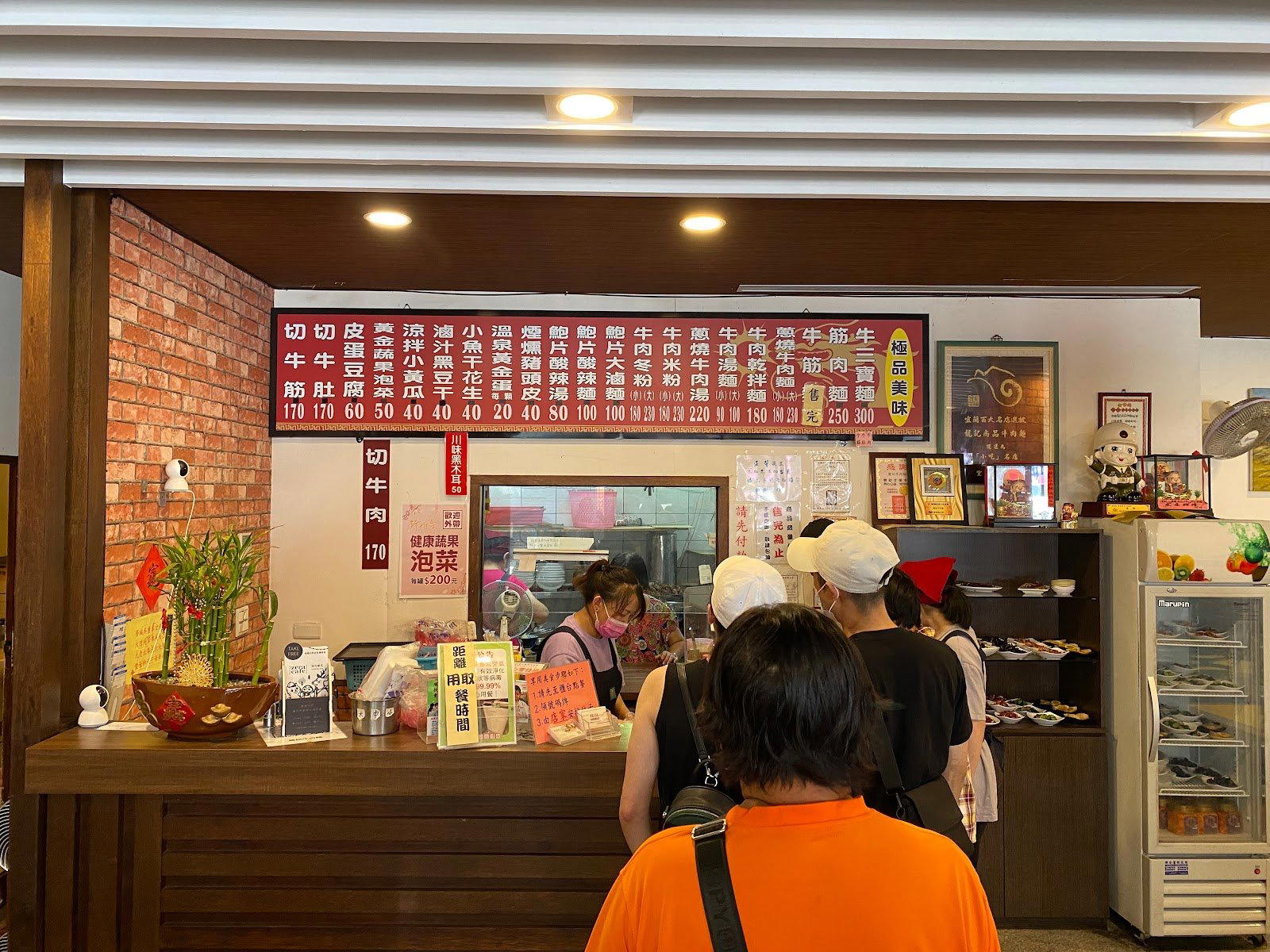
The Bowl as Argument: Beef Noodle Culture in Yilan
Taiwan's beef noodle soup is not a single dish. It is a category with regional inflection, generational variation, and enough internal debate about broth clarity, spice depth, and noodle texture to sustain serious disagreement between kitchens on the same street. In Yilan, where the food culture skews toward local produce and unfussy execution, the beef noodle shop occupies a particular position: it is the everyday anchor, the meal that defines a neighbourhood's character more reliably than any special-occasion restaurant. Longji Beef Noodle Restaurant operates within that tradition, drawing the kind of repeat local traffic that marks a kitchen as a reference point rather than a destination.
Yilan County sits on Taiwan's northeast coast, separated from Taipei by the Xueshan Tunnel, which cut the travel time to roughly 40 minutes and reshaped the county's relationship with the capital's dining culture. The proximity has not homogenised Yilan's food scene. If anything, the easier access has sharpened the contrast: visitors arrive specifically to eat things that Taipei cannot replicate, and the city's specialist shops, from the scallion pancake stalls to the offal soup counters, have held their ground. Longji fits that pattern, operating as a kitchen whose identity is grounded in the specific grammar of the beef noodle bowl rather than in trend-chasing or format experimentation.
Reading the Menu Architecture
The logic of a Taiwanese beef noodle menu reveals itself in a few structural choices. The first is broth: red-braised or clear, and at what intensity. Red-braised versions carry soy, doubanjiang, and long-cooked collagen; clear broths prioritise bone extraction and restraint. The second is cut: tendon, shank, a combination, or the more premium option of brisket with visible fat layering. The third is noodle gauge, which determines how the bowl eats as a unit, whether the noodle absorbs broth or holds against it.
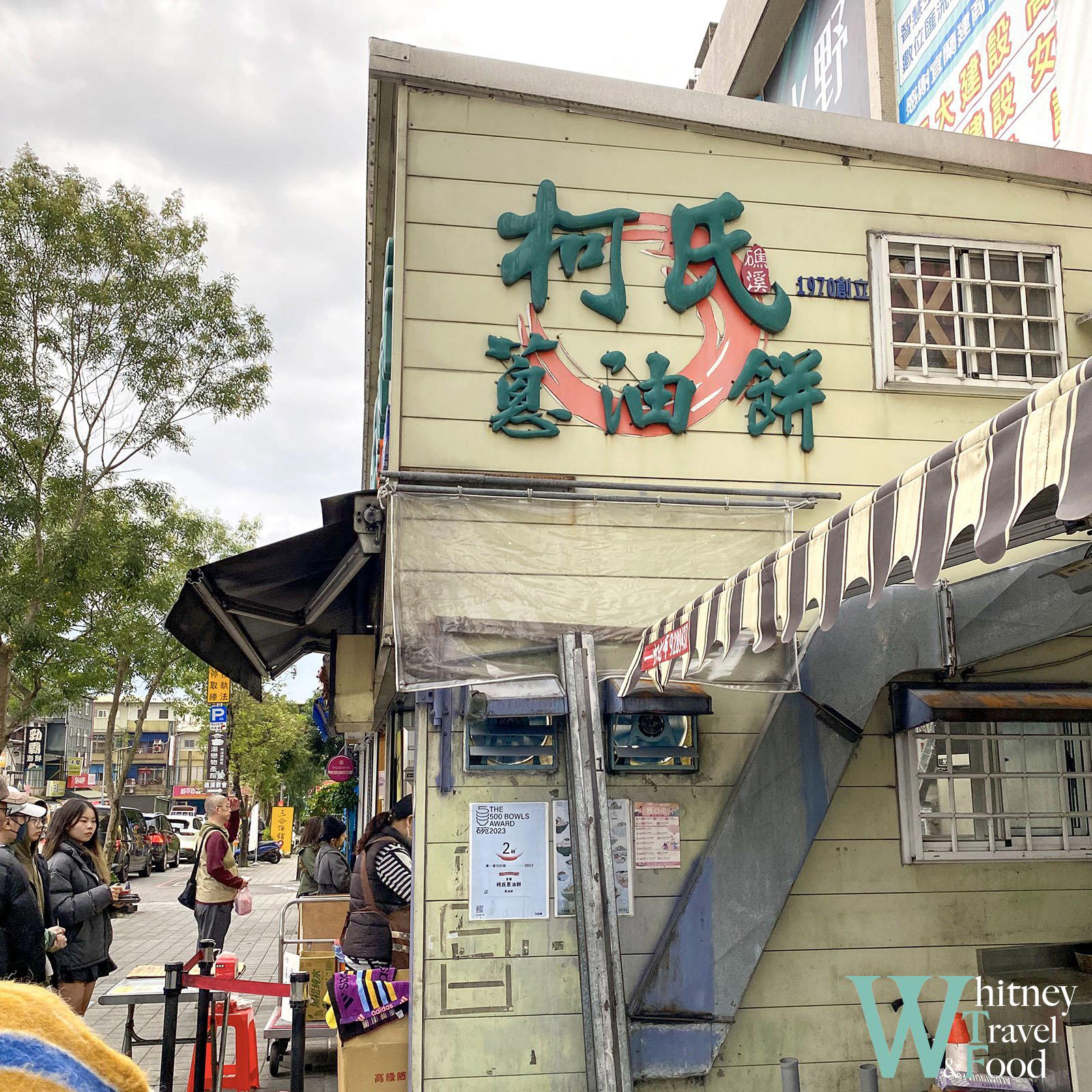
Kitchens that understand this architecture build their menus around those variables rather than around supplementary dishes. The supplementary items, cold appetisers, braised offal, pickled vegetables, exist to frame the main bowl, not to compete with it. This structural discipline is what separates a specialist beef noodle shop from a general Taiwanese noodle house. Among Yilan's street-level kitchens, that distinction matters: places like Mother's Love Garlic Meat Soup and Original Bean Curd operate in adjacent territory with their own specialist logic, and Ke's Scallion Pancake anchors a completely different single-item format. The beef noodle shop's menu architecture is its own distinct grammar.
Where Longji Sits in Yilan's Food Corridor
Yilan's dining character is defined by a cluster of single-focus kitchens, each occupying a specific category with depth rather than breadth. Wengyao Roast Chicken holds its lane in the roasted meat category; Shen Yen and Red Lantern occupy other positions in the city's broader eating circuit. Longji operates in the beef noodle lane, which is among the more competitive categories in Taiwanese street food. A shop that survives and builds regulars in that category has, by definition, found a version of the bowl that holds up against direct comparison.
The beef noodle category in Taiwan is also one of the few street food formats that scales across price tiers without losing its essential identity. At the lower end, the bowl is utilitarian: functional broth, standard noodle, basic cut. At the mid-tier, where most Yilan neighbourhood shops operate, there is room for slower-cooked broth, better cut selection, and the kind of textural precision that makes the bowl coherent as a whole rather than as a sum of components. Longji sits in that neighbourhood mid-tier, where consistency and familiarity are the primary trust signals rather than innovation or prestige.
For visitors arriving from Taipei, the contrast with the capital's beef noodle scene is instructive. Taipei has its own celebrated shops, including entries that appear in international food media and attract queues from travellers. Yilan's equivalent shops operate without that layer of external validation, which often means the bowl itself carries more of the argumentative weight. There is no press narrative to do the convincing; the broth has to. Across Taiwan, kitchens like JL Studio in Taichung and logy in Taipei represent the formal end of Taiwanese dining ambition, while street-level specialists like Longji represent the everyday infrastructure that actually defines how the island eats. Both matter to understanding the full picture. See also GEN in Kaohsiung, A Xia in Tainan, and further afield, Le Bernardin in New York City and Atomix in New York City for contrast in how specialist kitchens at different price tiers build their identity around a central discipline.
Planning a Visit
Yilan is most efficiently reached from Taipei via the Xueshan Tunnel on the National Freeway No. 5, with the journey running under an hour by car. The HSR does not serve Yilan directly; the TRA rail connection from Taipei takes approximately 90 minutes on standard services. For visitors building a day itinerary around Yilan's food corridor, the practical approach is to sequence the meal at Longji alongside other neighbourhood specialists in the same district, rather than treating it as a standalone stop. The city rewards that kind of structured eating circuit. Contact details, current hours, and specific bowl options are best confirmed locally on arrival. Additional context on Taiwan's wider street food geography can be found through venues like this Hsinchu City kitchen, this Taichung City spot, this Sanchong District entry, GARDENh in Yonghe District, Volcanic Rock in Zhubei City, and Chenggong Douhua in Chenggong.
Credentials Lens
Comparable venues nearby, for context on price, style, and recognition.
| Venue | Cuisine | Price | Notes |
|---|---|---|---|
| Longji Beef Noodle RestaurantThis venue — the venue you are viewing | Taiwanese Beef Noodles | $ | Not listed |
| Wengyao Roast Chicken | Taiwanese Kiln-Roasted Chicken | $$ | Jiaoxi Township |
| Ke’s Scallion Pancake | Taiwanese Scallion Pancakes | $ | Jiaoxi |
| 龍記尚品牛肉麵 | Taiwanese Beef Noodle | $$ | 頭城鎮 |
| Mother's Love Garlic Meat Soup and Original Bean Curd | Taiwanese Garlic Pork Thick Soup | $ | Yilan City |
| Shen Yen | Taiwanese-Inspired Interactive Teppanyaki Omakase | $$$ | Luodong |
Continue exploring
More in Yilan
Restaurants in Yilan
Browse all →
At a Glance
- Cozy
- Casual
- Casual Hangout
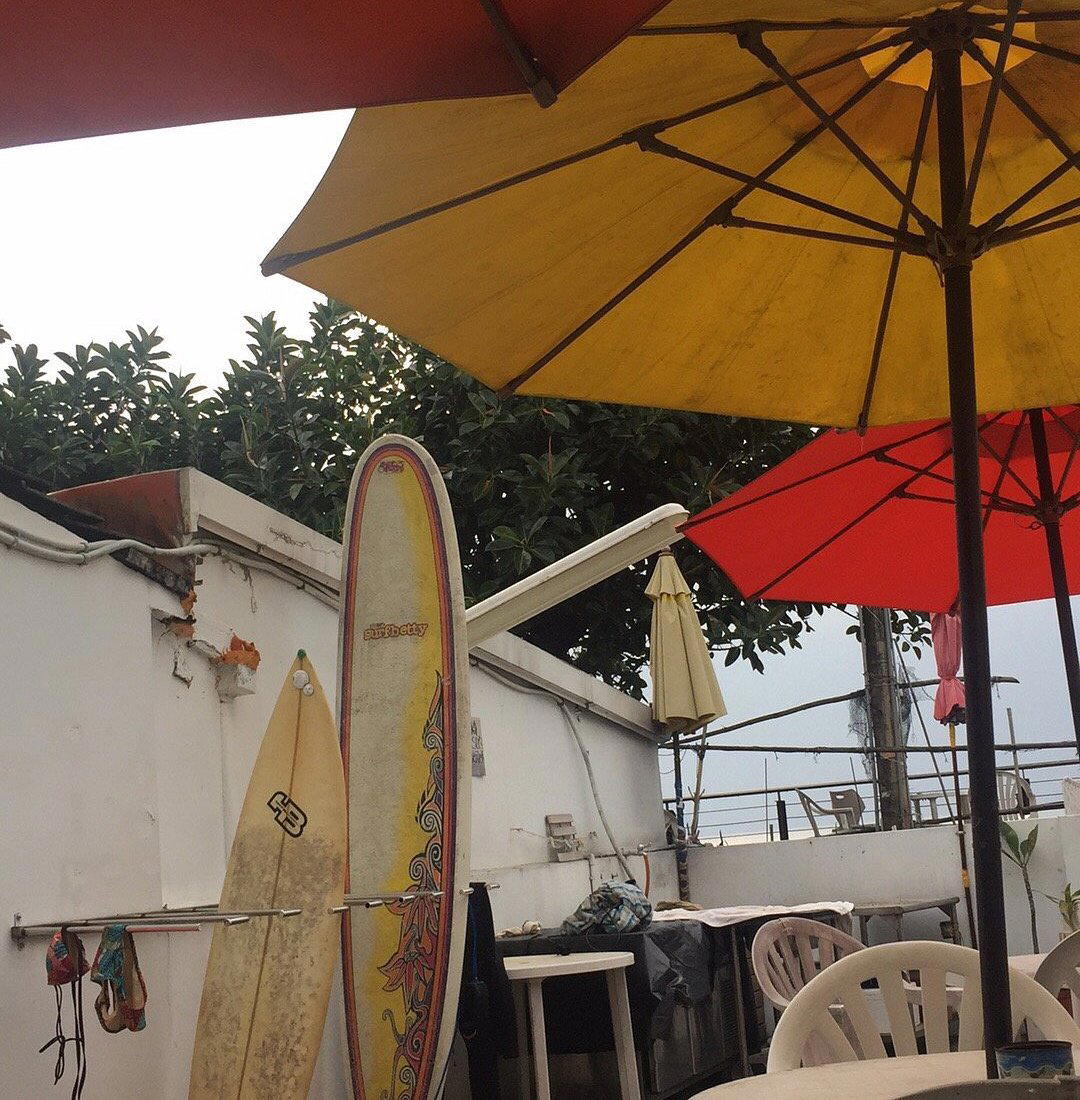
Bright and relaxed setting with friendly owners.