
Biały Królik brings a creative cooking sensibility to Gdynia's quietly evolving restaurant scene, with Chef Suliman Saleem applying a cross-cultural perspective to Polish ingredients and tradition. Folwarczna 2 is the address; advance booking is advisable.
Pearl is the En Primeur Club membership app — saves, bookings, and concierge access live there. Same editors, same standards.
- Address
- Folwarczna 2, 81-547 Gdynia, Poland
- Phone
- +48 58 351 03 30
- Website
- quadrille.pl
- Directions
- Get directions
 Saves & bookings on Pearl
Gdynia's Creative Cooking Moment
Poland's Tri-City corridor — Gdańsk, Sopot, Gdynia running in sequence along the Bay of Gdańsk — has developed a dining identity distinct from Warsaw or Kraków. Where the capital gravitates toward scale and Kraków toward heritage tourism (see Bottiglieria 1881 Restaurant in Kraków for a sense of that tradition), the Tri-City has moved in a more experimental direction, with smaller rooms and chefs willing to test what Polish cuisine can absorb from outside. Gdynia, as the most commercially modern of the three cities, a 20th-century port built almost from scratch rather than inherited, carries that openness further than its neighbours. Biały Królik, at Folwarczna 2, operates within that context: a restaurant carrying a Creative Cooking highlight recognition in a city that has only recently begun to attract that kind of critical attention.
What Creative Cooking Means in This Context
The Creative Cooking designation sits in a specific tier of recognition in Poland's restaurant culture. It signals a kitchen not content with reproducing established form, whether that form is classical French, conventional Polish, or the modernist-Scandinavian idiom that spread through European fine dining in the 2010s. At Biały Królik, that designation connects directly to Chef Suliman Saleem, whose name signals a culinary background that crosses cultural reference points not typically associated with Polish cooking. In cities where creative cooking has matured, consider Arco by Paco Pérez in Gdańsk just a few kilometres away, or further afield Atomix in New York City, the common thread is a chef whose formation doesn't map neatly onto a single national tradition. The cooking that results tends to be more interrogative: what does a Polish ingredient do under a technique borrowed from elsewhere? What does fermentation or spice do to something as grounded as rye or beet or freshwater fish?
That kind of question is what separates a creative kitchen from a merely competent one. The distinction matters for how a diner approaches the meal: this is not a restaurant where the menu confirms what you already know about Polish food. It is one where Polish food is treated as raw material for a broader conversation.
Chef Suliman Saleem and the Cross-Cultural Kitchen
In European fine dining, the phenomenon of a chef with a non-European name cooking deeply within a national tradition is no longer unusual, but it remains editorially significant. The more interesting question is not where a chef is from but what they bring to a culinary tradition they have chosen to work within. In Warsaw, hub.praga has shown what a loose, neighbourhood-rooted approach to Polish cooking can produce. At the other end of the formality spectrum, Giewont in Kościelisko works with mountain-region specificity. Saleem's position at Biały Królik appears to occupy different ground: a chef whose outsider relationship to Polish culinary convention becomes a productive lens rather than a limitation.
The restaurant's name, which translates as White Rabbit, suggests a certain self-awareness about this. A white rabbit implies something slightly improbable, slightly at odds with expectation. Whether that framing is intentional or retrospective, it fits a kitchen defined by creative rather than canonical cooking.
Gdynia's Dining Tier and Biały Królik's Position
Among Gdynia's more serious restaurants, Biały Królik sits in the creative-cooking bracket rather than the direct neighbourhood dining bracket. For comparison, Oberża 86 works within a seasonal cuisine format, while Butchery & Wine anchors itself to a meat-forward product proposition. These are different approaches to the same city's appetite, and together they suggest Gdynia has diversified past the point where a single style dominates. Quadrille, working in Polish fusion, occupies the closest conceptual territory to Biały Królik, though the two kitchens approach that territory differently.
That is not a given for restaurants in this tier.
For a wider sense of what Gdynia's hospitality offer looks like at city level, the full Gdynia restaurants guide maps the scene in more depth. Those building a longer trip can also consult the Gdynia hotels guide, bars guide, wineries guide, and experiences guide.
The Broader Polish Creative Cooking Scene
Biały Królik's recognition places it in a cohort of Polish restaurants that have moved beyond replication toward genuine invention. That cohort now extends across most major Polish cities. In Poznań, Muga has built a distinctive proposition; in Wrocław, Acquario demonstrates what creative cooking looks like in a more central-European frame. Sopot, minutes from Gdynia, has 1911 Restaurant. In the south, Drukarnia Smaku Cristina in Zakopane takes a regional mountain approach to the same creative impulse. The pattern across all of them is a kitchen that treats Polish culinary identity as a starting point rather than a constraint.
That is the current direction of travel for ambitious Polish cooking, and it aligns with what has happened in other European countries whose cuisines were historically underrepresented in fine dining: a generation of chefs who take the national pantry seriously and apply global technique without apology. At the international reference level, the model closest to this impulse is what Le Bernardin in New York City did for French seafood classicism: not abandoning tradition but subjecting it to relentless interrogation.
Planning a Visit
Biały Królik is located at Folwarczna 2, 81-547 Gdynia. For visitors arriving from Gdańsk or Sopot, Gdynia is accessible by commuter rail (SKM) in under 30 minutes from Gdańsk Główny, making a dedicated dinner trip feasible within a broader Tri-City itinerary.
How Biały Królik Gdynia compares with similar nearby venues.
| Venue | Cuisine | Awards |
|---|---|---|
| Biały Królik | Polish Cuisine | Relais Chateaux Award (2026) |
| Quadrille | Polish Fusion | Not listed |
| Pub 10/6 | Bistro-style cuisine | Not listed |
Recognition history
Dated appearances from independent guides and award organizations, with the underlying list record or original source where available.
Relais Chateaux Award
Relais Chateaux
Relais Chateaux Award
Relais Chateaux
Continue exploring
More in Gdynia
Restaurants in Gdynia
Browse all →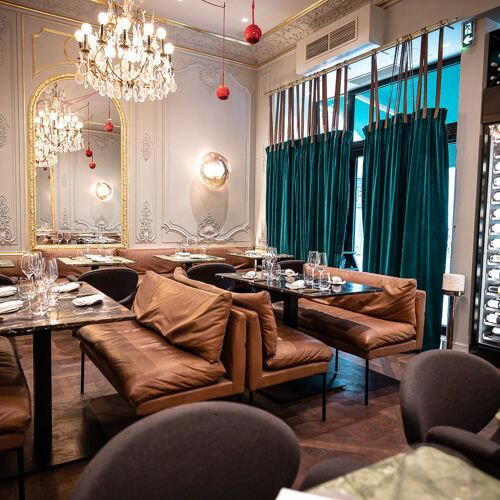
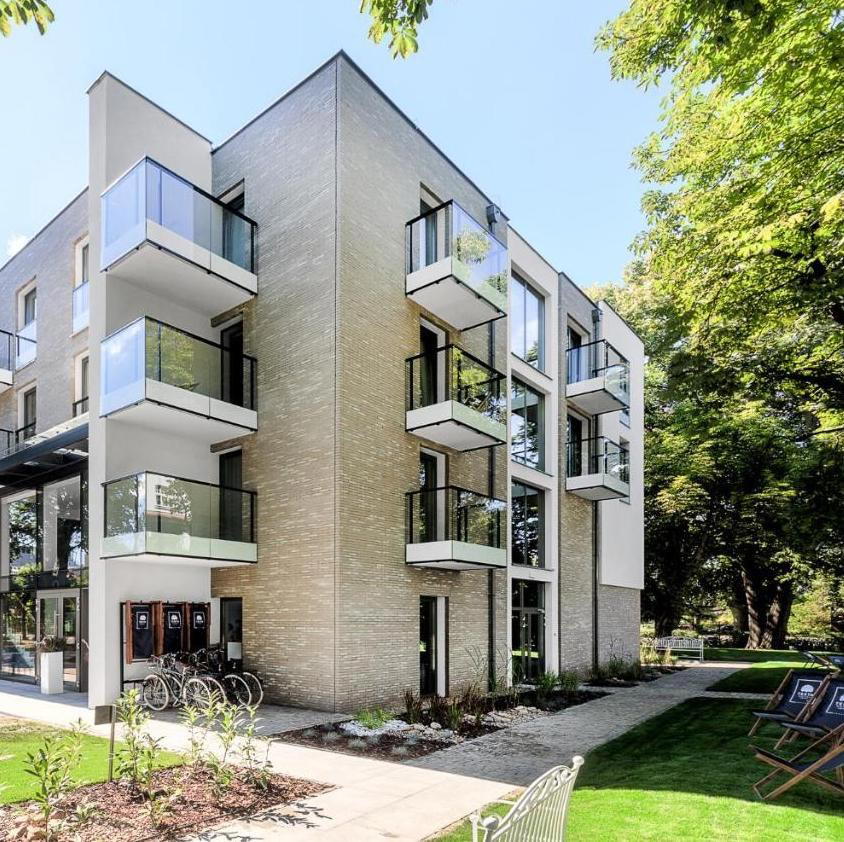
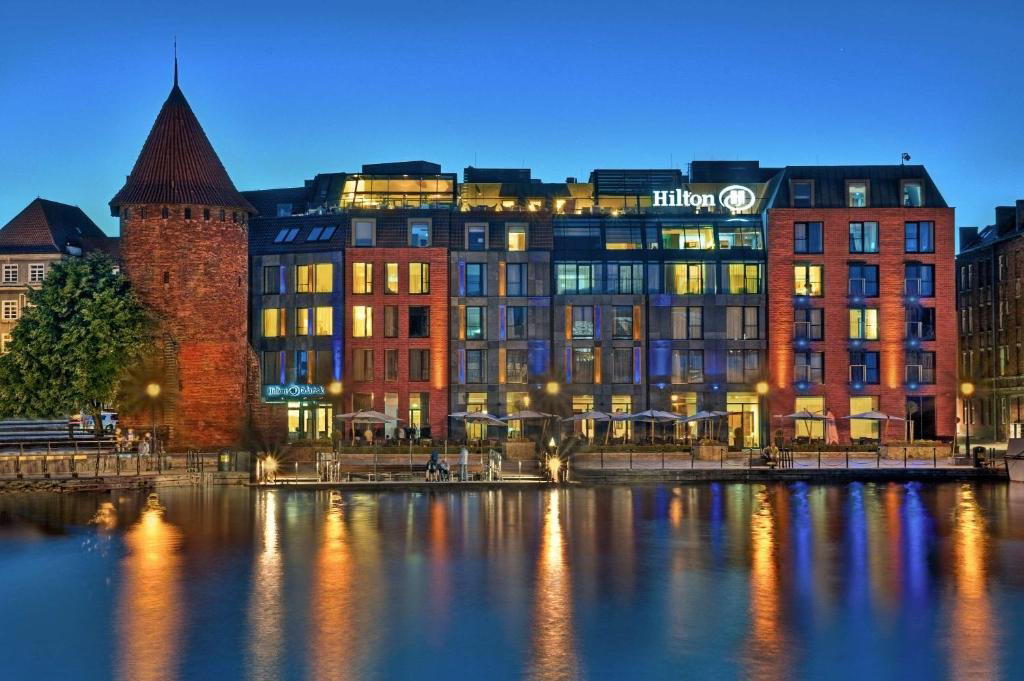
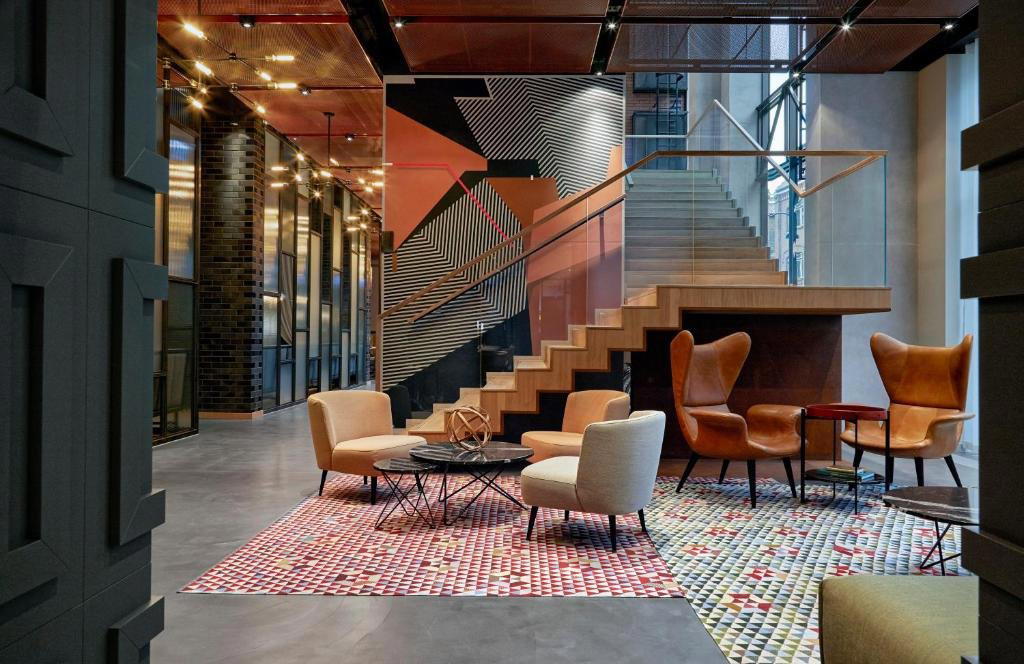
At a Glance
- Elegant
- Sophisticated
- Intimate
- Whimsical
- Cozy
- Date Night
- Business Dinner
- Celebration
- Special Occasion
- Open Kitchen
- Private Dining
- Historic Building
- Design Destination
- Hotel Restaurant
- Extensive Wine List
- Sommelier Led
- Local Sourcing
- Farm To Table
Current opening hours
- Monday
- Closed
- Tuesday
- 4–10 PM
- Wednesday
- 4–10 PM
- Thursday
- 4–10 PM
- Friday
- 4–10 PM
- Saturday
- 4–10 PM
- Sunday
- 1–7 PM
Hours can change for holidays and private events. Last verified .
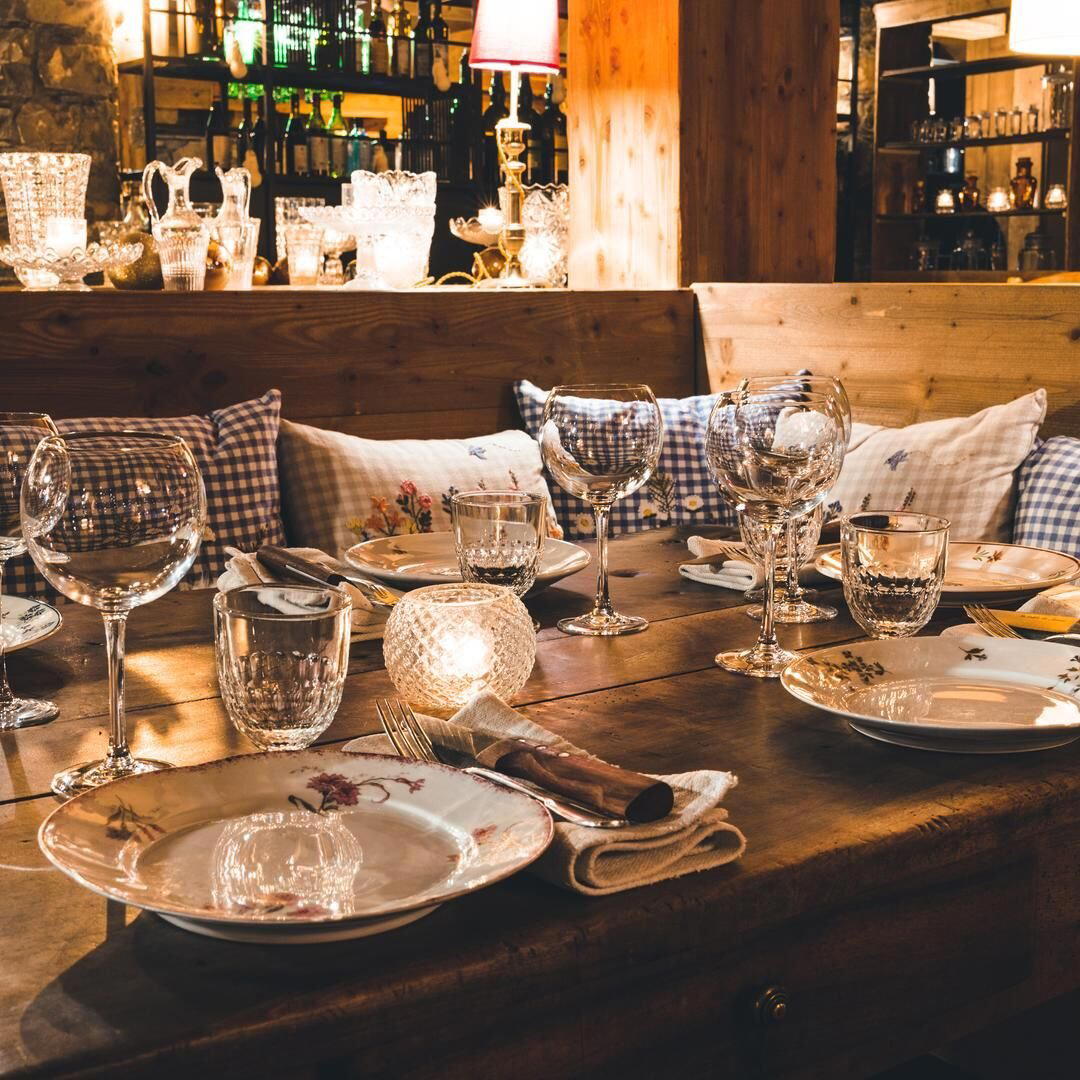
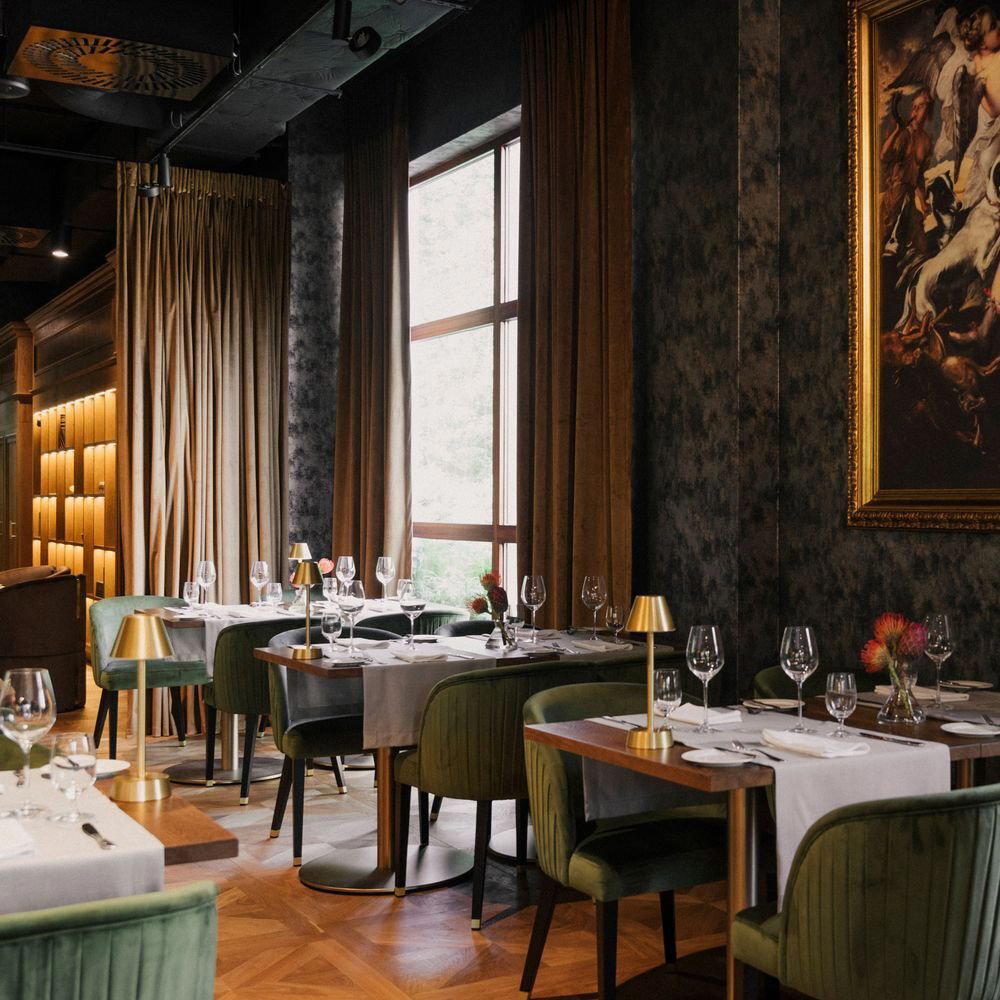
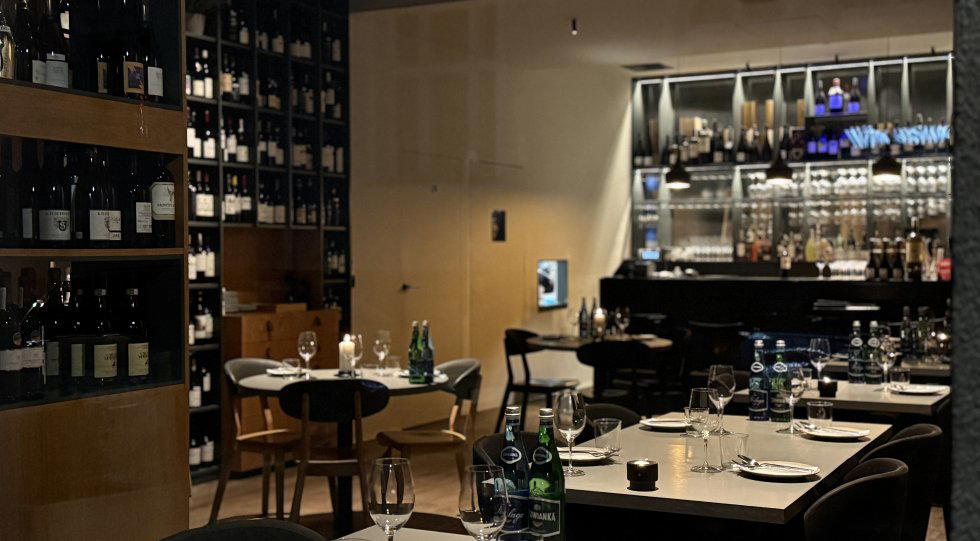
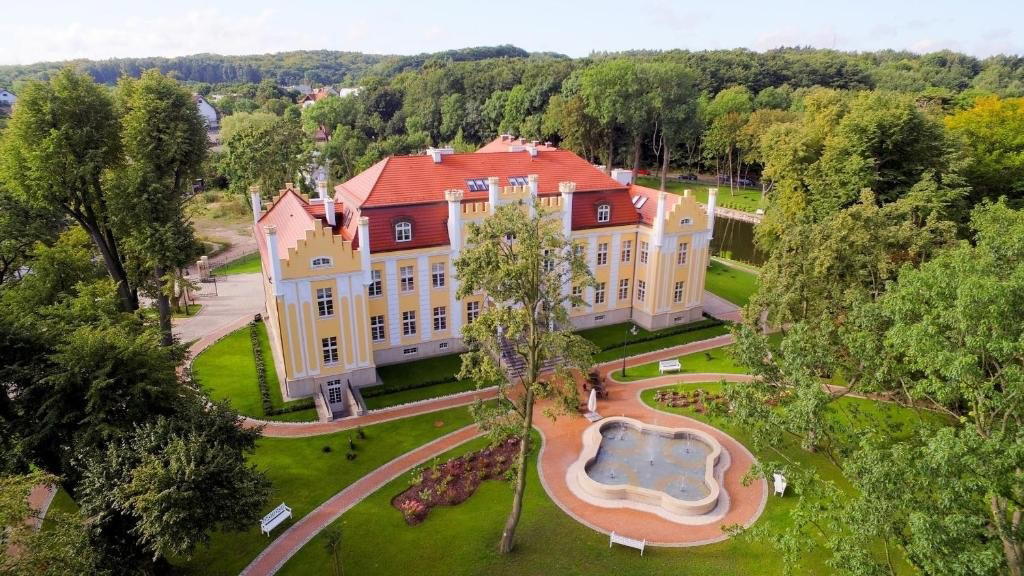
Enchanted, fairy-tale-like atmosphere with carefully curated design details, warm lighting, and a cozy manor house setting that feels like a sophisticated friend's home.
Know Before You Go
- Getting there
- Folwarczna 2, 81-547 Gdynia, Poland