
Michelin Plate
Our verdict
The kitchen works within a market-driven format at a price point that sits well below comparable Michelin-acknowledged addresses on the Tricity coast. For a city still building its fine-dining credentials, it represents a reliable anchor.

Pearl is the En Primeur Club membership app, where members save venues, book tables and use the concierge.
The menu
What to order
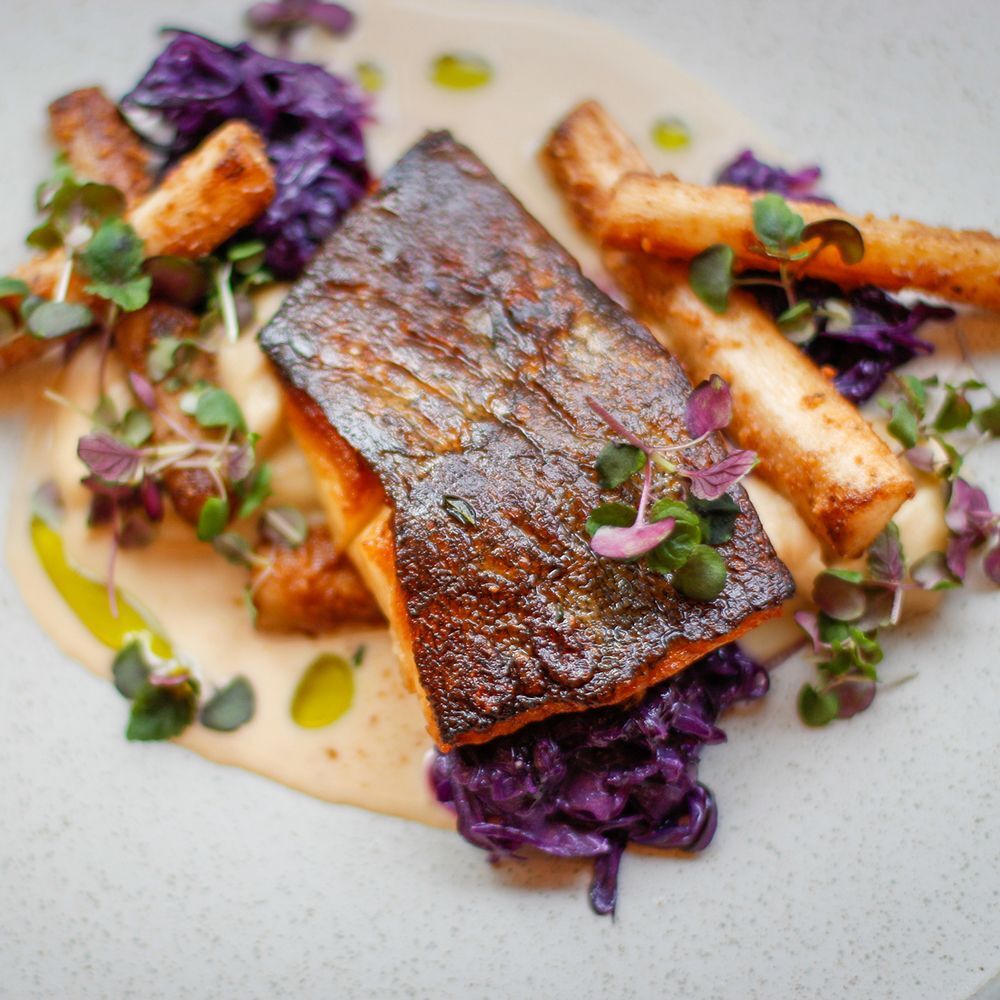
- Sea Trout with Butter Sauce
- Duck Filet
- Black Pudding
- Shrimp Risotto
- Tomato Soup
The Seasonal Table as a Dining Format
Seasonal cuisine, as a category, asks something specific of the diner. The meal does not unfold around a fixed menu you can preview and memorise before arrival. The kitchen's agenda is set by what arrived from suppliers that week, which means the experience is partly determined before you sit down, by calendar and by harvest. This is a format that rewards unhurried guests. Diners who arrive expecting to control the evening's direction through extensive menu negotiation tend to find seasonal kitchens slightly resistant. Those who arrive willing to take cues from the kitchen, and to let the pace of the meal dictate its own shape, tend to leave more satisfied.
That dynamic is not unique to Oberża 86. It describes a broad category of European seasonal restaurants, from the Alpine kitchens of Austria (where venues like Kirchenwirt in Leogang and Mesnerhaus in Mauterndorf operate on similar market-led principles) to the new wave of Polish regional tables. What the format requires, above all, is a kitchen disciplined enough to make the constraints work rather than default to safe, year-round ingredients whenever the season gets difficult.
What Two Michelin Plates Tell You
Michelin Plate recognition, awarded in both 2024 and 2025, signals something specific: the inspectors found cooking worth noting without awarding a star. In Michelin's own framing, a Plate means the inspectors ate well. It is not a consolation prize; it is a floor. For a restaurant operating at the lower end of the price spectrum in a city that is not yet a major stop on the Polish fine-dining circuit, two consecutive Plates in back-to-back years suggest the kitchen is not coasting. Consistency at this level, across different inspection cycles, tends to reflect a stable team and a repeatable approach rather than a single good night.
Michelin inspections reflect a small number of visits by trained palates; a rating base that large aggregates hundreds of ordinary meals across different seasons and services. When both signals point in the same direction, the case for reliability is stronger than either data point alone would suggest.
For comparison against the local competitive set: Arco by Paco Pérez in Gdańsk represents the higher-ambition, higher-cost end of the regional scene; Oberża 86 occupies a different tier entirely, priced in the single-euro bracket against Arco's considerably higher positioning. That gap between cost and recognition level is the most interesting thing about Oberża 86's market position. Michelin-acknowledged seasonal cooking at accessible price points is not common anywhere in Europe; when it does appear, it tends to generate loyalty from a local base that returns regularly rather than a tourist flow that visits once.
For those mapping the broader Polish seasonal scene, the pattern here echoes what is happening at venues further from the coast: Giewont in Kościelisko and Drukarnia Smaku Cristina in Zakopane demonstrate how seasonal formats anchor themselves to regional produce in ways that make the calendar the menu. The city sits in the shadow of Gdańsk's more established tourism infrastructure, which means tables like Oberża 86 serve primarily a local and regional audience rather than the international traffic that moves through Gdańsk's Old Town. That audience tends to be more demanding in certain ways: they are eating here on their own schedule, not on holiday, and they are not predisposed to generosity in their assessments simply because they are somewhere new.enprimeurclub. The 1911 Restaurant in Sopot offers a counterpoint along the coast for those comparing Tricity options.enprimeurclub.com/restaurants/muga-pozna-restaurant">Muga in Poznań, hub.praga in Warsaw, and Acquario in Wrocław represent how seasonal and market-led formats are spreading across the country's major cities. The single-euro price indicator puts a full meal at a level where the decision to return regularly is easy to make. The seasonal format means the menu will differ from visit to visit, which is an argument for repeat visits rather than a single definitive trip. For those comparing options locally,
Cuisine-First Comparison
| Venue | Cuisine | Price | Awards |
|---|---|---|---|
| Oberża 86This venue (the venue you are viewing) | Modern Polish-French Seasonal Cuisine | $50–100 | Michelin Plate |
| Butchery & Wine | Steakhouse & Grill | $50–100 | Michelin Plate |
| Biały Królik | Contemporary Polish Fine Dining | $100–150 | Relais Chateaux Award |
Recognition history
Dated appearances from independent guides and award organizations, with the underlying list record or original source where available.
Michelin Plate
Michelin
Full recognition history (3 entries)
Michelin Plate
Michelin
Michelin Plate
Michelin
Continue exploring
More in Gdynia
Restaurants in Gdynia
All restaurants in Gdynia →
Details
- Elegant
- Intimate
- Cozy
- Minimalist
- Date Night
- Special Occasion
- Celebration
- Group Dining
- Family
- Open Kitchen
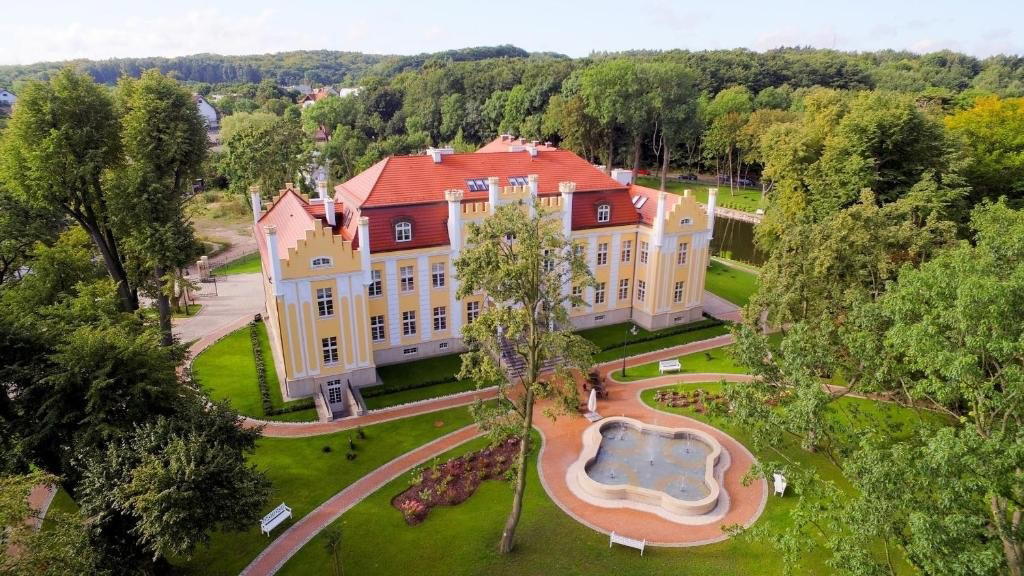
- Historic Building
- Garden
- Terrace
- Standalone
- Extensive Wine List
- Sommelier Led
- Local Sourcing
- Street Scene
- Garden
- A La Carte
- Set Menu
- Wine
- Vegetarian Friendly
- Vegan Options
Current opening hours
- Monday
- 1–10 PM
- Tuesday
- 1–10 PM
- Wednesday
- 1–10 PM
- Thursday
- 1–10 PM
- Friday
- 1–10 PM
- Saturday
- 1–10 PM
- Sunday
- 1–10 PM
Hours can change for holidays and private events. Hours as of .
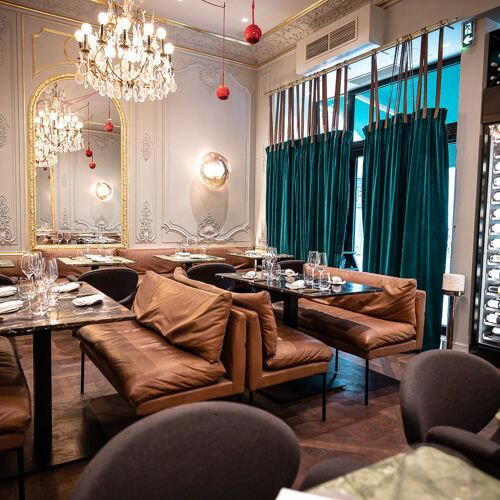
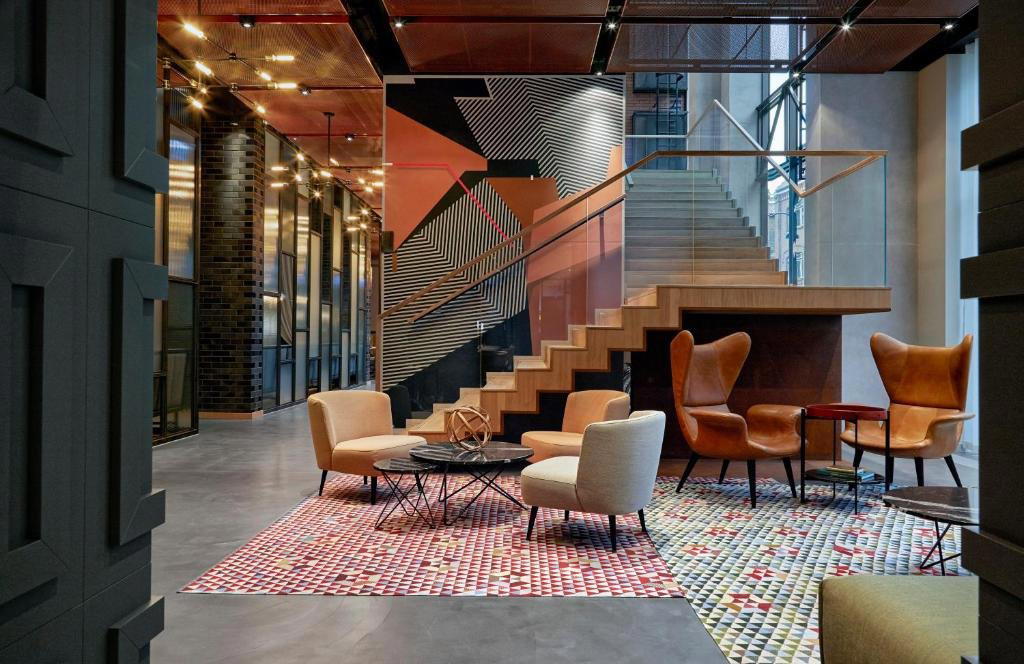
Elegant simplicity with whitewashed wood, exposed brick walls, century-old beamed ceilings, white tablecloths on square tables, fresh blooms, and a bustling open kitchen creating a warm, intimate atmosphere.