Locanda San Silvestro
Locanda San Silvestro sits in Meride, a small fossil-village in Swiss canton Ticino, where the Italian-speaking south meets the foothills of Monte San Giorgio. The locanda format, a tradition of inn-style hospitality rooted in northern Italy, places it at the intersection of regional cooking and rural Ticinese character. For travellers combining the UNESCO-listed paleontological site with a meal, it functions as the village's culinary anchor.
Pearl is the En Primeur Club membership app — saves, bookings, and concierge access live there. Same editors, same standards.
- Address
- Via Bernardo Peyer 20, 6866 Meride, Switzerland
- Phone
- +41916461000
- Website
- locandasansilvestro.ch
- Directions
- Get directions
 Saves & bookings on Pearl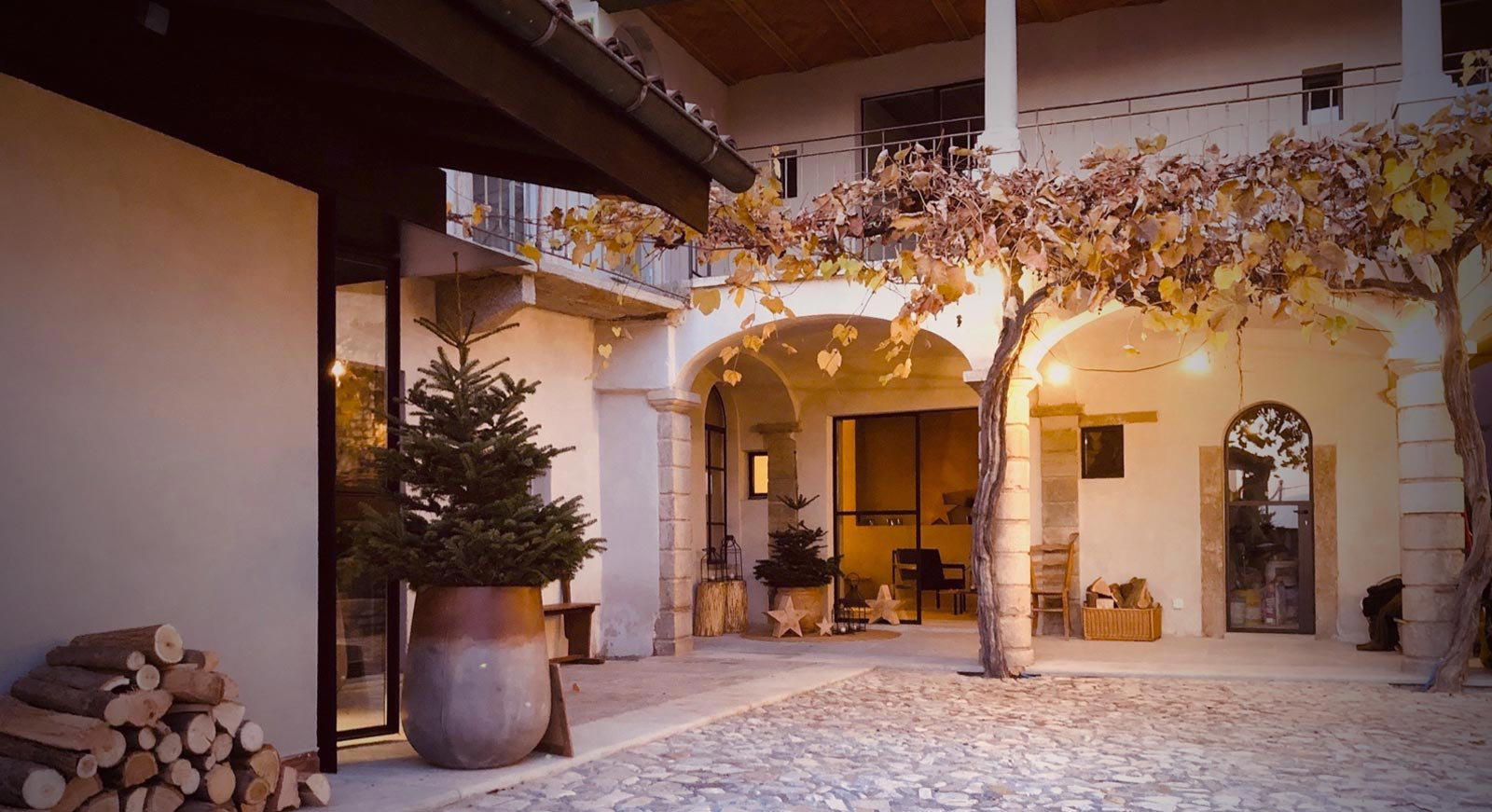
Where the Fossil Fields Meet the Table
Meride is not a dining destination in the way that Zurich or Geneva are. It is a village of a few hundred residents on the slopes of Monte San Giorgio, a UNESCO World Heritage Site recognised for one of the world's most complete records of Triassic-era marine fossils. The mountain draws researchers and slow travellers; the village itself has stone walls, narrow lanes, and a pace set by walking rather than reservations. Within that context, a locanda is a natural fit: a place to eat and sometimes sleep, anchored in the agricultural and inn-keeping traditions that have defined southern Swiss hospitality for centuries.
Locanda San Silvestro, addressed at Via Bernardo Peyer 20, sits within this fabric. The locanda category across Ticino and the adjacent Lombard zones of northern Italy occupies a specific register, neither the white-tablecloth formality of Hotel de Ville Crissier in Crissier nor the stripped-back informality of a cantina, but something between: a room where the food takes its character from proximity to ingredients rather than from technique deployed at distance. That positioning matters when deciding whether to make the drive south from Lugano.
The Ticinese Table and What It Draws From
Ticino is the only Swiss canton where Italian is the official language and the culinary reference point is the Po Valley and Lombardy rather than France or the German-speaking north. The regional kitchen has historically been shaped by what the land produces: chestnuts from the hillsides, polenta from the valleys, lake fish from Lugano and Maggiore, cured meats from small producers working in a tradition that runs parallel to, but distinct from, the better-known charcuterie of Emilia-Romagna. Risotto, brasato, and formaggi d'alpe appear on tables throughout the canton with a consistency that reflects genuine supply chains rather than menu nostalgia.
The ingredient-sourcing angle is the right lens for any locanda in this part of Switzerland. Unlike the destination restaurants that have defined Swiss fine dining internationally, places such as Schloss Schauenstein in Fürstenau or Memories in Bad Ragaz, both operating within rigorous sourcing frameworks but at a completely different price and ambition tier, a village locanda derives its authority from immediacy. The distance between producer and plate is short by geography, not by culinary philosophy statement. That is a meaningful distinction. It means the seasonal shifts in what appears on the menu are driven by what is actually available in the surrounding area, not by a tasting-menu architect deciding when to rotate a course.
Ticino also sits at an elevation and latitude where the growing season produces genuinely different results from canton to canton. Spring brings asparagus and early herbs; autumn is the season most associated with Ticinese eating, when chestnut festivals and mushroom foraging shape what arrives in local kitchens. A meal at a locanda in October reads differently from the same room in May, and that temporal dimension is part of what makes this format worth understanding rather than dismissing as merely rustic.
Placing Locanda San Silvestro in the Regional Picture
The Swiss restaurant scene at its upper end has become internationally legible. Cheval Blanc by Peter Knogl in Basel, 7132 Silver in Vals, and focus ATELIER in Vitznau operate within a framework where Michelin stars, sourcing narratives, and architectural dining rooms are part of the proposition. Locanda San Silvestro does not compete in that tier. Its competitive set is the small number of village-scale restaurants in Ticino that function as genuine local institutions rather than tourist-facing approximations of regional cooking.
That is a smaller and harder-to-assess category than the starred tier, partly because it attracts less critical attention and partly because quality variance is higher. What marks the better examples of the form is a kitchen that works within its means: a short menu, ingredients that reflect what the season and the immediate geography make available, and a room that feels continuous with the village rather than performing a version of it. That is the frame through which the restaurant should be approached.
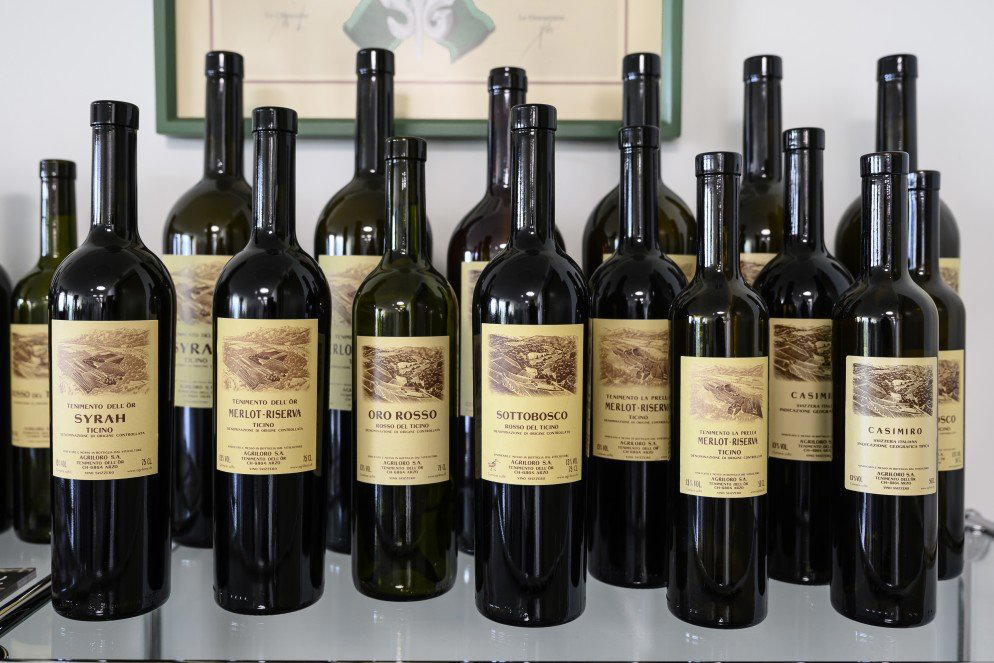
Ticino's locande also tend to serve wine from the canton's own production, a detail worth noting for anyone oriented toward regional coherence on the table. Merlot dominates Ticinese viticulture, accounting for the majority of production, with a style that leans toward the softer, more fruit-forward end of the spectrum relative to Bordeaux. A handful of producers work at a more serious level, and locande with a well-considered wine list will typically represent those alongside entry-level options. This is not the pairing depth you would encounter at IGNIV Zürich by Andreas Caminada in Zurich or La Table du Lausanne Palace in Lausanne, but regional Merlot alongside Ticinese cooking is a coherent combination in its own right.
Planning a Visit to Meride
Meride sits roughly 15 kilometres south of Lugano, accessible by road through the Mendrisio district. The village is small enough that orientation takes minutes; the Fossil Museum (Museo dei Fossili del Monte San Giorgio) is the other anchor, and combining the two into a half-day or full-day itinerary is the standard approach for travellers coming from Lugano or crossing from the Italian border at Stabio. Public transport connections to Meride are limited, which makes a car the practical choice for most visitors.
Booking is recommended.
La Brezza in Ascona and the broader Lago Maggiore area represent a parallel set of options, and the contrast between lakeside resort dining and a hillside village locanda is itself instructive about how the canton's food culture organises itself by geography and altitude.
In Context: Similar Options
Comparable venues nearby, for context on price, style, and recognition.
| Venue | Cuisine | Price | Notes |
|---|---|---|---|
| Locanda San SilvestroThis venue — the venue you are viewing | Ticino-Italian Trattoria | $$$ | Not listed |
| Gianni Genussatelier | Italian-Swiss Bistro | $$$ | Naters |
| Lac Restaurant | Sardinian & Southern Italian | $$$ | Melide |
| Riviera | Italian Mediterranean with Pizza and Seafood | $$$ | Spiez |
| Azzurro – Terra e Mare | Authentic Italian Pizza and Seafood | $$$ | Muesmatt |
| L'altro | Classic Italian | $$$ | Enge |
Continue exploring
More in Meride
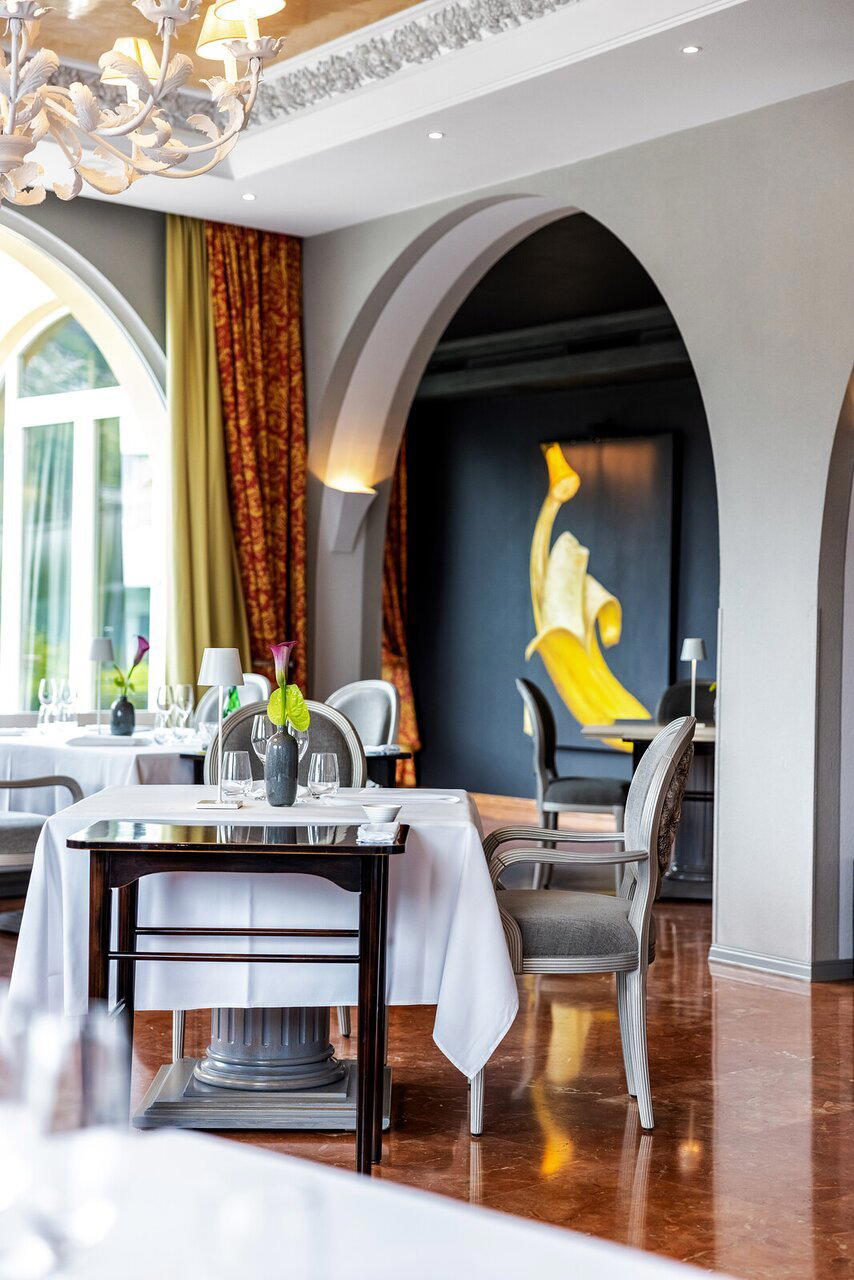
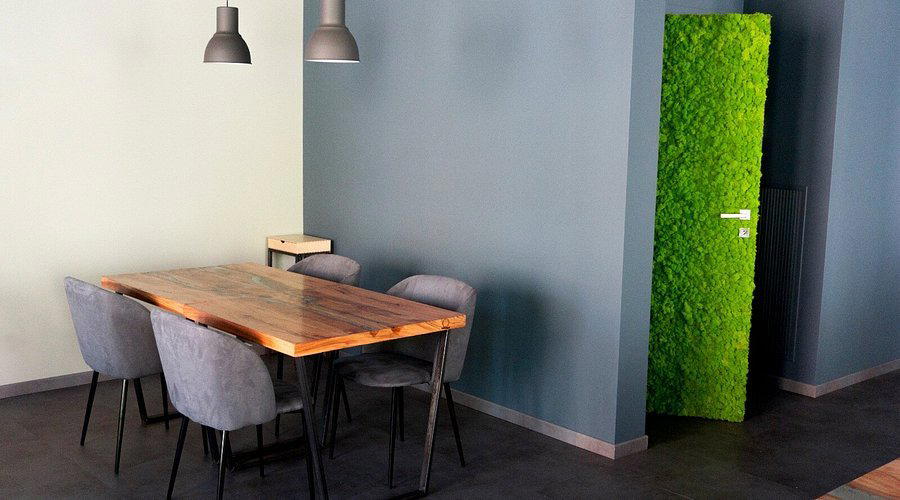
Restaurants in Meride
Browse all →
Bars in Meride
Browse all →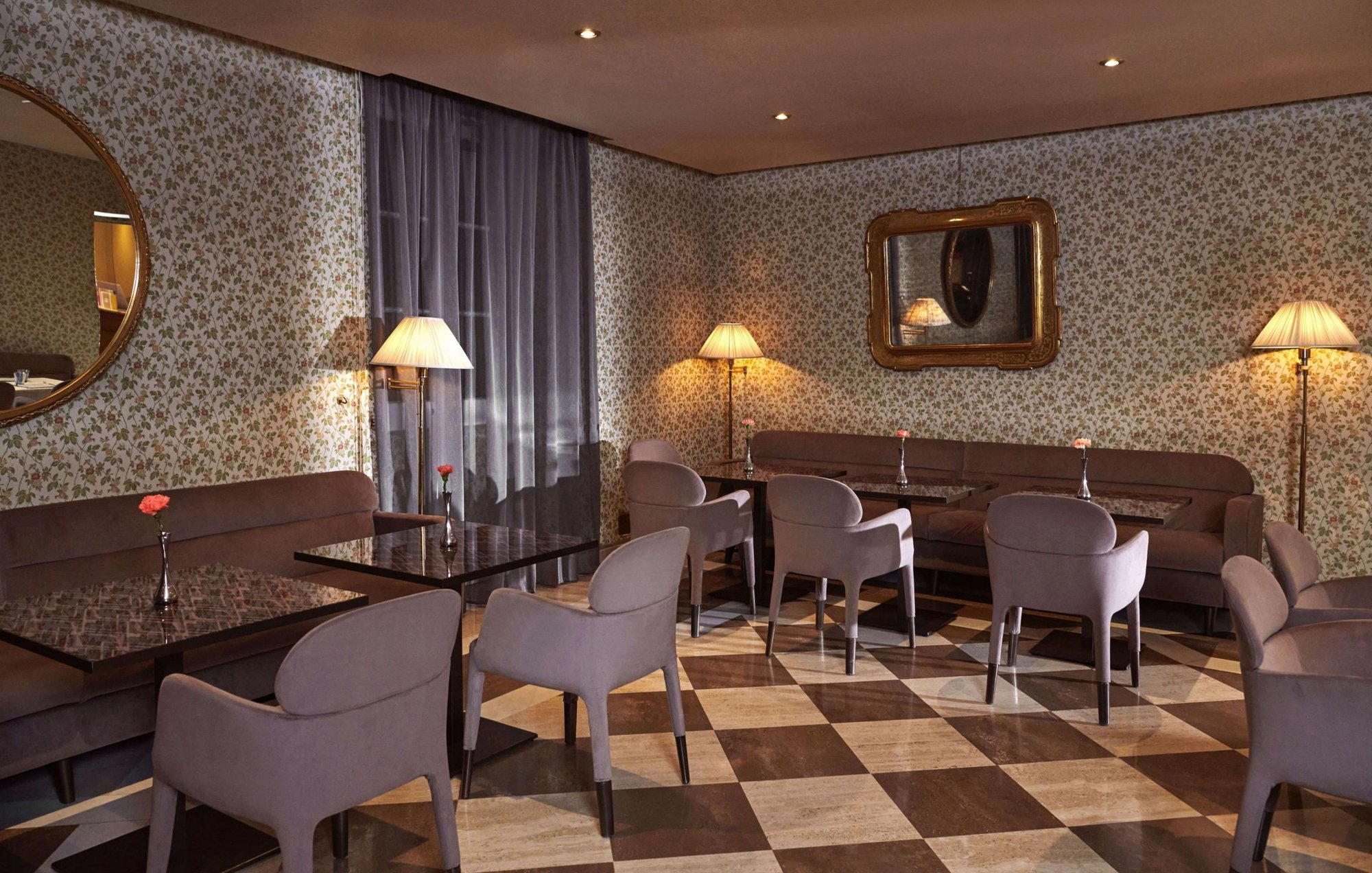
Hotels in Meride
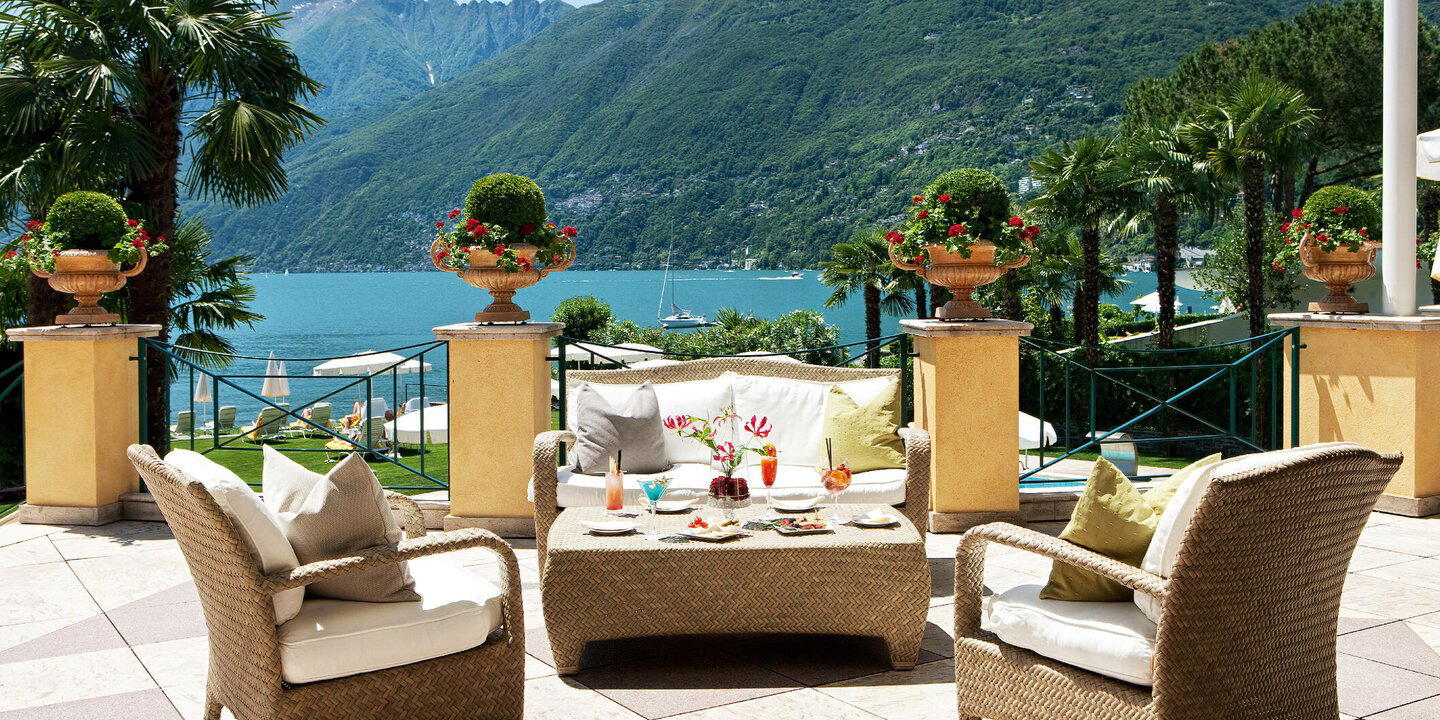
Browse all →

At a Glance
- Rustic
- Cozy
- Intimate
- Classic
- Date Night
- Special Occasion
- Courtyard
- Historic Building
- Local Sourcing
- Mountain
Warm and generous welcome in a renovated historic setting with courtyard dining in the old village center.