Locanda Nerello

On the volcanic slopes of Mount Etna, Locanda Nerello brings a distinctly terroir-driven sensibility to Sicilian cooking. Chef Frédéric Delormes works within a tradition that prizes the ingredient over the technique, and the result is a table that reads as an argument for the Etna zone's growing culinary authority.
Pearl is the En Primeur Club membership app — saves, bookings, and concierge access live there. Same editors, same standards.
- Address
- Via Monaci, 95019 Zafferana Etnea CT, Italy
- Phone
- +39 095 708 3638
- Website
- monacidelleterrenere.it
- Directions
- Get directions
 Saves & bookings on Pearl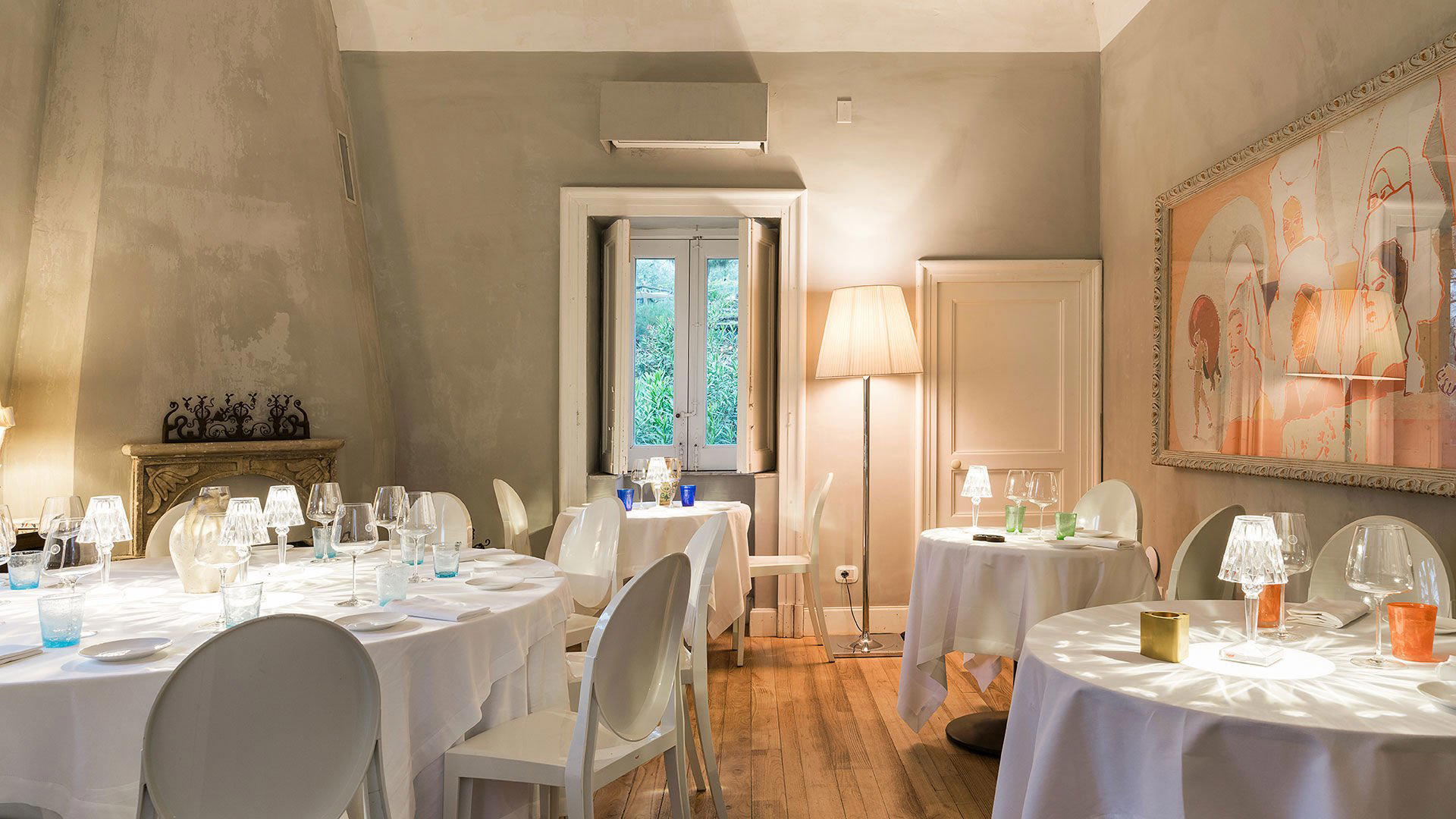
Eating on a Volcano: The Etna Table and What It Demands
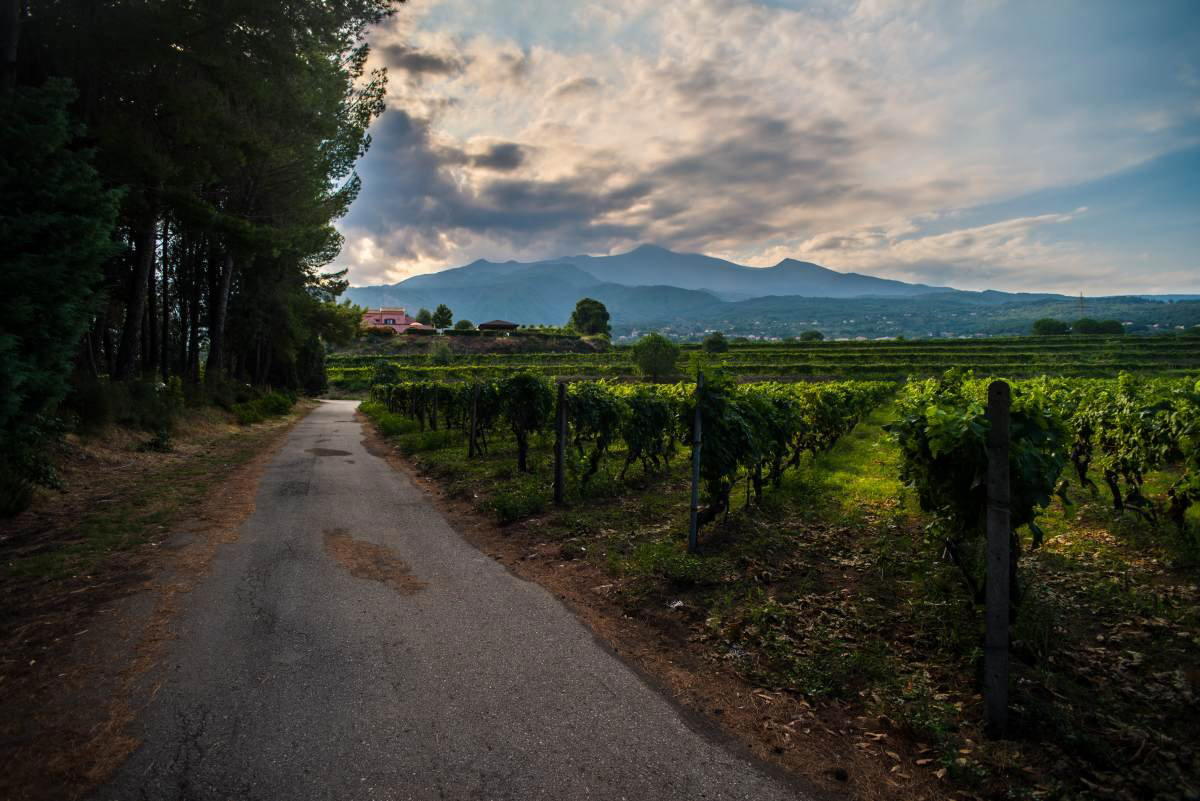
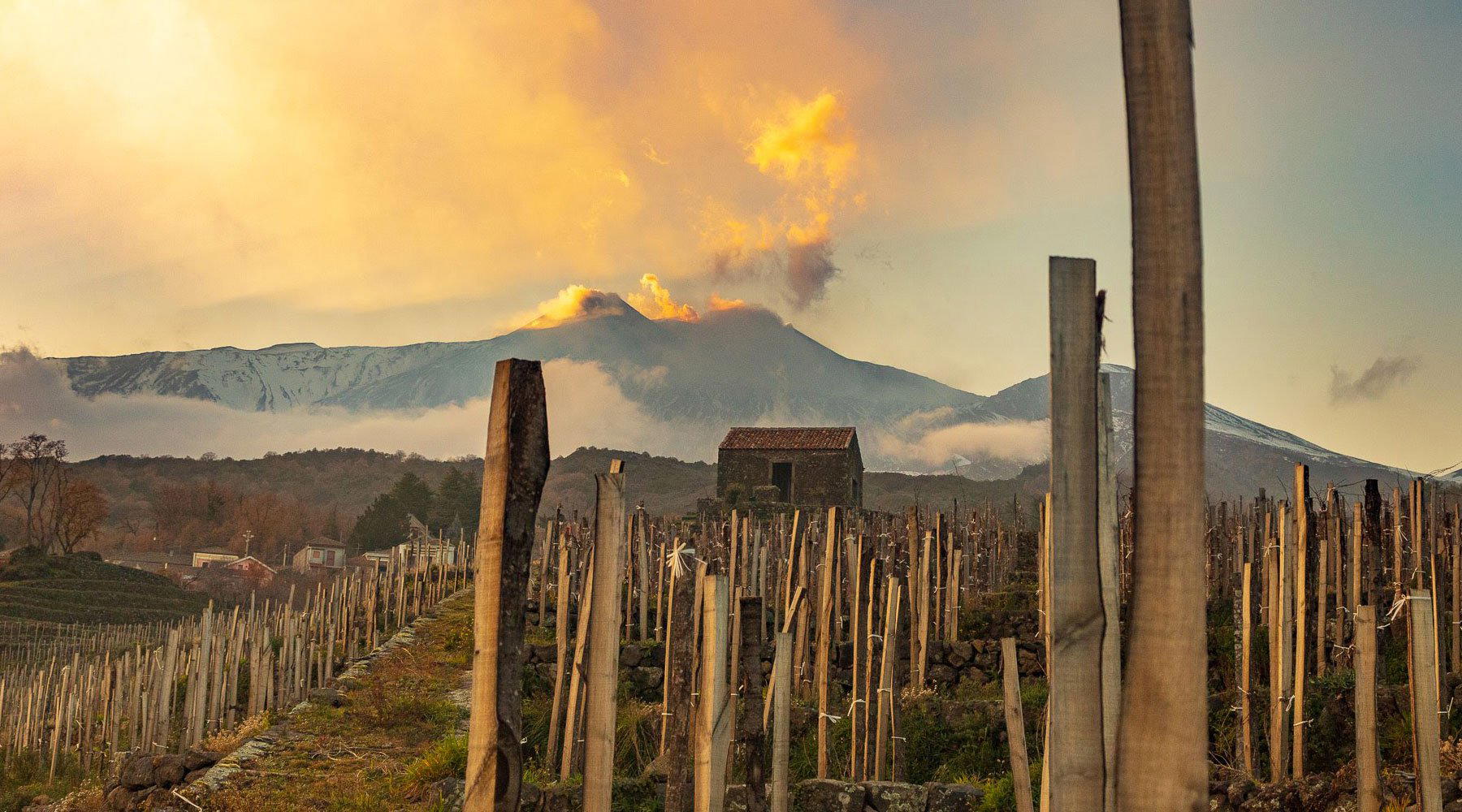
The road into Zafferana Etnea climbs through terraced vineyards and lava-stone walls that have been rebuilt and rebuilt again across centuries of eruptions. By the time you reach Via Monaci, you are already inside the argument that serious Sicilian cooking makes about itself: that the land is not backdrop but ingredient. Locanda Nerello sits within that argument, at the edge of a town where altitude, soil, and volcanic mineral content shape everything that grows — from the Nerello Mascalese grape to the pistachios, citrus, and wild herbs that have defined this corner of eastern Sicily for generations.
This is not the Sicily of coastal resort kitchens or Palermo street-food tourism. The Etna zone operates on a different register, one that has drawn increasing critical attention over the past decade as the mountain's wines achieved international recognition and its produce became a signal of provenance rather than simply of origin. Locanda Nerello's designation as an Expression of the Terroir is not an abstract compliment; it places the kitchen inside a specific tradition of cooking in which the chef's primary obligation is to the landscape that surrounds the restaurant, not to a personal aesthetic imposed upon it.
The Sicilian Context: Why the Etna Zone Operates Apart
Understanding where Locanda Nerello sits in Italian dining requires some geographical and culinary mapping. Sicilian cuisine is not a monolith. The cooking of Palermo, shaped by Arab trade routes and Baroque court excess, leans toward sweet-sour agrodolce combinations and elaborate pastry. The coastline around Catania and Siracusa runs on the Ionian fishing tradition: swordfish, sea urchin, red prawns. The interior tells a third story, one of wheat, legumes, sheep's cheese, and game.
The Etna zone is a fourth register entirely. Here, at elevations between 400 and 1,000 metres, the volcanic basalt soil produces flavours of unusual intensity and mineral edge. The same terroir logic that has made Etna Rosso wines a benchmark for Italian sommeliers applies to the food that grows in the same ground. When a kitchen in this zone works with that material faithfully, it is participating in something closer to the winemaker's discipline than the conventional restaurant's. The comparison is not accidental: the volcanic table and the volcanic glass are, in this part of Sicily, the same cultural project.
This distinguishes the Etna approach from, say, the classical technique of Enoteca Pinchiorri in Florence, where French-Italian synthesis and a cellar of extraordinary depth frame the meal, or the progressive Italian language of Osteria Francescana in Modena, where Massimo Bottura's conceptual architecture is the dominant frame. Those kitchens translate the landscape through strong authorial voices. The terroir-first kitchen of the Etna zone asks the chef to step back, at least partly, and let geography do more of the speaking.
Chef Frédéric Delormes and the Question of French Training on Sicilian Ground
The presence of a French-named chef — Frédéric Delormes, at a restaurant carrying the Nerello grape in its name is, in itself, an editorial detail. France's culinary tradition has shaped Italian fine dining in complex ways: from the brigade systems adopted by northern Italian kitchens in the twentieth century to the technique-first approach that underpins restaurants like Dal Pescatore in Runate or the creative ambition of Enrico Bartolini in Milan. The question a terroir-designated kitchen answers is whether French precision becomes a tool in service of Sicilian material, or whether it overrides it. At Locanda Nerello, the designation suggests the former.
That tension between trained technique and raw local material is where the most interesting cooking on Etna tends to happen. Compare the approach here to the Dolomitic restraint of Atelier Moessmer Norbert Niederkofler in Brunico, another kitchen where a chef with European classical credentials has reoriented entirely around a specific ecosystem's logic. The parallel is instructive: the leading regional Italian cooking of this generation is defined less by regional cuisine in the folkloric sense and more by a commitment to a specific geography's produce, season, and character.
The Zafferana Etnea Dining Scene and Where Locanda Nerello Fits
Zafferana Etnea is not a restaurant destination in the way that Alba, Modena, or the Amalfi Coast are. It does not have the critical mass of the Po Valley or the Piedmontese truffle-tourism infrastructure that surrounds a kitchen like Piazza Duomo in Alba. What it has is the mountain, and an increasingly coherent set of kitchens and producers that are making the argument for Etna as a serious culinary zone in its own right.
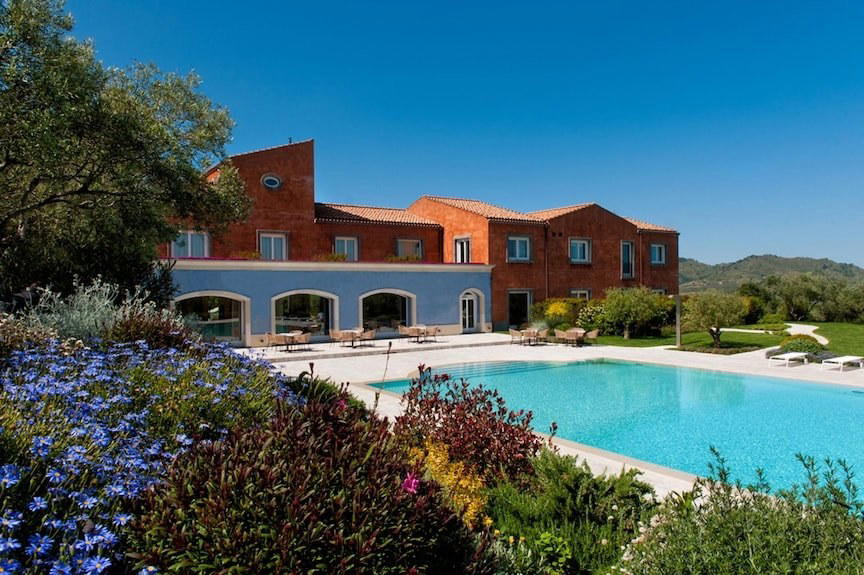
Within that local conversation, Locanda Nerello holds a distinct position. Monaci delle Terre Nere, also in the area, operates from within a boutique hotel context and brings its own wine-estate logic to the table. Sabir brings a creative register to the same volcanic larder. Locanda Nerello's terroir designation frames it as the more grounded of the three positions: less hotel-resort context than Monaci, less creative-contemporary than Sabir, more directly committed to the Etna ingredient as the meal's primary subject.
Visitors arriving from elsewhere in Italy's fine-dining circuit will find a different pace here than at the more codified kitchens of the mainland. The southern Italian table, particularly at this elevation, operates on a slower register. Meals are structured around produce that arrives when it is ready, not when a seasonal calendar demands it. That is a feature, not a limitation.
Planning Your Visit
Locanda Nerello is located at Via Monaci in Zafferana Etnea, in the province of Catania, on the eastern flank of Mount Etna. The town sits roughly 700 metres above sea level, which means temperatures run cooler than the Catania coast, and spring and autumn visits reward with the clearest views and the most active farm and foraging seasons. The address places it within reasonable reach of Catania's Fontanarossa airport, from which the drive up through the Etna wine country takes under an hour and passes some of the mountain's most recognizable vineyard terraces.
Booking details and current hours are not listed publicly at the time of writing; contacting the restaurant directly is the reliable approach. Given the scale of the operation, reservations well in advance of any visit are advisable, particularly during the summer harvest season when Etna's wine and food tourism peaks.
For a broader picture of the area, our full Zafferana Etnea restaurants guide covers the dining scene in detail. If you are building a longer stay around the mountain, our Zafferana Etnea hotels guide and experiences guide map the broader visit. The wineries guide is particularly relevant given how closely the food and wine traditions of Etna are intertwined, and the bars guide rounds out evening options in the town. For those curious about how terroir-driven Italian cooking travels internationally, 8 1/2 Otto e Mezzo Bombana in Hong Kong and cenci in Kyoto offer instructive contrasts in how Italian ingredients and discipline are interpreted abroad, while the Adriatic seafood precision of Uliassi in Senigallia and the southern coastal cooking of Quattro Passi in Marina del Cantone provide useful mainland reference points for anyone building a mental map of where Sicilian volcanic cooking sits within the wider Italian picture. And for those interested in how Venetian and Paduan technique compares to the southern register, Le Calandre in Rubano offers a northern counterpoint worth considering.
How Locanda Nerello Zafferana Etnea compares with similar nearby venues.
| Venue | Cuisine | Price | Awards |
|---|---|---|---|
| Locanda Nerello | Italian | Not listed | Relais Chateaux Award (2026) |
| Monaci delle Terre Nere | Italian Cuisine | Not listed | Not listed |
| Luce | Expression of the terroir | Not listed | Not listed |
| Capofaro | Italian | Not listed | Not listed |
| Qualia | Italian | €€€ | Not listed |
| Palazzo Branciforte | Italian | €€€ | Not listed |
Recognition history
Dated appearances from independent guides and award organizations, with the underlying list record or original source where available.
Relais Chateaux Award
Relais Chateaux
Continue exploring
More in Zafferana Etnea
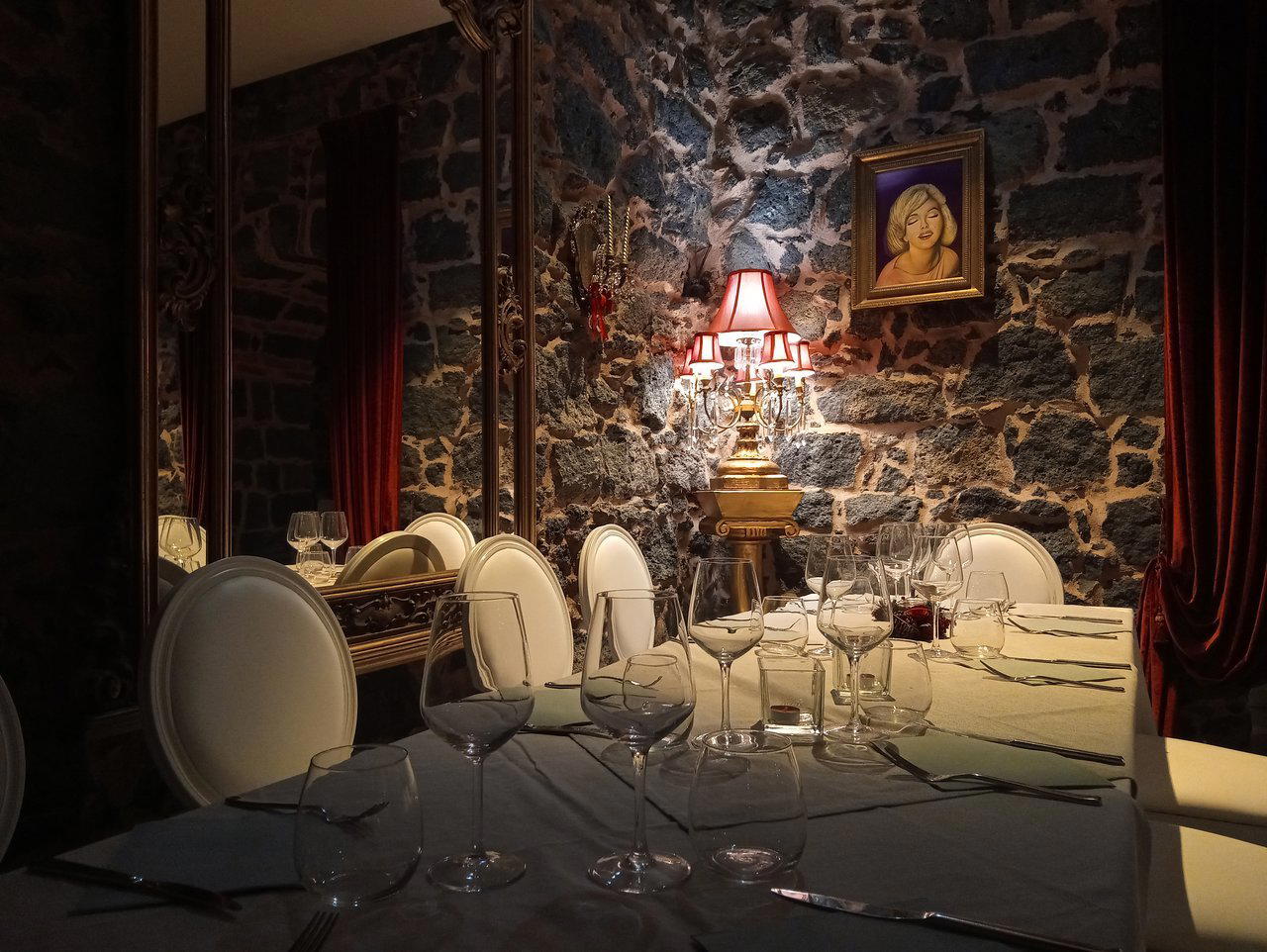
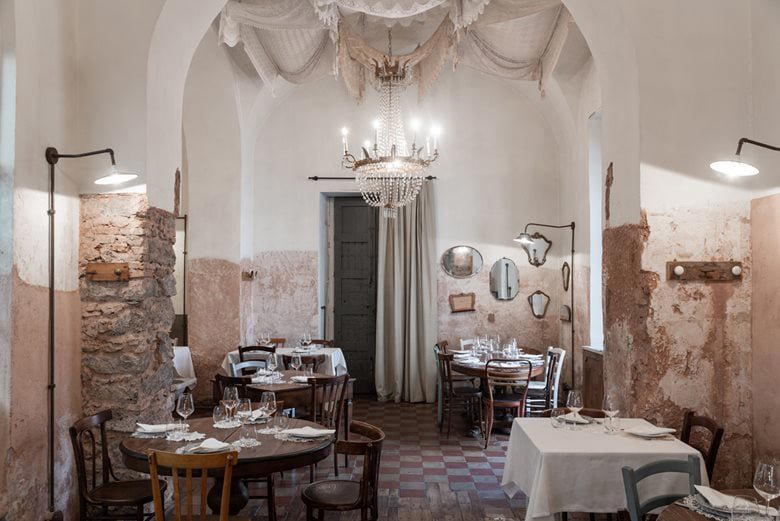
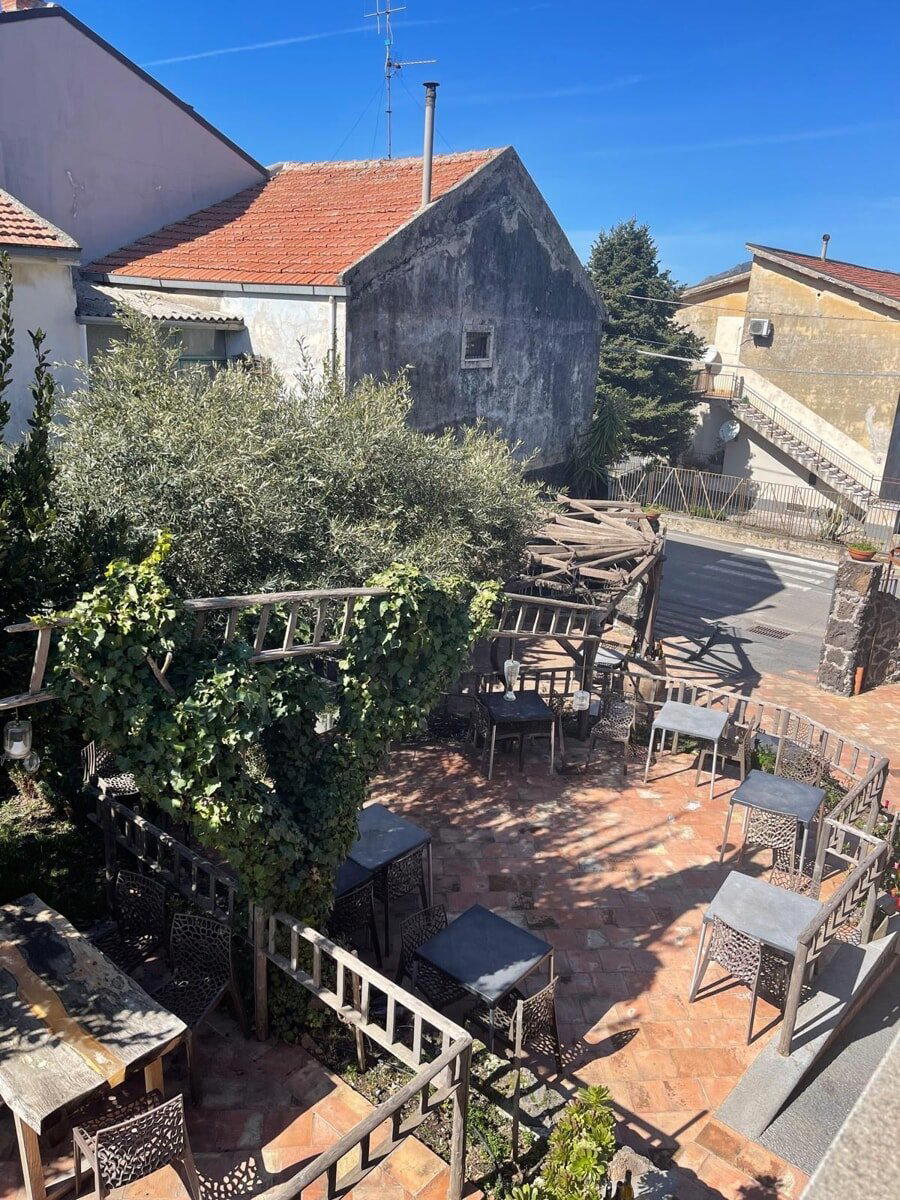
Restaurants in Zafferana Etnea
Browse all →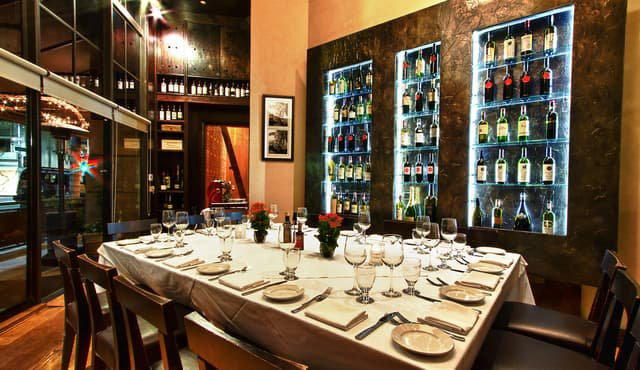
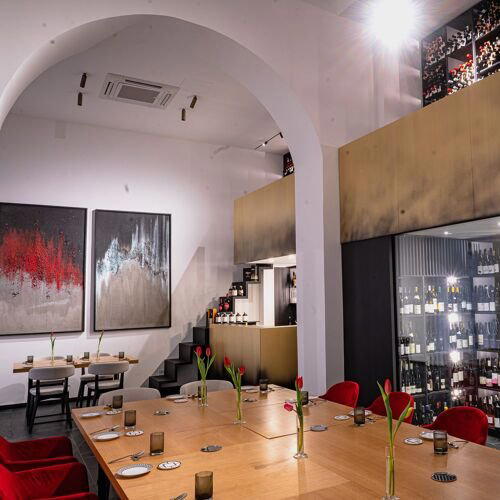
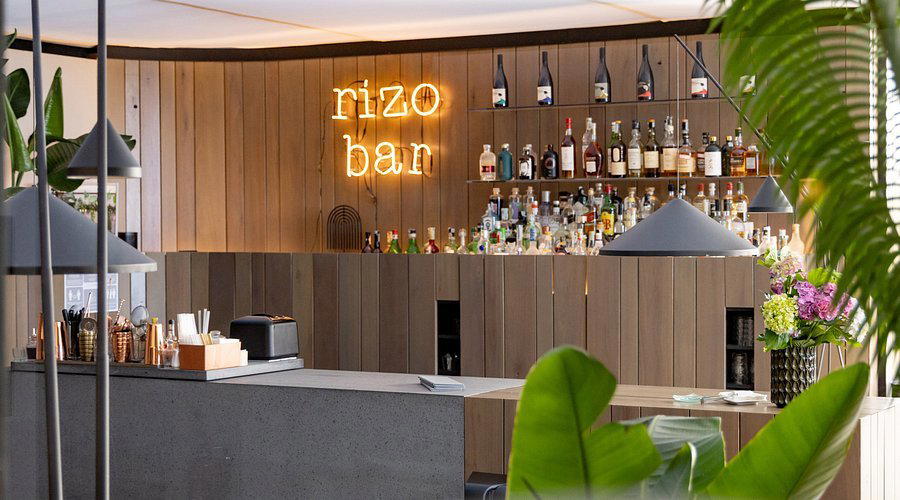
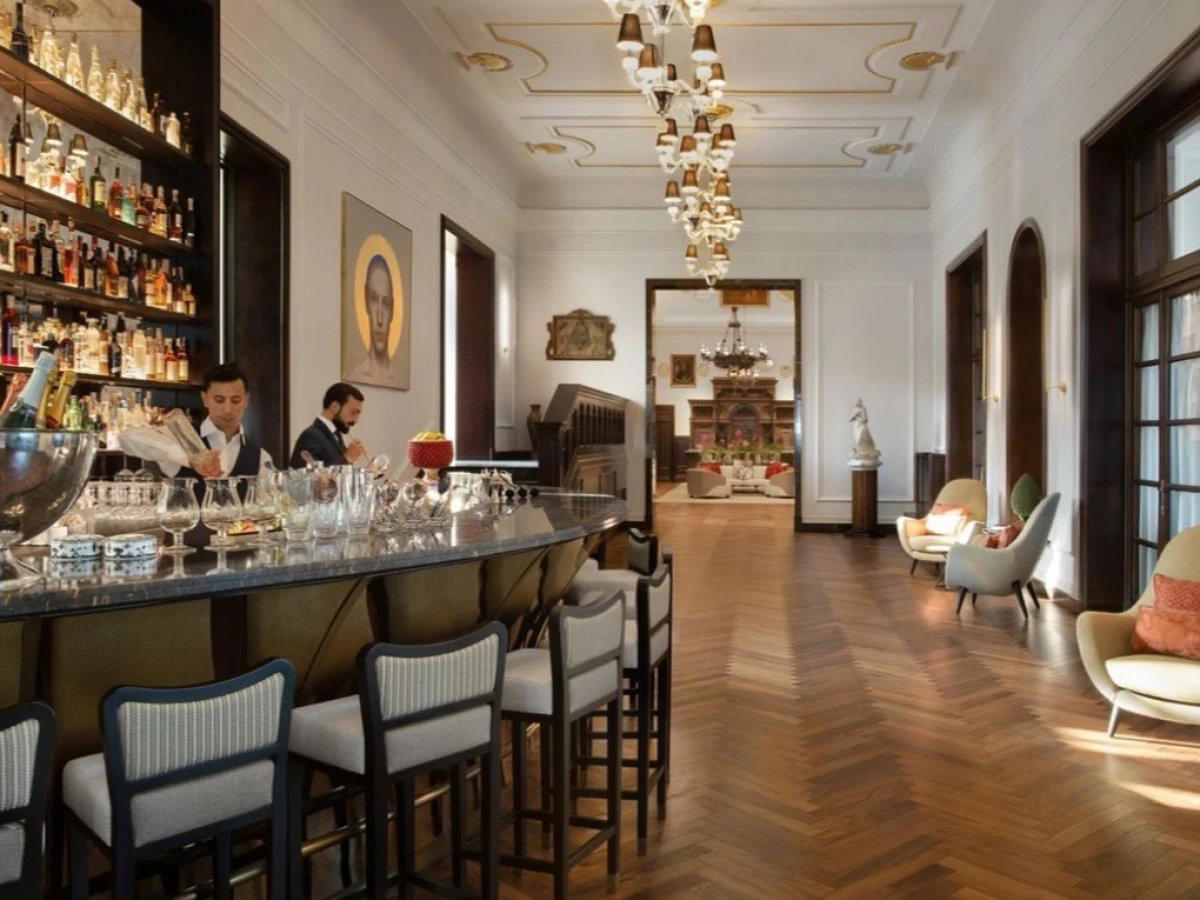
Bars in Zafferana Etnea
Browse all →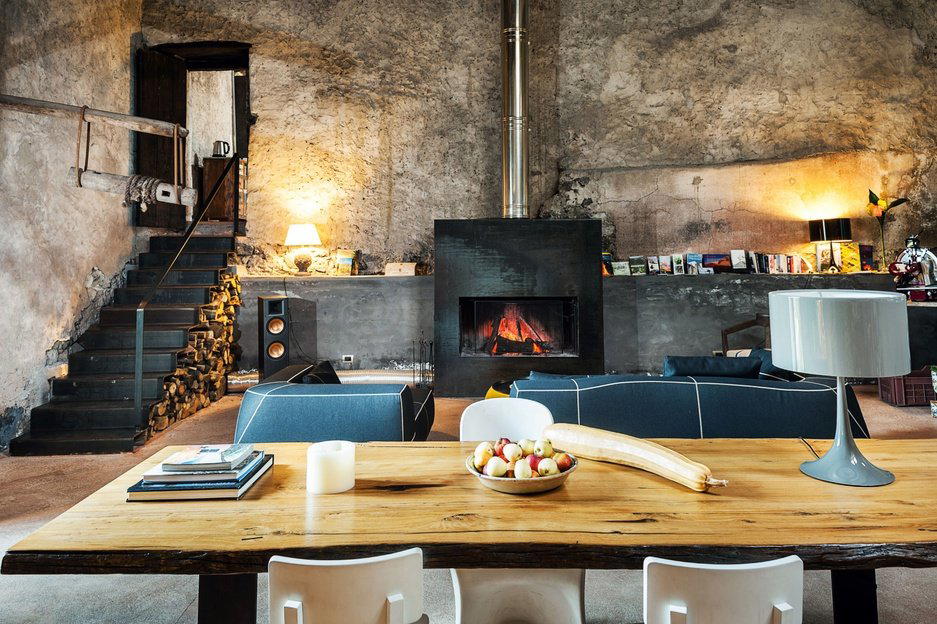
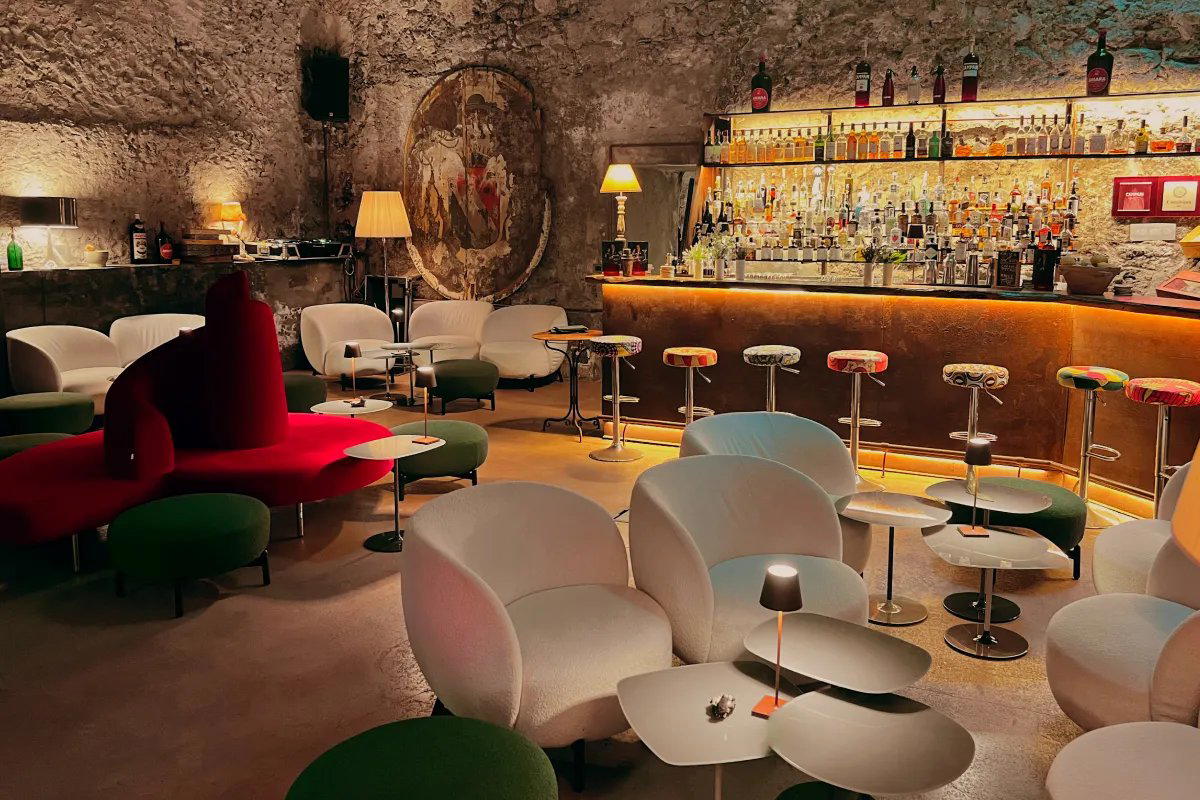
Hotels in Zafferana Etnea
Browse all →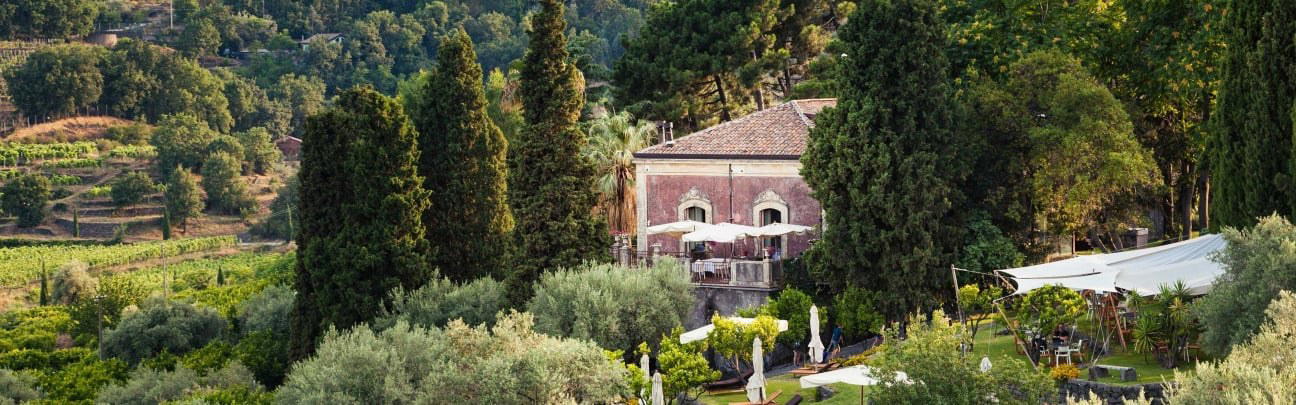

At a Glance
- Romantic
- Elegant
- Rustic
- Scenic
- Intimate
- Date Night
- Special Occasion
- Celebration
- Terrace
- Panoramic View
- Open Kitchen
- Extensive Wine List
- Sommelier Led
- Farm To Table
- Organic
- Local Sourcing
- Mountain
Current opening hours
- Monday
- 12:30–3 PM, 7:30–10:30 PM
- Tuesday
- 12:30–3 PM, 7:30–10:30 PM
- Wednesday
- 12:30–3 PM, 7:30–10:30 PM
- Thursday
- 12:30–3 PM, 7:30–10:30 PM
- Friday
- 12:30–3 PM, 7:30–10:30 PM
- Saturday
- 12:30–3 PM, 7:30–10:30 PM
- Sunday
- 12:30–3 PM, 7:30–10:30 PM
Hours can change for holidays and private events. Last verified .
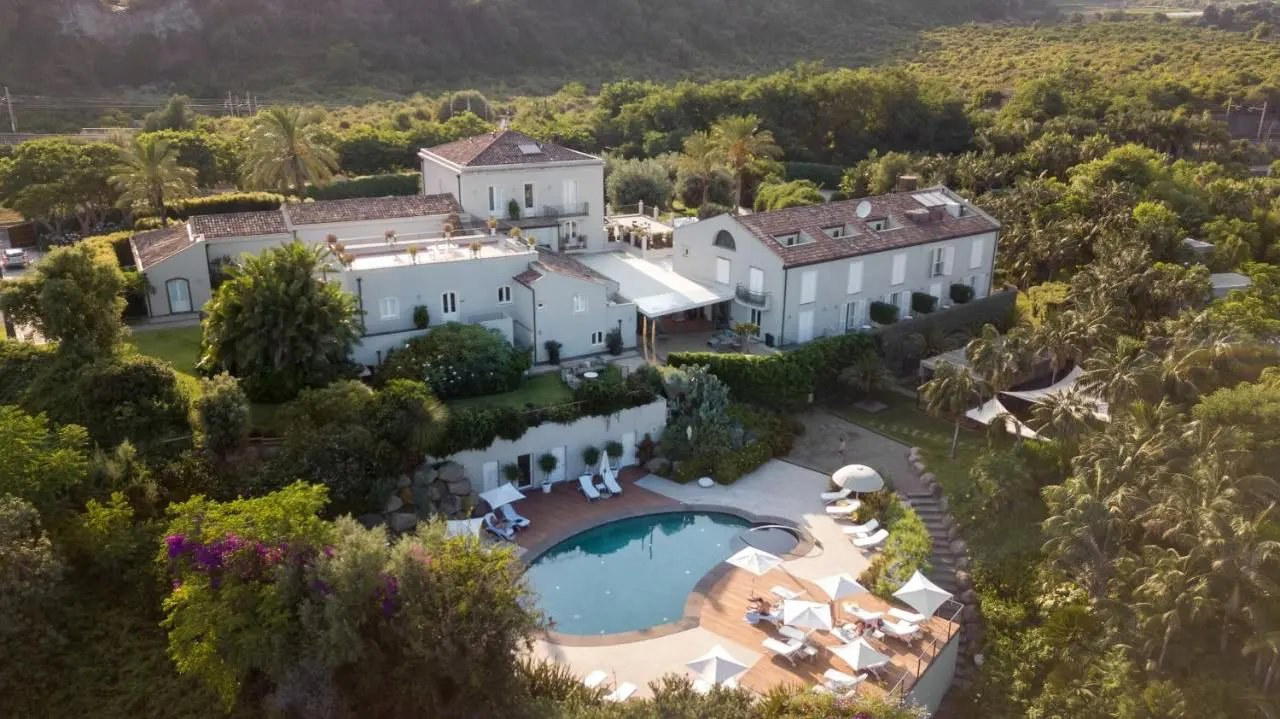
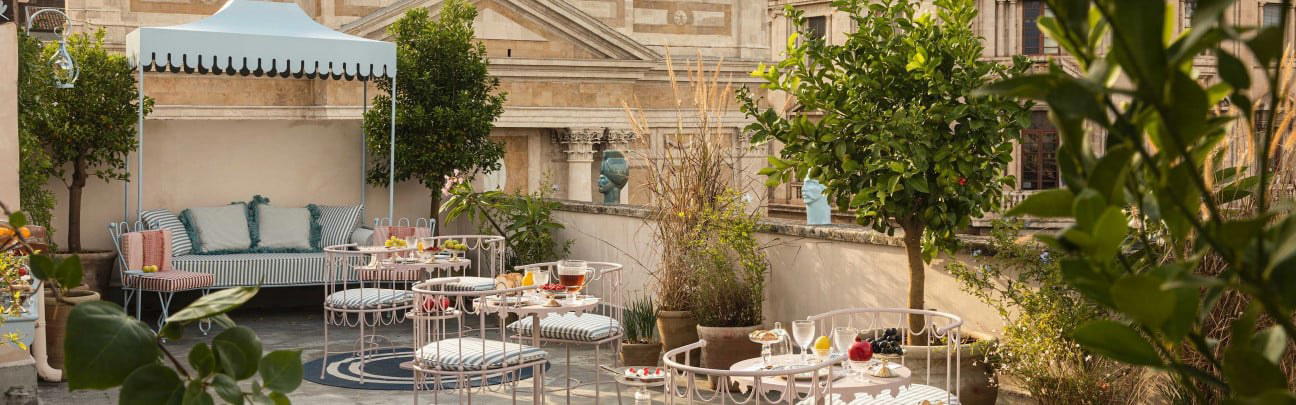
Enchanting terrace dining with far-reaching views of Mount Etna and the sea, elegant atmosphere enhanced by attentive service and a rich wine selection.
Know Before You Go
- Getting there
- Via Monaci, 95019 Zafferana Etnea CT, Italy