Sabir

On the volcanic slopes of Mount Etna, Sabir draws on the layered food culture of Sicily's Ionic coast, translating seasonal wild herbs, local seafood, and the region's igneous terroir into a creative tasting format. The name references the old Mediterranean merchant dialect, a signal of the cross-cultural thinking that shapes the menu. A Michelin Plate holder in both 2024 and 2025, it sits at the serious end of Zafferana Etnea's dining scene.
Pearl is the En Primeur Club membership app — saves, bookings, and concierge access live there. Same editors, same standards.
- Address
- Via delle Ginestre, 1, 95019 Zafferana Etnea CT, Italy
- Phone
- +39 095 708 2335
- Website
- sebysorbello.it
- Directions
- Get directions
 Saves & bookings on Pearl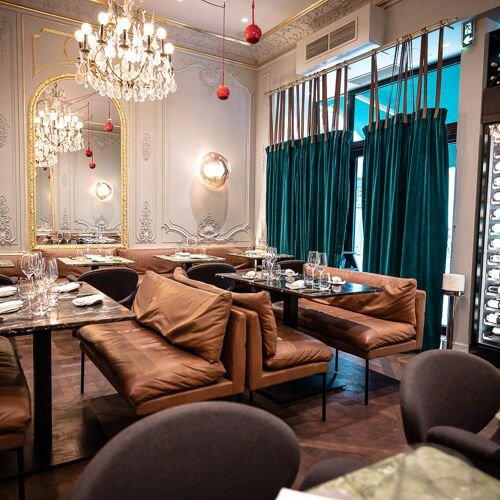
Where the Volcano Meets the Table
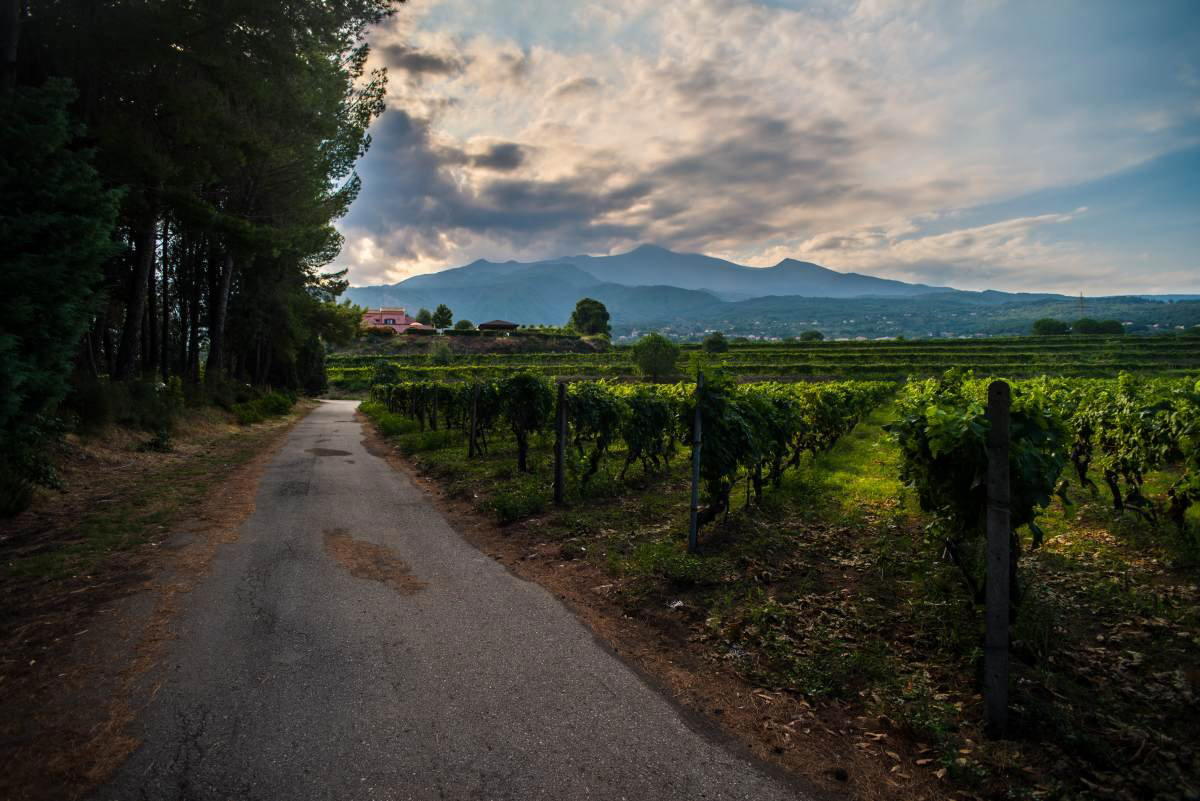
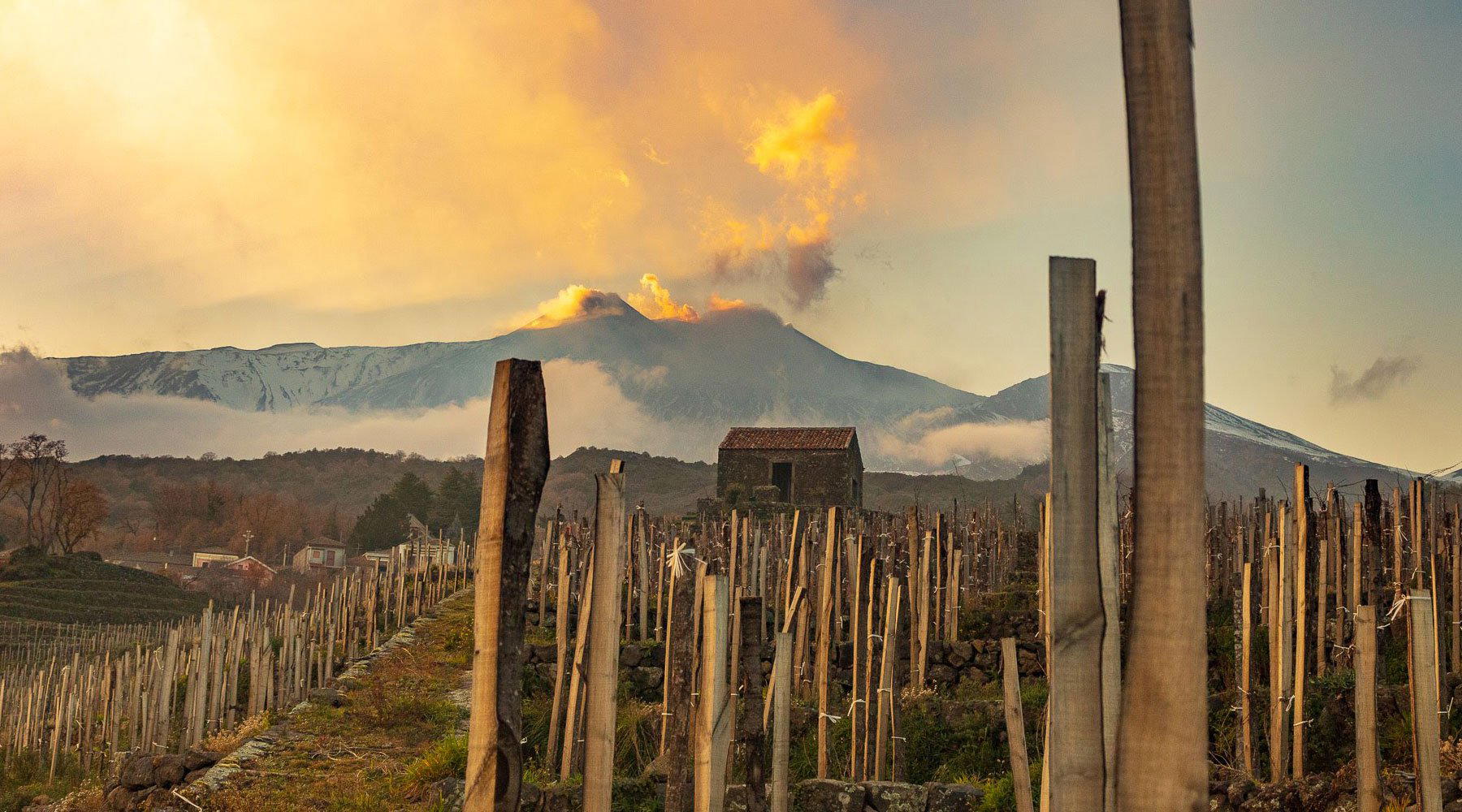
Approaching Zafferana Etnea from the coast, the road climbs steadily through lava-stone walls and terraced vineyards, the upper slopes of Etna cutting a sharp line against the sky. Via delle Ginestre sits inside this volcanic belt, and the setting shapes everything about how a meal at Sabir unfolds. This is not a restaurant that happens to mention its surroundings in the menu notes; the terrain is the starting point for the kitchen's thinking, with wild herbs foraged from the volcanic soil and seasonal produce from the Ionic hinterland informing what arrives at the table course by course.
The restaurant's name is itself an editorial statement. Sabir was the pidgin language once spoken across Mediterranean port cities — a practical tongue assembled from Italian, Spanish, Arabic, French, and Greek, used by sailors and merchants to conduct trade across cultural lines. That etymology sets the interpretive frame for the cooking: a cuisine that treats the Mediterranean not as a single tradition but as a zone of accumulated influences, filtered through one specific volcanic place.
The Rhythm of the Meal
Creative tasting formats in Italy have consolidated around a recognisable ritual over the past decade: a sequence of small courses that moves from cold and acidic through warm and rich, punctuated by palate resets, with a cheese or pre-dessert transition before the closing sweets. Sabir operates within that structure, offering both tasting menus and à la carte options, which gives the table a degree of agency less common at this price point in the region. The choice matters practically: the tasting menu invites surrender to the kitchen's sequencing, while à la carte allows a shorter, more selective engagement with the same ingredients and techniques.
What defines the pacing here is the attention to the Ionic coast's dual character — coastline and volcano within short distance of each other, which translates at the table as a back-and-forth between sea-sourced proteins and the earthier, mineral register of ingredients from higher ground. Wild herbs from the Etna slopes are not garnish; they appear as structural flavour elements, and that commitment to specificity of place is what separates this kitchen from the broader category of Italian creative cooking.
Compared with Michelin-starred creative kitchens elsewhere in Italy, such as Le Calandre in Rubano or Piazza Duomo in Alba, Sabir operates at the €€€ tier rather than the €€€€ bracket occupied by Osteria Francescana in Modena, Enrico Bartolini in Milan, or Uliassi in Senigallia. That positioning makes it one of the more accessible entry points into serious creative Italian tasting-menu dining, while still carrying the credentialled assurance of consecutive Michelin Plate recognition in 2024 and 2025. For the broader European creative-cuisine category, see also Alléno Paris au Pavillon Ledoyen and JAN in Munich as reference points for what serious intent at this format level looks like across different national contexts.
Chef Seby Sorbello and the Ionic Influence
Sicily's east coast kitchens have long occupied an interesting position in the national conversation: geographically and culturally closer to the eastern Mediterranean than to Rome or Milan, yet rarely given the critical platform of their northern counterparts. Chef Seby Sorbello's cooking at Sabir is rooted in that Ionic identity, using it as a lens rather than a constraint. The Michelin Plate designation, held across two consecutive guides, confirms a standard of execution that goes beyond regional novelty, it places Sabir in the tier of restaurants where technique and sourcing are both taken seriously, even if the starred tier remains ahead.
That gap between Plate and star is where some of Sicily's most interesting cooking currently sits. The island has a strong Michelin presence, but the volcanic northeast, from Etna's foothills to the Aci coastline, contains a cluster of creative kitchens that draw on distinctly local raw material.
Zafferana Etnea's Dining Context
Zafferana Etnea sits at roughly 600 metres elevation on Etna's southern flank, and the town's restaurant culture reflects both its agricultural identity and its position as a staging point for visitors to the volcano. The local dining scene has become increasingly serious over the past few years, with a small number of restaurants making deliberate use of the volcanic terroir rather than treating it as backdrop. Locanda Nerello and Monaci delle Terre Nere represent the other significant entries in the local restaurant conversation, each with their own relationship to the Etna ingredient base.
For a complete picture of what the town offers across categories, our full Zafferana Etnea restaurants guide covers the wider scene. If you are extending a stay in the area, our hotels guide for Zafferana Etnea maps the accommodation options, and our wineries guide covers the Etna DOC producers worth visiting before or after dinner. The bars guide and experiences guide round out the planning picture.
Etna Rosso and Etna Bianco, produced from Nerello Mascalese and Carricante grapes grown at altitude on mineral-rich volcanic soils, are the natural wine pairing context for a meal of this kind. The Etna DOC has attracted significant international attention since roughly 2010, and a kitchen sourcing from the same volcanic zone benefits from a wine culture that reinforces rather than contradicts its ingredient logic. Visiting one of the local producers before an evening at Sabir gives the meal a second layer of context that rewards the extra planning.
Planning Your Visit
Sabir sits at Via delle Ginestre, 1, in Zafferana Etnea, on the slopes of Mount Etna. The €€€ price point positions it above casual trattoria dining but below the full tasting-menu investment of Italy's €€€€ starred houses, making reservation planning relatively direct without the months-ahead lead time required at Italy's most sought-after tables. Checking availability directly through the restaurant is advisable; the combination of a compact volcanic-town location and consistent critical recognition means tables fill faster than the setting might suggest. The town is accessible by car from Catania in approximately 40 minutes, making an evening here a practical option when based on the coast.
For context on comparable Italian creative tables at the €€€€ tier, including Atelier Moessmer Norbert Niederkofler in Brunico, Dal Pescatore in Runate, Enoteca Pinchiorri in Florence, and Quattro Passi in Marina del Cantone, the EP Club Italy restaurant coverage maps the full range of what serious Italian creative cooking looks like across price tiers and regions.
Cuisine and Recognition
| Venue | Cuisine | Price | Awards |
|---|---|---|---|
| SabirThis venue — the venue you are viewing | Creative | €€€ | Not listed |
| Atelier Moessmer Norbert Niederkofler | Italian, Creative | €€€€ | Michelin 3 Star |
| Dal Pescatore | Italian, Italian Contemporary | €€€€ | Michelin 3 Star |
| Enoteca Pinchiorri | Italian - French, Italian Contemporary | €€€€ | Michelin 3 Star |
| Enrico Bartolini | Creative | €€€€ | Michelin 3 Star |
| Osteria Francescana | Progressive Italian, Creative | €€€€ | Michelin 3 Star |
Recognition history
Dated appearances from independent guides and award organizations, with the underlying list record or original source where available.
Michelin Plate
Michelin
Michelin Plate
Michelin
Michelin Plate
Michelin
Continue exploring
More in Zafferana Etnea
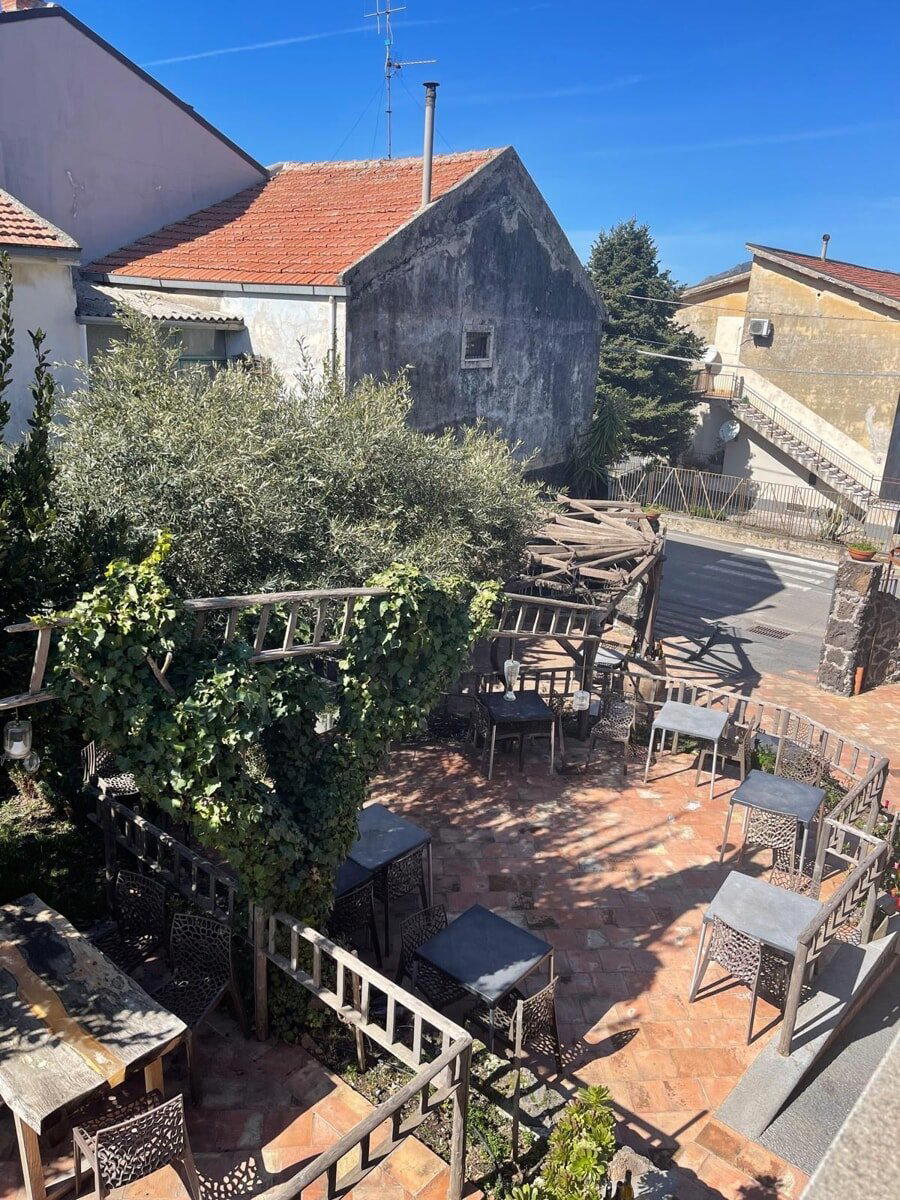
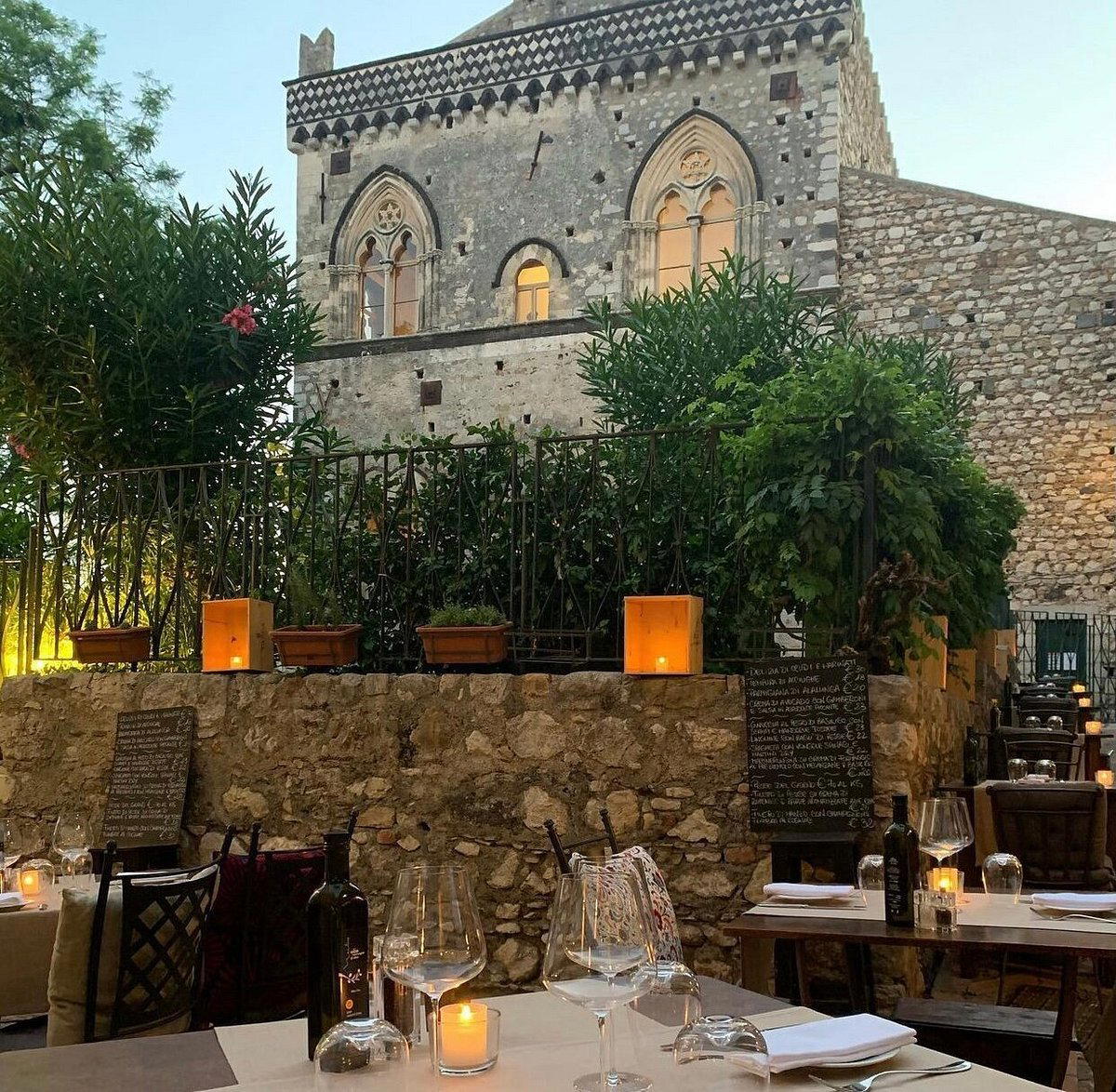
Restaurants in Zafferana Etnea
Browse all →
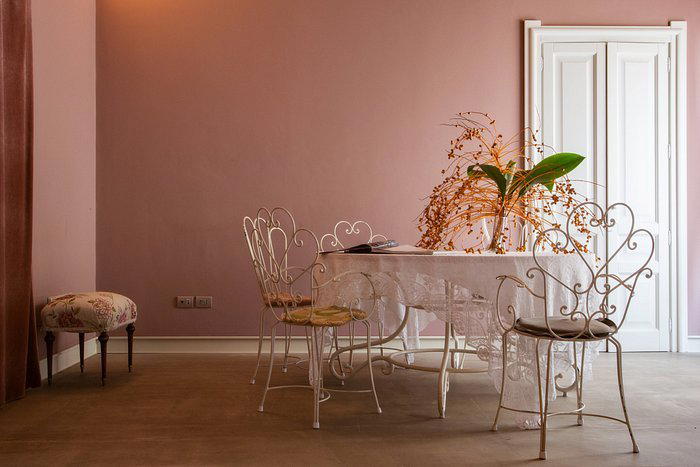
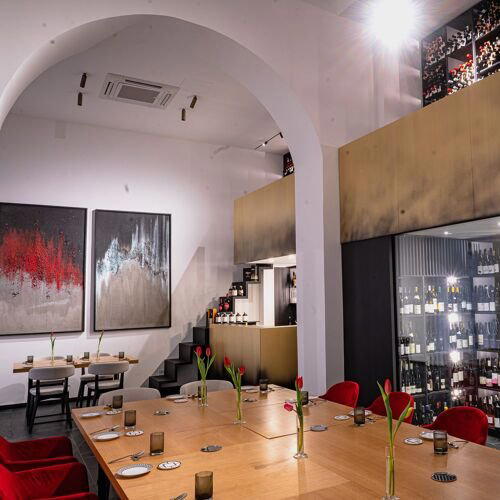
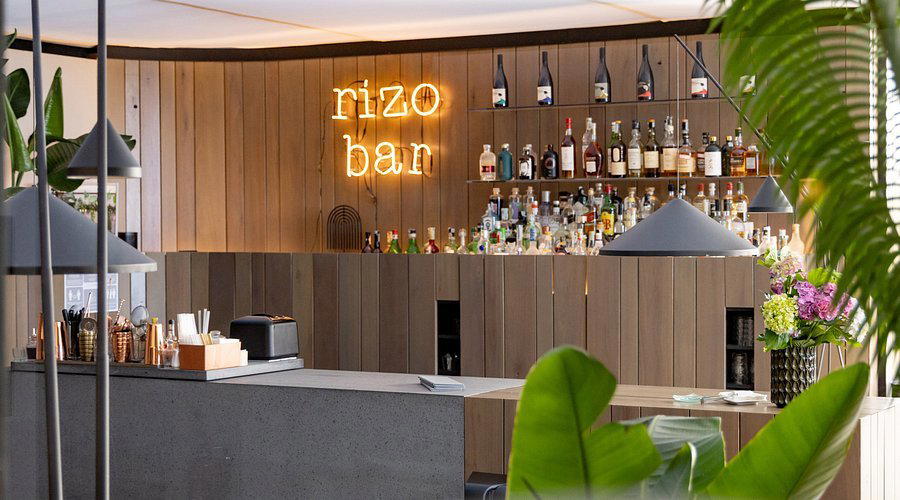
Bars in Zafferana Etnea
Browse all →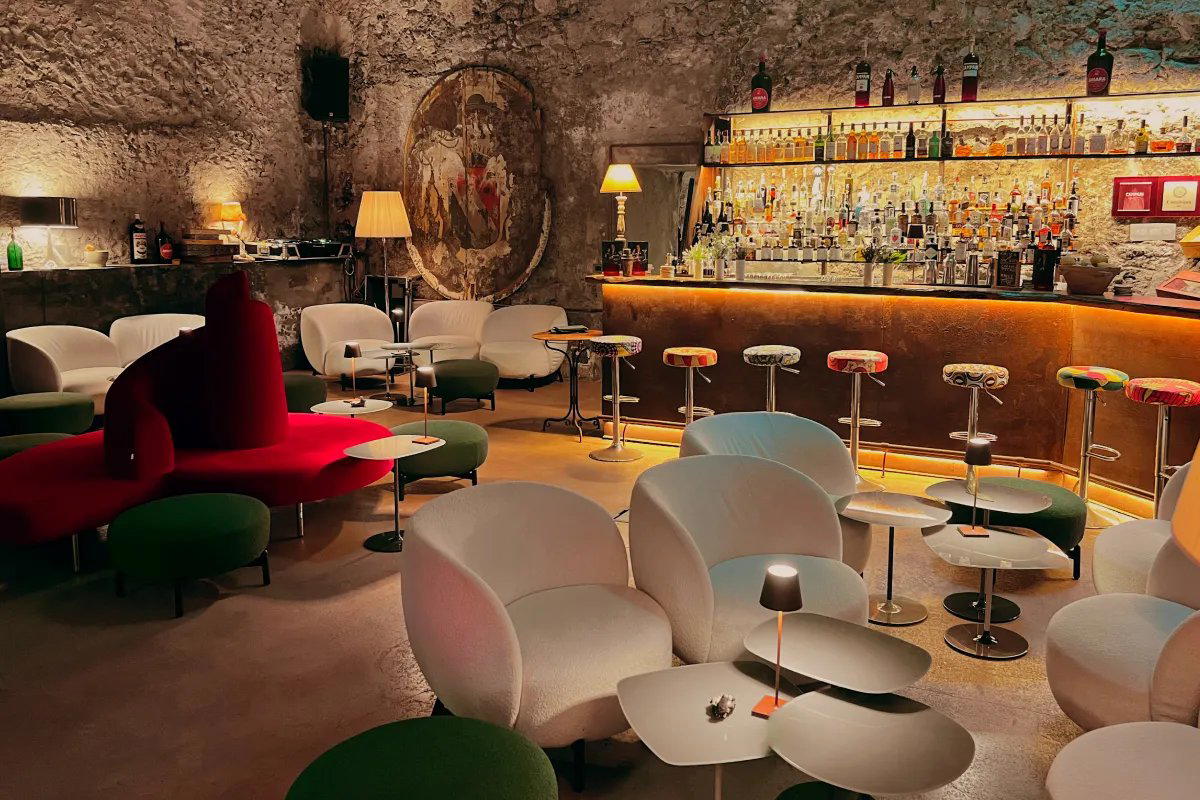
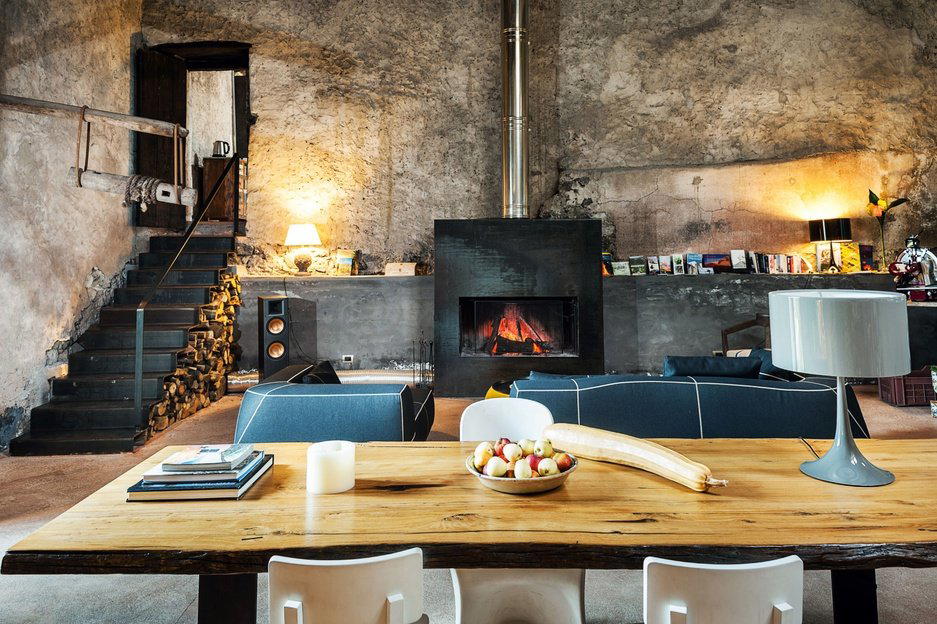
Hotels in Zafferana Etnea
Browse all →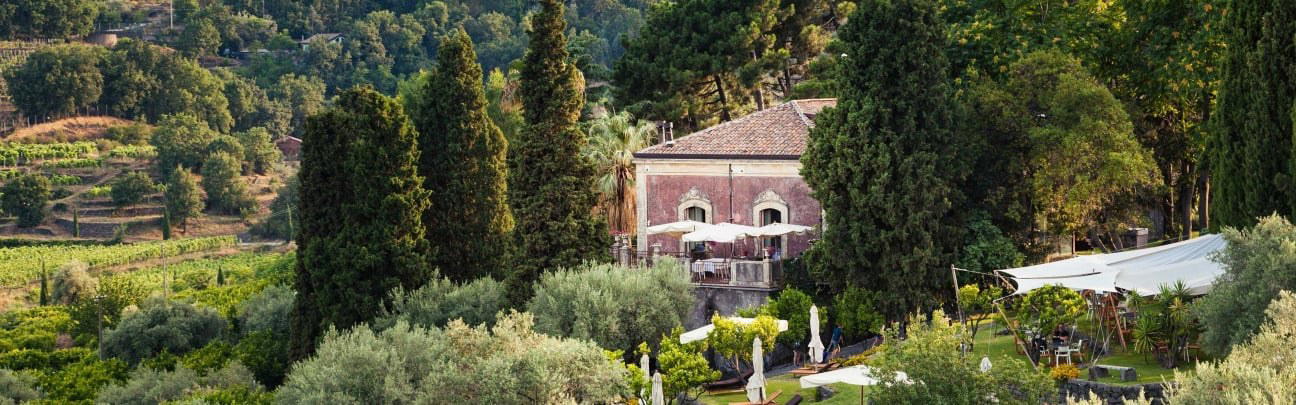

At a Glance
- Elegant
- Intimate
- Scenic
- Rustic
- Date Night
- Special Occasion
- Celebration
- Garden
- Open Kitchen
- Terrace
- Extensive Wine List
- Sommelier Led
- Local Sourcing
- Mountain
- Garden
Current opening hours
- Monday
- 8–11:30 PM
- Tuesday
- Closed
- Wednesday
- 8–11:30 PM
- Thursday
- 8–11:30 PM
- Friday
- 8–11:30 PM
- Saturday
- 12:30–3 PM, 8–11:30 PM
- Sunday
- 12:30–3 PM, 8–11:30 PM
Hours can change for holidays and private events. Last verified .
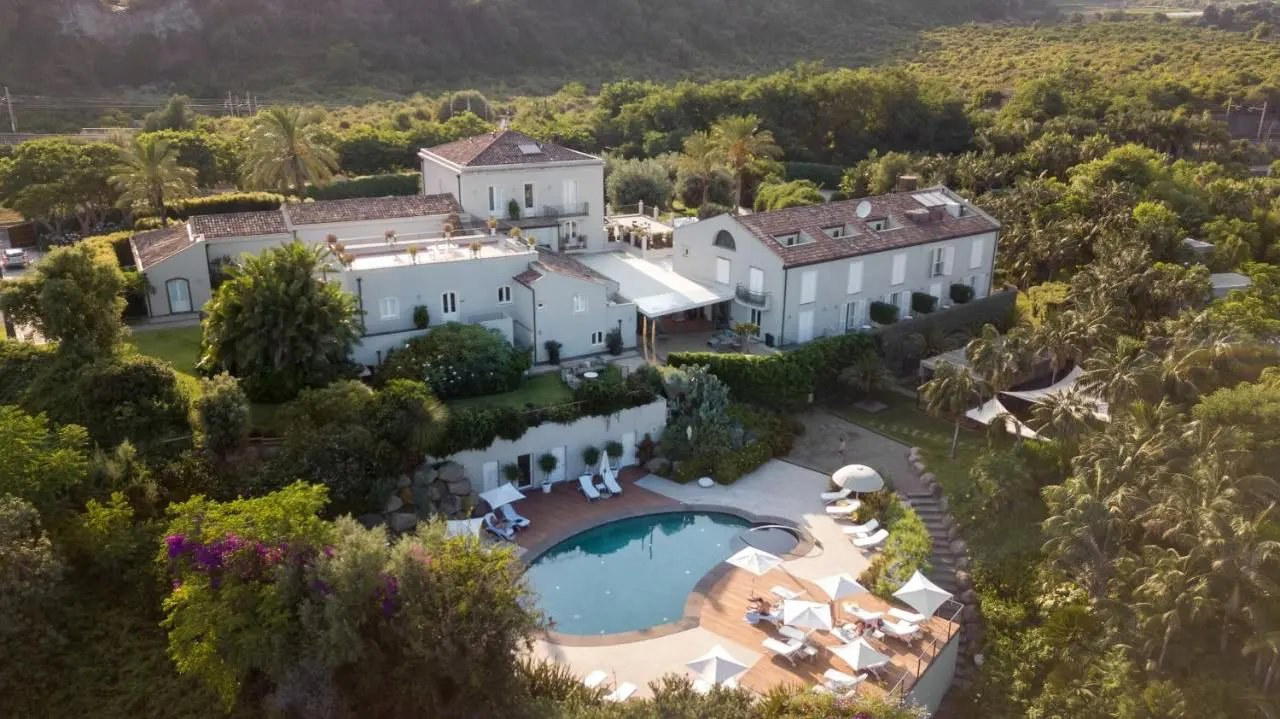
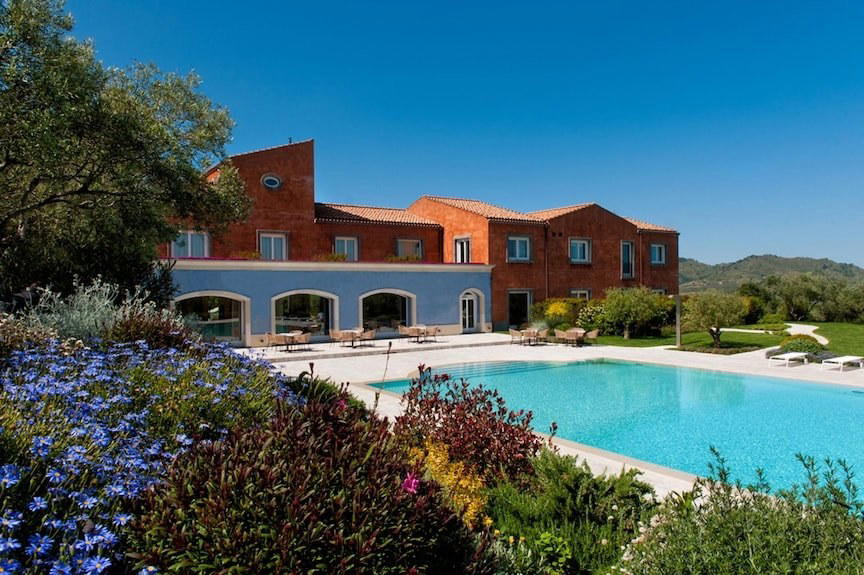
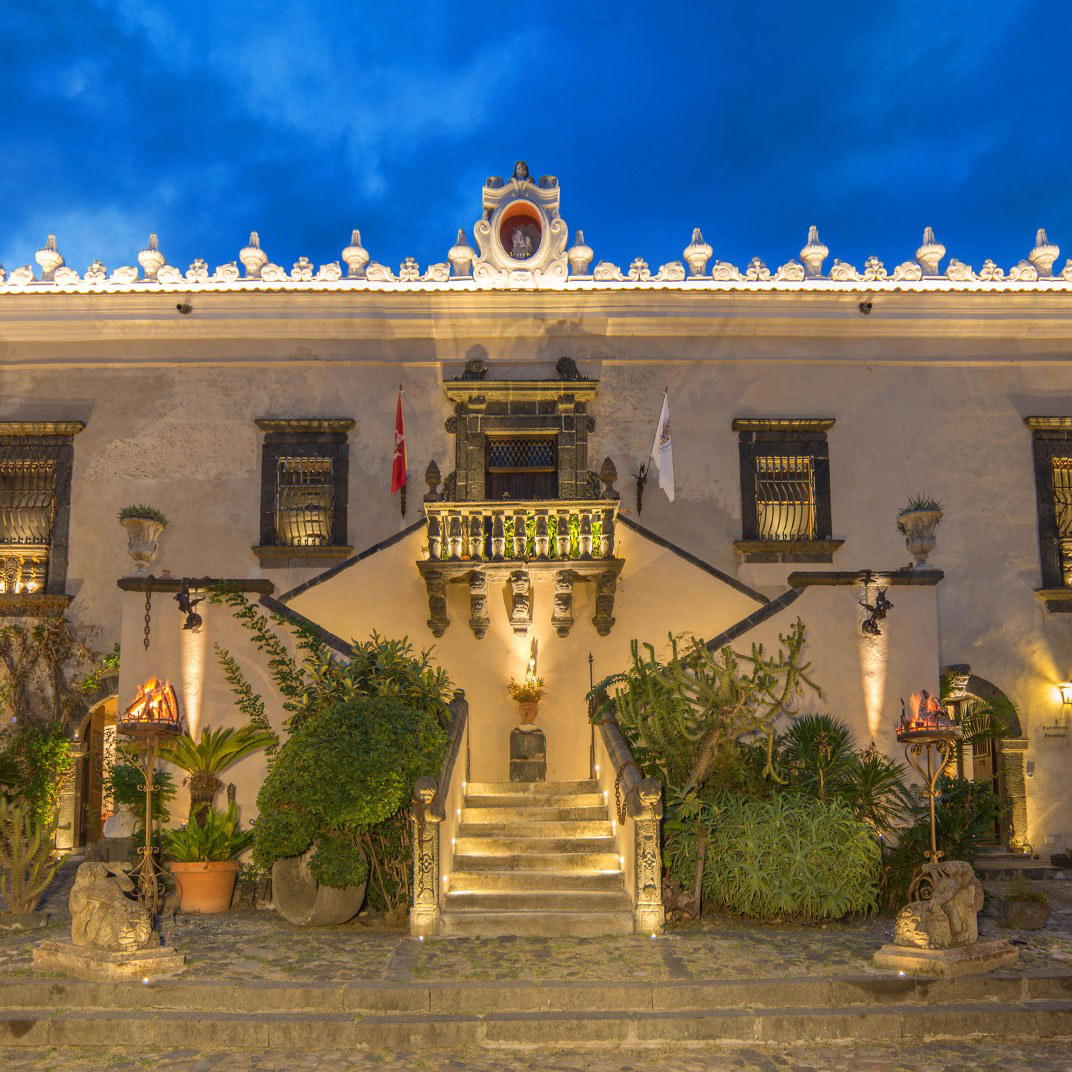
Warm, inviting, and elegant ambiance with beautiful indoor rooms and a distinctive garden setting offering dramatic Mount Etna views; not stuffy despite refined service.
Know Before You Go
- Getting there
- Via delle Ginestre, 1, 95019 Zafferana Etnea CT, Italy