Where the Food Comes From: The Campanian Frame
The name signals intention. Ischia is a volcanic island in the Bay of Naples, part of the Campanian archipelago, and its cuisine carries a distinct character within Southern Italian cooking: seafood caught close to shore, vegetables grown in volcanic soil with a minerality that flatland farming rarely replicates, and a general preference for simplicity of preparation over elaboration. The cuisine of Ischia is not the cuisine of Rome or Bologna. It sits closer to the fishing-village model, ingredients doing most of the work, technique present but not foregrounded.
In practical terms, sourcing that tradition in San Jose means working against geography. The Pacific coast offers excellent seafood, and California's Central Valley produces vegetables of genuine quality, but neither is Campanian in character. The more rigorous version of this approach, sourcing that actually chases the flavor logic of the source region, is rare even at heavily resourced kitchens. Blue Hill at Stone Barns in Tarrytown built an entire identity around the farm-to-table sourcing chain; at the opposite end of the ambition spectrum, Addison in San Diego works California's terroir into a fine-dining framework. Neighborhood Italian rarely has those resources, and is not trying to. What it can do is cook honestly within the spirit of the tradition, using good local produce, treating it simply, and not trying to dress it up as something more complicated than it is.
That spirit is the relevant test for a place like Locanda Ischia. Southern Italian cooking at its most competent is not about rarity of ingredient but about correctness of handling: pasta cooked to the right texture, seafood not overworked, sauces that do not mask what they are meant to support. The volcanic-island tradition leans into this further, Ischian cuisine is, if anything, more restrained than Neapolitan, with fewer concessions to the theatrical richness that defines some Southern Italian export cooking.
San Jose Italian in Context
San Jose's Italian dining scene is not well-mapped by national food media, which tends to concentrate on San Francisco or the Napa corridor when it writes about Northern California food.
The comparison set within the city is genuinely mixed. Adega operates at a different level entirely, a Michelin-starred Portuguese kitchen that has established San Jose's credibility on the national fine-dining map. Antipastos by DeRose works in adjacent Italian territory at a more casual register. Further afield in the city's dining mix, Alma de Amón and Back A Yard Caribbean Grill demonstrate how much range the South Bay dining scene contains once you look past the tech-campus cafeteria narrative. The restaurant is not in competition with any of these, but their presence establishes that diners in San Jose have enough genuine choice to apply real selection pressure on a neighborhood trattoria.
For broader Italian reference points with the ingredient-sourcing frame in mind: Le Bernardin in New York City and Providence in Los Angeles both demonstrate what rigorous sourcing looks like at the summit of the seafood-forward spectrum, a different tier, but useful as a way of calibrating what attention to provenance actually produces on the plate. Closer to the trattoria tradition, the test is simpler: does the food taste like it came from somewhere specific, or does it taste like the genre?
The Room and Who It Draws
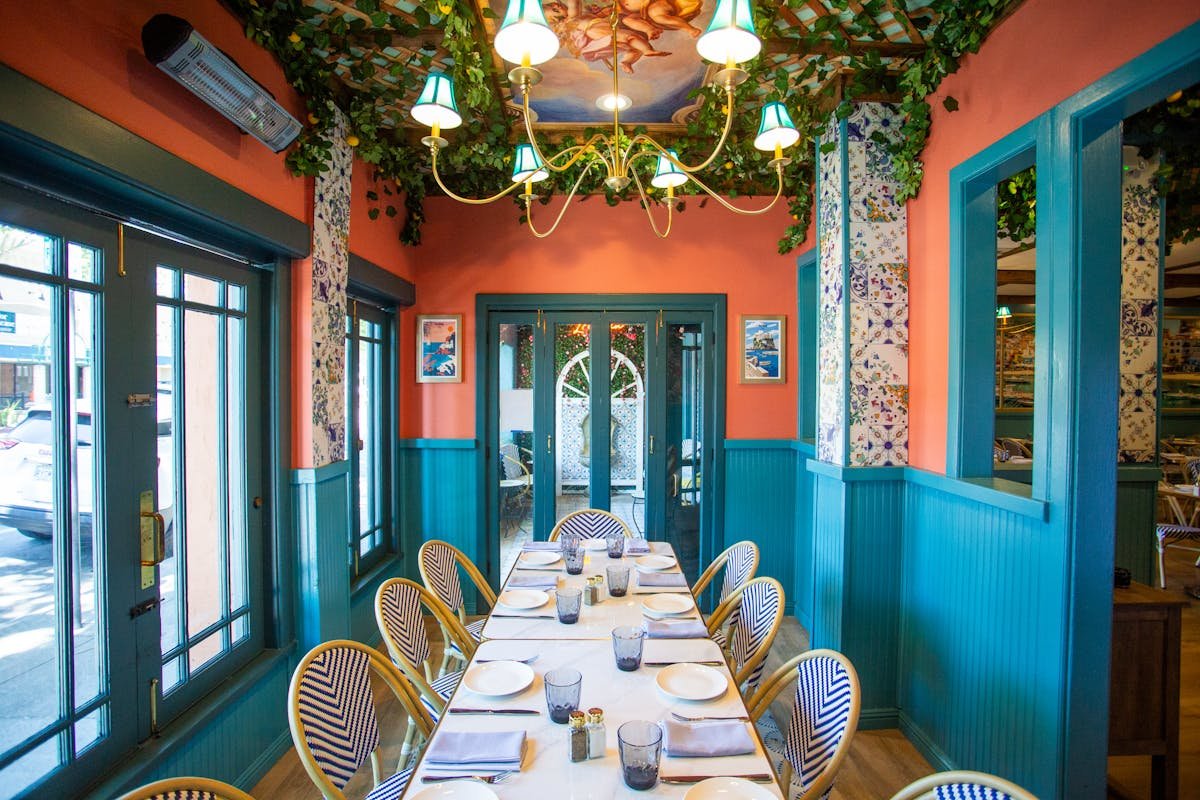
Willow Glen's demographic skews toward established families and long-term residents rather than the transient tech workforce that defines other San Jose neighborhoods. That affects the dining room character. A Willow Glen restaurant that has lasted draws repeat visitors who have opinions about consistency, not a rotating audience of expense-account dinners or first-time visitors checking a list. The social pressure on the kitchen is different, and, in some respects, higher. A regular who ate the same pasta twice in one month knows if it was made differently each time.
That context makes the restaurant a more interesting subject than its address might suggest to someone scanning the Bay Area food map from a distance. The Ischian identity, if it is maintained seriously, represents a commitment to a specific rather than a generic version of Southern Italian cooking. In a city with Augustine adding to the neighborhood dining fabric, the restaurant holds a position that is genuinely its own: a trattoria with a named regional identity in a neighborhood that rewards loyalty over novelty.