Local 186
Our verdict
On Commercial Street, Local 186 is one of Provincetown's working neighborhood spots where the sourcing story is written into the menu rather than marketed around it. Sitting at the edge of a town that pulls hard from Cape Cod Bay, the kitchen operates inside a culinary tradition where proximity to the water is a structural advantage, not a selling point. A reliable address for seafood-forward cooking in a town with strong competition at every price tier.

Pearl is the En Primeur Club membership app — saves, bookings, and concierge access live there. Same editors, same standards.
- Address
- 186 Commercial St, Provincetown, MA 02657
- Phone
- (508) 487-7555
- Hours
- Mon–Wed 4–9 PMThu–Sun 11:30 AM–9 PM
- Website
- local186.com
- Directions
- Get directions
The menu
What to order
- Lobster Sliders
- The Dog
- Blue Cheese and Bacon Jam Burger
- El Guaco
Commercial Street in Provincetown does not ease you in gently. The strip runs the full length of a narrow peninsula town, compressed between the harbor on one side and a dense grid of clapboard buildings on the other, and by mid-summer it carries the full weight of a tourist season that the town has been running since the early twentieth century. Against that backdrop, the spots that sustain a local reputation tend to do so through consistency rather than spectacle. Local 186, at number 186 on that same commercial corridor, sits in that quieter register.
Sourcing in a Town Built on the Water
The ingredient conversation in Provincetown is shorter than almost anywhere else in New England because the supply chain is, in several cases, almost absurdly direct. Cape Cod Bay fishing still operates out of the town's own pier, and the broader network of Cape and South Shore suppliers means that the gap between catch and plate can be measured in hours rather than days. This is the structural advantage that shapes dining here across every price point, from the paper-plate fish shacks to the more considered kitchens. Kitchens that work within that geography, rather than importing away from it, tend to produce food with a sharper sense of place than operations applying the same sourcing logic in cities like Boston or Providence, where the distance adds logistics and cost.
American fine-dining venues that have built reputations on exactly this kind of provenance-driven cooking, places like Single Thread Farm in Healdsburg or Blue Hill at Stone Barns in Tarrytown, tend to operate at the upper end of national price tiers partly because they have invested heavily in the infrastructure that creates that proximity. In a town like Provincetown, that proximity is simply geographic. The question for individual kitchens is whether they use it deliberately.
The Commercial Street Context
Provincetown's restaurant tier is more compressed than visitors often expect. The town is small enough that a kitchen's standing in the local conversation matters more than formal accolades, and the comparison set shifts dramatically by season. In summer, the population swells to multiples of its winter figure, and the strip supports a range of formats that would not be viable year-round. By contrast, fall and shoulder season reveal which addresses are running serious operations with staying power and which were built primarily for tourist throughput.
Local 186 occupies a mid-Commercial Street position that places it in natural conversation with neighbors like The Canteen and further along the strip toward the more established The Lobster Pot. The Lobster Pot in particular carries the weight of a decades-long local institution; in any town, that kind of tenure sets a reference point for what longevity looks like. Venues at Local 186's tier position themselves not against that legacy but alongside a different kind of value proposition: the kind of everyday-serious kitchen that a working neighborhood produces and sustains.
What the Sourcing Frame Implies
The ingredient-sourcing argument for Cape Cod dining is not primarily about luxury. It is about compression of supply chains in a region where the raw materials, particularly shellfish, groundfish, and cold-water bivalves, are among the most consistent in the Northeast. The waters off Provincetown support quahogs, oysters, striped bass, bluefish, and a seasonal run of tuna, and the leading kitchens in town treat this as a calendar, not as a fixed menu. What arrives on the plate shifts with what the boats are bringing in, which means a mid-July menu looks materially different from a September one.
This is a different operating logic from the tasting-menu model that dominates nationally recognized venues. Le Bernardin in New York City, with its rigorous French seafood framework, controls sourcing through chef-level relationships and long-term supplier agreements. Alinea in Chicago and Lazy Bear in San Francisco build around systems of their own construction. A small-town Cape Cod kitchen's version of sourcing integrity looks nothing like those models institutionally, but it operates on the same underlying principle: the food should know where it came from.
Planning a Visit
Provincetown's dining season runs most intensively from Memorial Day through Labor Day, with a secondary pulse in October during Wellfleet OysterFest weekend, when the broader Cape food culture becomes a specific draw. Visitors planning around food should note that many addresses, including spots along Commercial Street, adjust hours and staffing significantly outside peak season. Arriving in shoulder season, particularly September, often means shorter waits, steadier kitchen focus, and a menu that reflects the transition between summer and fall catches. For context on how Local 186 sits within the full range of options in town, the full Provincetown restaurants guide maps the category by neighborhood and format.
Those coming to Provincetown as part of a broader New England or East Coast itinerary might benchmark the experience against other regionally driven American kitchens: The Inn at Little Washington represents the white-tablecloth end of sourcing-led American cooking, while Bacchanalia in Atlanta and Causa in Washington, D.C. illustrate how regional ingredient identities translate into distinct dining formats. Brutø in Denver, Providence in Los Angeles, The French Laundry in Napa, Emeril's in New Orleans, Addison in San Diego, and Atomix in New York City each demonstrate how ingredient sourcing at different scales and price points shapes the character of a kitchen. Even internationally, venues like 8 1/2 Otto e Mezzo Bombana in Hong Kong show that a defined culinary geography, in that case Italian, can anchor a kitchen far from its source. Local 186's proposition is a much more literal version of that same logic.
Frequently asked questions
Where do I go for Local 186?
Local 186 is located at 186 Commercial St, Provincetown, MA 02657, Provincetown.
Where exactly is Local 186 located in Provincetown, and is it walkable from the town center?
Local 186 is at 186 Commercial Street, Provincetown's primary thoroughfare, which runs the length of the town parallel to the harbor. Commercial Street is pedestrian-friendly and central enough that most accommodations in Provincetown place it within a short walk. No car is needed to reach it from the town's core.
What dish is Local 186 famous for?
What the Commercial Street location context does suggest is a kitchen oriented around Cape Cod's compressed supply chain, where the distance between water and plate is shorter than almost anywhere else in New England. Check directly with the restaurant at 186 Commercial St for current menu information.
Is Local 186 reservation-only?
Provincetown's dining season peaks hard between Memorial Day and Labor Day, and walk-in availability on Commercial Street narrows considerably during that window. Contacting the venue directly ahead of a summer visit is the practical move.
What makes Local 186 worth seeking out?
Local 186 sits at 186 Commercial St in Provincetown, a town where the restaurant tier is more compressed than visitors typically expect and where proximity to Cape Cod's fishing grounds makes the sourcing argument unusually short. The town is small enough that a kitchen's standing in the local conversation reflects quickly in repeat traffic. That context rewards kitchens that take the supply chain seriously.
A Quick Peer Check
| Venue | Cuisine | Price | Awards | Notes |
|---|---|---|---|---|
| Local 186This venue — the venue you are viewing | Gourmet Burgers with Local Sourcing | $20–30 | Not listed | Not listed |
| Le Bernardin | French Seafood Fine Dining | $300–500 | 3 Michelin Stars · World's 50 Best #13 | French, Seafood |
| Atomix | Modern Korean Tasting Menu | $300–500 | 2 Michelin Stars · World's 50 Best #7 | Modern Korean, Korean |
| Lazy Bear | Modern American Tasting Menu | Not listed | 2 Michelin Stars · World's 50 Best #25 | Progressive American, Contemporary |
| Alinea | Avant-Garde Molecular Gastronomy | $300–500 | 2 Michelin Stars · World's 50 Best #37 | Progressive American, Creative |
| Atelier Crenn | Contemporary French Fine Dining | $300–500 | 3 Michelin Stars · World's 50 Best #44 | Modern French, Contemporary |
Continue exploring
More in Provincetown
Restaurants in Provincetown
Browse all →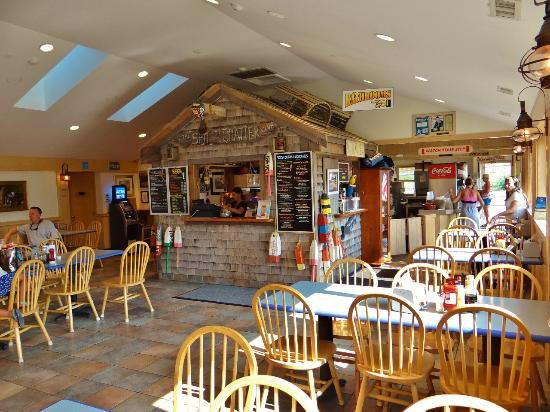
Bars in Provincetown
Browse all →


Details
- Lively
- Casual
- Scenic
- Casual Hangout
- Group Dining
- Date Night
- Terrace
- Standalone
- Craft Cocktails
- Beer Program
- Extensive Wine List
- Local Sourcing
- Farm To Table
- Street Scene
- A La Carte
- Craft Cocktails
- Beer
- Wine
- Vegetarian Friendly
- Vegan Options
- Gluten Free Options
- Allergy Accommodating
Current opening hours
- Monday
- 4–9 PM
- Tuesday
- 4–9 PM
- Wednesday
- 4–9 PM
- Thursday
- 11:30 AM–9 PM
- Friday
- 11:30 AM–9 PM
- Saturday
- 11:30 AM–9 PM
- Sunday
- 11:30 AM–9 PM
Hours can change for holidays and private events. Last verified .
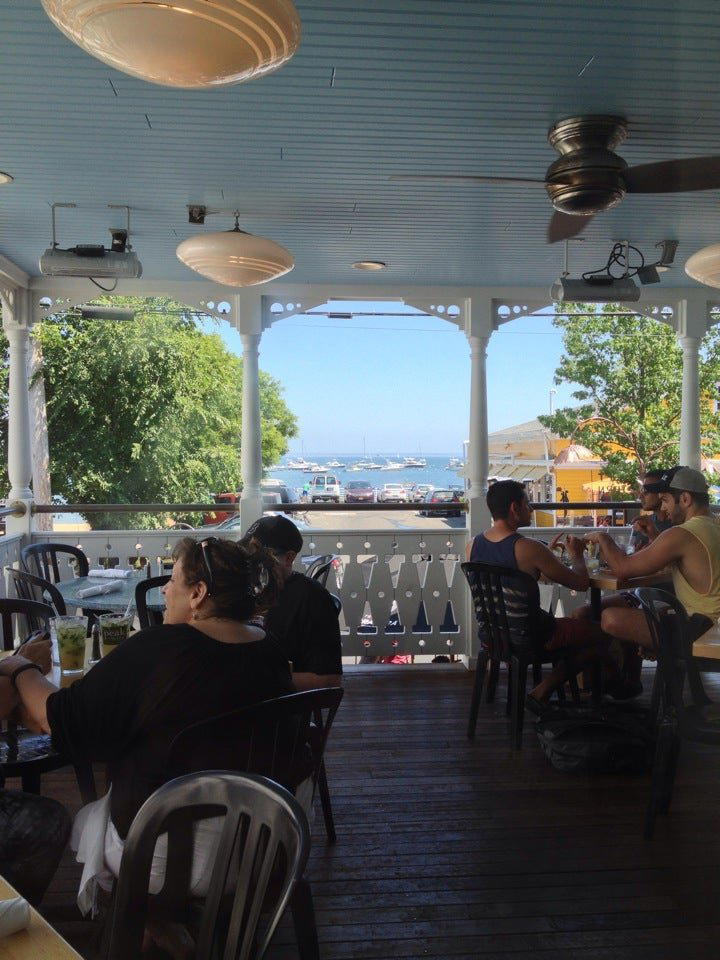
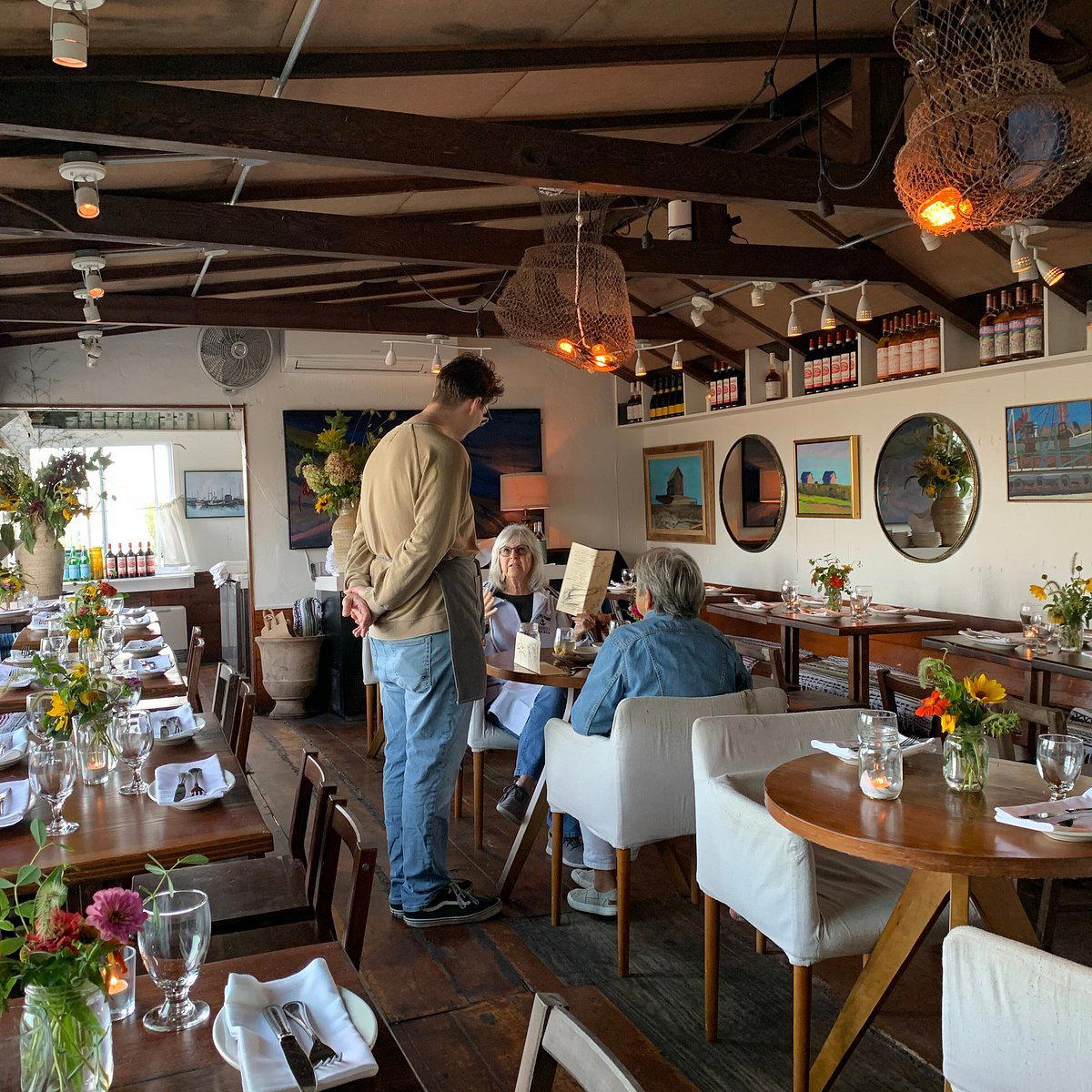
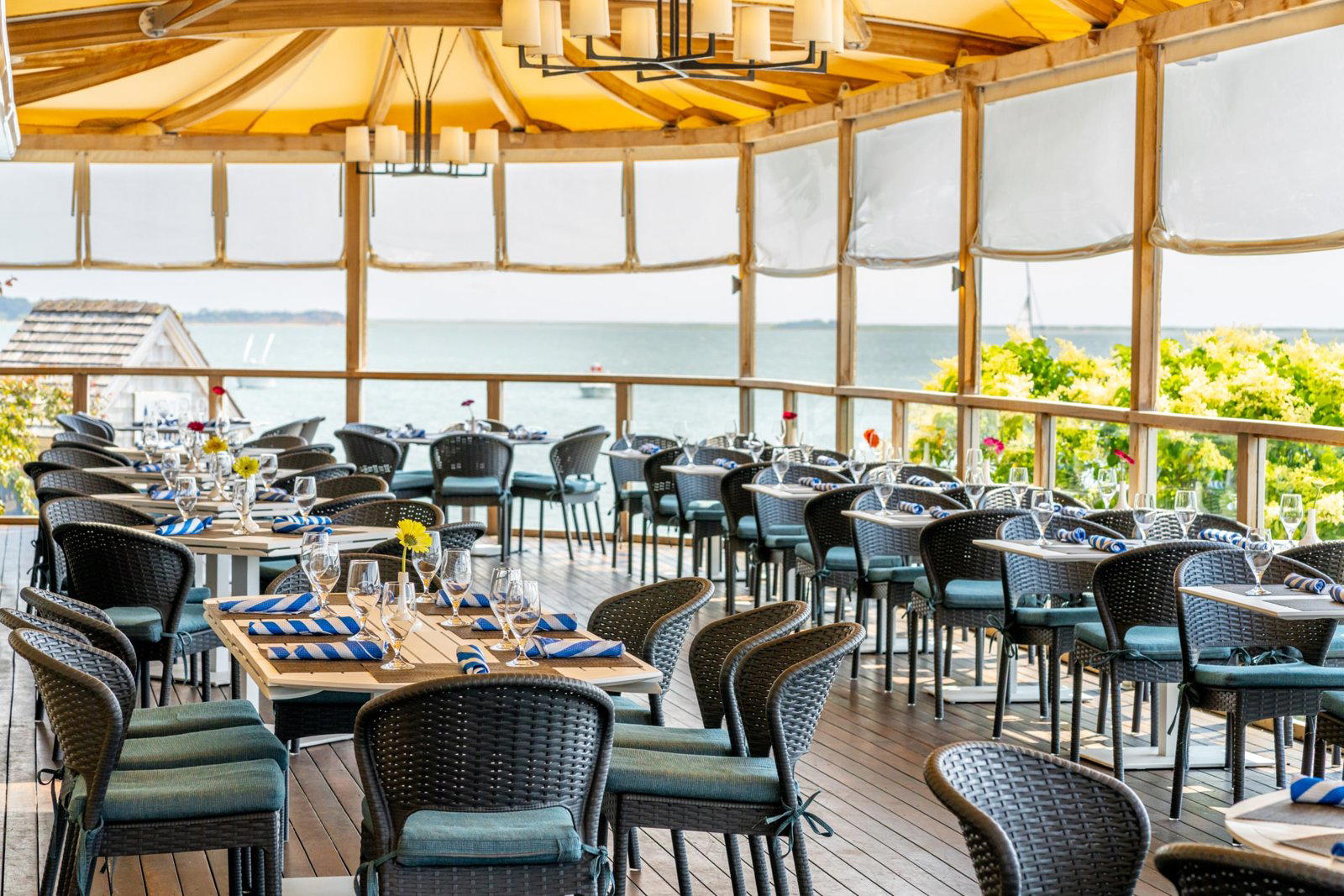
Casual and lively with a small bar inside featuring AC, outdoor porch seating ideal for people-watching, and a festive atmosphere.