The Lobster Pot
Our verdict
A Commercial Street fixture in Provincetown, The Lobster Pot sits where Cape Cod's working waterfront tradition meets the town's reputation for serious seafood. The address alone — steps from the harbour — tells you something about the sourcing logic at work here. For visitors working through Provincetown's dining options, it anchors the straightforward end of a scene that runs from casual fish shacks to reservation-only tasting menus.

Pearl is the En Primeur Club membership app — saves, bookings, and concierge access live there. Same editors, same standards.
- Address
- 321 Commercial St, Provincetown, MA 02657, United States
- Phone
- (508) 487-0842
- Hours
- Daily 11:30 am–9 pm
- Website
- ptownlobsterpot.com
- Directions
- Get directions
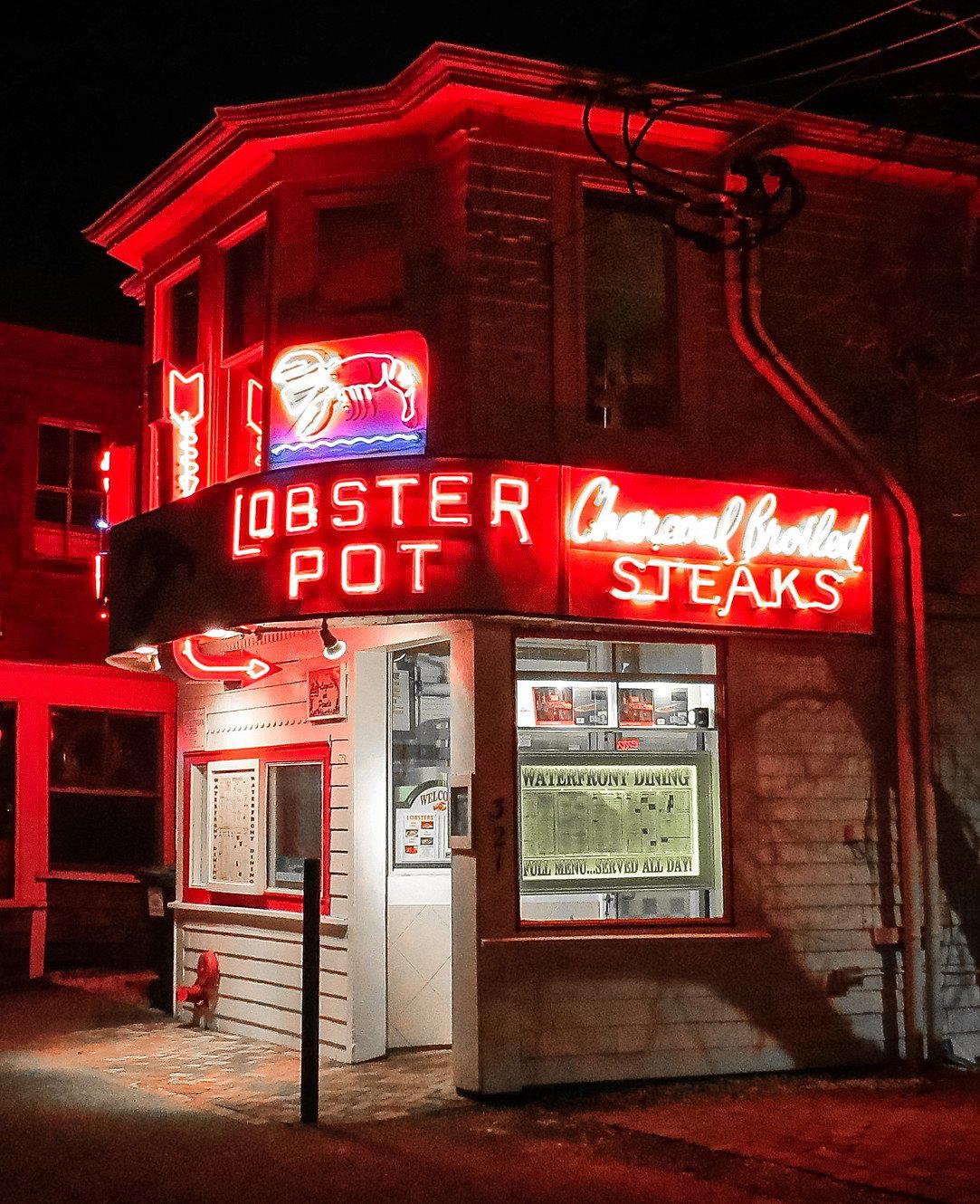
The menu
What to order
- Award-winning Clam Chowder
- Lobster Bisque
- New England Clambake
- Clambake with Pan-Roasted Lobster
Where the Harbour Ends and the Kitchen Begins
Commercial Street in Provincetown runs the full length of a narrow peninsula where the Atlantic sets the terms for everything, including what ends up on the plate. At 321 Commercial St, The Lobster Pot occupies a position that reflects how Provincetown has always organised its relationship with the sea: the fishing boats work the same waters that supply the restaurants, and the distance between catch and kitchen is measured in minutes rather than supply-chain links. That proximity is the central fact of eating well on Cape Cod's outer tip, and it is the lens through which any honest assessment of The Lobster Pot has to begin.
Provincetown's dining character splits roughly into two registers. One cohort chases the destination-dining visitor with tasting menus and curated wine lists — the kind of format you find at higher-investment operations across the Northeast. The other register, older and more rooted in the town's Portuguese fishing heritage, keeps its attention on the water in front of it: lobster, clams, chowder, and whatever the day's haul allows. The Lobster Pot belongs to the second register, and that positioning is a deliberate statement about what coastal New England cooking, at its most direct, actually is.
The Sourcing Logic Behind Cape Cod Seafood
Understanding what makes Cape Cod seafood worth tracking requires some context about the geography. The waters off Provincetown, particularly around Stellwagen Bank, have been commercially fished for centuries. The cold, nutrient-rich currents produce shellfish and groundfish with a flavour profile that chefs at destination restaurants elsewhere spend considerable effort trying to replicate. Operations like Le Bernardin in New York City and Providence in Los Angeles build reputations around sourcing from exactly this kind of origin point. The difference at a place like The Lobster Pot is that the origin point is also the location — the sourcing story collapses into the address.
Lobster, the category that defines the restaurant's identity, is caught in traps set throughout Cape Cod Bay and the Gulf of Maine. Hard-shell versus soft-shell lobster matters seasonally: hard-shell, available through winter and spring, carries more meat and holds up better to high-heat preparation; soft-shell, which appears after the summer molt, is sweeter but more fragile. A kitchen paying attention to these distinctions is a kitchen that understands its primary ingredient at a biological rather than merely commercial level. That kind of attention separates a seafood restaurant from a seafood-themed restaurant.
New England clam chowder, another marker of how seriously a Cape Cod kitchen takes its sourcing, depends almost entirely on the quality of quahog clams. The difference between chowder made with fresh, local clams and one built on frozen, industrial product is not subtle. Provincetown's access to the Wellfleet shellfishing beds, among the most closely managed in Massachusetts, gives kitchens on the outer Cape an ingredient advantage that inland kitchens cannot replicate regardless of budget. Contrast this with the farm-to-table sourcing architectures built by operations like Blue Hill at Stone Barns in Tarrytown or Single Thread Farm in Healdsburg, where the sourcing narrative is constructed deliberately and at great expense. On the outer Cape, the same logic applies but the infrastructure is simply the coastline.
Reading the Provincetown Dining Scene
Provincetown draws a visitor profile that skews toward food-literate, experience-seeking travellers, a function of the town's long history as an arts colony and LGBTQ destination that rewards unconventional thinking. That visitor base has, over decades, created pressure on the local dining scene to perform at a higher level than comparable small coastal towns. The result is a dining ecosystem that punches above its population size, with options ranging from the casual to the considered.
Local 186 and The Canteen represent adjacent points in the local scene, each addressing a different moment in the visitor's day and a different appetite for formality. The Lobster Pot sits closer to the anchor end of the spectrum, the kind of place that grounds a multi-day itinerary rather than being its centrepiece. Our full Provincetown restaurants guide maps these distinctions across the broader scene.
Seasonality shapes everything in Provincetown. The town's year-round population is a fraction of its summer capacity, and the restaurant calendar reflects that compression: peak season runs from Memorial Day through Columbus Day, with the shoulder months of May and October offering shorter menus and reduced hours but also considerably thinner crowds. Booking ahead during July and August is not a preference but a practical requirement for any table worth having on Commercial Street.
Placing The Lobster Pot in a National Conversation
It is worth being precise about what The Lobster Pot is and is not. It is not competing with the tasting-menu circuit, the French Laundry in Napa, Smyth in Chicago, or Atomix in New York City operate in a different category of ambition, investment, and price point. It is also not the same proposition as regional American institutions like Emeril's in New Orleans or the precise farm-sourcing frameworks of Addison in San Diego or Frasca Food & Wine in Boulder.
What it does share with places like Lazy Bear in San Francisco or The Wolf's Tailor in Denver is a commitment to a specific regional identity, one that does not apologise for being exactly what it is in the place it is. That clarity of identity, in a dining culture prone to drift and concept fatigue, is its own form of integrity. The comparison to ITAMAE in Miami or The Inn at Little Washington or Atelier Moessmer Norbert Niederkofler in Brunico is instructive not because they are similar operations, but because all of them anchor their identity to place and ingredient rather than trend.
Planning Your Visit
The address at 321 Commercial Street puts The Lobster Pot within walking distance of the town's main pier and the bulk of Provincetown's accommodation. Commercial Street is pedestrian-heavy in summer, and arriving on foot or by bicycle is often more practical than attempting to park. For visitors arriving from Boston, the fast ferry from Long Wharf takes approximately 90 minutes and deposits passengers near the centre of town, making a car unnecessary for the duration of a stay focused on the town itself.
Frequently asked questions
Is The Lobster Pot okay with children?
The Lobster Pot at 321 Commercial Street fits the casual, harbour-adjacent register that makes Cape Cod seafood houses accessible for families. The format is relaxed rather than ceremonial, which removes most of the friction that makes fine-dining rooms difficult with younger guests. It ranks among the more practical family options along Commercial Street.
What should I expect atmosphere-wise at The Lobster Pot?
The setting on Commercial Street places the restaurant directly within Provincetown's pedestrian waterfront corridor, where the tone runs casual and the pace follows the harbour rather than a tasting-menu clock. Expect the kind of room where the focus is on what's in the pot, not the tablecloth. Provincetown draws a food-literate crowd, so the casualness is chosen rather than incidental.
How does The Lobster Pot fit into Provincetown's broader dining options on Commercial Street?
The Lobster Pot occupies the seafood-house tier of Provincetown dining rather than the tasting-menu circuit, which puts it alongside the town's other harbour-focused kitchens rather than in competition with destination restaurants elsewhere on the Cape. Commercial Street concentrates most of Provincetown's dining within walking distance of the main pier, and 321 Commercial Street sits within that core stretch. For visitors whose priority is Cape Cod lobster in a setting tied to the working harbour, the address is well-positioned.
What do people recommend at The Lobster Pot?
The name gives the clearest signal: lobster is the kitchen's core reference point, prepared in the range of styles typical of Cape Cod seafood houses. New England clam chowder appears consistently in what visitors order first. The sourcing context matters here — Provincetown sits at the tip of a peninsula where local boat access to Atlantic waters shapes what arrives in the kitchen.
How do I find The Lobster Pot?
The Lobster Pot is located at 321 Commercial St, Provincetown, MA 02657, Provincetown.
How It Stacks Up
Comparable venues nearby, for context on price, style, and recognition.
| Venue | Cuisine | Price | Notes |
|---|---|---|---|
| The Lobster PotThis venue — the venue you are viewing | New England Seafood & Clambake | $30–50 | Not listed |
| The Canteen | New England Seafood Shack | $20–30 | Downtown Provincetown |
| Local 186 | Gourmet Burgers with Local Sourcing | $20–30 | West End |
| Provincetown Arts Society | Dining | Not listed | Provincetown |
Continue exploring
More in Provincetown
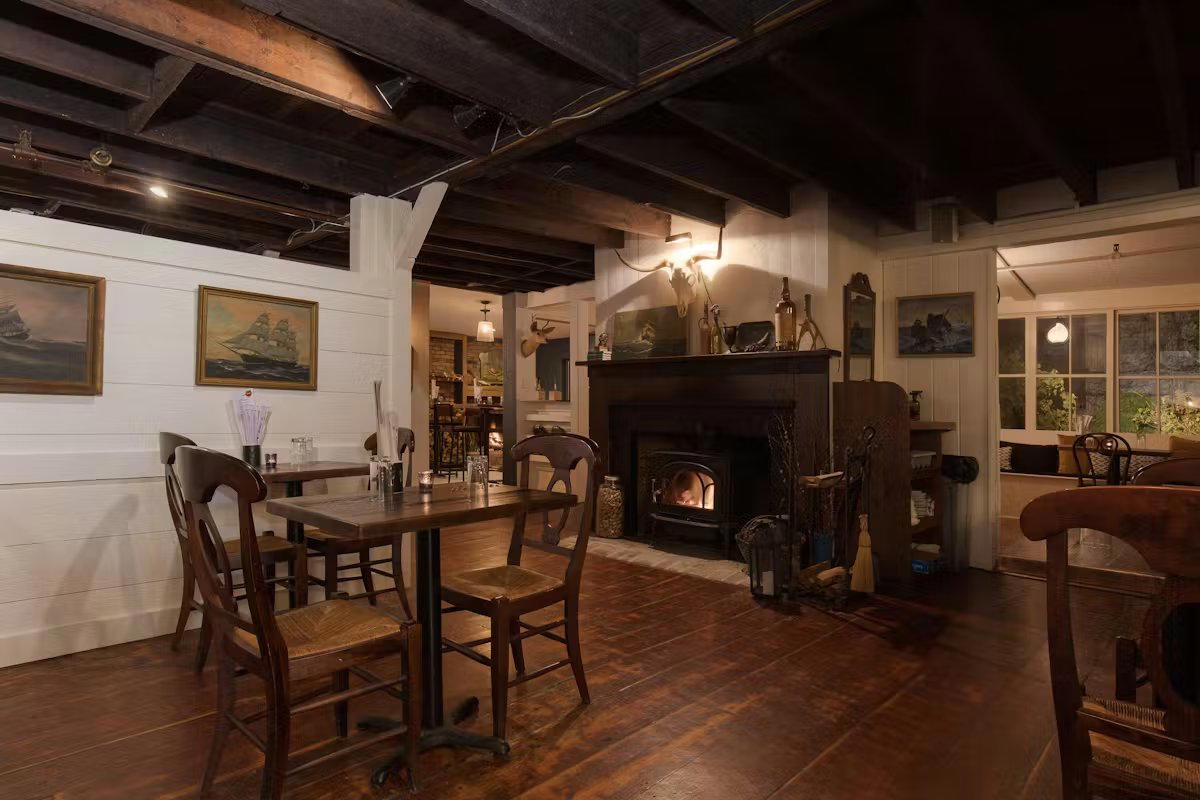
Restaurants in Provincetown
Browse all →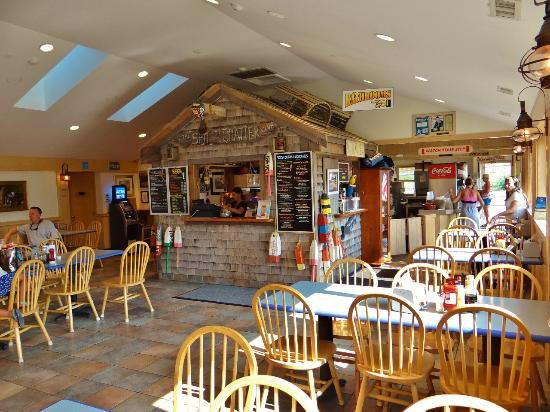
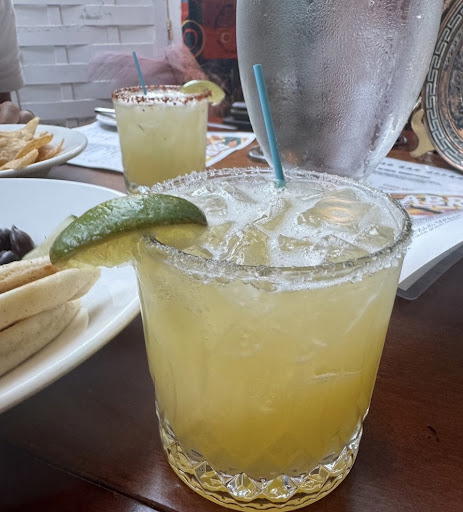
Bars in Provincetown
Browse all →



Details
- Well Known
- Classic
- Lively
- Scenic
- Casual Hangout
- Group Dining
- Family
- Celebration
- Waterfront
- Standalone
- Craft Cocktails
- Beer Program
- Local Sourcing
- Sustainable Seafood
- Waterfront
- A La Carte
- Family Style
- Bloody Marys
- Signature Cocktails
- Vegetarian Friendly
- Gluten Free Options
- Pescatarian Friendly
Current opening hours
- Monday
- 11:30 am–9 pm
- Tuesday
- 11:30 am–9 pm
- Wednesday
- 11:30 am–9 pm
- Thursday
- 11:30 am–9 pm
- Friday
- 11:30 am–9 pm
- Saturday
- 11:30 am–9 pm
- Sunday
- 11:30 am–9 pm
Hours can change for holidays and private events. Last verified .
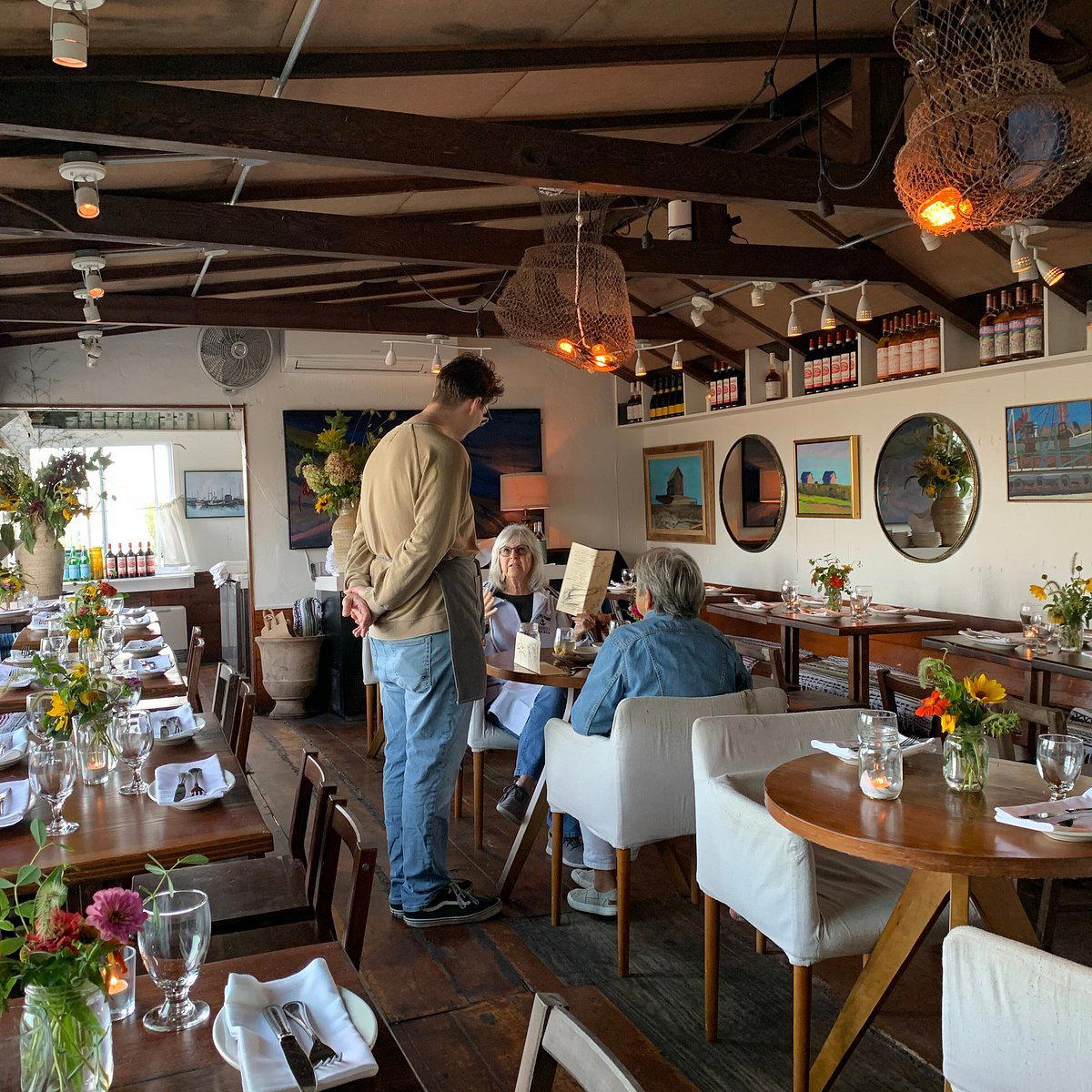
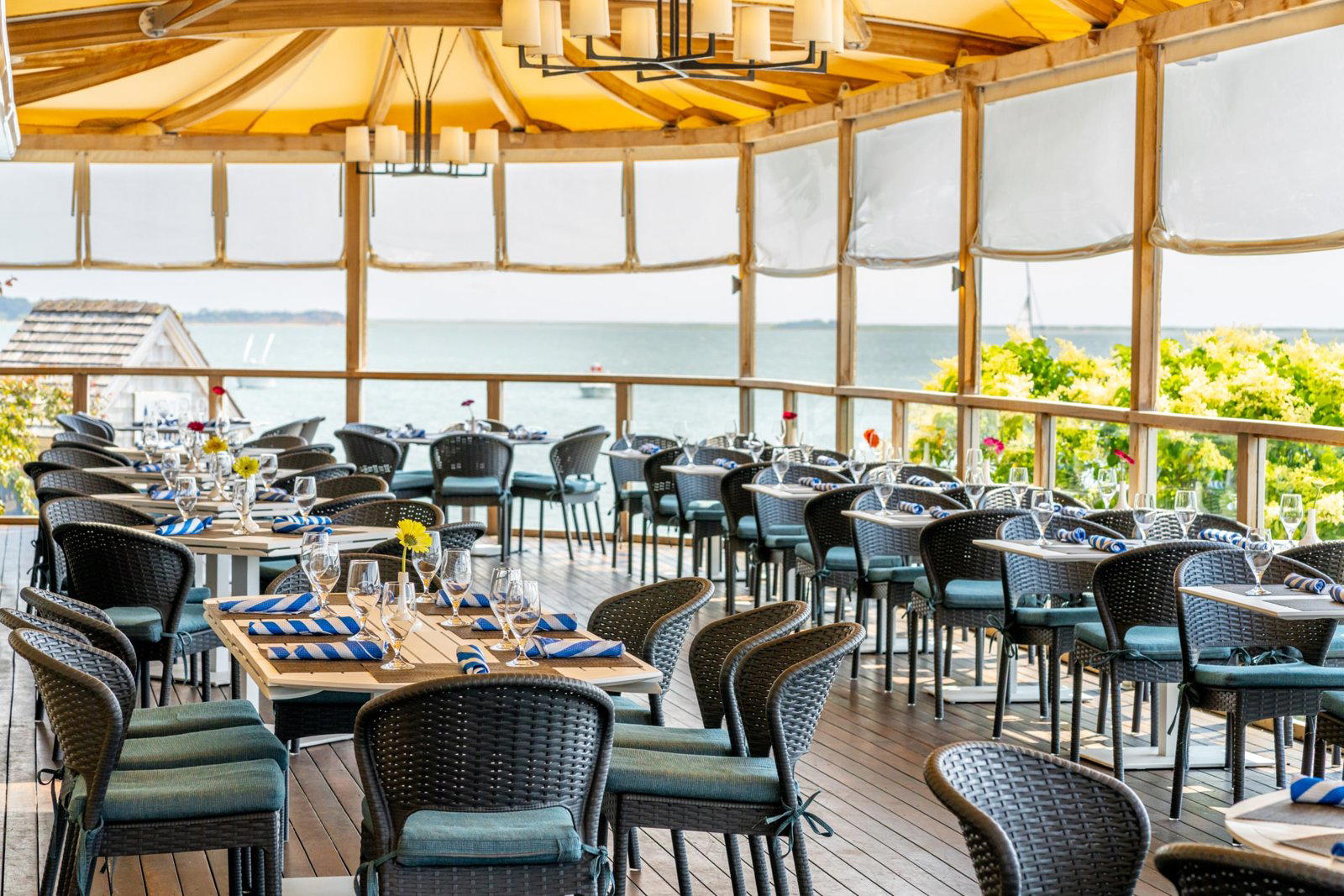
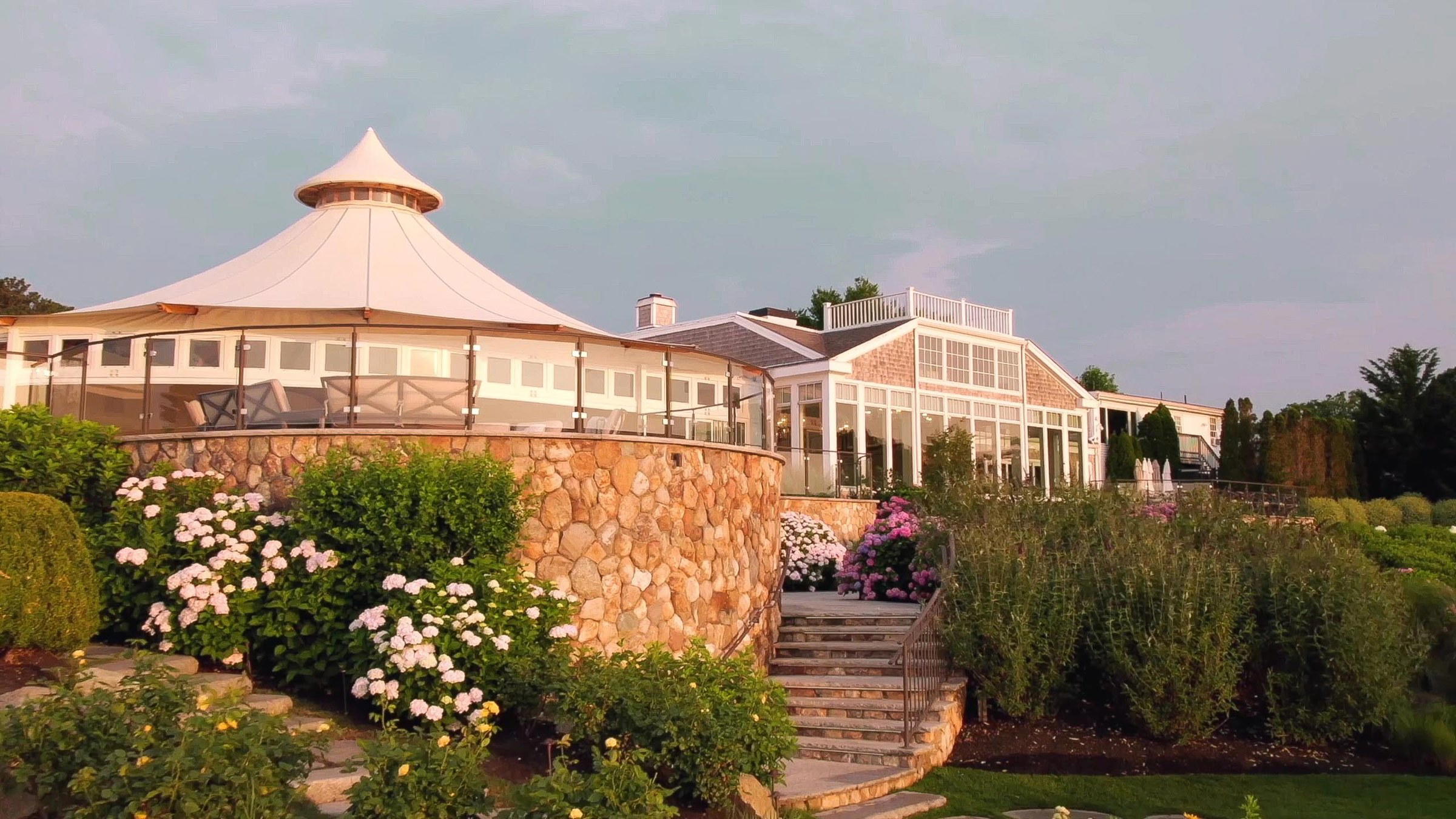
Bright, bustling harbor-facing dining rooms with glowing red neon signage and energetic summer crowds; classic Cape Cod casual atmosphere.