Salt House Inn


Michelin Selected · Mr & Mrs Smith Seal of Approval
Salt House Inn occupies a restored historic property at 6 Conwell St in Provincetown, Massachusetts, placing it within one of the Cape's most architecturally layered inn districts. The property sits in a town where design-led boutique accommodation has largely displaced motel-era lodging, making physical character and spatial quality the primary differentiator between properties at this end of the market.

Pearl is the En Primeur Club membership app — saves, bookings, and concierge access live there. Same editors, same standards.
- Address
- 6 Conwell St, Provincetown, MA 02657
- Phone
- (508) 487-1911
- Website
- salthouseinn.com
- Directions
- Get directions
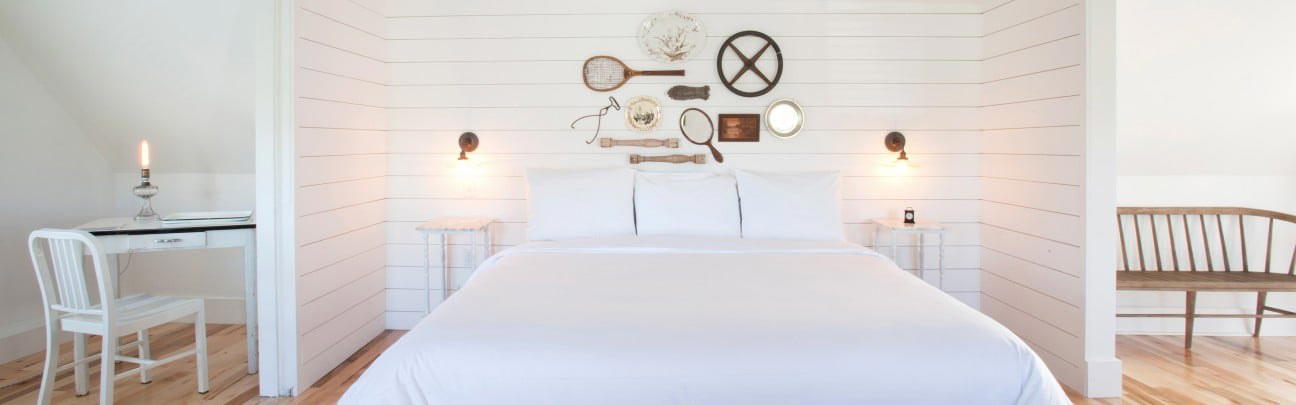
Where Provincetown's Architectural Character Shapes the Stay
Provincetown has always been a town where buildings carry more narrative weight than their square footage suggests. The historic district along and around Commercial Street contains some of the most densely layered vernacular architecture on the New England coast: Federal-style sea captains' homes, shingled fishermen's cottages, and late-Victorian additions stacked so close together that the streetscape reads as a single continuous argument about craft, accumulation, and adaptation. Salt House Inn, at 6 Conwell St, sits within this texture rather than apart from it. That address places it on a quieter residential lane just off the main artery, where the town's architectural density loosens slightly without surrendering its character.
Approaching a property in this part of Provincetown, what registers first is the quality of the exterior envelope: the condition of clapboard or shingle, the proportions of windows, the way a porch or entry sequence mediates between the street and the interior. The historic inn category here has split in recent years between properties that retain surface detail while modernizing function, and those that have been stripped back to a generic boutique standard. The better-regarded addresses in town hold both lines simultaneously, which is architecturally more demanding than either approach alone.
The Inn District Context: How Salt House Inn Fits Provincetown's Lodging Tier
Provincetown's accommodation market is smaller and more specialized than comparable New England resort towns. The absence of large hotel brands on the main strip is partly zoning, partly geography — the town occupies the tip of a narrow peninsula accessible only by Route 6 or by ferry from Boston — and partly a function of the community's long-standing preference for independent operators. That context has produced a concentration of owner-operated inns and guesthouses that, at their leading, treat the physical property as a primary asset rather than a backdrop for amenities.
Across this tier, the differentiators are consistent: how well original architectural detail has been preserved, how guest rooms are proportioned relative to the structure's original layout, and whether common areas feel composed or improvised. These are judgment calls that repeat visitors to the town make quickly, often on the basis of a single walk-through or a careful read of property photography.
For travelers comparing Provincetown to other design-led New England destinations, the reference points shift considerably. Properties like Troutbeck in Amenia or Blackberry Farm in Walland operate at a different scale, with estate grounds and full-service programming that the Provincetown inn model cannot replicate. The Provincetown proposition is fundamentally different: density, walkability, and immediate immersion in the town's street life rather than separation from it. That distinction shapes every spatial decision a property makes, from how it handles sound attenuation between rooms to whether it offers private outdoor space in a compressed urban lot.
Design as the Primary Signal
In markets where room counts are small and amenity lists are constrained by building age and size, design quality functions as the primary trust signal for a prospective guest. This is as true in Provincetown as it is at properties like Ambiente in Sedona or Post Ranch Inn in Big Sur, where physical setting and architectural intention do the work that amenity stacking does at larger resort properties. The difference is that Provincetown's historic fabric imposes constraints that landscape-driven properties don't face: you cannot move a wall that is load-bearing and listed, and you cannot add windows to a street-facing elevation without municipal review.
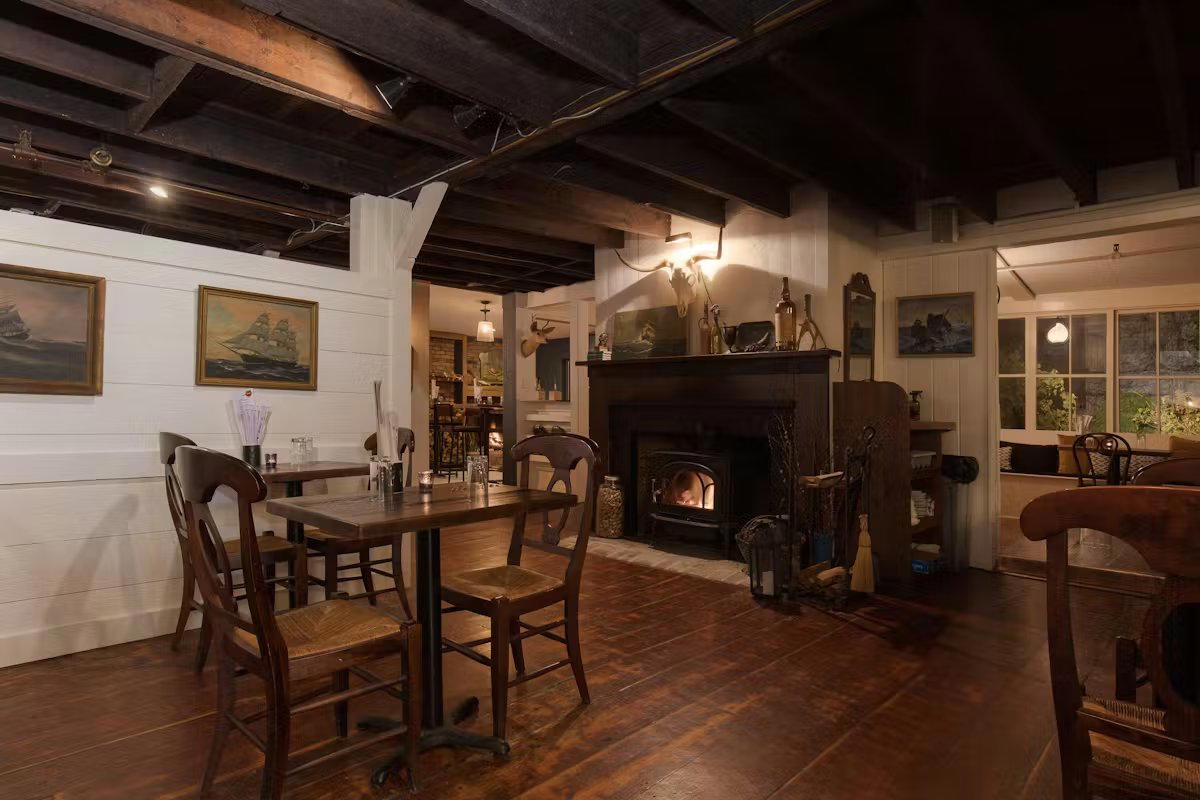
Skilled operators in this environment use those constraints productively. Original wide-plank floors, transom windows, and plaster ceiling profiles become features rather than liabilities. The guest room that feels slightly irregular in plan, because it was once two smaller rooms in a fisherman's cottage, carries a spatial quality that a standardized hotel room cannot reproduce. Whether Salt House Inn achieves this level of integration between historic fabric and contemporary hospitality function is the central question for a prospective guest, and one that the property's positioning on a quiet residential lane suggests it takes seriously.
For context on what design-led hospitality can achieve at the upper end of this approach, the gap between a well-executed historic inn and the benchmark set by properties like Amangiri in Canyon Point or Aman New York is substantial in resource terms but instructive in principle: at both ends of the spectrum, the physical environment is doing most of the communicative work. The Provincetown version simply does it through accumulated history rather than architectural commission.
Planning a Stay: Timing and Logistics
Provincetown's seasonality is pronounced. The summer window from late June through Labor Day compresses demand significantly, and properties across the town's historic inn tier fill well in advance of the peak months. Shoulder periods, particularly late September and October when the light on the outer Cape takes on a different quality and crowds thin, represent a more considered way to experience the town's architecture and street life without the peak-season compression. The ferry from Boston's Long Wharf, operated by multiple carriers, offers a roughly 90-minute crossing that places arrival directly in the center of town, making it the more atmospherically coherent option compared to the two-hour-plus drive on Route 6.
Guests staying at properties in the Conwell St area are within walking distance of the town's primary gallery district, the fishing pier, and the main Commercial Street corridor, which concentrates most of the town's restaurant and bar activity. For those planning broader New England itineraries, Raffles Boston provides a high-specification urban base before or after the Provincetown leg. For the full EP Club view of what to eat and drink while in town, see our full Provincetown restaurants guide.
Other design-led American properties worth cross-referencing when calibrating expectations for this category include SingleThread Farm Inn in Healdsburg, Bernardus Lodge in Carmel Valley, Auberge du Soleil in Napa, Hotel Bel-Air in Los Angeles, Little Palm Island in Little Torch Key, and Kona Village in Kailua Kona. Each operates in a different geographic and price context, but the underlying logic, letting physical environment carry the guest experience, applies across all of them.
In Context: Similar Options
| Venue | Price | Awards |
|---|---|---|
| Salt House InnThis venue — the venue you are viewing | $200–300 | Michelin Selected · Mr & Mrs Smith Seal of Approval |
| Aman New York | Not listed | 3 Michelin Keys · World's 50 Best #87 |
| Amangiri | $1,000–1,500 | 3 Michelin Keys · World's 50 Best #45 |
| Hotel Bel-Air | $750–1,000 | 3 Michelin Keys · World's 50 Best #57 |
| The Beverly Hills Hotel | Not listed | 3 Michelin Keys · World's 50 Best #65 |
| The Carlyle, A Rosewood Hotel | $1,500–2,500 | 2 Michelin Keys · World's 50 Best #64 |
Recognition history
Dated appearances from independent guides and award organizations, with the underlying list record or original source where available.
Michelin Selected
Michelin
Mr & Mrs Smith Seal of Approval
Mr & Mrs Smith
Continue exploring
More in Provincetown
Hotels in Provincetown
Browse all →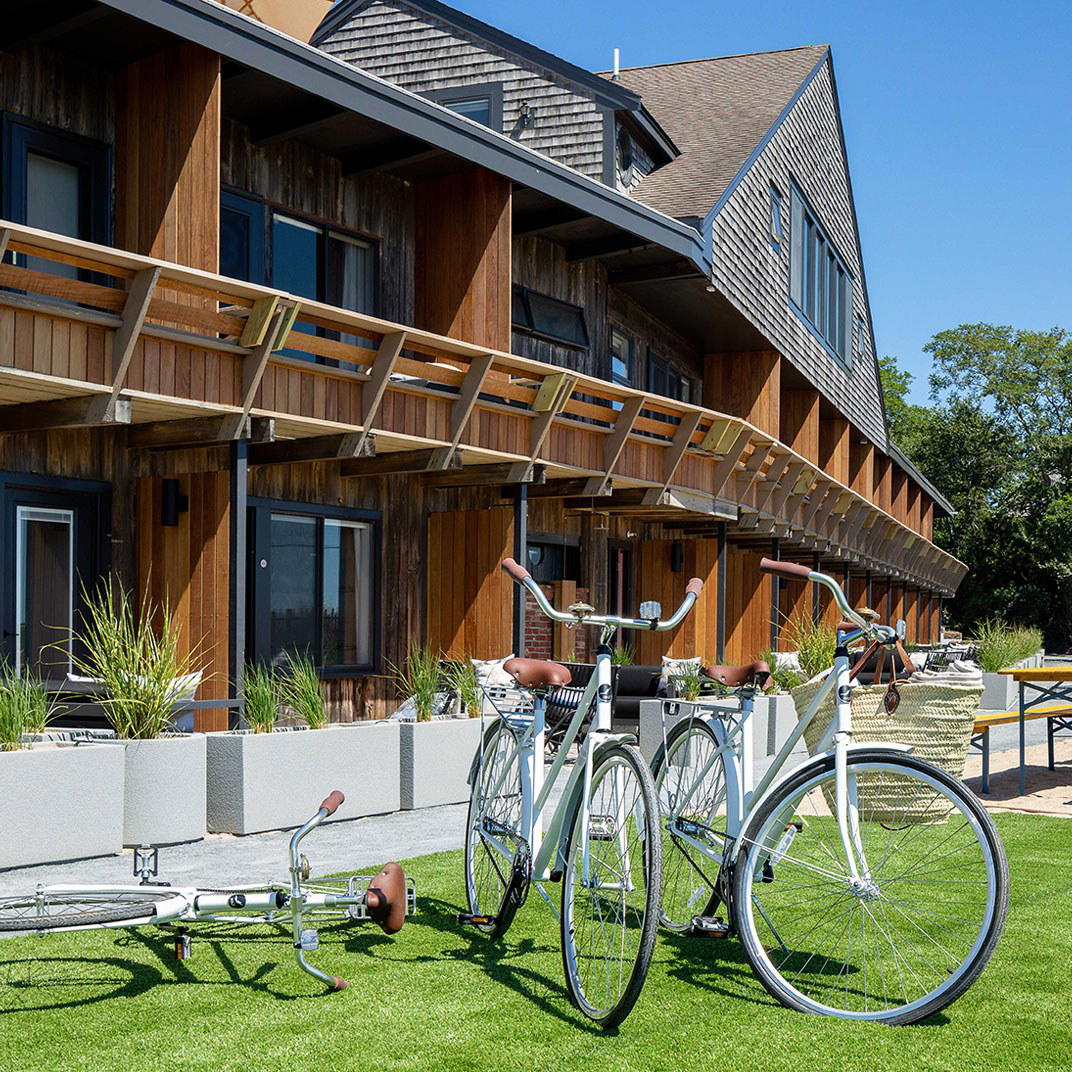

Bars in Provincetown
Browse all →

Details
- Romantic
- Cozy
- Lively
- Classic
- Intimate
- Romantic Getaway
- Weekend Escape
- Anniversary
- Beachfront
- Garden
- Historic Building
- Design Destination
- Wi Fi
- Breakfast Included
- Garden
Bright, airy, and breezy with white-on-white interiors, natural light, coastal charm through beachcomber finds, and a welcoming yet sophisticated atmosphere that balances lively proximity to Commercial Street with peaceful garden retreats.