Lobster Pot Restaurant and Bar
On North Church Street in George Town, Lobster Pot Restaurant and Bar has held a place in Grand Cayman's dining scene long enough to become a reference point for Caribbean seafood on the island. The address puts it close to the waterfront, and the name signals a focus that the broader menu delivers on: local catch, reef fish, and the crustacean the island has traded on for generations.
Pearl is the En Primeur Club membership app — saves, bookings, and concierge access live there. Same editors, same standards.
- Address
- 245 North Church Street Grand Cayman KY1, 1107, Cayman Islands
- Phone
- +1 345 949 2736
- Website
- lobsterpot.ky
- Directions
- Get directions
 Saves & bookings on Pearl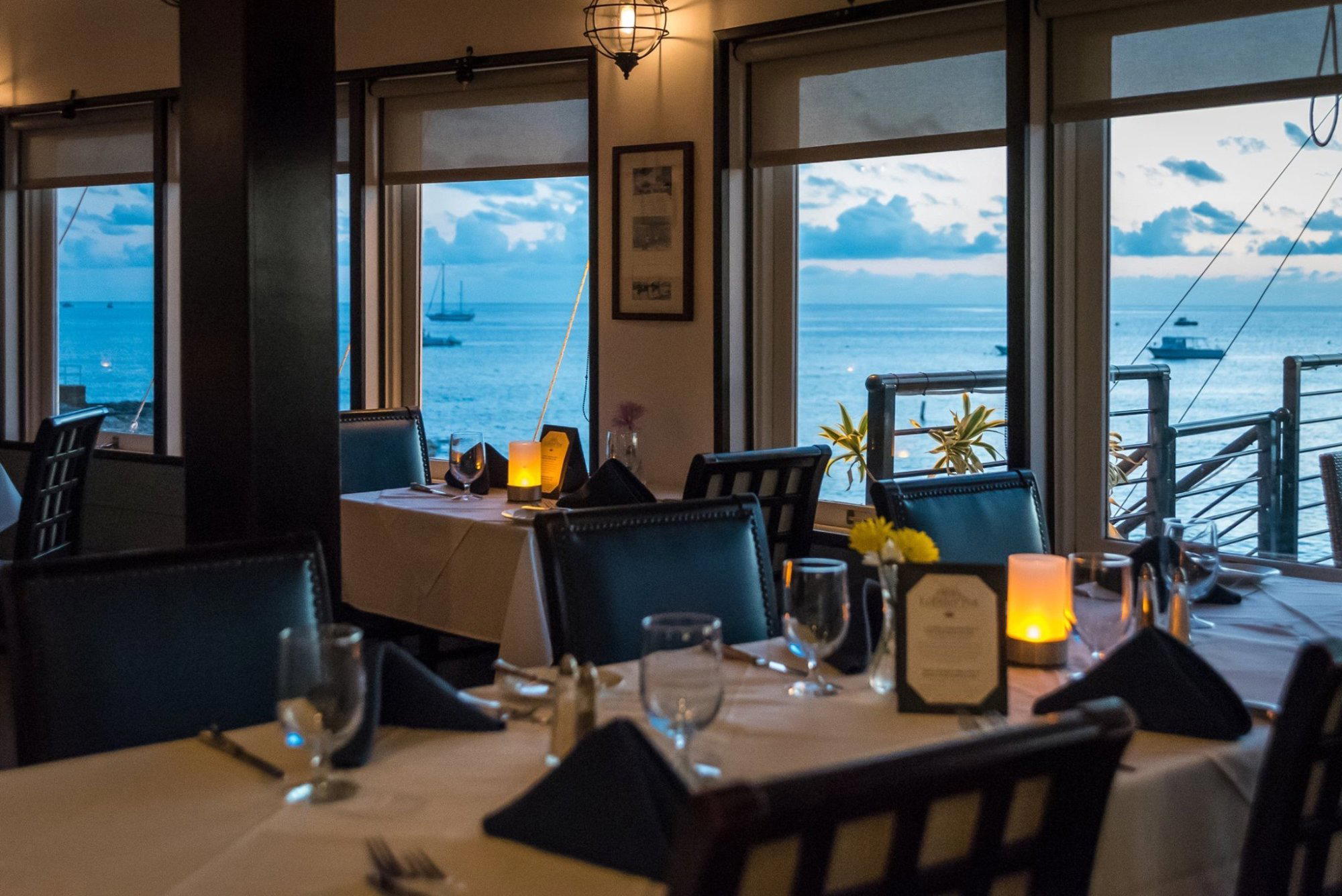
Seafood at the Source: What the Caribbean Delivers to the Plate
Grand Cayman's relationship with the sea is not decorative. The island sits at the edge of the Cayman Trench, the deepest point in the Caribbean, and its fishing tradition reaches back well before tourism became the dominant economic force. Lobster, conch, snapper, grouper, and lionfish all move through local waters, and the restaurants that take that supply chain seriously tend to produce food that imported proteins simply cannot replicate. The closer a kitchen sits to the dock, the more that supply chain shows up on the plate, and Lobster Pot Restaurant and Bar, positioned on North Church Street in George Town, has built its identity around exactly that logic.
Caribbean spiny lobster, the species that defines this part of the world, differs from its North Atlantic counterpart in texture and flavour. The meat is firmer, less fatty, and takes well to grilling and butter basting rather than the boiling and drawn-butter format that defines Maine lobster service. Any kitchen on this island that handles it well is working with a genuinely different ingredient, not just a regional variation. That distinction matters when assessing what Lobster Pot is trying to do and whether it succeeds on its own terms rather than against some imported benchmark.
North Church Street and the George Town Dining Context
George Town is the commercial centre of Grand Cayman, and its restaurant scene reflects that dual identity: it serves both the financial and legal professionals who work there and the cruise passengers who arrive in volume during peak season. The dining options along and near North Church Street sit across a wide range within that mix. At the higher end, Blue by Eric Ripert in Georgetown sets the reference point for fine dining on the island, with the lineage of Le Bernardin in New York City behind it and a price tier to match. The Brasserie in George Town Ky1 1004 operates in a more locally rooted register, with a farm-and-sea sourcing ethos that has attracted consistent recognition. Lobster Pot occupies a different position in that set: a long-established address that functions less as a destination for a special occasion and more as a reliable port of call for Caribbean seafood without the ceremony.
The address at 245 North Church Street places Lobster Pot in that corridor.
The Case for Ingredient-Led Simplicity
The island's most formally ambitious restaurants, including Luca and Seven, build their menus around technical execution and imported luxury goods alongside local produce. That is one valid model. Another is the ingredient-first approach: source well, add as little interference as possible, and let the quality of the fish or crustacean carry the plate. Venues operating in this second mode tend to be evaluated on sourcing transparency and freshness rather than on technique complexity.
Caribbean Food Restaurant in West End operates in the same ingredient-led tradition, and the region as a whole has examples of kitchens that have resisted the pressure to import flavours and formats from elsewhere. The ingredient-led approach is not a fallback; it is a discipline. When executed consistently, it produces food that reflects where you are in a way that no amount of technical ambition can substitute for.
Restaurants that survive across multiple decades in a market as competitive and seasonal as Grand Cayman's are not doing so by accident. The island's dining scene has expanded considerably over the past fifteen years, with arrivals including Aria in George Town, Pani Indian Kitchen in The Crescent, and the more casual Grape Tree Cafe in Bodden Town. In that context, longevity functions as a trust signal, even without the formal award credentials that mark the island's newer fine dining addresses.
Planning a Visit
Lobster Pot Restaurant and Bar operates as a restaurant and bar, which means it functions across different visit types: a full dinner anchored by lobster or reef fish, a drink at the bar with lighter plates, or a midday stop during time in George Town. The bar component gives it a flexibility that purely dinner-format venues lack. For visitors spending time in the capital rather than along the beach corridor, it is a practical option that does not require a special-occasion framing.
At-a-Glance Comparison
Comparable venues nearby, for context on price, style, and recognition.
| Venue | Cuisine | Price | Notes |
|---|---|---|---|
| Lobster Pot Restaurant and BarThis venue — the venue you are viewing | Classic Cayman Seafood | $$$ | Not listed |
| Seven | Classic Steakhouse | $$$$ | Seven Mile Beach |
| Luca | Contemporary Italian | $$$$ | Seven Mile Beach |
| Coccoloba Bar | Mexican-Caribbean Beach Fusion | $$$ | Seven Mile Beach |
Continue exploring
More in Grand Cayman
Restaurants in Grand Cayman
Browse all →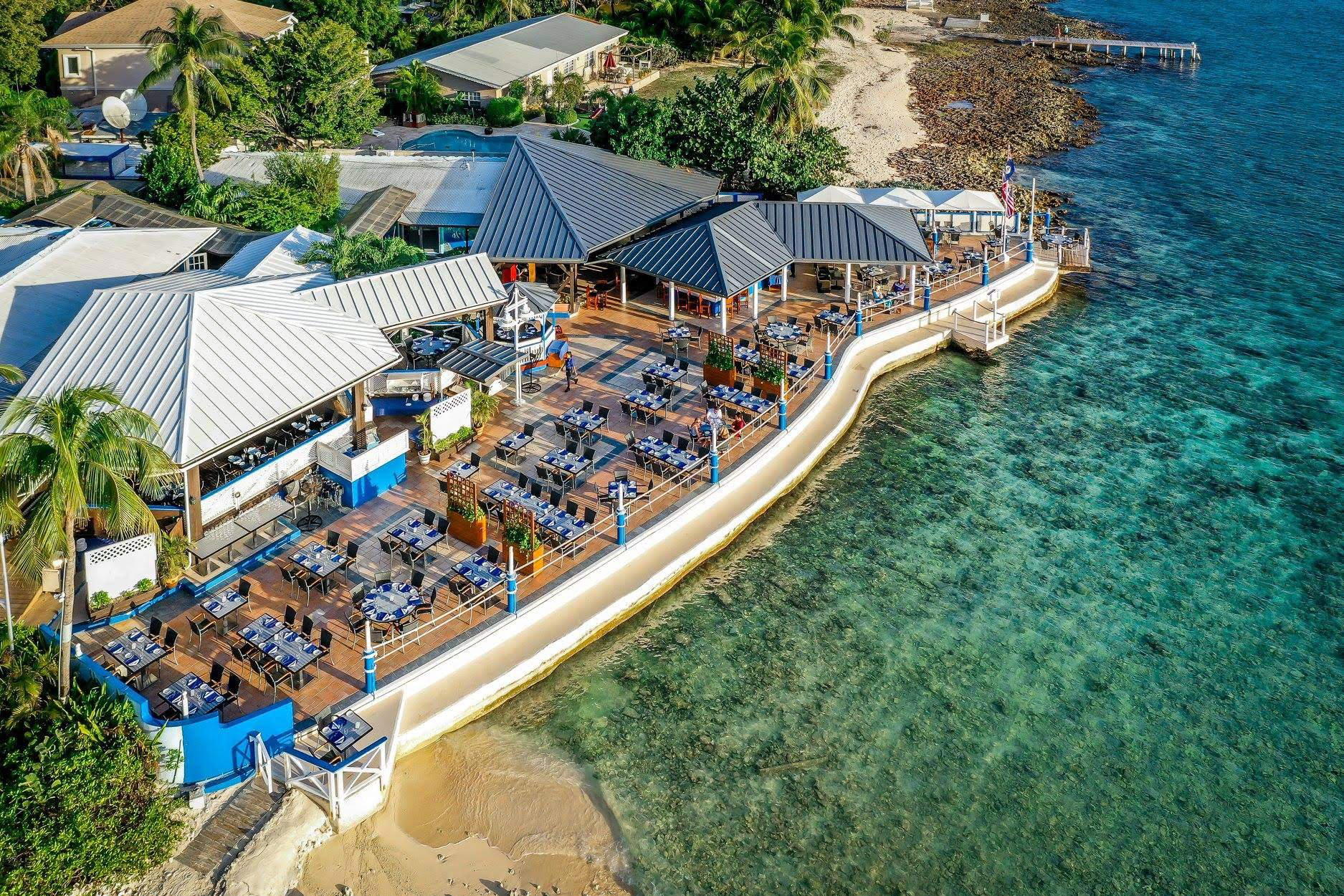
Bars in Grand Cayman
Browse all →
At a Glance
- Classic
- Scenic
- Well Known
- Special Occasion
- Celebration
- Brunch
- Waterfront
- Terrace
- Extensive Wine List
- Sustainable Seafood
- Waterfront
Current opening hours
- Monday
- 11:30 AM–10 PM
- Tuesday
- 11:30 AM–10 PM
- Wednesday
- 11:30 AM–10 PM
- Thursday
- 11:30 AM–10 PM
- Friday
- 11:30 AM–10 PM
- Saturday
- 5–10 PM
- Sunday
- 11 AM–10 PM
Hours can change for holidays and private events. Last verified .
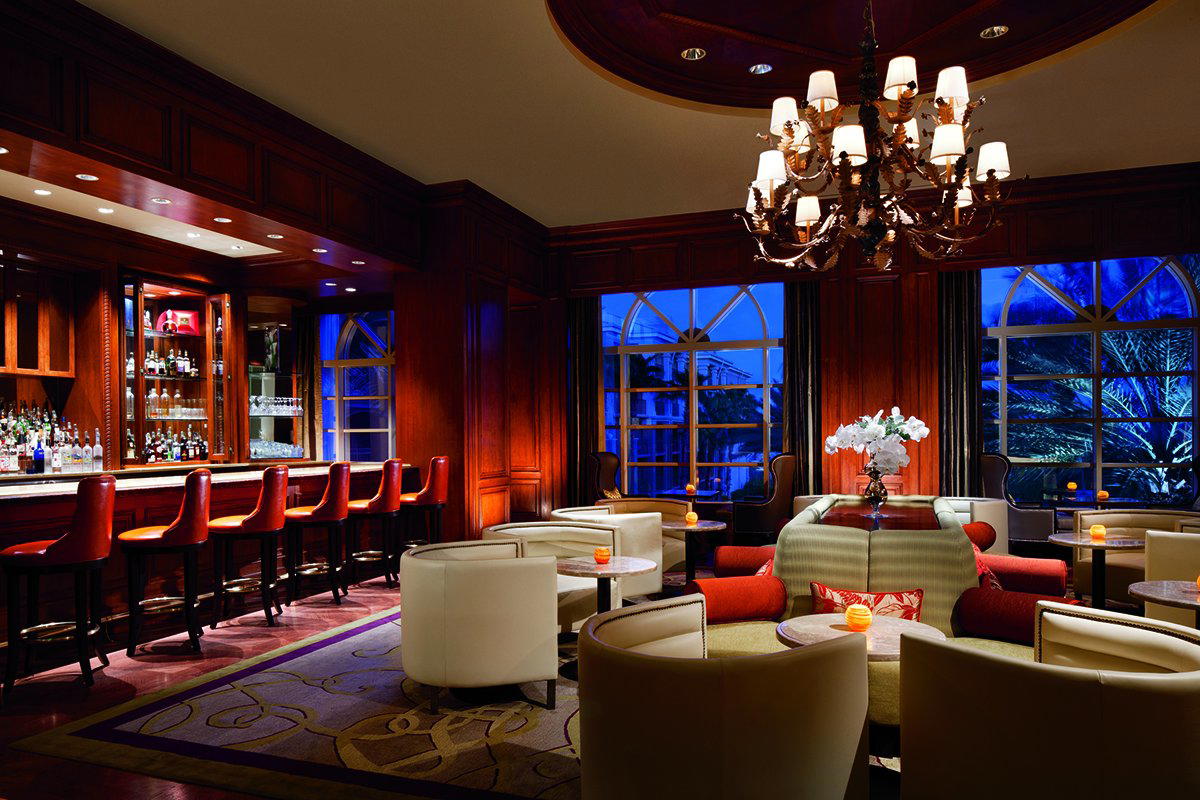
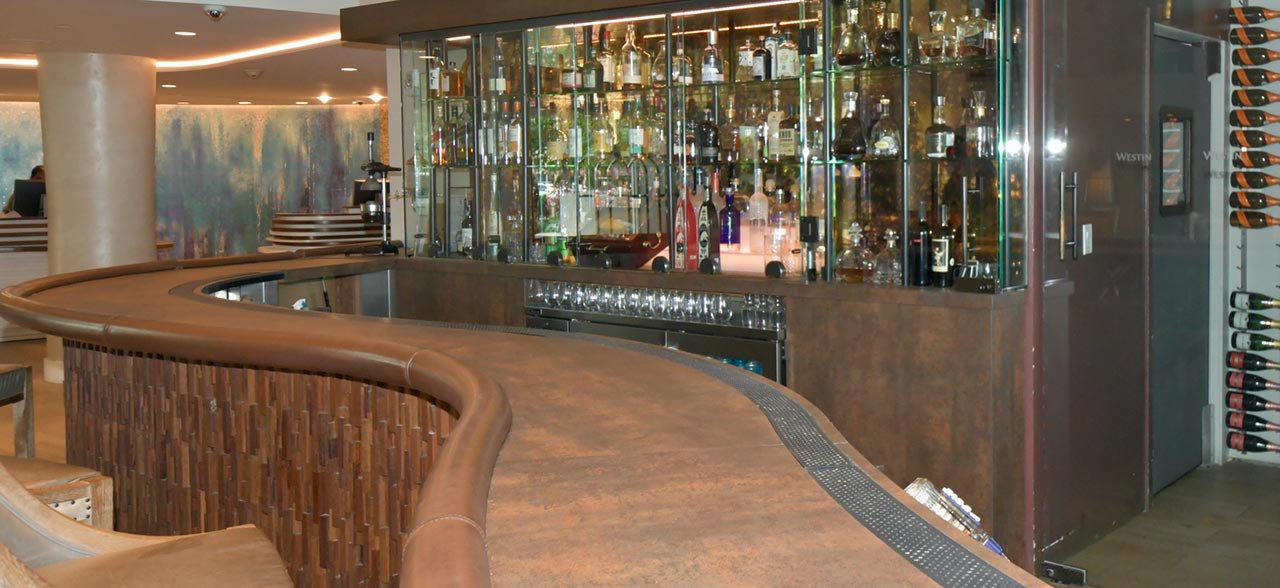
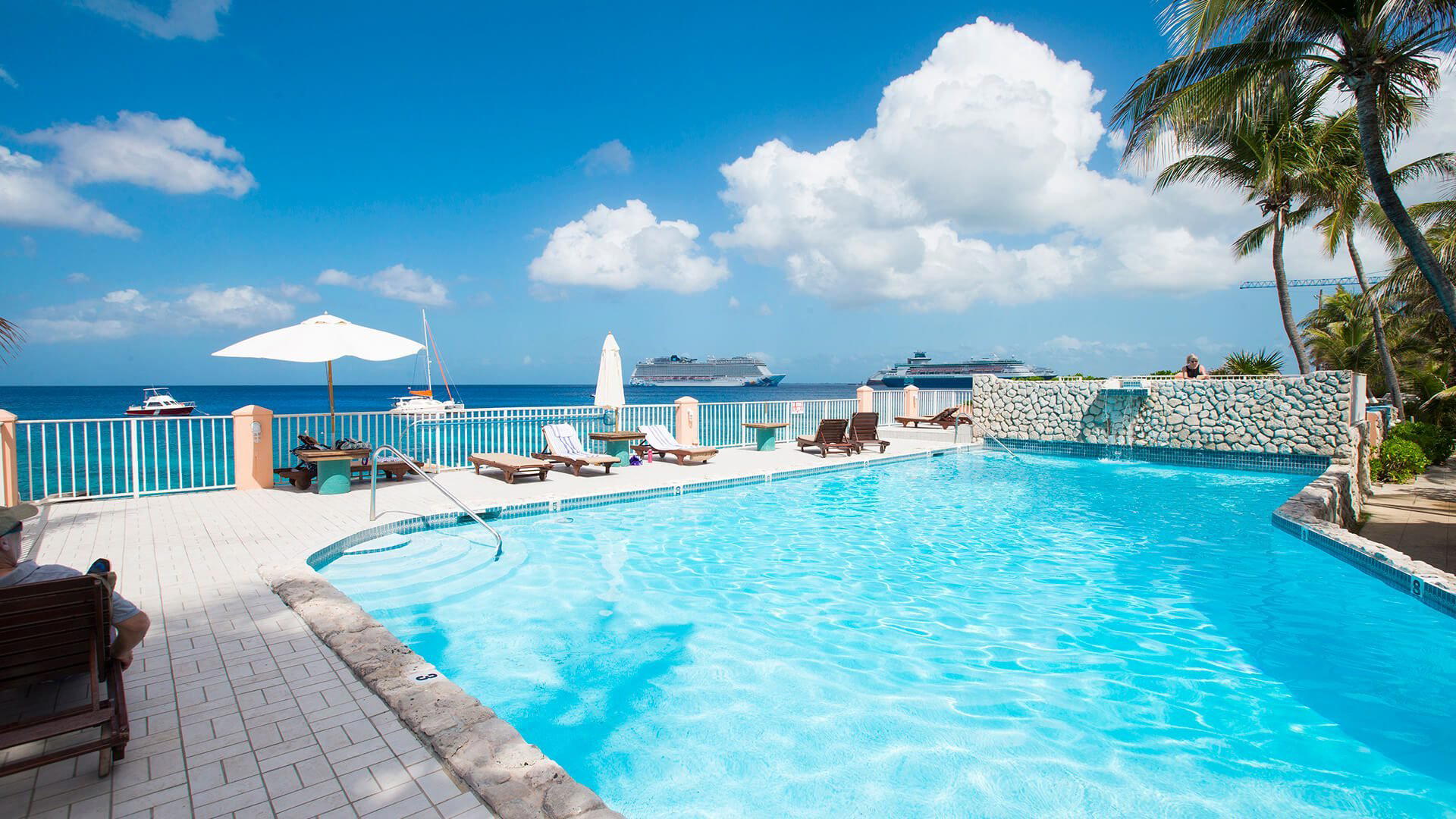
Warm and cozy indoor wine bar with A/C fine dining room and breezy outdoor waterfront deck offering far-reaching ocean views.